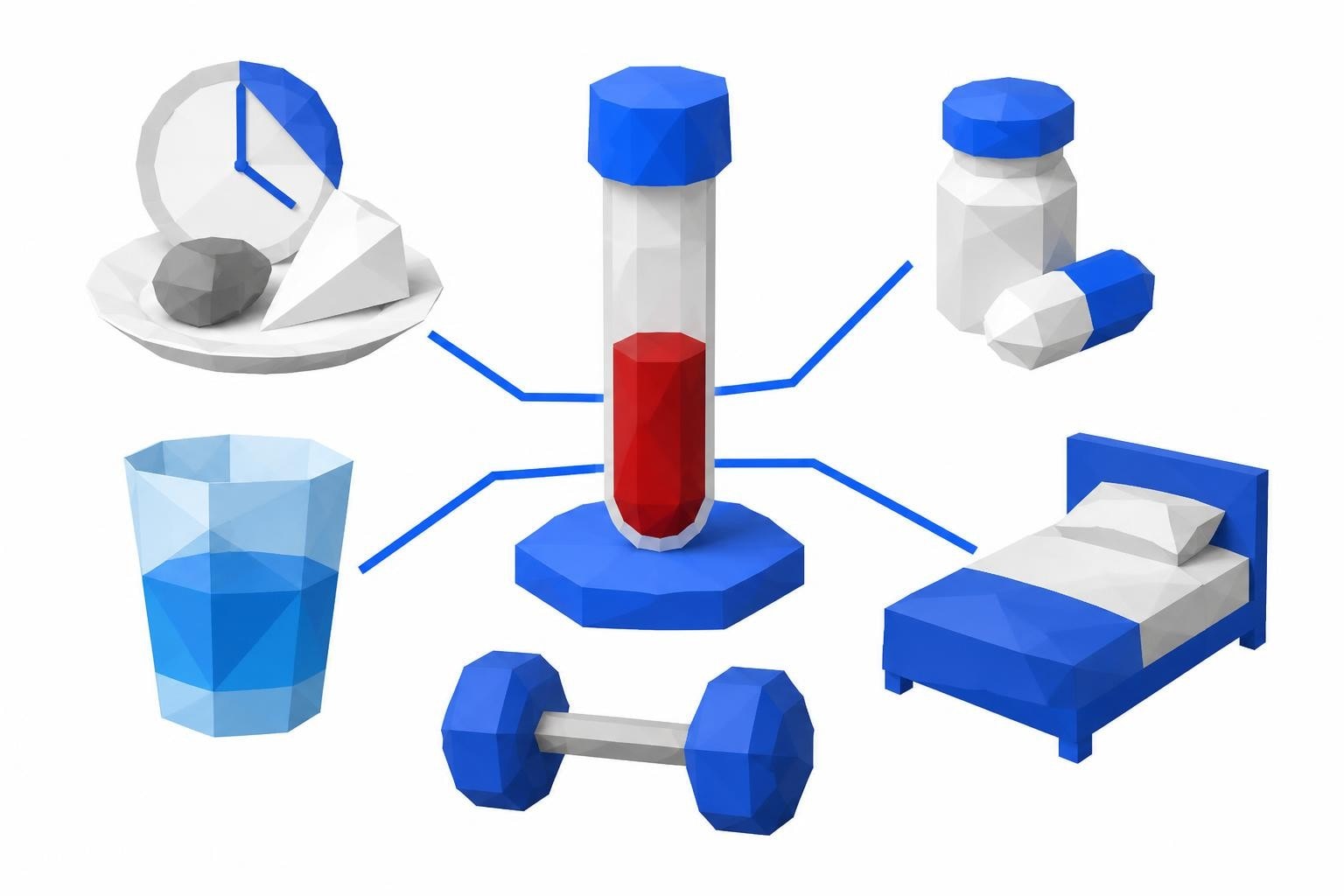
Understanding what changes your blood test results is essential for obtaining accurate, interpretable laboratory values. Whether you're monitoring cholesterol, checking blood sugar levels, or assessing thyroid function, numerous factors can significantly influence your test outcomes. From the timing of your last meal to your sleep quality the night before, these variables can create meaningful fluctuations in your laboratory measurements. When you order labs without a doctor, knowing how to prepare properly ensures you receive reliable results that truly reflect your health status.
Why Blood Test Results Fluctuate
Blood tests measure specific markers circulating in your bloodstream at a particular moment. These markers respond dynamically to your body's internal environment, which constantly shifts based on your activities, consumption patterns, and physiological state.
Understanding what changes your blood test results helps you distinguish between genuine health concerns and temporary variations caused by controllable factors. Laboratory values aren't static numbers-they represent snapshots of your biology influenced by recent behaviors and circumstances.
The Impact of Biological Variation
Your body naturally experiences fluctuations throughout the day, week, and month. Hormone levels rise and fall according to circadian rhythms. Cell turnover occurs continuously. Even your position (sitting versus standing) can affect certain measurements.
These normal variations mean that two tests taken under different conditions may yield different results, even when nothing is wrong. Understanding how factors affect blood test results requires recognizing this inherent variability.
Fasting Status and Food Intake
Food consumption represents one of the most significant factors influencing laboratory values. After eating, your blood composition changes substantially as nutrients enter your circulation.
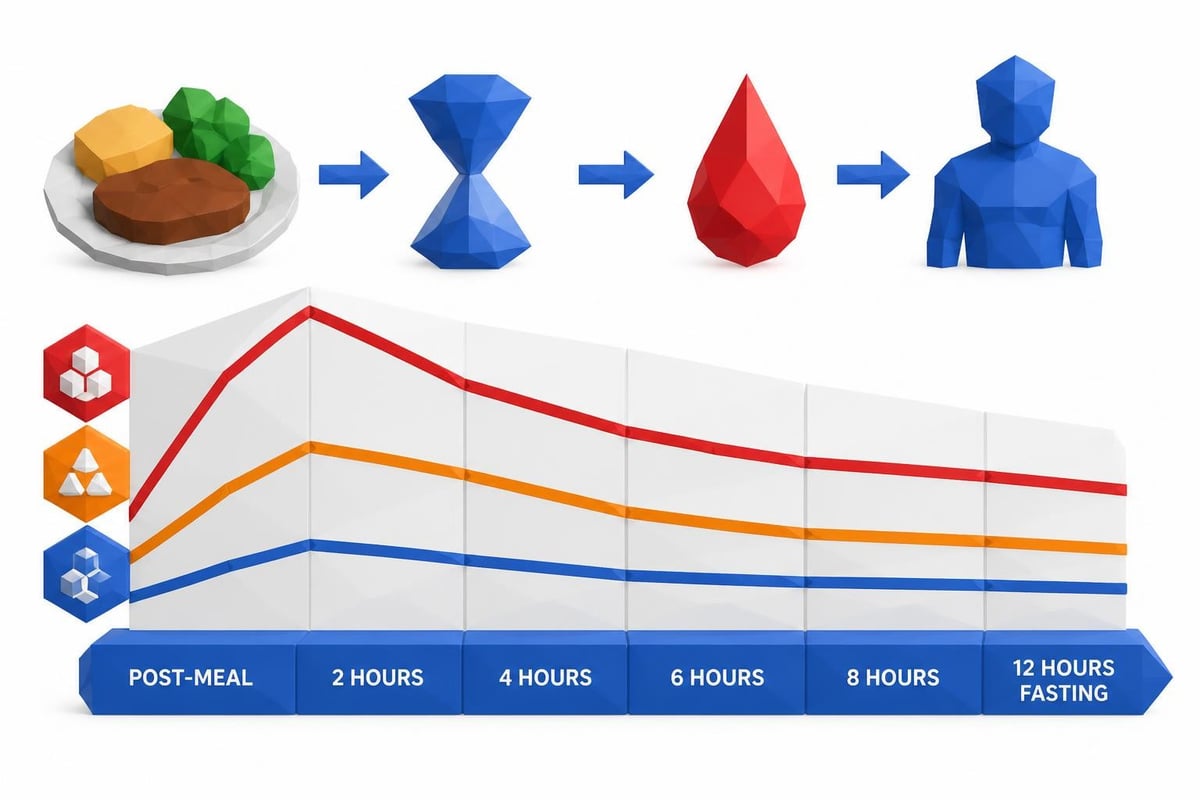
Glucose levels rise dramatically after meals, particularly those containing carbohydrates. A fasting blood sugar test requires 8-12 hours without food to provide accurate baseline measurements. Testing after eating can show elevated glucose that doesn't reflect your true metabolic state.
Triglycerides demonstrate extreme sensitivity to recent food intake. These fat molecules can remain elevated for several hours after meals, especially those high in fats or refined carbohydrates. Most lipid panels require 9-12 hours of fasting for accurate triglyceride assessment.
Tests That Require Fasting
| Test Type | Fasting Requirement | Reason |
|---|---|---|
| Lipid Panel | 9-12 hours | Triglyceride accuracy |
| Glucose | 8-12 hours | Baseline blood sugar measurement |
| Metabolic Panel | 8-10 hours | Multiple glucose-sensitive markers |
| Iron Studies | 12 hours (morning preferred) | Diurnal variation and food interference |
| Vitamin B12 | No fasting required | Minimal food effect |
Recommended Test
Lipid Panel (Standard)
The standard lipid panel measures your cholesterol and triglyceride levels - essential markers for assessing your risk of heart disease and stroke.
Includes 6 biomarkers
$8
Fasting required
Tests That Don't Require Fasting
Many modern tests provide accurate results regardless of meal timing. Complete blood counts (CBCs), thyroid panels, and most hormone tests don't require fasting. However, always verify specific requirements when scheduling your test.
Hydration Levels and Blood Concentration
Water intake significantly influences blood concentration and volume. Dehydration causes blood to become more concentrated, potentially elevating measurements of substances like hemoglobin, hematocrit, and electrolytes.
Proper hydration maintains normal blood volume and ensures accurate test results. Drink adequate water in the 24 hours before testing, but avoid excessive intake immediately before blood draw, which can temporarily dilute certain markers.
Dehydration creates multiple testing complications:
- Increased difficulty locating veins for blood draw
- Falsely elevated protein and albumin levels
- Concentrated electrolyte readings
- Elevated blood urea nitrogen (BUN) values
Conversely, overhydration can dilute blood components, potentially masking genuine elevations in certain markers. Maintain consistent, moderate water intake for the most reliable results.
Exercise and Physical Activity
Physical activity profoundly affects numerous blood markers, making exercise timing a critical consideration when understanding what changes your blood test results.
Intense exercise causes temporary elevations in:
- Creatine kinase (CK) and muscle enzymes
- Lactate dehydrogenase (LDH)
- White blood cell counts
- Liver enzymes (AST, ALT)
- Potassium levels
These changes can persist for 24-72 hours after vigorous workouts. Blood sampling techniques and timing should account for recent physical exertion to avoid misinterpretation.
Exercise Preparation Guidelines
For routine health screening: Avoid intense exercise for 24 hours before testing. Light walking or gentle stretching typically doesn't cause significant interference.
For athletic monitoring: Schedule tests on consistent days relative to your training cycle. This approach provides comparable results across multiple testing occasions.
For muscle enzyme tests: Allow 48-72 hours recovery from resistance training or high-intensity workouts to obtain accurate baseline measurements.
Medications and Supplements
Pharmaceutical and nutritional supplements represent what changes your blood test results most frequently and significantly. Many substances interfere with laboratory measurements through direct biochemical effects or indirect physiological changes.
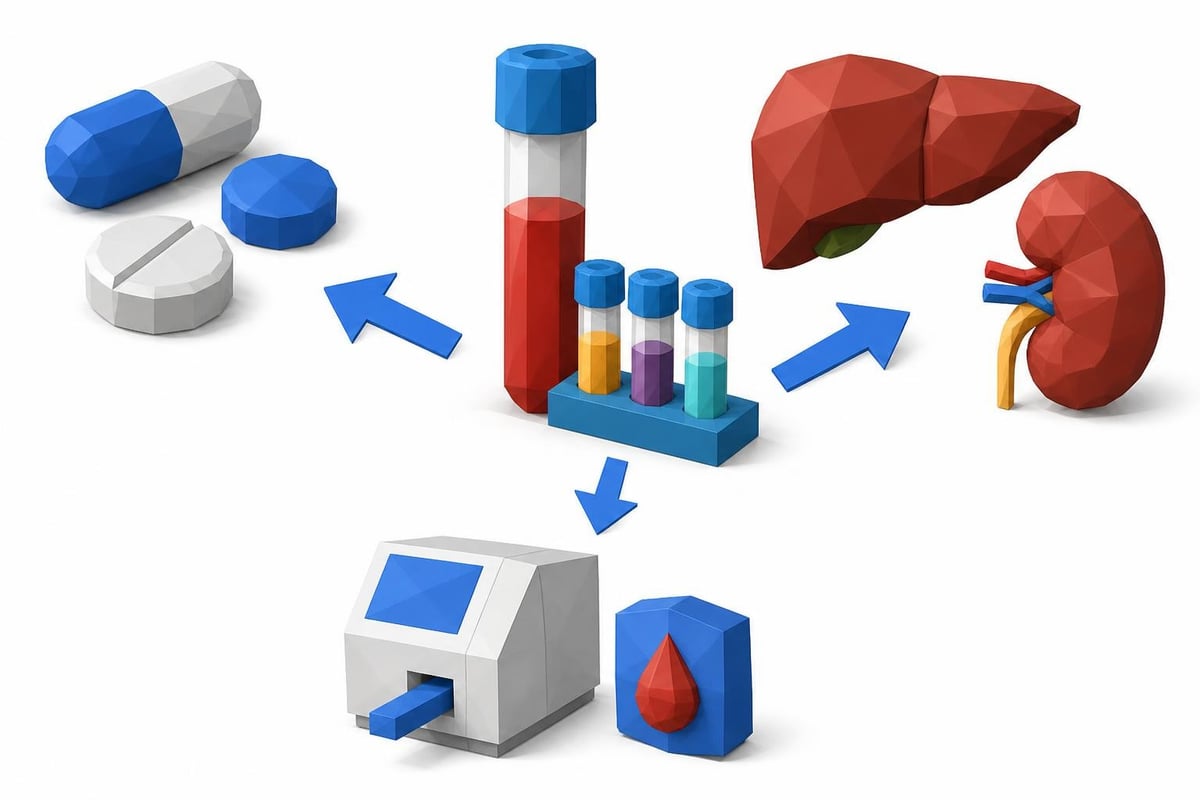
Common medications affecting lab results include:
- Statins: Can elevate liver enzymes (AST, ALT)
- Corticosteroids: Increase glucose, decrease lymphocytes
- Diuretics: Alter electrolyte levels, particularly potassium
- Biotin supplements: Interfere with thyroid tests and troponin
- Vitamin C: Can affect glucose readings in some testing methods
- Antibiotics: May temporarily alter liver function tests
How medications affect lab results involves complex mechanisms, including analytical interference with testing equipment and genuine physiological changes.
Managing Medication Timing
Never discontinue prescribed medications without consulting your healthcare provider. Instead, document all medications and supplements when ordering tests. Most laboratory reports note potential interferences when known medications are disclosed.
For supplements like biotin, discontinuing use 72 hours before testing eliminates most interference. Discuss timing adjustments with your provider for prescription medications that significantly affect specific tests.
Alcohol Consumption
Alcohol intake affects multiple organ systems and laboratory markers. Even moderate drinking can create temporary changes lasting 24-72 hours.
Short-term effects of alcohol include:
- Elevated liver enzymes (GGT, AST, ALT)
- Increased triglyceride levels
- Altered glucose metabolism
- Decreased platelet counts
- Changes in red blood cell size (MCV)
Chronic alcohol use creates persistent changes in blood markers, including sustained liver enzyme elevations, macrocytosis (enlarged red blood cells), and altered lipid profiles. These changes help clinicians identify patterns of regular alcohol consumption.
For accurate testing, avoid alcohol for 24-48 hours before blood draws. Some markers, particularly liver enzymes, may require longer abstinence periods for complete normalization.
Sleep Quality and Duration
Sleep deprivation represents an often-overlooked factor in what changes your blood test results. Poor sleep affects hormone production, glucose metabolism, and inflammatory markers.
Inadequate sleep influences:
- Cortisol levels: Elevated stress hormones from poor sleep
- Glucose regulation: Decreased insulin sensitivity
- Inflammatory markers: Increased C-reactive protein (CRP)
- Thyroid hormones: Altered TSH and T3/T4 ratios
- Testosterone: Reduced levels after chronic sleep restriction
Research demonstrates that even a single night of poor sleep can affect multiple laboratory values. Aim for 7-9 hours of quality sleep before scheduled blood work to minimize sleep-related variations.
Time of Day and Circadian Rhythms
Many blood markers follow predictable daily patterns called circadian rhythms. Testing at different times can yield substantially different results for the same person.
| Marker | Peak Time | Lowest Time | Variation Range |
|---|---|---|---|
| Cortisol | 6-8 AM | Midnight | 2-3 fold difference |
| Iron | Morning | Evening | Up to 30% variation |
| Testosterone | 7-10 AM | Evening | 20-25% variation |
| TSH | 2-4 AM | Afternoon | 50% or more |
| Phosphorus | Evening | Morning | 10-20% variation |
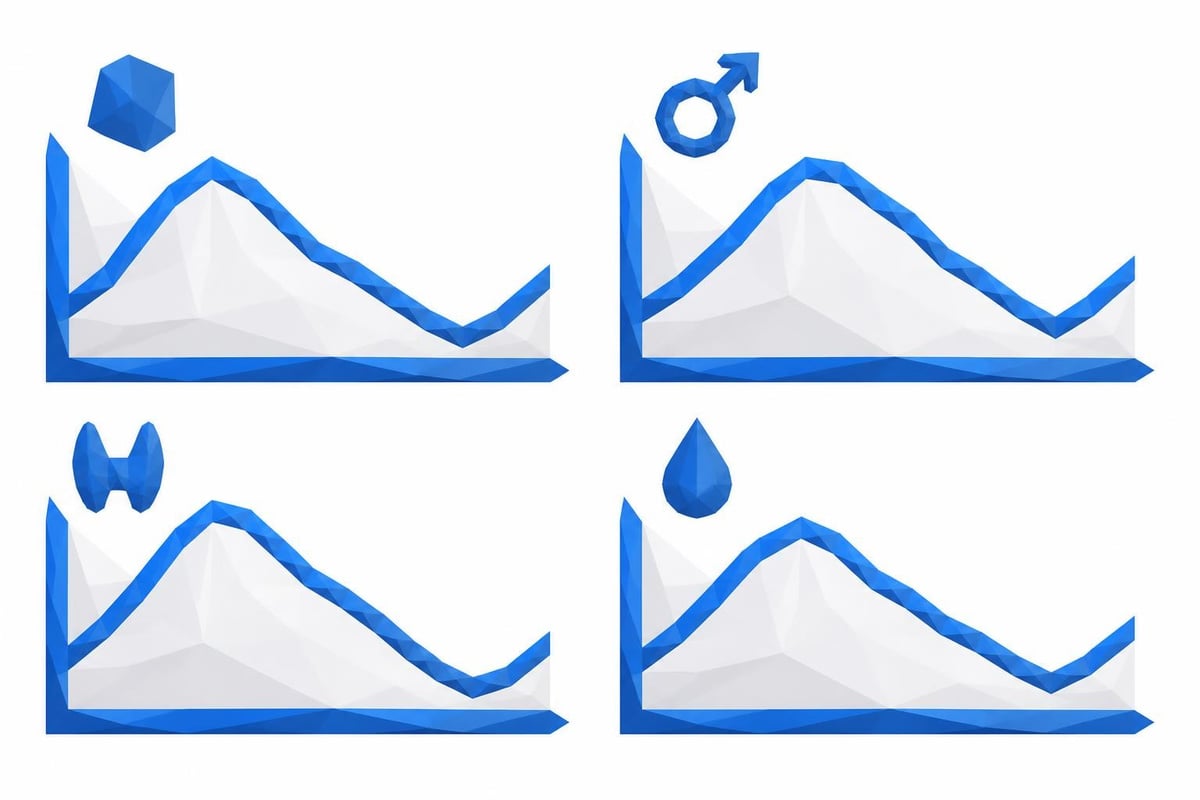
Standardized testing times improve result comparability. When monitoring chronic conditions or tracking changes over time, schedule tests at the same time of day. Morning testing (7-9 AM) captures peak levels for many hormones and provides the most consistent results.
Recommended Test
Cortisol, Total
Cortisol is your body's primary stress hormone, produced by the adrenal glands. This test measures total cortisol levels to assess adrenal function and stress response.
Includes 1 biomarkers
$15
Illness and Inflammation
Active infections, inflammation, or recent illness dramatically affect laboratory values. Your immune response triggers widespread physiological changes reflected in blood work.
Acute illness causes:
- Elevated white blood cell counts
- Increased inflammatory markers (CRP, ESR)
- Altered liver enzymes
- Changes in iron studies (decreased iron, increased ferritin)
- Elevated glucose levels from stress response
Postpone routine screening tests until you've recovered from acute illness for 1-2 weeks. However, diagnostic testing during illness provides valuable information about infection severity and complications.
Chronic inflammatory conditions create persistent changes in multiple markers. These baseline shifts should be considered when interpreting results for individuals with autoimmune diseases, chronic infections, or ongoing inflammatory processes.
Stress and Emotional State
Psychological stress activates your body's fight-or-flight response, releasing hormones and triggering physiological changes detectable in blood tests.
Stress-related changes include:
- Elevated cortisol and catecholamines
- Increased glucose from hormone release
- Higher white blood cell counts
- Altered thyroid function tests
- Changes in cholesterol levels
Anxiety about blood draws (needle phobia) can create temporary stress responses affecting results. Practice relaxation techniques before testing and communicate concerns to phlebotomists who can help minimize anxiety.
Common problems affecting blood test results extend beyond pre-analytical factors to include the testing experience itself.
Preparation Instructions for Accurate Results
Understanding what changes your blood test results enables you to prepare appropriately and obtain the most reliable measurements. Following these guidelines minimizes avoidable variation:
24-48 hours before testing:
- Avoid alcohol consumption
- Limit intense exercise or athletic training
- Maintain consistent medication schedule
- Get adequate sleep (7-9 hours)
- Stay well-hydrated with normal water intake
12 hours before testing:
- Begin fasting if required for your specific tests
- Continue drinking water (avoid excessive amounts)
- Take regular medications unless instructed otherwise
- Avoid smoking or tobacco products
Morning of testing:
- Take only approved medications with small water sips
- Arrive well-rested and relaxed
- Schedule morning appointments when possible
- Bring complete medication and supplement lists
When you understand how lab testing works and prepare appropriately, you maximize the value of your investment in health monitoring.
Recommended Panel
Comprehensive Wellness Panel
Save $4.5Our most thorough health screening covers blood cells, organ function, cholesterol, thyroid, blood sugar, vitamin D, inflammation, and iron - everything you need for a complete health picture.
Includes 44 biomarkers
$94
Fasting required
Special Considerations for Specific Tests
Different tests have unique sensitivities to various factors. The reliability of blood tests depends partly on following test-specific preparation guidelines.
Thyroid testing: TSH varies significantly by time of day. Schedule consistently and avoid biotin supplements for 72 hours before testing.
Testosterone: Morning testing (7-10 AM) captures peak levels. Repeated tests should occur at the same time for accurate comparison.
Vitamin D: Minimal preparation required, but recent high-dose supplementation can temporarily elevate results.
HbA1c: Reflects 2-3 month glucose average. No fasting required, and short-term factors have minimal impact.
PSA screening: Avoid ejaculation for 48 hours before testing, as this temporarily elevates prostate-specific antigen levels.
Sample Collection and Handling
Even with perfect preparation, improper sample collection or handling can compromise results. While you can't control laboratory processes, understanding these factors helps you recognize when repeat testing may be needed.
Collection issues affecting accuracy:
- Hemolysis (red blood cell breakdown) from difficult draws
- Contamination from IV lines or improper technique
- Insufficient sample volume for testing
- Delayed processing or temperature exposure
- Incorrect tube types for specific tests
Professional phlebotomists minimize these risks, but occasionally samples require recollection. Quality laboratories flag problematic samples and recommend retesting rather than reporting potentially inaccurate results.
When to Repeat Abnormal Results
Unexpected or borderline abnormal results often warrant confirmation testing. Understanding what changes your blood test results helps you determine whether variations reflect genuine health changes or temporary fluctuations.
Consider repeat testing when:
- Results differ dramatically from previous values
- You didn't follow proper preparation guidelines
- You were ill or stressed during initial testing
- Results fall just outside reference ranges
- Multiple markers show inconsistent patterns
Allow appropriate time between tests for temporary factors to resolve. Most preparation-related variations normalize within 3-7 days of returning to baseline conditions.
Knowing what changes your blood test results empowers you to prepare effectively and interpret findings accurately, distinguishing between meaningful health indicators and temporary variations from controllable factors. When you're ready to monitor your health with comprehensive testing at transparent prices, Justlabs offers convenient access to a wide range of laboratory tests without requiring insurance or doctor visits, delivering reliable results in 1-3 days to support your health management goals.
Related Reading

References
Nordin N, Ab Rahim SN, Wan Omar WFA, Zulkarnain S, Sinha S, Kumar S, Haque M. Preanalytical Errors in Clinical Laboratory Testing at a Glance: Source and Control Measures. Cureus. 2024 Mar;16(3):e57243. doi: 10.7759/cureus.57243. PMID: 38559530. https://pubmed.ncbi.nlm.nih.gov/38559530/
Nordestgaard BG. A Test in Context: Lipid Profile, Fasting Versus Nonfasting. J Am Coll Cardiol. 2017 Sep 26;70(13):1637-1646. doi: 10.1016/j.jacc.2017.08.006. PMID: 28935041. https://pubmed.ncbi.nlm.nih.gov/28935041/
Bird SR, Linden M, Hawley JA. Acute changes to biomarkers as a consequence of prolonged strenuous running. Ann Clin Biochem. 2014 Mar;51(Pt 2):137-50. doi: 10.1177/0004563213492147. PMID: 24000373. https://pubmed.ncbi.nlm.nih.gov/24000373/
Andresen-Streichert H, Müller A, Glahn A, Skopp G, Sterneck M. Alcohol Biomarkers in Clinical and Forensic Contexts. Dtsch Arztebl Int. 2018 May 4;115(18):309-315. doi: 10.3238/arztebl.2018.0309. PMID: 29807559. https://pubmed.ncbi.nlm.nih.gov/29807559/
Irwin MR, Olmstead R, Carroll JE. Sleep Disturbance, Sleep Duration, and Inflammation: A Systematic Review and Meta-Analysis of Cohort Studies and Experimental Sleep Deprivation. Biol Psychiatry. 2016 Jul 1;80(1):40-52. doi: 10.1016/j.biopsych.2015.05.014. PMID: 26140821. https://pubmed.ncbi.nlm.nih.gov/26140821/
van der Spoel E, Roelfsema F, van Heemst D. Within-Person Variation in Serum Thyrotropin Concentrations: Main Sources, Potential Underlying Biological Mechanisms, and Clinical Implications. Front Endocrinol (Lausanne). 2021;12:619568. doi: 10.3389/fendo.2021.619568. PMID: 33716972. https://pubmed.ncbi.nlm.nih.gov/33716972/