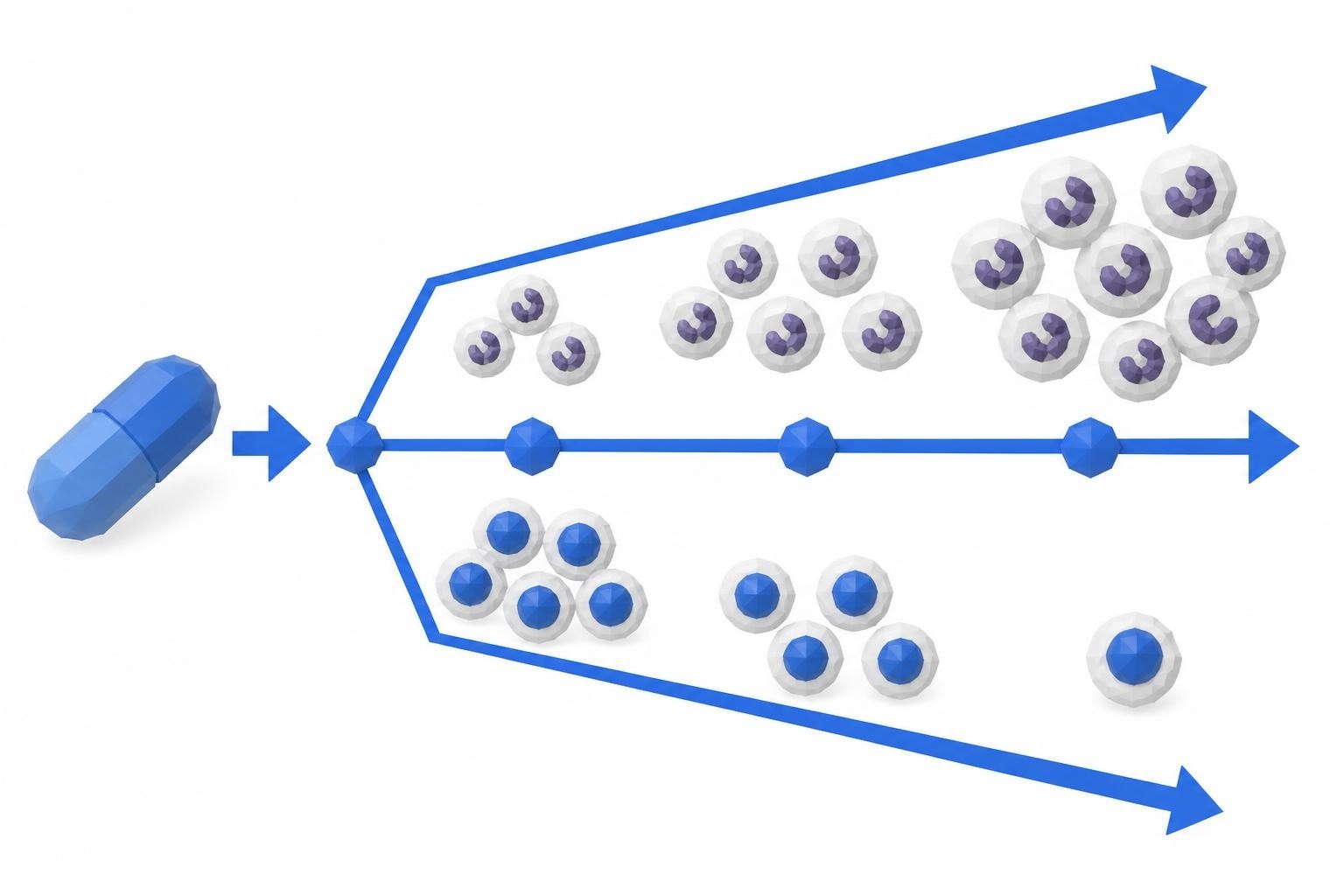
If you've ever received lab test results from two different facilities and noticed the numbers don't match, you're not alone. Understanding why different labs report different results is essential for anyone who regularly monitors their health through blood work, urinalysis, or other diagnostic testing. The variations you see aren't necessarily errors-they're often the natural consequence of legitimate differences in testing processes, equipment, and standards across laboratories.
The Impact of Testing Methodologies on Results
One of the primary reasons why different labs report different results stems from the diverse methodologies employed to measure the same analytes. Laboratories can choose from multiple validated testing techniques, each with its own strengths and measurement characteristics.
Different Analytical Approaches
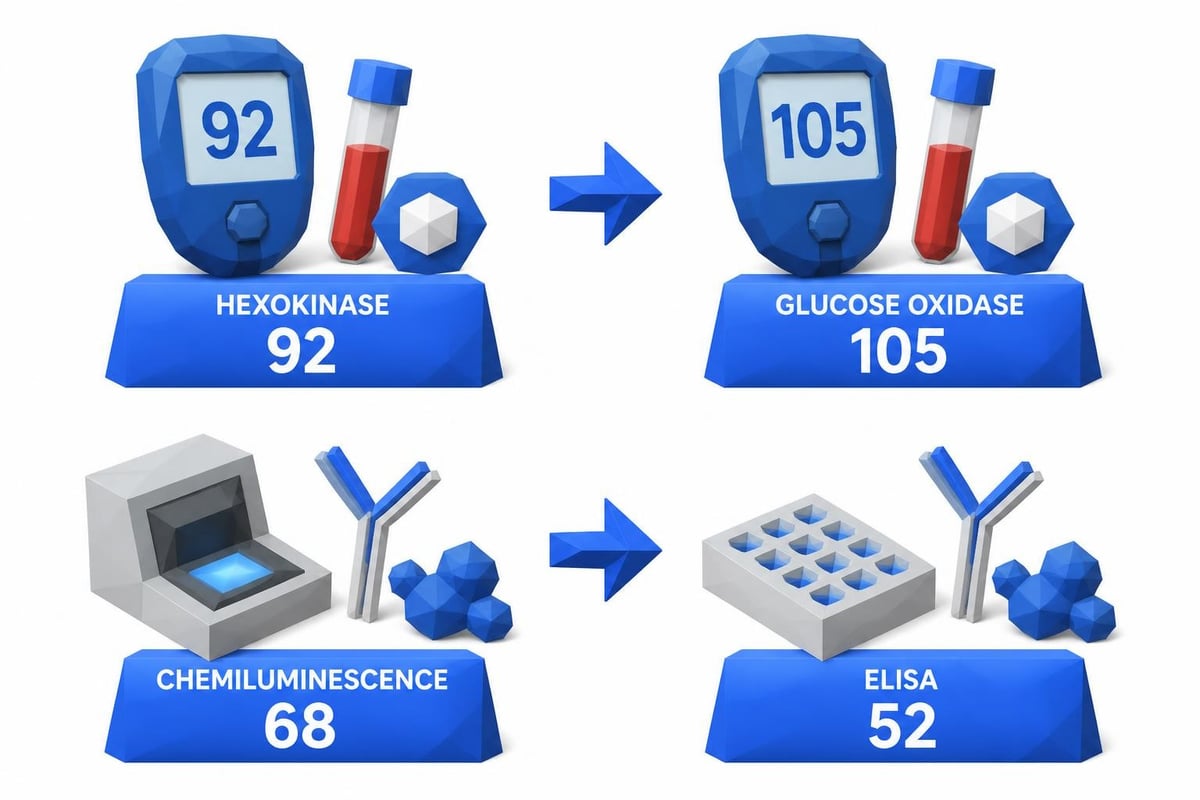
Consider a basic fasting glucose test. One laboratory might use a hexokinase method, while another employs glucose oxidase technology. Both approaches are scientifically sound and FDA-approved, yet they can yield slightly different numerical results for the same blood sample. Understanding these technical variations in testing methods helps explain the discrepancies you might observe.
The choice of methodology often depends on several factors:
- Equipment availability at the testing facility
- Cost considerations for reagents and maintenance
- Sample volume required for testing
- Turnaround time expectations
- Specific analyte being measured
When you order labs without a doctor through self-pay services, you're typically using partner laboratories that employ industry-standard methodologies. However, different partner locations may still use different equipment platforms, contributing to result variations.
Equipment Calibration and Quality Control Differences
Laboratory instruments require regular calibration to maintain accuracy. Even with identical testing methodologies, variations in how equipment is calibrated create another layer explaining why different labs report different results.
Calibration Standards and Frequency
Each laboratory establishes calibration protocols based on manufacturer recommendations, regulatory requirements, and internal quality standards. One facility might calibrate certain instruments daily, while another does so weekly or after a specific number of tests.
| Calibration Factor | Impact on Results | Frequency Variation |
|---|---|---|
| Reference materials | Shifts baseline measurements | Monthly to quarterly |
| Instrument drift | Gradual result changes | Daily verification needed |
| Temperature control | Affects chemical reactions | Continuous monitoring |
| Reagent lot changes | Introduces systematic variations | With each new lot |
The differences in reference ranges among laboratories often trace back to these calibration variations. Two perfectly functioning laboratories can produce different "normal" ranges based on their specific equipment and calibration standards.
Quality Control Programs
Laboratories participate in various quality control programs, but the rigor and frequency of these checks vary. Some facilities run control samples before every patient batch, while others follow minimum regulatory requirements. This doesn't mean one laboratory is better than another-it reflects different operational philosophies that can contribute to result variations.
Reference Ranges: Understanding the Normal Zone
Perhaps the most confusing aspect when comparing results is that laboratories often report different reference ranges for the same test. These ranges represent the values considered "normal" for healthy individuals, but they're not universal standards — and a result inside the normal range isn't always an optimal one.
How Reference Ranges Are Established
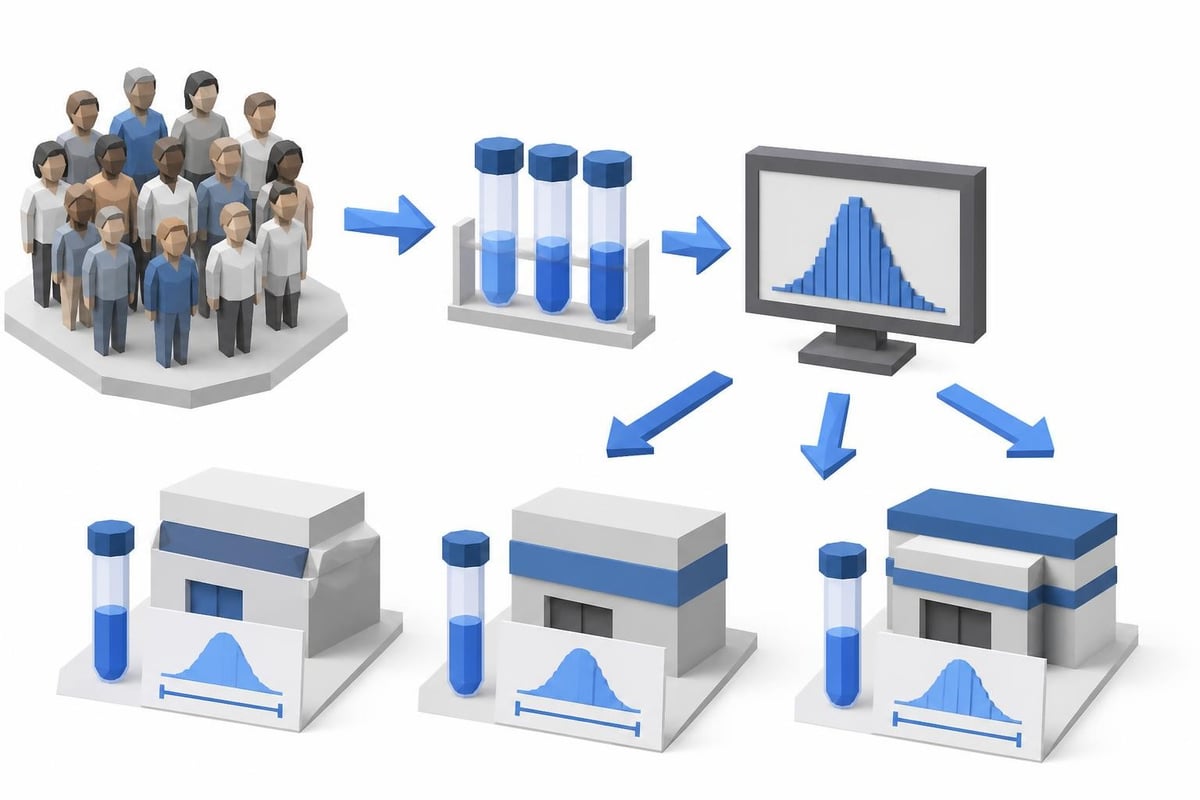
Laboratories develop reference ranges by testing healthy populations and using statistical methods to determine the range where approximately 95% of normal results fall. This process varies significantly between facilities.
Reference range development depends on:
- Local population demographics tested to establish baselines
- Age and gender stratification methods used
- Sample size of the reference population
- Statistical methods applied to data analysis
- Equipment and methodology specific to that laboratory
The technical and biological factors affecting reference ranges mean that what's considered "high" at one facility might be "normal" at another. This is why your test report always includes the specific reference range used by that laboratory.
Interpreting Your Results Across Laboratories
When comparing results from different laboratories, focus on whether your value falls within that specific lab's reference range rather than comparing absolute numbers. A thyroid-stimulating hormone (TSH) level of 3.2 mIU/L might be slightly elevated at one lab (range: 0.4-3.0) but perfectly normal at another (range: 0.5-4.5).
Understanding why "normal" ranges differ between labs prevents unnecessary anxiety about small numerical differences that have no clinical significance.
Recommended Test
TSH (Thyroid Stimulating Hormone)
The TSH test is the gold standard for evaluating thyroid function. It's the first test doctors order when thyroid problems are suspected.
Includes 1 biomarkers
$9
Sample Handling and Processing Variables
The journey of your blood sample from collection to analysis involves numerous steps where variations can occur. Pre-analytical variables account for a significant portion of why different labs report different results, even when the actual testing is performed identically.
Collection Techniques and Timing
Blood draw techniques, tube types, and even the time of day can affect results. Some analytes are highly sensitive to:
- Whether you were sitting or standing during collection
- How long the tourniquet was applied
- The order in which multiple tubes were filled
- Time elapsed between collection and processing
Different laboratories may have varying protocols for these collection variables, creating systematic differences in results.
Transportation and Storage Conditions
Once collected, samples must reach the testing laboratory under specific conditions. Temperature fluctuations, transportation time, and storage protocols all influence result accuracy.
Temperature-sensitive tests include:
- Glucose levels (decrease in unprocessed samples)
- Potassium measurements (increase if hemolysis occurs)
- Enzyme activities (degrade with improper storage)
- Hormone levels (unstable without proper preservation)
When comparing results from different facilities, consider whether samples were processed on-site versus transported to a central laboratory. This logistical difference alone can explain variations in certain test values.
Timing and Biological Variability Factors
Your body's chemistry isn't static-it changes throughout the day, week, and month. This biological variability compounds the technical reasons why different labs report different results, particularly when tests are performed at different times.
Circadian Rhythms and Test Timing
Many analytes follow daily patterns. Cortisol levels peak in the morning and decline throughout the day. Testosterone is highest upon waking and decreases as the day progresses. If you test at one laboratory at 8 AM and another at 2 PM, the time difference alone creates variation.
Short-Term Physiological Changes
Recent activities before testing can significantly impact results:
- Exercise elevates certain enzymes and proteins
- Meals affect glucose, triglycerides, and insulin
- Hydration status concentrates or dilutes blood components
- Stress releases hormones that alter multiple markers
- Sleep quality the night before influences various parameters
Pre-analytic factors and their impact on results underscore why maintaining consistent testing conditions matters more than the specific laboratory chosen.
Reagent and Consumable Variations
Laboratories purchase reagents-the chemical substances used in testing-from various manufacturers. Even when using the same testing methodology, different reagent brands can produce slightly different results.
Manufacturer Specifications
Each reagent manufacturer formulates their products with proprietary ingredients and concentrations. While these formulations must meet regulatory standards, they're not identical. This creates systematic differences between laboratories that use different reagent suppliers.
| Reagent Variable | Effect on Results | Cross-Lab Consistency |
|---|---|---|
| Chemical composition | Slight numerical shifts | 92-98% agreement |
| Lot-to-lot variation | Periodic result changes | Requires recalibration |
| Storage requirements | Stability differences | Temperature-dependent |
| Shelf life | Gradual degradation | Time-sensitive |
When comparing Quest Diagnostics vs LabCorp prices, remember that different major laboratory chains may use different reagent suppliers, contributing to result variations beyond just pricing differences.
Instrument Technology and Automation Levels
Modern laboratories use highly sophisticated automated analyzers, but not all instruments are created equal. The generation, brand, and model of testing equipment influences why different labs report different results.
Platform-Specific Characteristics
A chemistry analyzer from one manufacturer might use different reaction temperatures, incubation times, or detection wavelengths than a competitor's model. These technical specifications affect measurement precision and accuracy.
Newer instruments often offer improved accuracy and precision compared to older models, but this doesn't make older equipment inaccurate-it's still within acceptable performance standards. However, when you test at two facilities with different-generation equipment, expect some variation.
Automation and Human Factors
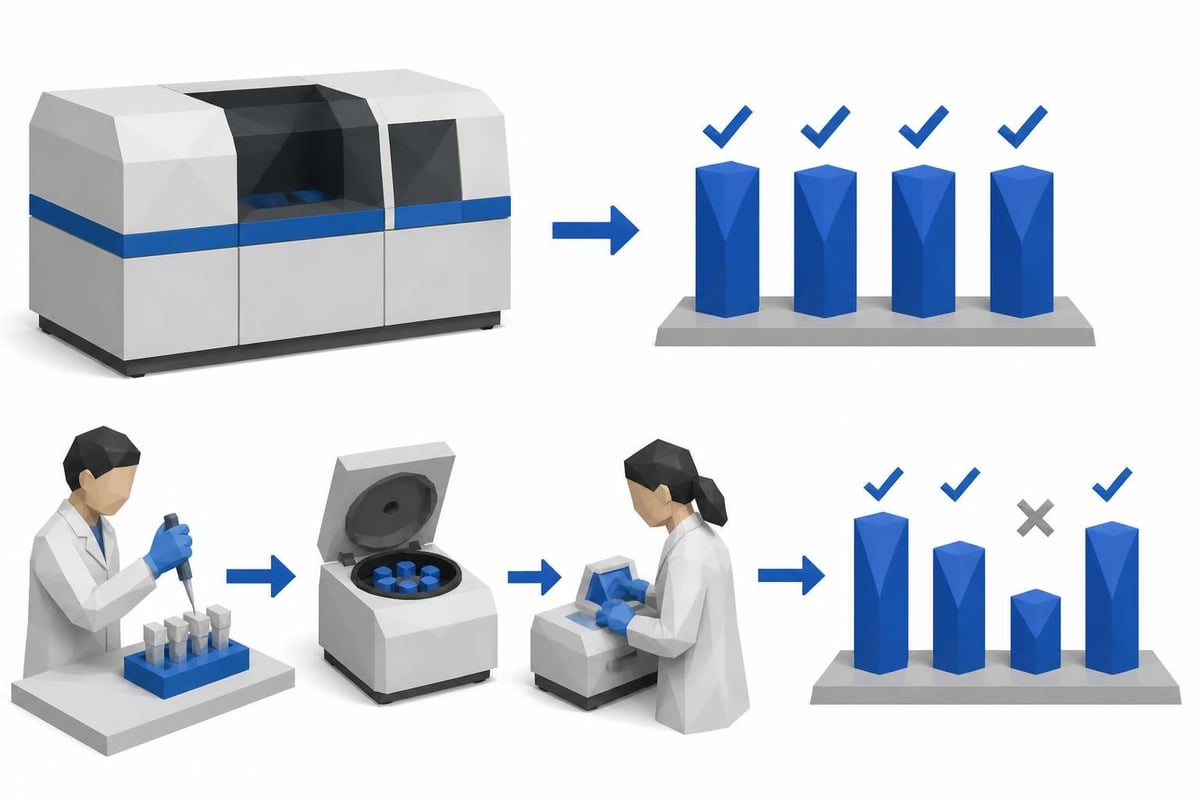
Fully automated laboratories minimize human handling, reducing one source of variability. Facilities with more manual processing steps introduce additional opportunities for variation, though not necessarily error. The technician's technique, experience, and attention to detail all factor into result consistency.
Statistical Precision and Measurement Uncertainty
Every laboratory test has an inherent measurement uncertainty-a range within which the "true" value likely falls. Understanding this concept is crucial for interpreting why different labs report different results.
Acceptable Analytical Variation
Regulatory bodies establish acceptable performance limits for each type of test. These limits define how much variation is permissible while still considering the test reliable. For example, a glucose test might have an acceptable variation of ±3%, meaning two measurements of the same sample could differ by that amount and both be "correct."
Test method precision limits and the concept of true value explain why expecting identical results across different laboratories is unrealistic, even with perfect execution at both facilities.
Clinical Significance Versus Statistical Difference
A small numerical difference between two results may be statistically detectable but clinically meaningless. Physicians recognize this distinction and typically don't act on minor variations unless they represent a clear trend or exceed clinically significant thresholds.
Consider these examples of clinical versus statistical significance:
- Glucose: 98 mg/dL versus 103 mg/dL-statistically different, clinically equivalent
- Cholesterol: 199 mg/dL versus 201 mg/dL-crosses arbitrary threshold, minimal clinical difference
- TSH: 2.1 mIU/L versus 2.8 mIU/L-both normal, trend more important than single comparison
Best Practices for Consistent Monitoring
Given all the factors explaining why different labs report different results, how should you approach ongoing health monitoring? The key is consistency and trend analysis rather than obsessing over isolated numerical differences.
Use the Same Laboratory When Possible
For tracking conditions over time-thyroid function, diabetes management, cholesterol control-stick with one laboratory. This eliminates most technical variables and makes trends more meaningful. When using affordable and transparent lab testing, select a preferred partner laboratory in your area for all routine monitoring.
Recommended Panel
Comprehensive Wellness Panel
Save $4.5Our most thorough health screening covers blood cells, organ function, cholesterol, thyroid, blood sugar, vitamin D, inflammation, and iron - everything you need for a complete health picture.
Includes 44 biomarkers
$94
Fasting required
Document Testing Conditions
Keep records of:
- Time of day for each test
- Fasting status and last meal timing
- Recent exercise or stressful events
- Current medications or supplements
- Hydration level on test day
This information helps you and your healthcare provider interpret variations between results more accurately.
Focus on Patterns, Not Single Values
One elevated or decreased result from a different laboratory doesn't necessarily indicate a health change. Compare trends over multiple tests rather than two isolated values from different facilities.
Communicate With Healthcare Providers
When switching laboratories or comparing results, inform your healthcare provider. They can weigh the pre-analytic variables that affect accuracy and help interpret whether observed differences warrant clinical concern.
Regulatory Standards and Accreditation
Despite the variations discussed, all legitimate clinical laboratories operate under strict regulatory oversight. This ensures that while results may differ slightly between facilities, they remain within acceptable accuracy ranges.
CLIA and CAP Standards
The Clinical Laboratory Improvement Amendments (CLIA) establish minimum quality standards for all laboratory testing. Laboratories also seek accreditation from organizations like the College of American Pathologists (CAP), which imposes even more rigorous requirements.
These standards cover:
- Personnel qualifications and training
- Quality control procedures
- Proficiency testing participation
- Equipment maintenance protocols
- Result reporting requirements
All reputable testing facilities, including those partnering with self-pay services, maintain these accreditations to ensure result reliability.
Proficiency Testing Programs
Laboratories regularly participate in proficiency testing, where external organizations send identical samples to multiple facilities. Results are compared to identify laboratories with systematic biases or accuracy issues. This ongoing monitoring helps maintain consistency across the industry.
When to Be Concerned About Different Results
While most variations between laboratories are expected and benign, certain situations warrant closer attention. Knowing when differences matter helps you avoid both unnecessary anxiety and dangerous complacency.
Red Flags That Require Investigation
Contact your healthcare provider if you observe:
- Large unexpected changes in previously stable values
- Results indicating new disease when you feel healthy
- Critical values flagged by the laboratory
- Conflicting diagnoses based on different lab results
- Systematic increases or decreases across multiple markers
These situations may indicate real health changes rather than laboratory variation, or they might reveal a need for confirmatory testing at the original laboratory.
Confirmatory Testing Strategies
When results seem questionable, consider:
- Repeating the test at the same laboratory
- Testing at the original facility if you switched locations
- Requesting a split sample analysis if possible
- Discussing with your provider whether clinical symptoms support the results
Understanding why different labs report different results empowers you to interpret your health data more intelligently, avoiding overreactions to minor numerical variations while remaining alert to genuinely significant changes. When you need reliable, affordable testing with transparent pricing, Justlabs provides access to quality laboratory services with results delivered in 1-3 days, making it easy to maintain consistent health monitoring without the complications of insurance or unnecessary doctor visits.
Related Reading


References
Tate JR, Johnson R, Barth J, Panteghini M. Harmonization of laboratory testing - Current achievements and future strategies. Clin Chim Acta. 2014 May 15;432:4-7. doi: 10.1016/j.cca.2013.08.021. PMID: 24001695. https://pubmed.ncbi.nlm.nih.gov/24001695/
Timbrell NE. The Role and Limitations of the Reference Interval Within Clinical Chemistry and Its Reliability for Disease Detection. Br J Biomed Sci. 2024;81:12339. doi: 10.3389/bjbs.2024.12339. PMID: 38481978. https://pubmed.ncbi.nlm.nih.gov/38481978/
Jones GRD, Haeckel R, Loh TP, Sikaris K, Streichert T, Katayev A, Barth JH, Ozarda Y, IFCC Committee on Reference Intervals and Decision Limits. Indirect methods for reference interval determination - review and recommendations. Clin Chem Lab Med. 2018 Dec 19;57(1):20-29. doi: 10.1515/cclm-2018-0073. PMID: 29672266. https://pubmed.ncbi.nlm.nih.gov/29672266/
Nordin N, Ab Rahim SN, Wan Omar WFA, Zulkarnain S, Sinha S, Kumar S, Haque M. Preanalytical Errors in Clinical Laboratory Testing at a Glance: Source and Control Measures. Cureus. 2024 Mar;16(3):e57243. doi: 10.7759/cureus.57243. PMID: 38559530. https://pubmed.ncbi.nlm.nih.gov/38559530/
Plebani M, Sciacovelli L, Aita A. Quality Indicators for the Total Testing Process. Clin Lab Med. 2017 Mar;37(1):187-205. doi: 10.1016/j.cll.2016.09.015. PMID: 28153366. https://pubmed.ncbi.nlm.nih.gov/28153366/