Testosterone replacement therapy requires ongoing laboratory surveillance to ensure safety and effectiveness throughout treatment. Men on TRT need regular monitoring of specific biomarkers that can signal potential complications or the need for dosage adjustments. Among the most critical trt monitoring labs hematocrit psa estradiol stand out as the primary markers that clinicians track to prevent adverse events and optimize therapeutic outcomes. Understanding what these tests measure, why they matter, and how frequently they should be performed empowers patients to take an active role in their treatment safety.
Why TRT Monitoring Labs Matter for Long-Term Safety
Testosterone replacement therapy introduces exogenous hormones that alter multiple physiological systems beyond simply raising testosterone levels. While TRT can restore vitality, muscle mass, bone density, and quality of life in men with genuine hypogonadism, it simultaneously creates risks that don't exist in the absence of treatment.
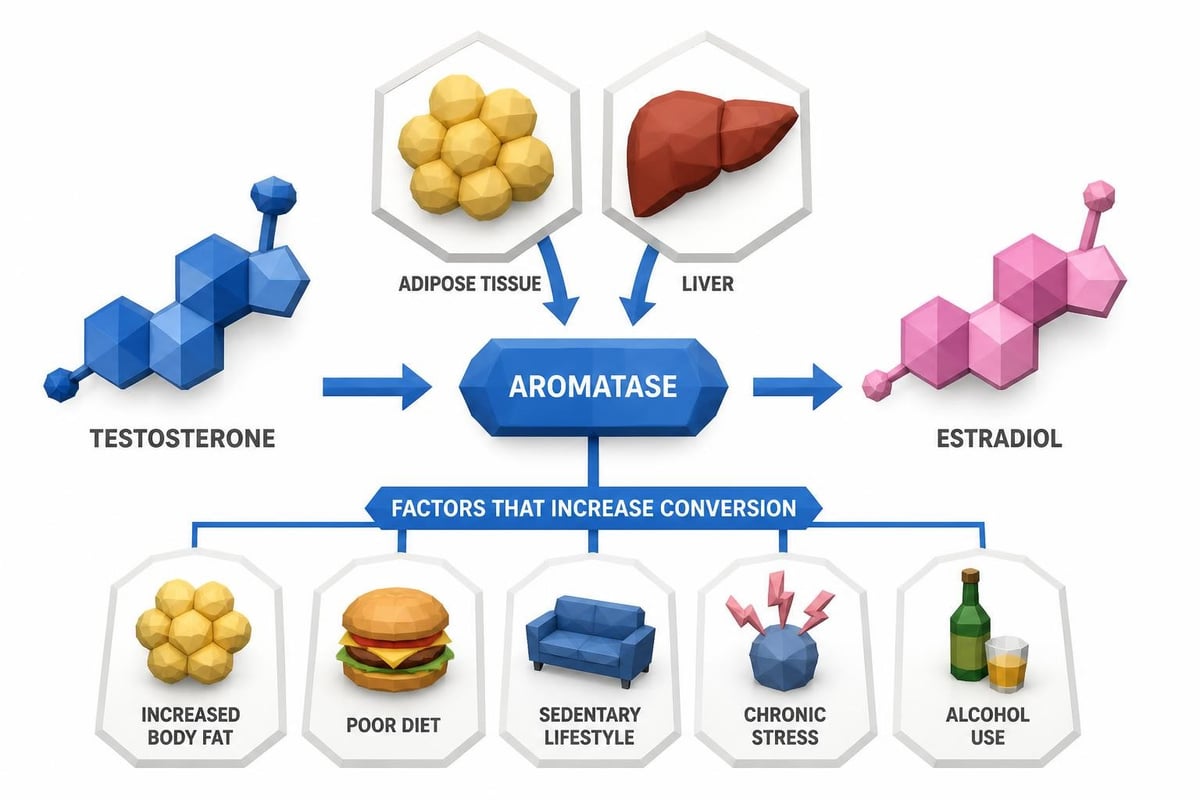
The body responds to elevated testosterone through several pathways that require surveillance. Red blood cell production increases, potentially leading to polycythemia. The prostate gland may experience growth stimulation, raising concerns about benign enlargement or unmasking occult cancer. Testosterone also undergoes enzymatic conversion to estradiol through aromatization, which can create estrogen-related side effects when levels rise excessively.
Regular monitoring addresses three fundamental questions:
- Is the therapy causing blood thickening that increases cardiovascular risk?
- Are there concerning changes in prostate health markers?
- Is testosterone converting to estradiol at rates that cause symptoms?
The American Urological Association provides comprehensive guidelines on testosterone deficiency management that emphasize the importance of systematic monitoring protocols. These recommendations reflect decades of clinical experience and research into TRT safety profiles.
Hematocrit Monitoring: Preventing Erythrocytosis on TRT
Hematocrit measures the percentage of blood volume occupied by red blood cells, and it represents one of the most common complications of testosterone therapy. Approximately 20-60% of men on TRT experience some degree of erythrocytosis, with the exact incidence depending on dosage, delivery method, and individual patient factors.
Why Testosterone Increases Red Blood Cell Production
Testosterone stimulates erythropoietin production in the kidneys, which signals bone marrow to increase red blood cell manufacturing. This effect occurs regardless of TRT formulation, though injectable testosterone tends to cause more pronounced hematocrit elevation than gels or patches due to higher peak serum levels.
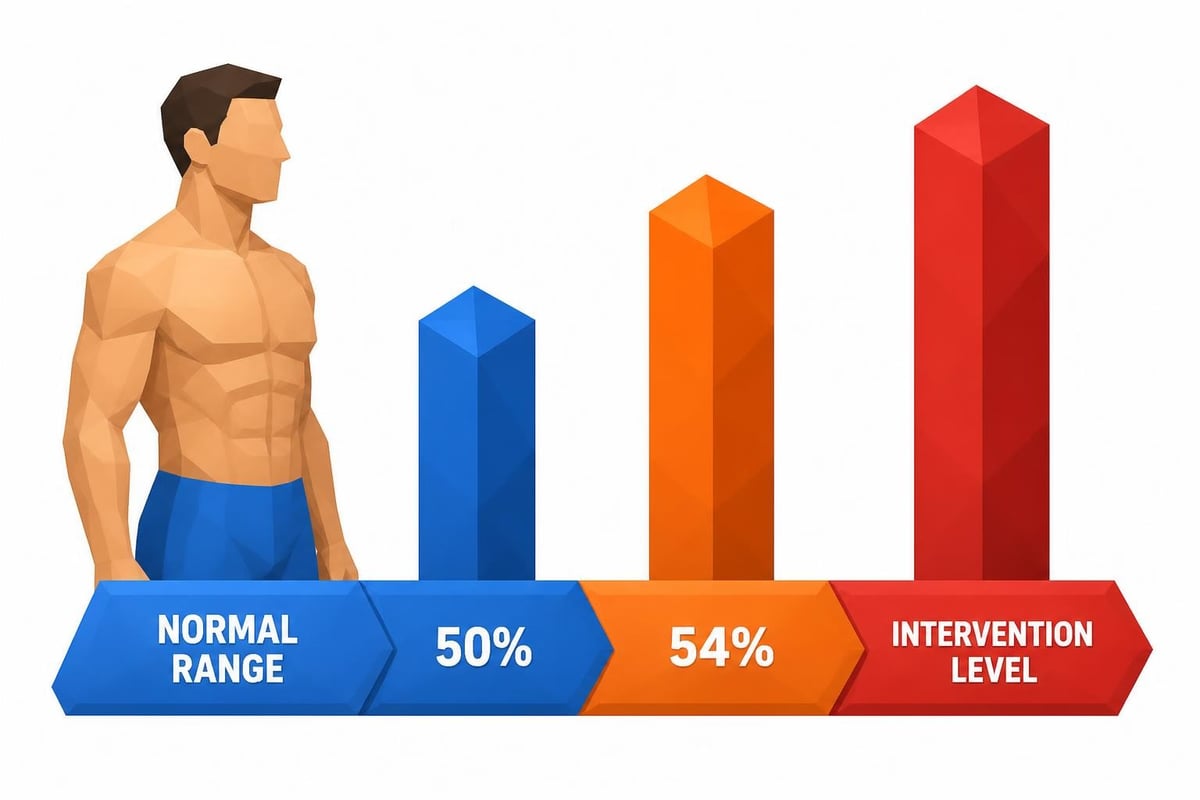
Elevated hematocrit thickens blood viscosity, potentially increasing risks of thrombotic events including deep vein thrombosis, pulmonary embolism, and stroke. While the precise threshold at which these risks become clinically significant remains debated, most practitioners become concerned when hematocrit exceeds 54%.
Monitoring Frequency and Intervention Thresholds
Initial hematocrit assessment should occur within the first 3-6 months of starting TRT, as this is when the most rapid rise typically occurs. Subsequently, trt monitoring labs hematocrit psa estradiol testing should happen at regular intervals based on individual risk factors and previous results.
| Monitoring Phase | Recommended Frequency | Action Thresholds |
|---|---|---|
| First year of TRT | Every 3-6 months | Concern at >52%, intervention at >54% |
| Stable maintenance | Every 6-12 months | Same thresholds apply |
| Post-intervention | Every 3 months | Monitor trend direction |
Clinical guidance on managing erythrocytosis recommends a stepwise approach when hematocrit rises above safe levels. Initial interventions include reducing testosterone dosage, therapeutic phlebotomy (blood donation), or temporary cessation of therapy until levels normalize.
A complete blood count with differential provides comprehensive red blood cell measurements including hematocrit, hemoglobin, and red blood cell count, all of which factor into assessing erythrocytosis risk. This complete blood count also reveals other parameters that may indicate bone marrow overstimulation or concurrent conditions affecting blood counts.
Recommended Test
Complete Blood Count with Differential
The CBC with Differential is one of the most commonly ordered blood tests, providing a comprehensive snapshot of your overall health through detailed blood cell analysis.
Includes 14 biomarkers
$6
PSA Testing: Prostate Health Surveillance During TRT
Prostate-specific antigen (PSA) is a protein produced primarily by prostate tissue, and its serum concentration serves as a screening tool for prostate cancer and a marker of prostate gland size. While testosterone does not cause prostate cancer, it can stimulate growth of existing cancerous cells, making baseline and ongoing PSA monitoring essential for men receiving TRT.
Establishing Baseline and Tracking Changes
Before initiating TRT, every patient should undergo:
- Digital rectal examination to assess prostate size and texture
- Baseline PSA measurement to establish individual reference point
- Discussion of prostate cancer risk factors and family history
The Endocrine Society emphasizes that men with a history of prostate cancer generally should not receive TRT, though carefully selected patients under close urologic supervision may be considered. The absolute contraindication applies to men with active, untreated prostate cancer.
During TRT, PSA typically rises modestly during the first months as the prostate responds to normalized androgen levels. This initial increase usually stabilizes within 6-12 months. Concerning patterns include PSA velocity exceeding 0.4 ng/mL per year or absolute values rising above age-adjusted reference ranges.
When PSA Results Require Urologic Referral
Not every PSA elevation indicates cancer, but certain findings warrant specialist evaluation. Men should receive urology referral when trt monitoring labs hematocrit psa estradiol testing reveals PSA patterns that suggest possible malignancy.
Referral triggers include:
- PSA above 4.0 ng/mL (or age-specific threshold)
- PSA velocity >0.4 ng/mL per year over 2+ measurements
- Abnormal digital rectal exam findings
- PSA rise >1.4 ng/mL within first year of TRT
The urologist may recommend prostate MRI, biomarker panels, or prostate biopsy depending on the clinical picture and individual risk assessment. Practical monitoring guidance from the British Society for Sexual Medicine provides detailed algorithms for PSA interpretation in the context of TRT.
Estradiol Management: Understanding Aromatization Effects
Testosterone undergoes enzymatic conversion to estradiol through the aromatase enzyme, particularly in adipose tissue. This aromatization process is physiologically normal, but excessive estradiol production can cause problematic symptoms including gynecomastia (breast tissue development), water retention, emotional lability, and sexual dysfunction.
Why Estradiol Testing Methodology Matters
Standard immunoassay techniques for measuring estradiol lack accuracy in the male physiological range, often producing false readings that mislead clinical decision-making. Men require ultrasensitive or LC-MS/MS (liquid chromatography-tandem mass spectrometry) estradiol assays that provide reliable results at lower concentrations.
Research on steroid hormone assays demonstrates that immunoassays frequently cross-react with other steroids, producing falsely elevated estradiol readings in men. This limitation has significant implications when deciding whether to add aromatase inhibitors to TRT protocols.
An ultrasensitive LC/MS estradiol test uses methodology appropriate for male ranges, providing actionable data rather than potentially misleading results. This precision matters when determining whether symptoms like gynecomastia or erectile dysfunction stem from elevated estradiol or other causes.
Recommended Test
Estradiol, Ultrasensitive, LC/MS
The ultrasensitive estradiol test uses advanced LC/MS technology to accurately measure very low estradiol levels that standard immunoassay tests cannot reliably detect — making it the preferred choice for men, children, and postmenopausal women.
Includes 1 biomarkers
$29
Optimal Estradiol Ranges and Symptom Correlation
Defining the "ideal" estradiol level for men on TRT remains controversial, with different practitioners targeting different ranges. Most experts agree that symptoms matter more than absolute numbers, though general patterns exist.
| Estradiol Range (pg/mL) | Clinical Interpretation | Typical Symptoms |
|---|---|---|
| <10-15 | Likely too low | Joint pain, decreased libido, mood issues |
| 20-40 | Generally optimal | Minimal estrogen-related symptoms |
| 40-60 | Upper normal | May cause symptoms in sensitive individuals |
| >60 | Often problematic | Gynecomastia, water retention, emotional changes |
Guidance from the Academy of Diagnostics & Laboratory Medicine recommends LC-MS/MS methodology specifically for male estradiol testing and emphasizes interpreting results in clinical context rather than treating numbers alone. Many men feel best with estradiol in the 20-30 pg/mL range, though individual variation exists.
For men experiencing symptoms of elevated estrogen, understanding the underlying causes helps guide treatment. Our detailed guide on high estradiol in men explores symptom patterns, contributing factors, and evidence-based management approaches.
Creating Your TRT Monitoring Schedule
Successful long-term TRT management requires a systematic approach to laboratory surveillance that adapts to individual response patterns and risk profiles. While general guidelines provide a framework, monitoring intensity should increase for men showing concerning trends or experiencing symptoms.
First Year Monitoring Protocol
The initial 12 months of TRT represent a critical period when the body adapts to exogenous testosterone and when most complications first emerge. This phase requires more frequent assessment than long-term maintenance.
Comprehensive testing at these intervals:
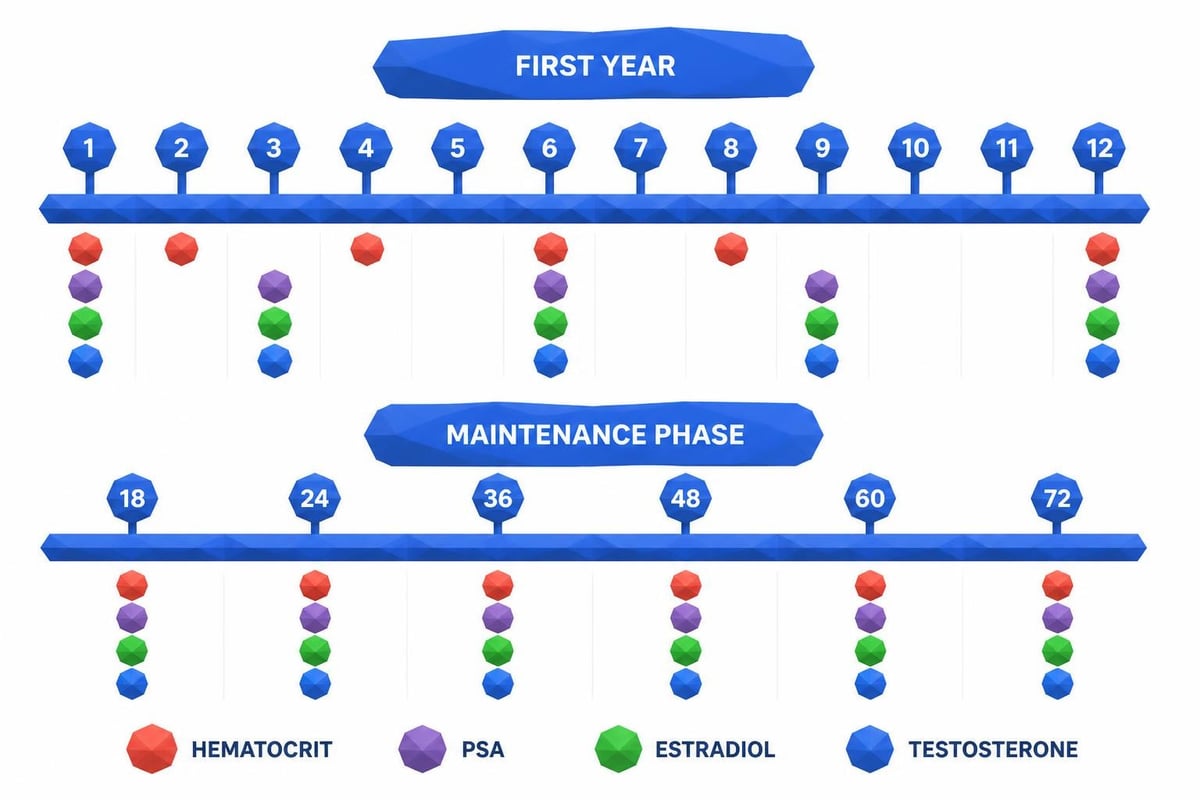
- Baseline (before starting): Total and free testosterone, PSA, complete blood count including hematocrit, comprehensive metabolic panel, lipid panel, estradiol
- 6-8 weeks: Total and free testosterone (to assess dosing adequacy), estradiol if symptoms present
- 3-4 months: Hematocrit, PSA, testosterone levels, estradiol
- 6 months: Complete panel repeating all baseline markers
- 12 months: Full comprehensive assessment
This schedule allows early detection of hematocrit trends, PSA changes, and estradiol elevation before they cause significant problems. Dosage adjustments made during this period should trigger follow-up testing 6-8 weeks later to assess effects.
Maintenance Phase Monitoring
After the first year, men with stable dosing and no concerning trends can transition to less frequent monitoring. The trt monitoring labs hematocrit psa estradiol panel remains central to ongoing surveillance, but testing intervals can extend when results consistently fall within target ranges.
Stable maintenance typically involves:
- Every 6 months: Hematocrit, PSA
- Every 12 months: Comprehensive panel including testosterone levels, estradiol, metabolic markers, lipids
- Any time symptoms change: Targeted testing based on symptom pattern
Men with obesity, sleep apnea, or smoking history require more vigilant hematocrit monitoring due to increased erythrocytosis risk. Similarly, those with family history of prostate cancer or baseline PSA >2.5 ng/mL merit closer PSA surveillance.
The American Family Physician's clinical review emphasizes that monitoring protocols should adapt to individual patient circumstances rather than following rigid schedules that may miss emerging problems in high-risk patients or impose unnecessary testing burden on low-risk men.
Interpreting Results and Making Adjustments
Laboratory values provide objective data, but clinical judgment requires integrating numbers with symptoms, physical examination findings, and individual goals. Not every out-of-range result demands immediate intervention, nor does staying within reference ranges guarantee optimal therapy.
When to Modify Testosterone Dosage
Rising hematocrit represents the most common reason to reduce testosterone dosage. If hematocrit exceeds 52%, many practitioners lower the dose by 20-25% and recheck in 4-6 weeks. When levels reach 54%, more aggressive intervention becomes necessary, potentially including temporary cessation until hematocrit normalizes below 50%.
Elevated estradiol with symptoms may respond to dosage reduction, especially in men receiving higher TRT doses. Lower testosterone input means less substrate available for aromatization. Alternatively, switching from injection protocols that create high peaks (weekly shots) to more frequent smaller doses (twice weekly or daily) can reduce aromatization by minimizing peak levels.
Role of Ancillary Medications
Some situations require additional medications beyond testosterone adjustment. Aromatase inhibitors like anastrozole can lower estradiol when dosage reduction proves insufficient or undesirable, though these medications require careful monitoring to avoid excessive estradiol suppression.
Similarly, while most practitioners prefer dosage adjustment for hematocrit management, some patients require therapeutic phlebotomy to maintain safe levels. This involves removing blood (typically 500 mL) every 8-12 weeks, similar to blood donation.
Decision framework for interventions:
- Hematocrit 50-52%: Monitor closely, consider dosage reduction
- Hematocrit 52-54%: Reduce dosage 20-25%, recheck in 4-6 weeks
- Hematocrit >54%: Consider phlebotomy, reduce or hold dosage
- Estradiol >60 with symptoms: Reduce dosage or add aromatase inhibitor
- PSA velocity >0.4 ng/mL/year: Urology referral regardless of absolute level
Accessing TRT Monitoring Without Insurance Barriers
Regular monitoring creates ongoing costs that can burden patients, particularly those without insurance coverage or facing high deductibles. Traditional routes through insurance require physician authorization for each test, creating administrative friction and often limiting testing frequency based on coverage restrictions rather than medical necessity.
Men can obtain trt monitoring labs hematocrit psa estradiol testing through self-pay laboratory services that provide transparent pricing and direct access. This approach eliminates pre-authorization delays and allows testing on optimal schedules determined by clinical needs rather than insurance limitations.
Understanding how to order lab tests without a doctor empowers patients to maintain proper monitoring even when physician access proves difficult due to scheduling, location, or other barriers. The ability to proactively order labs before appointment visits also streamlines consultations by ensuring current results are available for discussion.
A male hormone panel provides comprehensive hormone assessment including testosterone, estradiol, and other markers relevant to TRT management, while individual tests can be selected based on specific monitoring needs. This flexibility allows patients to customize testing to their exact requirements.
Recommended Panel
Male Hormone Panel
Save $9This comprehensive panel measures testosterone (free and total), plus the supporting hormones that affect how testosterone works in your body: SHBG, estradiol sensitive, DHEA-S, and cortisol.
Includes 6 biomarkers
$101
For men managing healthcare costs carefully, knowing that labs without insurance remain accessible and affordable removes a significant barrier to proper TRT monitoring. Self-pay pricing often proves competitive with insurance copays while eliminating claim denials and coverage gaps.
Special Considerations and Risk Factors
Individual patient characteristics influence monitoring intensity and intervention thresholds. Recognizing these factors allows personalized protocols that match surveillance to actual risk rather than applying one-size-fits-all approaches.
Age-Related Monitoring Adjustments
Men over 60 require particularly careful PSA monitoring due to higher baseline prostate cancer risk. For this population, some practitioners recommend PSA testing every 3-6 months during the first year, then every 6 months indefinitely rather than annual testing.
Older men also face greater cardiovascular risk from elevated hematocrit, making more conservative intervention thresholds appropriate. Some clinicians maintain stricter hematocrit targets (≤50%) in men with existing cardiovascular disease or multiple risk factors.
Body Composition and Aromatization
Adipose tissue contains high concentrations of aromatase enzyme, meaning overweight and obese men convert more testosterone to estradiol. These patients often require estradiol monitoring from the outset rather than waiting for symptoms to emerge.
Weight loss frequently improves estradiol levels by reducing aromatase activity, sometimes eliminating the need for aromatase inhibitors. This represents another reason to track estradiol alongside body composition changes.
Medication Interactions Affecting Lab Results
Certain medications can influence trt monitoring labs hematocrit psa estradiol results either directly or through metabolic effects. Finasteride and dutasteride, used for hair loss or prostate enlargement, reduce PSA by approximately 50%, requiring adjusted interpretation. These medications block 5-alpha reductase, preventing testosterone conversion to dihydrotestosterone.
Blood pressure medications, particularly ACE inhibitors, may slightly reduce hematocrit through volume expansion effects. This doesn't eliminate monitoring needs but may influence interpretation when values hover near thresholds.
Quality Assurance in TRT Laboratory Testing
Laboratory accuracy directly impacts clinical decision-making, making test quality a critical consideration. Not all laboratories use equivalent methodologies, and result reliability varies significantly across platforms and testing facilities.
Choosing Appropriate Assay Methods
For testosterone measurement, liquid chromatography-tandem mass spectrometry (LC-MS/MS) provides superior accuracy compared to immunoassays, particularly at higher and lower ranges. The same principle applies to estradiol testing in men, where ultrasensitive LC-MS/MS methods deliver reliable results that immunoassays cannot match.
When selecting where to obtain testing, verifying methodology becomes important for estradiol particularly. Standard estradiol assays designed for monitoring women's menstrual cycles lack precision in male ranges, potentially causing clinical errors.
Laboratory Consistency for Trend Analysis
Using the same laboratory for serial testing improves trend interpretation by eliminating inter-laboratory variation. Reference ranges differ between facilities, and measurement techniques vary enough that switching laboratories can create apparent changes that reflect methodology rather than actual physiological shifts.
Finding where to get lab tests that combine convenience, quality methodology, and consistent results supports effective long-term monitoring. Establishing a testing routine at a reliable facility creates data continuity that enhances clinical interpretation over months and years.
Related reading



Effective TRT management hinges on systematic monitoring of hematocrit, PSA, and estradiol alongside clinical symptom assessment throughout the duration of therapy. These laboratory markers provide early warning of potential complications while guiding dosage optimization to achieve maximum benefits with minimal risks. Justlabs makes comprehensive TRT monitoring accessible through transparent self-pay pricing and convenient online ordering, delivering results in 1-3 days without insurance requirements or physician referral delays, so you can maintain the vigilant surveillance that safe testosterone therapy demands.
References
Bhasin S, Brito JP, Cunningham GR, Hayes FJ, Hodis HN, Matsumoto AM, Snyder PJ, Swerdloff RS, Wu FC, Yialamas MA. Testosterone Therapy in Men With Hypogonadism: An Endocrine Society Clinical Practice Guideline. J Clin Endocrinol Metab. 2018 May 1;103(5):1715-1744. doi: 10.1210/jc.2018-00229. PMID: 29562364. https://pubmed.ncbi.nlm.nih.gov/29562364/
Ohlander SJ, Varghese B, Pastuszak AW. Erythrocytosis Following Testosterone Therapy. Sex Med Rev. 2018 Jan;6(1):77-85. doi: 10.1016/j.sxmr.2017.04.001. PMID: 28526632. https://pubmed.ncbi.nlm.nih.gov/28526632/
Warren AM, Grossmann M. Haematological actions of androgens. Best Pract Res Clin Endocrinol Metab. 2022 Sep;36(5):101653. doi: 10.1016/j.beem.2022.101653. PMID: 35414435. https://pubmed.ncbi.nlm.nih.gov/35414435/
Ketha H, Girtman A, Singh RJ. Estradiol assays--The path ahead. Steroids. 2015 Jul;99(Pt A):39-44. doi: 10.1016/j.steroids.2014.08.009. PMID: 25159104. https://pubmed.ncbi.nlm.nih.gov/25159104/
Heidelbaugh JJ, Belakovskiy A. Testosterone Replacement Therapy for Male Hypogonadism. Am Fam Physician. 2024 Jun;109(6):543-549. PMID: 38905552. https://pubmed.ncbi.nlm.nih.gov/38905552/