
Understanding lipid panel fasting rules is essential for anyone preparing to test their cholesterol levels. For decades, patients have been instructed to fast for 9-12 hours before lipid testing, but recent medical guidelines have challenged this long-standing practice. While fasting requirements vary based on individual circumstances and testing goals, knowing when you actually need to fast can save time and make the testing process more convenient. Whether you're monitoring heart health, tracking treatment progress, or simply getting a baseline reading, proper preparation ensures accurate results that you and your healthcare provider can trust.
Traditional Lipid Panel Fasting Rules Explained
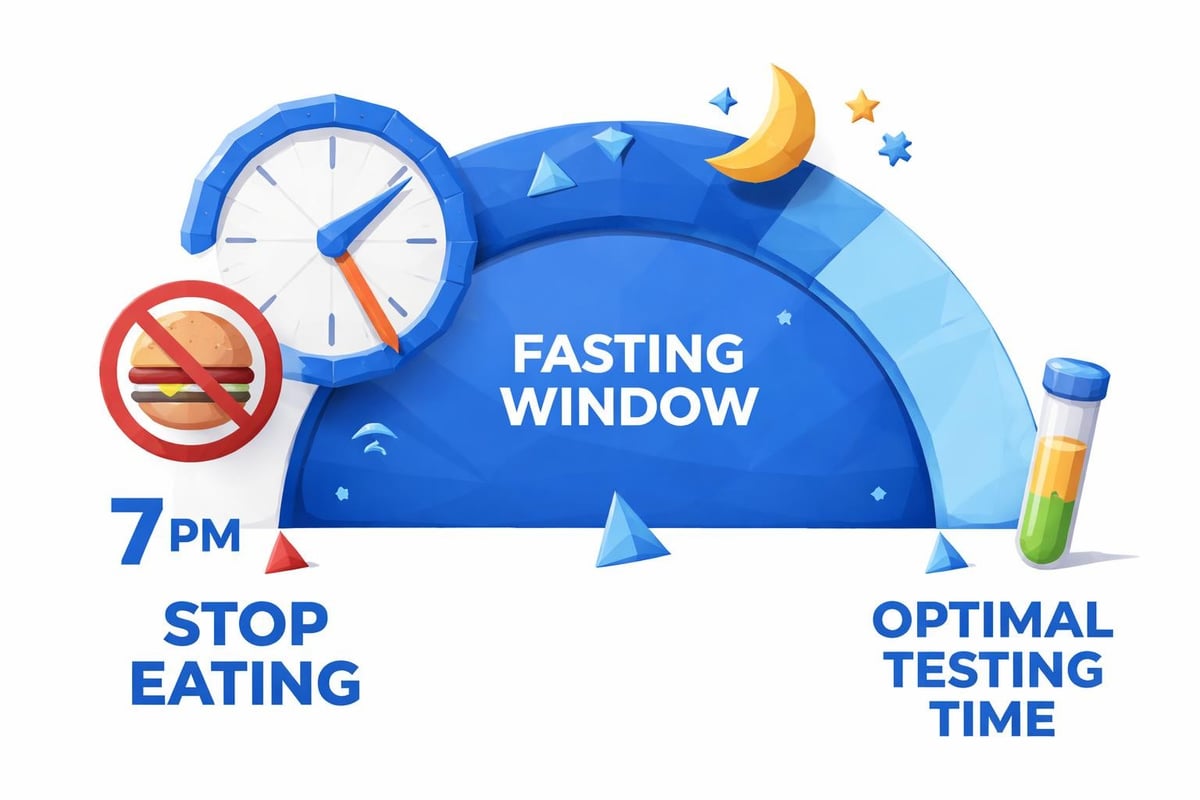
Historically, lipid panel fasting rules required patients to abstain from all food and caloric beverages for at least 8-12 hours before blood collection. This traditional approach was based on the understanding that eating affects triglyceride levels significantly, potentially skewing test results and leading to inaccurate cardiovascular risk assessments.
The standard fasting protocol includes several specific restrictions:
- No solid foods for 9-12 hours before testing
- Water only during the fasting period (plain water is always permitted)
- No coffee, tea, or other beverages that contain calories or additives (why even black coffee can skew a fasting draw)
- Avoiding alcohol for at least 24 hours prior to the test
- Taking regular medications unless specifically instructed otherwise by your physician
These guidelines were designed to establish a baseline measurement of your blood lipids without the temporary elevation caused by dietary intake. When you eat, especially foods high in fat, your triglyceride levels can increase dramatically for several hours, potentially resulting in values that don't reflect your typical lipid profile.
Why Fasting Was Considered Necessary
The reasoning behind traditional lipid panel fasting rules centered primarily on triglyceride measurements. Unlike total cholesterol, LDL cholesterol, and HDL cholesterol, which remain relatively stable regardless of recent food intake, triglycerides respond immediately to dietary consumption.
When laboratories calculate LDL cholesterol using the Friedewald equation (the most common method), they use your triglyceride level as part of the formula. Elevated triglycerides from a recent meal could therefore produce an inaccurate LDL cholesterol calculation, potentially leading to inappropriate treatment decisions.
Medical professionals also believed that standardizing test conditions through fasting would provide more consistent results across multiple tests, making it easier to track changes over time and assess treatment effectiveness.
The Shift in Lipid Panel Fasting Rules
Recent years have brought significant changes to lipid panel fasting rules based on extensive research and international guidelines. According to Harvard Health's research on non-fasting lipid tests, many healthcare systems worldwide have moved away from mandatory fasting requirements for routine cholesterol screening.
Multiple large-scale studies have demonstrated that for most individuals, the difference between fasting and non-fasting lipid values is minimal and doesn't significantly impact cardiovascular risk assessment. The variations observed in total cholesterol, LDL cholesterol, and HDL cholesterol are typically small enough that they don't alter clinical decision-making.
Current Guidelines and Recommendations
Professional medical organizations have updated their stance on fasting requirements:
| Test Component | Fasting Impact | Current Recommendation |
|---|---|---|
| Total Cholesterol | Minimal (0-8 mg/dL variation) | Fasting optional |
| LDL Cholesterol | Minimal (0-10 mg/dL variation) | Fasting optional for screening |
| HDL Cholesterol | Minimal (0-8 mg/dL variation) | Fasting optional |
| Triglycerides | Significant (can vary 20-30+ mg/dL) | Fasting preferred when elevated |
The American Heart Association and other cardiovascular societies now recognize that non-fasting lipid panels can be appropriate for initial screening and routine monitoring in many patients. This approach offers several advantages, including increased patient compliance, greater convenience, and the ability to test during regular office visits without scheduling complications.
When you order labs without a doctor through services like Justlabs, understanding these updated guidelines helps you choose the most appropriate testing approach for your needs.
Recommended Test
Lipid Panel (Standard)
The standard lipid panel measures your cholesterol and triglyceride levels - essential markers for assessing your risk of heart disease and stroke.
Includes 6 biomarkers
$8
Fasting required
When You Actually Need to Follow Lipid Panel Fasting Rules
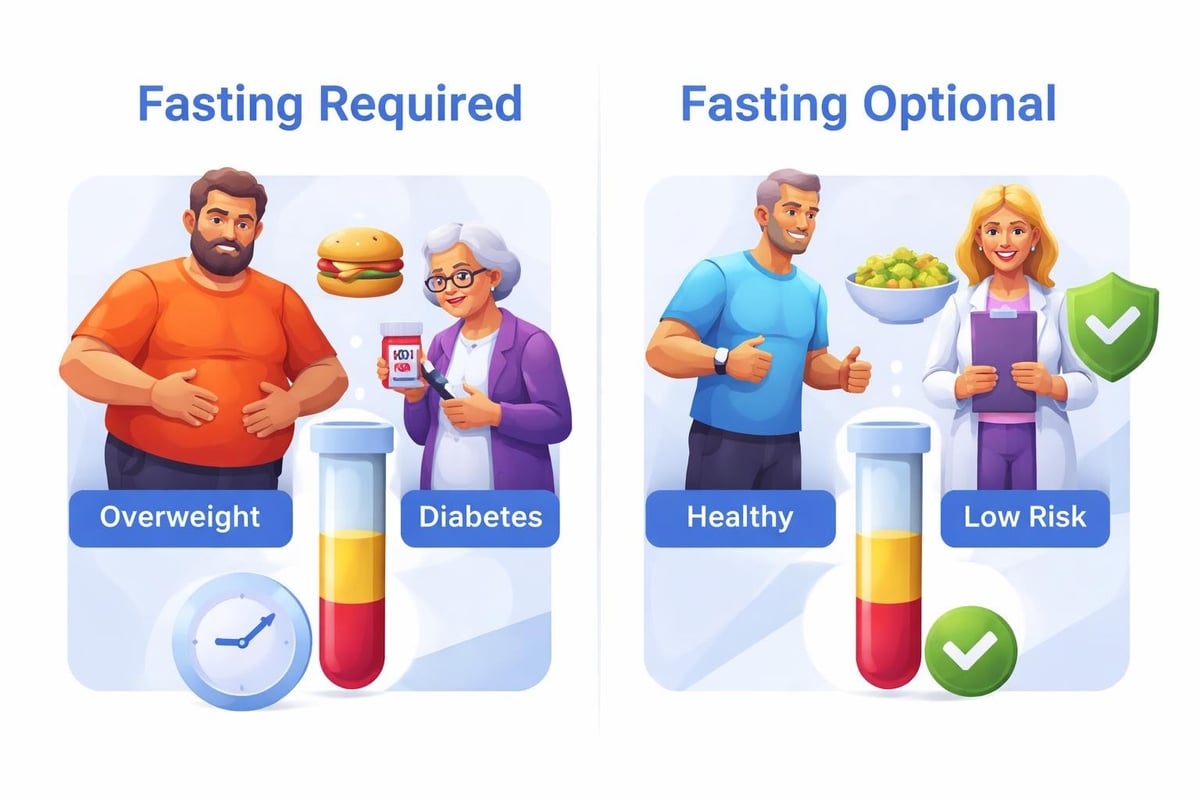
Despite the relaxation of universal fasting requirements, certain situations still call for strict adherence to lipid panel fasting rules. Your individual circumstances determine whether fasting provides necessary accuracy for your test results.
Specific Scenarios Requiring Fasting
High triglyceride levels represent the most common reason to maintain fasting requirements. If you have a history of triglycerides above 400 mg/dL, or if your physician is specifically monitoring your triglyceride response to treatment, fasting becomes essential for accurate measurement.
Patients with diabetes or metabolic syndrome often benefit from fasting tests because these conditions can cause more pronounced postprandial (after eating) lipid changes. The accuracy of risk assessment improves when dietary variables are eliminated from the equation.
When your healthcare provider is making treatment decisions based on borderline values, fasting tests provide the most reliable data. If your initial non-fasting results fall near threshold values that might trigger medication recommendations, a fasting test can confirm whether intervention is truly necessary.
- Previous triglyceride levels exceeding 400 mg/dL
- Active treatment for dyslipidemia requiring precise monitoring
- Personal or family history of premature cardiovascular disease
- Borderline values on previous non-fasting tests
- Genetic lipid disorders requiring careful tracking
Special Considerations for Different Patient Groups
Children and adolescents undergoing lipid screening may or may not require fasting, depending on age and risk factors. Pediatric guidelines often favor non-fasting tests to improve compliance and reduce anxiety associated with prolonged fasting periods.
Pregnant women have altered lipid metabolism, and lipid testing is typically deferred during pregnancy unless medically necessary. When testing is required, your obstetrician will provide specific guidance regarding lipid panel fasting rules appropriate for your situation.
How to Properly Follow Lipid Panel Fasting Rules
When fasting is recommended or required for your lipid panel, following the protocol correctly ensures accurate results and prevents the need for repeat testing. Proper preparation involves more than simply skipping breakfast on test day.
Step-by-Step Fasting Preparation
- Schedule your test for early morning to minimize fasting discomfort and disruption to your daily routine
- Calculate your fasting window by counting back 9-12 hours from your appointment time
- Eat a normal dinner the evening before, avoiding excessive fatty or fried foods
- Stop all caloric intake at your designated cutoff time
- Continue drinking water throughout the fasting period to stay hydrated
- Take regular medications with water unless your physician has given different instructions
- Arrive on time for your appointment to minimize extended fasting
The Healthline guide to cholesterol testing procedures provides additional details on what to expect during the blood draw and how results are interpreted.
Common Mistakes to Avoid
Many patients inadvertently compromise their test accuracy by making these common errors:
Consuming "just a small" amount of food or caloric beverages breaks your fast and can affect triglyceride measurements. Even cream in coffee or a piece of fruit can cause lipid elevation.
Fasting longer than necessary doesn't improve accuracy and can actually cause stress-related changes in some lipid values. Stick to the 9-12 hour window rather than extending it to 18-24 hours.
Skipping regular medications without medical guidance can be dangerous and unnecessary. Most medications, especially those for chronic conditions like high blood pressure or diabetes, should be continued with water during your fast.
Some patients also make dietary changes in the days before testing, eating unusually healthy meals to "improve" their results. This defeats the purpose of testing, which is to assess your typical lipid profile based on your normal eating patterns.
Non-Fasting Lipid Panels: Benefits and Limitations
Understanding when non-fasting lipid panels provide sufficient information helps you make informed decisions about your testing approach. Research discussed in Harvard Health's analysis of fasting requirements demonstrates that non-fasting tests offer valid results for many clinical purposes.
Advantages of Non-Fasting Testing
The convenience factor cannot be overstated. Flexible scheduling allows you to get tested at any time during business hours without planning meals around appointments or dealing with hunger during morning activities.
Improved compliance represents another significant benefit. Patients are more likely to complete recommended screening when fasting isn't required, leading to better preventive care and earlier detection of cardiovascular risk factors.
For individuals with conditions like diabetes, avoiding prolonged fasting prevents blood sugar management complications. Similarly, people who take medications with food can maintain their normal medication schedules without disruption.
When you explore how lab testing works through accessible services, non-fasting options increase the likelihood that you'll follow through with important health monitoring.
Understanding the Limitations
Non-fasting lipid panels have specific limitations that patients should recognize:
| Limitation | Impact | Recommendation |
|---|---|---|
| Triglyceride accuracy | Values may be 20-30% higher than fasting | Avoid if triglycerides are primary concern |
| LDL calculation | Less accurate when triglycerides exceed 400 mg/dL | Consider direct LDL measurement |
| Treatment monitoring | Changes may be harder to detect | Use fasting tests when adjusting medications |
| Comparison challenges | Difficult to compare with historical fasting values | Maintain consistency in testing approach |
If your initial non-fasting test reveals concerning values, particularly elevated triglycerides or borderline cholesterol levels, your healthcare provider may recommend a follow-up fasting test for confirmation and more precise measurement.
Preparing for Your Lipid Panel Test
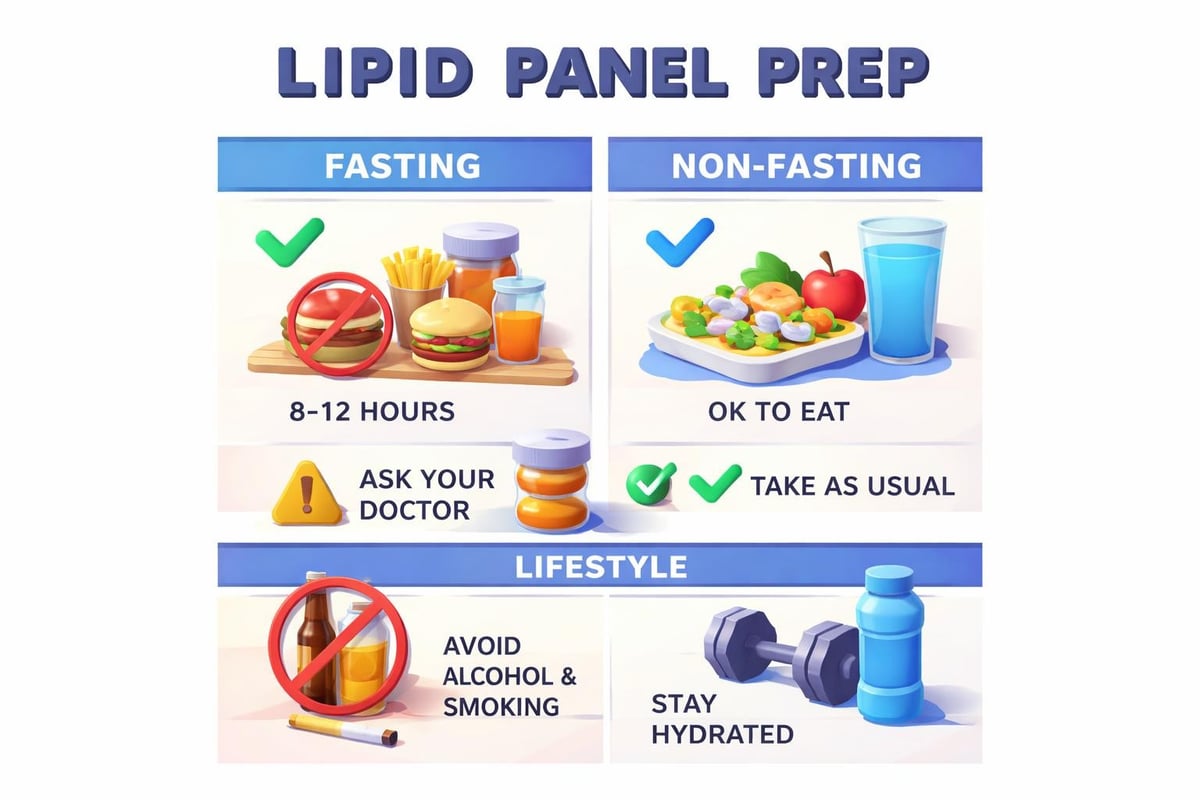
Regardless of whether you follow traditional lipid panel fasting rules or opt for a non-fasting test, certain preparation steps optimize result accuracy and ensure a smooth testing experience.
Pre-Test Considerations
Timing matters beyond just the fasting window. Avoid scheduling lipid testing during periods of acute illness, within three months of major surgery, or immediately after significant weight loss or gain, as these everyday factors can temporarily alter lipid values.
Medication review should occur before testing. Some drugs, including corticosteroids, beta-blockers, and certain diuretics, can affect lipid levels. Don't stop any prescribed medications without consulting your physician, but do inform the testing facility about all drugs and supplements you're taking.
Lifestyle stability in the weeks before testing provides the most representative results. Maintain your typical diet and exercise patterns rather than making dramatic changes that could skew your lipid profile.
- Avoid alcohol for 24-48 hours before testing
- Maintain normal physical activity levels
- Don't engage in unusually intense exercise within 24 hours of the test
- Stay well-hydrated, especially if fasting
- Get adequate sleep the night before
What to Expect During and After Testing
The lipid panel itself requires a simple blood draw that takes just a few minutes. Most facilities use venipuncture to collect blood from a vein in your arm, though some point-of-care tests use finger-stick samples.
After your blood is drawn, you can immediately eat if you've been fasting. Results typically become available within 1-3 days, depending on the laboratory and testing service you use. When you check your lab test pricing options, you'll also find information about typical turnaround times for results.
Interpreting Your Lipid Panel Results
Understanding your lipid panel results helps you have informed discussions with healthcare providers about your cardiovascular health. The standard lipid panel measures four key components that each provide different insights into your heart disease risk.
Key Values and Their Meanings
Total cholesterol represents the sum of all cholesterol types in your blood. Optimal levels fall below 200 mg/dL, borderline high ranges from 200-239 mg/dL, and high is considered 240 mg/dL or above. However, this single number doesn't tell the complete story about cardiovascular risk.
LDL cholesterol, often called "bad cholesterol," carries cholesterol to arteries where it can accumulate and form plaques. Target levels vary based on your overall cardiovascular risk profile:
- Optimal: Less than 100 mg/dL (less than 70 mg/dL for very high-risk individuals)
- Near optimal: 100-129 mg/dL
- Borderline high: 130-159 mg/dL
- High: 160-189 mg/dL
- Very high: 190 mg/dL and above
HDL cholesterol functions as "good cholesterol" by removing excess cholesterol from arteries. Higher levels provide protective benefits, with optimal values at 60 mg/dL or above. Levels below 40 mg/dL for men or 50 mg/dL for women increase cardiovascular risk.
Triglycerides store unused calories and release them for energy between meals. Normal levels remain below 150 mg/dL, borderline high ranges from 150-199 mg/dL, high spans 200-499 mg/dL, and very high exceeds 500 mg/dL.
Factors Affecting Your Numbers
Many variables influence lipid panel results beyond diet and genetics. Understanding these factors helps you and your healthcare provider interpret results accurately and make appropriate treatment decisions.
Recent illness or stress can temporarily elevate cholesterol and triglyceride levels. Seasonal variations also exist, with some studies showing slightly higher cholesterol levels during winter months. Women experience lipid fluctuations related to menstrual cycles, pregnancy, and menopause.
The resource from CareAccess comparing fasting and non-fasting panels explains how timing and preparation method can affect specific values, particularly triglycerides.
Making Informed Decisions About Lipid Panel Fasting Rules
Armed with current knowledge about lipid panel fasting rules, you can work with healthcare providers to determine the most appropriate testing approach for your situation. The decision should balance accuracy needs, convenience factors, and your specific health circumstances.
Questions to Ask Your Provider
Before scheduling your lipid panel, discuss these important questions:
- Does my medical history require fasting for accurate results?
- Am I monitoring specific lipid components that need fasting measurement?
- How will you interpret results differently based on fasting versus non-fasting status?
- If my non-fasting results are borderline, will I need a fasting follow-up?
- Should I maintain consistency with my previous testing method for comparison?
Accessing Convenient Testing Options
Modern lab testing services have evolved to accommodate both traditional and updated lipid panel fasting rules. When you need cholesterol testing, whether fasting or non-fasting, transparent pricing and convenient access make preventive care more achievable.
Services that allow you to get labs without insurance remove common barriers to regular cholesterol monitoring. Understanding the cost of a lipid panel upfront helps you budget for this important health screening without surprise bills.
Recommended Panel
Advanced Heart Health Panel
Save $6Go beyond basic cholesterol testing. This advanced panel includes the markers cardiologists use to assess true cardiovascular risk: ApoB, Lp(a), homocysteine, and inflammation.
Includes 10 biomarkers
$86
Fasting required
The ability to order tests independently means you can schedule monitoring based on your physician's recommendations or your personal health goals without navigating insurance authorizations or waiting for doctor's office appointments.
Creating Your Testing Strategy
Develop a personalized approach to lipid monitoring based on your cardiovascular risk factors and health goals. If you have no history of lipid abnormalities and you're simply screening for preventive purposes, non-fasting tests every 4-5 years may suffice.
For individuals with known dyslipidemia, cardiovascular disease, diabetes, or those taking lipid-lowering medications, more frequent monitoring with fasting tests provides better treatment guidance. Your physician will recommend an appropriate testing schedule based on your specific situation.
Consistency in your testing approach improves the ability to track changes over time. If you start with fasting tests, continuing with fasting measurements makes trend analysis easier. Similarly, if you begin with non-fasting tests and results remain normal, maintaining that approach is perfectly acceptable.
Special Circumstances and Lipid Testing
Certain health conditions and life situations require modified approaches to lipid panel fasting rules and result interpretation. Recognizing these special circumstances ensures you receive appropriate testing recommendations.
Medication Management During Testing
Lipid-lowering medications like statins, fibrates, and PCSK9 inhibitors are designed to alter your cholesterol profile. Continue taking these medications as prescribed before testing unless your physician specifically instructs otherwise for a particular test.
Some healthcare providers order periodic "off medication" lipid panels to assess your baseline lipid levels without pharmaceutical intervention. These tests require careful planning and should only be done under medical supervision.
Other medications can affect lipid values without being specifically designed for cholesterol management. Corticosteroids, certain blood pressure medications, hormone therapies, and some psychiatric medications can all influence results.
Metabolic Conditions Requiring Extra Attention
Patients with diabetes need to coordinate lipid testing with blood glucose management. Extended fasting can cause hypoglycemia, making early morning appointments essential when fasting is required. Some diabetic patients may benefit from non-fasting tests to avoid blood sugar complications.
Thyroid disorders significantly impact lipid metabolism. Hypothyroidism typically elevates cholesterol levels, while hyperthyroidism may lower them. If you have abnormal lipid results, thyroid function testing may be recommended to rule out endocrine causes.
People with liver or kidney disease require special consideration because these organs play crucial roles in lipid metabolism and medication processing. Your physician will provide specific guidance about testing frequency and fasting requirements based on your condition severity.
Lifestyle Factors and Testing Timing
Recent significant weight changes, whether loss or gain, can temporarily affect lipid values. If you've lost or gained more than 10 pounds in the past few months, consider waiting until your weight stabilizes before testing, or note the change when reviewing results with your healthcare provider.
Major dietary shifts, such as starting a ketogenic diet, going vegan, or eliminating specific food groups, can alter lipid profiles. Allow 4-6 weeks on a new eating pattern before testing to capture representative values that reflect your new dietary approach.
Intense physical training or significant changes in exercise habits also influence lipid measurements. Endurance athletes may have unusual lipid patterns that don't correlate with cardiovascular risk in the same way as sedentary individuals.
Understanding current lipid panel fasting rules empowers you to prepare appropriately for cholesterol testing and ensures accurate results that inform your cardiovascular health decisions. Whether you choose fasting or non-fasting testing depends on your medical history, treatment status, and specific monitoring needs. Justlabs makes accessing lipid panel testing simple and affordable, with transparent pricing and quick results typically available within 1-3 days, allowing you to take control of your heart health monitoring without insurance hassles or lengthy doctor's office waits.
Related Reading

References
Nordestgaard BG, Langsted A, Mora S, Kolovou G, Baum H, Bruckert E, Watts GF, Sypniewska G, Wiklund O, Borén J, Chapman MJ, Cobbaert C, Descamps OS, von Eckardstein A, Kamstrup PR, Pulkki K, Kronenberg F, Remaley AT, Rifai N, Ros E, Langlois M, European Atherosclerosis Society (EAS) and the European Federation of Clinical Chemistry and Laboratory Medicine (EFLM) joint consensus initiative. Fasting is not routinely required for determination of a lipid profile: clinical and laboratory implications including flagging at desirable concentration cut-points-a joint consensus statement from the European Atherosclerosis Society and European Federation of Clinical Chemistry and Laboratory Medicine. Eur Heart J. 2016 Jul 1;37(25):1944-58. doi: 10.1093/eurheartj/ehw152. PMID: 27122601. https://pubmed.ncbi.nlm.nih.gov/27122601/
Nordestgaard BG, Varbo A. Triglycerides and cardiovascular disease. Lancet. 2014 Aug 16;384(9943):626-635. doi: 10.1016/S0140-6736(14)61177-6. PMID: 25131982. https://pubmed.ncbi.nlm.nih.gov/25131982/
Yanai H, Adachi H, Hakoshima M, Katsuyama H. Postprandial Hyperlipidemia: Its Pathophysiology, Diagnosis, Atherogenesis, and Treatments. Int J Mol Sci. 2023 Sep 11;24(18). doi: 10.3390/ijms241813942. PMID: 37762244. https://pubmed.ncbi.nlm.nih.gov/37762244/
Parhofer KG, Laufs U. Lipid Profile and Lipoprotein(a) Testing. Dtsch Arztebl Int. 2023 Sep 4;120(35-36):582-588. doi: 10.3238/arztebl.m2023.0150. PMID: 37403458. https://pubmed.ncbi.nlm.nih.gov/37403458/