As December winds down and New Year's resolutions take shape, many people commit to better health in 2027. The problem? Most people never establish a measurable starting point. Without baseline labs before January, you're navigating your health journey without a map. Getting comprehensive laboratory testing now creates the foundation for tracking real progress throughout the year, transforming vague goals like "get healthier" into quantifiable achievements backed by data.
Why December Testing Matters for January Goals
The timing of baseline testing carries strategic importance beyond simple calendar convenience. Establishing your health metrics before the New Year provides a clear snapshot of where you stand before lifestyle changes begin.
Testing in December captures your current physiological state before holiday indulgence peaks and before resolution-driven changes take effect. This creates an authentic baseline that reflects your typical health status rather than an artificially improved or worsened snapshot.
Key advantages of pre-January testing include:
- Immediate feedback that can inform your resolution planning
- Results available before January 1st to guide goal-setting
- Time to discuss findings with healthcare providers before the busy New Year rush
- Motivation boost from understanding your current health status
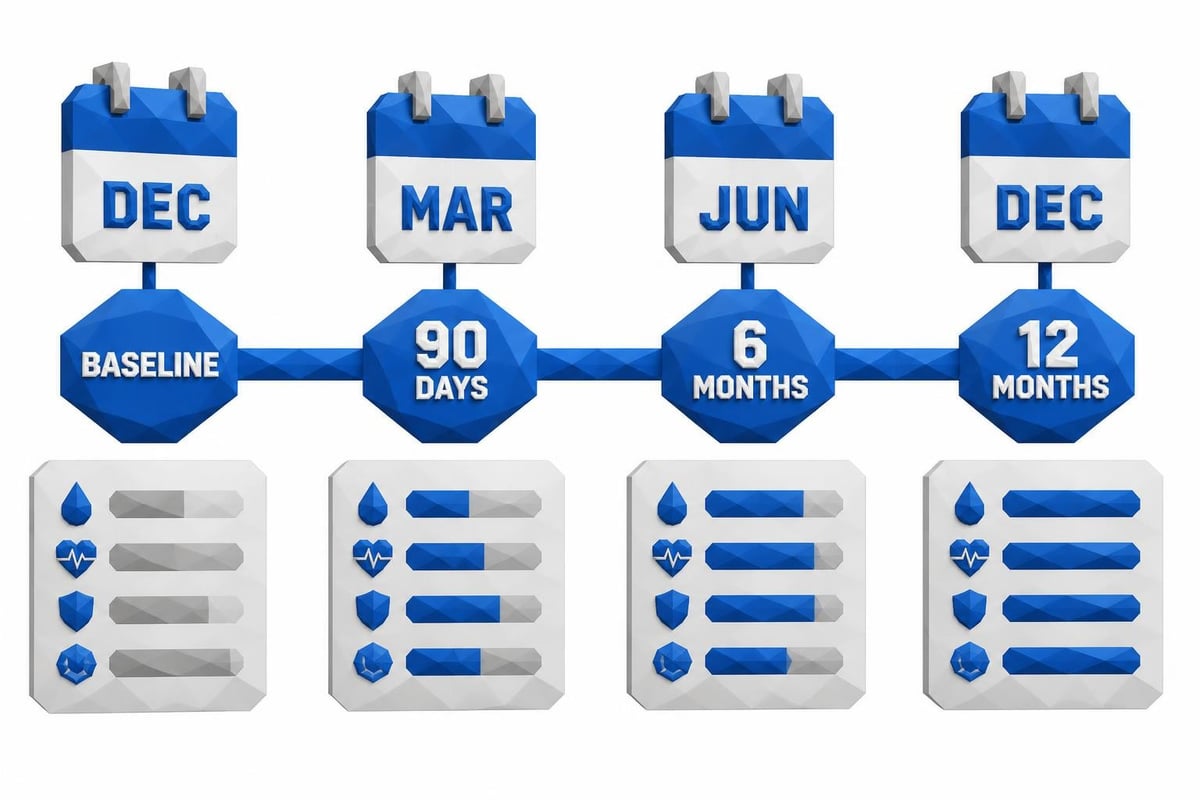
- Clear metrics to measure against at 90-day, 6-month, and 12-month intervals
When you obtain comprehensive lab testing without insurance, you gain control over the timing and scope of your baseline evaluation. This flexibility ensures testing happens on your schedule, not when a doctor's office has availability weeks into January.
Core Markers That Establish Meaningful Baselines
Not all laboratory tests carry equal weight when establishing a health baseline. Certain markers provide foundational insights into metabolic health, cardiovascular risk, and overall physiological function.
Metabolic and Blood Sugar Markers
Understanding your glucose metabolism forms a cornerstone of baseline health assessment. These tests reveal how your body processes energy and whether metabolic dysfunction exists.
The complete basic metabolic panel (CMP) measures glucose, electrolytes, and kidney function markers. Fasting glucose alone provides limited information, but combining it with hemoglobin A1C creates a comprehensive view of blood sugar control over the past three months. The American College of Physicians provides detailed guidance on when these metabolic panels offer the most clinical value.
| Test | What It Measures | Why It Matters for Baselines |
|---|---|---|
| Fasting Glucose | Current blood sugar | Immediate metabolic snapshot |
| Hemoglobin A1C | 3-month glucose average | Long-term glucose control trends |
| Fasting Insulin | Insulin production | Early insulin resistance detection |
| CMP | Electrolytes, kidney function | Metabolic and organ health |
Insulin resistance often develops years before glucose levels become abnormal. Including fasting insulin in your baseline labs before January reveals early metabolic changes that standard glucose testing might miss.
Lipid Profile and Cardiovascular Risk
Cardiovascular disease remains the leading cause of death in the United States, making lipid assessment essential for any comprehensive baseline. Traditional lipid panels measure total cholesterol, LDL, HDL, and triglycerides.
Advanced lipid testing goes deeper. Particle size analysis, apolipoprotein B, and lipoprotein(a) measurements provide nuanced cardiovascular risk assessment beyond basic cholesterol numbers.
Your baseline lipid profile establishes the starting point for measuring the impact of dietary changes, exercise programs, and stress reduction strategies you implement in 2027. According to the U.S. Preventive Services Task Force, understanding your lipid profile helps guide preventive care decisions and timeline for follow-up testing.
Thyroid Function Tests
Thyroid hormones regulate metabolism, energy levels, weight management, and mood-all common targets for New Year's resolutions. Thyroid dysfunction affects millions of Americans, many undiagnosed.
A complete thyroid panel includes TSH, Free T4, Free T3, and thyroid antibodies. TSH alone misses subclinical hypothyroidism and conversion issues where T4 doesn't properly convert to active T3.
When weight loss stalls despite diet and exercise improvements, baseline thyroid testing provides answers. The Endocrine Society offers clinical guidelines on comprehensive thyroid evaluation that extends beyond basic TSH screening.
Complete Blood Count and Immune Function
The complete blood count (CBC) examines red blood cells, white blood cells, and platelets. This fundamental test reveals anemia, immune system status, and potential inflammatory conditions.
Low energy and exercise intolerance often stem from undiagnosed anemia. Establishing baseline hemoglobin and hematocrit values helps distinguish between fitness-related fatigue and physiological limitations requiring intervention.
White blood cell differentials provide insight into immune function and chronic inflammation. Elevated counts may indicate underlying infection or inflammatory conditions that sabotage health improvement efforts.

Liver and Kidney Function Assessment
Your liver and kidneys perform critical detoxification and filtering functions. Baseline assessment ensures these organs function optimally before dietary changes or supplement protocols begin.
Liver Health Markers
The comprehensive metabolic panel includes liver enzymes (AST, ALT, alkaline phosphatase) and bilirubin. These markers detect liver inflammation, damage, or dysfunction that might worsen with certain dietary approaches or supplements.
Many popular supplements and high-protein diets stress liver function. Knowing your baseline liver enzymes protects against unrecognized damage from well-intentioned health interventions. MedlinePlus provides detailed explanations of what these liver enzyme tests measure and what results indicate.
Kidney Function Indicators
Creatinine, blood urea nitrogen (BUN), and estimated glomerular filtration rate (eGFR) assess kidney filtering capacity. High-protein diets, certain supplements, and dehydration during intense exercise can impact kidney function.
Baseline kidney markers become especially important for anyone planning significant dietary changes, particularly low-carbohydrate or ketogenic approaches that substantially increase protein intake.
Hormone Panels for Comprehensive Baselines
Beyond thyroid, other hormones significantly impact energy, body composition, mood, and overall wellbeing. Establishing hormonal baselines reveals hidden obstacles to health improvement.
Vitamin D, technically a hormone, influences immune function, mood, bone health, and metabolism. Most Americans show insufficient levels, particularly after reduced sun exposure during fall and winter months.
For men, testosterone and SHBG (sex hormone-binding globulin) provide baseline reproductive hormone status. Low testosterone contributes to decreased muscle mass, increased body fat, reduced energy, and poor exercise recovery-directly opposing typical fitness resolutions.
Women benefit from estradiol, progesterone, and DHEA testing, with timing relative to menstrual cycle phases affecting interpretation. Hormonal imbalances explain stubborn weight issues, mood instability, and energy fluctuations that derail health efforts.
Hormone tests to consider for baseline labs before January:
- Vitamin D (25-hydroxy)
- Testosterone (total and free)
- SHBG
- DHEA-sulfate
- Cortisol
- Estradiol (for women)
- Progesterone (for women)
Inflammation and Advanced Metabolic Markers
Chronic inflammation underlies most modern chronic diseases and impairs health optimization efforts. Baseline inflammation markers identify hidden issues requiring attention.
High-sensitivity C-reactive protein (hs-CRP) measures systemic inflammation with greater sensitivity than standard CRP testing. Elevated hs-CRP indicates increased cardiovascular risk and ongoing inflammatory processes.
Homocysteine levels correlate with cardiovascular disease risk and methylation efficiency. Elevated homocysteine suggests vitamin B deficiency or genetic variations affecting folate metabolism.
Uric acid assessment screens for gout risk and provides metabolic health insights. Elevated uric acid frequently accompanies metabolic syndrome and insulin resistance.
Comparing Baseline Testing Options
Selecting the appropriate test panel depends on your health goals, current conditions, and budget considerations. Understanding what different panels include helps you make informed decisions.
Recommended Panel
Basic Wellness Panel
Save $2.50Our most affordable comprehensive screening includes the 4 tests doctors order most: CBC, Comprehensive Metabolic Panel, Lipid Panel, and TSH. Covers 30+ biomarkers in one blood draw.
Includes 37 biomarkers
$30
Fasting required
Recommended Panel
Comprehensive Wellness Panel
Save $4.50Our most thorough health screening covers blood cells, organ function, cholesterol, thyroid, blood sugar, vitamin D, inflammation, and iron - everything you need for a complete health picture.
Includes 44 biomarkers
$94
Fasting required
The basic wellness panel covers fundamental health markers suitable for healthy individuals seeking general baseline measurements. The comprehensive panel adds depth for those with specific health concerns, family history of disease, or detailed optimization goals.
Both options provide considerably more value than single-marker testing. When you order comprehensive panels through JustLabs, transparent pricing eliminates surprise bills and insurance complications that often delay baseline testing.
Strategic Testing Timing and Preparation
Proper test preparation ensures accurate baseline measurements. Most metabolic and lipid tests require 8-12 hour fasting for valid results.
Schedule testing for early morning after an overnight fast. Drink water freely, but avoid coffee, tea, and other beverages. If taking medications, consult your healthcare provider about timing relative to testing.
Pre-Test Considerations
Avoid alcohol for 24 hours before testing, as it affects liver enzymes and triglycerides. Maintain normal activity levels-don't dramatically increase or decrease exercise in the days before testing.
For hormone testing, women should track menstrual cycle timing. Certain hormones require testing during specific cycle phases for meaningful interpretation. Men can test anytime, though morning testing captures peak testosterone levels.
Consider your testing location carefully. Understanding where to get lab tests that fit your schedule and location ensures you complete baseline testing before January arrives.

Interpreting Results and Setting Measurable Goals
Raw laboratory values require context for meaningful interpretation. Reference ranges indicate statistical norms, but optimal ranges for health and performance may differ.
When results return, review each marker systematically. Identify values outside reference ranges requiring immediate attention. Then examine markers within range but not optimal-these represent opportunities for improvement.
Creating Data-Driven Resolutions
Transform laboratory findings into specific, measurable goals. Instead of "improve cholesterol," commit to "reduce LDL cholesterol from 145 mg/dL to below 100 mg/dL by June."
Example goal transformations from baseline data:
- Hemoglobin A1C at 5.8%: "Reduce A1C to 5.4% through dietary changes by April"
- Vitamin D at 22 ng/mL: "Increase vitamin D to 50 ng/mL through supplementation by March"
- TSH at 3.5 mIU/L: "Optimize thyroid function to TSH below 2.0 with healthcare provider guidance"
- HDL at 42 mg/dL: "Increase HDL to above 60 mg/dL through exercise and dietary fat modification"
These specific targets allow progress tracking through follow-up testing at 90-day intervals. Resources for understanding lab results help translate numbers into actionable insights.
Cost Considerations and Payment Options
Traditional insurance-based testing often involves substantial out-of-pocket costs through deductibles, co-pays, and surprise billing. Direct-access lab testing provides transparent pricing and often costs less than insurance-based alternatives.
Many comprehensive panels cost less through self-pay options than insurance co-pays alone. When you check detailed lab test pricing, you can budget accurately without surprise bills arriving weeks later.
Health Savings Accounts (HSA) and Flexible Spending Accounts (FSA) cover laboratory testing, making baseline labs before January an excellent use of remaining annual funds. Learning about HSA and FSA eligible lab tests helps maximize tax-advantaged health spending before year-end deadlines.
Establishing Your Repeat Testing Schedule
Baseline measurements gain value through comparison over time. Planning your follow-up testing schedule now ensures consistent progress monitoring throughout 2027.
Most metabolic and cardiovascular markers show meaningful changes within 90 days of lifestyle modification. Schedule first follow-up testing for late March or early April to assess initial progress.
| Testing Interval | Recommended Tests | Purpose |
|---|---|---|
| Baseline (December 2026) | Comprehensive panel | Establish starting metrics |
| 90 Days (March 2027) | Focused panel on target markers | Assess early progress |
| 6 Months (June 2027) | Comprehensive panel | Mid-year evaluation |
| 12 Months (December 2027) | Comprehensive panel | Annual comparison |
Certain markers like hemoglobin A1C and thyroid function change slowly. Testing these quarterly wastes resources without providing additional insight. Every 4-6 months suffices for these slower-changing parameters.
Fast-responding markers like fasting glucose, lipids, and inflammation can show significant changes within weeks. More frequent testing of specific markers makes sense when actively addressing abnormal values.
Beyond Numbers: Contextualizing Results
Laboratory values exist within the broader context of symptoms, family history, lifestyle factors, and individual health goals. Optimal ranges for a competitive athlete differ from those appropriate for someone managing chronic conditions.
Age, sex, activity level, and medications influence result interpretation. A fasting glucose of 95 mg/dL might be perfectly acceptable for a sedentary 65-year-old but suboptimal for an active 30-year-old seeking peak performance.
Work with qualified healthcare providers to interpret baseline results appropriately. While direct-access testing through services that allow you to order labs without a doctor provides convenient access, professional interpretation adds valuable perspective.
Consider tracking subjective measures alongside objective laboratory data. Energy levels, sleep quality, exercise performance, and mood provide qualitative context for quantitative measurements. Some improvements manifest in how you feel before laboratory values shift.
Taking Action Before January Arrives
The remaining weeks of 2026 offer a limited window for establishing baseline labs before January. Delays push testing into the busiest healthcare period of the year when resolution-driven demand creates scheduling challenges.
Order your baseline testing now to ensure results arrive before year-end or early January. Understanding how the testing process works helps you move quickly from decision to action.
Most comprehensive panels require only a single blood draw completed in 15-20 minutes. Results typically arrive within 1-3 business days, providing rapid feedback to inform your 2027 health strategy.
Use December to establish not just laboratory baselines but also measurement routines for weight, body composition, blood pressure, and fitness metrics. This comprehensive baseline creates multiple progress indicators throughout the coming year.
The correlation between baseline measurements and successful long-term health improvements is clear. People who track specific metrics show dramatically better adherence and results than those pursuing vague wellness goals without measurement.
Related reading

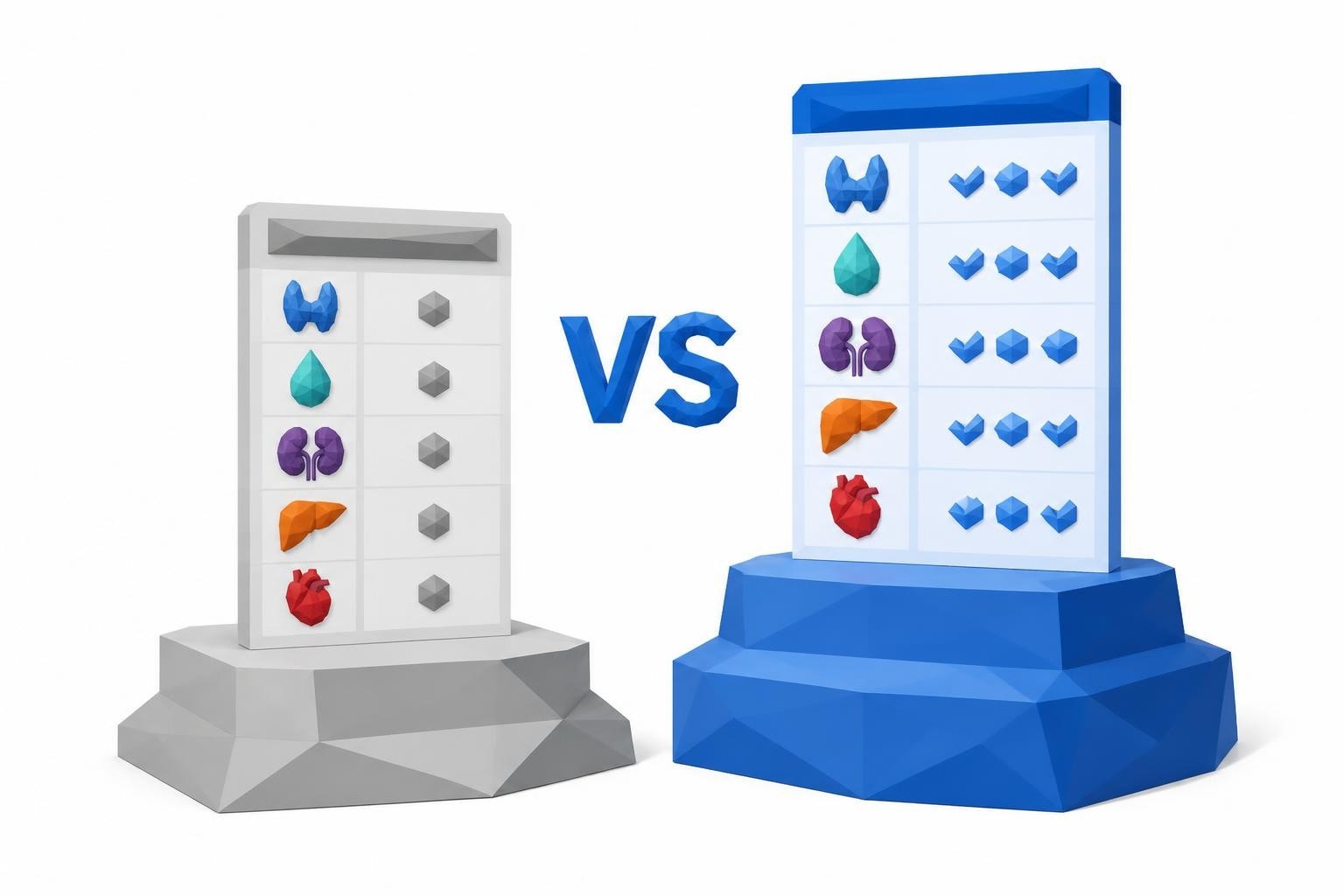

Establishing comprehensive baseline labs before January transforms abstract health resolutions into measurable objectives with clear progress indicators throughout 2027. The investment in baseline testing provides the foundation for data-driven decision-making and motivation through quantifiable improvements. Whether you need basic wellness screening or comprehensive metabolic and hormone assessment, JustLabs offers transparent pricing and convenient access to the testing you need, with results delivered in 1-3 days so you can start the New Year with clarity about your health status and concrete goals for improvement.
References
Tabák AG, Herder C, Rathmann W, Brunner EJ, Kivimäki M. Prediabetes: a high-risk state for diabetes development. Lancet. 2012 Jun 16;379(9833):2279-90. doi: 10.1016/S0140-6736(12)60283-9. PMID: 22683128. https://pubmed.ncbi.nlm.nih.gov/22683128/
Ridker PM. A Test in Context: High-Sensitivity C-Reactive Protein. J Am Coll Cardiol. 2016 Feb 16;67(6):712-723. doi: 10.1016/j.jacc.2015.11.037. PMID: 26868696. https://pubmed.ncbi.nlm.nih.gov/26868696/
Biondi B, Cappola AR, Cooper DS. Subclinical Hypothyroidism: A Review. JAMA. 2019 Jul 9;322(2):153-160. doi: 10.1001/jama.2019.9052. PMID: 31287527. https://pubmed.ncbi.nlm.nih.gov/31287527/
Amrein K, Scherkl M, Hoffmann M, Neuwersch-Sommeregger S, Köstenberger M, Tmava Berisha A, Martucci G, Pilz S, Malle O. Vitamin D deficiency 2.0: an update on the current status worldwide. Eur J Clin Nutr. 2020 Nov;74(11):1498-1513. doi: 10.1038/s41430-020-0558-y. PMID: 31959942. https://pubmed.ncbi.nlm.nih.gov/31959942/
Lee SJ, Oh BK, Sung KC. Uric acid and cardiometabolic diseases. Clin Hypertens. 2020;26:13. doi: 10.1186/s40885-020-00146-y. PMID: 32549999. https://pubmed.ncbi.nlm.nih.gov/32549999/