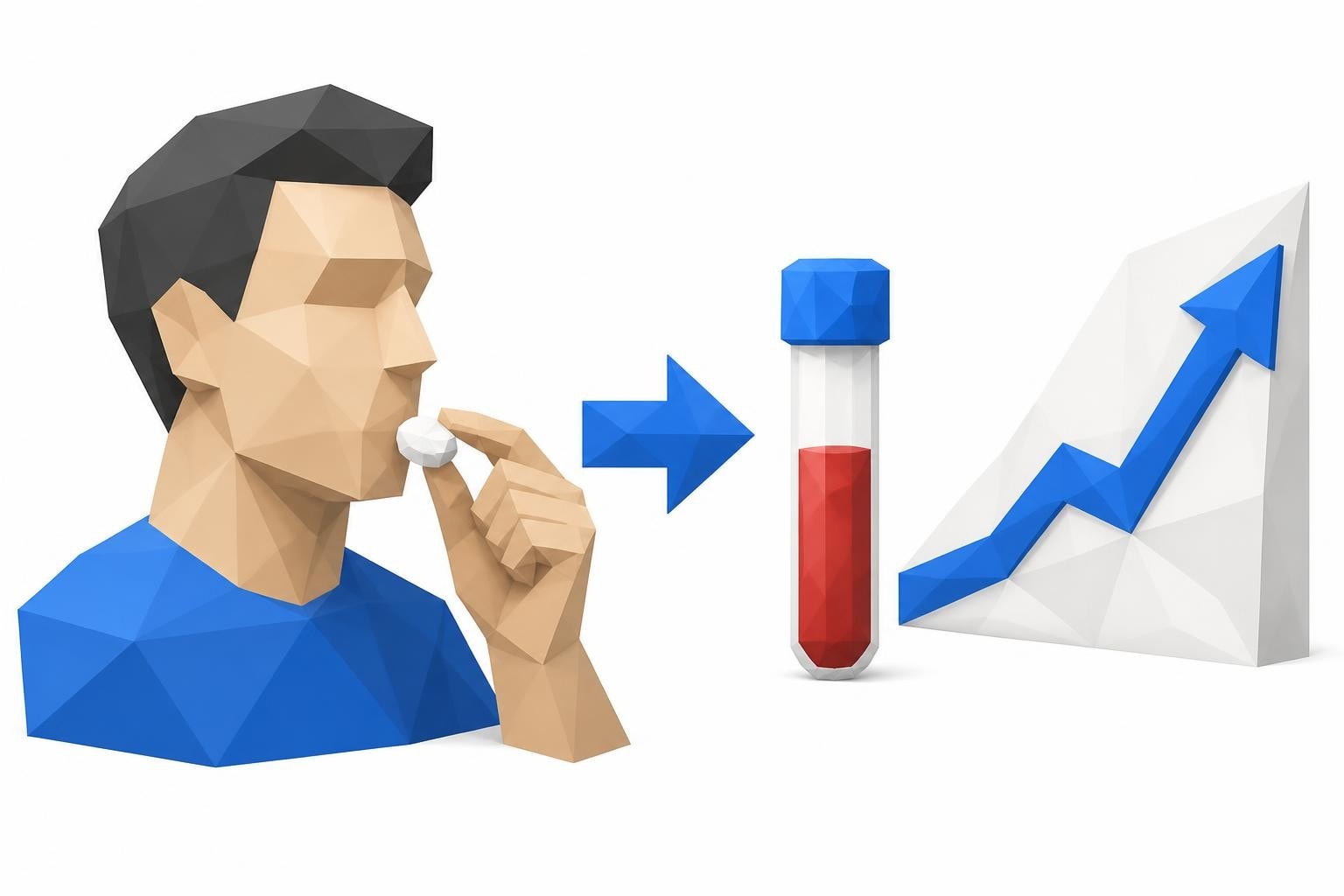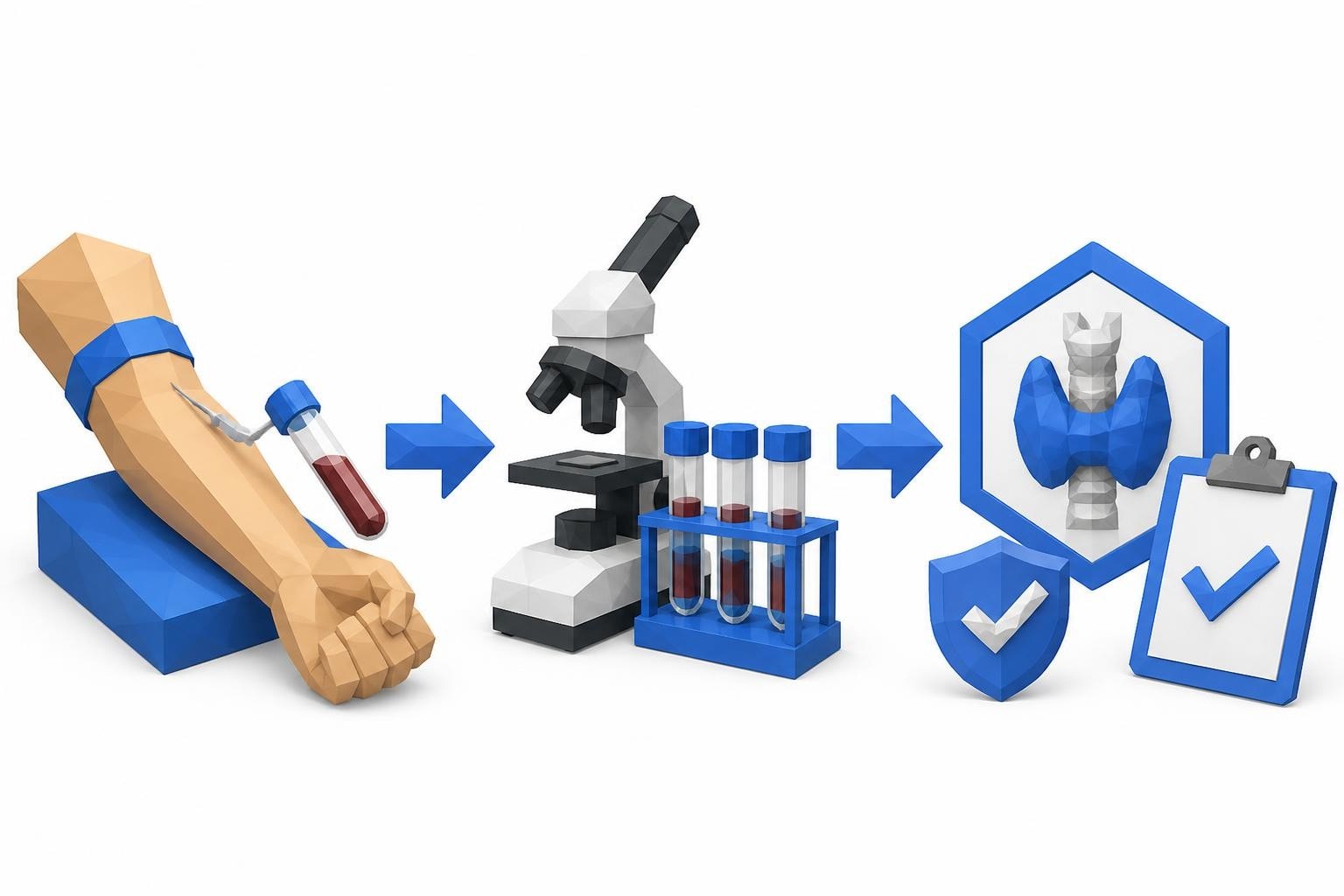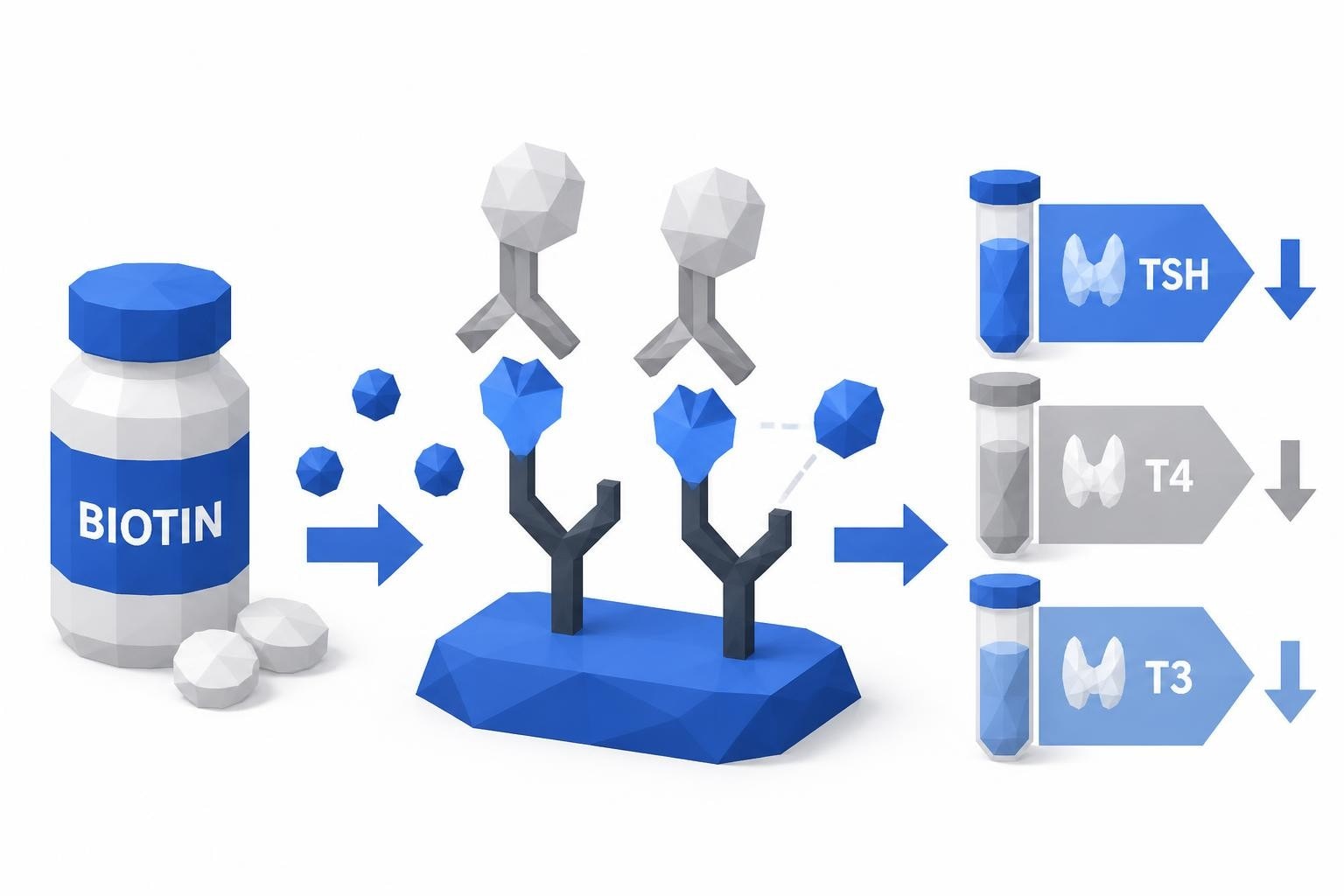
Biotin supplements have surged in popularity over recent years, touted for their benefits to hair, skin, and nail health. However, many people taking these supplements remain unaware of a critical issue: biotin can significantly interfere with common laboratory tests, particularly those measuring thyroid function. Understanding how biotin distorts thyroid test results is essential for anyone scheduling lab work, as this interference can lead to false diagnoses, unnecessary treatments, or missed medical conditions. For those utilizing direct-access testing services, knowing about this interaction becomes even more important to ensure accurate results.
The Science Behind Biotin Interference
Biotin, also known as vitamin B7, creates problems with many modern laboratory tests because of the testing methodology itself. Most commercial thyroid assays use immunoassay technology that relies on the biotin-streptavidin binding system to measure hormone levels in blood samples.
How Immunoassays Work
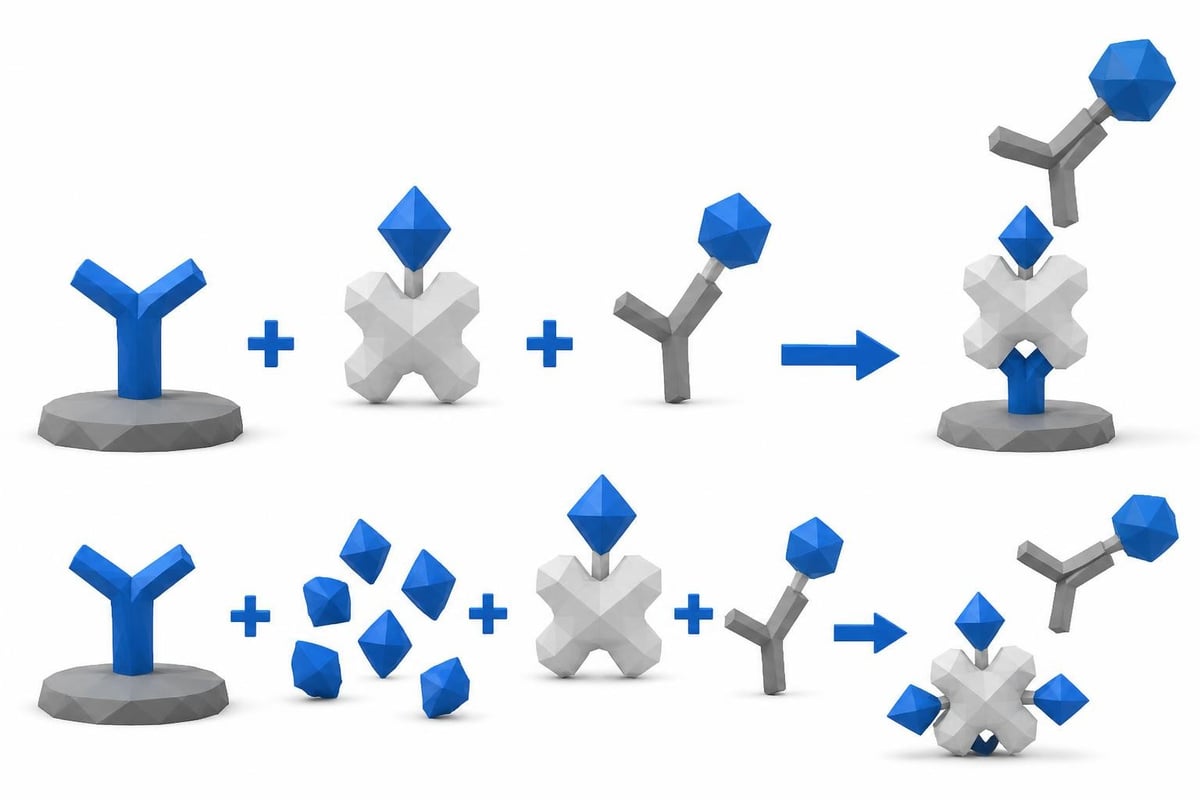
Laboratory immunoassays detect thyroid hormones through a series of chemical reactions. These tests typically use biotinylated antibodies that bind to specific hormones, then capture them using streptavidin-coated surfaces. The strength of the biotin-streptavidin bond is among the strongest non-covalent interactions in nature, making it ideal for precision measurements.
When excess biotin from supplements enters the bloodstream, it competes with the biotinylated antibodies in the test system. This competition disrupts the intended chemical reactions and produces inaccurate measurements. Research shows how biotin affects various immunoassay platforms differently, with some tests being more susceptible to interference than others.
Which Thyroid Tests Are Affected
Not all laboratory methods experience biotin interference equally. Understanding which specific tests are vulnerable helps patients and healthcare providers anticipate potential issues.
Common Thyroid Tests at Risk
The following thyroid function tests frequently show biotin-related distortions:
- Thyroid Stimulating Hormone (TSH): Often appears falsely low when biotin is present
- Free T4 (thyroxine): May show falsely elevated readings
- Free T3 (triiodothyronine): Can display artificially high results
- Total T4 and Total T3: Subject to the same interference patterns
- Thyroid antibodies: Including anti-TPO and anti-thyroglobulin tests
When ordering Free T4 testing or comprehensive hormone panels, understanding these vulnerabilities becomes crucial for result accuracy.
| Test Type | Direction of Interference | Clinical Impact |
|---|---|---|
| TSH | Falsely decreased | May mimic hyperthyroidism |
| Free T4 | Falsely increased | Suggests excess thyroid hormone |
| Free T3 | Falsely increased | Mimics thyrotoxicosis |
| Thyroid Antibodies | Variable interference | Can mask autoimmune conditions |
Recommended Panel
Complete Thyroid Panel
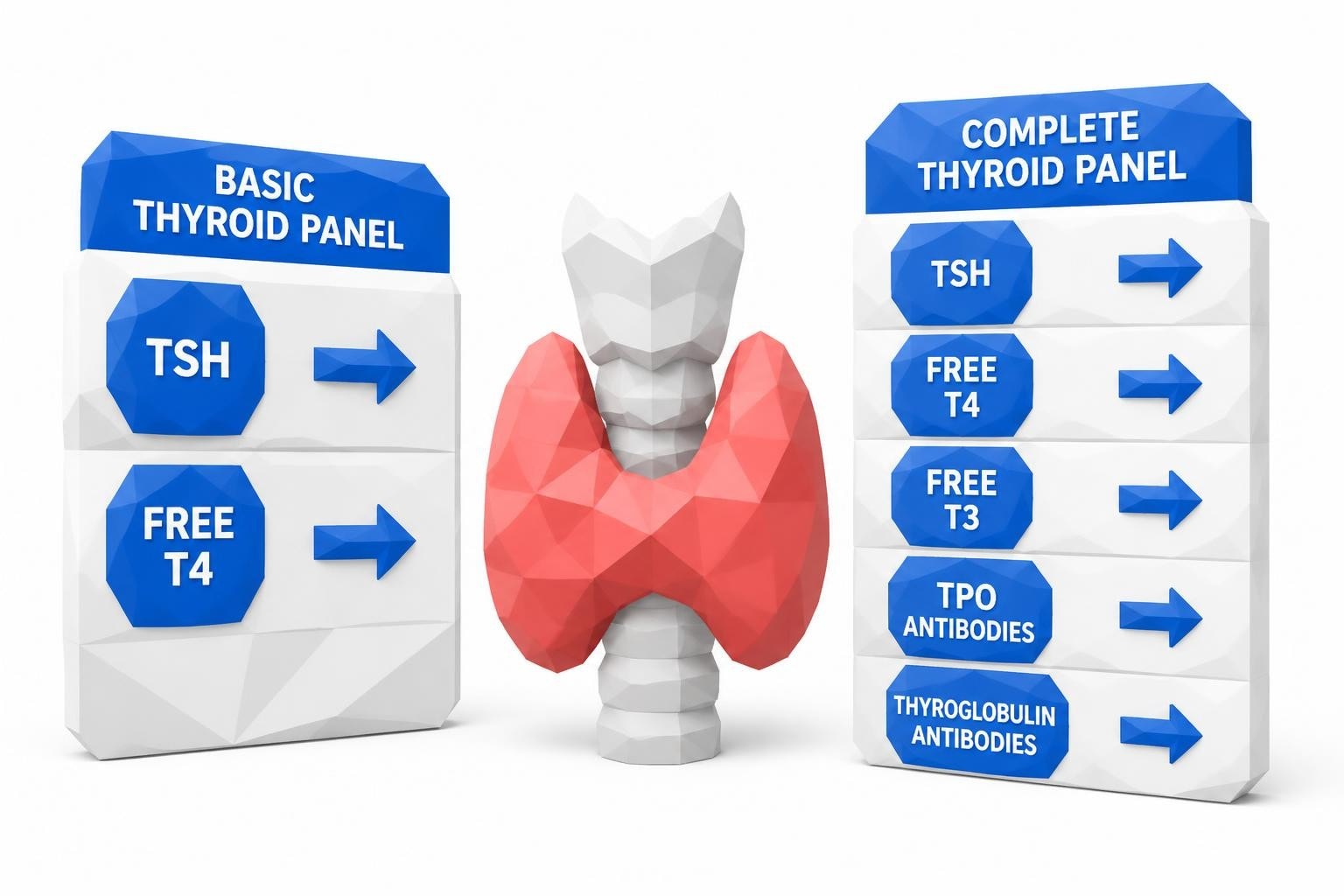
Save $3Our most comprehensive thyroid panel includes all 5 essential markers: TSH, Free T4, Free T3, Reverse T3, and both thyroid antibodies. Get the complete picture of your thyroid health.
Includes 6 biomarkers
$84
Dosage Thresholds and Timing
The extent to which biotin distorts thyroid test results depends heavily on the amount consumed and how recently it was taken. Understanding these factors helps optimize testing accuracy.
Daily Biotin Intake Levels
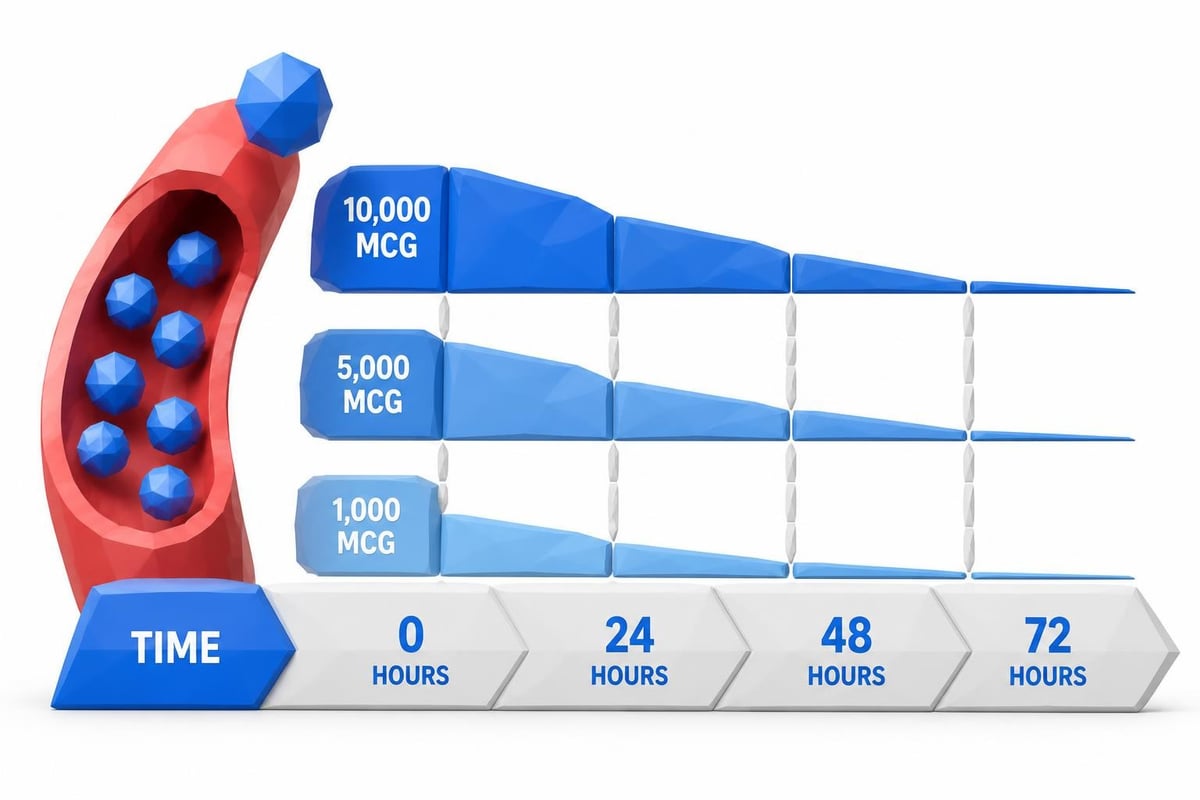
Studies indicate that biotin doses as low as 5 mg can affect test accuracy, though interference severity increases with higher doses. Many supplements marketed for hair and nail health contain 5,000 to 10,000 micrograms (5-10 mg), which is far above the adequate intake level of 30 micrograms daily.
Therapeutic doses prescribed for certain medical conditions can reach 300 mg or more. At these levels, biotin interference becomes almost guaranteed across most immunoassay platforms. Even multivitamins may contain enough biotin to cause problems, particularly those formulated for prenatal use or general wellness.
Clearance Time From Your System
Biotin has a relatively short half-life of approximately two hours in people with normal kidney function. However, complete elimination from the body takes longer than simple half-life calculations suggest.
Recommended waiting periods before thyroid testing:
- 48 hours minimum: For standard supplement doses (5-10 mg daily)
- 72 hours preferred: For high-dose supplements (above 10 mg daily)
- One week: For therapeutic mega-doses (100+ mg daily)
- Consult your provider: If you have kidney dysfunction or take daily high-dose biotin
Those utilizing affordable lab testing without insurance should plan their biotin discontinuation accordingly to avoid wasting money on inaccurate results that may require retesting.
Real-World Consequences of Biotin Interference
Understanding how biotin distorts thyroid test results goes beyond theoretical knowledge. The clinical implications can be serious and costly.
Misdiagnosis Scenarios
False hyperthyroidism: When biotin suppresses TSH readings while elevating T4 and T3 levels, the pattern mimics Graves' disease or thyrotoxicosis. Patients may undergo unnecessary imaging studies, receive inappropriate medications, or face referrals to endocrinologists for conditions they don't have.
Masked hypothyroidism: Conversely, patients with genuine thyroid deficiency might appear to have normal or even elevated hormone levels due to biotin interference. This can delay appropriate treatment and leave symptoms unaddressed.
Pregnancy complications: Thyroid function is critical during pregnancy. Research on biotin interference across different assay platforms demonstrates how prenatal vitamins containing biotin can lead to confusing test results when monitoring maternal thyroid health.
Financial Impact
Inaccurate initial results often necessitate repeat testing after proper biotin discontinuation. For individuals paying out-of-pocket, this means double the cost. Additionally, false results may trigger expensive follow-up procedures including ultrasounds, radioactive iodine uptake scans, or specialist consultations.
When you order labs without a doctor through direct-access services, proper test preparation becomes your responsibility. Taking proactive steps to avoid biotin interference saves both money and time.
Preparation Guidelines for Accurate Testing
Proper preparation ensures your thyroid test results accurately reflect your health status rather than your supplement regimen.
Before Your Test
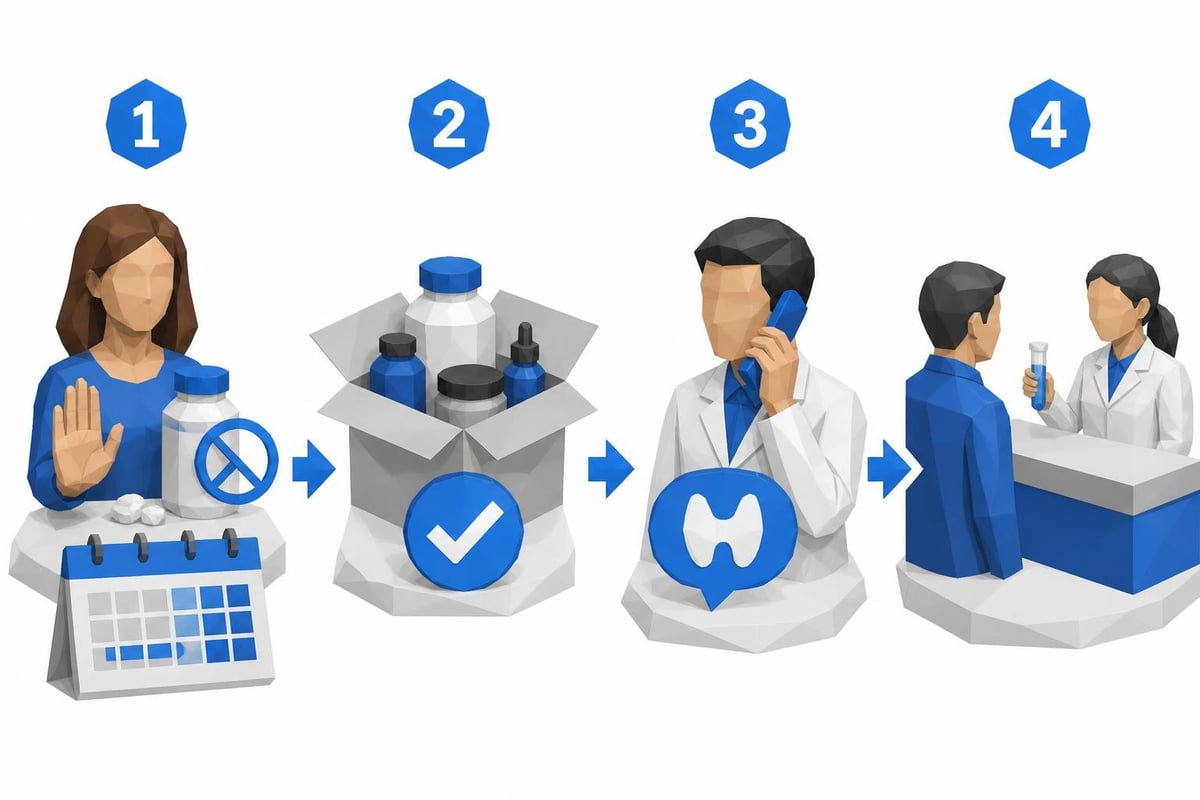
Stop taking biotin-containing supplements at least 48-72 hours before your scheduled blood draw. Check all supplement labels carefully, as biotin appears in:
- Hair, skin, and nail formulations
- B-complex vitamins
- Multivitamins (especially prenatal varieties)
- Energy or metabolism boosters
- Some protein powders and meal replacements
Important: Do not discontinue prescription medications or medically necessary supplements without speaking with your clinician. If your healthcare provider has prescribed high-dose biotin for a specific medical condition, discuss the testing timeline with them before making changes. Thyroid medication follows a different rule than biotin: rather than pausing it, levothyroxine should be taken after your blood draw, not before, so the sample reflects your baseline free T4 instead of an absorption peak.
Communication Is Critical
Inform the testing facility about your biotin supplementation history. While services like Justlabs make ordering tests convenient, the accuracy of your results depends on proper preparation. Laboratory staff may need to note biotin use in your records or recommend alternative testing methods.
Healthcare providers should be aware of potential biotin interference when interpreting results that seem inconsistent with clinical presentation. Unexpected thyroid values in a patient taking biotin supplements should prompt retesting after supplement discontinuation.
Alternative Testing Methods
For patients who cannot safely discontinue biotin or need urgent testing, alternative approaches exist.
Biotin-Resistant Assays
Some newer laboratory platforms use testing methodologies that aren't affected by biotin. These include:
- Mass spectrometry-based assays
- Chemiluminescence methods without biotin-streptavidin binding
- Fluorescence polarization immunoassays
- Direct antibody detection systems
However, these alternatives may not be available at all testing facilities and often cost more than standard immunoassays. When choosing where to get lab tests, you can inquire about biotin-resistant testing options if discontinuing supplements isn't feasible.
Testing Biotin Levels
In cases where biotin interference is suspected but patient history is unclear, laboratories can measure serum biotin concentration directly. This information helps interpret questionable thyroid results and determine whether retesting after biotin clearance is necessary.
Special Populations and Considerations
Certain groups face unique challenges regarding how biotin distorts thyroid test results and test preparation.
Patients With Medical Conditions
People with biotinidase deficiency or other conditions requiring therapeutic biotin doses face a dilemma. Discontinuing biotin may cause health problems, yet continuing it renders most thyroid tests unreliable.
For these individuals, working closely with healthcare providers to coordinate testing schedules becomes essential. Strategies may include:
- Using biotin-resistant assay methods exclusively
- Scheduling tests during brief, medically supervised biotin holidays
- Relying more heavily on clinical assessment and symptom monitoring
- Timing tests strategically around dose reductions when medically appropriate
Comprehensive Health Screening
Those ordering comprehensive panels like female hormone testing should recognize that biotin can interfere with multiple assays beyond thyroid tests. Reproductive hormones, vitamin D, and certain cardiac markers may also show distorted values.
Understanding lab results requires awareness of potential pre-analytical variables, with biotin interference being among the most common and preventable.
The Future of Biotin-Free Testing
The laboratory industry continues developing solutions to eliminate biotin interference problems.
Technological Advances
Manufacturers are reformulating immunoassays to resist biotin interference while maintaining accuracy and cost-effectiveness. Some platforms now include biotin-blocking agents in their reagents, preventing supplement biotin from disrupting the intended reactions.
Increased automation and standardization across laboratory medicine means fewer assays rely on the biotin-streptavidin system. As these improvements expand, the question of how biotin distorts thyroid test results may become less relevant for routine testing.
Regulatory Responses
The FDA has issued warnings about biotin interference and now requires labeling for high-dose supplements. Professional organizations recommend that laboratories implement protocols to identify at-risk patients and flag potentially compromised results.
Practical Steps for Justlabs Customers
When utilizing direct-access laboratory services, you control your testing preparation without a physician's office managing the process.
Create Your Testing Timeline
Three weeks before testing:
- Review all supplements and medications for biotin content
- Contact your healthcare provider if you take prescription biotin
- Plan to stop non-essential biotin supplements 48-72 hours before your test
Test day:
- Confirm you've avoided biotin for the appropriate period
- Mention biotin supplementation history if asked
- Schedule follow-up testing if needed through the same platform for consistency
Maximize Your Testing Investment
Transparent lab test pricing means you know costs upfront, making proper preparation even more important to avoid paying twice for the same test. Quick result turnaround of 1-3 days loses value if those results are inaccurate due to preventable interference.
The convenience of FSA/HSA eligible testing allows you to use pre-tax dollars for lab work, but only accurate results provide genuine health value for that investment.
When to Retest
Sometimes despite best efforts, biotin interference isn't discovered until after results arrive. Knowing when to question your results helps avoid clinical errors.
Red Flags Suggesting Interference
Results inconsistent with symptoms deserve scrutiny. For example:
- TSH near zero with no hyperthyroid symptoms
- Extremely elevated free T4 without tachycardia, anxiety, or weight loss
- Dramatic changes from previous tests without clinical explanation
- Discordant results (abnormal screening tests but normal confirmatory tests)
The detailed explanation of how biotin affects thyroid testing accuracy can help you recognize when biotin might explain unexpected values.
Retesting Protocol
If biotin interference is suspected:
- Discontinue all biotin supplements for at least 72 hours
- Reorder the same thyroid panel for consistency
- Compare results to identify differences
- Share both sets of results with your healthcare provider
The ease of reordering through the same testing service streamlines this process and ensures comparable methodologies across both tests.
Biotin interference with thyroid testing represents a preventable source of laboratory error that can lead to misdiagnosis, unnecessary treatment, and wasted healthcare dollars. By stopping biotin supplements 48-72 hours before testing and communicating your supplement history, you can ensure your thyroid results accurately reflect your health status. Justlabs provides the convenient, affordable testing access you need while putting you in control of proper test preparation-empowering you to get accurate results the first time, with transparent pricing and quick turnaround that makes managing your health easier than ever.
Related Reading

References
Favresse J, Burlacu MC, Maiter D, Gruson D. Interferences With Thyroid Function Immunoassays: Clinical Implications and Detection Algorithm. Endocr Rev. 2018 Oct 1;39(5):830-850. doi: 10.1210/er.2018-00119. PMID: 29982406. https://pubmed.ncbi.nlm.nih.gov/29982406/
Samarasinghe S, Meah F, Singh V, Basit A, Emanuele N, Emanuele MA, Mazhari A, Holmes EW. BIOTIN INTERFERENCE WITH ROUTINE CLINICAL IMMUNOASSAYS: UNDERSTAND THE CAUSES AND MITIGATE THE RISKS. Endocr Pract. 2017 Aug;23(8):989-998. doi: 10.4158/EP171761.RA. PMID: 28534685. https://pubmed.ncbi.nlm.nih.gov/28534685/
Luong JHT, Male KB, Glennon JD. Biotin interference in immunoassays based on biotin-strept(avidin) chemistry: An emerging threat. Biotechnol Adv. 2019 Sep-Oct;37(5):634-641. doi: 10.1016/j.biotechadv.2019.03.007. PMID: 30872068. https://pubmed.ncbi.nlm.nih.gov/30872068/
Elston MS, Sehgal S, Du Toit S, Yarndley T, Conaglen JV. Factitious Graves' Disease Due to Biotin Immunoassay Interference-A Case and Review of the Literature. J Clin Endocrinol Metab. 2016 Sep;101(9):3251-5. doi: 10.1210/jc.2016-1971. PMID: 27362288. https://pubmed.ncbi.nlm.nih.gov/27362288/