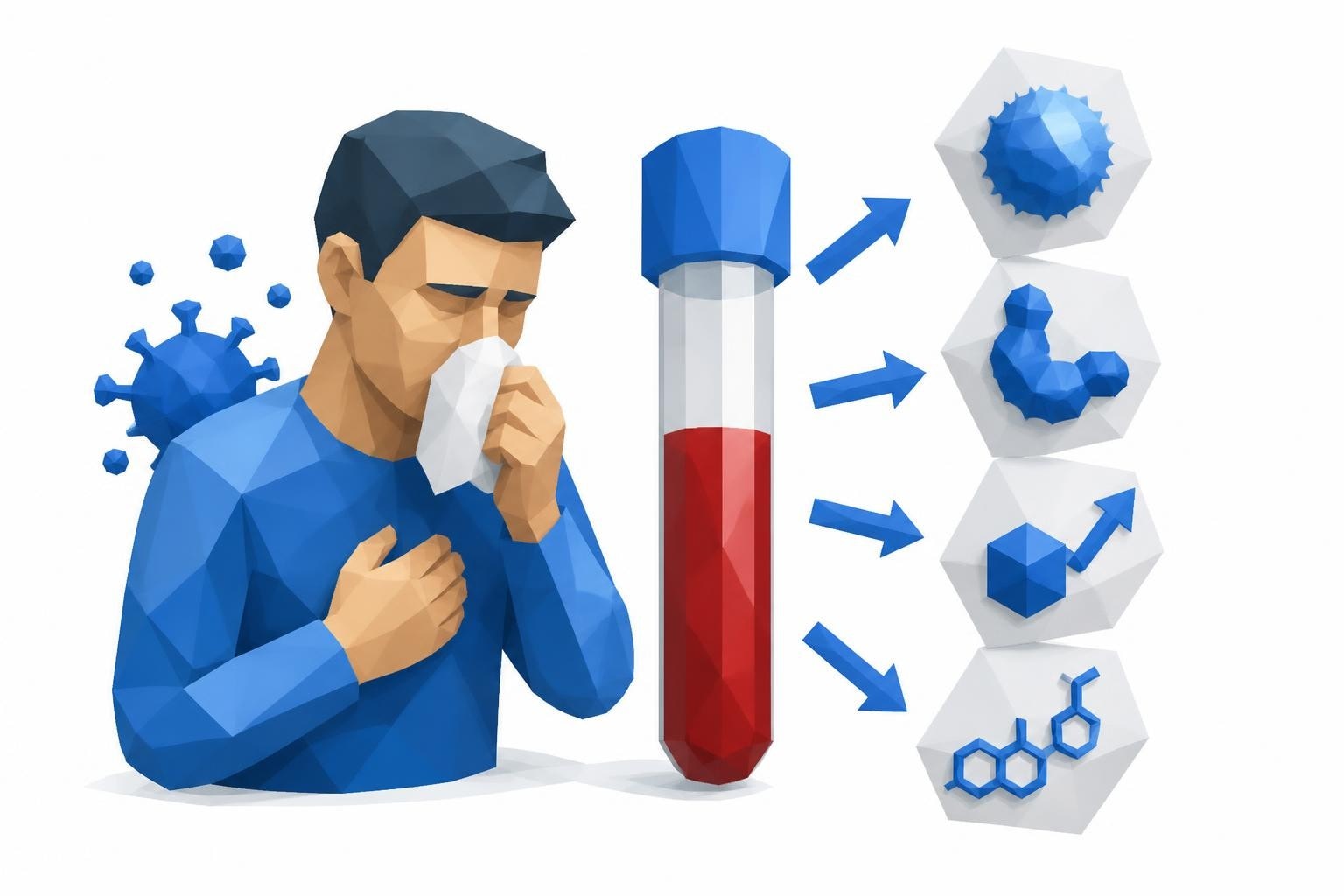
When you're feeling under the weather, scheduling routine lab work might seem like poor timing. Your instinct is correct: being sick can significantly alter your blood test results, sometimes creating confusing or misleading findings that don't reflect your true baseline health status. Understanding how illness affects various blood markers helps you make informed decisions about when to schedule tests and how to interpret unexpected results.
Big picture
- Active illness triggers widespread physiological changes that can affect nearly every blood test, from routine complete blood counts to specialized hormone panels and metabolic markers
- Infection and inflammation cause your immune system to release white blood cells and inflammatory proteins, creating temporary elevations that mimic chronic conditions
- Metabolic disruptions during sickness can alter glucose levels, liver enzymes, kidney function markers, and electrolyte balance, even when these organs are functioning normally
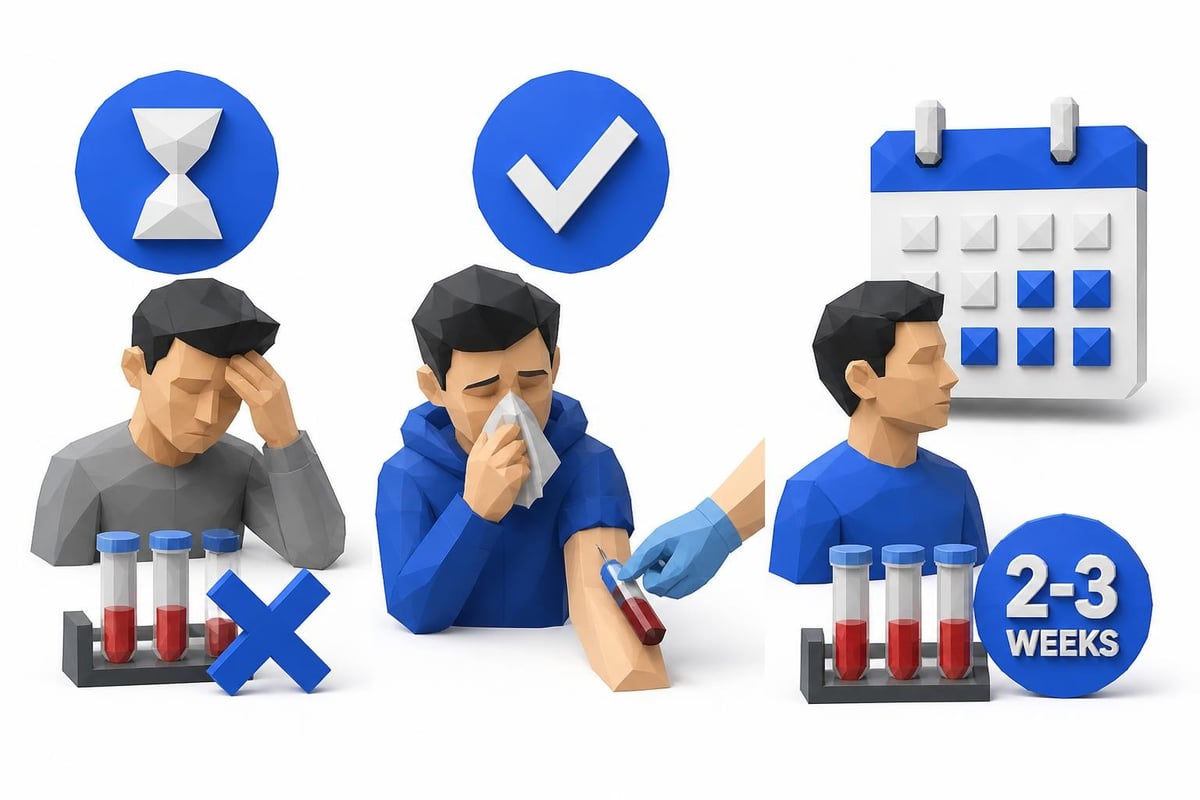
- Timing matters significantly: some tests should be postponed until you've fully recovered, while others (like infection-related tests) are specifically designed to be run during active illness
- Understanding test context helps you avoid unnecessary concern over abnormal results and prevents costly retesting when values normalize after recovery
- Plan ahead by checking with your testing provider about rescheduling policies if you develop symptoms before your scheduled appointment
How Illness Affects White Blood Cell Counts
Your immune system responds to infection by rapidly producing white blood cells, and this defensive mechanism creates one of the most dramatic changes seen in blood work during illness. A normal white blood cell count ranges from 4,000 to 11,000 cells per microliter, but viral and bacterial infections can push these numbers significantly higher.
Leukocytosis, or elevated white blood cell count, commonly occurs during acute illness. Different types of infections create distinct patterns in your white blood cell differential, which breaks down the percentages of neutrophils, lymphocytes, monocytes, eosinophils, and basophils.
White Blood Cell Response Patterns
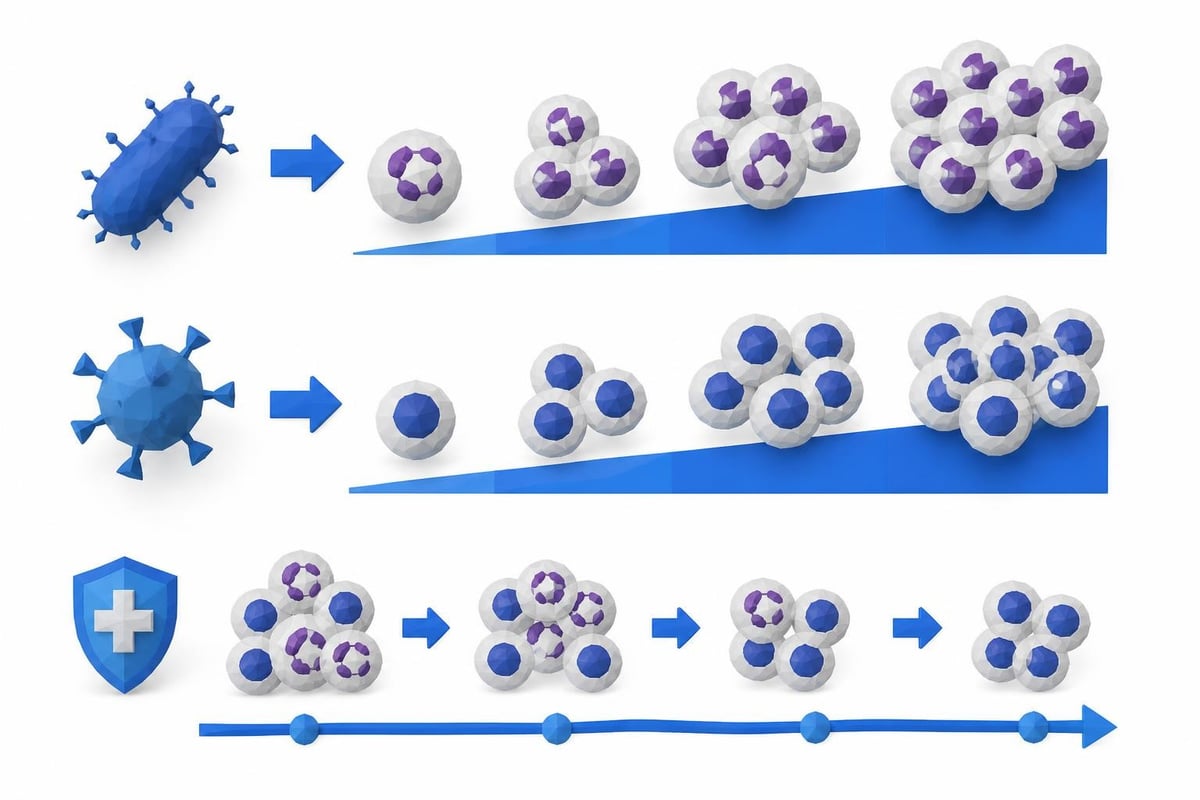
Bacterial infections typically cause:
- Elevated total white blood cell counts (often 15,000-25,000 cells/µL)
- Increased neutrophils (the first responders to bacterial threats)
- Possible appearance of immature white blood cells called "bands"
- Decreased lymphocyte percentage relative to total count
Viral infections create different patterns:
- Initially normal or slightly decreased total white blood cell counts
- Elevated lymphocyte percentages
- Possible appearance of atypical lymphocytes
- Lower neutrophil counts compared to bacterial infections
Does being sick change your blood test results for white blood cells? Absolutely, and these changes can persist for days or even weeks after symptoms resolve. If you're running baseline wellness screening, these elevations might trigger unnecessary concern or follow-up testing.
Inflammatory Markers and Acute Phase Reactants
Beyond white blood cell counts, your body produces numerous proteins and molecules during illness that serve as general inflammation markers. C-reactive protein (CRP) and erythrocyte sedimentation rate (ESR) are two commonly measured acute phase reactants that skyrocket during active infection or inflammation.
CRP levels below 3 mg/L are considered normal in healthy adults, but respiratory infections, urinary tract infections, or even the common cold can push CRP above 100 mg/L within 24-48 hours. Research on CRP interpretation during infection demonstrates how this marker helps clinicians assess disease severity but creates challenges when running unrelated tests.
| Inflammatory Marker | Normal Range | During Mild Illness | During Severe Infection |
|---|---|---|---|
| C-Reactive Protein (CRP) | <3 mg/L | 10-50 mg/L | 100-500+ mg/L |
| Erythrocyte Sedimentation Rate (ESR) | <20 mm/hr | 20-50 mm/hr | 50-100+ mm/hr |
| Ferritin | 30-200 ng/mL | 200-500 ng/mL | 500-2000+ ng/mL |
| Fibrinogen | 200-400 mg/dL | 400-600 mg/dL | 600-800+ mg/dL |
Ferritin deserves special mention because it serves dual roles as both an iron storage marker and an inflammatory protein. When evaluating iron status or screening for conditions like hemochromatosis, illness-induced ferritin elevation can mask true iron deficiency or suggest iron overload that doesn't exist.
Metabolic Panel Changes During Illness
Does being sick change your blood test results on comprehensive metabolic panels? The answer involves multiple organ systems responding to the stress of illness. Your metabolic panel measures kidney function, liver enzymes, electrolytes, and glucose, all of which can shift during acute illness.
Glucose Fluctuations
Stress hormones released during illness (cortisol, epinephrine, and glucagon) raise blood glucose levels as part of your body's fight-or-flight response. This stress hyperglycemia can occur even in people without diabetes, creating temporarily elevated fasting glucose or hemoglobin A1C values.
Someone running a diabetes screening panel while fighting a cold might see:
- Fasting glucose elevated by 10-30 mg/dL above baseline
- Random glucose readings above 140 mg/dL despite no history of diabetes
- Slightly elevated A1C if illness is prolonged (though A1C reflects 3-month average)
Kidney Function Markers
Dehydration commonly accompanies illness, especially when fever, reduced fluid intake, or gastrointestinal symptoms are present. Dehydration concentrates your blood and can elevate:
- Blood urea nitrogen (BUN)
- Creatinine levels
- BUN-to-creatinine ratio
These changes might suggest kidney problems when the issue is simply volume depletion. According to NHS guidance on blood tests, staying well-hydrated before testing is crucial, but illness makes this challenging.
Liver Enzyme Elevation
Mild elevations in liver enzymes (AST, ALT) occur with viral infections, particularly those affecting the liver directly like hepatitis or mononucleosis. However, even systemic viral illnesses can cause transient enzyme increases through general inflammatory effects.
Recommended Panel
Complete Metabolic Health Panel
Save $3.5This comprehensive panel evaluates all aspects of metabolic health: organ function, cholesterol, blood sugar, insulin resistance, and inflammation - the key drivers of chronic disease.
Includes 26 biomarkers
$50
Fasting required
Hormone Testing During Illness
Hormone levels represent some of the most sensitive markers affected by acute illness. Your endocrine system responds to the stress of being sick by altering production, release, and metabolism of numerous hormones.
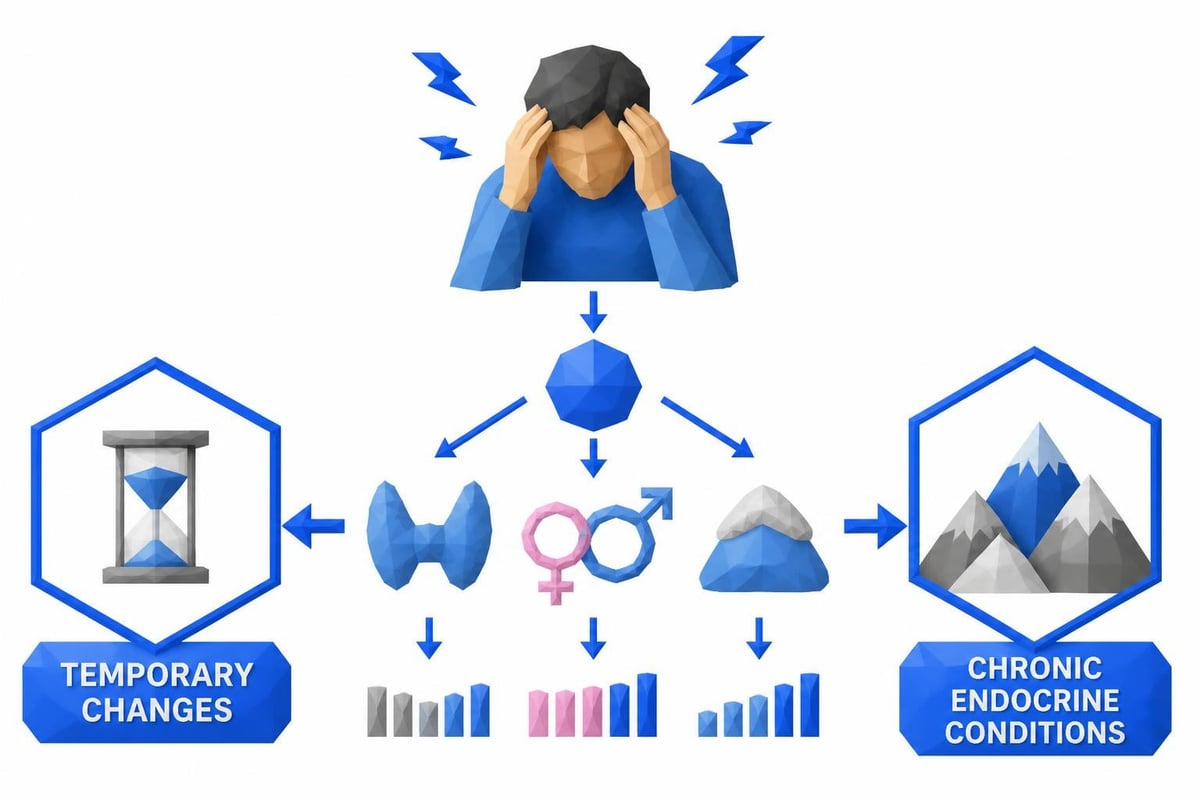
Thyroid function tests demonstrate this principle clearly. Does being sick change your blood test results for thyroid hormones? Illness can create a pattern called "sick euthyroid syndrome" or "non-thyroidal illness syndrome," where:
- TSH may decrease temporarily
- Free T3 levels often drop significantly
- Reverse T3 (inactive form) increases
- Free T4 may remain normal or decrease slightly
These changes don't indicate thyroid disease. Instead, they represent your body's adaptive response to conserve energy during illness. The pattern typically resolves within 2-4 weeks after recovery.
Sex Hormone Disruption
Acute illness affects reproductive hormones in both men and women:
In men:
- Temporary testosterone decline (can drop 20-50%)
- Increased sex hormone binding globulin (SHBG)
- Reduced free testosterone more than total testosterone
In women:
- Disrupted menstrual cycle timing and hormone patterns
- Altered estradiol and progesterone levels
- Potential LH and FSH fluctuations
If you're investigating hormone-related symptoms or conditions, scheduling tests during illness can produce results that don't reflect your actual hormonal status. Understanding transparent lab test pricing helps when you need to reschedule and retest after recovery.
Impact on Lipid Panels and Cardiovascular Markers
Cholesterol testing specifically requires postponement during and after illness. Acute illness can decrease total cholesterol and LDL cholesterol by 10-20% while potentially increasing triglycerides, creating a lipid profile that doesn't represent your true cardiovascular risk.
The IDSA guidelines on laboratory diagnosis recommend waiting at least 2-3 weeks after recovering from significant illness before running lipid panels for cardiovascular risk assessment.
Timeline for lipid normalization:
- During acute illness (days 1-7): Maximum suppression of cholesterol
- Early recovery (days 8-14): Gradual return toward baseline
- Full recovery (days 15-21+): Lipid levels stabilize at true baseline
This timing matters when you're establishing baseline values for heart health monitoring or adjusting medications. Inaccurate low readings during illness might lead to undertreatment, while elevated triglycerides could trigger unnecessary concern.
Nutritional and Vitamin Markers During Sickness
Vitamin and mineral testing during illness presents unique challenges because inflammatory responses affect both the levels and distribution of many nutrients. Does being sick change your blood test results for nutritional markers? The answer varies by specific nutrient.
Vitamin D Considerations
Vitamin D levels remain relatively stable during short-term illness, making 25-hydroxy vitamin D testing generally acceptable even when you're not feeling well. However, severe infections requiring hospitalization can temporarily decrease vitamin D levels through consumption during immune response.
Iron Studies Complexity
Iron testing becomes particularly complicated during illness:
- Serum iron decreases (sequestered away from potential pathogens)
- Transferrin saturation drops
- Ferritin increases (inflammatory response)
- Total iron binding capacity may decrease
This pattern can make iron deficiency harder to diagnose during illness or falsely suggest adequate iron stores when deficiency exists.
B Vitamin and Mineral Changes
Commonly affected markers:
| Nutrient | Effect of Illness | Mechanism |
|---|---|---|
| Vitamin B12 | Generally stable | Stored in liver, less acute variation |
| Folate | May decrease slightly | Increased cellular utilization |
| Magnesium | Can decrease | Stress hormone effects, reduced intake |
| Zinc | Often decreases | Redistribution to immune tissues |
Recommended Test
Zinc
Zinc is an essential trace mineral involved in over 300 enzymatic reactions, including immune function, wound healing, thyroid hormone production, and testosterone synthesis.
Includes 1 biomarkers
$20
When to Postpone Testing vs. When to Proceed
Understanding when to reschedule your lab work requires considering both the type of test and the severity of your illness. Some situations call for postponement, while others benefit from testing during active symptoms.
Tests to Postpone Until Recovery
Baseline health screening panels:
- Annual wellness panels
- Lipid panels for cardiovascular risk
- Thyroid function tests (unless monitoring treatment)
- Hormone panels for fertility or optimization
- Nutritional status assessments
- Metabolic syndrome screening
Recommended waiting period: 2-3 weeks after symptoms resolve completely
Tests That Should Proceed During Illness
Diagnostic testing for active symptoms:
- Complete blood counts to evaluate infection severity
- Blood cultures for suspected sepsis
- Specific infectious disease testing
- Tests ordered by your healthcare provider to diagnose current illness
When you're working with services that allow you to order labs without a doctor, you maintain control over scheduling decisions. This flexibility means you can postpone routine screening when sick without waiting for medical appointment availability.
Medication Effects Combined with Illness
If you're taking medications for your illness (antibiotics, pain relievers, decongestants), these compounds can create additional effects on blood test results beyond the illness itself. Over-the-counter medications commonly used during sickness include:
Acetaminophen (Tylenol):
- Can elevate liver enzymes at high doses
- Generally safe for most blood tests at recommended doses
- Avoid taking within 24 hours of liver function testing if possible
NSAIDs (ibuprofen, naproxen):
- May affect kidney function markers if dehydrated
- Can slightly alter platelet function tests
- Generally don't require avoiding before routine blood work
Antibiotics:
- Some can elevate liver enzymes
- May affect gut bacteria that produce certain vitamins
- Don't typically interfere with most blood chemistry
Practical Strategies for Accurate Testing
To ensure your blood test results reflect your true health status rather than temporary illness effects, implement these evidence-based strategies:
Pre-Test Preparation
- Schedule tests when healthy: Book appointments when you're feeling well and haven't been sick recently
- Monitor symptoms: If you develop illness symptoms before a scheduled test, contact the testing facility about rescheduling
- Consider timing: Wait 2-3 weeks after complete symptom resolution before baseline testing
- Stay hydrated: Maintain good hydration status, especially important during recovery
Communication with Testing Services
When using services like Justlabs, you can easily reschedule appointments if you become ill. The transparency of knowing how much lab tests really cost helps you understand the financial impact of rescheduling versus testing during illness and potentially needing to retest.
Documentation Considerations
If you must proceed with testing while ill or shortly after recovery:
- Note your recent illness when reviewing results
- Consider retesting abnormal values after full recovery
- Discuss timing with healthcare providers interpreting results
- Keep records of illness timing relative to test dates
Understanding Test Variability Beyond Illness
Does being sick change your blood test results more than other factors? Illness certainly creates significant changes, but biological variability exists even in perfect health. Normal day-to-day fluctuations occur in many markers:
Low variability markers (change <5% day-to-day):
- Hemoglobin
- Creatinine
- Total protein
Moderate variability markers (change 5-15%):
- Glucose
- Cholesterol
- Liver enzymes
High variability markers (change >15%):
- Triglycerides
- Cortisol
- Some hormones
Illness adds to this natural variability, potentially creating changes of 50-200% or more in inflammatory markers and certain other values. This amplification of variability is why postponing non-urgent testing makes such practical sense.
Key takeaways
- Active illness creates temporary changes in most blood test results through immune activation, inflammation, metabolic stress, and hormonal responses
- White blood cell counts, inflammatory markers (CRP, ESR), and immune function tests show the most dramatic changes during infection
- Metabolic panels can reflect dehydration, stress hyperglycemia, and temporary organ function changes that don't indicate chronic disease
- Hormone testing during illness may show patterns like sick euthyroid syndrome that resolve after recovery
- Lipid panels should be postponed 2-3 weeks after illness to ensure accurate cardiovascular risk assessment
- Some tests (diagnostic infection workup) should proceed during illness, while others (baseline screening) should wait
- Combining illness with medications creates additional potential for test result alterations
- When using self-pay testing services, you control scheduling flexibility to optimize testing timing around illness
FAQ
How long after being sick will my blood test results be accurate?
Most blood test results return to baseline within 2-3 weeks after complete symptom resolution for typical viral or bacterial infections. White blood cell counts normalize within 1-2 weeks, while inflammatory markers like CRP may take 2-4 weeks to return to baseline. Hormone panels and lipid tests benefit from waiting the full 3 weeks to ensure accurate results. Severe infections requiring hospitalization may need 4-6 weeks for complete normalization of all markers.
Can a cold affect my cholesterol test results?
Yes, even a common cold can decrease your total cholesterol and LDL cholesterol by 10-20% while potentially increasing triglycerides. This effect begins within the first few days of illness and can persist for 2-3 weeks after symptoms resolve. For accurate lipid panel results that reflect your true cardiovascular risk, postpone cholesterol testing until at least 2 weeks after you've fully recovered from cold symptoms.
Will my white blood cell count be high if I have a cold?
Your white blood cell count may be elevated, normal, or even slightly decreased depending on whether your cold is caused by a virus or complicated by bacterial infection. Pure viral colds often cause normal or slightly low total white blood cell counts with increased lymphocyte percentages. If bacterial infection develops (sinus infection, ear infection), you'll typically see elevated total white blood cell counts with increased neutrophils. These patterns help clinicians distinguish viral from bacterial illness.
Should I cancel my blood test if I'm taking antibiotics?
It depends on the purpose of your blood test. If you're running baseline health screening or wellness panels, postpone until you've completed your antibiotic course and waited 1-2 weeks. The underlying infection requiring antibiotics will affect your results more than the antibiotics themselves. If your healthcare provider ordered specific tests to monitor the infection or treatment response, proceed as scheduled. Some antibiotics can mildly elevate liver enzymes, but this rarely interferes with most routine blood chemistry.
Does being sick change your blood test results for diabetes screening?
Yes, illness can temporarily elevate blood glucose levels through stress hormone release (cortisol, epinephrine), even in people without diabetes. This "stress hyperglycemia" can raise fasting glucose by 10-30 mg/dL or more and may create false positive screening results. Hemoglobin A1C is less affected by short-term illness since it reflects 3-month glucose averages, but prolonged illness can still impact values. For accurate diabetes screening with fasting glucose or glucose tolerance testing, wait 2-3 weeks after illness resolution.
Can the flu affect my thyroid test results?
The flu and other significant illnesses can create a pattern called "sick euthyroid syndrome" where TSH decreases, free T3 drops substantially, and reverse T3 increases, all without indicating actual thyroid disease. These changes represent your body's adaptive energy conservation during illness. Thyroid test results may not normalize until 2-4 weeks after flu recovery. If you're monitoring diagnosed thyroid disease with medication, consult your healthcare provider about whether to proceed with scheduled testing during illness.
How does dehydration from being sick affect kidney function tests?
Dehydration concentrates your blood and can significantly elevate kidney function markers, particularly blood urea nitrogen (BUN) and creatinine. The BUN-to-creatinine ratio typically increases above 20:1 during dehydration, compared to the normal 10:1 to 20:1 range. These changes might falsely suggest kidney problems when the issue is simply fluid depletion. Fever, reduced fluid intake, vomiting, or diarrhea during illness all contribute to dehydration effects. Ensuring adequate hydration before testing helps, but active illness makes this challenging, which is another reason to postpone non-urgent kidney function testing until recovery.
Are there any blood tests that are more accurate when you're sick?
Yes, tests specifically designed to diagnose or monitor active infection provide more relevant information during illness. These include complete blood count with differential (to characterize immune response), C-reactive protein and ESR (to assess inflammation severity), blood cultures (to identify bloodstream infections), and pathogen-specific tests for viruses or bacteria. Procalcitonin testing helps distinguish bacterial from viral infections. These diagnostic tests should proceed during active symptoms, while baseline screening tests should be postponed until recovery.
Understanding how illness affects blood test accuracy helps you make informed decisions about scheduling and interpreting lab work. Whether you're running routine wellness screening or investigating specific health concerns, timing your tests appropriately ensures results that truly reflect your baseline health status rather than temporary changes from being sick. When you need convenient access to affordable lab testing with the flexibility to schedule around your health status, Justlabs provides transparent pricing and quick results within 1-3 days, giving you control over when and how you monitor your health without the constraints of insurance requirements or doctor visit scheduling.