Should You Exercise Before a Blood Draw? What to Know
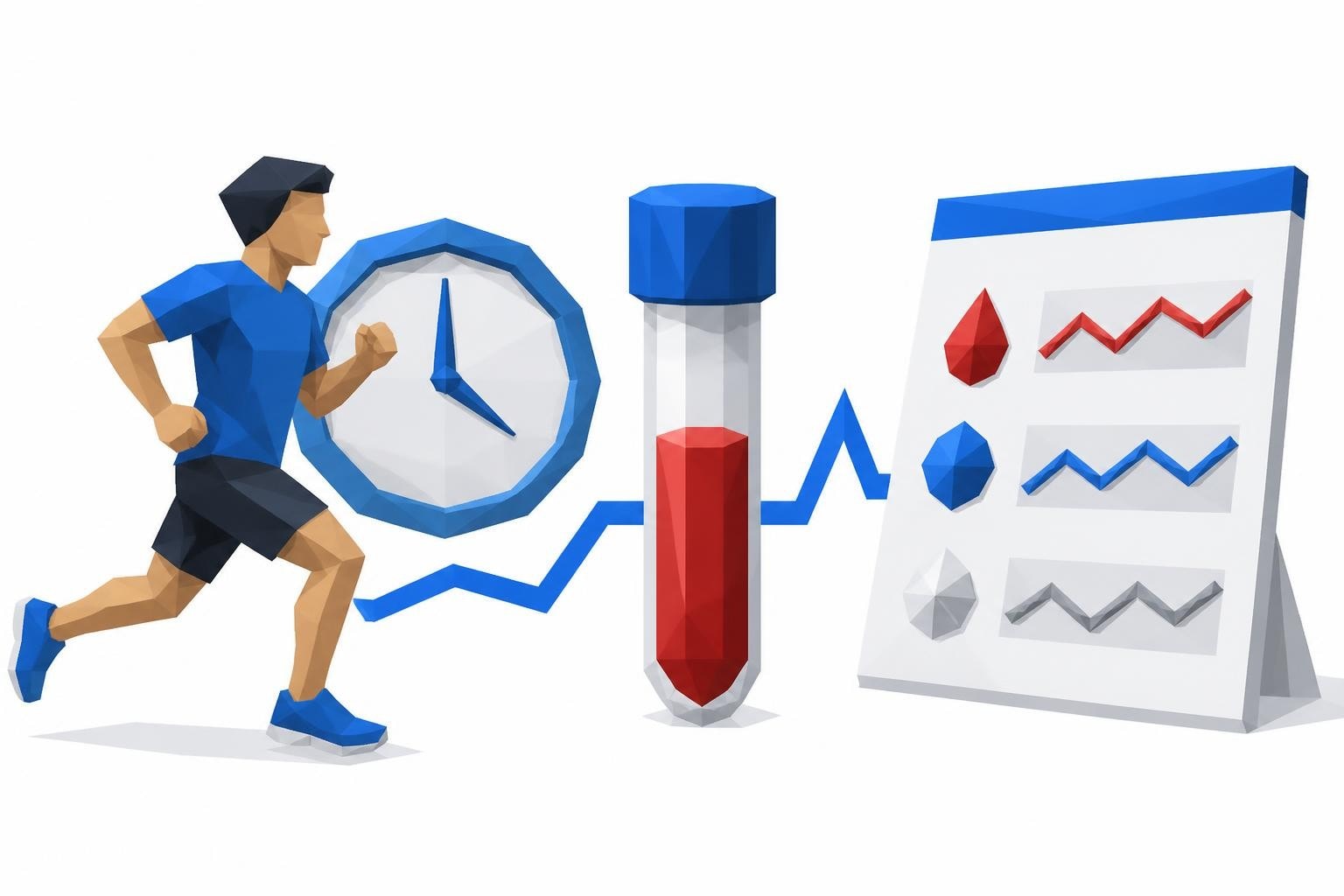
When preparing for blood work, you might wonder whether your morning workout will interfere with your test results. The answer isn't always straightforward, as exercise can significantly alter many biomarkers in your blood, sometimes for hours after you finish your session. Understanding when to skip the gym and when it's safe to maintain your routine helps ensure your lab results accurately reflect your baseline health status.
Big picture
- Exercise changes blood chemistry by temporarily altering levels of glucose, proteins, enzymes, hormones, and electrolytes that many standard lab tests measure.
- Most routine tests require resting conditions to establish accurate baseline values, meaning you should typically avoid moderate to vigorous exercise for 12-24 hours before your blood draw.
- The type and intensity of exercise matters because light activity like walking affects biomarkers differently than high-intensity training or strength workouts.
- Fasting tests have additional considerations since combining exercise with fasting can intensify metabolic changes and further skew results.
- Check specific test requirements by reviewing your test preparation instructions, as some specialized tests have unique physical activity restrictions.
- Plan your appointment strategically by scheduling morning blood draws before your workout whenever possible, allowing you to maintain your fitness routine without compromising test accuracy.
How Exercise Affects Common Blood Tests
Physical activity triggers a cascade of physiological responses that directly impact the substances measured in blood tests. When you exercise, your muscles demand more energy, your cardiovascular system increases circulation, and your body mobilizes stored nutrients. These normal adaptations can make your test results appear abnormal even when you're perfectly healthy.
Metabolic Markers and Glucose Levels
Exercise fundamentally changes how your body processes glucose and other metabolic markers. During physical activity, your muscles consume glucose for energy, which can lower blood sugar levels significantly. This effect persists for hours after you stop exercising as your body works to replenish depleted glycogen stores.
For diabetes screening and glucose tolerance tests, pre-test exercise can produce misleadingly low values. If you're having fasting glucose checked or an HbA1c test, exercising beforehand might mask prediabetes or make your glucose control appear better than it actually is during normal daily conditions.
Recommended Panel
Comprehensive Diabetes Panel
This panel detects diabetes and prediabetes at every stage. Includes lipids because diabetes dramatically increases heart disease risk.
Includes 10 biomarkers
$35
Fasting required
Conversely, very intense exercise can temporarily increase blood glucose through stress hormone release. This creates confusion in interpreting results without knowing your pre-test activity level.
Muscle and Liver Enzymes
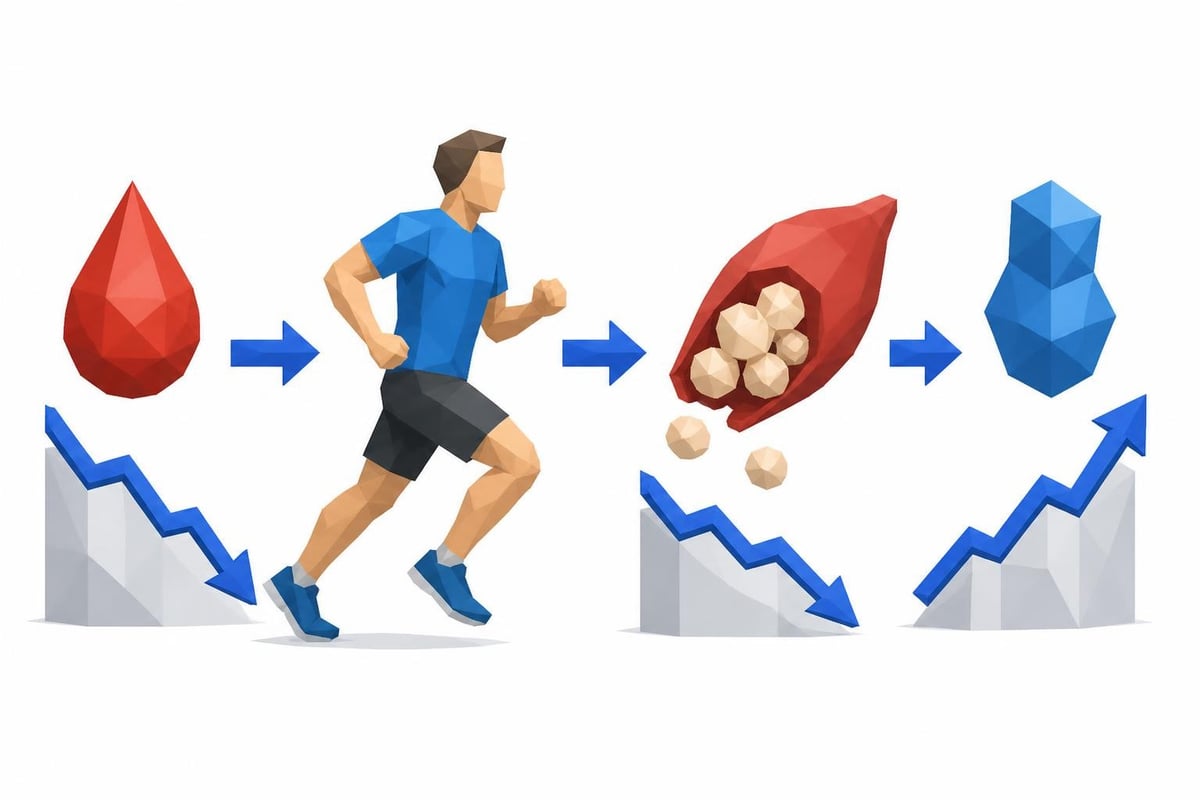
When you should exercise before a blood draw becomes particularly important for enzyme tests. Muscle contractions during workouts cause minor muscle fiber damage as a normal part of the strengthening process. This releases enzymes like creatine kinase (CK), lactate dehydrogenase (LDH), and aspartate aminotransferase (AST) into your bloodstream.
Elevated enzyme levels can signal serious conditions like heart attacks, liver disease, or muscle disorders. A routine workout performed the day before your blood draw might elevate these markers into abnormal ranges, triggering unnecessary alarm and follow-up testing.
| Enzyme | Normal Function | Exercise Effect | Recovery Time |
|---|---|---|---|
| Creatine Kinase (CK) | Muscle energy metabolism | Can increase 10-100x | 24-72 hours |
| AST (Aspartate Aminotransferase) | Liver and muscle enzyme | Moderate elevation | 12-24 hours |
| ALT (Alanine Aminotransferase) | Primarily liver enzyme | Mild elevation possible | 12-24 hours |
| LDH (Lactate Dehydrogenase) | Multiple tissue enzyme | Moderate increase | 24-48 hours |
Research published on exercise-induced changes in blood biomarkers demonstrates that hundreds of proteins and metabolites shift measurably after acute physical activity.
Hormone and Protein Levels
Your endocrine system responds dynamically to physical stress. Exercise triggers the release of cortisol, growth hormone, testosterone, and other hormones that regulate metabolism and tissue repair. These fluctuations can affect tests measuring hormone balance, thyroid function, and reproductive health.
Recommended Panel
Male Hormone Panel
Save $9This comprehensive panel measures testosterone (free and total), plus the supporting hormones that affect how testosterone works in your body: SHBG, estradiol sensitive, DHEA-S, and cortisol.
Includes 6 biomarkers
$101
Protein levels also shift during and after exercise. Albumin and total protein can appear elevated due to fluid shifts and dehydration, while certain inflammatory markers like C-reactive protein (CRP) may increase temporarily in response to training stress.
Pre-Test Guidelines for Different Test Types
The question of should you exercise before a blood draw depends heavily on which specific tests you're having performed. Different biomarkers have varying sensitivity to physical activity, and standardized collection conditions help ensure reliable, comparable results.
Fasting Blood Work Requirements
Tests requiring fasting typically have the strictest exercise restrictions. When preparing for fasting blood tests, you should avoid exercise during the fasting period and preferably for 12-24 hours beforehand.
Common fasting tests affected by exercise:
- Lipid panels (cholesterol, triglycerides, HDL, LDL)
- Fasting glucose and insulin levels
- Comprehensive metabolic panels
- Liver function tests
- Kidney function markers
Combining fasting with exercise creates compounded metabolic changes. Your body shifts into fat-burning mode during fasting, and exercise accelerates this process, potentially skewing lipid profiles and glucose measurements beyond normal fasting effects alone.
Routine Wellness Panels
For comprehensive health screenings, standardized resting conditions produce the most meaningful baseline values. When ordering tests through services that provide lab testing without requiring a doctor's visit, you'll want to follow preparation guidelines carefully to ensure accurate results worth the investment.
Recommended Panel
Comprehensive Wellness Panel
Save $4.5Our most thorough health screening covers blood cells, organ function, cholesterol, thyroid, blood sugar, vitamin D, inflammation, and iron - everything you need for a complete health picture.
Includes 44 biomarkers
$94
Fasting required
Complete blood counts (CBC) show moderate sensitivity to exercise. Intense workouts can temporarily increase white blood cell counts and alter red blood cell parameters through fluid shifts and spleen contraction. While these changes usually aren't dramatic enough to cause misdiagnosis, they can complicate interpretation.
Specialized Hormone and Performance Testing
Testosterone, cortisol, and thyroid hormone testing require particular attention to pre-test conditions. These hormones fluctuate naturally throughout the day and respond strongly to physical and psychological stress.
Best practices for hormone testing:
- Schedule morning draws when hormone levels are most stable
- Avoid exercise for at least 24 hours before testing
- Maintain consistent sleep schedule
- Limit stress and caffeine before the appointment
For athletes monitoring performance markers or individuals investigating hormone-related symptoms, exercise timing can mean the difference between accurate results and confusing data that leads to inappropriate interventions.
Evidence-Based Recommendations
Professional laboratory organizations have established clear guidelines about physical activity before blood collection. The World Health Organization's phlebotomy guidance emphasizes controlling pre-analytical variables, including patient preparation and activity levels, to ensure specimen quality.
Standard Preparation Protocol
The Clinical and Laboratory Standards Institute provides detailed recommendations in their pre-examination and blood collection standards that most healthcare facilities follow. These protocols recognize physical activity as a controllable factor that should be standardized before testing.
General guidelines for should you exercise before a blood draw:
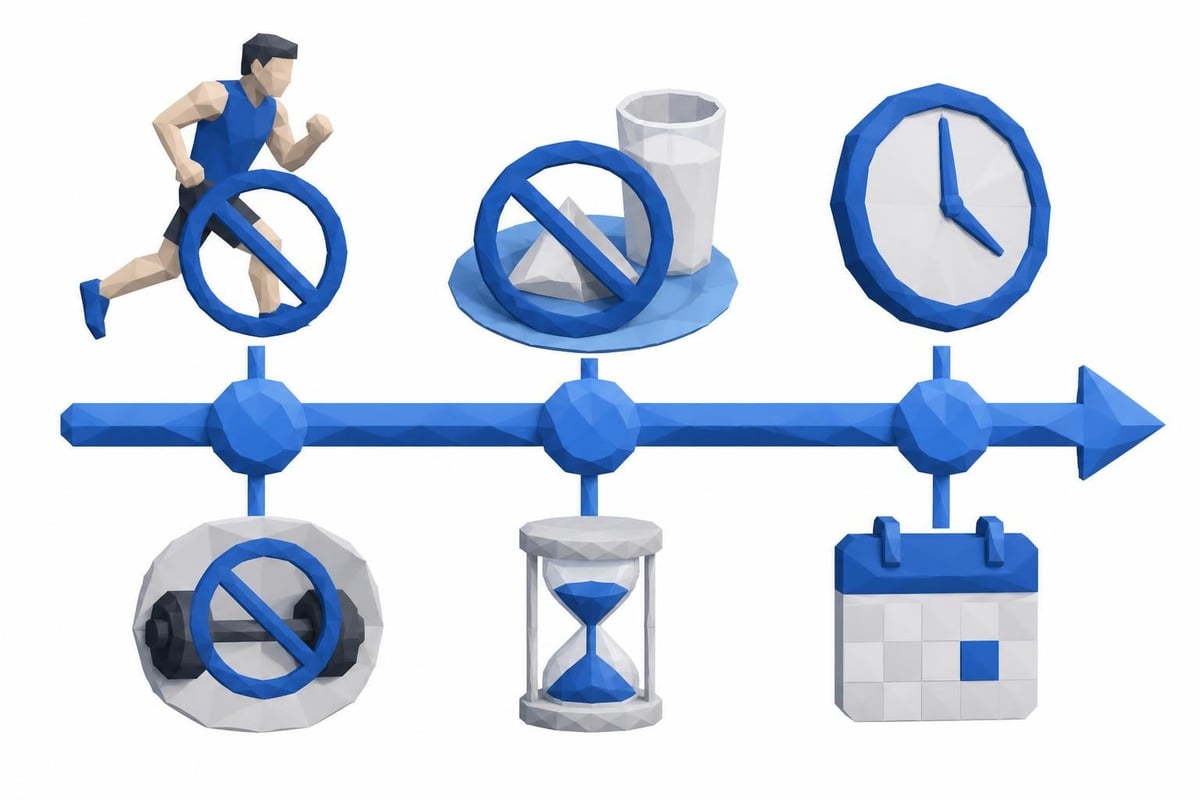
- Avoid moderate to vigorous exercise for 12-24 hours before routine blood work
- Schedule morning appointments before your usual workout time when possible
- Maintain normal light activity like walking, which has minimal impact on most tests
- Communicate your exercise habits to healthcare providers interpreting results
- Follow test-specific instructions provided with your lab order
When Exercise Is Acceptable
Light physical activity doesn't require the same restrictions as moderate or vigorous exercise. Walking to your appointment, taking stairs, or performing gentle stretching won't significantly impact most blood tests.
Some specialized exercise physiology testing actually requires physical activity as part of the protocol. Lactate threshold testing, VO2 max assessments, and certain metabolic studies involve drawing blood during or immediately after controlled exercise. These tests have entirely different preparation requirements than standard clinical blood work.
Practical Tips for Scheduling and Preparation
Successfully navigating the question of should you exercise before a blood draw requires strategic planning. With some foresight, you can maintain your fitness routine while ensuring your lab results accurately reflect your health status.
Optimizing Your Appointment Time
Morning appointments offer the most flexibility for active individuals. By scheduling your blood draw for early morning, you can complete testing in a fasted, rested state, then proceed with your normal workout afterward.
This approach provides several advantages:
- Preserves your training schedule without requiring rest days
- Ensures standardized testing conditions for optimal accuracy
- Aligns with natural hormone rhythms that peak in morning hours
- Allows same-day results turnaround from labs like Justlabs that deliver results in 1-3 days
When morning appointments aren't available, afternoon or evening slots require advance planning. You'll need to skip your workout the previous evening and the morning of your test to meet the recommended 12-24 hour exercise-free window.
Managing Fasting Requirements
Coordinating fasting and exercise restrictions requires careful attention. For tests requiring 8-12 hour fasting, plan your last meal the evening before, avoid morning exercise, complete your blood draw, then eat and resume normal activities.
| Test Type | Fasting Required | Exercise Restriction | Best Appointment Time |
|---|---|---|---|
| Lipid Panel | 9-12 hours | 24 hours before | Early morning |
| Basic Metabolic Panel | Often preferred | 12 hours before | Morning |
| Complete Blood Count | No | 12-24 hours before | Flexible |
| Hormone Panel | Sometimes | 24 hours before | Morning |
| Thyroid Testing | No | 12 hours before | Morning preferred |
Understanding how pre-analytical variables affect lab results helps you appreciate why these precautions matter for diagnostic accuracy.
Communicating With Healthcare Providers
If you exercised before your blood draw unintentionally or circumstances required testing without proper preparation, inform the healthcare provider reviewing your results. This context allows appropriate interpretation and decisions about whether repeat testing is necessary.
For individuals using self-pay lab testing services, you control the timing and preparation. Take advantage of this flexibility to optimize conditions for accurate results rather than working around insurance or physician scheduling constraints.
Special Considerations for Athletes and Active Individuals
Regular exercisers face unique challenges when determining should you exercise before a blood draw. Your baseline biomarker levels may differ from sedentary populations, and the impact of missed training sessions on performance and psychology matters.
Baseline Values in Trained Individuals
Athletes often have laboratory values that appear "abnormal" compared to standard reference ranges but are perfectly normal for their training status. These include:
- Higher creatine kinase levels from regular muscle stress
- Lower resting heart rate and different cardiac markers
- Altered iron studies from training adaptations
- Different hormone profiles, particularly testosterone and cortisol ratios
Establishing your personal baseline requires testing under consistent conditions. This means either always testing after a rest day or always testing after training, then tracking trends over time rather than comparing single values to population norms.
Performance Monitoring Protocols
Athletes tracking training adaptations or investigating performance issues need consistent pre-test conditions for meaningful data. Random testing without controlling for recent exercise makes it impossible to distinguish true physiological changes from temporary post-exercise fluctuations.
Recommended approach for regular monitoring:
- Schedule all tests at the same time of day
- Maintain identical pre-test activity levels (always rested or always post-workout)
- Track trends across multiple tests rather than single values
- Note training volume and intensity during the testing period
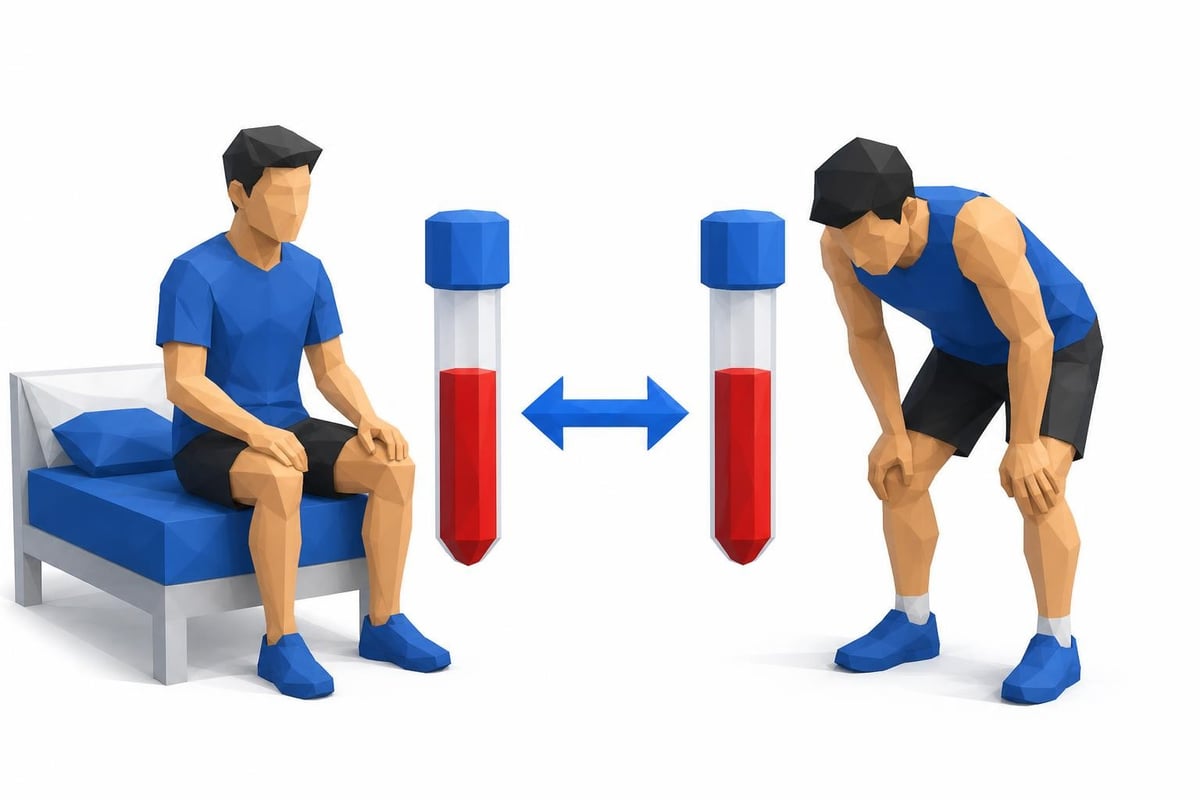
This standardization allows you to identify genuine changes in health markers versus normal training-induced variation.
Key Takeaways
Understanding when and why you should exercise before a blood draw empowers you to get accurate, meaningful results from your lab testing. The temporary physiological changes caused by physical activity can significantly affect many common biomarkers, potentially masking health issues or creating false alarms about nonexistent problems.
For most routine blood work, avoiding moderate to vigorous exercise for 12-24 hours before your appointment ensures results reflect your true baseline health status. Morning appointments before your workout, combined with appropriate fasting when required, provide the most reliable testing conditions while minimizing disruption to your normal routine.
When you need to order lab tests online without the constraints of insurance approval or physician scheduling, you gain control over timing and preparation. Use this flexibility strategically by planning appointments around your training schedule and following test-specific preparation guidelines.
Different tests have varying sensitivity to pre-test exercise, with fasting glucose, lipid panels, and enzyme measurements showing the greatest susceptibility to exercise-induced changes. Always review the specific preparation instructions for your ordered tests, and when in doubt, err on the side of caution by resting before your blood draw.
Frequently Asked Questions
Can I do light exercise like walking before a blood test?
Light activity such as walking to your appointment or taking stairs has minimal impact on most blood tests and doesn't require the same restrictions as moderate or vigorous exercise. However, avoid brisk walking or extended periods of activity that elevate your heart rate significantly. For critical tests like fasting glucose or lipid panels, limiting even light exercise provides the most accurate baseline values.
How long should I wait after exercising to get blood drawn?
For most routine blood work, waiting at least 12-24 hours after your last moderate to vigorous exercise session ensures accurate results. Intense strength training or high-intensity interval workouts may require up to 48-72 hours for muscle enzymes like creatine kinase to return to baseline levels. Light exercise like gentle walking typically requires minimal waiting time.
Will my workout the night before affect morning blood work?
Evening workouts can affect next-morning blood tests, particularly for muscle enzymes, certain hormones, and metabolic markers. The impact depends on workout intensity and the specific tests ordered. For important diagnostic testing, schedule your workout after your morning blood draw rather than the evening before to ensure the most accurate results possible.
Should you exercise before a blood draw for routine wellness screening?
For routine wellness panels and preventive health screening, you should avoid exercise for 12-24 hours before your blood draw. These comprehensive tests typically include multiple biomarkers that respond to physical activity, and standardized resting conditions ensure your results accurately reflect your baseline health status rather than temporary post-exercise changes.
Does exercise affect cholesterol test results?
Yes, exercise significantly impacts cholesterol and triglyceride measurements. Acute exercise can temporarily lower triglycerides and alter HDL and LDL cholesterol levels. For accurate lipid panel results, combine the standard fasting period with exercise avoidance for at least 24 hours before testing. This provides the most reliable assessment of your cardiovascular risk profile.
The question of should you exercise before a blood draw has a clear answer for most situations: plan your workout after your blood draw rather than before to ensure accurate, reliable results that truly reflect your health status. When you're ready to take control of your health with convenient, affordable lab testing, Justlabs offers direct access to a comprehensive range of tests with transparent pricing and quick turnaround times, making it easy to schedule testing around your active lifestyle without the hassle of insurance or doctor's office delays.