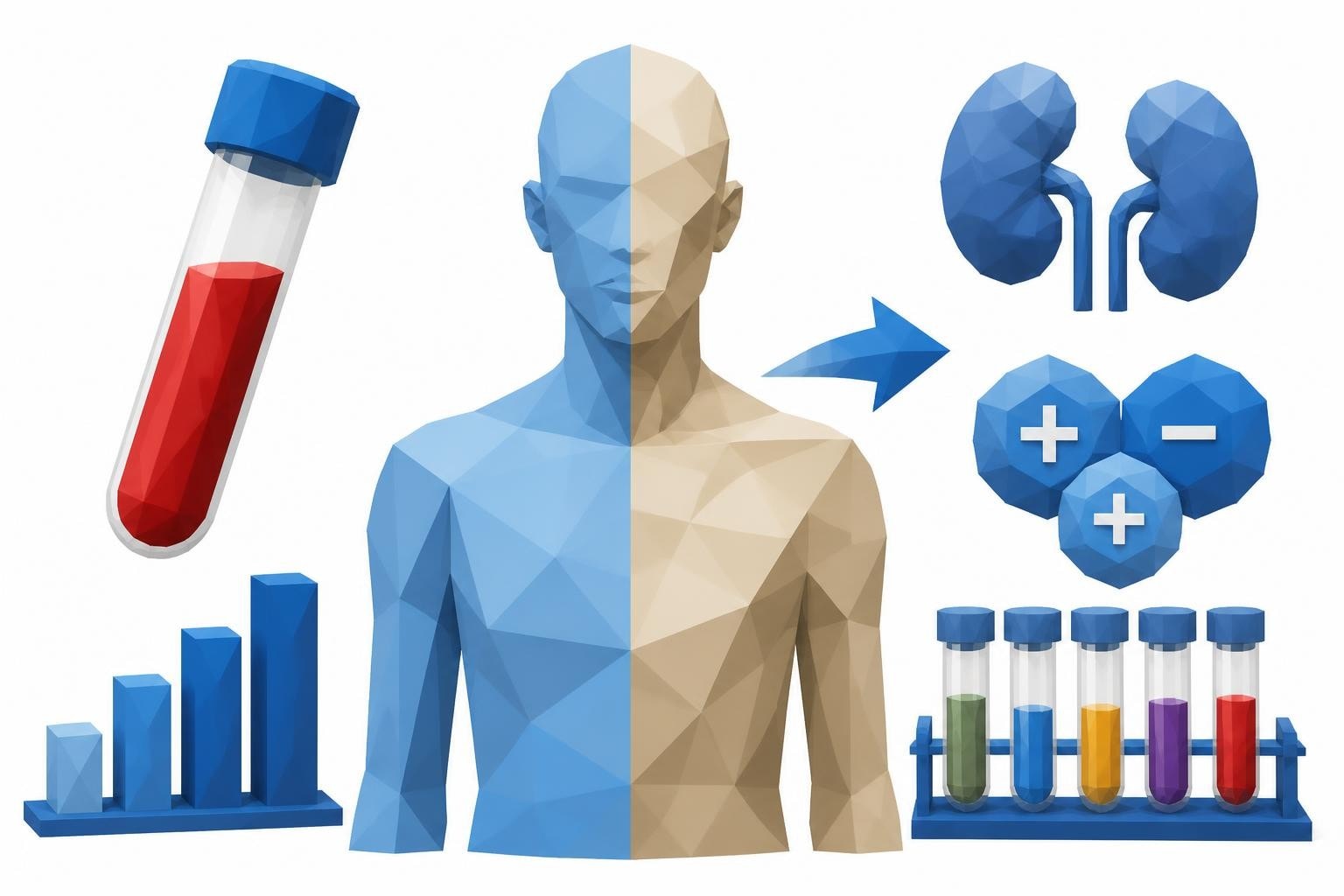
When you schedule blood work, you're likely thinking about fasting requirements or which tests you need. But one factor that many people overlook can significantly impact your results: hydration status. Whether you're slightly dehydrated from your morning coffee or more severely volume-depleted from illness, your fluid balance directly influences multiple laboratory values.
Big picture
- Dehydration concentrates your blood, making certain test results appear falsely elevated even when the actual amount of substances in your body hasn't changed
- Kidney function markers like blood urea nitrogen (BUN) and creatinine rise during dehydration, potentially mimicking kidney disease when none exists
- Complete blood count values including hemoglobin, hematocrit, and red blood cell count increase as plasma volume decreases
- Electrolyte imbalances become more pronounced when dehydrated, with sodium levels particularly affected by the type and severity of fluid loss
- Proper hydration before testing ensures accurate baseline results, especially important when monitoring chronic conditions or screening for new health issues
- If you're ordering your own lab work, understanding hydration's impact helps you prepare correctly and interpret results accurately
How Dehydration Fundamentally Alters Blood Composition
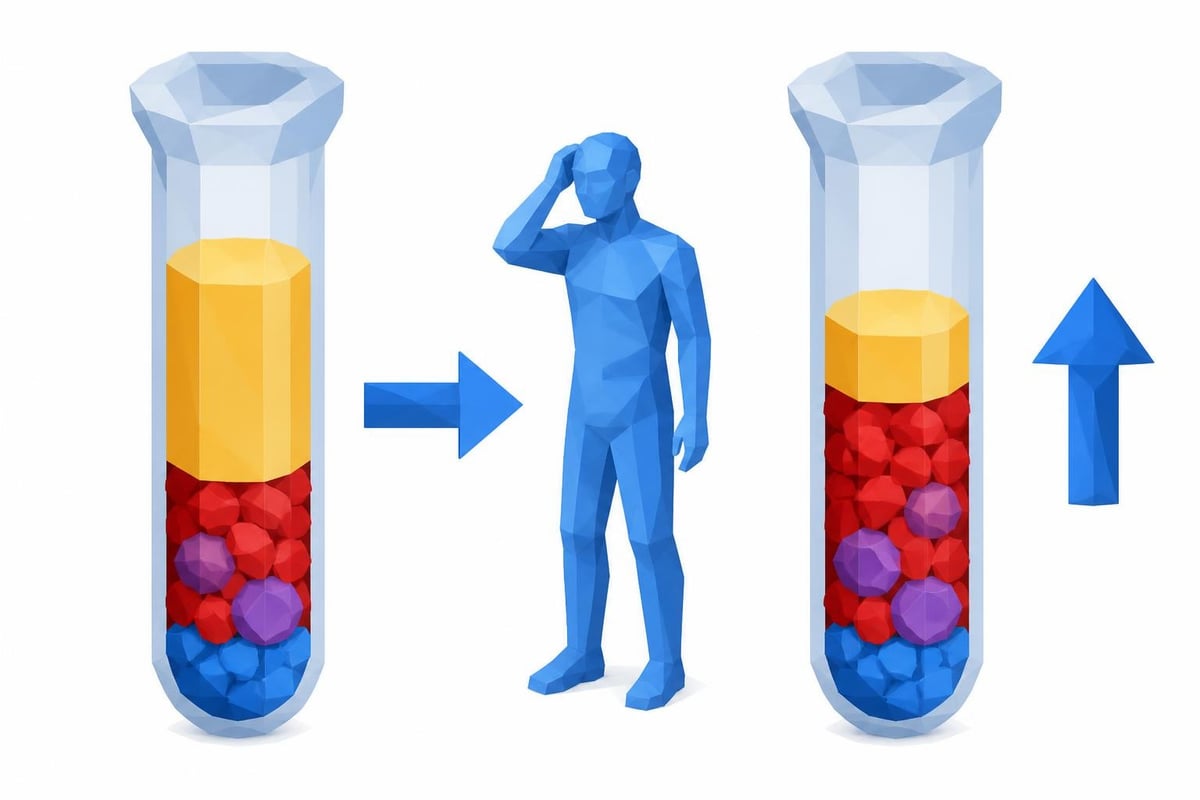
Does dehydration change your blood test results? The answer is definitively yes, and the mechanism is straightforward. Blood consists of cellular components (red blood cells, white blood cells, platelets) suspended in liquid plasma. When you become dehydrated, you lose water from your bloodstream while the cellular and dissolved components remain relatively constant.
This creates a concentration effect across your entire blood panel. Imagine a glass of orange juice where some water evaporates. The actual amount of orange hasn't changed, but the concentration per volume increases. The same principle applies to your blood.
The Hemoconcentration Phenomenon
Medical professionals call this process hemoconcentration. Research on acute water intake and laboratory values demonstrates measurable changes in routine blood chemistry and complete blood count results based on hydration status.
Key effects of hemoconcentration include:
- Elevated protein concentrations (albumin, total protein)
- Increased cell counts per unit volume
- Higher mineral and electrolyte readings
- Concentrated waste products and metabolites
These changes occur on a spectrum from mild to severe. Even modest dehydration from skipping your usual water intake can produce detectable shifts in lab values.
Kidney Function Tests and Dehydration
The kidneys are particularly sensitive to hydration status, making renal function markers among the most affected by dehydration. This creates a diagnostic challenge because the same test abnormalities can indicate either temporary dehydration or genuine kidney disease.
BUN and Creatinine Ratios
Blood urea nitrogen (BUN) and creatinine both measure waste products filtered by your kidneys. However, they respond differently to dehydration. Clinical reviews on dehydration and laboratory findings explain that BUN rises more dramatically than creatinine during volume depletion.
| Hydration State | BUN Response | Creatinine Response | BUN:Creatinine Ratio |
|---|---|---|---|
| Well-hydrated | Normal range | Normal range | 10:1 to 20:1 |
| Mild dehydration | Moderate increase | Slight increase | >20:1 |
| Severe dehydration | Significant increase | Moderate increase | >30:1 |
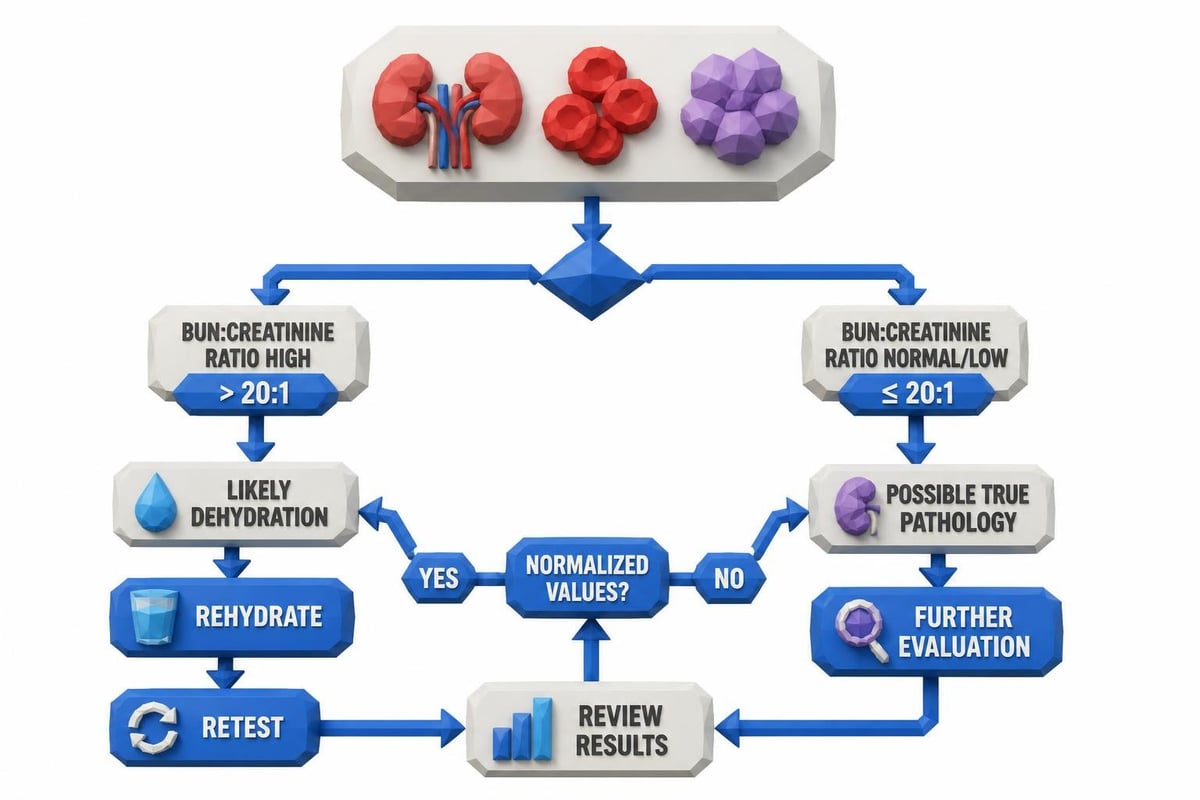
The BUN-to-creatinine ratio becomes a diagnostic tool. A ratio above 20:1 suggests prerenal azotemia (kidney dysfunction due to decreased blood flow) rather than intrinsic kidney disease. This distinction matters enormously for diagnosis and treatment.
Electrolyte Panel Variations
Sodium, potassium, chloride, and bicarbonate levels all shift during dehydration, though the direction of change depends on what type of fluid you've lost. When ordering affordable lab testing, understanding these patterns helps you prepare appropriately.
Hypernatremic dehydration (losing more water than sodium):
- Elevated serum sodium (>145 mEq/L)
- Increased serum osmolality
- Common in inadequate fluid intake
Hyponatremic dehydration (losing more sodium than water):
- Decreased serum sodium (<135 mEq/L)
- Can occur with excessive sweating or vomiting
- Requires careful interpretation
Complete Blood Count Changes
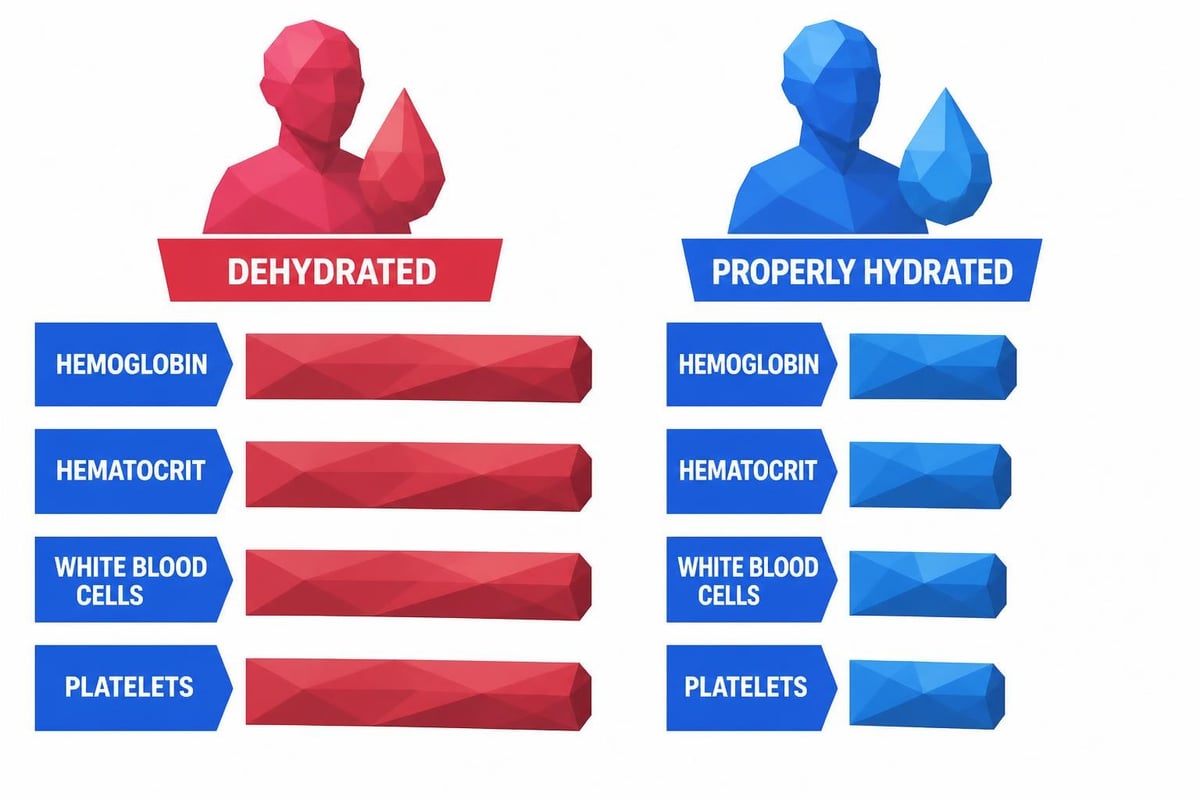
Does dehydration change your blood test results on a CBC? Absolutely, and these changes can be quite pronounced. Your complete blood count measures the cellular components of blood, all of which become artificially concentrated when plasma volume drops.
Hemoglobin and Hematocrit Elevation
Hemoglobin measures the oxygen-carrying protein in red blood cells, while hematocrit represents the percentage of blood volume occupied by red blood cells. Both rise during dehydration through pure concentration effects.
A well-hydrated person with a hematocrit of 42% might show 45% or higher when dehydrated. This doesn't mean they've suddenly produced more red blood cells. The same number of cells occupy a smaller plasma volume.
Clinical implications:
- May mask underlying anemia when dehydrated
- Can falsely suggest polycythemia (too many red blood cells)
- Important for athletes monitoring training status
- Relevant for anyone tracking blood markers systematically
White Blood Cell and Platelet Counts
Similarly, white blood cell and platelet counts increase with dehydration. A borderline-high white count might cross into the abnormal range simply due to concentration, potentially triggering unnecessary concern about infection or inflammation.
Metabolic Panel and Liver Function Alterations
The comprehensive metabolic panel includes multiple markers affected by hydration status. Beyond kidney function tests, liver enzymes, proteins, and metabolic markers all demonstrate concentration-dependent changes.
Recommended Panel
Complete Metabolic Health Panel
Save $3.5This comprehensive panel evaluates all aspects of metabolic health: organ function, cholesterol, blood sugar, insulin resistance, and inflammation - the key drivers of chronic disease.
Includes 26 biomarkers
$50
Fasting required
Protein and Albumin Levels
Total protein and albumin are dissolved in plasma, so they concentrate as water volume decreases. Albumin levels normally range from 3.5 to 5.5 g/dL, but dehydration can push borderline values into the high-normal or elevated range.
This matters particularly for people monitoring:
- Liver function – Albumin is synthesized by the liver, so changes affect interpretation
- Nutritional status – Low albumin can indicate malnutrition, but dehydration masks this
- Kidney disease – Protein loss through kidneys (proteinuria) appears less severe when concentrated
- Inflammatory conditions – Acute phase proteins respond to inflammation but are also concentration-dependent
Glucose and Calcium Measurements
Fasting glucose concentrations increase slightly with dehydration. For someone monitoring diabetes risk or control, this can mean the difference between normal and prediabetic ranges.
Calcium measurements also rise, potentially suggesting hypercalcemia when none exists. Since calcium regulation involves complex hormonal systems, false elevations can trigger cascading additional tests.
The Magnitude of Change: What Research Shows
Scientific studies quantify exactly how much hydration affects various markers. Nature Reviews on chronic underhydration provides insights into both acute and long-term hydration effects on physiology and laboratory interpretation.
Research participants who underwent controlled dehydration and rehydration showed:
- Hemoglobin: 3-7% increase with moderate dehydration
- Hematocrit: 2-5 percentage point increase
- Serum osmolality: 5-15 mOsm/kg increase
- BUN: 15-30% elevation
- Creatinine: 5-15% elevation
- Total protein: 4-8% increase
These percentages translate into clinically significant differences. A hemoglobin of 14.5 g/dL when properly hydrated might read 15.5 g/dL when dehydrated, potentially changing clinical interpretation entirely.
Timing and Preparation for Accurate Results
Understanding does dehydration change your blood test results leads naturally to the question of optimal preparation. The goal is achieving a normal, euvolemic (properly hydrated) state that reflects your true baseline physiology.
Hydration Guidelines Before Blood Work
Standard recommendations for blood test preparation include:
- Drink normally in the 24 hours before testing
- Consume 8-16 ounces of water 1-2 hours before your appointment
- Avoid overhydration (drinking excessive amounts immediately before)
- Maintain usual caffeine intake unless specifically instructed otherwise
- Note any illness involving fluid loss to your provider
When accessing lab testing without insurance, you're responsible for proper self-preparation. These guidelines help ensure you get accurate, interpretable results.
Special Circumstances Requiring Extra Attention
Certain situations demand particular attention to hydration status:
| Situation | Hydration Concern | Recommendation |
|---|---|---|
| Morning testing after overnight fast | Natural mild dehydration from sleep | Drink 8-12 oz water upon waking |
| Summer heat or intense exercise | Significant sweat losses | Test on a rest day, hydrate well |
| Illness with vomiting/diarrhea | Substantial fluid depletion | Postpone non-urgent testing until recovered |
| Medications (diuretics) | Drug-induced volume changes | Note timing of last dose |
| Pregnancy | Altered fluid dynamics | Follow obstetric provider guidance |
Interpreting Results When Dehydration Is Suspected
Sometimes dehydration is unavoidable during testing. Recognizing patterns that suggest concentration effects helps you and your healthcare provider interpret results correctly.
Red Flags for Hemoconcentration
Several patterns suggest your results may be affected by inadequate hydration rather than disease:
- Elevated BUN with BUN:creatinine ratio >20:1
- High-normal or elevated hematocrit with normal red blood cell indices
- Increased total protein and albumin together
- Elevated sodium with high serum osmolality
- Multiple slight elevations across unrelated tests
WHO guidelines on dehydration identification provide clinical and laboratory frameworks for recognizing volume depletion across different severities.
When these patterns appear and you suspect dehydration, retesting after ensuring proper hydration often normalizes results. This approach prevents unnecessary follow-up testing and anxiety about abnormal findings.
When to Retest
Consider repeating tests when:
- Initial results show borderline abnormalities across multiple markers
- You recognize you were dehydrated during the first draw
- The pattern fits hemoconcentration rather than specific disease
- Results contradict your clinical symptoms or previous testing
When ordering lab tests online, you have the flexibility to retest affordably without requiring new doctor authorization. This empowers you to verify whether hydration status was affecting your initial panel.
Impact on Specific Test Categories
Beyond routine chemistry and CBC panels, dehydration affects specialized testing in ways worth understanding.
Hormone Testing Considerations
Many hormone levels concentrate with dehydration, though the clinical significance varies. Thyroid hormones, cortisol, and sex hormones measured in blood all technically increase in concentration, though this rarely changes interpretation significantly.
More important is ensuring consistent hydration status when monitoring hormones over time. If you're tracking thyroid function or checking hormone balance, maintaining similar hydration at each test ensures changes reflect actual physiology rather than preparation variability.
Lipid Panels and Cardiovascular Markers
Cholesterol and triglycerides concentrate during dehydration, potentially pushing borderline values into treatment ranges. This creates particular concern for cardiovascular risk assessment.
A total cholesterol of 195 mg/dL when dehydrated might actually be 185 mg/dL when properly hydrated. While this seems minor, it can determine whether lifestyle modification alone is recommended or medication is considered.
Vitamin and Mineral Testing
Water-soluble vitamins and minerals dissolved in serum also concentrate with dehydration. Vitamin B12, folate, iron studies, and mineral panels all show falsely elevated results when volume-depleted.
For specialized testing like selenium and thyroid function, proper hydration ensures accurate baseline measurements before starting any supplementation.
Key Takeaways
Does dehydration change your blood test results? The evidence clearly demonstrates that hydration status significantly affects multiple laboratory values through concentration effects. BUN and creatinine elevate disproportionately during dehydration, creating characteristic patterns that help distinguish volume depletion from kidney disease. Complete blood count markers including hemoglobin, hematocrit, and cell counts all increase when plasma volume decreases. Metabolic panel components like total protein, albumin, glucose, and electrolytes shift based on fluid balance, potentially altering clinical interpretation. Proper preparation involves maintaining normal hydration in the day before testing and consuming moderate water 1-2 hours before your blood draw.
Frequently Asked Questions
How much water should I drink before a blood test?
Drink your normal daily amount of water in the 24 hours before testing, plus 8-16 ounces about 1-2 hours before your appointment. This ensures adequate hydration without the concentration effects of overhydration immediately before the draw. Avoid drinking excessive amounts (more than 32 ounces) right before testing, as this can cause temporary dilution effects.
Can being dehydrated affect cholesterol levels?
Yes, dehydration concentrates all components dissolved in your blood plasma, including cholesterol and triglycerides. Studies show LDL, HDL, and total cholesterol can appear 5-10% higher when dehydrated compared to properly hydrated states. This potentially changes risk stratification and treatment decisions, making proper hydration important before lipid panels.
Will dehydration make my kidney function look worse?
Dehydration elevates both BUN and creatinine, but BUN increases more dramatically. This creates a BUN-to-creatinine ratio typically greater than 20:1, suggesting prerenal azotemia (reduced kidney function due to decreased blood flow) rather than intrinsic kidney disease. Your estimated glomerular filtration rate (eGFR) may appear lower when dehydrated, recovering to normal once rehydrated.
How long does it take to rehydrate before a blood test?
For mild dehydration, drinking 16-24 ounces of water about 2 hours before your blood draw allows adequate time for fluid absorption and distribution throughout your bloodstream. For moderate to severe dehydration from illness or prolonged fluid restriction, 12-24 hours of consistent hydration provides better normalization of blood volume and test results.
Should I avoid coffee before blood work because it's dehydrating?
Coffee has mild diuretic effects but doesn't typically cause significant dehydration with normal consumption. Unless you're fasting for specific tests that require avoiding all beverages except water, maintaining your usual morning coffee routine is generally acceptable. The stress and caffeine withdrawal from suddenly eliminating your normal intake can affect certain markers more than the modest fluid effects.
Does dehydration affect vitamin D or B12 results?
Vitamin D and B12 are measured as concentrations in serum, so dehydration technically increases both through concentration effects. However, the magnitude is usually modest (5-8% at most) and rarely changes clinical interpretation. More important is recognizing that significant dehydration affecting multiple markers simultaneously might modestly elevate vitamin levels alongside other concentrated substances.
How do I know if my abnormal results are from dehydration?
Several patterns suggest dehydration rather than disease: elevated BUN with BUN:creatinine ratio above 20:1, increased hemoglobin and hematocrit together, high total protein and albumin, and multiple borderline elevations across unrelated tests. If you recognize you were poorly hydrated during testing and this pattern appears, retesting after ensuring proper hydration often normalizes results.
Proper hydration is essential for accurate blood test interpretation, affecting everything from kidney markers to complete blood counts. Understanding these effects helps you prepare correctly and interpret results in context. When you're ready to take control of your health monitoring, Justlabs offers convenient, affordable lab testing with transparent pricing and results delivered in 1-3 days, giving you the flexibility to retest when needed and track your health markers accurately over time.