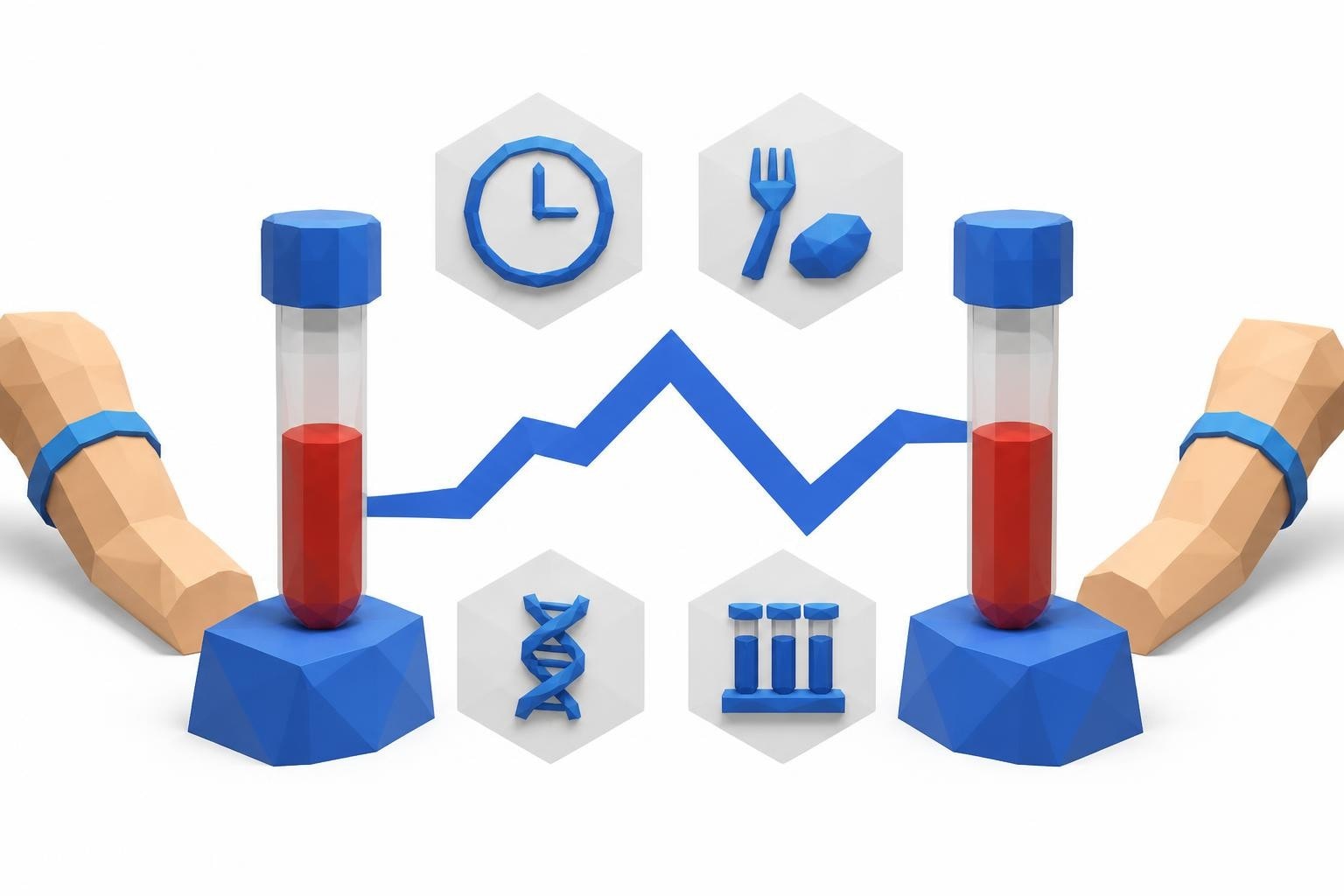
You order a blood test, get your results, and everything looks normal. A few weeks or months later, you order the same test again, but the numbers have shifted. Some values are higher, others lower, and you're left wondering what happened between the two draws. Understanding why your results changed between two blood draws is essential for making informed health decisions and avoiding unnecessary worry about fluctuations that may be completely normal.
Big picture
- Blood test results naturally vary due to biological rhythms, daily activities, and individual physiology-even when your health status hasn't changed.
- Pre-analytical factors like time of day, fasting status, hydration, exercise, stress, and specimen handling can shift values by clinically significant amounts.
- Laboratory and analytical variation contribute smaller but real differences, especially when tests are processed by different labs or methods.
- Reference Change Values (RCV) help distinguish meaningful changes from normal biological noise by accounting for within-person variability.
- Most fluctuations between draws are harmless, but understanding the causes empowers you to control variables and interpret results more accurately.
- Actionable step: Before your next blood draw, standardize conditions-same time of day, similar fasting status, avoid intense exercise 24 hours prior-to minimize non-biological variation.
Biological Variation: Your Body's Natural Fluctuations
Every analyte measured in blood has inherent biological variation. This includes both within-person variation (how much your own levels fluctuate day to day) and between-person variation (how much normal ranges differ across individuals). Within-subject biological variation is often smaller than the population reference range suggests, meaning your personal "normal" may be a narrow band within the broader range.
For example, thyroid-stimulating hormone (TSH) can vary by 20-40% within the same individual over weeks or months without any change in thyroid function. Similarly, cholesterol levels fluctuate based on diet, stress, and hormonal cycles. These variations are why a single abnormal result rarely warrants immediate treatment-context and trends matter more than isolated numbers.
Circadian and Seasonal Rhythms
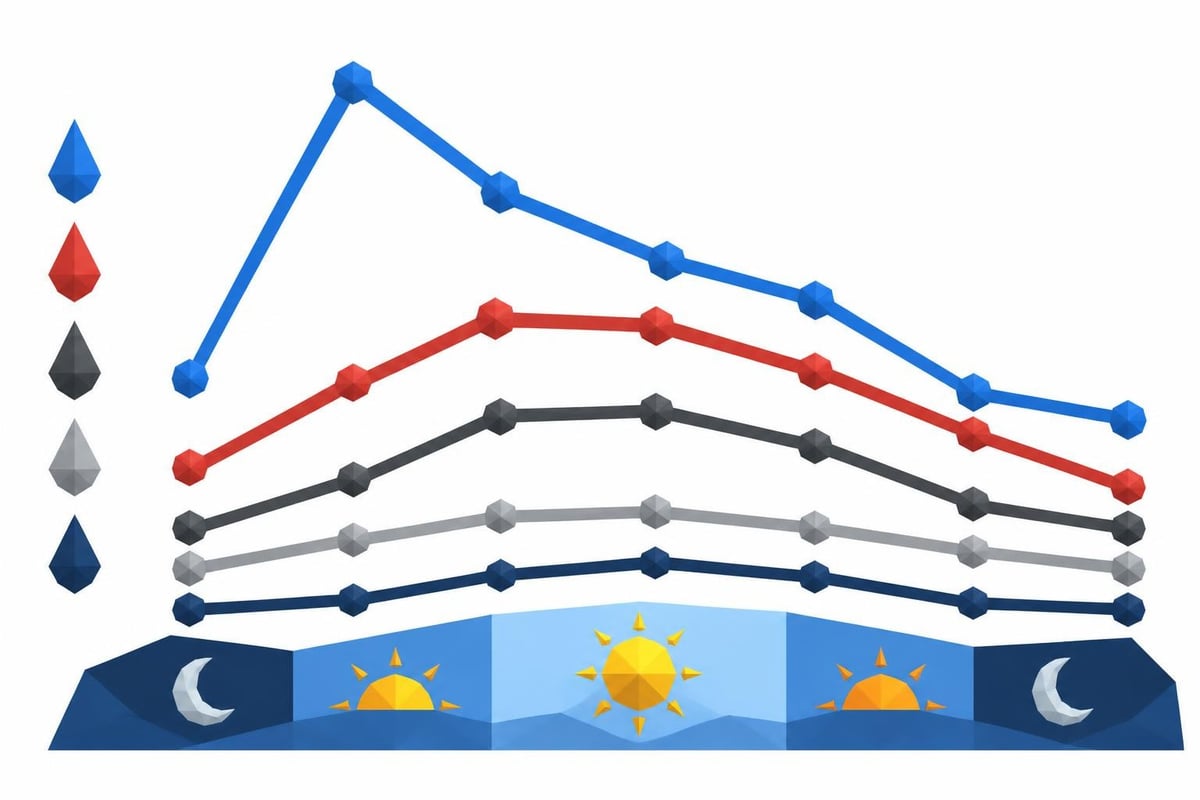
Many hormones and blood components follow predictable daily patterns. Cortisol peaks in early morning and drops throughout the day. Testosterone is highest in the morning for most people. Iron and ferritin levels can vary by time of day, and even white blood cell counts show circadian fluctuations.
Drawing blood at 8 AM versus 4 PM can yield different results for the same person on the same day. This is one reason why your results changed between two blood draws-if the timing wasn't consistent, you're comparing apples to oranges. When ordering tests through services like Justlabs, try to schedule your appointments at similar times to reduce this variable.
Pre-Analytical Factors That Shift Results
Pre-analytical factors-everything that happens before the lab analyzes your sample-account for the majority of errors and variability in laboratory medicine. Recent pre-analytical recommendations emphasize how participant preparation, specimen collection timing, handling delays, and storage conditions all influence biomarker stability and measured concentrations.
Fasting Status and Diet
Fasting status is one of the most significant controllable factors. Glucose and triglycerides are highly sensitive to recent meals. Eating a high-fat meal before your blood draw can elevate triglycerides by several hundred mg/dL. Even tests not traditionally considered fasting-sensitive, like complete blood counts, can show subtle shifts after meals due to hemodilution or metabolic changes.
If you fasted for 12 hours before your first draw but only 6 hours (or not at all) before your second, why your results changed between two blood draws becomes immediately clear. To learn more about how dietary factors influence test outcomes, explore what changes your blood test results.
| Analyte | Effect of Non-Fasting | Typical Change |
|---|---|---|
| Glucose | Elevated after meals | +20-50 mg/dL |
| Triglycerides | Sharply elevated | +50-200 mg/dL |
| Potassium | Varies with food intake | ±0.2-0.4 mmol/L |
| Phosphate | Post-meal decrease | -0.5-1.0 mg/dL |
Hydration and Hemoconcentration
Your hydration status directly affects blood concentration. Dehydration causes hemoconcentration-blood becomes more concentrated, artificially raising levels of proteins, red blood cells, and other components. Overhydration dilutes these same markers.
If you were well-hydrated during your first draw and dehydrated during your second (or vice versa), hemoglobin, hematocrit, albumin, and total protein can all shift noticeably. This mechanism explains why athletes or people recovering from illness sometimes see unexpected changes in their CBC results.
Exercise and Physical Activity
Intense or prolonged exercise triggers multiple physiological changes that affect blood tests. Muscle damage releases creatine kinase, myoglobin, and lactate dehydrogenase into circulation. Exercise increases cortisol and growth hormone. Dehydration from sweating concentrates blood components.
Even moderate exercise within 24 hours of a blood draw can elevate liver enzymes (AST, ALT), creatinine, and white blood cell counts. NHS guidance on blood test preparation recommends avoiding strenuous exercise for at least 24 hours before testing to prevent these confounding effects.
Common exercise-related changes:
- Creatine kinase: Can increase 10-fold or more after intense workouts
- Lactate dehydrogenase: Elevated 2-3x with muscle breakdown
- White blood cell count: Transient increase during and after exercise
- Creatinine: Mild elevation from muscle metabolism
- Glucose: May decrease during or increase after exercise
Medication and Supplement Timing
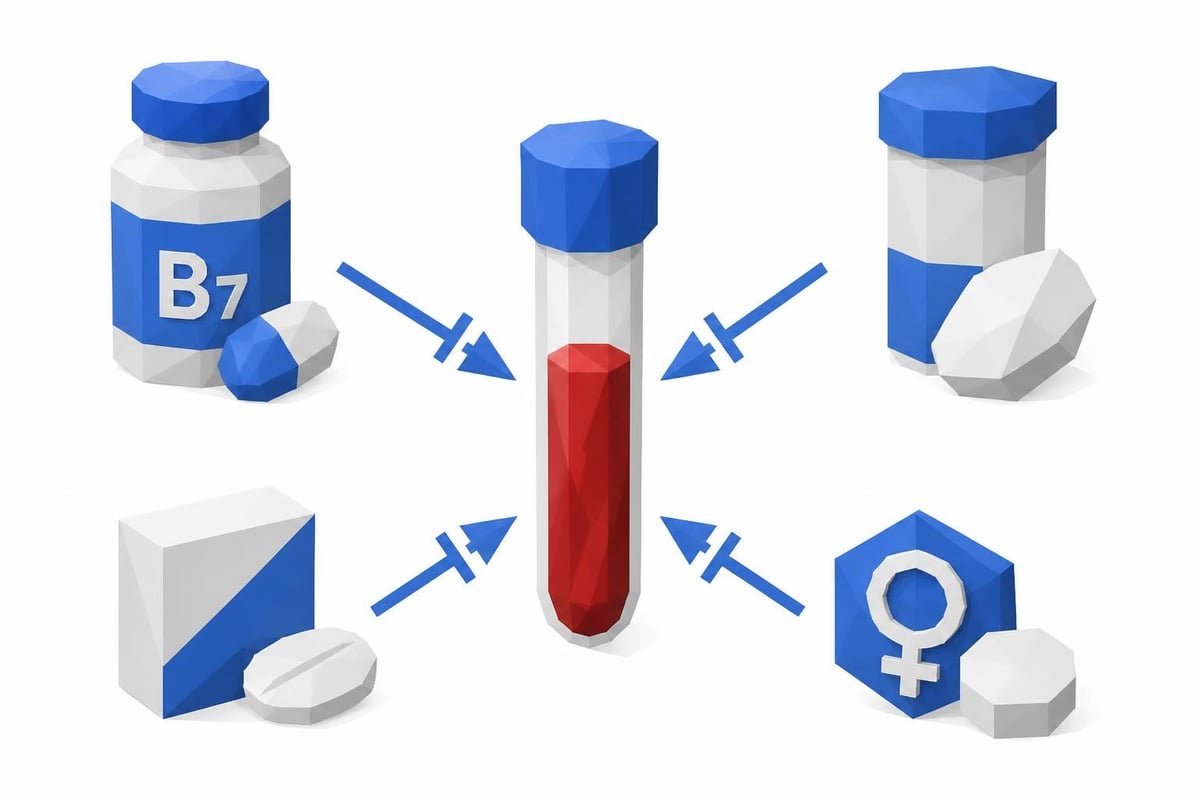
Prescription medications, over-the-counter drugs, and dietary supplements can significantly alter blood test results. Biotin (vitamin B7), popular in hair and nail supplements, interferes with many immunoassays and can cause falsely elevated or depressed thyroid hormone levels. If you started or stopped biotin between draws, this could explain why your results changed between two blood draws.
Other common culprits include corticosteroids (raise glucose and white blood cells), NSAIDs (affect kidney function tests), antibiotics (alter liver enzymes), and oral contraceptives (influence hormone levels and clotting factors). Always disclose all medications and supplements when ordering labs without a doctor to help interpret any unexpected changes.
Timing of Medication Doses
For tests monitoring medication levels (like lithium or anticonvulsants), the timing between your last dose and blood draw is critical. Trough levels (drawn just before the next dose) will be lower than peak levels (drawn shortly after taking medication). Even for general health panels, taking certain medications immediately before versus hours before a draw can influence results.
Stress, Sleep, and Lifestyle Factors
Psychological stress activates the hypothalamic-pituitary-adrenal axis, releasing cortisol and catecholamines that affect glucose metabolism, immune cell distribution, and inflammatory markers. Chronic stress can elevate blood pressure, cholesterol, and inflammatory proteins like C-reactive protein.
Sleep deprivation similarly disrupts hormonal balance and metabolism. Poor sleep raises cortisol, alters insulin sensitivity, and can increase inflammatory markers. If your sleep quality or stress levels differed significantly between two blood draws, these factors contribute to why your results changed between two blood draws.
Acute Illness and Inflammation
Even minor infections or inflammatory processes shift many blood values. A mild cold or urinary tract infection can elevate white blood cell counts, C-reactive protein, and erythrocyte sedimentation rate. Inflammation temporarily alters iron studies, making ferritin appear falsely elevated (it's an acute phase reactant) and serum iron appear falsely low.
If you felt perfectly healthy during one draw but were fighting off a cold during another, this alone could account for meaningful differences in multiple analytes.
Laboratory and Analytical Variation
While biological and pre-analytical factors dominate, laboratory analytical variation also contributes. Different labs use different instruments, reagents, and reference ranges. Even the same lab using the same equipment has inherent imprecision-no measurement is perfectly reproducible.
Analytical variation is typically small (coefficient of variation <5% for most chemistry tests) but becomes noticeable when comparing results near decision thresholds. The EFLM Biological Variation Database provides authoritative estimates of both analytical and biological variation for hundreds of analytes, which laboratories use to calculate measurement uncertainty and reference change values.
| Source of Variation | Typical Contribution | Example (Glucose) |
|---|---|---|
| Analytical (lab instrument) | 1-5% | ±2-4 mg/dL |
| Within-person biological | 5-10% | ±5-10 mg/dL |
| Pre-analytical (preparation) | Variable, often >10% | ±10-50 mg/dL |
Different Labs, Different Results
If you had your first test at one facility and your second at a different lab, method differences may partially explain discrepancies. While standardization efforts have improved, some tests (especially hormones and immunoassays) can vary by 10-20% between methods. When possible, use the same lab for serial monitoring to eliminate this variable.
Understanding Reference Change Values
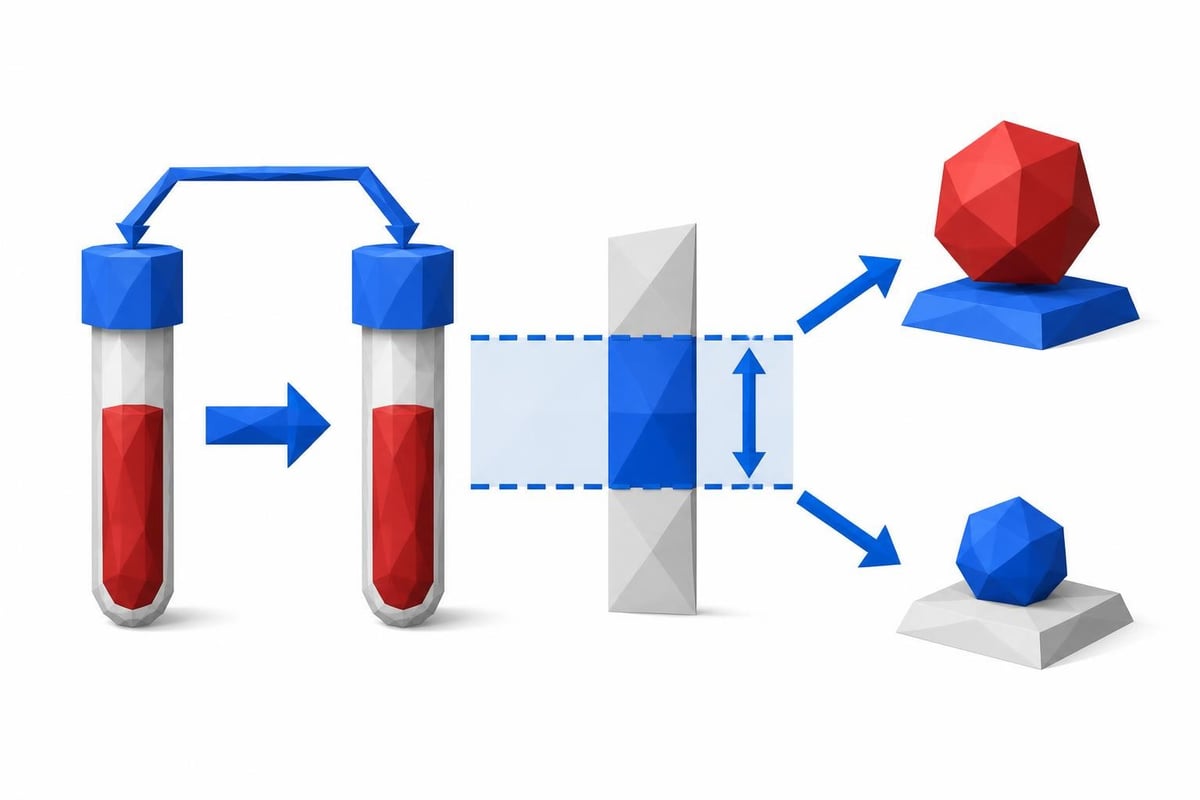
Not every numerical difference between two draws is clinically significant. Reference Change Values (RCV) help distinguish meaningful changes from normal variability. The RCV represents the minimum difference required to conclude with 95% confidence that a true change occurred, accounting for both analytical and biological variation.
For example, total cholesterol has an RCV around 15-20%. If your first result was 200 mg/dL and your second was 210 mg/dL (5% increase), this falls well within normal variation. But if it jumped to 250 mg/dL (25% increase), this exceeds the RCV and suggests a real change requiring investigation.
RCVs for common tests:
- Total cholesterol: ~17%
- TSH: ~35-50%
- Hemoglobin A1c: ~5-6%
- Creatinine: ~15%
- ALT: ~50-60%
Understanding these thresholds helps you avoid overreacting to minor fluctuations that are statistically indistinguishable from noise.
Specimen Collection and Handling Variables
The phlebotomy process itself introduces variation. Prolonged tourniquet application (>1 minute) causes venous stasis and hemoconcentration, artificially raising protein, cholesterol, and cell counts. Hemolysis during collection releases intracellular contents into serum, falsely elevating potassium, lactate dehydrogenase, and AST.
Delays between collection and processing affect certain unstable analytes. Glucose slowly decreases in whole blood unless collected in tubes with glycolysis inhibitors. Some enzymes and hormones degrade at room temperature. If your samples were handled differently between draws-one processed immediately, another sitting for hours-this could explain why your results changed between two blood draws.
Tube Type and Order of Draw
Different colored collection tubes contain different additives optimized for specific tests. Drawing tubes in the wrong order can contaminate later specimens with additives from earlier tubes. Using the wrong tube type (like collecting a chemistry panel in an EDTA tube meant for hematology) will produce erroneous results.
Monthly Hormonal Cycles
For menstruating individuals, many hormones and related markers fluctuate throughout the monthly cycle. Estrogen, progesterone, FSH, and LH all vary predictably from follicular to luteal phase. Iron studies can shift due to menstrual blood loss. Even thyroid function shows subtle monthly variation in some people.
If you're comparing results from different points in your cycle, hormonal differences may account for changes in sex hormones, thyroid markers, and metabolic parameters. For fertility or hormone panels, timing relative to cycle day is crucial for proper interpretation.
Medication Changes and Medical Interventions
Starting, stopping, or adjusting medications between draws is an obvious but sometimes overlooked cause of result changes. Thyroid medication affects TSH and thyroid hormone levels within weeks. Statins lower cholesterol. Diabetes medications alter glucose and hemoglobin A1c. Blood pressure medications affect electrolytes and kidney function.
Medical procedures and interventions also matter. Surgery, blood transfusions, IV fluids, or diagnostic procedures can all temporarily shift multiple blood values. Always consider what medical events occurred between your two draws when investigating discrepancies.
Key Takeaways
Understanding why your results changed between two blood draws empowers you to be a more informed health consumer. Most fluctuations reflect normal biological variation, differences in pre-test preparation, or timing factors rather than true changes in health status. By standardizing conditions-consistent fasting, similar timing, same lab, avoiding recent exercise-you minimize non-biological variation and make serial results more comparable.
When reviewing results, consider the full context: what was different between the two draws, whether changes exceed reference change values for those specific tests, and whether patterns across multiple related markers suggest a real shift versus random variation. A single altered value is rarely cause for alarm, but persistent trends or changes that exceed RCVs warrant discussion with a healthcare provider.
For most health monitoring purposes, tracking trends over multiple time points provides far more insight than reacting to differences between any two individual results. Biological systems are dynamic, and expecting identical numbers from draw to draw ignores the reality of human physiology.
FAQ
How much variation is normal between blood tests?
Normal variation depends on the specific analyte. Some markers like hemoglobin A1c are relatively stable (RCV ~6%), while others like TSH can vary by 35-50% within the same person over time. Generally, changes under 10-15% for most chemistry tests fall within expected biological and analytical variation.
Should I fast for the same amount of time before each blood test?
Yes, consistent fasting significantly improves comparability. For lipid panels and metabolic tests, fasting 8-12 hours before each draw eliminates dietary influence. Even for tests not requiring fasting, similar pre-test conditions reduce variability and make trends easier to interpret.
Can stress affect my blood test results?
Absolutely. Acute stress elevates cortisol, blood pressure, glucose, and white blood cell counts. Chronic stress affects cholesterol, inflammatory markers, and immune function. Significant stress differences between draws can contribute to why your results changed between two blood draws, particularly for hormone and metabolic panels.
Do I need to use the same lab for follow-up testing?
While not absolutely required, using the same lab eliminates method-related variation and ensures results are generated using identical reference ranges and instrumentation. This makes serial comparison more straightforward, especially for tests with known inter-method variability like thyroid hormones and vitamin D.
When should I be concerned about changes between blood draws?
Be concerned when changes exceed the reference change value for that analyte, when multiple related markers shift in the same direction, when values move outside the reference range, or when changes correlate with new symptoms. Single minor fluctuations within expected variation rarely require intervention. Always discuss concerning changes with a healthcare provider who can review your full clinical picture.
Most differences between two blood draws reflect normal biological rhythms and pre-analytical variables rather than disease. By understanding these factors and controlling what you can-timing, fasting, hydration, and lifestyle consistency-you'll get more reliable, comparable results. When you need convenient access to lab testing with transparent pricing and quick turnaround, Justlabs makes it simple to order comprehensive panels online and receive results in 1-3 days, putting you in control of your health monitoring without insurance hassles or doctor appointments.