How Long Should You Fast Before Lab Tests & Procedures
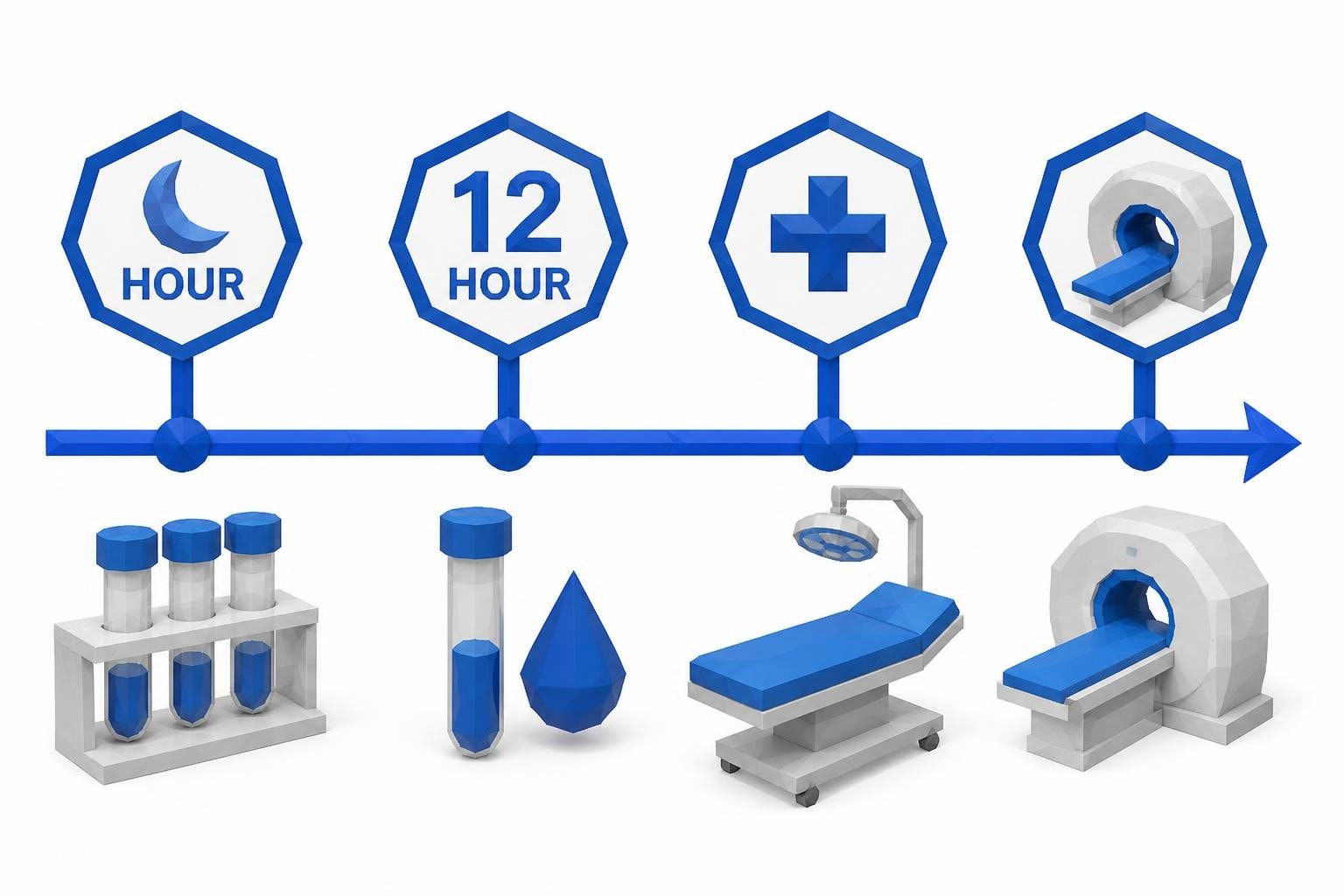
Understanding fasting requirements before medical tests and procedures is essential for accurate results and patient safety. Whether you're preparing for routine blood work, a surgical procedure, or diagnostic imaging, knowing how long should you fast before your appointment helps ensure reliable outcomes and prevents complications. The duration varies significantly depending on the specific test or procedure, ranging from just a few hours to a full overnight fast.
Big picture
- Fasting requirements vary widely based on the type of test or procedure, from 8 hours for basic metabolic panels to 12 hours for comprehensive lipid testing, with some procedures requiring specific timing for both food and beverages.
- Accurate lab results depend on proper preparation because eating before certain tests can interfere with glucose, triglyceride, and cholesterol measurements, leading to false readings that may impact your health decisions.
- Medical procedures require fasting for safety reasons, particularly those involving anesthesia or sedation, where recent food intake increases the risk of aspiration and serious complications during the procedure.
- Not all tests require fasting, and many routine blood tests can be performed without dietary restrictions, so always confirm requirements when scheduling your appointment to avoid unnecessary inconvenience.
- Clear communication with your healthcare provider ensures you understand exactly when to stop eating and drinking, which medications to take, and what constitutes acceptable fluids during your fasting period.
- Plan your appointment strategically by scheduling morning tests when possible, allowing you to fast overnight while sleeping and resume normal eating shortly after your procedure or blood draw.
Laboratory Testing Fasting Requirements
Different laboratory tests have specific fasting requirements to ensure accurate and reliable results. The most common question patients ask is how long should you fast before routine blood work.
Basic Metabolic Panel and Glucose Testing
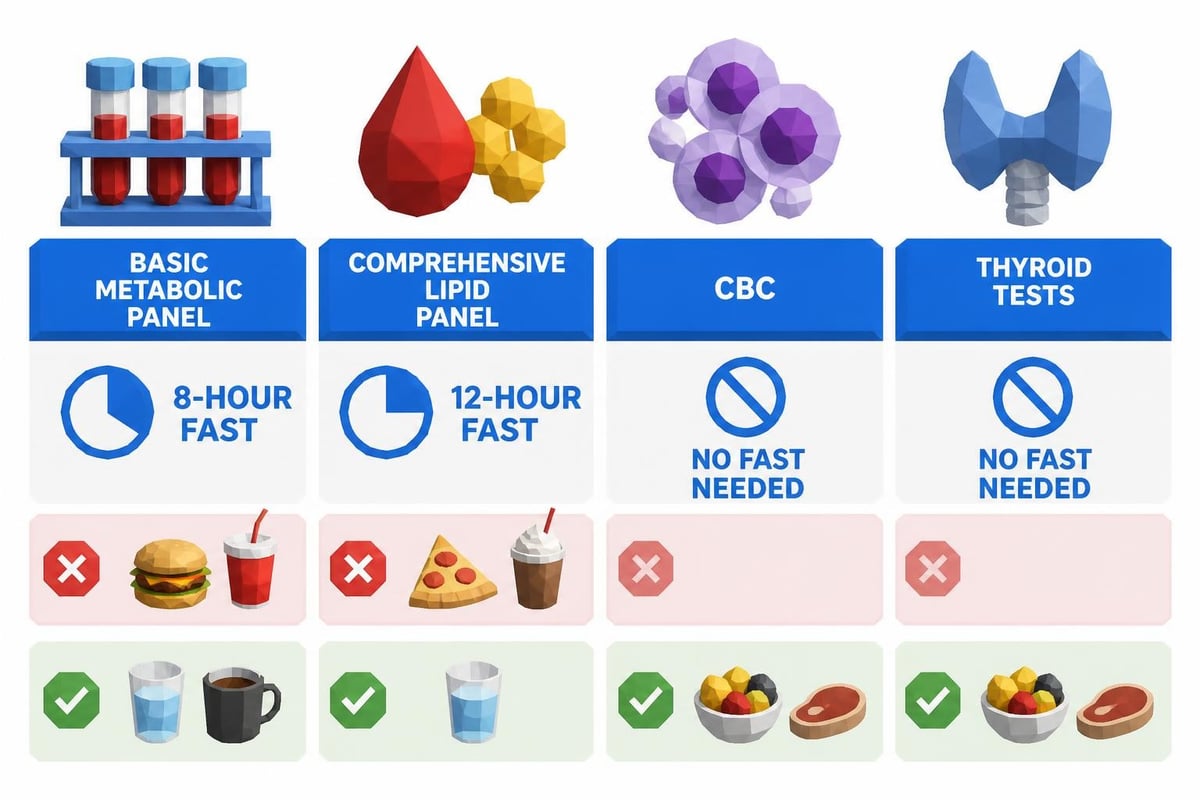
For basic metabolic panels and fasting glucose tests, an 8-hour overnight fast is typically required. This means no food or caloric beverages from midnight until your morning blood draw.
What you can consume during the fast:
- Plain water (encouraged to stay hydrated)
- Black coffee without sugar or cream
- Unflavored tea without additives
What to avoid:
- All solid foods
- Milk, cream, or sugar in beverages
- Juice, soda, or other caloric drinks
- Chewing gum or mints
Lipid Panels and Cholesterol Testing
Comprehensive lipid panels, which measure total cholesterol, LDL, HDL, and triglycerides, typically require a 9-12 hour fast for the most accurate results. Triglyceride levels are particularly sensitive to recent food intake and can be significantly elevated if you eat before testing.
| Test Component | Fasting Required | Reason |
|---|---|---|
| Total Cholesterol | 9-12 hours | More accurate baseline measurement |
| LDL Cholesterol | 9-12 hours | Reduced interference from dietary fats |
| HDL Cholesterol | 9-12 hours | Consistency in measurement |
| Triglycerides | 9-12 hours | Highly sensitive to recent food intake |
Some newer guidelines suggest that non-fasting lipid tests may be acceptable for routine screening, but fasting samples remain the gold standard for diagnostic purposes. When ordering labs without a doctor, it's important to understand these requirements beforehand.
Thyroid and Hormone Testing
Most thyroid function tests, including TSH, Free T4, and Free T3, do not require fasting. However, some healthcare providers recommend morning testing for consistency, as thyroid hormone levels can fluctuate throughout the day.
Recommended Panel
Complete Thyroid Panel
Save $3Our most comprehensive thyroid panel includes all 5 essential markers: TSH, Free T4, Free T3, Reverse T3, and both thyroid antibodies. Get the complete picture of your thyroid health.
Includes 6 biomarkers
$84
Hormone panels, including testosterone, estrogen, and cortisol, may have specific timing requirements based on circadian rhythms rather than fasting status. Always verify requirements when scheduling these specialized tests.
Tests That Don't Require Fasting
Many common laboratory tests produce accurate results regardless of when you last ate:
- Complete Blood Count (CBC)
- Hemoglobin A1C (average blood sugar over 3 months)
- Basic thyroid panels
- Liver enzyme tests
- Kidney function tests
- Electrolyte panels
- Most antibody and autoimmune testing
When accessing affordable lab testing without insurance, confirming which tests require fasting helps you prepare appropriately and avoid rescheduling.
Surgical and Procedural Fasting Guidelines
Fasting before surgery and medical procedures serves a different purpose than laboratory testing. The primary concern is aspiration prevention during anesthesia or sedation, where stomach contents could enter the lungs and cause serious complications.
General Anesthesia and Elective Surgery
The American Society of Anesthesiologists (ASA) guidelines provide clear recommendations for how long should you fast before procedures requiring anesthesia.
Standard preoperative fasting guidelines:
- Clear liquids: 2 hours before anesthesia
- Breast milk: 4 hours before anesthesia
- Light meal: 6 hours before anesthesia
- Heavy or fatty meal: 8 hours before anesthesia
Clear liquids include water, fruit juice without pulp, clear tea, and black coffee. Recent evidence from the international consensus on perioperative fasting suggests that these guidelines balance safety with patient comfort, avoiding unnecessarily prolonged fasting periods.
Gastrointestinal Procedures
Endoscopy and colonoscopy require specific preparation protocols. The question of how long should you fast before these procedures involves both timing and bowel preparation.
For upper endoscopy:
- 8 hours fasting from solid food
- 2 hours fasting from clear liquids
- No special bowel preparation typically required
For colonoscopy, ASGE guidelines recommend:
- Full day of clear liquid diet before the procedure
- Split-dose bowel preparation (half the evening before, half the morning of)
- 2 hours fasting from clear liquids before sedation
| Procedure Type | Food Fasting | Liquid Fasting | Special Prep |
|---|---|---|---|
| Upper Endoscopy | 8 hours | 2 hours | None |
| Colonoscopy | 24 hours (clear liquids only) | 2 hours | Bowel preparation |
| Flexible Sigmoidoscopy | 8 hours | 2 hours | Enema or limited prep |
Diagnostic Imaging with Contrast
Some imaging procedures require fasting to ensure safety and image quality. CT scans with oral or IV contrast typically require a 4-6 hour fast to reduce the risk of nausea and vomiting.
PET scans have specific requirements due to the radioactive tracer used. According to nuclear medicine procedural guidelines, patients should fast for 4-6 hours before FDG-PET imaging because glucose metabolism affects tracer uptake and image interpretation.
Special Considerations and Medications
Understanding how long should you fast before medical tests also involves knowing how to manage medications and special health conditions during your fasting period.
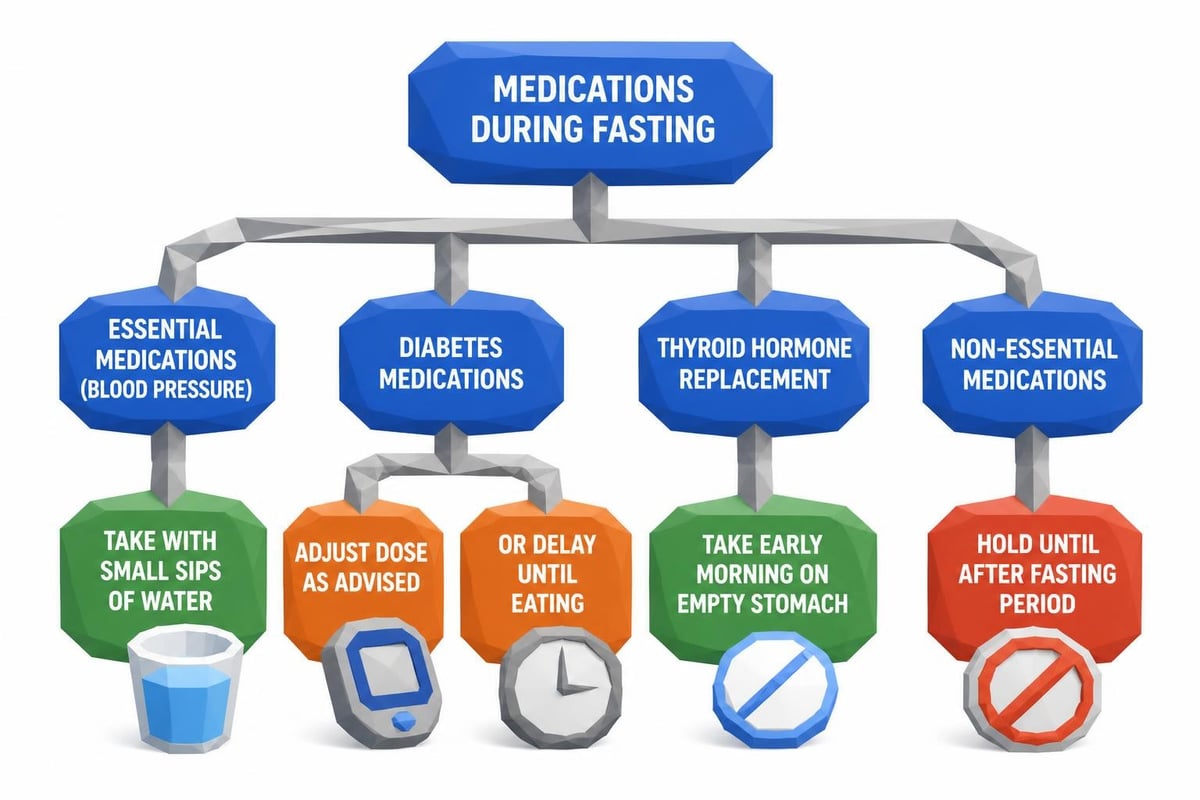
Medication Management During Fasting
Medications typically taken as scheduled:
- Blood pressure medications (with small sip of water)
- Thyroid hormone replacement
- Anti-seizure medications
- Heart medications
Medications often held until after testing:
- Diabetes medications (insulin, oral hypoglycemics)
- Diuretics (water pills)
- Medications that affect test results
Always consult your healthcare provider about specific medication instructions, as individual circumstances vary significantly.
Diabetes and Blood Sugar Management
Patients with diabetes face unique challenges when fasting for tests or procedures. The standard advice about how long should you fast before lab work needs modification for those managing blood glucose.
Key considerations for diabetics:
- Schedule appointments as early in the morning as possible
- Monitor blood sugar closely during fasting period
- Adjust insulin or medication doses as directed by your physician
- Have glucose tablets or juice available in case of hypoglycemia
- Inform medical staff immediately if you feel symptoms of low blood sugar
Pediatric Fasting Guidelines
Children have different fasting requirements than adults. Prolonged fasting can be particularly difficult and potentially harmful for young children and infants.
Recommended pediatric fasting times:
- Infants under 6 months: 2-3 hours for breast milk or formula
- Children 6-36 months: 4 hours for breast milk, 6 hours for formula/solids
- Children over 36 months: 6-8 hours for solids, 2 hours for clear liquids
Parents should work closely with pediatric providers to ensure safe fasting periods that don't compromise their child's health.
Common Fasting Mistakes and How to Avoid Them
Even when you know how long should you fast before a test, execution errors can invalidate results or create safety issues.
Timing Miscalculations
Common mistake: Counting fasting hours from when you go to bed rather than from your last meal.
Solution: Calculate backward from your appointment time. If you need an 8-hour fast for a 9 AM blood draw, your last food should be by 1 AM (though most people complete their fast by stopping eating around 9-10 PM).
Assuming All Water is Equal
Common mistake: Drinking flavored water, coconut water, or beverages with "hidden" calories during fasting.
Solution: Stick to plain water only. Even zero-calorie sweeteners can potentially affect certain test results. When in doubt, stick to unflavored tap or bottled water.
Forgetting About Chewing Gum and Mints
These seemingly insignificant items can break your fast. Sugar-free options still contain sweeteners that may affect insulin levels and glucose measurements.
Not Clarifying Instructions
The biggest mistake is assuming you know the requirements without confirming. When learning how lab testing works, always ask specific questions:
- Exactly how many hours should I fast?
- Can I drink water, coffee, or tea?
- Should I take my regular medications?
- What time should I stop eating and drinking?
- What happens if I accidentally eat or drink something?
Planning Your Fasting Period Successfully
Strategic planning makes fasting periods more manageable and ensures compliance with requirements.
Schedule Morning Appointments
Booking early morning tests allows you to complete most of your fast while sleeping. A 7 AM or 8 AM appointment with an 8-12 hour fast means you simply skip breakfast after having a normal dinner the previous evening.
Prepare Your Environment
Remove temptations:
- Clear visible snacks from your workspace
- Avoid food preparation areas
- Skip your usual coffee shop stop if you can't have your regular order
Set yourself up for success:
- Prepare allowed beverages (plain water, black coffee)
- Set reminders for when fasting begins
- Plan your post-test meal to have something to look forward to
Stay Hydrated
Unless specifically instructed otherwise, drinking adequate water during your fast helps:
- Prevent dehydration
- Make blood draws easier (better vein visibility)
- Reduce hunger sensations
- Maintain energy levels
Understanding Your Results and Next Steps
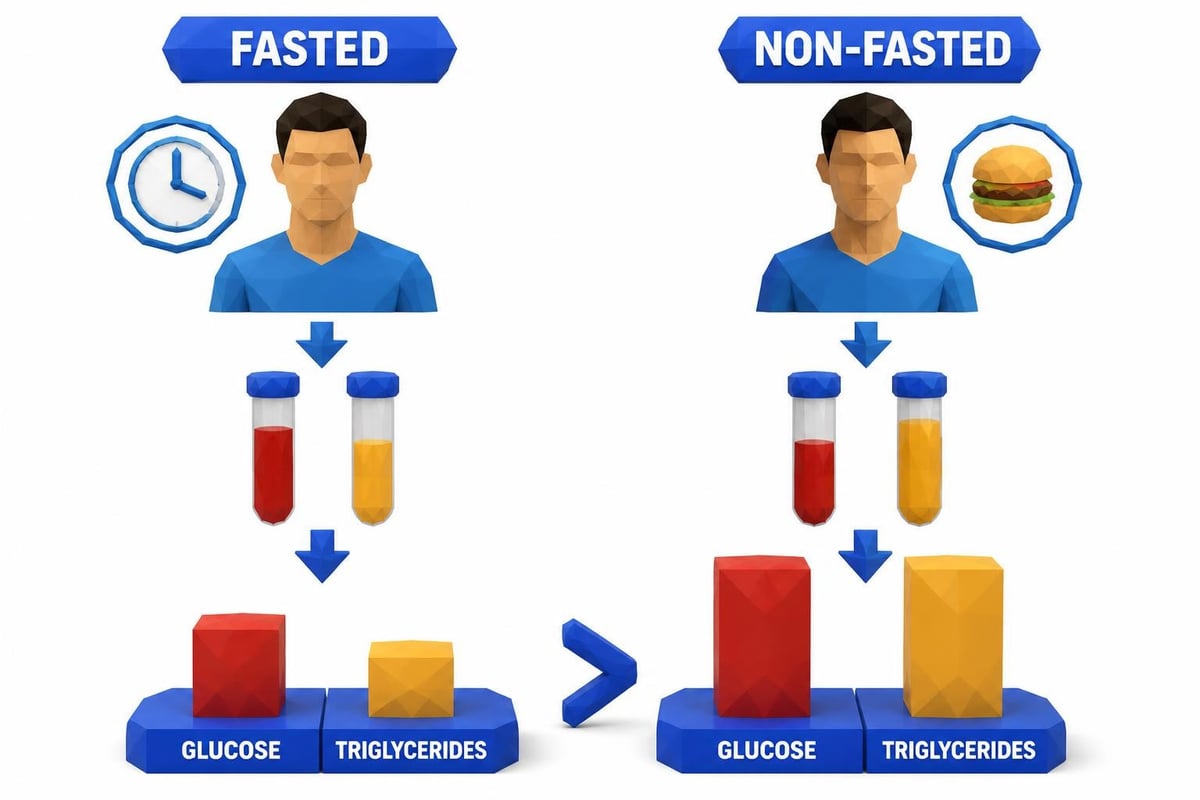
Once you've successfully completed your fast and testing, understanding results becomes the next priority. Fasting status directly impacts reference ranges for certain values.
How Fasting Affects Reference Ranges
Laboratory reference ranges for glucose, triglycerides, and insulin are specifically calibrated for fasting samples. Non-fasting samples require different interpretation standards.
Example comparison:
| Test | Fasting Reference | Non-Fasting Consideration |
|---|---|---|
| Glucose | 70-99 mg/dL (normal) | Can be 100-140 mg/dL normally after meals |
| Triglycerides | < 150 mg/dL | May spike to 200+ mg/dL temporarily |
| Insulin | 2-20 μIU/mL | Significantly higher postprandially |
This is why knowing exactly how long should you fast before lab work matters for accurate diagnosis and treatment decisions.
When to Repeat Testing
If you realize after the fact that you didn't follow fasting instructions correctly, inform the laboratory or healthcare provider immediately. Depending on which tests were ordered, you may need to:
- Repeat the test after proper fasting
- Accept slightly less accurate results if they're sufficient for screening purposes
- Use the results with appropriate context adjustments
For self-directed testing through services that provide transparent pricing for lab tests, you have the flexibility to retest if needed without navigating complex insurance approval processes.
Key Takeaways
Understanding fasting requirements empowers you to prepare properly for medical tests and procedures. The answer to how long should you fast before testing depends entirely on which specific test or procedure you're undergoing, ranging from no fasting requirement for many routine tests to 12+ hours for comprehensive metabolic and lipid panels. Surgical procedures follow different guidelines focused on aspiration prevention rather than test accuracy.
Essential points to remember:
- Verify requirements for your specific test or procedure rather than assuming
- Calculate timing correctly by working backward from your appointment
- Maintain hydration with plain water unless specifically prohibited
- Manage medications according to provider instructions
- Schedule strategically with morning appointments when possible
- Communicate questions to avoid invalidating results or rescheduling
Most laboratory fasting requirements fall into predictable categories: 8 hours for basic metabolic work, 9-12 hours for lipid panels, and no fasting for thyroid, complete blood counts, and many other common tests. Knowing these standards helps you plan effectively and achieve accurate results that guide important health decisions.
Understanding how long should you fast before testing ensures accurate results and safe procedures across all types of medical testing. When you're ready to take control of your health with transparent, convenient lab testing, Justlabs offers affordable access to comprehensive panels with clear preparation instructions and results delivered in 1-3 days, eliminating the confusion and delays of traditional testing routes.