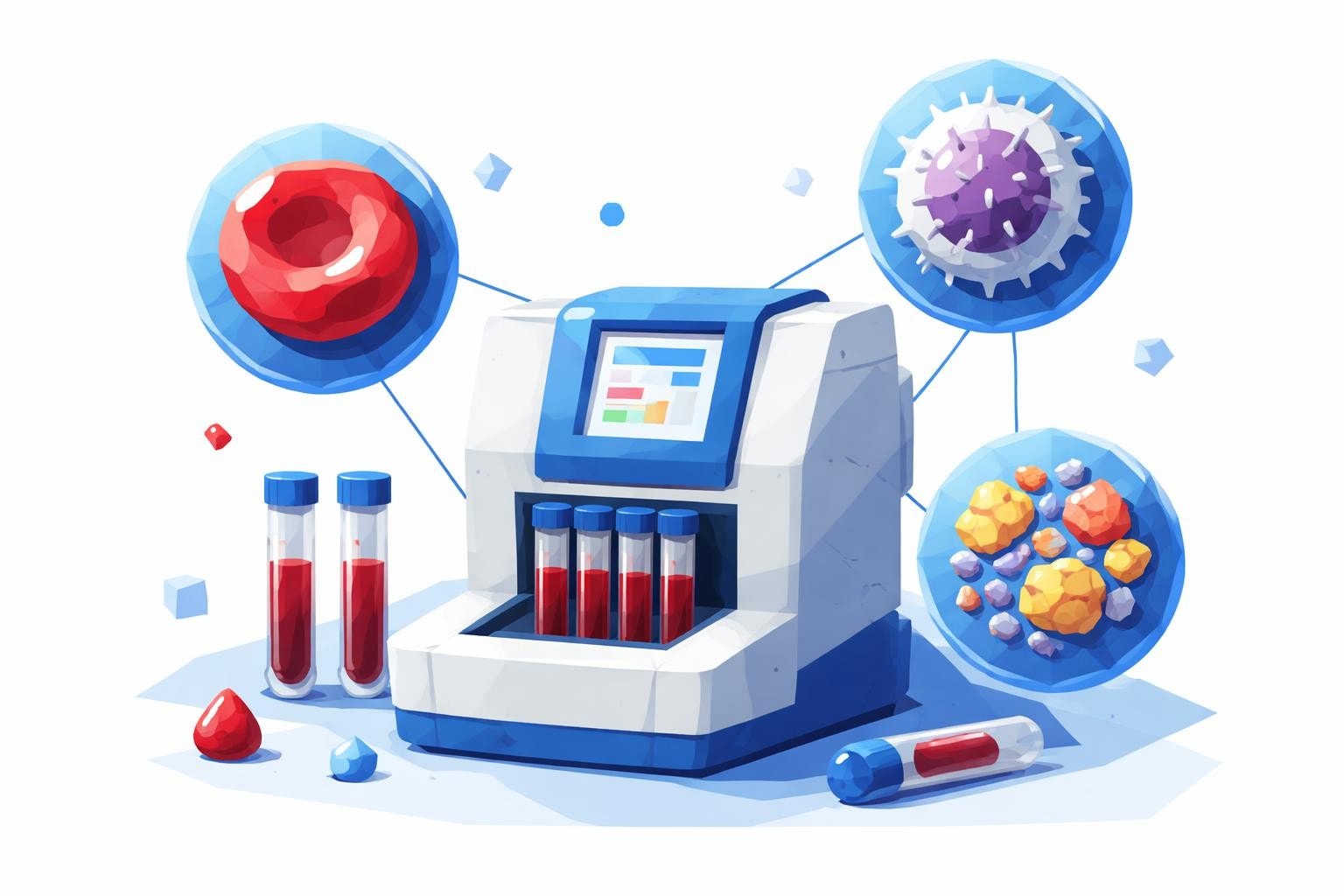
A complete blood count with automated differential represents one of the most frequently ordered laboratory tests in modern medicine, providing essential insights into overall health status through a detailed analysis of blood cells. This comprehensive test evaluates multiple components of blood, including red blood cells, white blood cells, and platelets, while the automated differential breaks down white blood cell types into specific categories. Understanding what a cbc with automated diff measures and how to interpret its results empowers individuals to make informed decisions about their health monitoring and diagnostic needs.
Big Picture
- A cbc with automated diff is a comprehensive blood test that counts and categorizes blood cells using automated laboratory equipment, measuring red blood cells, white blood cells, platelets, and five types of white blood cells
- This test helps detect infections, anemia, immune disorders, blood cancers, and inflammatory conditions before symptoms become severe, making it valuable for both routine screening and diagnostic purposes
- Anyone experiencing unexplained fatigue, frequent infections, unusual bruising, or persistent illness should consider this test, while healthy individuals benefit from periodic screening to establish baseline values
- The automated differential provides faster, more consistent results than manual counting methods, typically delivering comprehensive blood analysis within 1-3 days through accessible testing services
- Order this test directly without insurance complications or doctor visit delays when you need quick answers about infection risk, immune function, or blood cell abnormalities
Understanding the Complete Blood Count Components
The cbc with automated diff consists of multiple measurements that together create a comprehensive picture of blood health. The red blood cell analysis includes hemoglobin concentration, hematocrit percentage, and red cell indices such as mean corpuscular volume (MCV), mean corpuscular hemoglobin (MCH), and mean corpuscular hemoglobin concentration (MCHC). These values reveal oxygen-carrying capacity and identify various types of anemia.
White blood cell counts measure immune system activity and infection response. The total white blood cell count provides an overview, while the automated differential breaks this down into five distinct categories: neutrophils, lymphocytes, monocytes, eosinophils, and basophils. Each cell type serves specific immune functions and elevates under different conditions.

The Automated Differential Advantage
Modern hematology analyzers use sophisticated technology to perform the differential count automatically. According to diagnostic hematology research, automated methods offer superior precision and reproducibility compared to manual microscopy for most patient samples. These instruments use flow cytometry, electrical impedance, or light scatter to classify thousands of cells within minutes.
The automation significantly reduces human error and inter-observer variability that plague manual differential counts. Technologists performing manual counts typically examine only 100-200 cells, while automated analyzers evaluate 10,000 or more cells, providing statistically stronger results. This enhanced precision proves especially valuable when detecting subtle shifts in cell populations that might indicate early disease processes.
Key advantages of automated analysis include:
- Consistent, standardized measurements across different testing occasions
- Rapid turnaround times enabling quicker clinical decisions
- Reduced labor costs making tests more affordable
- Flagging of abnormal cells requiring manual review
- Comprehensive data capture for trend analysis over time
Clinical Applications and What Results Reveal
Healthcare providers order a cbc with automated diff for numerous diagnostic and monitoring purposes. Infection screening represents one of the most common applications, as elevated white blood cell counts with increased neutrophils typically indicate bacterial infections, while lymphocyte predominance may suggest viral infections. The University of Iowa clinical laboratory notes this test serves as a frontline screening tool for hematologic disorders.
Anemia evaluation requires analyzing red blood cell parameters together. Low hemoglobin combined with low MCV suggests iron deficiency, while normal or elevated MCV with low hemoglobin may indicate vitamin B12 or folate deficiency. Chronic disease anemia presents with different patterns, making the complete panel essential for accurate diagnosis.
Interpreting White Blood Cell Patterns
| Cell Type | Normal Range | Elevated In | Decreased In |
|---|---|---|---|
| Neutrophils | 40-70% | Bacterial infections, inflammation, stress | Bone marrow disorders, autoimmune disease |
| Lymphocytes | 20-40% | Viral infections, chronic inflammation | Immunodeficiency, steroid use |
| Monocytes | 2-10% | Chronic infections, inflammatory conditions | Bone marrow suppression |
| Eosinophils | 1-4% | Allergies, parasites, asthma | Steroid treatment, acute stress |
| Basophils | 0-2% | Allergic reactions, blood disorders | Hyperthyroidism, acute infection |
Cancer screening and monitoring also rely heavily on this test. Leukemias and lymphomas often present with abnormal white blood cell counts and unusual cell distributions. The automated differential flags atypical cells that require expert microscopic examination, ensuring suspicious findings receive appropriate follow-up.
Individuals managing chronic conditions benefit from regular cbc with automated diff monitoring. Patients taking medications that affect bone marrow function need periodic testing to detect problems early. Those with autoimmune disorders track disease activity and treatment response through changes in cell populations.
When to Order a CBC with Automated Diff
Common symptoms prompting this test include:
- Persistent fatigue that doesn't improve with rest, possibly indicating anemia
- Frequent or severe infections suggesting immune system problems
- Easy bruising or bleeding that may reflect low platelet counts
- Unexplained fever requiring infection or inflammatory disease investigation
- Swollen lymph nodes needing evaluation for immune or blood disorders
- Pale skin or shortness of breath consistent with significant anemia
The Provincial Laboratory Formulary emphasizes this test's role in both symptomatic evaluation and preventive health screening. Even without symptoms, adults should consider baseline testing, especially when family history includes blood disorders, autoimmune conditions, or certain cancers.
Pre-operative screening typically includes a cbc with automated diff to identify anemia or clotting issues before surgery. Pregnant individuals receive this test to monitor for anemia and ensure adequate blood cell production. Athletes experiencing declining performance may discover anemia or other blood abnormalities affecting oxygen delivery to muscles.

Specimen Collection and Testing Process
The testing process begins with a simple blood draw, typically from a vein in the arm. Phlebotomists collect blood into tubes containing EDTA anticoagulant, which preserves cell morphology and prevents clotting. According to University of Florida Pathology Laboratories, proper specimen handling ensures accurate results.
Samples require processing within specific timeframes to maintain cell integrity. Most laboratories recommend analyzing specimens within 4-6 hours of collection, though EDTA-preserved samples remain stable for up to 24 hours when properly stored. Temperature control during transport prevents cell degradation that could affect counts.
The actual analysis takes just minutes once the sample reaches the analyzer. Modern instruments provide complete results including all CBC parameters and the five-part differential. Samples with flagged abnormalities undergo additional review by medical technologists who perform microscopic examination to verify findings and identify cell morphology issues.
Understanding Your Test Results
Results arrive as a multi-page report listing each measured parameter with its value and reference range. The cbc with automated diff generates approximately 20-25 individual data points, creating a comprehensive blood profile. Comparing your values against normal ranges helps identify abnormalities, but understanding the clinical significance requires considering all results together rather than focusing on isolated numbers.
Critical values that require immediate attention:
- Extremely low hemoglobin (below 7 g/dL) indicating severe anemia
- Very high white blood cell counts (above 30,000/μL) suggesting serious infection or leukemia
- Dangerously low platelet counts (below 20,000/μL) creating bleeding risk
- Presence of blast cells or other immature forms indicating possible blood cancer
Many people accessing lab tests without insurance receive results directly, making interpretation resources essential. While healthcare providers should ultimately review concerning findings, understanding basic patterns helps individuals recognize when urgent follow-up is necessary versus when results fall within acceptable variation.
Factors Affecting Test Accuracy
Several variables can influence cbc with automated diff results. Dehydration concentrates blood cells, potentially elevating counts artificially, while recent hydration may dilute samples. Strenuous exercise before testing transiently increases white blood cell counts. Certain medications, particularly chemotherapy agents, steroids, and antibiotics, significantly affect cell populations.
According to HNL Lab Medicine, specimen quality issues represent the most common source of unreliable results. Clotted samples, hemolyzed blood, or specimens stored improperly before analysis produce inaccurate measurements. Quality laboratories reject compromised specimens and request recollection rather than reporting questionable data.
Timing considerations matter for certain populations. Recent blood transfusions temporarily normalize red blood cell parameters, potentially masking underlying anemia. Testing too soon after acute illness resolution may not reflect typical baseline values. Establishing true health status often requires testing when stable and well-hydrated, avoiding recent physical stress or illness.
Cost Considerations and Access Options
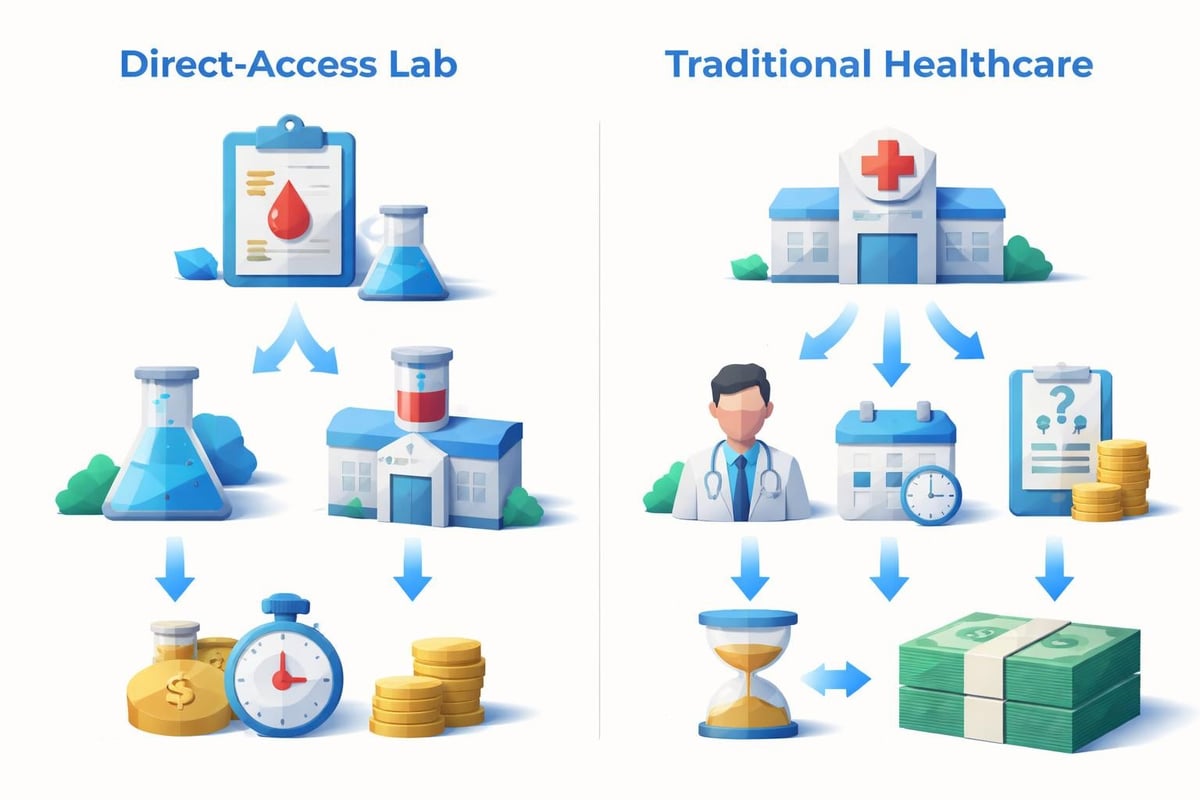
Traditional healthcare channels often bundle a cbc with automated diff into office visits requiring insurance pre-authorization and copayments. Many people discover that direct access testing provides faster, more affordable results without insurance complications. Transparent pricing models eliminate surprise bills and make budgeting for routine health monitoring straightforward.
The Southern Nevada Public Health Laboratory documentation shows this test uses standardized, widely available technology, making it an ideal candidate for direct-to-consumer services. When you order labs without a doctor visit, you skip unnecessary appointment fees while still receiving the same quality analysis performed by certified laboratories.
Recommended Test
Complete Blood Count with Differential
The CBC with Differential is one of the most commonly ordered blood tests, providing a comprehensive snapshot of your overall health through detailed blood cell analysis.
Includes 14 biomarkers
$6
| Access Method | Typical Cost Range | Time to Results | Additional Requirements |
|---|---|---|---|
| Insurance-based | $10-50 copay + deductible | 2-5 days | Doctor visit, referral, pre-auth |
| Direct self-pay | $25-75 transparent price | 1-3 days | None, order online |
| Hospital lab | $100-300 billed | 1-4 days | Physician order |
| Urgent care | $75-150 plus visit fee | 1-3 days | Facility charge applies |
Many individuals maintaining their health proactively prefer the convenience and predictability of self-pay testing. Those with high-deductible insurance plans often find direct pricing more economical than meeting deductibles for routine screening. Additionally, tests ordered through FSA/HSA eligible services allow using pre-tax dollars, further reducing effective costs.
Advanced Analysis and Follow-up Testing
While the automated differential handles most routine cases efficiently, certain findings trigger additional investigation. The MercyOne diagnostic flowchart outlines criteria requiring manual differential review by trained technologists. Atypical lymphocytes, immature cells, or significant instrument flags necessitate expert microscopic examination to identify morphologic abnormalities that automated systems cannot fully characterize.
When initial cbc with automated diff results reveal anemia, follow-up iron studies, vitamin B12 levels, or folate testing help pinpoint specific causes. Elevated white blood cell counts with abnormal differentials may require comprehensive metabolic panels or specific infection testing. Thrombocytopenia (low platelets) might necessitate coagulation studies to assess bleeding risk fully.
Common follow-up tests based on CBC findings:
- Iron panel including ferritin, transferrin, and iron binding capacity for microcytic anemia
- Vitamin B12 and folate levels when macrocytic anemia appears
- Reticulocyte count to assess bone marrow red blood cell production
- Peripheral blood smear with manual differential for morphology evaluation
- Flow cytometry when abnormal white blood cells suggest lymphoma or leukemia
- C-reactive protein or ESR to quantify inflammation when counts suggest active disease
Individuals discovering abnormalities through proactive testing gain opportunities for early intervention before conditions progress. Regular monitoring establishes personal baseline values, making subtle changes more apparent over time. This longitudinal perspective proves particularly valuable for detecting gradual shifts that might otherwise go unnoticed until symptoms become severe.
Key Takeaways
The cbc with automated diff delivers comprehensive blood health information through a single, accessible test that analyzes red blood cells, white blood cells, and platelets with high precision. Automated differential counting provides consistent, reliable categorization of white blood cell types that helps identify infections, immune disorders, anemia, and blood cancers early in their course. Understanding your results within the context of symptoms and health history enables informed decisions about follow-up care and ongoing monitoring needs. Direct-access testing eliminates insurance barriers and unnecessary doctor visits while maintaining laboratory quality standards and providing rapid results. Whether screening for preventive purposes or investigating specific symptoms, this foundational test serves as an essential tool for health monitoring and disease detection.
FAQ
How long does it take to get cbc with automated diff results?
Most laboratories complete analysis within hours of receiving the specimen, with results typically available in 1-3 business days. Direct-access testing services often provide faster turnaround than traditional healthcare channels since they eliminate appointment scheduling delays and insurance processing requirements. Critical abnormal findings may receive expedited reporting.
Do I need to fast before having a cbc with automated diff?
Fasting is not required for a standard cbc with automated diff, as food intake does not significantly affect blood cell counts. However, if your provider orders additional tests simultaneously that do require fasting, such as glucose or lipid panels, you should follow those fasting instructions. Staying well-hydrated before testing helps ensure easier blood collection.
What's the difference between automated and manual differential?
An automated differential uses sophisticated instruments to analyze thousands of cells rapidly with consistent methodology, while manual differentials involve technologists examining 100-200 cells under a microscope. Automated methods provide superior statistical precision for routine cases, but manual review remains necessary when abnormal or immature cells are present that require expert morphologic interpretation.
Can medications affect my cbc with automated diff results?
Yes, many medications influence blood cell counts. Chemotherapy and radiation directly suppress bone marrow production, while corticosteroids typically increase neutrophils and decrease lymphocytes and eosinophils. Antibiotics may affect white blood cell counts, and certain medications can cause anemia or low platelets. Always inform your laboratory about current medications when seeking result interpretation.
How often should healthy adults get a cbc with automated diff?
Healthy adults with no symptoms or risk factors might consider baseline testing every 2-3 years as part of preventive health screening. Those with chronic conditions, family history of blood disorders, or taking medications affecting bone marrow should test more frequently based on individual risk factors. Annual screening provides valuable trending data for adults over 50 or those with multiple health concerns.
What does it mean if my cbc is normal but I still feel unwell?
A normal cbc with automated diff excludes many serious blood and immune disorders but doesn't evaluate every aspect of health. Conditions affecting organs, hormones, metabolism, or specific nutrient deficiencies may not appear in blood cell counts. Additional testing targeting your specific symptoms may be necessary to identify the underlying cause of persistent health concerns.
Understanding your blood health through a cbc with automated diff provides essential insights that support both preventive care and diagnostic investigation. This comprehensive yet straightforward test delivers actionable information about infection risk, oxygen transport, immune function, and potential blood disorders. When you need quick access to reliable lab testing without insurance complications or lengthy appointment waits, Justlabs offers transparent pricing and convenient online ordering with results delivered in 1-3 days, putting you in control of your health monitoring journey.
Related Reading


References
Kratz A, Lee SH, Zini G, Riedl JA, Hur M, Machin S, International Council for Standardization in Haematology. Digital morphology analyzers in hematology: ICSH review and recommendations. Int J Lab Hematol. 2019 Aug;41(4):437-447. doi: 10.1111/ijlh.13042. PMID: 31046197. https://pubmed.ncbi.nlm.nih.gov/31046197/
Cascio MJ, DeLoughery TG. Anemia: Evaluation and Diagnostic Tests. Med Clin North Am. 2017 Mar;101(2):263-284. doi: 10.1016/j.mcna.2016.09.003. PMID: 28189170. https://pubmed.ncbi.nlm.nih.gov/28189170/