
Understanding the right timing for retesting lab work is essential for effective health monitoring without wasting time or money on unnecessary tests. Whether you're tracking cholesterol levels, monitoring thyroid function, or checking vitamin status, the question of how often should you retest depends on multiple factors including your baseline results, symptoms, current medications, and overall health goals. This guide provides evidence-based recommendations for common lab markers to help you make informed decisions about your testing schedule.
Why Retesting Frequency Matters
Lab tests provide valuable snapshots of your health at specific points in time, but they're most useful when tracked appropriately over time. Testing too frequently can lead to unnecessary expenses and anxiety over normal fluctuations that don't indicate true health changes. Conversely, testing too infrequently might miss important shifts in your biomarkers that require intervention.
The optimal retesting schedule balances these concerns while accounting for individual circumstances. A person managing diabetes with medication needs more frequent monitoring than someone checking their annual wellness markers. Similarly, someone who just started a new medication may need closer tracking initially before spacing out their tests.
Key factors that influence retesting frequency include:
- Current biomarker levels and how far they are from optimal ranges
- Presence of chronic conditions requiring ongoing management
- Recent medication changes or new treatment protocols
- Age and associated health risks
- Symptoms or health changes between tests
- Treatment goals and progress tracking needs

Cholesterol and Lipid Panel Retesting
For adults with normal cholesterol levels and no cardiovascular risk factors, retesting every 4-5 years is typically sufficient. This recommendation assumes stable health status and no family history of heart disease. However, several situations warrant more frequent monitoring.
When to Test More Frequently
Individuals with borderline high or high cholesterol should retest every 6-12 months to track trends and assess whether lifestyle modifications are working. Those on statin medications need closer monitoring, particularly in the first few months after starting treatment. Regular cholesterol monitoring on statins helps ensure the medication is effective and not causing adverse effects.
People with established cardiovascular disease, diabetes, or multiple risk factors typically need lipid panels every 3-6 months. Your healthcare provider may recommend even more frequent testing if you're making significant dietary changes or adjusting medications.
| Health Status | Recommended Retesting Interval |
|---|---|
| Normal levels, low risk | Every 4-5 years |
| Borderline high levels | Every 6-12 months |
| High levels or CVD risk | Every 3-6 months |
| On statin therapy | 4-12 weeks after starting, then every 6-12 months |
| Recent lifestyle changes | Every 3-6 months |
Recommended Test
Lipid Panel (Standard)
The standard lipid panel measures your cholesterol and triglyceride levels - essential markers for assessing your risk of heart disease and stroke.
Includes 6 biomarkers
$8
Fasting required
Hemoglobin A1c Testing Frequency
Hemoglobin A1c reflects average blood sugar levels over the previous 2-3 months, making it a crucial marker for diabetes management. The question of how often should you retest A1c depends heavily on whether your diabetes is well-controlled and stable.
For individuals with prediabetes, annual A1c testing is generally adequate unless they're actively working to reverse the condition through diet and exercise changes. In such cases, testing every 3-6 months provides valuable feedback on whether interventions are working.
People with diabetes need more frequent monitoring. Those with stable, well-controlled diabetes typically test every 6 months. However, anyone with poorly controlled diabetes, recent medication changes, or unstable blood sugar should test every 3 months. This allows for timely treatment adjustments before complications develop.
A1c retesting guidelines:
- Prediabetes with no intervention: Annually
- Prediabetes with active lifestyle changes: Every 3-6 months
- Well-controlled diabetes: Every 6 months
- Poorly controlled diabetes: Every 3 months
- After medication changes: 3 months
Recommended Test
Hemoglobin A1c (HbA1c)
The HbA1c test shows your average blood sugar over the past 2-3 months - like a "blood sugar GPA" that reveals your overall glucose control.
Includes 2 biomarkers
$7
Thyroid Function Test Intervals
Thyroid testing frequency varies significantly based on whether you have a thyroid condition and how stable your treatment is. For healthy adults without thyroid symptoms, there's generally no need for routine screening unless risk factors develop.
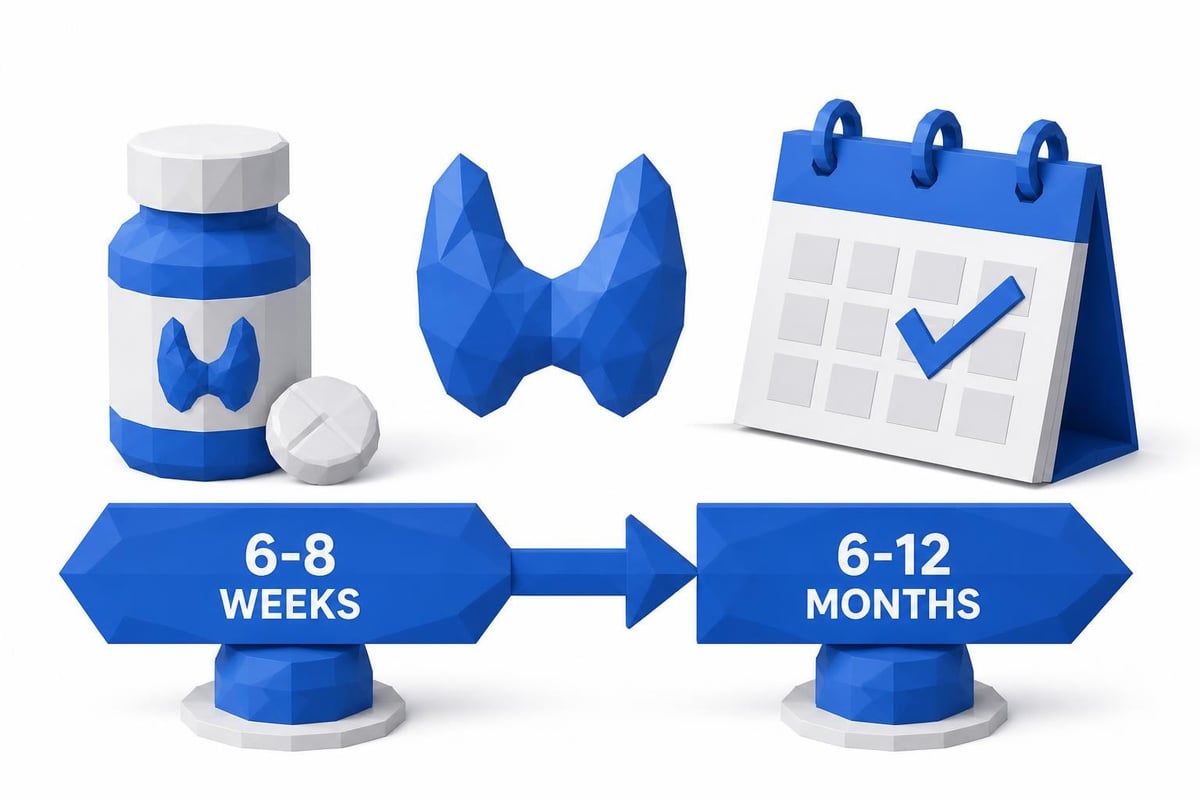
Individuals on thyroid hormone replacement need careful monitoring, especially when first starting treatment. Initial testing typically occurs 6-8 weeks after starting medication or changing dosage, as this allows enough time for TSH levels to stabilize. Once optimal dosing is established, many people can extend testing to every 6-12 months.
Those with untreated subclinical hypothyroidism should retest every 6-12 months to monitor whether the condition progresses. Anyone experiencing new symptoms such as fatigue, weight changes, or temperature sensitivity should retest regardless of their previous schedule.
Understanding appropriate retesting cadences ensures you're tracking thyroid function without excessive testing. Since thyroid hormone levels change slowly, testing more frequently than every 6-8 weeks rarely provides useful information and may lead to unnecessary dose adjustments.
Recommended Panel
Complete Thyroid Panel
Save $3Our most comprehensive thyroid panel includes all 5 essential markers: TSH, Free T4, Free T3, Reverse T3, and both thyroid antibodies. Get the complete picture of your thyroid health.
Includes 6 biomarkers
$84
Vitamin D Retesting Recommendations
Vitamin D deficiency is common, but determining how often should you retest depends on your initial levels and supplementation status. After identifying a deficiency and starting supplementation, retesting after 3 months allows you to verify that your dosage is appropriate and levels are improving.
Once your vitamin D reaches optimal levels (typically 30-50 ng/mL), annual retesting is usually sufficient if you maintain consistent supplementation. However, if you stop supplementing, you should retest after 3-6 months to ensure levels remain adequate.
Certain populations need more vigilant monitoring. People with malabsorption conditions, those taking high-dose prescription vitamin D, or individuals with conditions affecting calcium metabolism may need testing every 3-6 months. For comprehensive health tracking, many people choose to test vitamin D as part of their broader wellness monitoring when they order lab tests online.
Seasonal Considerations
Vitamin D levels naturally fluctuate with sun exposure, which affects retesting timing. If you test in summer when levels peak, retesting in winter provides insight into your lowest levels and whether year-round supplementation is necessary.
Iron Studies and Ferritin Monitoring
Iron status requires different approaches depending on whether you're monitoring for deficiency or excess. For iron deficiency anemia being treated with supplementation, retesting iron stores and ferritin after 2-3 months shows whether treatment is effective. Complete blood counts may be checked sooner to assess red blood cell response.
People with normal iron levels and no risk factors rarely need routine screening. However, menstruating women, frequent blood donors, and those with absorption issues should consider annual monitoring. Those with hereditary hemochromatosis or other iron overload conditions need more frequent monitoring, typically every 3-6 months until stable.
| Condition | Initial Retest | Maintenance Testing |
|---|---|---|
| Iron deficiency on supplements | 2-3 months | Every 6 months until normal |
| Normal levels, no risk factors | As needed | Not routinely required |
| Frequent blood donors | 3-6 months | Every 6-12 months |
| Hemochromatosis (untreated) | 3-6 months | Every 3-6 months |
| Post-treatment monitoring | 6 months | Annually |
Reproductive Hormone Testing
Hormone testing frequency depends on what you're monitoring and your stage of life. For fertility assessments, baseline testing on specific cycle days provides initial information. If pursuing treatment, follow-up timing depends entirely on your treatment protocol and healthcare provider's recommendations.
Women approaching or in perimenopause may benefit from testing every 6-12 months if they're experiencing symptoms and considering hormone therapy. However, evidence-based retesting intervals suggest that hormone levels fluctuate significantly during perimenopause, so frequent testing often creates more confusion than clarity.
Testosterone monitoring in men follows similar principles to other hormones. After identifying low testosterone and starting treatment, retesting occurs after 3-6 months to assess response. Once stable on treatment, annual monitoring is typically adequate.
Important considerations for hormone testing:
- Timing within menstrual cycle affects results significantly
- Single tests rarely tell the complete story
- Symptoms matter more than minor fluctuations
- Treatment monitoring requires individualized schedules
Metabolic Panel Retesting
Comprehensive metabolic panels (CMP) and basic metabolic panels (BMP) assess kidney function, electrolytes, blood sugar, and liver enzymes. For healthy adults, these markers are typically checked annually as part of routine wellness screening. The convenience of modern testing means you can easily access comprehensive panels without waiting for an annual doctor's visit.
People with chronic kidney disease need more frequent monitoring, often every 3-6 months depending on disease stage. Those on medications affecting kidney or liver function should retest as recommended by their healthcare provider, usually every 3-12 months.
After identifying abnormalities, initial retesting often occurs within 1-3 months to determine if the issue persists or was transient. Persistent abnormalities then require ongoing monitoring at intervals determined by severity and treatment approach.

Special Populations and Circumstances
Certain situations warrant deviation from standard retesting recommendations. Pregnant women require specific testing schedules that differ from general guidelines. Athletes optimizing performance may benefit from more frequent tracking of certain markers during training cycles, though fitness evaluation retesting should allow time for measurable adaptations.
Older adults often need more frequent monitoring for multiple markers. People over 50 should discuss appropriate screening intervals with their healthcare provider, as age-related changes affect many biomarkers — which markers to prioritize in your 30s, 40s, and 50s shifts meaningfully with each decade. Additionally, cognitive function testing frequency becomes more relevant with age.
Medication-Driven Testing Schedules
Starting any new medication that affects measurable biomarkers creates a temporary need for closer monitoring. Common examples include:
- Statins requiring lipid and liver enzyme monitoring
- Thyroid medications necessitating TSH checks
- Blood pressure medications affecting kidney function
- Diabetes medications requiring glucose and A1c tracking
- Diuretics that can alter electrolyte balance
Once medication effects stabilize, testing frequency typically decreases to maintenance levels.
Cost Considerations and Testing Access
Understanding how often should you retest also involves practical considerations around cost and convenience. Testing too frequently strains budgets without proportional health benefits, while testing too rarely may miss important changes requiring intervention.
When paying out of pocket, transparent pricing helps you plan retesting schedules that balance health monitoring with budget constraints. Many people find value in establishing a baseline with comprehensive testing, then focusing subsequent tests on specific markers that need tracking.
The ability to retest without requiring new doctor visits for each test order provides flexibility to adjust timing based on symptoms or life changes. This approach particularly benefits people managing chronic conditions who understand their bodies and recognize when rechecking makes sense.
Creating Your Personal Retesting Schedule
Developing an appropriate retesting schedule requires considering your unique health situation. Start by identifying which markers you need to monitor and why. Are you managing an existing condition, optimizing wellness, or tracking treatment response?
Steps to establish your retesting plan:
- Review your most recent lab results and identify any abnormal values
- Note any current medications that require monitoring
- Consider your health goals and what metrics track progress toward them
- Discuss appropriate intervals with your healthcare provider
- Set reminders for upcoming tests to maintain consistency
- Adjust frequency based on results and life changes
Remember that guidelines provide starting points, not rigid rules. Someone showing rapid improvement might extend intervals sooner, while unexpected symptoms warrant earlier retesting regardless of the schedule.
Working With Healthcare Providers
While self-pay lab testing provides convenient access to many tests, healthcare provider input remains valuable for interpreting results and determining optimal retesting frequency. Many people use direct access testing to gather information between regular appointments, bringing results to their provider for discussion.
If you're unsure about how often should you retest a particular marker, understanding lab results helps, but professional guidance ensures you're not over-testing or under-testing. Some situations absolutely require medical oversight, particularly when starting new treatments or managing complex conditions.
The partnership between convenient self-directed testing and professional medical guidance creates the best outcomes. You gain timely access to information about your health while ensuring expert interpretation guides your decisions. This approach works particularly well for stable conditions requiring periodic monitoring rather than constant medical supervision.
Avoiding Common Retesting Mistakes
One frequent error is retesting too soon after making health changes. Biomarkers need time to reflect lifestyle modifications or new treatments. Testing lipids two weeks after starting a diet provides no useful information since changes haven't had time to manifest in your blood work.
Another mistake involves testing during illness or unusual circumstances. A stressful period, recent infection, or unusual diet can temporarily affect many markers. Results obtained during these times don't reflect your true baseline and may prompt unnecessary concern or intervention.
Common retesting pitfalls to avoid:
- Testing before changes have time to affect biomarkers
- Retesting during acute illness or major stress
- Failing to maintain consistent testing conditions (fasting status, time of day)
- Ignoring relevant symptoms while adhering rigidly to a schedule
- Comparing results from different laboratories without considering method variations
Determining how often should you retest requires balancing evidence-based guidelines with your individual health circumstances, goals, and symptoms. Most common markers benefit from testing intervals ranging from 3 months to several years depending on your specific situation. Whether you're monitoring cholesterol every six months, tracking thyroid function quarterly, or checking vitamin D annually, timing your tests appropriately maximizes the value of each result without wasting resources on premature retesting. Justlabs makes it simple to schedule your follow-up lab work at the right intervals with transparent pricing and rapid results, giving you convenient access to the health information you need exactly when you need it.
Related Reading



References
Deshotels MR, Virani SS, Ballantyne CM. Lipid Monitoring After Initiation of Lipid-Lowering Therapies: Return of Performance Measures?. Curr Cardiol Rep. 2021 Jul 16;23(9):116. doi: 10.1007/s11886-021-01545-9. PMID: 34269897. https://pubmed.ncbi.nlm.nih.gov/34269897/
Kalyani RR, Neumiller JJ, Maruthur NM, Wexler DJ. Diagnosis and Treatment of Type 2 Diabetes in Adults: A Review. JAMA. 2025 Sep 16;334(11):984-1002. doi: 10.1001/jama.2025.5956. PMID: 40549398. https://pubmed.ncbi.nlm.nih.gov/40549398/
Echouffo-Tcheugui JB, Perreault L, Ji L, Dagogo-Jack S. Diagnosis and Management of Prediabetes: A Review. JAMA. 2023 Apr 11;329(14):1206-1216. doi: 10.1001/jama.2023.4063. PMID: 37039787. https://pubmed.ncbi.nlm.nih.gov/37039787/
Biondi B, Cappola AR, Cooper DS. Subclinical Hypothyroidism: A Review. JAMA. 2019 Jul 9;322(2):153-160. doi: 10.1001/jama.2019.9052. PMID: 31287527. https://pubmed.ncbi.nlm.nih.gov/31287527/
van der Spoel E, Roelfsema F, van Heemst D. Within-Person Variation in Serum Thyrotropin Concentrations: Main Sources, Potential Underlying Biological Mechanisms, and Clinical Implications. Front Endocrinol (Lausanne). 2021;12:619568. doi: 10.3389/fendo.2021.619568. PMID: 33716972. https://pubmed.ncbi.nlm.nih.gov/33716972/