For women navigating menopause hormone therapy, regular laboratory monitoring forms the foundation of safe and effective treatment. Whether you're taking oral estradiol, transdermal patches, or bioidentical formulations, understanding which markers require tracking and when to test them empowers you to participate actively in your care. Self-pay lab testing services have transformed access to hormone therapy monitoring labs menopause patients need, eliminating insurance delays and reducing costs while delivering results in days rather than weeks.
Understanding the Purpose of Hormone Therapy Monitoring
Hormone therapy monitoring serves multiple clinical objectives beyond simply confirming that medication is being absorbed. Laboratory tests help clinicians assess whether hormone levels fall within therapeutic ranges, identify potential adverse effects before they become symptomatic, and adjust dosing to match individual metabolism and response patterns.
The 2022 Hormone Therapy Position Statement from The Menopause Society emphasizes individualized treatment approaches. This means your monitoring schedule and specific tests may differ from another woman's based on your formulation type, route of administration, medical history, and symptom response.
Baseline vs. Follow-Up Testing
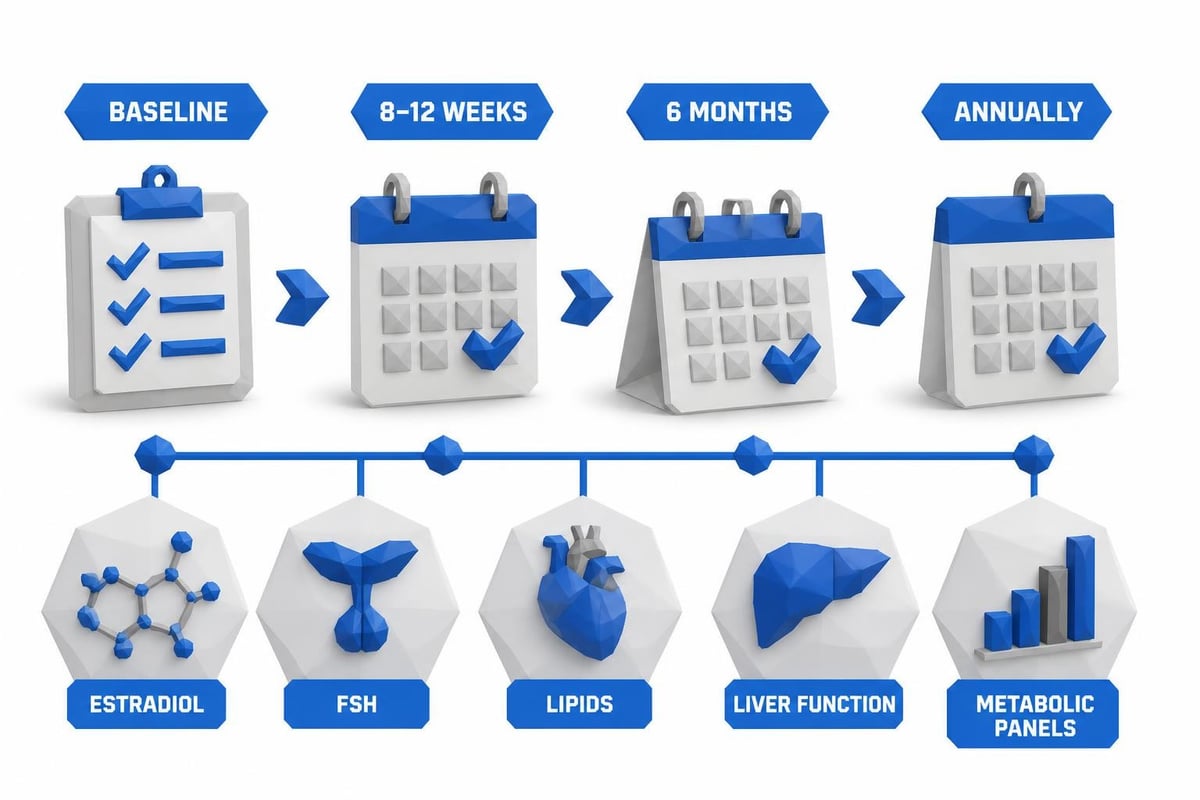
Before initiating hormone therapy, baseline testing establishes your starting point. These initial values provide comparison data for future tests and help identify pre-existing conditions that might influence treatment selection.
Baseline tests typically include:
- Estradiol (E2)
- Follicle-stimulating hormone (FSH)
- Thyroid-stimulating hormone (TSH)
- Lipid panel
- Liver function tests
- Fasting glucose or hemoglobin A1c
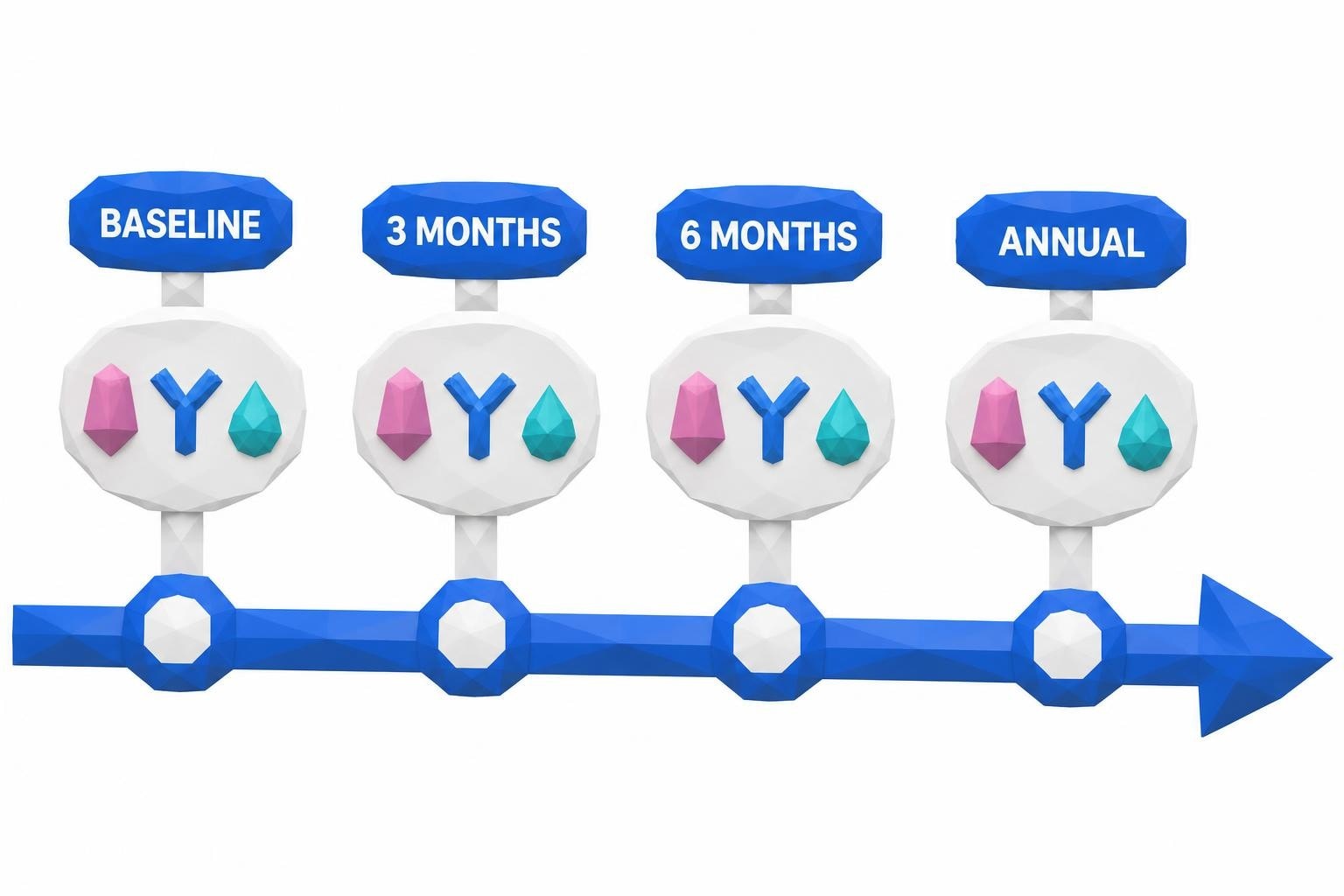
Follow-up testing occurs at strategic intervals to evaluate treatment effectiveness and safety. The first follow-up generally happens 8-12 weeks after starting therapy or changing dosage, allowing sufficient time for steady-state hormone levels to develop.
Core Hormone Markers Worth Tracking
When discussing hormone therapy monitoring labs menopause management requires, estradiol measurement stands as the most clinically relevant marker for most patients. This primary female sex hormone directly correlates with symptom relief and therapeutic goals.
Estradiol: The Primary Target
Estradiol levels guide dosing adjustments, particularly for transdermal formulations where absorption varies significantly between individuals. Target ranges typically fall between 40-100 pg/mL for symptom management, though optimal levels remain individualized.
The Endocrine Society has highlighted significant challenges in estradiol measurement accuracy. Standard immunoassays often lack sensitivity at lower concentrations, leading to unreliable results. Liquid chromatography-tandem mass spectrometry (LC-MS/MS) provides superior accuracy, especially for women on lower-dose regimens or transdermal preparations.
| Test Method | Accuracy at Low Levels | Best Use Case | Limitations |
|---|---|---|---|
| Immunoassay | Poor below 50 pg/mL | High-dose oral therapy | Cross-reactivity issues |
| LC-MS/MS | Excellent at all ranges | All formulations | Higher cost, limited availability |
| ECLIA | Moderate | Mid-range monitoring | Variable between platforms |
FSH and Its Role in Monitoring
Follicle-stimulating hormone typically remains elevated during menopause. While FSH measurement helps confirm menopausal status initially, its value for ongoing monitoring remains limited once therapy begins. Estrogen supplementation often suppresses FSH, but the degree of suppression doesn't necessarily correlate with treatment adequacy or symptom control.
Most clinicians order FSH at baseline and occasionally during follow-up, but not at every monitoring interval. Women who order labs without a doctor should understand that FSH tracking provides less actionable information than estradiol levels once treatment is established.
Progesterone Considerations
Women with an intact uterus receiving estrogen therapy require progestin or progesterone to protect the endometrium. However, progesterone levels typically aren't monitored in women taking cyclic or continuous combined regimens at standard doses.
Monitoring becomes relevant for women using micronized progesterone or experiencing breakthrough bleeding. In these cases, measuring progesterone helps verify adequate endometrial protection.
Metabolic and Safety Monitoring
Beyond hormone levels themselves, hormone therapy monitoring labs menopause safety protocols include metabolic markers that detect potential adverse effects before they cause clinical problems.
Lipid Panel Changes
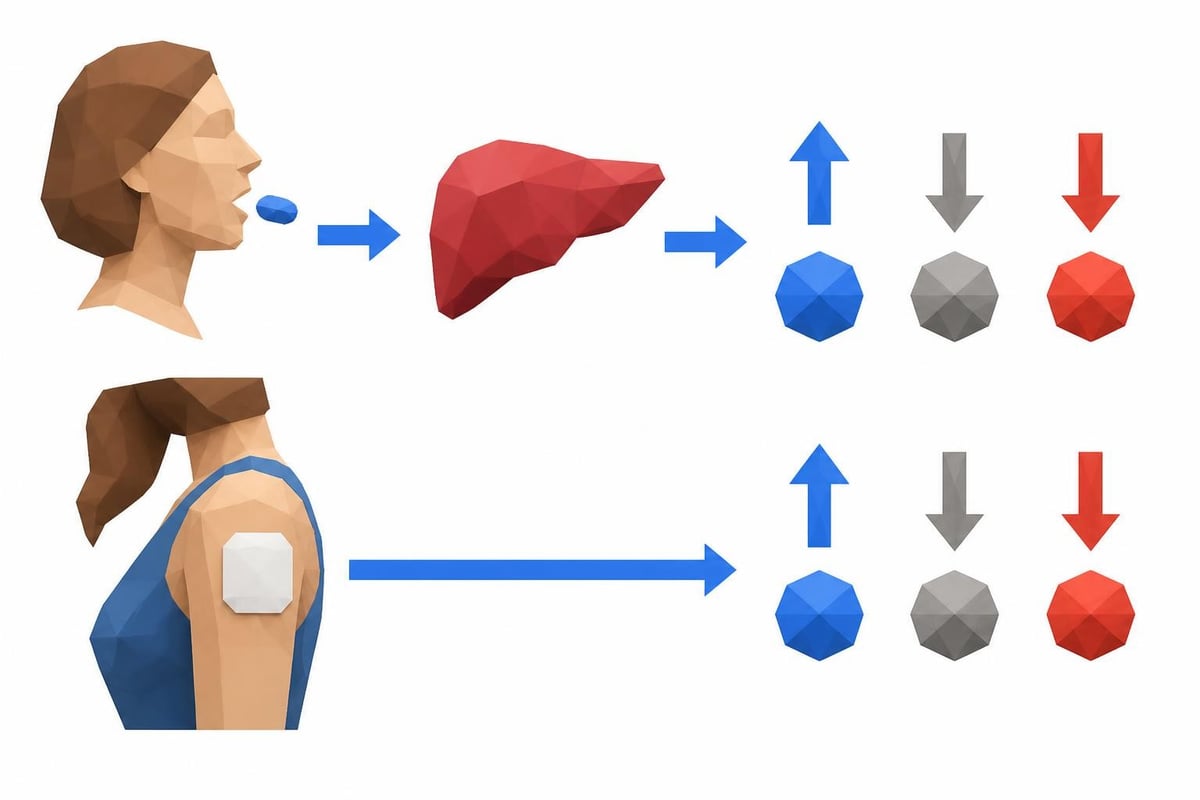
Estrogen therapy influences lipid metabolism, generally improving the lipid profile by raising HDL cholesterol and lowering LDL cholesterol. However, oral estrogen can elevate triglycerides in susceptible individuals, particularly at higher doses.
Recommended lipid monitoring schedule:
- Baseline lipid panel before therapy initiation
- Follow-up at 3-6 months after starting or changing formulation
- Annual monitoring thereafter if stable
- More frequent testing if baseline triglycerides exceed 200 mg/dL
Transdermal estrogen typically has less impact on triglycerides than oral formulations, making the route of administration relevant when interpreting results.
Liver Function Assessment
Oral estrogen undergoes first-pass hepatic metabolism, potentially affecting liver enzyme levels. Women with pre-existing liver conditions or those taking other medications metabolized hepatically require careful monitoring.
Basic liver function tests include alanine aminotransferase (ALT), aspartate aminotransferase (AST), alkaline phosphatase, and total bilirubin. Baseline testing followed by annual monitoring typically suffices for healthy women, though more frequent assessment may be warranted based on individual risk factors.
Glucose and Insulin Resistance
Menopause and aging increase diabetes risk independent of hormone therapy. Some studies suggest estrogen therapy may improve insulin sensitivity, while others show neutral effects. Regardless, monitoring glucose metabolism remains important for long-term health.
Testing options include fasting glucose, hemoglobin A1c, or oral glucose tolerance testing for higher-risk individuals. Annual assessment allows early detection of prediabetes or diabetes development. The basic wellness panel typically includes glucose screening as part of comprehensive metabolic monitoring.
Testing Interval Recommendations
The optimal frequency for hormone therapy monitoring labs menopause patients need depends on multiple factors including treatment duration, stability of symptoms and lab values, and individual health considerations.
First Year of Therapy
During the initial treatment year, more frequent monitoring helps establish effective dosing and identify any concerning trends early:
- Weeks 8-12: First follow-up including estradiol, FSH (optional), and safety markers
- Month 6: Second assessment if doses were adjusted or symptoms persist
- Month 12: Comprehensive annual panel before transitioning to maintenance monitoring
This intensive early monitoring catches issues when dose modifications yield the most benefit. Women experiencing persistent symptoms despite seemingly adequate hormone levels may require formulation changes rather than dose increases.
Maintenance Phase Monitoring
After the first year, if hormone levels stabilize and symptoms remain controlled, testing frequency typically decreases:
| Time Point | Hormone Markers | Metabolic/Safety Markers | Clinical Rationale |
|---|---|---|---|
| Annual | Estradiol | Lipids, liver, glucose, TSH | Comprehensive assessment |
| Biannual | Optional estradiol | None unless indicated | Symptom-driven monitoring |
| As needed | Estradiol | Targeted based on symptoms | Dose adjustment verification |
Some practitioners advocate for symptom-based monitoring rather than routine hormone level checking once treatment is stable. This approach prioritizes how women feel over numerical targets, checking labs primarily when symptoms change or safety concerns arise.
Situations Requiring More Frequent Testing
Certain circumstances warrant increased monitoring frequency beyond standard intervals:
- Changing formulations or delivery methods
- Adding or removing other medications that affect hormone metabolism
- New symptoms suggesting over- or under-dosing
- Abnormal results on previous testing
- Chronic conditions affecting hormone metabolism (liver disease, thyroid disorders)
Self-pay lab testing provides flexibility for women needing interim monitoring between scheduled visits. Rather than waiting months for appointments, direct access to testing enables prompt dose adjustments when circumstances change.
Test Methodology Considerations
The consensus statement on sexual steroid measurement emphasizes selecting appropriate analytical methods for different clinical scenarios. Not all laboratory tests perform equally, and understanding these differences helps interpret results accurately.
Mass Spectrometry vs. Immunoassays
For estradiol measurement in women on hormone therapy, especially at lower doses or using transdermal routes, LC-MS/MS offers substantial advantages over traditional immunoassays. The review on mass spectrometry assays for steroid hormones demonstrates superior performance at physiologic female hormone concentrations.
When LC-MS/MS particularly matters:
- Transdermal estrogen therapy (typically produces lower serum levels)
- Low-dose oral preparations
- Monitoring in women with baseline values below 50 pg/mL
- Discrepancy between symptoms and immunoassay results
- Suspected assay interference from other medications
Recommended Test
Estradiol, Ultrasensitive, LC/MS
The ultrasensitive estradiol test uses advanced LC/MS technology to accurately measure very low estradiol levels that standard immunoassay tests cannot reliably detect — making it the preferred choice for men, children, and postmenopausal women.
Includes 1 biomarkers
$29
While LC-MS/MS costs more than standard immunoassays, the improved accuracy often justifies the expense when clinical decisions depend on precise hormone quantification. Some lab testing services specify methodology, allowing informed selection.
Understanding Reference Ranges
Laboratory reference ranges for estradiol often reflect premenopausal cycling women, making them less relevant for postmenopausal women on hormone therapy. Your target range depends on treatment goals and symptom response rather than matching premenopausal values.
Most practitioners aim for estradiol levels that relieve vasomotor symptoms while minimizing risks, typically 40-100 pg/mL. However, some women feel best at lower or higher levels within a safe therapeutic window. This variability underscores why monitoring combines laboratory values with symptom assessment.

Beyond Hormones: Complete Monitoring Approach
Comprehensive hormone therapy monitoring labs menopause care requires extends beyond sex hormones to include markers affecting overall health and treatment safety.
Thyroid Function
Thyroid disorders become increasingly common during midlife and produce symptoms overlapping with menopause, including fatigue, temperature dysregulation, and mood changes. TSH screening at baseline and annually helps distinguish thyroid dysfunction from inadequate hormone replacement.
Oral estrogen can increase thyroid-binding globulin, potentially necessitating thyroid medication adjustments in women on levothyroxine. Monitoring TSH and free T4 every 6-12 months helps optimize both hormone replacement and thyroid treatment.
Vitamin D and Bone Health Markers
While not specifically monitoring hormone therapy effects, vitamin D levels and bone turnover markers support comprehensive menopause care. Adequate vitamin D (typically targeting 30-50 ng/mL) supports bone health alongside estrogen therapy.
Some practitioners order bone-specific alkaline phosphatase or C-telopeptide to assess bone turnover, though these markers aren't routinely necessary for all women on hormone therapy. Women with osteoporosis risk factors benefit most from this additional monitoring.
Complete Blood Count
Baseline CBC identifies pre-existing anemia or blood disorders. Annual CBC monitoring helps detect unexpected changes, though hormone therapy typically doesn't directly affect blood counts unless bleeding patterns change significantly.
Cost Considerations and Access
Traditional hormone therapy monitoring through insurance often involves copays for multiple visits, authorization delays, and limited provider availability. These barriers can discourage appropriate testing frequency.
Direct-access laboratory services address these challenges by offering transparent pricing and eliminating insurance complexity. Women can order comprehensive hormone panels at predictable costs, often lower than insurance copays and deductibles.
Financial advantages of self-pay testing:
- No surprise bills or balance billing
- Transparent pricing before ordering
- HSA and FSA eligible for tax-advantaged payment
- No authorization requirements or denials
- Results in 1-3 days versus weeks waiting for appointments
This accessibility supports appropriate monitoring intervals without financial barriers discouraging needed testing. Women experiencing symptom changes can obtain timely lab work rather than postponing assessment due to cost or access concerns.
Interpreting Results and Next Steps
Receiving laboratory results represents only part of the monitoring process. Understanding what results mean and when adjustments may be appropriate requires integration of multiple factors.
When Results Suggest Dose Changes
Estradiol levels significantly below target range (under 40 pg/mL) combined with persistent vasomotor symptoms often indicate inadequate dosing. Conversely, very high levels (over 200 pg/mL) without corresponding symptom benefit might justify dose reduction, particularly to minimize potential risks.
However, hormone levels alone don't dictate management. A woman with estradiol at 30 pg/mL who feels completely well may not require dose increases, while another with levels at 80 pg/mL might still experience hot flashes necessitating adjustment.
Addressing Abnormal Safety Markers
Elevated liver enzymes, worsening lipids, or rising glucose levels require evaluation even when hormone levels appear optimal. These findings might prompt:
- Switching from oral to transdermal estrogen
- Adjusting progestin type or dose
- Adding or modifying other medications
- Increasing monitoring frequency
- Comprehensive evaluation for alternative causes
Safety monitoring protects against potential adverse effects while allowing continuation of effective hormone therapy when appropriately adjusted.
Partnering with Healthcare Providers
While obtaining lab tests without insurance offers convenience and cost savings, interpreting complex results and adjusting prescriptions requires medical expertise. Self-pay laboratory services work best as tools supporting, not replacing, qualified healthcare guidance.
Bringing comprehensive test results to appointments enables productive conversations focused on optimization rather than spending visit time on logistics and test ordering. This partnership approach leverages both convenient testing access and professional medical judgment.
Special Populations and Circumstances
Certain groups require modified monitoring approaches based on unique factors affecting hormone therapy or metabolism.
Women with Prior Cancer History
Breast cancer survivors considering or using hormone therapy need individualized monitoring plans developed with oncology input. More frequent assessment of safety markers and symptom evaluation may be appropriate, though specific hormone level monitoring recommendations vary based on cancer type, treatment history, and time since diagnosis.
Compounded Bioidentical Hormones
Women using compounded formulations face additional monitoring challenges. Dose consistency varies between compounding pharmacies and even between batches, making hormone level monitoring more important for verifying expected absorption and consistent dosing.
LC-MS/MS testing becomes particularly valuable for compounded preparations since immunoassays may show unexpected cross-reactivity with formulation excipients or degradation products.
Premature or Surgical Menopause
Women experiencing menopause before age 40 or following bilateral oophorectomy often require higher estrogen doses than naturally menopausal women to achieve adequate replacement. Their monitoring might target higher estradiol levels (80-150 pg/mL) more consistent with premenopausal physiology.
These women also benefit from earlier and more comprehensive cardiovascular and bone health monitoring given their extended exposure duration and higher baseline risks.
Recommended Panel
Female Hormone Panel
Save $7This comprehensive panel measures all major female hormones: estrogen, progesterone, reproductive hormones (FSH/LH), and androgens (testosterone/DHEA-S) - essential for understanding hormonal balance.
Includes 7 biomarkers
$105
Related reading

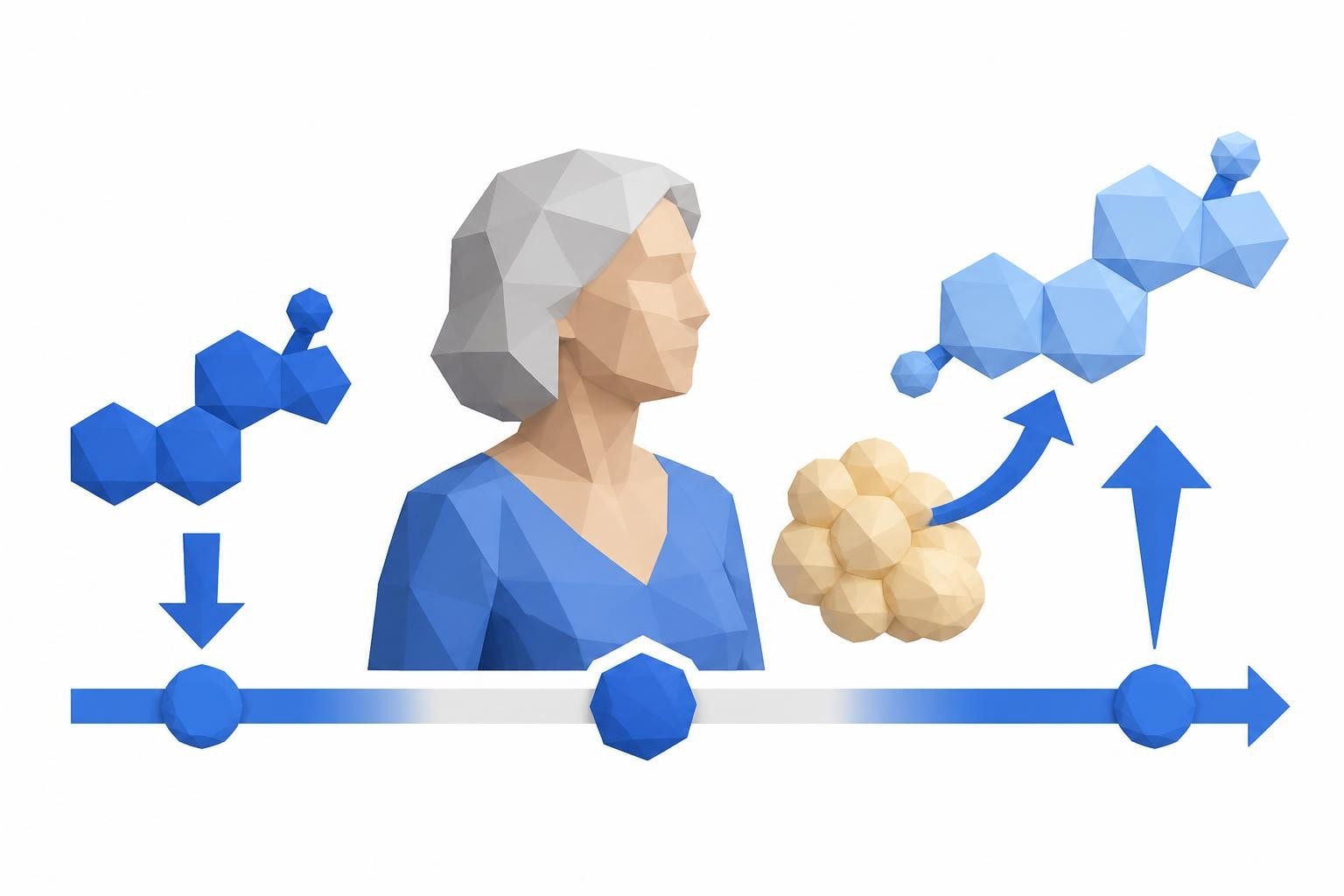

Effective hormone therapy monitoring combines strategic laboratory testing with symptom assessment and safety surveillance. Understanding which markers matter, when to test them, and how to interpret results empowers you to participate actively in optimizing your treatment. For convenient access to hormone therapy monitoring labs menopause patients need, Justlabs offers transparent pricing and rapid results without insurance complexity, supporting your partnership with healthcare providers through accessible, affordable testing.
References
Crandall CJ, Mehta JM, Manson JE. Management of Menopausal Symptoms: A Review. JAMA. 2023 Feb 7;329(5):405-420. doi: 10.1001/jama.2022.24140. PMID: 36749328. https://pubmed.ncbi.nlm.nih.gov/36749328/
Goldštajn MŠ, Mikuš M, Ferrari FA, Bosco M, Uccella S, Noventa M, Török P, Terzic S, Laganà AS, Garzon S. Effects of transdermal versus oral hormone replacement therapy in postmenopause: a systematic review. Arch Gynecol Obstet. 2023 Jun;307(6):1727-1745. doi: 10.1007/s00404-022-06647-5. PMID: 35713694. https://pubmed.ncbi.nlm.nih.gov/35713694/
Glynne SJ, Simon JA. Tailoring transdermal estradiol dose to maximize benefits and minimize risks. Menopause. 2026 Jun 1;33(6):743-753. doi: 10.1097/GME.0000000000002723. PMID: 41529140. https://pubmed.ncbi.nlm.nih.gov/41529140/
Ketha H, Girtman A, Singh RJ. Estradiol assays--The path ahead. Steroids. 2015 Jul;99(Pt A):39-44. doi: 10.1016/j.steroids.2014.08.009. PMID: 25159104. https://pubmed.ncbi.nlm.nih.gov/25159104/
Hall JE. Endocrinology of the Menopause. Endocrinol Metab Clin North Am. 2015 Sep;44(3):485-96. doi: 10.1016/j.ecl.2015.05.010. PMID: 26316238. https://pubmed.ncbi.nlm.nih.gov/26316238/
del Ghianda S, Tonacchera M, Vitti P. Thyroid and menopause. Climacteric. 2014 Jun;17(3):225-34. doi: 10.3109/13697137.2013.838554. PMID: 23998691. https://pubmed.ncbi.nlm.nih.gov/23998691/