Millions of Americans take selective serotonin reuptake inhibitors (SSRIs) for depression, anxiety, and other mental health conditions. While these medications are generally well-tolerated, many patients and healthcare providers wonder: do SSRIs raise your prolactin levels? Understanding this connection matters because elevated prolactin can affect reproductive health, bone density, and overall wellbeing. This article examines the scientific evidence behind SSRI-induced prolactin changes, identifies which medications carry the greatest risk, and explains when hormone testing makes sense.
Big picture
- SSRIs can increase prolactin levels through their effects on brain serotonin pathways that normally suppress prolactin secretion from the pituitary gland.
- Not all SSRIs affect prolactin equally-some medications show stronger associations with elevated levels than others, and individual responses vary widely.
- Elevated prolactin may cause symptoms including irregular periods, breast tenderness, sexual dysfunction, reduced bone density, and in some cases, galactorrhea (unexpected milk production).
- Testing is straightforward and accessible-prolactin blood tests can identify elevations, and services like Justlabs allow you to order hormone testing without insurance hassles or lengthy doctor appointments.
- Most cases are manageable-if SSRIs do raise your prolactin levels, healthcare providers can adjust medications, monitor symptoms, or address underlying causes without abandoning effective mental health treatment.
How SSRIs Influence Prolactin Secretion
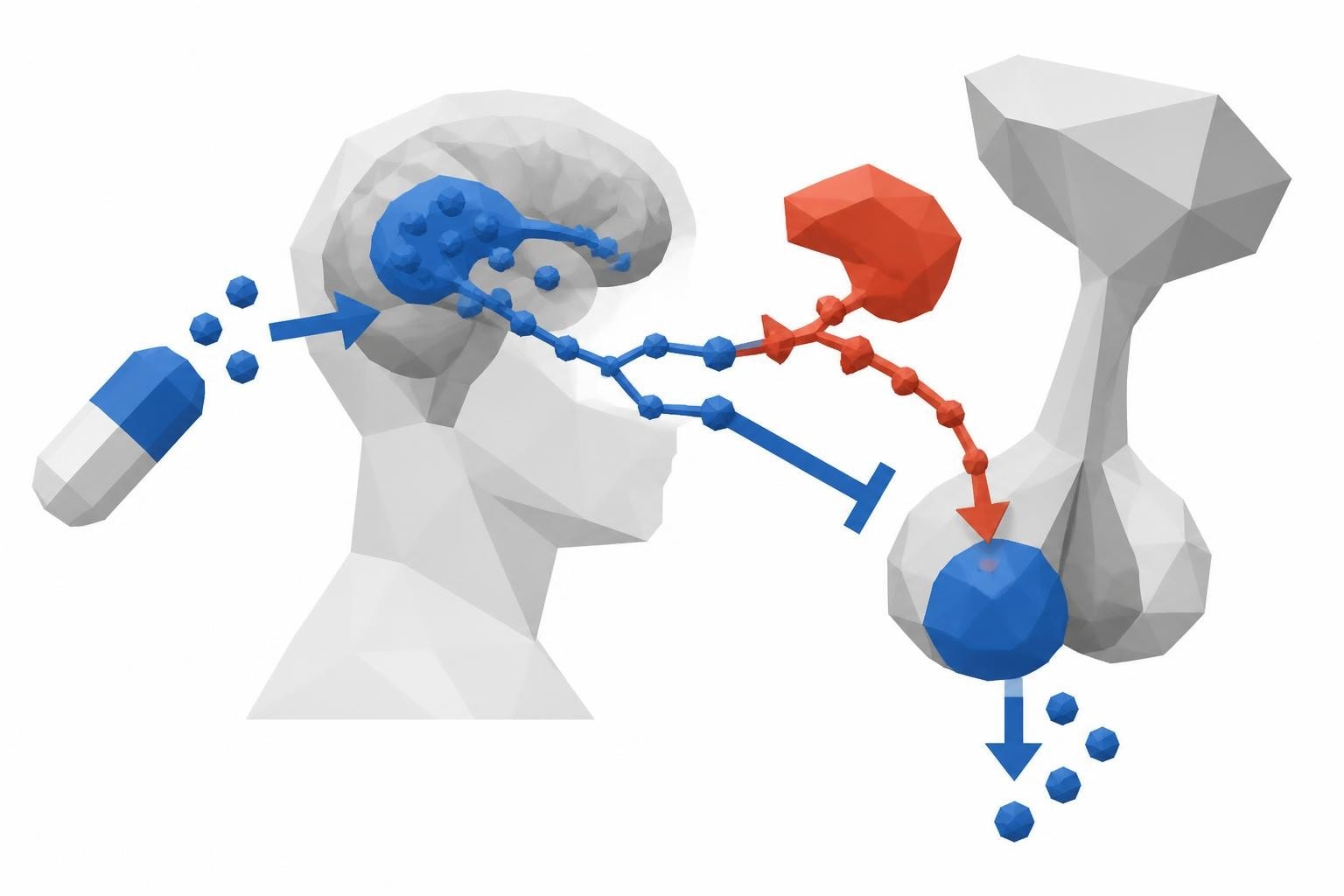
The question "do SSRIs raise your prolactin levels" requires understanding the brain chemistry involved. Prolactin is a hormone produced by the pituitary gland, primarily known for its role in milk production but also involved in immune function, metabolism, and reproductive health. Under normal conditions, dopamine acts as the main brake on prolactin release-when dopamine binds to receptors on pituitary cells, it suppresses prolactin secretion.
SSRIs work by blocking serotonin reuptake, increasing serotonin availability in the brain. This enhanced serotonin activity affects multiple neural pathways, including those that regulate dopamine neurons in the tuberoinfundibular system. Research on serotonin-prolactin interactions demonstrates that increased serotonin can reduce dopamine release in the pathway controlling the pituitary gland.
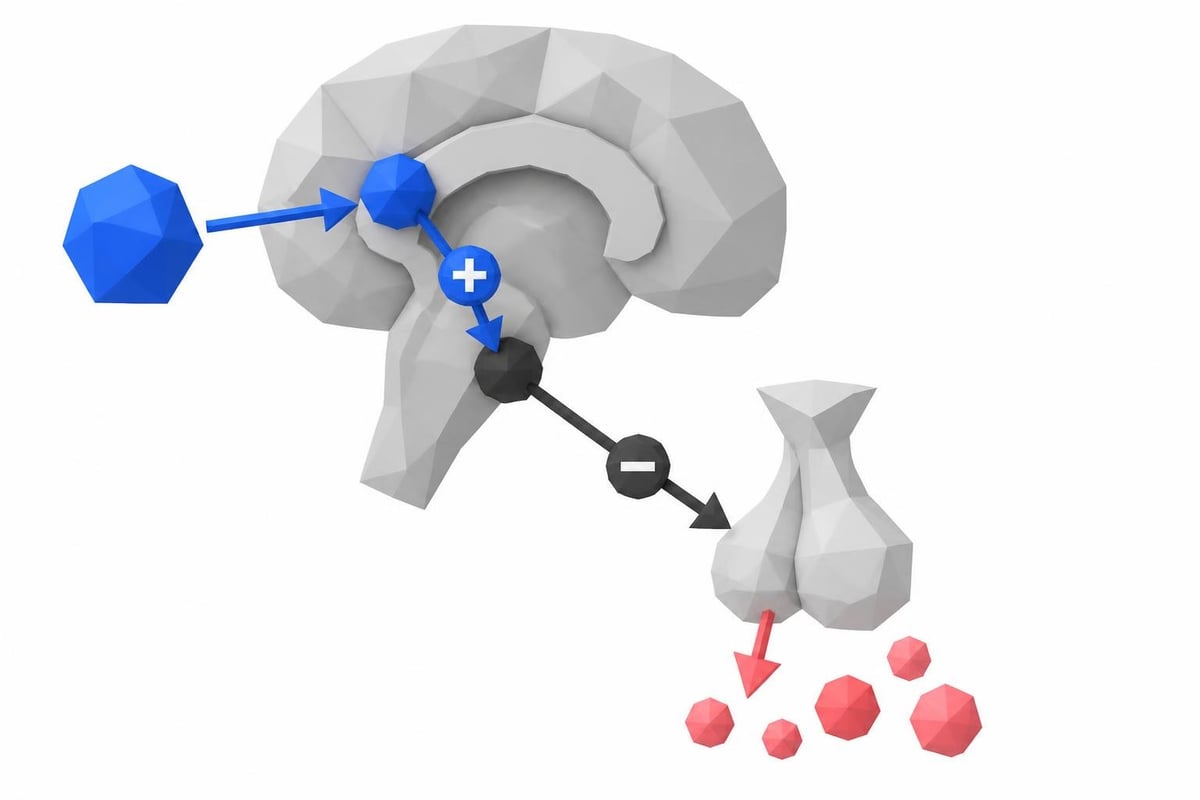
When dopamine levels drop in this specific brain region, the pituitary gland loses its primary inhibitory signal. Without adequate dopamine suppression, lactotroph cells in the pituitary increase prolactin production and release. This mechanism explains why medications that increase serotonin activity may inadvertently raise prolactin levels.
The Dose-Response Relationship
Evidence suggests that SSRI effects on prolactin often follow a dose-dependent pattern. Higher doses of these medications typically produce greater serotonin enhancement, which can translate to more pronounced dopamine suppression and consequently higher prolactin elevations. However, this relationship isn't perfectly linear, and individual variation plays a significant role.
Some patients experience elevated prolactin at low therapeutic doses, while others maintain normal levels even on maximum recommended doses. Genetic differences in serotonin receptors, dopamine synthesis, and drug metabolism all contribute to these individual responses.
Which SSRIs Are Most Likely to Affect Prolactin
Not all SSRIs demonstrate equal propensity for raising prolactin levels. Clinical studies and case reports have identified patterns that help predict which medications carry higher risk.
High-Risk SSRIs
Fluoxetine (Prozac) appears most frequently in reports of SSRI-related hyperprolactinemia. Its long half-life and active metabolite may contribute to sustained serotonin enhancement and prolonged effects on the dopamine-prolactin pathway. Multiple studies document prolactin elevations in patients taking fluoxetine at therapeutic doses.
Sertraline (Zoloft) also shows significant associations with prolactin increases. As one of the most commonly prescribed SSRIs, sertraline accounts for numerous documented cases of elevated prolactin, though the incidence rate remains relatively modest compared to total users.
Paroxetine (Paxil) demonstrates prolactin-elevating effects in clinical research, particularly at higher doses. Its potent serotonin reuptake inhibition may explain these observations.
Moderate to Lower Risk Options
| Medication | Risk Level | Notable Characteristics |
|---|---|---|
| Citalopram (Celexa) | Moderate | Fewer case reports than fluoxetine; selective serotonin action |
| Escitalopram (Lexapro) | Moderate-Low | Active isomer of citalopram; similar profile |
| Fluvoxamine (Luvox) | Variable | Less commonly prescribed; limited comparative data |
A comprehensive review of SSRI effects on the endocrine system highlights that while all SSRIs theoretically can influence prolactin through their serotonergic mechanisms, real-world incidence varies substantially. The research acknowledges significant gaps in head-to-head comparison studies, making definitive rankings difficult.
Clinical Evidence: How Common Is This Effect?
When patients ask "do SSRIs raise your prolactin levels," they often want to know how likely this side effect actually is. The published literature suggests that while measurable prolactin increases occur relatively frequently in laboratory studies, clinically significant elevations causing symptoms are less common.
Research examining pharmacological causes of hyperprolactinemia indicates that antidepressants, including SSRIs, represent a recognized category of medications capable of elevating prolactin. However, precise incidence rates remain unclear due to:
- Limited systematic screening of prolactin levels in SSRI users
- Variation in baseline prolactin levels across populations
- Differences in what constitutes "elevated" versus "normal high" prolactin
- Under-reporting of mild or asymptomatic elevations
Study Findings
Clinical trials of SSRIs typically report prolactin changes as secondary endpoints. Acute studies often show transient elevations after initial doses, with some normalization over weeks to months. Long-term studies present mixed results-some patients maintain elevated levels indefinitely, while others return to baseline despite continued medication use.
Population-based studies suggest that symptomatic hyperprolactinemia affects a small minority of SSRI users, likely under 5-10%. However, asymptomatic mild elevations may occur more frequently without being detected unless specific testing occurs.

Symptoms and Health Implications of Elevated Prolactin
Understanding whether SSRIs raise your prolactin levels matters most when considering potential health consequences. Prolactin elevation can produce various symptoms depending on the degree and duration of elevation.
Common Symptoms in Women
- Menstrual irregularities: Shortened cycles, missed periods, or complete cessation of menstruation
- Galactorrhea: Unexpected milk production or breast discharge not related to pregnancy or nursing
- Breast tenderness: Discomfort, swelling, or sensitivity
- Sexual dysfunction: Reduced libido, difficulty with arousal, or anorgasmia
- Fertility challenges: Elevated prolactin can suppress ovulation
Common Symptoms in Men
- Sexual dysfunction: Erectile difficulties, reduced libido, delayed ejaculation
- Gynecomastia: Breast tissue development or enlargement
- Galactorrhea: Less common than in women but possible
- Reduced testosterone: Prolactin elevation can suppress testosterone production
- Fertility issues: Lower sperm production and quality
Long-Term Health Considerations
Chronic prolactin elevation carries additional concerns beyond immediate symptoms. Prolonged hyperprolactinemia can reduce bone mineral density, potentially increasing osteoporosis risk over years. This occurs because elevated prolactin suppresses sex hormones (estrogen and testosterone), which play crucial roles in bone health.
The metabolic effects of prolactin also warrant attention. Some research suggests associations between elevated prolactin and insulin resistance, though the clinical significance remains under investigation.
When to Test Your Prolactin Levels
Not everyone taking SSRIs needs routine prolactin testing. However, specific situations warrant consideration of hormone evaluation.
Testing Indications
You should consider prolactin testing if you:
- Experience symptoms consistent with hyperprolactinemia (irregular periods, unexpected breast changes, sexual dysfunction)
- Have fertility concerns while taking SSRIs
- Develop new menstrual changes after starting or increasing antidepressant medication
- Notice bone density issues or have osteoporosis risk factors
- Want baseline information before starting SSRI therapy if you have pre-existing hormone concerns
Testing through services offering labs without insurance makes hormone evaluation accessible without requiring pre-authorization or extensive medical visits. Results typically arrive within 1-3 days, providing quick answers to the question of whether your SSRI has affected prolactin levels.
Optimal Testing Conditions
Prolactin levels fluctuate throughout the day and respond to various stimuli. For accurate results:
- Schedule morning draws when prolactin is typically most stable
- Avoid breast stimulation for 24 hours before testing
- Minimize stress as anxiety can temporarily elevate prolactin
- Fast for 8-12 hours if recommended, though not always required
- Avoid vigorous exercise immediately before blood collection
- Inform the lab of all medications, including SSRIs
Recommended Test
Prolactin
Prolactin is a pituitary hormone primarily known for stimulating milk production. Elevated levels can cause infertility, irregular periods, and other hormonal symptoms.
Includes 1 biomarkers
$12
Fasting required
Managing SSRI-Related Prolactin Elevation
If testing confirms that SSRIs do raise your prolactin levels, several management strategies exist. The appropriate approach depends on symptom severity, prolactin elevation degree, and mental health treatment priorities.
Medication Adjustments
| Strategy | Considerations | Effectiveness |
|---|---|---|
| Dose reduction | May maintain therapeutic benefit with less hormonal impact | Variable; requires monitoring depression/anxiety symptoms |
| Switch SSRIs | Change to medication with lower prolactin risk | Often effective; transition period needed |
| Switch medication class | Consider SNRIs, bupropion, or other alternatives | May resolve prolactin issue; different side effect profile |
| Add dopamine agonist | Cabergoline or bromocriptine to directly lower prolactin | Effective but adds medication complexity |
Monitoring Approach
For asymptomatic patients with mild elevations, watchful waiting with periodic testing may be reasonable. Regular prolactin measurements every 3-6 months help track whether levels stabilize, increase, or resolve spontaneously. This approach works best when:
- Prolactin elevation is modest (less than twice the upper limit of normal)
- No symptoms are present
- Bone density and menstrual function remain normal
- The SSRI provides significant mental health benefit
Convenient lab test pricing makes serial monitoring financially feasible without the markup typically associated with hospital-based testing.
Factors That Influence Individual Risk
Beyond medication choice, several patient-specific factors affect whether SSRIs will raise prolactin levels and to what degree.
Biological Variables
Sex and age play important roles. Women generally have higher baseline prolactin levels than men and may be more susceptible to medication-induced increases. Premenopausal women show different patterns than postmenopausal women due to varying hormone environments.
Genetic variation in serotonin receptor types, dopamine receptor sensitivity, and drug metabolism enzymes contributes to individual differences. Some people metabolize SSRIs more slowly, leading to higher blood levels and potentially greater effects on prolactin regulation.
Baseline prolactin levels matter significantly. Patients starting with higher-normal prolactin may cross into elevated territory more easily than those with low-normal baseline values.
Concurrent Medications
Other medications can compound SSRI effects on prolactin:
- Antipsychotics: Many dopamine antagonists strongly elevate prolactin
- Antiemetics: Metoclopramide and similar drugs block dopamine
- Blood pressure medications: Some antihypertensives affect prolactin
- Opioids: Chronic use can raise prolactin levels
- Hormone therapies: Estrogen and other hormones influence prolactin regulation

When multiple prolactin-elevating factors converge, the cumulative risk increases substantially. Reviewing all medications with healthcare providers helps identify potential interactions.
Key takeaways
Understanding whether SSRIs raise your prolactin levels requires recognizing both the biological mechanisms and individual variability involved. While the serotonin-dopamine-prolactin pathway provides a clear theoretical basis for this effect, real-world outcomes vary widely among patients. Some SSRIs, particularly fluoxetine and sertraline, show stronger associations with prolactin elevation, but any medication in this class could potentially affect hormone levels.
Symptoms of elevated prolactin range from menstrual changes and sexual dysfunction to breast tenderness and fertility concerns. Not everyone with elevated prolactin experiences symptoms, and not everyone taking SSRIs develops elevated prolactin. Testing provides definitive answers when concerns arise, and modern lab services make hormone evaluation straightforward and affordable.
Management strategies exist for patients who do experience SSRI-related prolactin elevation. Medication adjustments, dose modifications, or careful monitoring can usually balance mental health needs with hormonal wellbeing. The key is recognizing the possibility, testing when appropriate, and working with healthcare providers to optimize both psychiatric treatment and overall health.
FAQ
How long after starting an SSRI will prolactin levels increase?
Prolactin changes can occur within hours to days of starting SSRI treatment, as the serotonin enhancement begins immediately. However, peak elevations may not appear until several weeks into therapy. Some patients show early transient increases that normalize over time, while others develop persistent elevations. Testing at 4-8 weeks after starting or changing SSRI doses provides a reasonable timeline for assessment.
Can I prevent prolactin elevation while taking SSRIs?
No guaranteed prevention method exists, but choosing SSRIs with lower prolactin risk (such as escitalopram over fluoxetine) may reduce likelihood. Using the lowest effective dose also minimizes risk. Regular monitoring helps detect elevations early, and lifestyle factors like stress management may play supporting roles. However, individual biology ultimately determines susceptibility more than preventive measures.
Will stopping my SSRI reverse elevated prolactin?
In most cases, yes. SSRI-induced prolactin elevation typically resolves within days to weeks after discontinuing the medication, as serotonin levels normalize and dopamine suppression ends. However, SSRI discontinuation should always occur under medical supervision due to potential withdrawal symptoms and depression/anxiety recurrence. Testing prolactin levels 4-6 weeks after stopping confirms normalization.
Do other antidepressants besides SSRIs affect prolactin?
Yes, though patterns differ. SNRIs (serotonin-norepinephrine reuptake inhibitors) can raise prolactin but typically show less pronounced effects than SSRIs. Tricyclic antidepressants occasionally elevate prolactin. Bupropion (Wellbutrin) rarely affects prolactin and sometimes serves as an alternative for patients with SSRI-related elevations. MAO inhibitors show variable effects.
Should I test my prolactin before starting an SSRI?
Baseline testing isn't routinely necessary for most patients but can be valuable if you have risk factors (family history of hormone disorders, irregular menstrual cycles, fertility concerns, or osteoporosis risk). Knowing your baseline helps determine whether future elevations are medication-related. Services like Justlabs make pre-treatment testing accessible without requiring extensive doctor visits, allowing you to establish baseline values for future comparison.
Can high prolactin from SSRIs cause weight gain?
The relationship is complex. Elevated prolactin itself may contribute to metabolic changes, and some research suggests associations with weight gain. However, SSRIs can cause weight changes through multiple mechanisms unrelated to prolactin. Distinguishing prolactin-specific effects from general SSRI effects on appetite, metabolism, and activity levels is difficult. If weight gain concerns arise alongside other prolactin symptoms, testing helps clarify whether hormone elevation plays a role.
Are children or adolescents at different risk for prolactin elevation on SSRIs?
Limited research specifically addresses pediatric populations, but available evidence suggests similar mechanisms operate in younger patients. Adolescents undergoing puberty may experience more noticeable reproductive effects from prolactin elevation. Parents and pediatricians should remain aware of symptoms like menstrual irregularities in girls or gynecomastia in boys. Testing follows the same principles as adults, though interpretation may require age-appropriate reference ranges.
Do SSRIs raise your prolactin levels? For some patients, yes, though the degree and clinical significance vary widely based on medication choice, dosage, and individual factors. If you're taking an SSRI and concerned about hormone changes, or if you're experiencing symptoms that might indicate elevated prolactin, testing provides clear answers without the complexity of traditional healthcare navigation. Justlabs offers convenient prolactin testing with transparent pricing, quick results, and no insurance hassles, helping you understand your hormone status and make informed decisions about your treatment alongside your healthcare provider.