
Navigating the years leading up to menopause can feel like decoding an intricate puzzle. Irregular periods, unexpected hot flashes, mood swings, and sleep disturbances may leave you wondering whether you're experiencing perimenopause or something else entirely. While symptoms provide important clues, perimenopause lab tests offer concrete data to help you understand what's happening in your body. These tests measure hormone levels and other biomarkers that change during the menopausal transition, giving you and your healthcare provider valuable insights for managing this life stage effectively.
Understanding the Perimenopause Transition
Perimenopause represents the transitional phase before menopause when your ovaries gradually produce less estrogen. This period typically begins in your 40s, though some women experience changes in their mid-30s or early 50s.
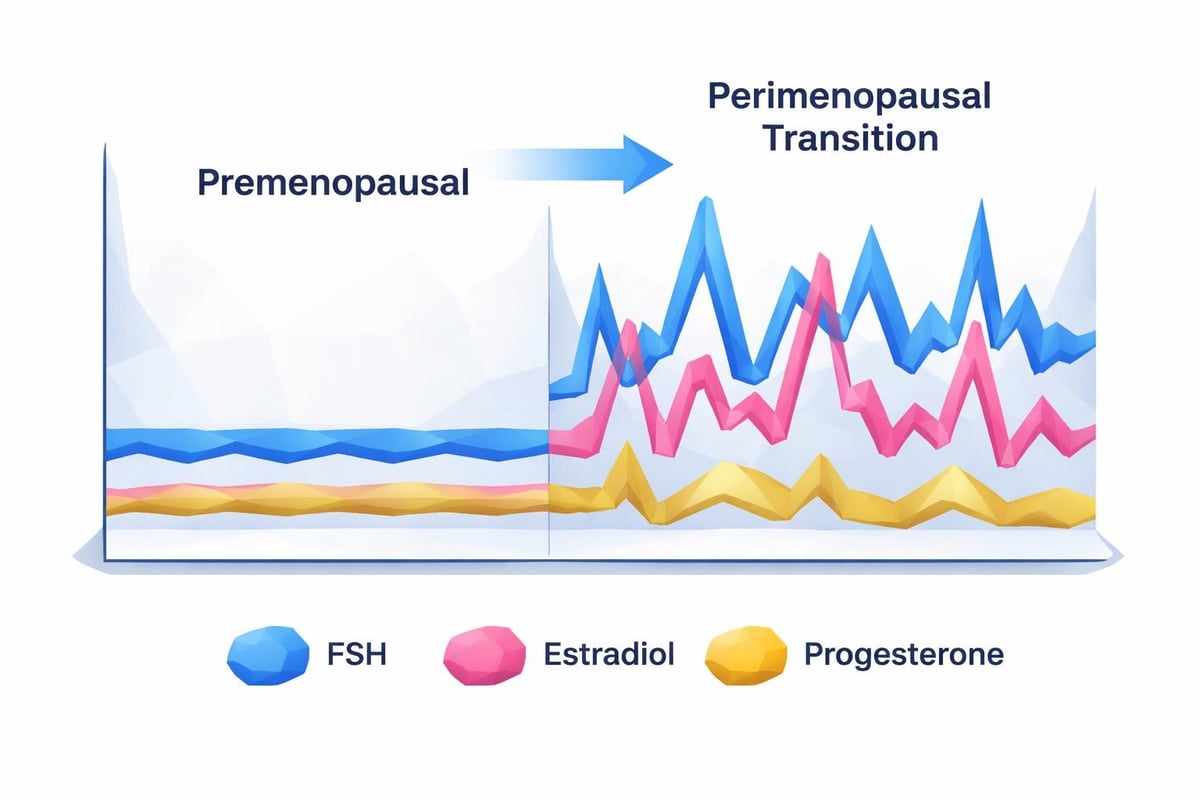
The duration varies significantly from woman to woman. Some navigate this transition in just a few months, while others experience symptoms for a decade or longer. During this time, hormone levels fluctuate unpredictably rather than declining steadily.
Why Symptoms Alone Aren't Always Enough
Your body sends numerous signals during perimenopause, but these symptoms overlap with other conditions:
- Thyroid disorders can mimic perimenopausal fatigue and weight changes
- Anxiety and depression may present similarly to mood-related perimenopause symptoms
- Sleep apnea could be the real culprit behind your nighttime awakenings
- Anemia might explain unexplained fatigue better than hormonal changes
This overlap makes perimenopause lab tests essential for accurate diagnosis. The Office on Women's Health emphasizes that while no single test definitively diagnoses perimenopause, laboratory testing helps rule out other conditions and confirms hormonal changes.
Essential Perimenopause Lab Tests
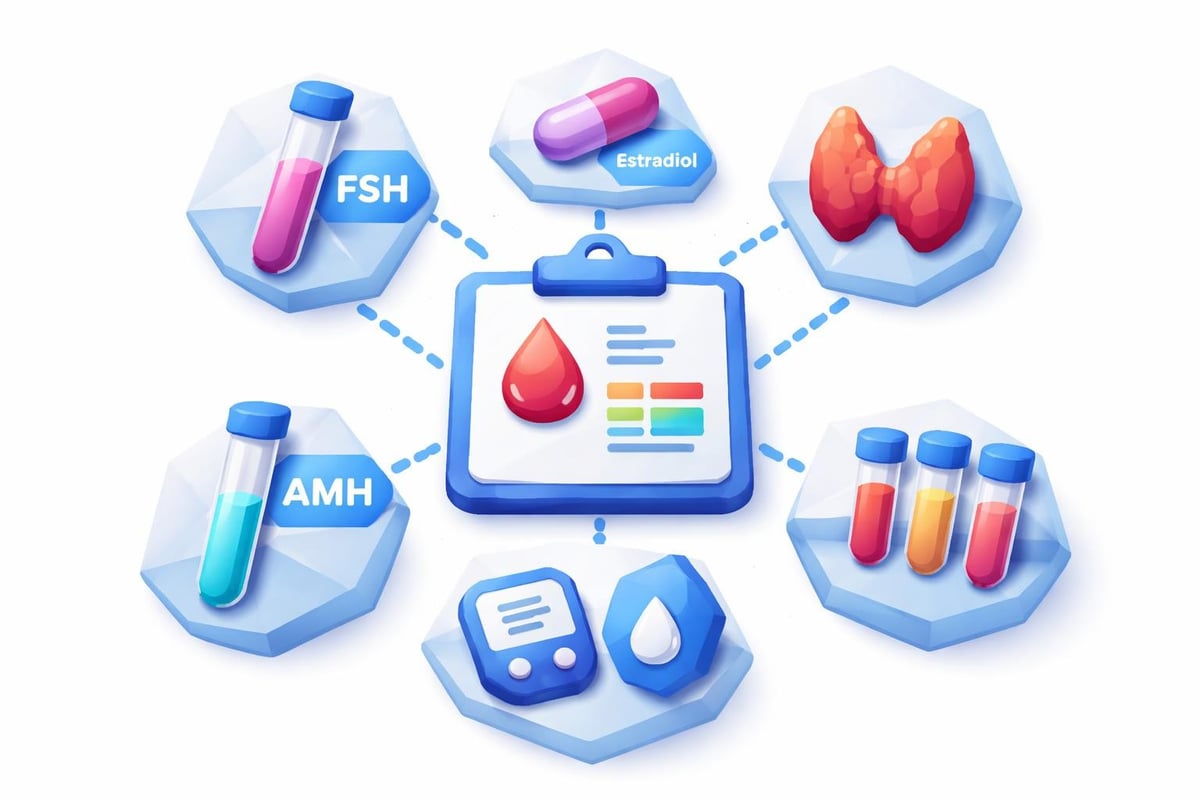
Several laboratory tests provide insights into your hormonal status and overall health during this transition. Understanding what each test measures helps you make informed decisions about your care.
Follicle-Stimulating Hormone (FSH)
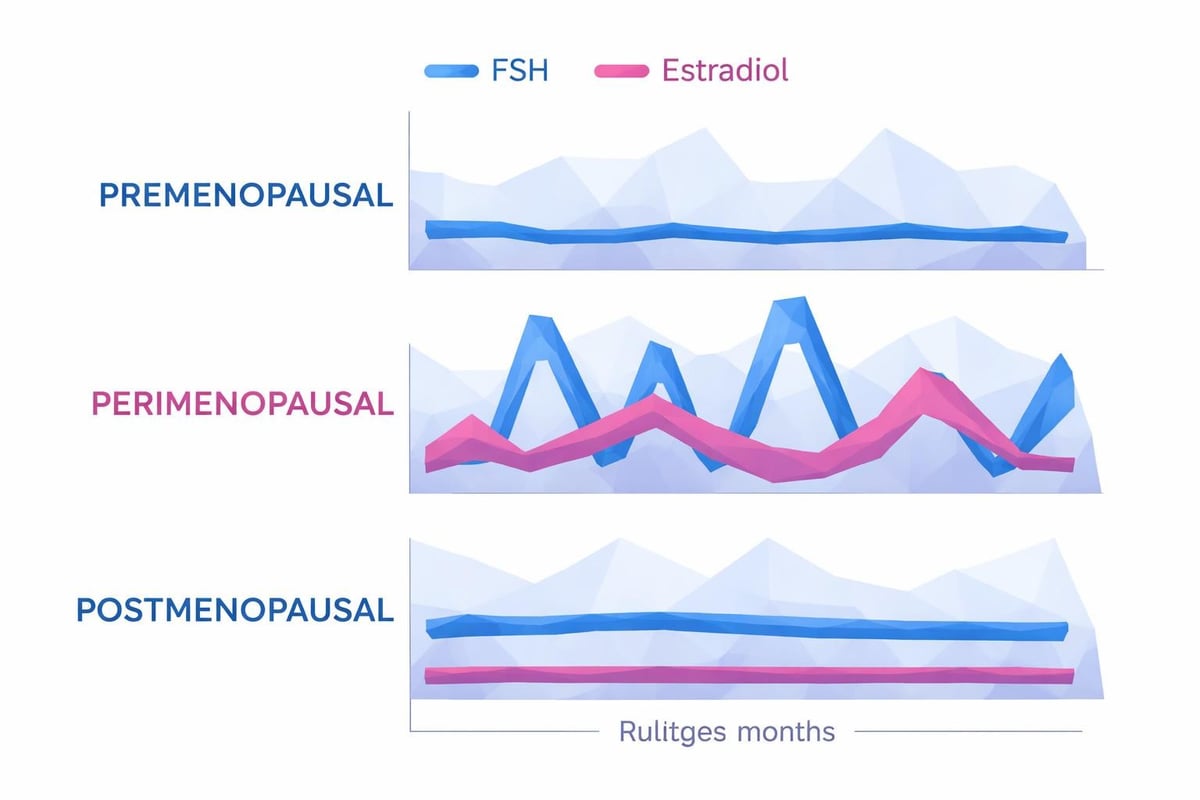
FSH levels rise as your ovaries produce less estrogen. Your pituitary gland releases more FSH to stimulate the ovaries, creating a compensatory increase that signals declining ovarian function.
Key FSH Benchmarks:
| FSH Level (mIU/mL) | Interpretation |
|---|---|
| Below 10 | Premenopausal range |
| 10-30 | Possible perimenopause |
| 30-40 | Late perimenopause |
| Above 40 | Postmenopausal range |
One measurement doesn't tell the complete story. FSH fluctuates dramatically during perimenopause, sometimes returning to premenopausal levels even after an elevated reading. Testing FSH on day three of your menstrual cycle provides the most consistent results when periods still occur regularly.
Estradiol Testing
Estradiol, the primary form of estrogen, decreases during perimenopause. Low estradiol levels combined with high FSH strengthen the case for perimenopausal changes. This test measures the actual estrogen your ovaries produce rather than your body's compensatory response.
Normal premenopausal estradiol ranges from 30 to 400 pg/mL depending on cycle phase. Values consistently below 30 pg/mL suggest diminished ovarian reserve. Many providers order estradiol testing alongside FSH for a more complete hormonal picture.
Recommended Panel
Female Hormone Panel
Save $7This comprehensive panel measures all major female hormones: estrogen, progesterone, reproductive hormones (FSH/LH), and androgens (testosterone/DHEA-S) - essential for understanding hormonal balance.
Includes 7 biomarkers
$105
Thyroid Function Tests
Since thyroid disorders affect approximately 20 percent of women and become more common with age, thyroid panel testing helps distinguish thyroid dysfunction from perimenopause.
Critical thyroid markers include:
- TSH (thyroid-stimulating hormone)
- Free T4 (thyroxine)
- Free T3 (triiodothyronine)
- Thyroid antibodies when autoimmune conditions are suspected
Hypothyroidism shares symptoms with perimenopause including fatigue, weight gain, mood changes, and irregular periods. Identifying thyroid issues ensures you receive appropriate treatment rather than attributing everything to hormonal transition.
Recommended Panel
Basic Thyroid Panel
Save $2This panel includes the 3 essential thyroid markers: TSH, Free T4, and Free T3. The perfect starting point for evaluating thyroid function without unnecessary tests.
Includes 3 biomarkers
$30
Beyond Basic Hormone Testing
While FSH and estradiol form the foundation of perimenopause lab tests, additional assessments provide a comprehensive health snapshot during this transition.
Anti-Müllerian Hormone (AMH)
AMH reflects your ovarian reserve by measuring the number of developing follicles. Unlike FSH and estradiol, AMH levels remain relatively stable throughout your menstrual cycle, making timing less critical.
Lower AMH values indicate fewer remaining eggs and suggest proximity to menopause. This test proves particularly useful for women considering fertility or wanting to understand their timeline. Recent FDA approvals of menopause-related blood tests have expanded options for hormonal assessment.
Testosterone and DHEA-S
While estrogen receives the most attention, androgens like testosterone and DHEA-S also decline during perimenopause. These hormones influence energy levels, libido, muscle mass, and mood.
Some women experience more pronounced symptoms from androgen decline than estrogen changes. Testosterone testing helps identify whether low androgens contribute to your symptoms, potentially opening additional treatment options.
Metabolic and Cardiovascular Markers
Estrogen provides cardiovascular protection, so its decline increases heart disease risk. Perimenopause represents an ideal time to establish baseline cardiovascular health metrics.
Important metabolic tests include:
- Lipid panel - Measures cholesterol and triglycerides to assess cardiovascular risk
- Fasting glucose and A1C - Screens for diabetes and prediabetes as insulin resistance increases
- Comprehensive metabolic panel - Evaluates kidney function, electrolytes, and liver enzymes
- Vitamin D - Supports bone health as estrogen-related bone loss accelerates
A lipid panel becomes particularly important as LDL cholesterol often rises during perimenopause. Similarly, monitoring A1C levels helps catch metabolic changes early when lifestyle modifications prove most effective.
Recommended Panel
Comprehensive Wellness Panel
Save $4.5Our most thorough health screening covers blood cells, organ function, cholesterol, thyroid, blood sugar, vitamin D, inflammation, and iron - everything you need for a complete health picture.
Includes 44 biomarkers
$94
Fasting required
Timing and Frequency of Testing
Strategic timing maximizes the value of perimenopause lab tests. Hormone levels fluctuate throughout your cycle and across months, so understanding when to test matters.
Optimal Testing Windows
If you still menstruate regularly or semi-regularly, day three of your cycle provides the most interpretable results for FSH and estradiol. This early follicular phase represents the baseline before ovulation-related hormone surges.
For women with irregular cycles or absent periods, testing becomes less time-dependent. You may need multiple tests spaced weeks or months apart to identify patterns rather than relying on a single snapshot.
How Often Should You Retest?
One set of perimenopause lab tests rarely tells the complete story. The Endocrine Society notes that hormone variability characterizes perimenopause, making repeat testing valuable.
Consider retesting when:
- Initial results are borderline or inconsistent with symptoms
- Symptoms significantly worsen or change character
- You want to monitor response to treatment
- Six to twelve months have passed since previous testing
Avoid over-testing, which can create confusion as normal fluctuations produce varying results. Work with your provider to establish a testing schedule aligned with your symptoms and treatment plan.
Interpreting Your Results
Numbers on a lab report gain meaning only within proper context. Age, symptoms, menstrual pattern, and overall health all influence how to interpret perimenopause lab tests.
The Diagnosis Isn't Always Clear-Cut
No definitive laboratory threshold separates perimenopause from normal cycling or menopause. The National Health Service emphasizes that diagnosis relies on clinical judgment combining symptoms, age, and test results rather than lab values alone.
You might have elevated FSH one month and normal levels the next. Estradiol could fluctuate from menopausal to premenopausal ranges within weeks. This variability is perimenopause.
When Lab Results Conflict With Symptoms
Sometimes perimenopause lab tests return normal values despite classic symptoms. This scenario happens because:
- Testing occurred during a temporary hormone surge
- Symptoms stem from a different condition mimicking perimenopause
- You're in early perimenopause when changes remain subtle
- Individual sensitivity to hormonal fluctuations varies
Conversely, mildly abnormal results without symptoms may not require intervention. Treatment addresses symptoms and health risks rather than normalizing numbers for their own sake.
Making Testing Accessible and Affordable
Traditional routes to perimenopause lab tests often involve multiple doctor visits, insurance authorization, and unpredictable costs. Alternative testing options now provide more direct access.
Self-Pay Testing Advantages
Direct-to-consumer lab services eliminate several common barriers. You can order tests without seeing a doctor first, though results should still be reviewed with a healthcare provider for proper interpretation.
Benefits of self-pay testing:
- Transparent pricing known upfront
- No insurance pre-authorization delays
- Faster turnaround times (typically 1-3 days)
- Convenient online ordering
- Privacy without insurance documentation
Transparent pricing models help you budget for testing without surprise bills. This predictability proves especially valuable when you need multiple tests or repeat measurements.
Choosing the Right Test Panel
Rather than ordering individual tests, bundled panels often provide better value and more complete information. Look for perimenopausal panels that include:
- FSH and estradiol for hormonal assessment
- Thyroid function to rule out thyroid disorders
- Metabolic markers for cardiovascular and diabetes screening
Starting with a comprehensive panel identifies which specific markers need monitoring over time. You can then focus follow-up testing on relevant biomarkers based on initial results.
What to Do With Your Results
Receiving perimenopause lab tests represents just the first step. Using this information to improve your health and quality of life completes the process.
Partnering With Healthcare Providers
Even when you order tests independently, share results with a qualified provider. Gynecologists, endocrinologists, and menopause specialists bring expertise in interpreting results within your broader health context.
Your provider can:
- Confirm whether results align with perimenopause or suggest other conditions
- Recommend treatment options ranging from lifestyle modifications to hormone therapy, which has its own monitoring panel
- Identify health risks requiring preventive action
- Establish a monitoring plan for ongoing changes
Evidence-Based Treatment Approaches
Perimenopause lab tests inform treatment decisions by identifying specific deficiencies and health risks. Options span from conservative lifestyle changes to medical interventions.
| Symptom Category | Conservative Approach | Medical Intervention |
|---|---|---|
| Hot flashes | Layered clothing, temperature control | Low-dose hormone therapy |
| Sleep disruption | Sleep hygiene, stress reduction | Melatonin, prescription sleep aids |
| Mood changes | Exercise, counseling | SSRIs, hormone therapy |
| Bone health | Calcium, vitamin D, weight-bearing exercise | Bisphosphonates if indicated |
Vitamin D supplementation becomes crucial if testing reveals deficiency, as adequate levels support bone density, immune function, and mood regulation during this transition.
Common Testing Misconceptions
Misunderstandings about perimenopause lab tests can lead to unrealistic expectations or missed opportunities for helpful information.
Myth: One Test Confirms Perimenopause
Reality dictates that no single test definitively diagnoses perimenopause. The condition emerges from patterns across multiple markers, symptoms, and time periods. Expecting conclusive answers from one lab draw sets you up for frustration.
Myth: Normal Results Mean You're Not Perimenopausal
Hormone levels fluctuate so dramatically during perimenopause that catching them at normal values remains entirely possible while symptoms persist. Your experience matters as much as laboratory data.
Myth: You Need Testing to Start Treatment
While perimenopause lab tests provide valuable information, symptom severity rather than hormone levels typically guides treatment decisions. Women with significant symptoms benefit from intervention regardless of whether lab values fall into specific ranges.
Myth: Insurance Always Covers Perimenopause Testing
Many insurance plans limit coverage for hormone testing or require specific clinical indications. Understanding your actual costs before testing prevents billing surprises. Self-pay options sometimes cost less than insurance copays and deductibles while providing faster results.
Taking Control of Your Perimenopause Journey
Knowledge empowers you to navigate perimenopause with confidence rather than confusion. Perimenopause lab tests transform vague symptoms into measurable data, helping you understand your body's changes and make informed health decisions.
Testing offers particular value when symptoms disrupt your quality of life, you have risk factors for related conditions, or you want to monitor treatment effectiveness. The information guides personalized interventions that address your specific needs rather than relying on one-size-fits-all approaches.
As you move through this transition, remember that variation represents the norm. Your hormone levels, symptoms, and timeline won't match anyone else's experience. Regular communication with healthcare providers, strategic use of laboratory testing, and attention to overall wellness create the foundation for thriving during perimenopause and beyond.
Whether you're just beginning to notice changes or you've dealt with symptoms for years, comprehensive testing provides clarity. Understanding what's happening hormonally validates your experiences and opens pathways to effective management strategies tailored to your individual biology.
Understanding your hormonal status through perimenopause lab tests provides the foundation for managing this transition effectively and protecting your long-term health. When you're ready to take control of your perimenopausal journey with convenient, affordable testing, Justlabs offers direct access to comprehensive hormone panels with transparent pricing and results delivered in 1-3 days, eliminating the barriers of insurance authorization and multiple doctor visits.