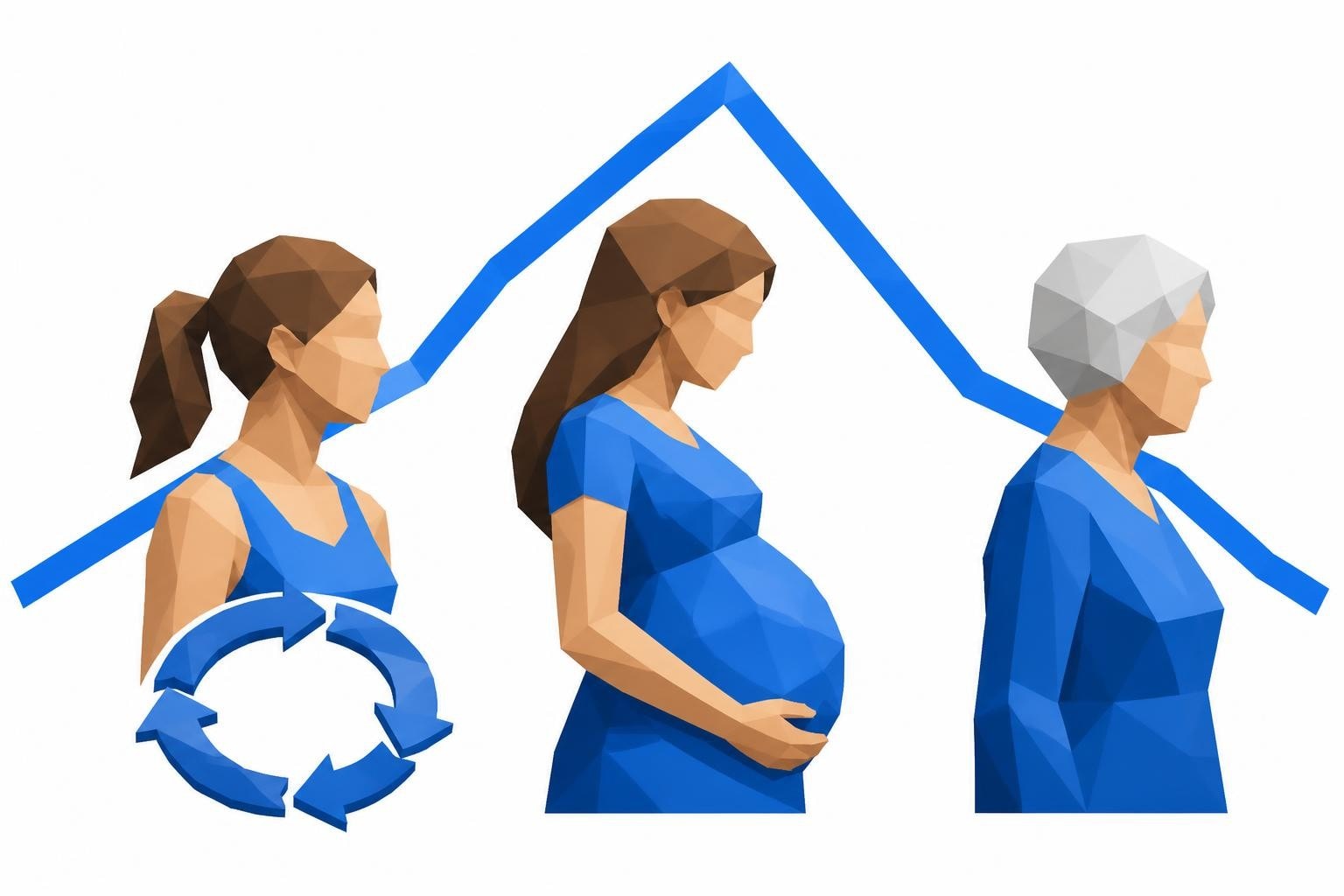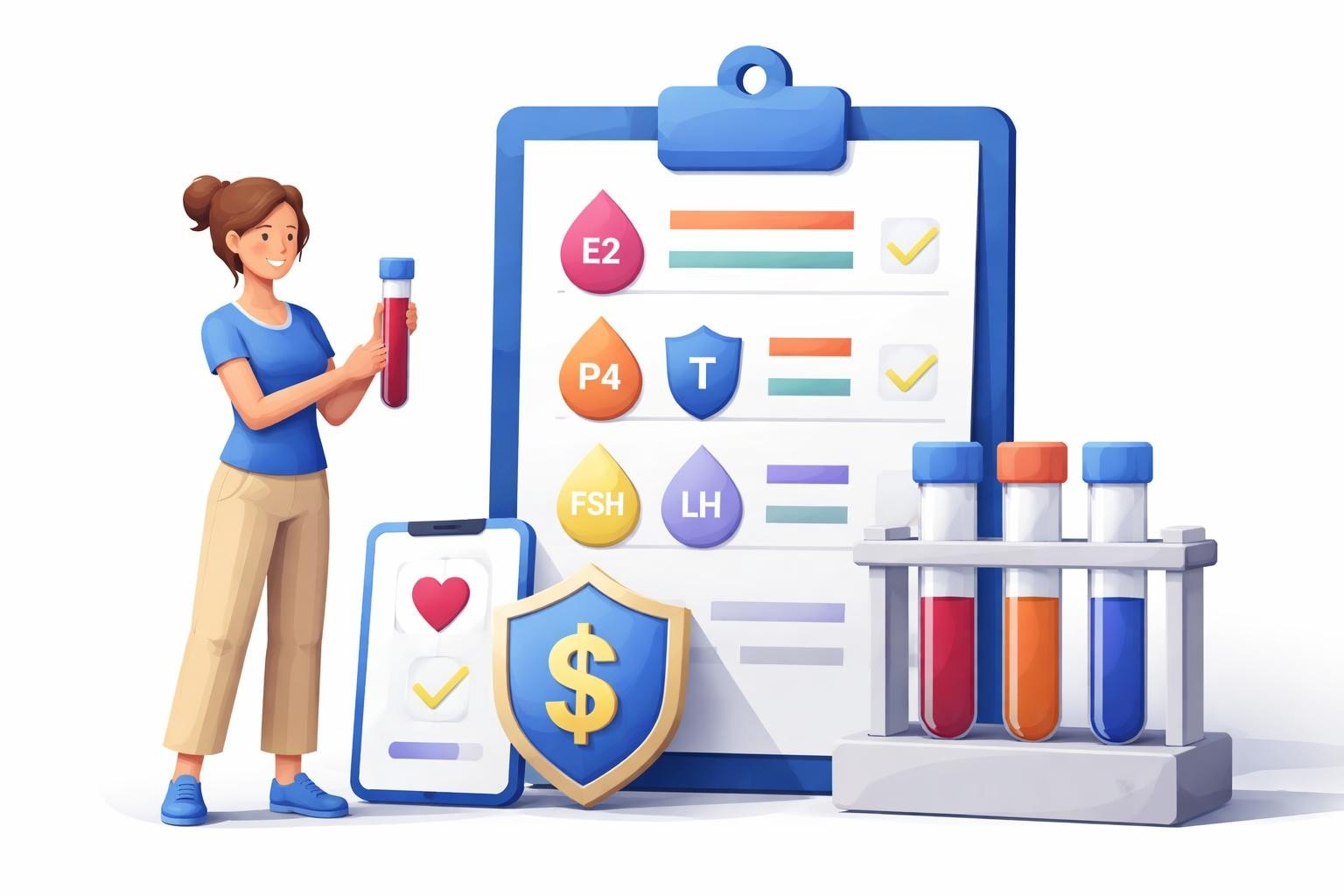
Understanding your hormonal health shouldn't require navigating complex insurance approvals or waiting weeks for a doctor's appointment. Many women are discovering that a female hormone panel cash pay option provides faster, more affordable access to the testing they need to understand their bodies and make informed health decisions.
Big picture
- Female hormone panel cash pay means ordering comprehensive hormone testing directly without insurance claims, doctor referrals, or uncertain out-of-pocket costs. You pay an upfront transparent price and receive results quickly.
- Hormonal imbalances affect millions of women across all life stages, causing symptoms like irregular periods, mood changes, fatigue, weight fluctuations, and fertility challenges that significantly impact quality of life.
- Traditional testing routes often involve multiple appointments, insurance denials, surprise bills, and delays that leave women frustrated and without answers for months.
- Self-pay lab services eliminate these barriers by offering hormone panels at fixed, affordable prices with results typically available within 1-3 days after testing.
- This approach works best for women experiencing unexplained symptoms, tracking hormonal changes during life transitions, monitoring ongoing treatment effectiveness, or seeking proactive health insights.
- Take action by identifying which hormones you want measured, comparing panel options, and choosing a transparent testing service that fits your timeline and budget.
Understanding Female Hormone Panels
A female hormone panel measures the key hormones that regulate reproductive health, metabolism, mood, energy, and overall wellness. These comprehensive tests go beyond single hormone measurements to provide a complete picture of your hormonal balance.
Core Hormones Measured
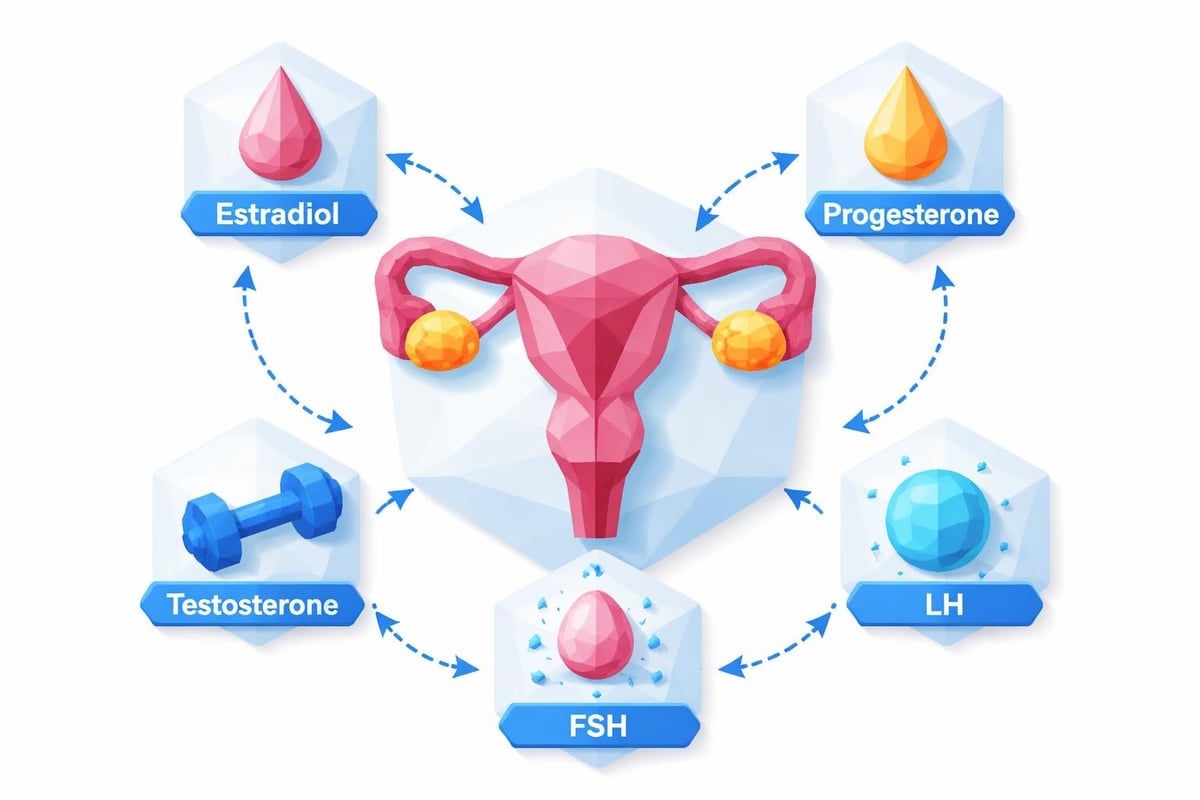
Most female hormone panels test several critical hormones that work together in complex feedback loops:
- Estradiol (E2): The primary estrogen responsible for reproductive function, bone health, and cardiovascular protection
- Progesterone: Balances estrogen, regulates menstrual cycles, and supports pregnancy
- Testosterone: Often considered a male hormone but essential for female libido, energy, and muscle maintenance
- Follicle Stimulating Hormone (FSH): Controls ovarian function and egg development
- Luteinizing Hormone (LH): Triggers ovulation and regulates the menstrual cycle
- Thyroid hormones: Often included since thyroid function significantly impacts reproductive hormones
Recommended Panel
Female Hormone Panel
Save $7This comprehensive panel measures all major female hormones: estrogen, progesterone, reproductive hormones (FSH/LH), and androgens (testosterone/DHEA-S) - essential for understanding hormonal balance.
Includes 7 biomarkers
$105
When Testing Makes Sense
Women seek hormone testing for various reasons throughout different life stages. Unexplained symptoms often prompt initial testing when standard medical visits don't provide answers.
Common scenarios include:
- Irregular or absent menstrual cycles that disrupt daily life
- Fertility challenges when trying to conceive naturally
- Perimenopause and menopause transition symptoms
- Post-birth control hormone recovery and cycle regulation
- Persistent fatigue, weight changes, or mood disturbances
- Monitoring hormone replacement therapy effectiveness
The Endocrine Society provides detailed information on reproductive hormones and when specific tests are clinically indicated.
The Cash Pay Advantage
Choosing a female hormone panel cash pay approach fundamentally changes the testing experience. Instead of navigating insurance networks and facing unexpected costs, you gain complete transparency and control.
Cost Transparency and Savings
Insurance-based hormone testing creates unpredictable expenses. You might face copays, deductibles, coinsurance, and separate lab fees that aren't clear until bills arrive weeks later.
Cash pay pricing eliminates these surprises. You see the exact total cost upfront before ordering. Many women discover that labs without insurance actually cost less than their insurance copays and deductibles combined.
| Factor | Insurance Route | Cash Pay |
|---|---|---|
| Upfront pricing | Unknown until billing | Fixed transparent price |
| Approval needed | Often requires pre-authorization | Immediate ordering |
| Total cost | Variable with deductibles | One clear payment |
| Time to results | 1-2 weeks typical | 1-3 days standard |
Speed and Convenience
Traditional testing requires scheduling a doctor's appointment, discussing symptoms, getting a lab order, scheduling the blood draw, and waiting for results to route back through your physician's office.
The self-pay model streamlines this process dramatically:
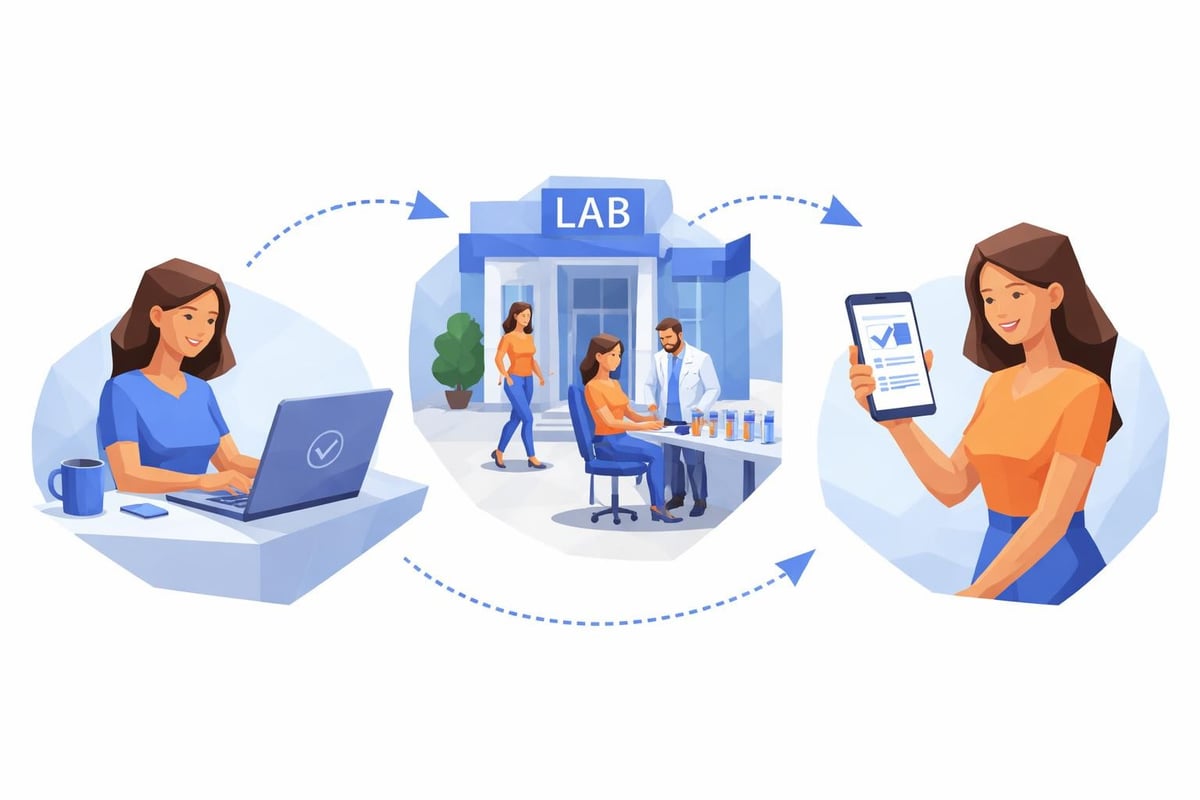
- Order your panel online in minutes
- Visit a convenient lab location without appointment
- Receive digital results within days
- Review findings privately at your own pace
For women balancing work, family, and health needs, this efficiency matters enormously. Learning how it works shows just how simple modern lab testing can be.
Interpreting Your Results
Getting your hormone panel results is only the first step. Understanding what the numbers mean requires knowledge of normal ranges, individual variation, and hormonal interactions.
Reference Ranges and Context
Lab results include reference ranges representing typical values for most women. However, optimal hormone levels vary based on age, menstrual cycle phase, medications, and individual health factors.
Key interpretation factors:
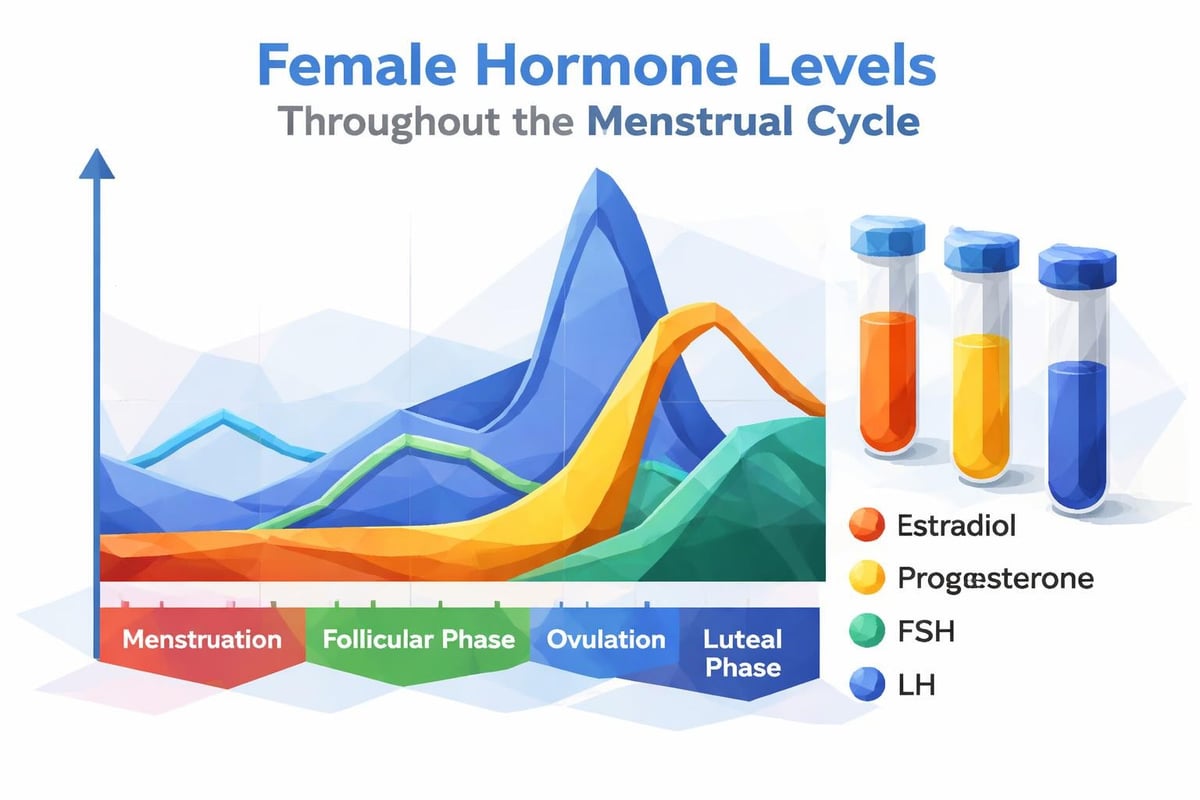
- Cycle timing matters: Hormones fluctuate dramatically throughout the menstrual cycle. Estradiol and progesterone change daily, so testing timing affects interpretation significantly.
- Age-appropriate ranges: Normal testosterone for a 25-year-old differs from a 45-year-old. Menopause status completely changes expected values.
- Symptom correlation: Numbers alone don't tell the full story. A result within normal range might still indicate imbalance if symptoms are present.
- Relative ratios: Sometimes the relationship between hormones (like estrogen to progesterone ratio) matters more than individual values.
Resources for understanding lab results help bridge the gap between receiving numbers and knowing what they mean for your health.
Next Steps After Testing
Armed with your female hormone panel cash pay results, several pathways open depending on what you discover. Many women use results to have more informed conversations with healthcare providers, bringing objective data to appointments.
If results show clear imbalances, consulting with a physician who specializes in hormone health makes sense. The American College of Obstetricians and Gynecologists offers comprehensive information on treatment options including hormone therapy when appropriate.
For borderline results or tracking changes over time, repeat testing at strategic intervals provides trend data that single snapshots cannot. Monitoring hormonal shifts during perimenopause or treatment adjustments becomes straightforward with accessible testing.
Who Benefits Most from Self-Pay Testing
While anyone can choose cash pay hormone testing, certain groups find particular value in this direct-access model.
Women with High-Deductible Insurance Plans
If your health insurance plan has a $3,000+ deductible, you're paying out-of-pocket for most services anyway until you meet that threshold. Insurance provides no real benefit until you've spent thousands.
A female hormone panel cash pay option often costs less than what you'd pay through insurance while still working toward your deductible. The transparent pricing at services offering affordable lab test pricing frequently undercuts insurance-negotiated rates.
Uninsured or Underinsured Individuals
The millions of Americans without health insurance or with limited coverage face significant barriers to hormone testing through traditional healthcare channels. Self-pay testing removes these obstacles entirely.
| Insurance Status | Traditional Challenge | Cash Pay Solution |
|---|---|---|
| Uninsured | No access without large upfront costs | Affordable fixed pricing |
| High deductible | Pay full price anyway | Often lower than insurance rate |
| Limited network | Restricted lab choices | Nationwide lab access |
| Underinsured | Hormone testing not covered | Direct ordering available |
Proactive Health Seekers
Many women want baseline hormone data before experiencing problems. This proactive approach to health management doesn't fit the traditional medical model, which typically requires symptoms or diagnosis for insurance coverage.
Cash pay testing supports preventive health strategies. Establishing your normal hormone levels in your 30s creates valuable reference points for future comparison. Understanding your unique hormonal patterns empowers better health decisions throughout life.
Privacy-Conscious Individuals
Some women prefer keeping certain health information private from insurance companies. While HIPAA protects medical records, insurance claims create a permanent record of every test and diagnosis.
Self-pay testing maintains greater privacy since no insurance claim is filed. Results go directly to you, and you control who else sees the information. This autonomy matters to many people managing their health journey.
Comparing Panel Options
Female hormone panels come in various configurations, from basic screening to comprehensive evaluations. Understanding what each option includes — and how a fertility panel differs from a general female hormone panel — helps you choose appropriate testing.
Basic vs. Comprehensive Panels
Basic panels typically measure:
- Estradiol
- Progesterone
- Testosterone (total)
- FSH
- LH
These core five hormones provide essential reproductive health information at an entry-level price point.
Comprehensive panels add:
- Free and bioavailable testosterone
- DHEA-S (adrenal hormone)
- Sex hormone binding globulin (SHBG)
- Prolactin
- Thyroid function tests
- Cortisol
The expanded testing captures a more complete endocrine picture, especially valuable when symptoms suggest multiple system involvement.
Recommended Panel
Female Fertility Panel
Save $6This panel measures the key markers of female fertility: AMH (your egg reserve), reproductive hormones (FSH, LH, estradiol), and prolactin. Essential for understanding your fertility timeline.
Includes 5 biomarkers
$105
Specialized Testing Add-Ons
Depending on your specific situation, additional tests complement hormone panels:
- Thyroid evaluation: Since thyroid disorders often present similarly to hormone imbalances, thyroid testing helps rule out or identify concurrent issues
- Vitamin D and B12: These nutrient deficiencies mimic hormonal symptoms and affect hormone metabolism
- Inflammatory markers: Chronic inflammation disrupts hormone production and signaling
- Metabolic markers: Insulin resistance and blood sugar imbalances significantly impact hormone balance
Exploring available tests shows the full range of complementary panels and individual markers you can add to create your customized testing strategy.
Ordering Process Simplified
The mechanics of ordering a female hormone panel cash pay are remarkably straightforward, designed for convenience and ease.
Step-by-Step Ordering
Select your panel: Review available hormone testing options and choose the panel matching your needs and budget. Compare what's included to ensure you're testing the right markers.
Complete your order: Provide basic information and payment. No medical history, insurance cards, or doctor's orders required. The entire process takes minutes online.
Visit the lab: After ordering, you'll receive a lab requisition. Take this to any participating lab location. Most services work with national lab networks, giving you convenient locations near home or work.
Get results: Within 1-3 days after your blood draw, results appear in your secure online portal. You can download, print, or share them as needed.
The ability to order labs without a doctor removes traditional gatekeeping while still providing professional-quality testing through certified laboratories.
Timing Considerations
When you schedule your blood draw matters significantly for hormone testing accuracy. Menstruating women should time testing based on their cycle:
- Days 3-5: Best for baseline FSH, LH, and estradiol to assess ovarian reserve
- Day 21 (or 7 days post-ovulation): Optimal for progesterone to confirm ovulation occurred
- Any time: Acceptable for testosterone, DHEA-S, and thyroid if menstrual cycle isn't regular
Post-menopausal women can test any time since hormone levels remain relatively stable without cycling. Understanding these timing nuances ensures your female hormone panel cash pay investment yields the most useful information.
Common Questions and Concerns
Women considering self-pay hormone testing frequently have similar questions about legitimacy, accuracy, and value.
Accuracy and Quality
Self-pay testing uses the same certified clinical laboratories that process insurance-ordered tests. The blood analysis happens in CLIA-certified facilities meeting strict federal quality standards.
Your sample receives identical handling, equipment, and expertise regardless of payment method. The only difference is who pays the lab directly-you instead of an insurance company.
Medical Oversight
While you can order testing independently, results don't come with automatic medical interpretation or treatment recommendations. This structure works well for informed individuals but requires taking responsibility for next steps.
Many women use results to facilitate more productive healthcare conversations, bringing objective data to appointments. Others consult with telemedicine providers or hormone specialists who can review results and provide guidance remotely.
Value Assessment
Determining whether a female hormone panel cash pay offers good value depends on your specific circumstances:
High value scenarios:
- Your insurance won't cover testing without specific diagnosis
- Out-of-pocket costs through insurance exceed cash pay price
- Speed matters due to fertility timing or urgent symptoms
- You're uninsured or have high deductibles
- Baseline testing for future reference
Lower value scenarios:
- You have excellent insurance with low copays covering hormone testing
- You need immediate medical interpretation and treatment
- Complex symptoms requiring comprehensive medical evaluation
Researching specific pricing allows direct comparison with your insurance costs to make an informed decision.
Maximizing Your Testing Investment
Once you've decided to pursue female hormone panel cash pay, strategic approaches help you get maximum value from your investment.
Preparing for Testing
Simple preparation steps improve result accuracy:
- Fast appropriately: Most hormone panels require 8-12 hour fasting before the blood draw
- Time it right: Schedule according to your menstrual cycle phase for most relevant results
- Medication timing: Take regular medications as prescribed unless specifically instructed otherwise
- Avoid supplements: Some supplements can interfere with hormone measurements; consider pausing 24-48 hours before testing
- Stay hydrated: Drinking water makes blood draws easier
Tracking Trends Over Time
Single test results provide a snapshot, but hormonal health is dynamic. Testing periodically creates a personal baseline and tracks changes across months or years.
Effective tracking includes:
- Documenting test dates and cycle timing
- Recording symptoms alongside results
- Noting lifestyle changes (diet, exercise, stress, medications)
- Comparing results across multiple testing occasions
- Identifying patterns that correlate with how you feel
This longitudinal approach transforms isolated data points into actionable health intelligence.
Navigating Life Stage Testing Needs
Hormone testing needs evolve throughout a woman's life. Understanding stage-specific considerations helps target testing appropriately.
Reproductive Years
Women in their 20s and 30s often seek hormone testing for fertility concerns, menstrual irregularities, or unexplained symptoms. Testing during this stage establishes baseline values and identifies issues that might affect conception.
The Hormone Health Network offers information on menopause and other life stage hormone changes.
Perimenopause Transition
The years leading to menopause (typically 40s to early 50s) bring dramatic hormonal fluctuations. FSH and estradiol levels become erratic, making interpretation challenging but testing still valuable for confirming transition status.
Post-Menopause
After menstruation ceases permanently, hormone levels stabilize at new lower ranges. Testing helps optimize hormone replacement therapy dosing or confirm natural post-menopausal status.
| Life Stage | Primary Testing Goals | Key Hormones to Monitor |
|---|---|---|
| Reproductive (20s-30s) | Fertility, cycle regulation | Estradiol, Progesterone, FSH, LH |
| Perimenopause (40s-50s) | Transition confirmation | FSH, Estradiol, Testosterone |
| Post-menopause (50s+) | HRT monitoring, symptom management | Estradiol, Testosterone, FSH |
Key Takeaways
- Female hormone panel cash pay provides transparent, affordable access to comprehensive hormone testing without insurance complexity or doctor referrals
- Panels measure estradiol, progesterone, testosterone, FSH, LH, and often additional markers to assess hormonal balance affecting fertility, menstrual health, mood, and energy
- Self-pay testing costs less than insurance-based testing for many people, especially those with high deductibles or no coverage
- Results arrive within 1-3 days and belong to you, empowering informed health conversations with providers or independent health management
- Timing matters significantly-testing on specific cycle days yields more accurate, interpretable results
- Women benefit most when experiencing unexplained symptoms, tracking perimenopause transition, optimizing fertility, monitoring treatment, or seeking proactive baseline data
FAQ
How much does a female hormone panel cash pay typically cost?
Cash pay female hormone panels generally range from $79 to $299 depending on comprehensiveness. At JustLabs, the Female Hormone Panel is $105 plus the one $18 order fee ($123 all-in). Basic five-hormone panels start around $99, while extensive panels including thyroid, vitamin levels, and additional markers reach $200-300. These fixed prices include the panel, lab processing, and digital results delivery.
Can I order hormone testing without seeing a doctor first?
Yes, self-pay lab services allow direct ordering without doctor visits or referrals. You select your desired panel online, pay the transparent price, and receive a lab requisition to take to any participating location. This direct-access model saves time and eliminates the need for appointments just to get testing ordered.
Are cash pay lab results as accurate as insurance-ordered tests?
Absolutely. Self-pay testing uses the same CLIA-certified clinical laboratories processing insurance-ordered tests. Your blood sample receives identical analysis using the same equipment, quality controls, and expert technicians. The payment method doesn't affect testing accuracy or reliability in any way.
When should I test my hormones during my menstrual cycle?
Optimal timing depends on which hormones you're measuring. Test FSH, LH, and baseline estradiol on cycle days 3-5. Check progesterone on day 21 (or seven days after ovulation) to confirm ovulation occurred. Testosterone and thyroid hormones can be tested any time. If cycles are irregular or absent, any timing works but note this when interpreting results.
What should I do if my hormone panel shows abnormal results?
Schedule an appointment with a healthcare provider to review findings and discuss symptoms. Bring your results to a gynecologist, endocrinologist, or hormone specialist who can interpret results in context of your health history and recommend appropriate treatment if needed. Don't attempt to self-treat based on lab results alone.
Do I need to fast before a female hormone panel?
Most hormone panels require 8-12 hour fasting before the blood draw for accurate results, though you can drink water. Some providers specify fasting requirements clearly when you order. If unsure, contact the testing service or plan to fast overnight and test first thing in the morning.
Can I use FSA or HSA funds to pay for hormone testing?
Yes, hormone panels qualify as eligible medical expenses for FSA (Flexible Spending Account) and HSA (Health Savings Account) funds. Using these pre-tax dollars makes testing even more affordable. Save your receipt for reimbursement or use your FSA/HSA debit card directly if the service accepts it.
How often should I retest my hormone levels?
Retesting frequency depends on your situation. For monitoring perimenopause or treatment effectiveness, test every 3-6 months. When establishing baselines or investigating specific symptoms, initial testing may be sufficient. If making lifestyle changes to improve hormone balance, retest after 2-3 months to assess impact.
Understanding your hormonal health through testing shouldn't require navigating insurance bureaucracy or accepting uncertain costs. Female hormone panel cash pay options provide the transparency, speed, and affordability that modern women need to take charge of their health. JustLabs makes this accessible by offering comprehensive hormone testing at clear upfront prices with results in 1-3 days, giving you the information you need to make informed decisions about your wellbeing.