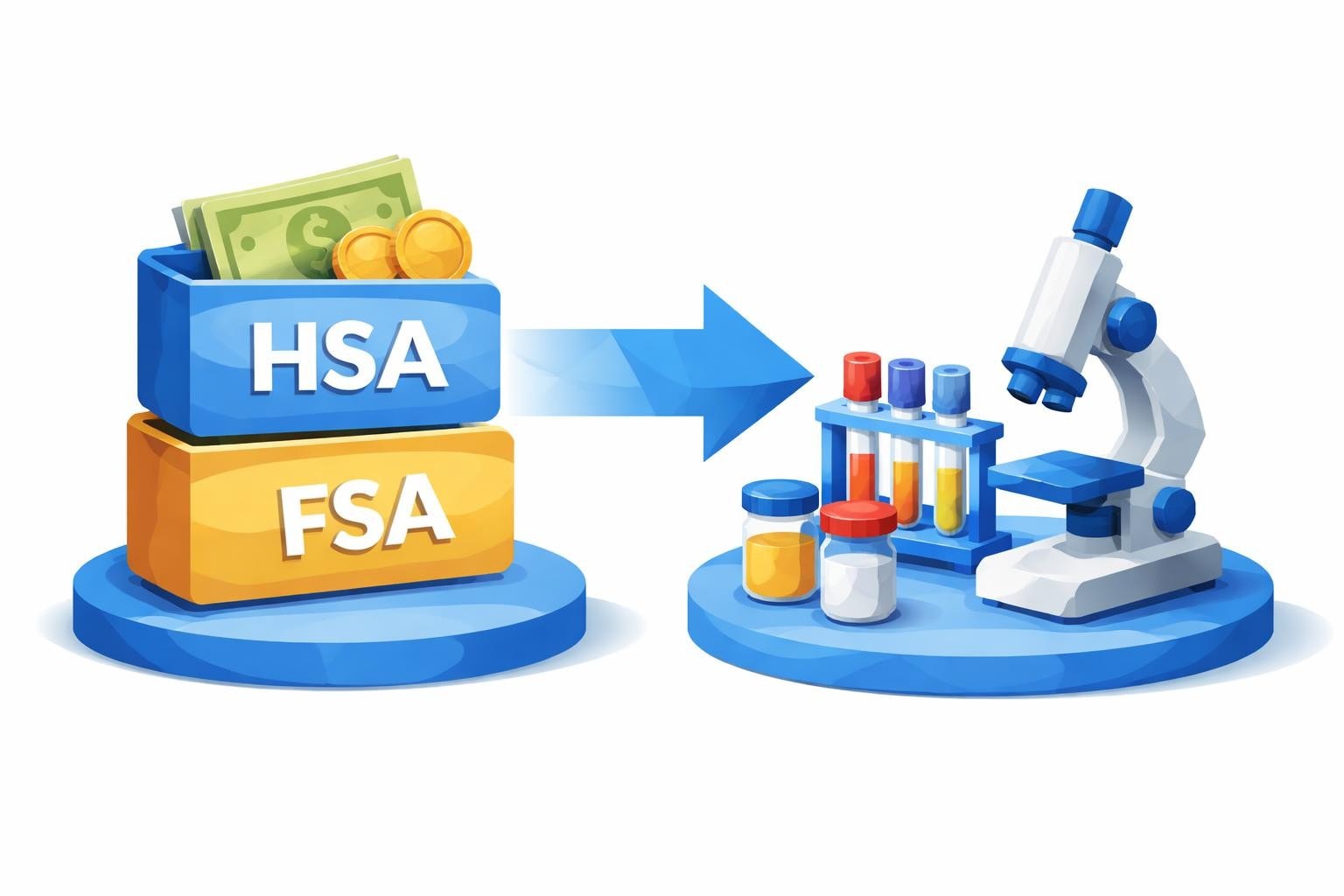
Understanding which medical expenses qualify for your Health Savings Account (HSA) or Flexible Spending Account (FSA) can save you hundreds or even thousands of dollars annually. Lab testing represents one of the most valuable categories of eligible expenses, yet many account holders remain unaware of how to maximize these benefits for diagnostic services.
Big picture
- HSA and FSA accounts are tax-advantaged healthcare savings tools that allow you to pay for qualified medical expenses with pre-tax dollars, including most diagnostic lab tests ordered for medical purposes.
- Lab test eligibility depends primarily on whether the test serves a diagnostic, preventive, or treatment-monitoring purpose rather than general wellness or curiosity-driven testing.
- Most medically necessary tests qualify for reimbursement, including blood work, hormone panels, allergy testing, metabolic screenings, and disease-specific diagnostics when ordered to evaluate symptoms or monitor conditions.
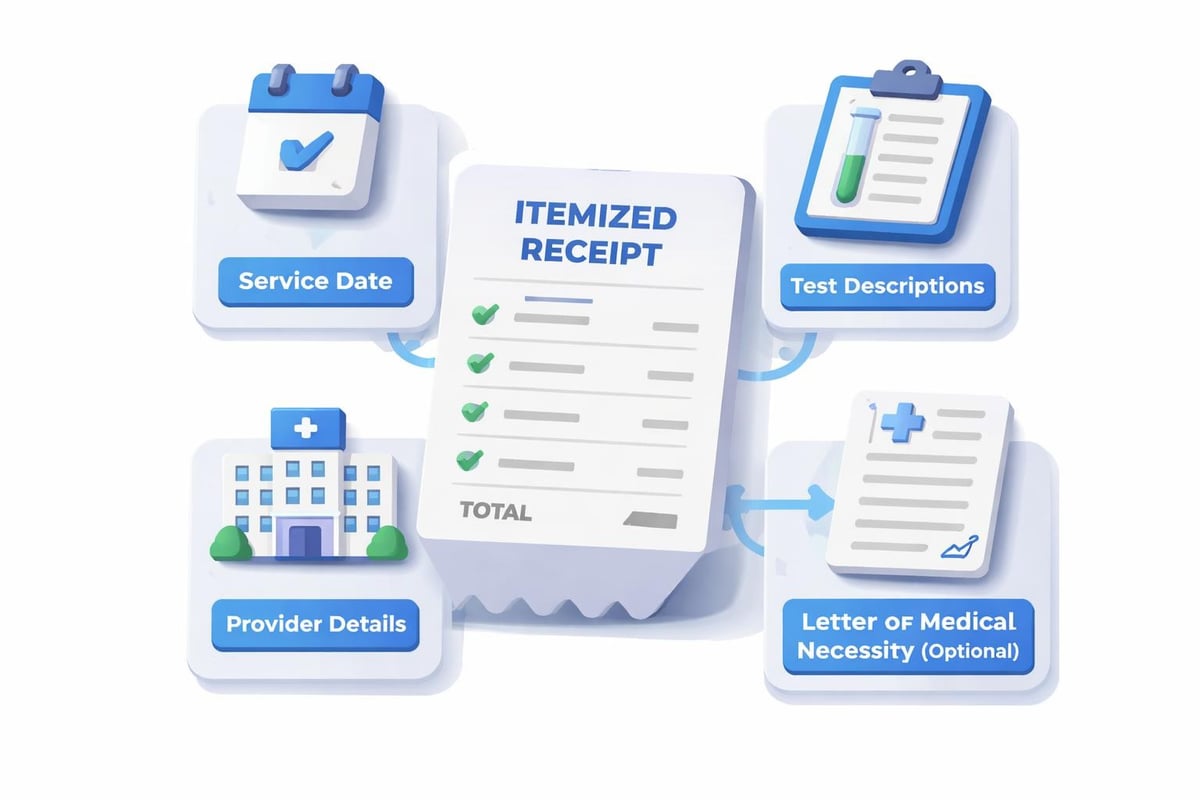
- Documentation requirements vary by account administrator, but typically include an itemized receipt showing the service date, provider name, test description, and amount paid.
- Self-pay lab testing services like those offering transparent pricing can be paid using HSA/FSA funds when tests meet medical necessity criteria.
- Take action now by reviewing your current account balance, understanding your plan's documentation requirements, and identifying which lab tests you need for health monitoring or symptom evaluation.
Understanding HSA and FSA Eligibility for Lab Testing
Health Savings Accounts and Flexible Spending Accounts operate under IRS guidelines that define qualified medical expenses. Diagnostic services are generally FSA/HSA eligible when they serve a legitimate medical purpose.
The fundamental eligibility criterion centers on medical necessity. Laboratory tests ordered to diagnose a condition, monitor an existing disease, or assess symptoms typically qualify as hsa and fsa eligible lab tests. This includes routine screenings recommended by healthcare providers, tests to evaluate abnormal symptoms, and monitoring panels for chronic conditions.
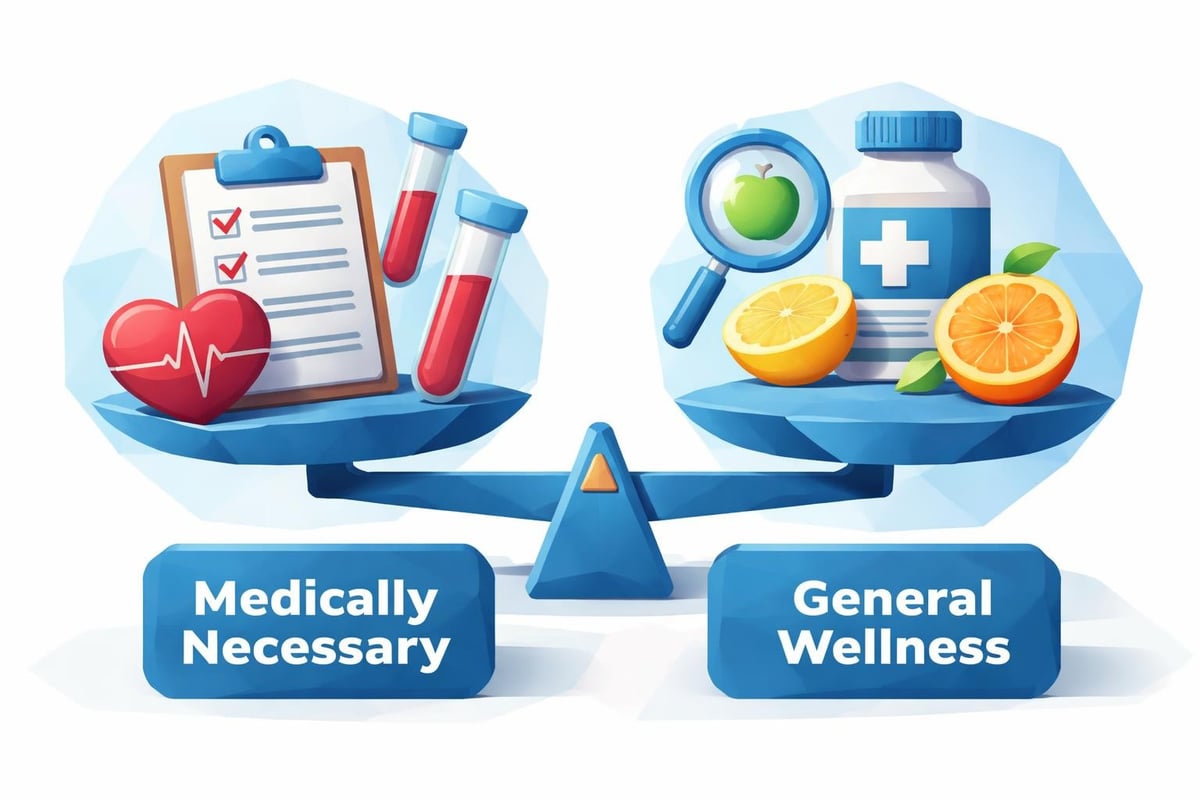
Medical Necessity vs. General Wellness
The IRS distinguishes between medically necessary testing and general wellness screening. Tests ordered to investigate specific health concerns, evaluate symptoms, or monitor diagnosed conditions almost always qualify. Conversely, tests performed purely out of curiosity or for general information without medical justification may face scrutiny.
Key qualifying scenarios include:
- Symptom evaluation and diagnosis
- Chronic disease monitoring
- Pre-treatment baseline assessments
- Post-treatment follow-up testing
- Preventive screening based on risk factors
- Medication effectiveness monitoring
Understanding this distinction helps you determine which tests will receive reimbursement approval from your account administrator.
Common Lab Tests Covered by HSA and FSA
A comprehensive range of laboratory services qualifies for reimbursement when meeting medical necessity standards. Knowing which tests commonly receive approval helps you plan healthcare spending effectively.
Blood Work and Chemistry Panels
Complete blood counts, comprehensive metabolic panels, and lipid profiles represent some of the most frequently reimbursed hsa and fsa eligible lab tests. These foundational diagnostics assess overall health status and identify numerous conditions.
Recommended Panel
Complete Metabolic Health Panel
Save $3.50This comprehensive panel evaluates all aspects of metabolic health: organ function, cholesterol, blood sugar, insulin resistance, and inflammation - the key drivers of chronic disease.
Includes 26 biomarkers
$50
Fasting required
Basic metabolic panels evaluate kidney function, electrolyte balance, and blood glucose levels. Healthcare providers routinely order these tests for patients with diabetes, kidney disease, or hypertension. Lipid panels measuring cholesterol and triglycerides qualify when assessing cardiovascular risk or monitoring statin therapy effectiveness.
Hormone Testing
Thyroid function tests, reproductive hormone panels, and testosterone assessments all qualify when ordered for medical evaluation. Patients experiencing fatigue, weight changes, or reproductive concerns frequently need these diagnostics.
Recommended Panel
Complete Thyroid Panel
Save $3Our most comprehensive thyroid panel includes all 5 essential markers: TSH, Free T4, Free T3, Reverse T3, and both thyroid antibodies. Get the complete picture of your thyroid health.
Includes 6 biomarkers
$84
Thyroid panels including TSH, Free T4, and Free T3 help diagnose hypothyroidism, hyperthyroidism, and autoimmune thyroid conditions. Female and male hormone panels assess fertility concerns, menopause symptoms, or hormonal imbalances affecting quality of life.
| Test Category | Common Examples | Typical Medical Indications |
|---|---|---|
| Metabolic Panels | CMP, BMP, Glucose | Diabetes, kidney disease, electrolyte imbalance |
| Lipid Testing | Total cholesterol, LDL, HDL, Triglycerides | Heart disease risk, statin monitoring |
| Thyroid Function | TSH, Free T4, Free T3 | Fatigue, weight changes, temperature sensitivity |
| Hormone Panels | Testosterone, Estrogen, Progesterone | Fertility, menopause, hormonal imbalances |
| Vitamin Levels | Vitamin D, B12, Folate | Deficiency symptoms, malabsorption |
Specialized Diagnostic Testing
Allergy testing qualifies for FSA/HSA reimbursement when performed to identify specific allergens causing symptoms. Both skin prick tests and blood-based IgE panels help diagnose environmental and food allergies.
Food sensitivity testing becomes FSA/HSA eligible when ordered to diagnose conditions like celiac disease or investigate symptoms potentially related to dietary triggers. Standard celiac panels measuring tissue transglutaminase antibodies clearly qualify for reimbursement.
Documentation Requirements for Reimbursement
Securing reimbursement for hsa and fsa eligible lab tests requires proper documentation. Account administrators need specific information to verify expense eligibility.
Essential documentation elements include:
- Itemized receipt showing exact services performed
- Provider identification with name and contact information
- Service date when testing occurred
- Detailed description of each test performed
- Total amount paid for services rendered
Most self-pay lab testing services, including those offering direct-to-consumer testing, provide receipts meeting these requirements automatically. Request itemized documentation at the time of service to avoid delays.
Letter of Medical Necessity
Some account administrators require a Letter of Medical Necessity (LMN) for certain tests. This document, signed by a healthcare provider, explains why the testing was medically appropriate for your situation.
An LMN typically contains the patient's diagnosis or symptoms, the specific tests ordered, and a brief explanation of how the testing assists in diagnosis or treatment. While not always required, having this documentation prevents reimbursement disputes.
Tests That May Not Qualify
Not all laboratory services meet HSA and FSA eligibility criteria. Understanding which tests face potential denial helps avoid unexpected out-of-pocket expenses.
Wellness and Lifestyle Testing
Tests performed without specific medical indication typically don't qualify as hsa and fsa eligible lab tests. DNA ancestry testing, genetic trait analysis, and athletic performance panels fall into this category when ordered without medical symptoms.
Comprehensive wellness panels ordered annually "just to check everything" may face scrutiny unless you have risk factors or symptoms justifying the testing. The distinction often depends on your medical history and provider recommendations.
Experimental and Non-Standard Tests
Laboratory services not yet recognized as standard medical practice may not receive reimbursement approval. Emerging biomarker tests without established clinical validation sometimes fall into this category.
| May NOT Qualify | Likely QUALIFIES |
|---|---|
| Ancestry DNA testing | Genetic testing for disease risk with symptoms |
| Athletic performance panels (no symptoms) | Performance testing for diagnosed conditions |
| General curiosity wellness screening | Screening based on age, risk factors, or symptoms |
| Cosmetic-related testing | Testing related to medical skin conditions |
| Non-FDA approved experimental tests | Standard validated diagnostic panels |
Drug sensitivity testing eligibility depends on whether it guides treatment for diagnosed conditions. Pharmacogenetic testing to optimize medication selection for depression or chronic pain typically qualifies, while testing without a diagnosed condition may not.
Maximizing Your HSA and FSA Benefits for Lab Testing
Strategic planning helps you extract maximum value from your tax-advantaged healthcare accounts. Several approaches optimize reimbursement for necessary testing.
Timing Your Testing
Consider scheduling routine monitoring tests before your FSA plan year ends to avoid losing unused funds. FSAs typically operate on a "use it or lose it" basis, though some employers offer grace periods or small carryover amounts.
HSA funds roll over indefinitely, providing more flexibility for timing. You can accumulate balances across years for future healthcare expenses or even use them in retirement.
Bundling Related Tests
When you need multiple related tests, ordering them together often proves more cost-effective. Comprehensive panels examining related markers typically cost less than ordering individual tests separately.
Recommended Panel
Comprehensive Wellness Panel
Save $4.50Our most thorough health screening covers blood cells, organ function, cholesterol, thyroid, blood sugar, vitamin D, inflammation, and iron - everything you need for a complete health picture.
Includes 44 biomarkers
$94
Fasting required
For example, a complete thyroid panel assessing multiple markers costs less than ordering each thyroid test individually. Similarly, cardiovascular risk assessment panels bundle lipids, inflammatory markers, and metabolic indicators efficiently.
Using Self-Pay Testing Services
Services that accept FSA and HSA for eligible tests often provide transparent pricing below insurance-negotiated rates. By bypassing insurance, you maintain privacy and avoid surprise bills or deductible complications.
Testing without insurance using HSA or FSA funds gives you complete control over your healthcare spending. You see exact costs upfront and receive results quickly, typically within 1-3 days.
Processing Claims and Reimbursement
The mechanics of using HSA and FSA funds for lab testing vary by account type and administrator. Understanding the process ensures smooth transactions.
Direct Payment Methods
Many account administrators provide debit cards allowing direct payment for qualified medical expenses. When using these cards for hsa and fsa eligible lab tests, verification happens automatically at point of sale.
Present your HSA or FSA card at checkout when paying for testing services. The system confirms eligibility and processes payment immediately. Keep your itemized receipt for tax records.
Reimbursement Claims
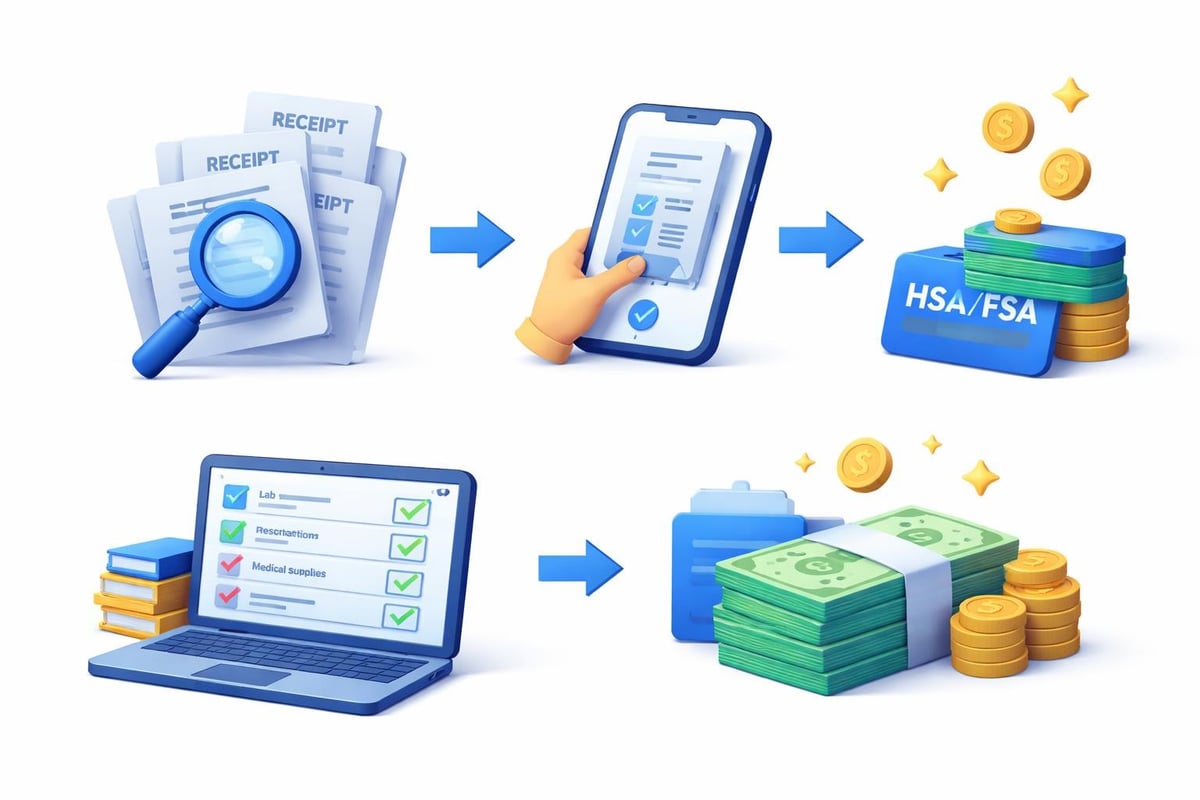
If you pay out-of-pocket first, submit a reimbursement claim to your account administrator. This process typically involves:
- Logging into your account portal or mobile app
- Uploading documentation including itemized receipts
- Categorizing the expense as diagnostic testing or lab services
- Submitting the claim for administrator review
- Receiving reimbursement via direct deposit or check
Most administrators process straightforward lab testing claims within 5-10 business days. Complex or questioned claims may require additional documentation.
Record Keeping Best Practices
Maintain organized records of all HSA and FSA transactions for tax purposes. The IRS may request documentation proving expenses qualified under medical necessity rules.
Recommended record-keeping practices:
- Store itemized receipts digitally and physically
- Maintain a spreadsheet tracking all account expenditures
- Keep letters of medical necessity with related receipts
- Retain records for at least seven years
- Organize documents by tax year for easy retrieval
Digital filing systems or dedicated healthcare expense apps simplify organization and ensure documentation remains accessible during tax preparation or audits.
Preventive Screening and Annual Testing
Health screenings are generally FSA/HSA eligible when they align with preventive care guidelines. Age-appropriate screening recommendations from medical organizations justify routine testing.
Age-Based Screening Recommendations
Different life stages warrant specific screening tests. Adults over 40 typically need more frequent lipid panels and diabetes screening. Women require regular thyroid function assessment, particularly around menopause.
Preventive screening guidelines from organizations like the U.S. Preventive Services Task Force establish evidence-based testing schedules. Tests aligned with these recommendations clearly qualify as hsa and fsa eligible lab tests.
Chronic Condition Monitoring
Patients managing diabetes, thyroid disorders, or cardiovascular disease require regular monitoring tests. These maintenance panels verify treatment effectiveness and detect complications early.
Recommended Panel
Comprehensive Diabetes Panel
This panel detects diabetes and prediabetes at every stage. Includes lipids because diabetes dramatically increases heart disease risk.
Includes 10 biomarkers
$35
Fasting required
Quarterly HbA1c testing for diabetes management, annual thyroid function tests for hypothyroidism patients, and periodic lipid panels for those on cholesterol medications all qualify for reimbursement without question.
Special Considerations for Different Account Types
HSA and FSA accounts operate under different rules affecting how you use them for laboratory testing. Understanding these distinctions optimizes your benefits strategy.
HSA-Specific Advantages
Health Savings Accounts require enrollment in a high-deductible health plan but offer unique benefits. Funds roll over year to year, contributions reduce taxable income, and account balances grow tax-free through investment options.
You own your HSA even if you change employers or health plans. This portability makes HSAs particularly valuable for building long-term healthcare savings. After age 65, you can withdraw funds for any purpose without penalty, though non-medical withdrawals incur income tax.
FSA Considerations
Flexible Spending Accounts typically offer less flexibility than HSAs but don't require high-deductible health plans. Contribution limits differ, and most FSAs enforce use-it-or-lose-it provisions.
Some employers offer grace periods extending into the following plan year or allow small carryover amounts. Check your specific plan rules to avoid forfeiting unused funds.
| Feature | HSA | FSA |
|---|---|---|
| Annual Rollover | Unlimited | Limited or none |
| Ownership | Employee | Employer |
| Investment Options | Yes | No |
| Requires HDHP | Yes | No |
| Contribution Limit | $4,300 individual / $8,550 family | $3,200 |
Limited Purpose FSAs
Some employees with HSAs also maintain Limited Purpose FSAs covering dental and vision expenses. These specialized accounts don't typically cover standard lab testing but may reimburse vision-related diagnostic tests.
Understanding IRS Guidelines and Updates
The IRS publishes comprehensive guidance on qualified medical expenses in Publication 502. This official eligibility list details which services qualify for tax-advantaged account reimbursement.
Tax laws and regulations evolve periodically, potentially changing which hsa and fsa eligible lab tests qualify for reimbursement. Staying informed about annual updates ensures compliance and maximizes benefits.
Recent Regulatory Changes
Healthcare legislation occasionally expands or restricts eligible expense categories. The CARES Act of 2020 expanded FSA and HSA eligibility to include over-the-counter medications and menstrual products without prescriptions.
While laboratory testing eligibility has remained relatively stable, monitoring regulatory updates helps you anticipate changes affecting your healthcare spending strategy.
Consulting Tax Professionals
Complex situations involving substantial medical expenses warrant consultation with tax professionals. CPAs and tax attorneys familiar with healthcare taxation provide personalized guidance based on your specific circumstances.
Professional advice proves particularly valuable when dealing with experimental treatments, emerging diagnostic technologies, or large expenses requiring extensive documentation.
Key Takeaways
Understanding HSA and FSA eligibility for lab testing empowers you to make informed healthcare spending decisions. Most diagnostic tests ordered for legitimate medical purposes qualify for reimbursement, including blood work, hormone panels, metabolic screenings, and disease-specific diagnostics.
Proper documentation ensures smooth reimbursement processing. Maintain itemized receipts showing service dates, provider information, detailed test descriptions, and amounts paid. Some situations require letters of medical necessity from healthcare providers explaining the clinical justification for testing.
Strategic planning maximizes your account benefits. Time testing appropriately based on plan year deadlines, bundle related tests for cost efficiency, and consider self-pay options offering transparent pricing below insurance rates.
Different account types offer distinct advantages. HSAs provide long-term flexibility with unlimited rollovers and investment options, while FSAs offer immediate benefits without requiring high-deductible health plans. Choose the account type aligning with your healthcare needs and financial situation.
Staying informed about eligibility criteria prevents reimbursement surprises. Focus on medically necessary testing rather than general curiosity-driven panels, understand which tests commonly receive approval, and maintain organized records supporting the medical justification for your laboratory services.
FAQ
What makes a lab test eligible for HSA or FSA reimbursement?
Lab tests qualify as hsa and fsa eligible lab tests when they serve a diagnostic, preventive, or treatment-monitoring purpose under IRS guidelines. Tests must be medically necessary rather than purely for general wellness or curiosity. Diagnostic blood work, hormone panels, disease screening tests, and monitoring labs for chronic conditions typically qualify without question.
Can I use my HSA or FSA card for lab tests without a doctor's order?
Most account administrators require that tests serve a legitimate medical purpose, but a traditional doctor's order isn't always mandatory. Services offering lab tests without a doctor visit can accept HSA/FSA payment when tests address specific health concerns or symptoms. However, maintaining documentation supporting medical necessity protects against potential reimbursement denials.
Do I need a prescription for lab testing to use my HSA or FSA?
Prescriptions aren't universally required for HSA and FSA reimbursement of laboratory services. The key criterion is medical necessity, not prescription status. Many self-pay testing services allow you to order medically appropriate tests directly, and these qualify for HSA/FSA payment when addressing legitimate health concerns or following evidence-based screening guidelines.
How long does it take to get reimbursed for lab test expenses?
Reimbursement timelines vary by account administrator but typically range from 5-10 business days for straightforward claims. Using an HSA or FSA debit card provides immediate payment at the point of service. Manual reimbursement claims requiring documentation review may take longer, particularly if administrators request additional information supporting medical necessity.
Are annual wellness lab panels covered by HSA and FSA?
Annual wellness panels qualify when ordered based on age-appropriate screening guidelines, risk factors, or existing health conditions. Generic "wellness panels" ordered without specific medical justification may face scrutiny. Tests aligned with preventive care recommendations from medical organizations clearly qualify as hsa and fsa eligible lab tests, particularly when you have risk factors warranting regular monitoring.
What documentation do I need to save for tax purposes?
Maintain itemized receipts showing the service date, provider name, detailed test descriptions, and amounts paid. Store these documents for at least seven years in case of IRS audits. Consider keeping letters of medical necessity for tests that might face questions, and maintain a spreadsheet tracking all HSA and FSA expenditures organized by tax year.
Can I use HSA or FSA funds for family members' lab tests?
Yes, you can use your HSA or FSA to pay for qualified medical expenses, including lab testing, for yourself, your spouse, and tax dependents. The same eligibility criteria apply-tests must serve diagnostic, preventive, or treatment-monitoring purposes. Family members don't need separate accounts to benefit from your tax-advantaged healthcare funds.
What happens if my lab test claim gets denied?
If your account administrator denies a claim, review their explanation and gather supporting documentation. Submit an appeal with additional information such as a letter of medical necessity from your healthcare provider explaining the clinical justification. Most denials result from insufficient documentation rather than ineligibility, and appeals with proper support often succeed.
Maximizing your HSA and FSA benefits for laboratory testing requires understanding eligibility criteria, maintaining proper documentation, and choosing testing services that meet your needs efficiently. By focusing on medically necessary tests and keeping organized records, you can use pre-tax dollars for essential health monitoring and diagnostic services. JustLabs provides transparent, affordable access to a comprehensive range of lab tests that qualify for HSA and FSA reimbursement, with results delivered in 1-3 days and no insurance or doctor visit required.