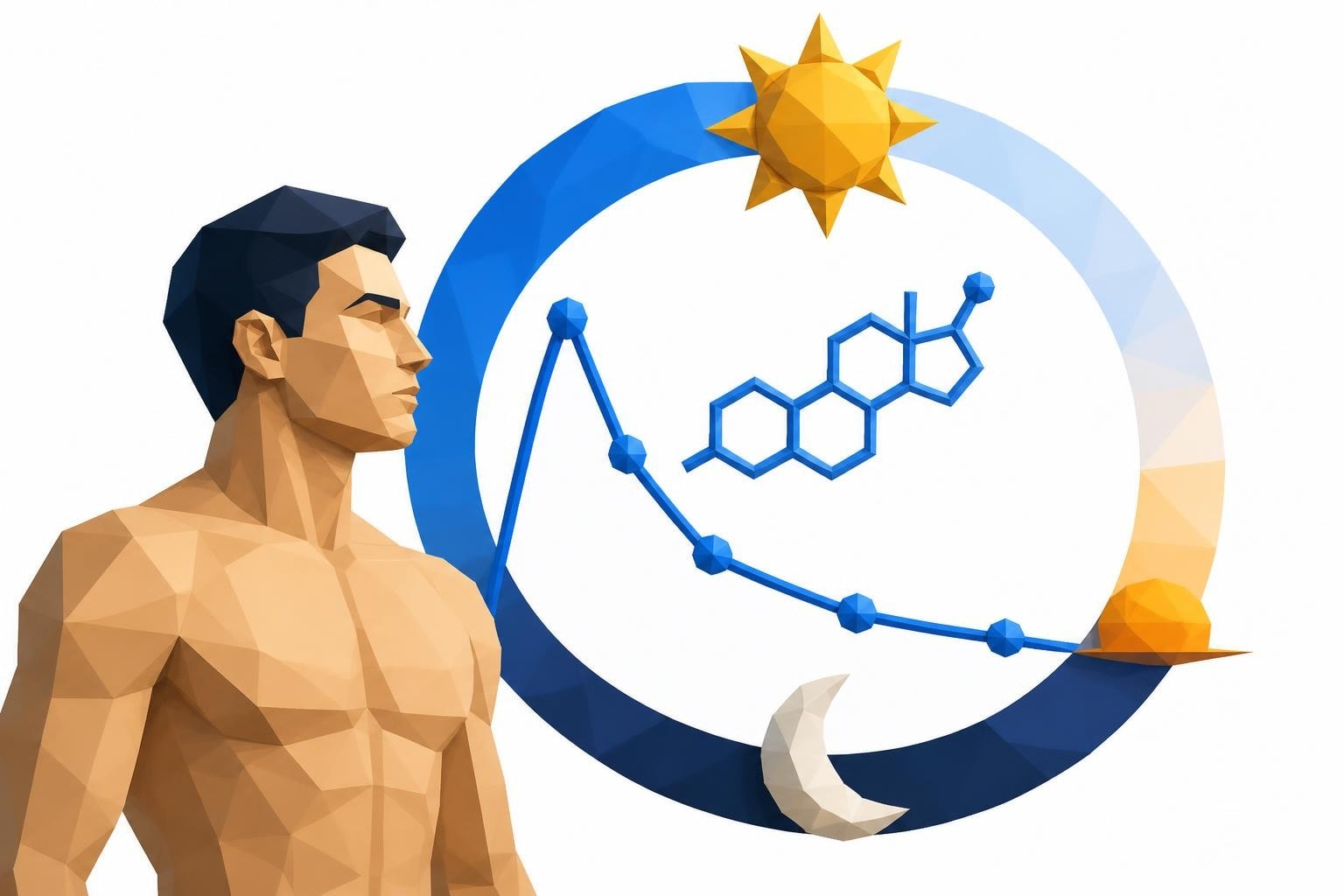
Cortisol testing plays a crucial role in evaluating stress responses, diagnosing hormonal disorders, and understanding your body's natural rhythms. However, timing is everything when it comes to accurate cortisol measurement. Understanding the best time of day to test cortisol ensures your results reflect meaningful patterns rather than random fluctuations, helping you and your healthcare provider make informed decisions about your health.
Big picture
- Cortisol follows a predictable daily pattern: Your body naturally produces the highest cortisol levels within 30-60 minutes after waking (the cortisol awakening response), then gradually declines throughout the day to reach its lowest point around midnight.
- Test timing dramatically affects results: Because cortisol fluctuates significantly across 24 hours, a single measurement taken at the wrong time can miss critical diagnostic information or produce misleading values.
- Different conditions require different timing strategies: Morning tests help diagnose adrenal insufficiency, while late-night measurements are essential for detecting Cushing's syndrome and other conditions where cortisol remains abnormally elevated.
- Sample type influences optimal collection windows: Blood tests typically require morning collection, saliva samples can capture multiple daily timepoints, and 24-hour urine tests measure total daily cortisol production.
- Self-pay testing gives you timing flexibility: Services like Justlabs allow you to order cortisol tests without insurance barriers, making it easier to collect samples at the precise times recommended for your specific health concerns.
- Action step: Determine whether you need a single morning cortisol test, late-night measurement, or comprehensive daily profile before scheduling your collection to ensure the most clinically useful results.
Understanding Cortisol's Natural Rhythm
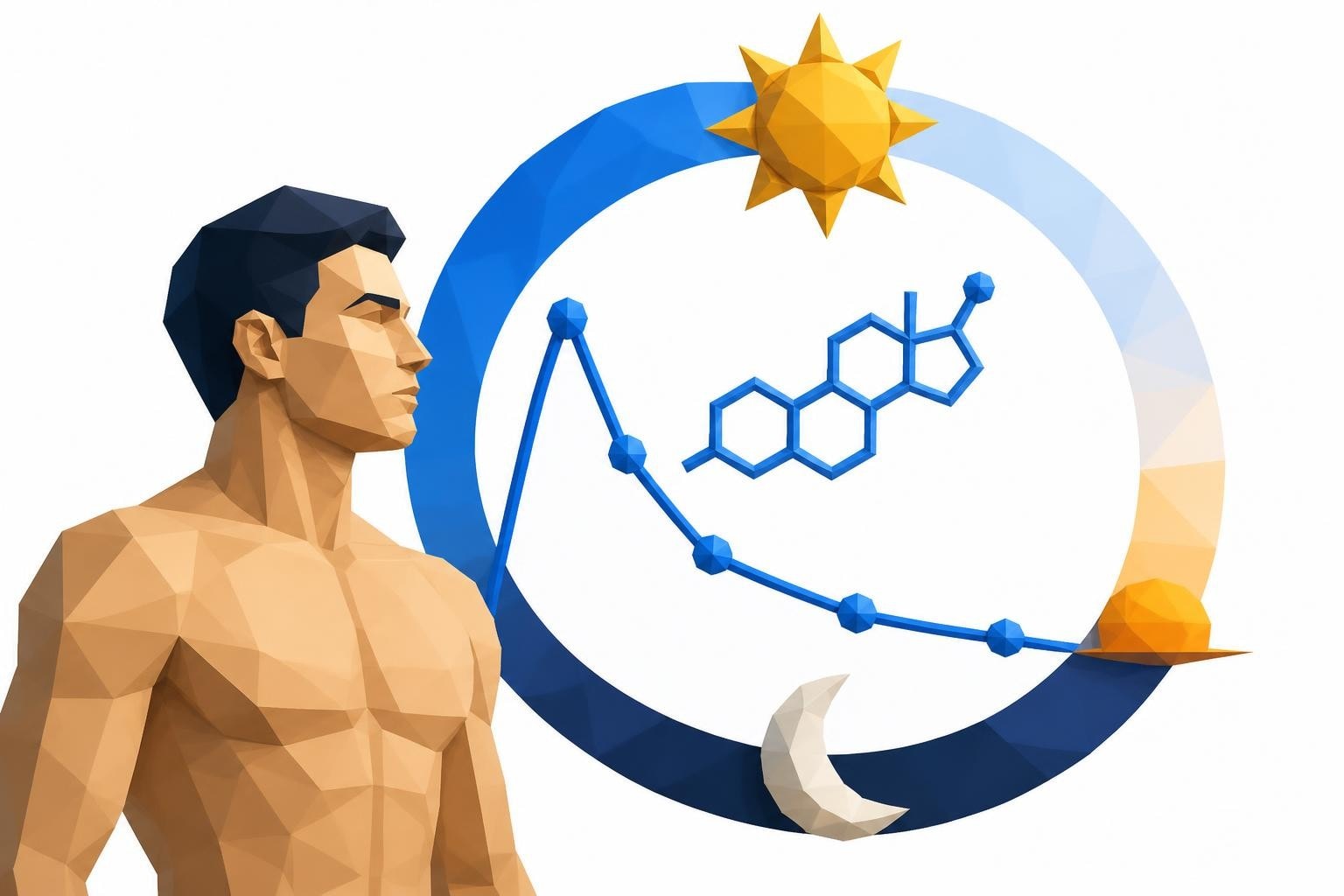
Cortisol operates on a circadian rhythm that fundamentally shapes when testing provides the most valuable diagnostic information. This hormone, produced by your adrenal glands, doesn't maintain steady levels throughout the day but instead follows a predictable pattern influenced by your sleep-wake cycle.
The Cortisol Awakening Response
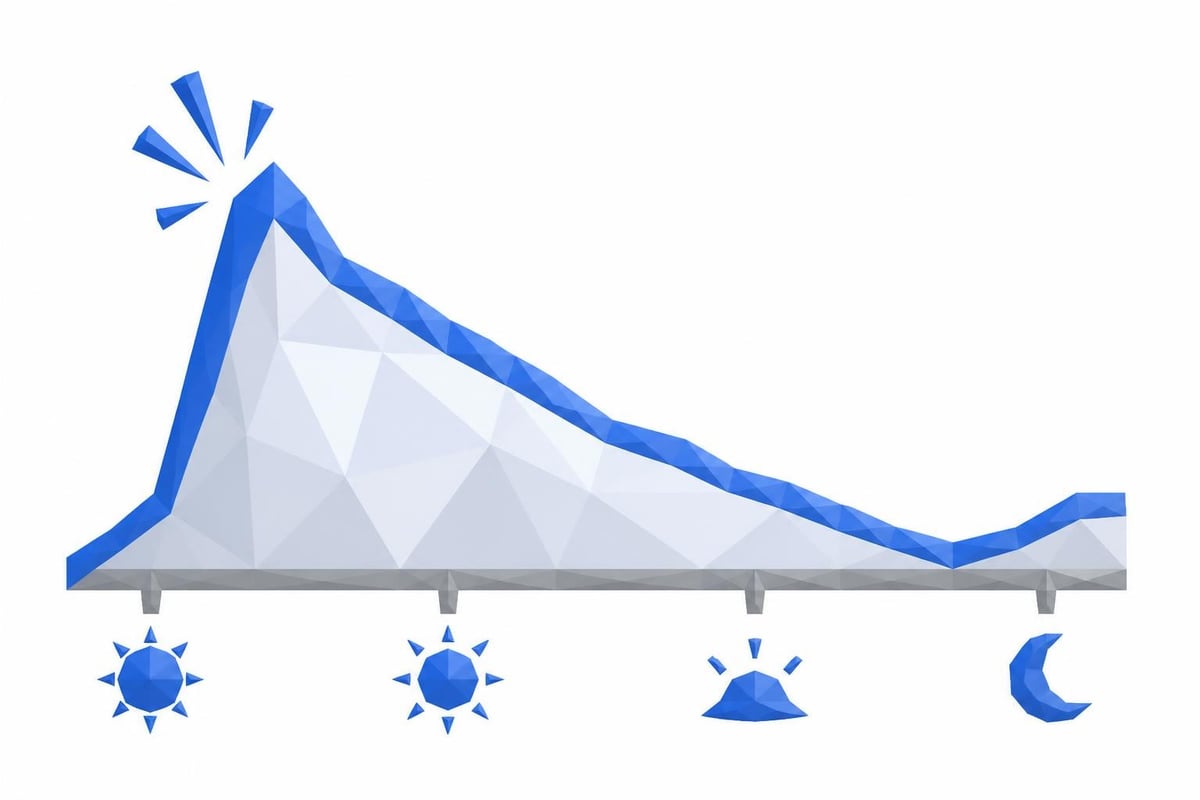
The most dramatic cortisol surge occurs immediately upon waking. Within the first 30 minutes after you open your eyes, cortisol levels typically increase by 50-75% above your sleeping baseline. This phenomenon, known as the cortisol awakening response, represents your body's natural preparation system for the day ahead.
Peak cortisol concentrations generally occur between 8:00 AM and 9:00 AM for people who wake around 6:00-7:00 AM. However, the exact timing shifts based on your individual wake time rather than the clock. Night shift workers, for example, experience their cortisol peak shortly after their own awakening, regardless of what time that occurs.
Afternoon and Evening Decline
After the morning peak, cortisol levels begin a steady descent throughout the afternoon and evening. By 4:00 PM, healthy individuals typically show cortisol levels approximately 50% lower than their morning peak. This gradual reduction continues until cortisol reaches its lowest point between 11:00 PM and midnight.
According to recent research on cortisol as a circadian biomarker, this predictable decline serves as an important diagnostic marker. When cortisol fails to drop appropriately in the evening, it may indicate conditions like Cushing's syndrome or chronic stress disorders.
Optimal Morning Testing Windows
Morning cortisol testing serves as the foundation for diagnosing numerous endocrine conditions. The best time of day to test cortisol for most diagnostic purposes falls between 7:00 AM and 9:00 AM, preferably within one hour of waking.
Why Morning Matters for Baseline Assessment
Morning measurements capture cortisol at its physiological peak, providing the most robust baseline for comparison against reference ranges. This timing is particularly critical for:
- Adrenal insufficiency screening: Low morning cortisol strongly suggests the adrenal glands aren't producing adequate hormone, even at the time of day when production should be highest
- Stress response evaluation: Morning levels reflect your adrenal glands' maximum capacity to produce cortisol
- Treatment monitoring: Patients on steroid medications or those recovering from adrenal disorders need morning measurements to assess therapeutic effectiveness
The Endocrine Society guidelines recommend morning serum cortisol testing as the initial screening tool for suspected adrenal dysfunction. A morning cortisol below 3 μg/dL strongly suggests adrenal insufficiency, while values above 15 μg/dL generally rule it out.
Blood Draw Timing Specifications
For serum cortisol blood tests, precision in timing yields more interpretable results:
| Collection Window | Clinical Application | Key Considerations |
|---|---|---|
| 7:00-9:00 AM | Standard baseline, adrenal insufficiency screening | Aligns with peak cortisol in most adults |
| 30 min post-awakening | Cortisol awakening response assessment | Captures maximum awakening surge |
| Before 10:00 AM | General screening, pre-surgical evaluation | Still within elevated morning range |
When ordering through platforms that offer transparent lab test pricing, you can schedule your blood draw during these optimal windows without waiting for traditional doctor's appointments that might not align with ideal testing times.
Recommended Test
Cortisol, Total
Cortisol is your body's primary stress hormone, produced by the adrenal glands. This test measures total cortisol levels to assess adrenal function and stress response.
Includes 1 biomarkers
$15
Late-Night Testing for Specific Conditions
While morning tests dominate routine cortisol screening, late-night measurements provide irreplaceable diagnostic value for specific conditions. The best time of day to test cortisol for detecting excess cortisol production is between 11:00 PM and midnight.
Detecting Cushing's Syndrome
Cushing's syndrome results from chronic cortisol excess and disrupts the normal daily rhythm. One of the earliest and most specific abnormalities is the loss of normal late-night cortisol suppression. Healthy individuals show very low cortisol around midnight, but those with Cushing's syndrome maintain inappropriately elevated levels.
Clinical guidelines for Cushing's syndrome diagnosis emphasize late-night salivary cortisol collected between 11:00 PM and midnight as a highly sensitive screening tool. This non-invasive test can be performed at home, making it practical for detecting a condition that traditional office-hour testing often misses.
Salivary Cortisol Collection Protocol
Late-night salivary cortisol offers several advantages over blood testing:
- Non-invasive collection: You can collect samples in the comfort of your home without venipuncture
- Natural environment testing: Results reflect cortisol levels in your usual sleep environment rather than the artificial stress of a medical facility
- Multiple timepoint capability: You can easily collect samples at several evening timepoints to map your cortisol decline pattern
The NIDDK guidance on late-night salivary cortisol recommends collecting samples at your usual bedtime while you're relaxing at home. Avoid eating, drinking, or brushing your teeth for 30 minutes before collection to prevent sample contamination.
Four-Point Cortisol Curves
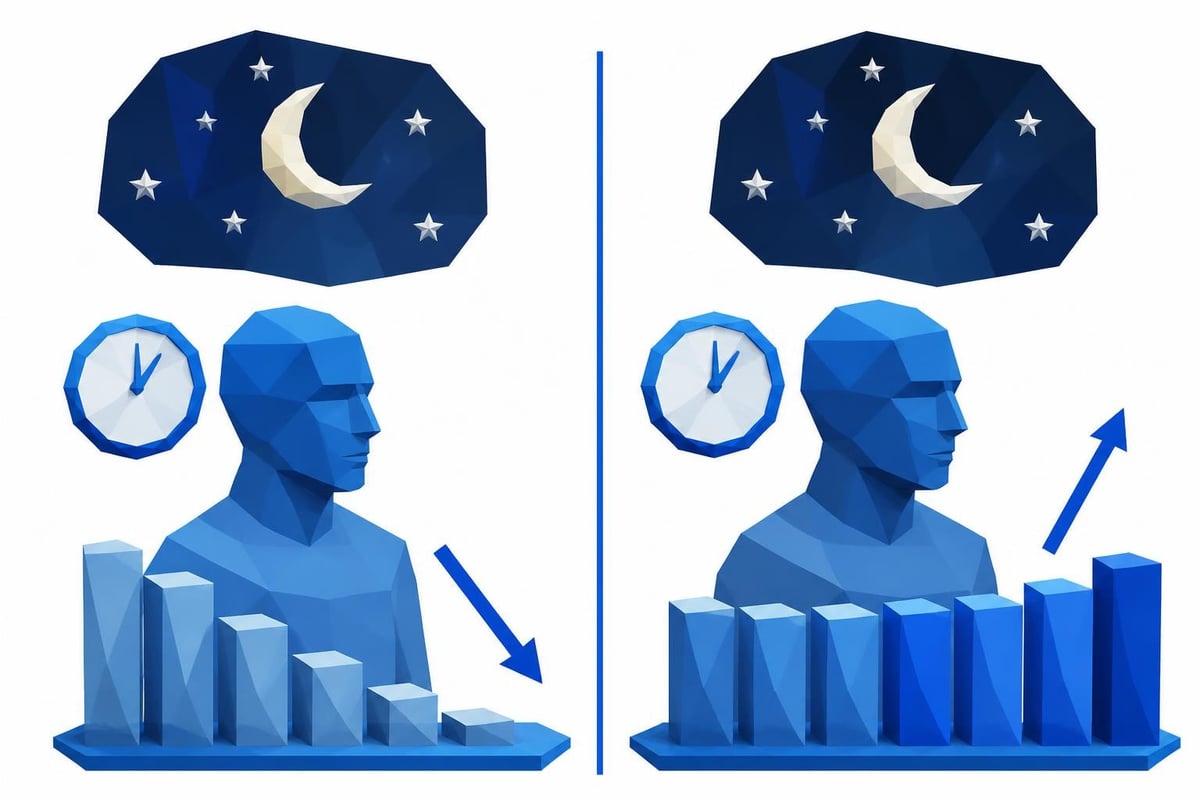
For comprehensive cortisol rhythm assessment, four-point testing throughout the day provides the most complete picture. This approach captures cortisol's full daily arc rather than relying on a single snapshot.
Standard Collection Timepoints
The best time of day to test cortisol when performing a daily profile includes:
- Upon awakening (immediately after waking, before getting out of bed)
- 30 minutes post-awakening (to capture the cortisol awakening response peak)
- Mid-afternoon (typically 3:00-5:00 PM, showing the decline phase)
- Late evening (10:00 PM-midnight, demonstrating the nadir)
This multi-point approach, detailed in research protocols for salivary cortisol collection, allows healthcare providers to calculate the area under the curve and assess whether your cortisol rhythm matches healthy patterns.
What Daily Curves Reveal
Four-point testing uncovers patterns that single measurements miss:
- Flattened curves: Indicate chronic stress or burnout when morning-to-evening variation is reduced
- Elevated evening cortisol: Suggests dysregulation even when morning levels appear normal
- Blunted awakening response: May indicate adrenal fatigue or hypothalamic-pituitary-adrenal axis suppression
- Appropriate variation: Confirms healthy adrenal function and circadian rhythm integrity
Understanding these patterns helps distinguish between normal and optimal lab ranges, guiding more personalized health interventions rather than simply checking whether you fall within broad reference intervals.
24-Hour Urine Cortisol Testing
Unlike blood and saliva tests that capture cortisol at specific moments, 24-hour urine testing measures your total cortisol production across an entire day. This method doesn't require precise timing for individual collections but demands careful attention to the collection period.
Collection Process and Timing
The 24-hour urine cortisol test involves:
- Starting the collection: Discard your first morning urine on Day 1, then collect every subsequent void
- Continuing throughout the day: Collect all urine produced during normal activities across 24 hours
- Completing the cycle: Include your first morning void on Day 2, exactly 24 hours after starting
- Refrigerating samples: Keep the collection container refrigerated throughout the process
This test provides an integrated measure of free cortisol excretion, smoothing out the hourly fluctuations that can complicate single-timepoint interpretation. According to clinical practice guidelines, 24-hour urine free cortisol levels above normal ranges suggest cortisol excess requiring further evaluation.
When Urine Testing Works Best
| Scenario | Advantage of 24-Hour Urine |
|---|---|
| Suspected Cushing's syndrome | Captures total daily cortisol production |
| Variable cortisol patterns | Averages out intermittent spikes |
| Pediatric testing | Less stressful than multiple blood draws |
| Monitoring treatment | Tracks overall cortisol burden over time |
For those seeking labs without insurance, urine cortisol testing offers a cost-effective way to assess overall cortisol status without multiple blood draws or the complexity of timed salivary collections.
Factors That Affect Optimal Testing Times
Individual circumstances modify the best time of day to test cortisol for your specific situation. Recognizing these variables ensures your results provide meaningful clinical information.
Shift Work and Irregular Schedules
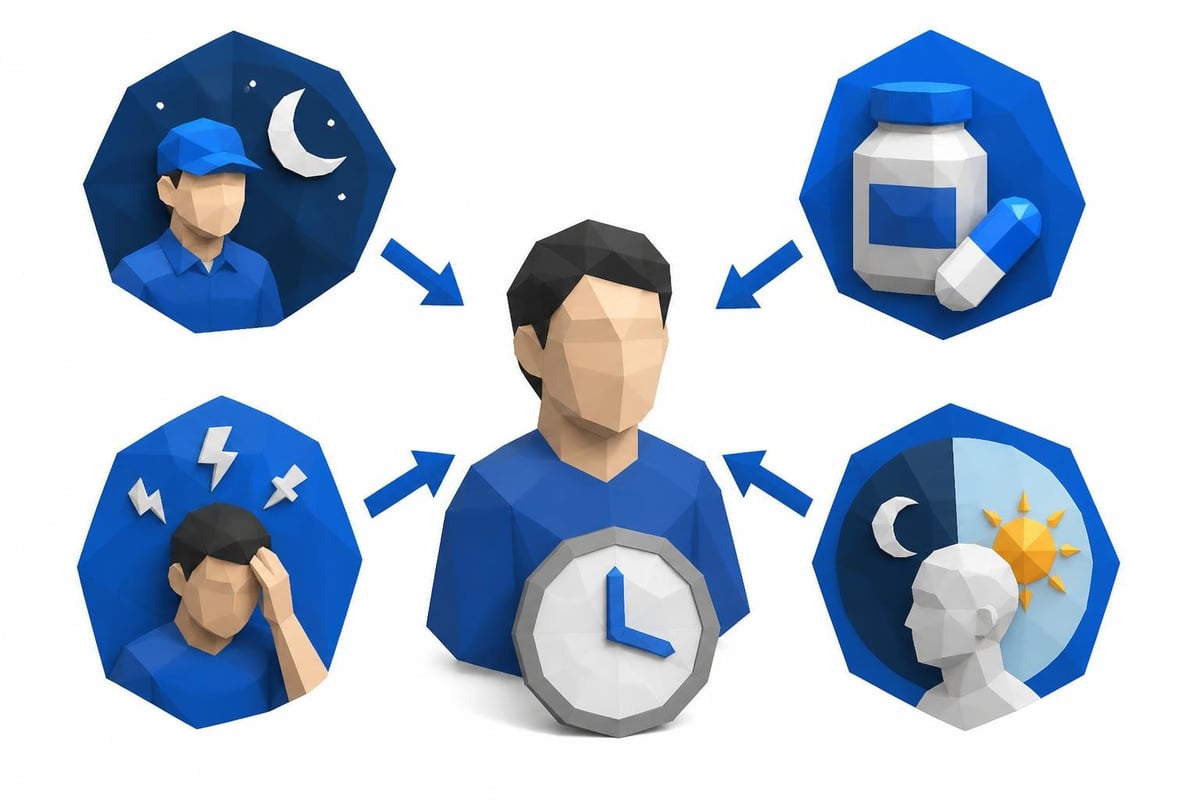
Night shift workers and people with non-traditional sleep schedules need adjusted testing times. Your cortisol rhythm aligns with your personal sleep-wake cycle rather than clock time. If you sleep from 9:00 AM to 5:00 PM, your cortisol peak will occur shortly after 5:00 PM, and your nadir around noon.
When scheduling cortisol testing with irregular sleep patterns:
- Schedule "morning" tests within 1-2 hours of your usual wake time, regardless of clock time
- Collect "late-night" samples shortly before your usual sleep time
- Inform the testing facility and interpreting physician about your schedule so they apply appropriate reference ranges
Medications and Supplements
Several medications influence cortisol timing and levels. Steroid medications like prednisone suppress your natural cortisol production, making testing interpretation complex. The best approach involves:
- Testing before starting steroid therapy: Establishes your baseline cortisol function
- Morning testing during treatment: Captures residual endogenous cortisol production at its expected peak
- Post-treatment monitoring: Assesses adrenal recovery after stopping long-term steroids
Birth control pills, estrogen therapy, and some psychiatric medications also affect cortisol binding proteins, potentially altering total cortisol levels without changing biologically active free cortisol.
Acute Stress and Illness
Acute physical or psychological stress triggers cortisol release that can temporarily override normal circadian patterns. For diagnostic accuracy:
- Avoid testing during acute illness: Fever, infection, or injury activates stress responses that elevate cortisol at all times of day
- Postpone after major stress events: Wait at least one week after surgeries, accidents, or significant psychological trauma
- Reschedule if extremely anxious: The stress of the blood draw itself can elevate results, particularly in the morning when baseline cortisol is already high
Practical Considerations for Sample Collection
Successfully capturing cortisol at optimal times requires attention to collection logistics and sample handling. Understanding the process for ordering lab tests helps you prepare for accurate sample collection.
Preparing for Morning Blood Draws
Morning cortisol blood tests demand specific preparation:
- Fasting status: Most protocols recommend fasting overnight (8-12 hours) to eliminate food-related cortisol fluctuations
- Sleep adequacy: Aim for your usual sleep duration the night before testing, as sleep deprivation elevates morning cortisol
- Timing consistency: Schedule your draw as close to the same time as possible if you need repeat testing
- Stress minimization: Arrive early to relax before the draw, as rushing and anxiety spike cortisol acutely
Home Collection for Saliva Samples
Salivary cortisol testing offers convenience but requires methodical collection technique. The detailed protocols described in research studies emphasize:
- Setting alarms: Use phone alarms for each collection timepoint to maintain consistency
- Avoiding contamination: No eating, drinking (except water), smoking, or tooth brushing for 30 minutes before collection
- Passive drool method: Let saliva pool naturally in your mouth, then drool into the collection tube without forcing or stimulating production
- Immediate refrigeration: Store samples in your refrigerator until ready to mail or drop off at the testing facility
Understanding how to properly collect samples ensures your results accurately reflect your cortisol levels rather than collection errors.
Interpreting Results Based on Collection Time
The time you collect your cortisol sample fundamentally shapes how healthcare providers interpret your results. Values considered normal at 8:00 AM would be alarming at midnight.
Reference Ranges by Time of Day
| Time of Day | Normal Range (Serum) | Clinical Interpretation |
|---|---|---|
| 7:00-9:00 AM | 10-20 μg/dL | Morning baseline assessment |
| Noon | 5-15 μg/dL | Mid-day decline expected |
| 4:00 PM | 3-10 μg/dL | Afternoon suppression |
| 11:00 PM | <5 μg/dL (saliva <0.09 μg/dL) | Late-night nadir |
These ranges represent typical values, but individual variation exists. Reference ranges also differ between serum, saliva, and urine measurements. General information about cortisol testing notes that different laboratories may use slightly different reference intervals based on their specific testing methods.
Context Matters for Interpretation
Beyond comparing your result to reference ranges, clinicians consider:
- Your symptoms: Fatigue, weight changes, mood issues, or other signs that prompted testing
- Serial measurements: Trends across multiple tests often provide more insight than single values
- Clinical probability: How likely is an abnormal cortisol condition given your overall health picture
- Confirmatory testing: Initial abnormalities typically warrant repeat or alternative testing methods
When reviewing your results through platforms offering support for understanding lab results, pay attention to both the numerical values and the clinical context surrounding your specific testing time.
Special Populations and Testing Considerations
Certain groups require modified approaches to cortisol testing timing. Recognizing these special circumstances ensures appropriate test selection and scheduling.
Pregnancy and Postpartum
Pregnancy significantly elevates total cortisol levels throughout gestation due to increased cortisol-binding globulin. Free cortisol (the biologically active form) remains more stable. For pregnant individuals:
- Morning serum cortisol may be 2-3 times higher than non-pregnant reference ranges
- Salivary cortisol (which measures free cortisol) provides more interpretable results
- The daily rhythm persists but with elevated absolute values across all timepoints
Pediatric Testing
Children and adolescents show similar circadian cortisol patterns to adults but require age-specific reference ranges. Morning testing remains standard, but collection methods often favor less invasive approaches. Salivary cortisol collected at home reduces anxiety that can artificially elevate results in clinical settings.
Older Adults
Aging affects cortisol regulation, with some studies showing:
- Slightly higher evening cortisol levels (reduced amplitude between morning and evening)
- Maintained morning awakening response in healthy aging
- Greater vulnerability to stress-induced cortisol elevation
These changes don't necessarily indicate pathology but highlight the importance of age-appropriate reference ranges and clinical context when interpreting results.
Key Takeaways
Understanding the best time of day to test cortisol transforms this hormone measurement from a simple number into a powerful diagnostic tool. Morning testing between 7:00-9:00 AM captures cortisol at its natural peak, making it ideal for screening adrenal insufficiency and establishing baseline function. Conversely, late-night salivary cortisol collected between 11:00 PM and midnight excels at detecting conditions like Cushing's syndrome where the normal evening suppression fails to occur.
Four-point daily curves provide the most comprehensive assessment by mapping your full cortisol rhythm, revealing patterns that single measurements miss. These multi-point collections show whether you maintain healthy variation between morning and evening levels or display flattened curves suggesting chronic stress or adrenal dysregulation. Meanwhile, 24-hour urine testing offers an integrated measure of total daily cortisol production, smoothing out hourly fluctuations while capturing overall cortisol burden.
Individual factors significantly influence optimal testing strategies. Shift workers need collection times aligned with their personal wake-sleep cycles rather than clock time. Medications, acute stress, and illness can temporarily override normal cortisol rhythms, potentially necessitating rescheduled testing for accurate results. Proper preparation, including appropriate fasting for morning blood draws and meticulous timing for salivary collections, ensures your samples accurately reflect your true cortisol status.
Sample type selection depends on your specific diagnostic needs. Blood tests excel for morning baseline assessment and are most widely used in clinical practice. Salivary cortisol offers non-invasive home collection across multiple timepoints, making it particularly valuable for mapping daily rhythms and capturing late-night measurements. Urine collection provides integrated 24-hour data without requiring precise timing for individual voids.
Reference ranges differ dramatically based on collection time, with morning serum cortisol typically ranging from 10-20 μg/dL while late-night values should drop below 5 μg/dL. The same absolute cortisol level might indicate healthy function at 8:00 AM but signal pathology at midnight. Clinical interpretation must always account for collection timing alongside symptoms, medical history, and other relevant factors.
FAQ
What happens if I miss my scheduled cortisol test time?
Timing precision matters significantly for cortisol testing. If you miss a morning blood draw by 1-2 hours, the test may still provide useful information, but results will reflect later morning levels rather than true peak values. For late-night salivary cortisol, collecting samples outside the 11:00 PM-midnight window reduces diagnostic sensitivity for Cushing's syndrome. If you miss a scheduled timepoint during four-point testing, continue with remaining collections rather than trying to make up the missed sample. Contact your testing provider to determine whether rescheduling makes sense for your specific situation.
Can I test cortisol at home?
Yes, salivary cortisol testing allows accurate home collection at multiple timepoints throughout the day. This method involves passive drool collection into specialized tubes that preserve cortisol stability during shipping to the laboratory. Home collection actually offers advantages over clinic-based testing by measuring cortisol in your natural environment without the artificial stress of medical facilities. However, blood draws for serum cortisol require venipuncture at a professional facility. Services offering convenient lab test locations make it easy to find nearby collection sites for blood-based cortisol measurements.
How often should I retest my cortisol levels?
Retesting frequency depends on your specific situation. If your initial cortisol test shows values outside normal ranges, your healthcare provider typically recommends confirmatory testing using a different method or timing. For example, an abnormal morning serum cortisol might warrant follow-up with late-night salivary cortisol or 24-hour urine collection. Patients being treated for adrenal disorders may need monthly or quarterly monitoring initially, then less frequent testing once stable. Healthy individuals monitoring stress or optimizing wellness often retest every 3-6 months to track trends. Discuss appropriate retesting intervals with your healthcare provider based on your initial results and clinical picture.
Does cortisol testing require fasting?
Morning serum cortisol blood tests typically require overnight fasting (8-12 hours) to eliminate food-related cortisol fluctuations and ensure comparability to reference ranges established using fasting samples. You can usually drink water during the fasting period. Salivary cortisol collections generally don't require prolonged fasting, but you should avoid eating, drinking (except water), or brushing your teeth for 30 minutes before each collection timepoint. This short restriction prevents food particles and residues from contaminating samples. For 24-hour urine cortisol, you maintain your normal diet throughout the collection period since this test measures integrated daily production rather than specific timepoints.
Can stress affect my cortisol test results?
Acute stress significantly elevates cortisol at any time of day, potentially producing misleadingly high results that don't reflect your baseline function. The anxiety associated with blood draws, medical appointments, or even traffic stress on the way to the testing facility can spike cortisol levels. This effect is particularly problematic for morning testing when cortisol is already naturally elevated. To minimize stress-related interference, arrive early to relax before blood collection, practice deep breathing, and avoid rushing. If you're extremely anxious or recently experienced major stress events, consider rescheduling testing for a calmer period. Salivary cortisol collected at home in familiar surroundings typically reduces stress-related artifacts compared to clinic-based blood draws.
Why do cortisol levels vary throughout the day?
Cortisol follows circadian rhythms controlled by your hypothalamic-pituitary-adrenal (HPA) axis, which responds to your internal biological clock. This system coordinates cortisol production with your sleep-wake cycle to provide energy when you need it most. Morning cortisol surges prepare your body for daily activities, providing glucose and energy mobilization. As the day progresses and activity demands decrease, cortisol production slows, allowing restorative processes to dominate. By late evening, low cortisol supports sleep initiation and overnight recovery. This variation isn't random but represents sophisticated biological programming that optimizes cortisol availability for daily demands while preventing excessive exposure that could damage tissues.
What's the difference between total and free cortisol?
Total cortisol measures all cortisol in your blood, including hormone bound to carrier proteins (primarily cortisol-binding globulin) and the small fraction circulating freely. Free cortisol represents only the unbound fraction that can actually enter cells and exert biological effects. Serum cortisol tests typically measure total cortisol, which works well for most diagnostic purposes. However, conditions or medications that change binding protein levels (pregnancy, birth control pills, liver disease) can alter total cortisol without affecting biologically active free cortisol. Salivary cortisol specifically measures free cortisol since only unbound hormone passes into saliva, making it particularly useful when binding protein changes are a concern.
Are cortisol test results covered by FSA or HSA accounts?
Many health savings accounts (HSA) and flexible spending accounts (FSA) cover cortisol testing as a qualified medical expense, though coverage depends on your specific plan terms. Testing must generally be for diagnostic or monitoring purposes rather than general wellness screening. When using FSA or HSA for eligible tests, keep documentation of your order and results as your account administrator may request medical necessity justification. Self-pay testing platforms often provide itemized receipts suitable for HSA/FSA reimbursement claims. Check with your account administrator to confirm cortisol testing qualifies under your plan's guidelines and to understand any required documentation.
Accurate cortisol testing hinges on collecting samples at times that align with your body's natural rhythms and your specific diagnostic needs. Whether you need morning baseline assessment, late-night screening for cortisol excess, or comprehensive daily profiling, timing your test appropriately ensures clinically meaningful results. Justlabs provides convenient access to cortisol testing with transparent pricing and flexible scheduling, allowing you to order the right test and collect samples at optimal times without navigating insurance requirements or waiting for traditional appointment availability. Get started today to take control of your hormone health assessment with testing that fits your schedule and delivers results in just 1-3 days.
Related Reading
References
Stalder T, Oster H, Abelson JL, Huthsteiner K, Klucken T, Clow A. The Cortisol Awakening Response: Regulation and Functional Significance. Endocr Rev. 2025 Jan 10;46(1):43-59. doi: 10.1210/endrev/bnae024. PMID: 39177247. https://pubmed.ncbi.nlm.nih.gov/39177247/
Stalder T, Kirschbaum C, Kudielka BM, Adam EK, Pruessner JC, Wüst S, Dockray S, Smyth N, Evans P, Hellhammer DH, Miller R, Wetherell MA, Lupien SJ, Clow A. Assessment of the cortisol awakening response: Expert consensus guidelines. Psychoneuroendocrinology. 2016 Jan;63:414-32. doi: 10.1016/j.psyneuen.2015.10.010. PMID: 26563991. https://pubmed.ncbi.nlm.nih.gov/26563991/
Nieman LK, Biller BM, Findling JW, Newell-Price J, Savage MO, Stewart PM, Montori VM. The diagnosis of Cushing's syndrome: an Endocrine Society Clinical Practice Guideline. J Clin Endocrinol Metab. 2008 May;93(5):1526-40. doi: 10.1210/jc.2008-0125. PMID: 18334580. https://pubmed.ncbi.nlm.nih.gov/18334580/
Carroll T, Raff H, Findling JW. Late-night salivary cortisol for the diagnosis of Cushing syndrome: a meta-analysis. Endocr Pract. 2009 May-Jun;15(4):335-42. doi: 10.4158/EP09023OR. PMID: 19502211. https://pubmed.ncbi.nlm.nih.gov/19502211/
Bornstein SR, Allolio B, Arlt W, Barthel A, Don-Wauchope A, Hammer GD, Husebye ES, Merke DP, Murad MH, Stratakis CA, Torpy DJ. Diagnosis and Treatment of Primary Adrenal Insufficiency: An Endocrine Society Clinical Practice Guideline. J Clin Endocrinol Metab. 2016 Feb;101(2):364-89. doi: 10.1210/jc.2015-1710. PMID: 26760044. https://pubmed.ncbi.nlm.nih.gov/26760044/