Understanding estrone and hormone health after menopause is essential for women navigating this significant life transition. While many people are familiar with estrogen as a single hormone, the body actually produces three distinct types: estradiol, estrone, and estriol. After menopause, the hormonal landscape shifts dramatically, and estrone becomes the predominant circulating estrogen in the body. This transition affects everything from bone density and cardiovascular health to weight management and cognitive function. For women managing their health in 2026, understanding these hormonal changes provides critical insight into their wellbeing and helps guide informed conversations with healthcare providers about monitoring and potential intervention strategies.
The Hormonal Shift During Menopause
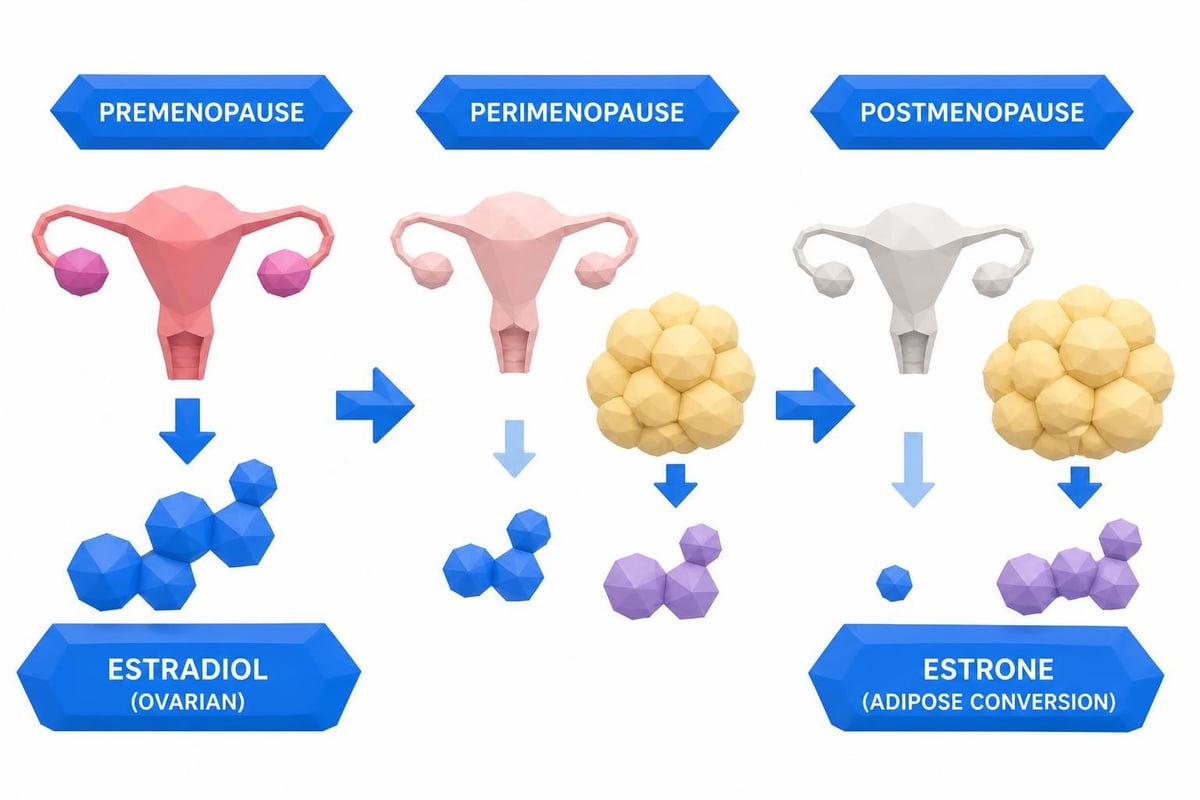
Menopause marks a profound change in the body's estrogen production patterns. During reproductive years, the ovaries produce substantial amounts of estradiol (E2), the most potent form of estrogen. This hormone drives menstrual cycles, maintains bone density, supports cardiovascular health, and influences hundreds of physiological processes throughout the body.
When menopause occurs, typically between ages 45 and 55, ovarian function declines significantly. Estradiol production drops by approximately 90%, creating the symptoms many women recognize: hot flashes, night sweats, mood changes, and sleep disturbances. However, estrogen production doesn't stop entirely. Instead, the body shifts to alternative production pathways.
Estrone Takes the Lead
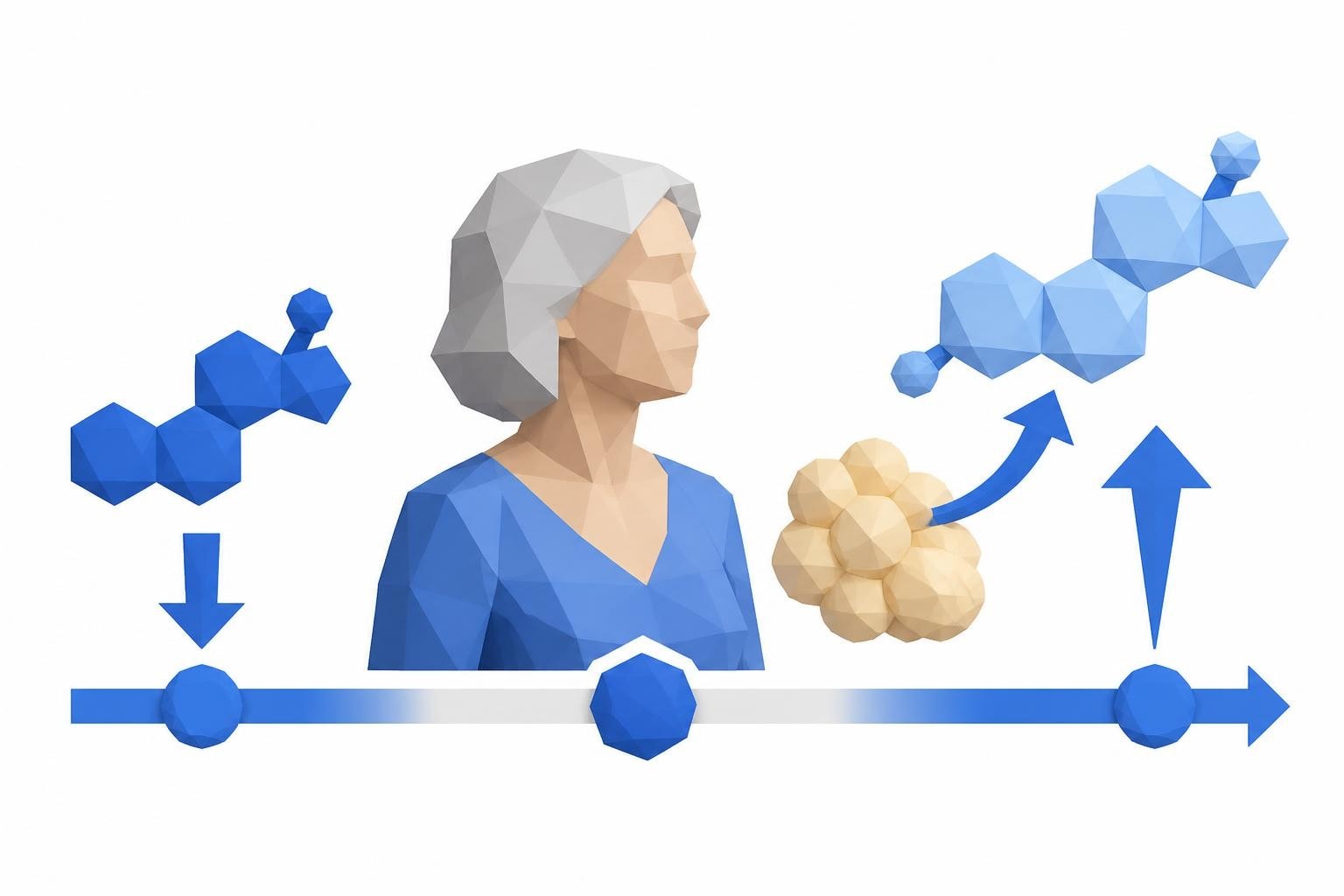
After menopause, estrone (E1) becomes the primary circulating estrogen. Unlike estradiol, which is produced mainly in the ovaries during reproductive years, estrone is produced primarily through the conversion of androgens in peripheral tissues, especially adipose (fat) tissue. The enzyme aromatase converts androstenedione into estrone in fat cells, muscle tissue, and even bone.
According to research on estrogen levels in postmenopausal women, estrone levels remain relatively consistent after menopause while estradiol levels dramatically decline. This shift means that estrone and hormone health after menopause become intrinsically linked, as this weaker estrogen variant now carries the responsibility of providing estrogenic effects throughout the body.
How Estrone Differs from Estradiol
Understanding the differences between these two estrogens is crucial for managing postmenopausal health effectively. While both are estrogens, they have distinct characteristics and effects on the body.
| Characteristic | Estradiol (E2) | Estrone (E1) |
|---|---|---|
| Potency | Most potent estrogen | Approximately 10% as potent as estradiol |
| Primary source (reproductive years) | Ovaries | Peripheral conversion of androgens |
| Primary source (postmenopause) | Minimal production | Adipose tissue conversion |
| Biological activity | Strong receptor binding | Weaker receptor binding |
| Primary role | Reproductive function, bone health, cardiovascular protection | Estrogen reservoir, mild estrogenic activity |
Receptor Binding and Activity
Estradiol binds strongly to estrogen receptors throughout the body, creating robust biological responses. These receptors exist in bone tissue, the cardiovascular system, the brain, the urogenital tract, and numerous other tissues. The strong binding affinity of estradiol explains why it provides such comprehensive benefits during reproductive years.
Estrone, by contrast, binds more weakly to these same receptors. This reduced estrogenic activity means it provides milder effects. While this might seem entirely negative, the weaker activity serves a purpose. Estrone can be converted back to estradiol when needed through the enzyme 17β-hydroxysteroid dehydrogenase, effectively serving as a storage form of estrogen that the body can access as required.
Conversion and Balance
The relationship between estrone and estradiol is bidirectional. In postmenopausal women, small amounts of estrone can convert to estradiol, providing some estrogenic activity. Conversely, any remaining estradiol can convert to estrone. This interconversion helps maintain a baseline level of estrogenic support, though at much lower levels than during reproductive years.
The conversion process depends on several factors including enzyme availability, tissue type, and overall metabolic health. Women with higher body fat percentages typically produce more estrone because adipose tissue contains more aromatase enzyme. This explains some of the complex relationships between weight, hormone levels, and health outcomes after menopause.
Why Estrone Levels Matter in Postmenopausal Health
Monitoring estrone and hormone health after menopause provides valuable insights for several clinical situations. While estrone is weaker than estradiol, its levels and balance with other hormones can significantly impact overall wellbeing.
Bone Health Considerations
Estrogen plays a critical role in maintaining bone density by regulating osteoblast and osteoclast activity. When estradiol levels drop after menopause, bone loss accelerates, increasing fracture risk. Although estrone provides some bone protection, its weaker activity means it cannot fully compensate for the loss of estradiol.
Research indicates that estrone levels and bone health are connected, though the relationship is complex. Women with very low estrone levels may experience more rapid bone loss, while those with higher levels may retain slightly better bone density. However, estrone alone typically cannot prevent osteoporosis without additional intervention.
Cardiovascular and Metabolic Effects
During reproductive years, estradiol provides significant cardiovascular protection. It helps maintain healthy cholesterol levels, supports vascular function, and reduces inflammation. After menopause, the loss of this protection contributes to increased cardiovascular risk in women.
Estrone provides minimal cardiovascular benefits compared to estradiol. Some studies suggest that higher estrone levels may correlate with different metabolic patterns, including potential connections to weight gain and insulin resistance. The relationship between estrone, body composition, and metabolic health remains an active area of research.
Cancer Risk Assessment
One important consideration with estrone and hormone health after menopause involves cancer risk. Estrone can be converted to estradiol within tissues, and both hormones can stimulate hormone-sensitive tissues. Elevated estrone levels, particularly in the context of obesity, have been associated with increased risk of certain hormone-sensitive cancers, including breast and endometrial cancer.
This doesn't mean estrone itself is dangerous, but rather that maintaining appropriate hormonal balance is important. Women with risk factors for hormone-sensitive cancers may benefit from monitoring estrone levels alongside other health markers.
Hormone Therapy and Estrone Monitoring
For women using hormone replacement therapy (HRT) after menopause, understanding estrone levels becomes particularly relevant. Different HRT formulations have varying effects on estrone production and metabolism.
Types of Hormone Therapy
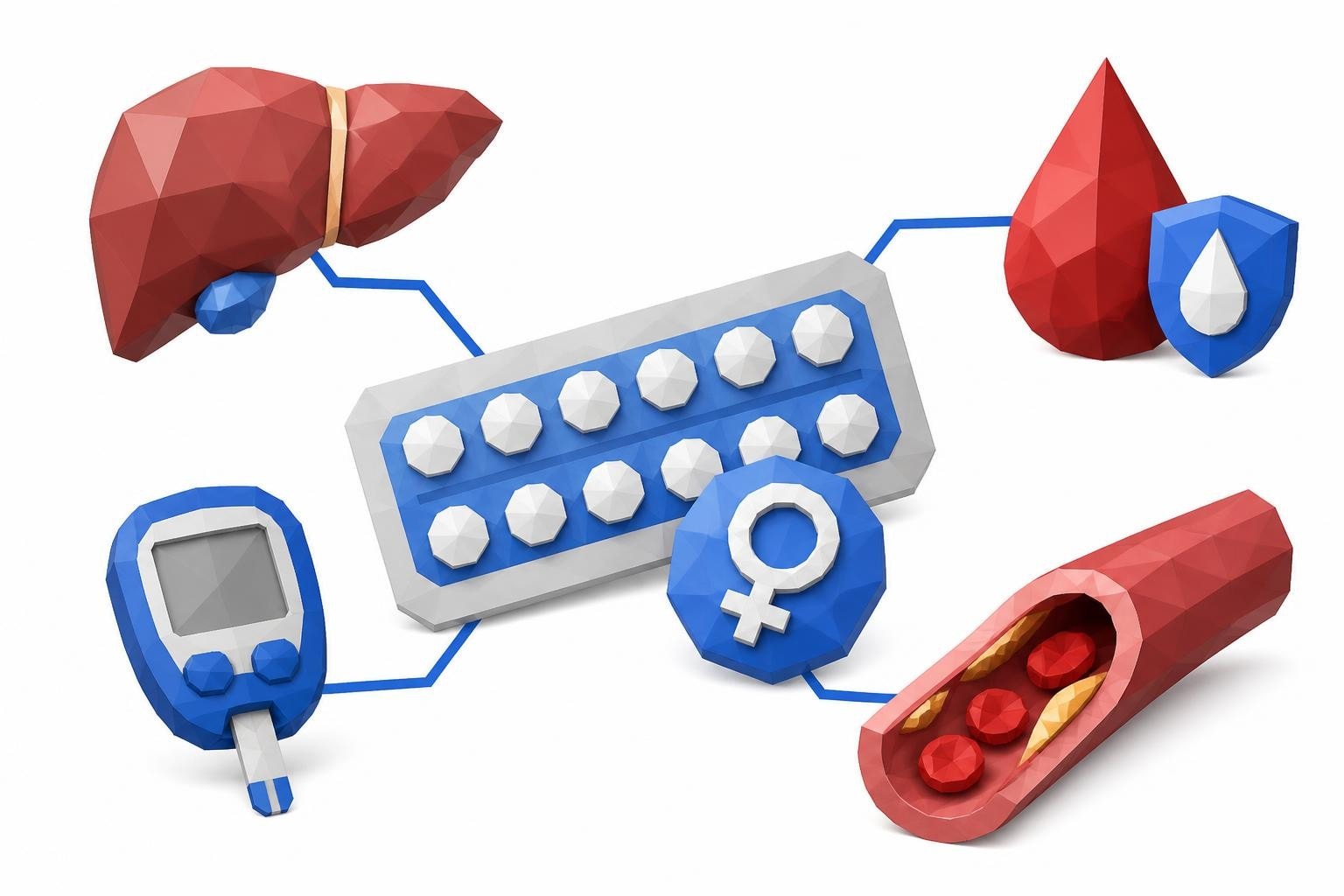
Estradiol-based therapy: Many modern HRT regimens use bioidentical estradiol, which closely mimics the body's natural estradiol. When taken orally, some estradiol converts to estrone through first-pass liver metabolism. Transdermal preparations (patches, gels, creams) bypass this conversion, providing more direct estradiol delivery with less estrone production.
Conjugated equine estrogens: These traditional HRT preparations contain multiple estrogen compounds, including estrone sulfate. They produce different ratios of estrone to estradiol compared to bioidentical preparations.
Combination therapies: Most HRT regimens include progestogen alongside estrogen to protect the uterine lining. These combinations can influence estrogen metabolism and the estrone-to-estradiol ratio.
| HRT Type | Route | Estrone Impact | Estradiol Level |
|---|---|---|---|
| Oral estradiol | Oral | Increased due to first-pass metabolism | Moderate to high |
| Transdermal estradiol | Skin patch/gel | Minimal increase | High |
| Conjugated equine estrogens | Oral | High estrone sulfate | Variable |
| Vaginal estrogen | Local application | Minimal systemic impact | Minimal systemic impact |
Why Testing Matters for HRT Users
Women using hormone therapy may benefit from monitoring both estrone and estradiol levels. Understanding estrogen levels through testing helps healthcare providers assess whether therapy is achieving desired hormonal targets. Testing can reveal:
- Whether estrogen levels are within therapeutic range
- The ratio of estrone to estradiol
- Individual variations in hormone metabolism
- Potential need for dosage adjustments
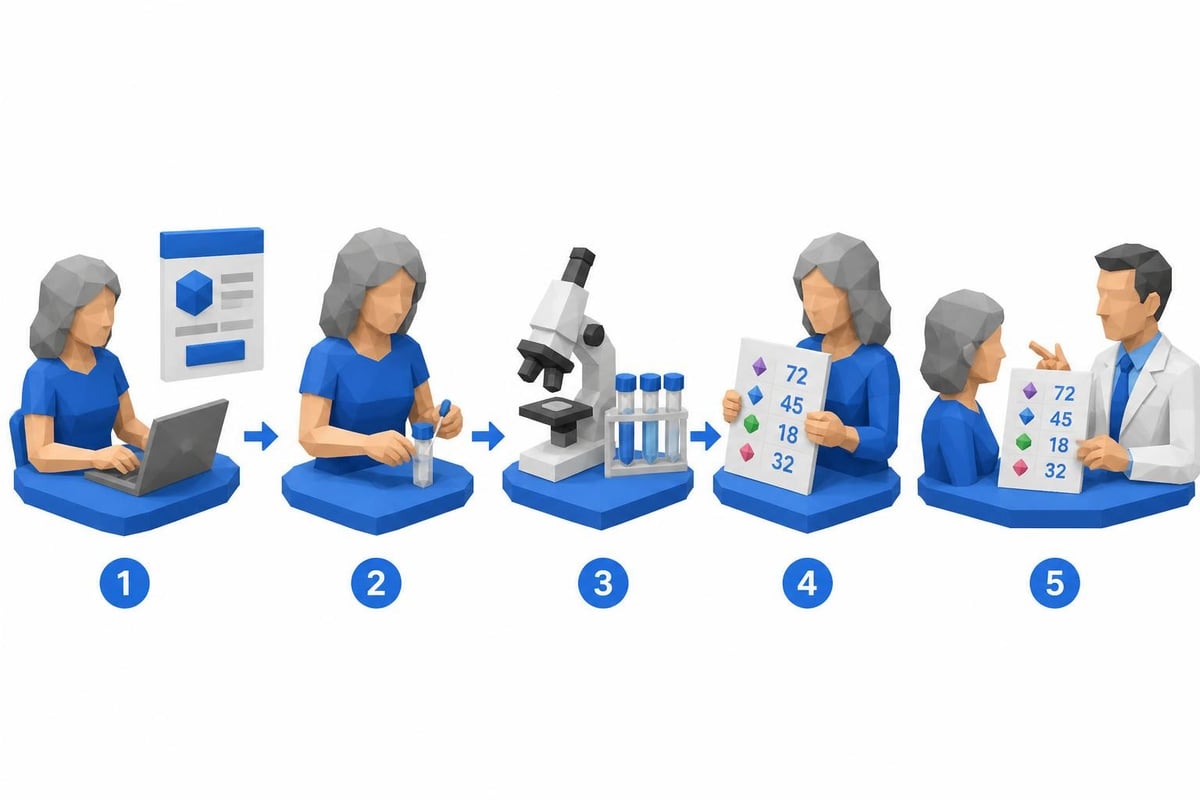
Testing becomes especially valuable when symptoms persist despite therapy, when switching between different HRT formulations, or when health concerns arise. Our guide to hormone therapy monitoring labs for menopause sets out which markers to track and how often. With accessible lab testing options, women can proactively monitor their hormone levels and bring concrete data to healthcare provider appointments.
Factors Influencing Estrone Production
Multiple factors affect estrone levels in postmenopausal women, creating considerable individual variation in hormone profiles.
Body Composition and Weight
Body fat percentage significantly impacts estrone production because adipose tissue contains aromatase enzyme. Women with higher body fat typically produce more estrone through peripheral conversion of androgens. This creates a complex relationship: while some estrogen production might seem beneficial, excessive estrone from obesity may contribute to metabolic complications and elevated cancer risk.
Age and Time Since Menopause
Estrone levels typically remain relatively stable after menopause, unlike estradiol which drops precipitously. However, very elderly women may experience gradual declines in estrone as androgen production (the source material for estrone conversion) decreases with advanced age.
Medications and Supplements
Several medications can influence estrone levels:
- Aromatase inhibitors (used in breast cancer treatment) block estrone production
- Thyroid medications may affect estrogen metabolism
- DHEA supplements can increase substrate for estrone conversion
- HRT formulations directly impact circulating estrone levels
Liver Function and Metabolism
The liver metabolizes estrogens, breaking them down into various metabolites for elimination. Liver health significantly impacts how efficiently the body processes estrone and estradiol. Compromised liver function can lead to altered estrogen levels and potentially problematic accumulation.
Practical Approaches to Monitoring Hormone Health
For women concerned about estrone and hormone health after menopause, proactive monitoring offers valuable insights. Regular testing helps establish baseline values and track changes over time.
What to Test
Comprehensive hormone panels for postmenopausal women typically include:
- Estrone (E1): Primary circulating estrogen after menopause
- Estradiol (E2): Residual levels and conversion from estrone
- Testosterone: Impacts estrone production through conversion
- FSH and LH: Confirm menopausal status
- SHBG: Affects hormone bioavailability
- Progesterone: Particularly important for HRT users
When to Test
Testing timing matters less in postmenopausal women than in menstruating women since cyclical variations no longer occur. However, consider testing:
- Before starting HRT: Establish baseline values
- 3-6 months after beginning HRT: Verify therapeutic levels
- Annually while on HRT: Monitor ongoing effectiveness
- When symptoms change: Investigate potential hormonal causes
- After HRT formulation changes: Assess impact of adjustments
Interpreting Results with Healthcare Providers
Hormone test results provide data points, but clinical context determines their significance. A qualified healthcare provider should interpret results considering symptoms, medical history, risk factors, and treatment goals. What represents optimal estrone levels varies between individuals based on their unique circumstances.
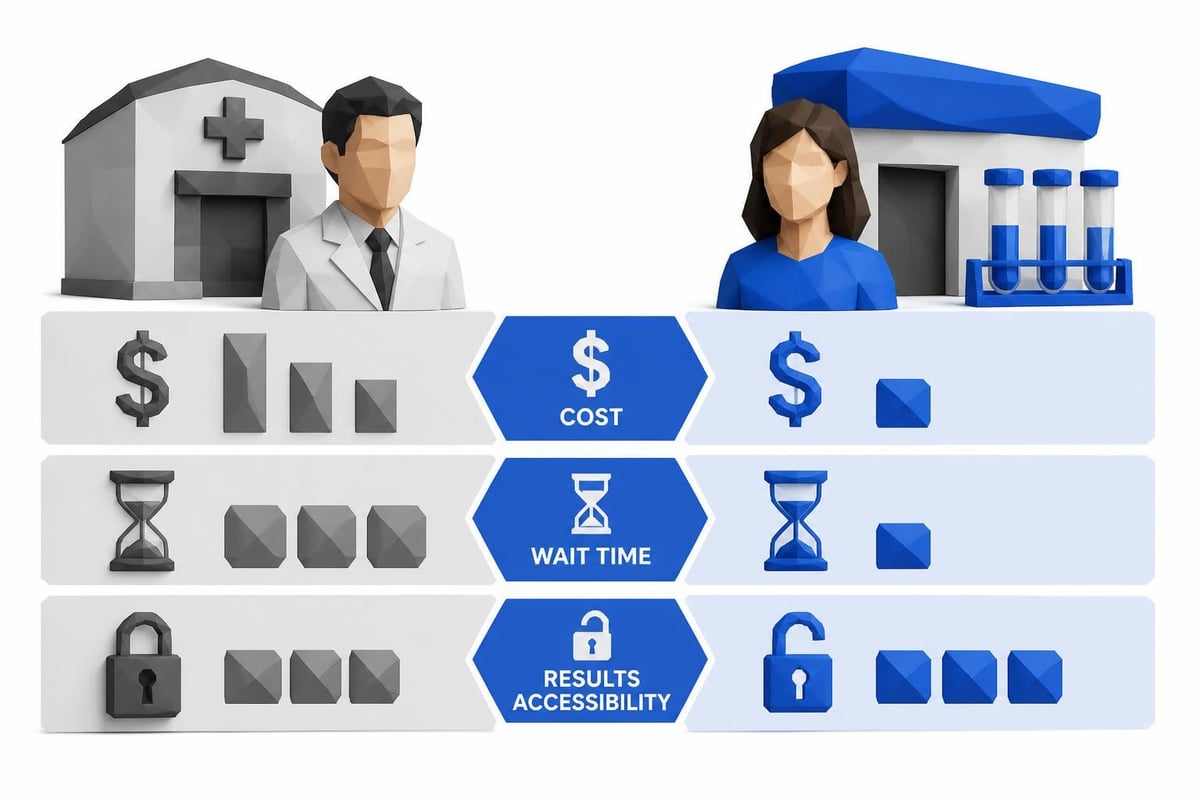
Transparent pricing for lab testing makes it more feasible for women to obtain hormone panels without the financial barriers that sometimes limit access to important health information. This accessibility empowers more informed healthcare conversations.
Supporting Hormonal Health Through Lifestyle
Beyond monitoring, several lifestyle factors support healthy hormone metabolism and overall wellbeing after menopause.
Nutrition and Diet
Cruciferous vegetables: Broccoli, cauliflower, and Brussels sprouts contain compounds that support healthy estrogen metabolism.
Fiber intake: Adequate fiber helps eliminate excess estrogens and supports digestive health.
Healthy fats: Omega-3 fatty acids support hormone production and reduce inflammation.
Phytoestrogens: Compounds in soy, flaxseed, and other plant foods provide mild estrogenic effects.
Protein adequacy: Supports muscle maintenance and healthy metabolism.
Physical Activity
Regular exercise provides numerous benefits for hormone health:
- Helps maintain healthy body composition, influencing estrone production through fat tissue
- Supports bone density, partially compensating for reduced estrogen protection
- Improves insulin sensitivity and metabolic health
- Reduces inflammation throughout the body
- Supports cardiovascular health
Stress Management and Sleep
Chronic stress elevates cortisol, which can interfere with estrogen metabolism and overall hormonal balance. Quality sleep supports healthy hormone production and regulation. Women prioritizing stress reduction and sleep hygiene often report improved menopausal symptoms.
Making Informed Healthcare Decisions
Understanding estrone and hormone health after menopause empowers women to participate actively in their healthcare. Knowledge about hormonal changes, combined with objective testing data, creates a foundation for productive conversations with healthcare providers.
Women can advocate for appropriate testing, ask informed questions about HRT options, and make choices aligned with their health goals and risk profiles. Accessing lab testing without insurance barriers removes one potential obstacle to obtaining this valuable health information.
The landscape of menopausal healthcare continues evolving. In 2026, women have more options than ever for testing, treatment, and lifestyle management. By understanding the role of estrone as the primary postmenopausal estrogen and how it differs from estradiol, women gain important insights into their changing bodies and can make more informed decisions about their health journey.
Understanding estrone and hormone health after menopause provides essential knowledge for navigating this significant life transition with confidence. Monitoring hormone levels through testing offers valuable data for informed healthcare conversations and personalized treatment decisions. Whether you're considering hormone therapy, experiencing concerning symptoms, or simply want to understand your hormonal status, accessible testing provides the insights you need. JustLabs offers convenient, affordable hormone testing with transparent pricing and quick results, giving you the information needed for productive conversations with your healthcare provider about optimizing your menopausal health journey.