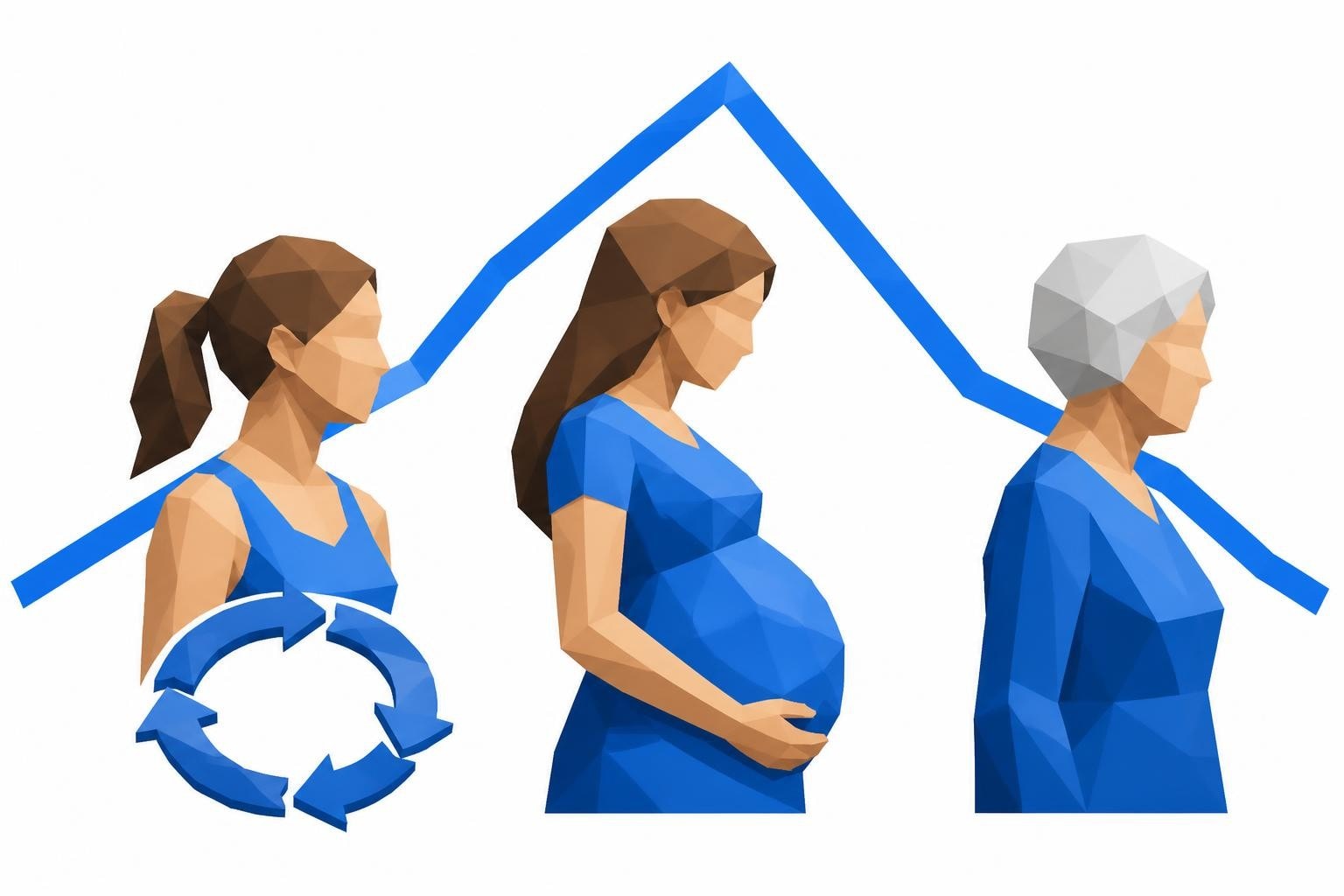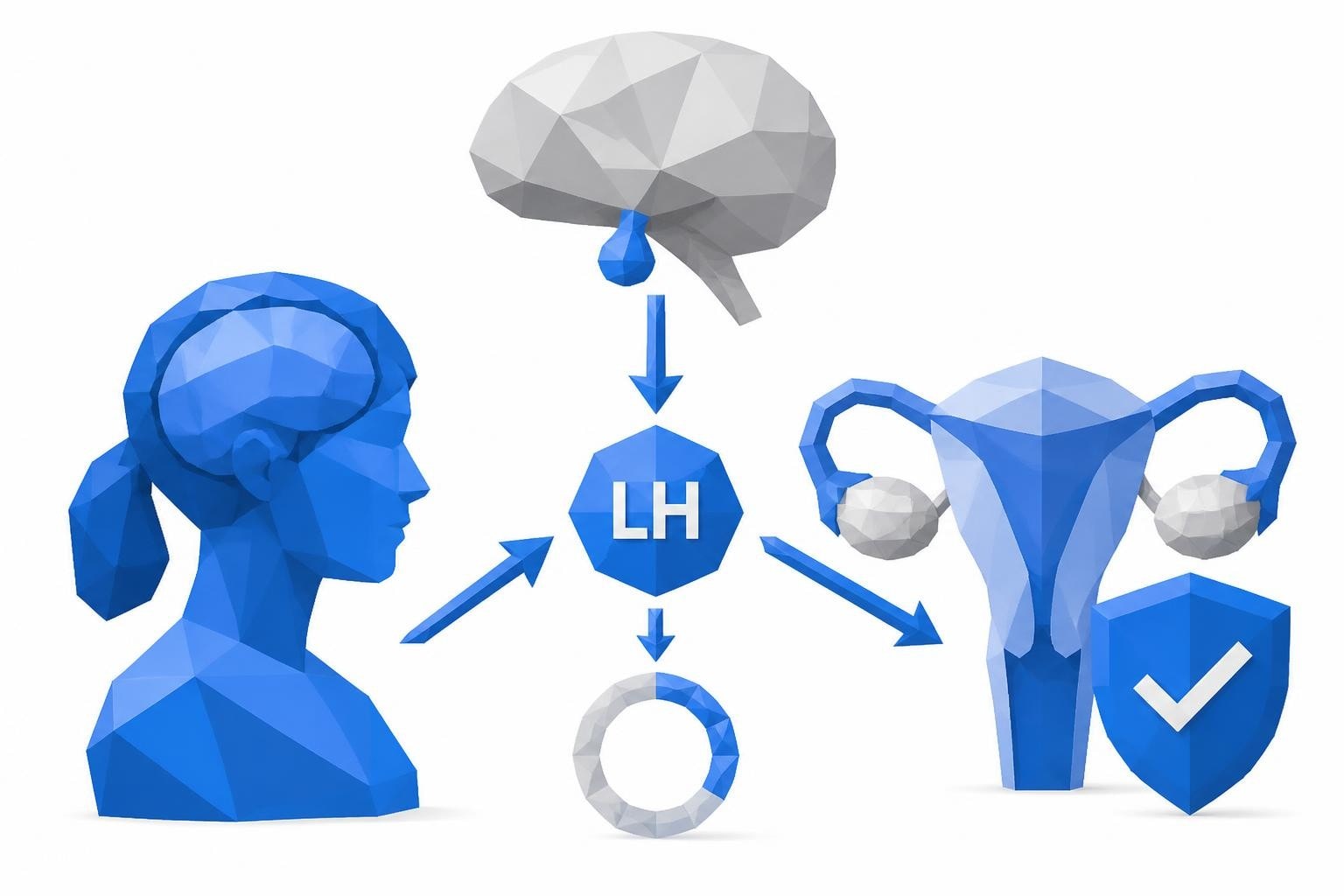
Understanding hormone levels is fundamental to diagnosing and managing reproductive health conditions, and the lh blood test and what luteinizing hormone reveals has become an essential tool in modern healthcare. Luteinizing hormone (LH) serves as a critical messenger between the brain and reproductive organs, orchestrating everything from ovulation timing to testosterone production. Whether you're investigating fertility concerns, irregular menstrual cycles, or hormonal imbalances, an LH blood test provides valuable insights that can guide treatment decisions and help you understand what's happening inside your body.
Big picture
- LH is a hormone produced by the pituitary gland that regulates reproductive function in both men and women by signaling the ovaries to release eggs or the testes to produce testosterone.
- Testing LH levels helps diagnose fertility issues, menstrual irregularities, pituitary disorders, and conditions like polycystic ovary syndrome (PCOS) or premature menopause.
- Timing matters significantly for accurate results-women should test at specific points in their menstrual cycle depending on what condition is being investigated, while men can test at any time.
- Normal LH ranges vary widely based on sex, age, and menstrual phase, making interpretation complex without proper context and reference values.
- If you're experiencing unexplained infertility, irregular periods, or symptoms of low testosterone, an LH blood test combined with other hormone panels can provide actionable diagnostic information.
- Direct-access lab testing services now allow you to order LH tests online without requiring a doctor's visit first, making hormone screening more accessible and affordable.
What Luteinizing Hormone Does in Your Body
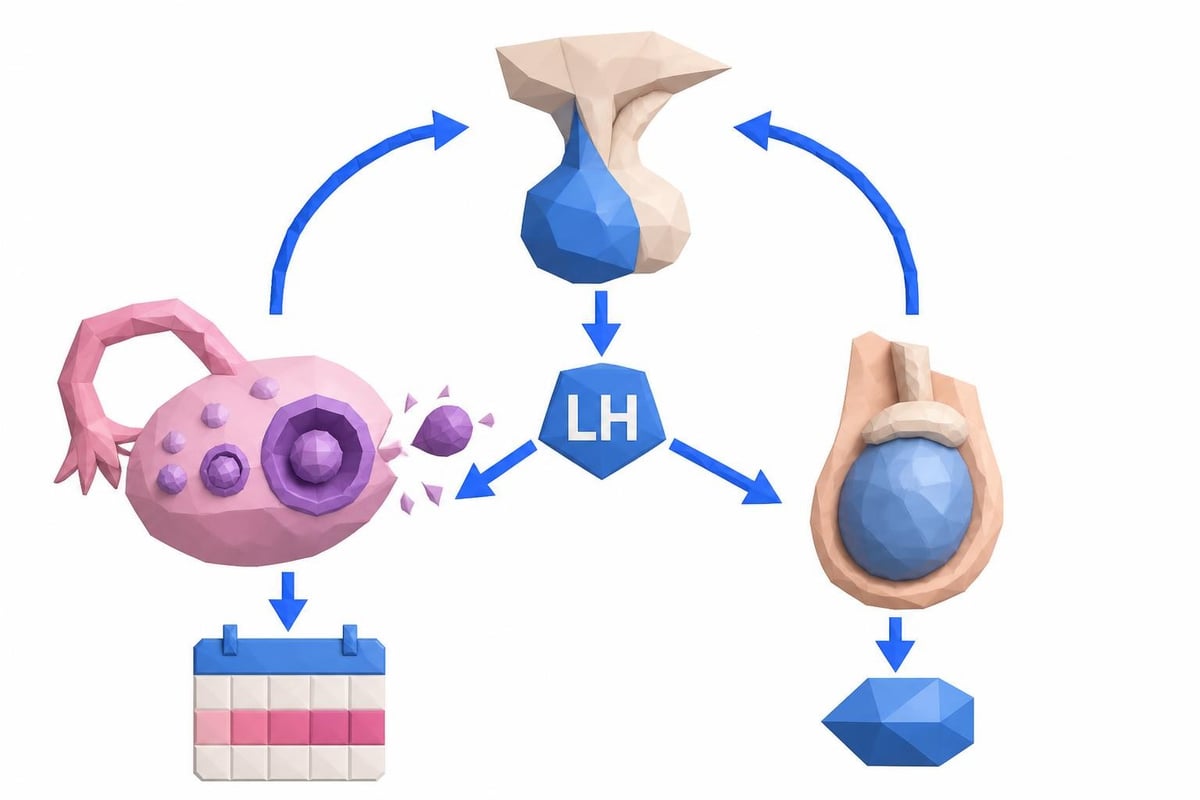
Luteinizing hormone operates as part of the hypothalamic-pituitary-gonadal axis, a sophisticated communication system that maintains reproductive health. The pituitary gland produces LH in response to signals from the hypothalamus, which releases gonadotropin-releasing hormone (GnRH) in pulsatile patterns throughout the day.
In women, LH works alongside follicle-stimulating hormone (FSH) to regulate the menstrual cycle and ovulation. During the first half of the menstrual cycle, relatively low and steady LH levels support follicle development in the ovaries. At mid-cycle, a dramatic LH surge triggers ovulation-the release of a mature egg from the dominant follicle. This surge typically occurs 24-36 hours before ovulation, which is why LH testing forms the basis of many ovulation predictor kits.
LH's Role in Male Reproductive Health
For men, luteinizing hormone serves a different but equally important function. LH stimulates Leydig cells in the testes to produce testosterone, the primary male sex hormone. This makes LH testing crucial for evaluating male reproductive endocrinology, particularly when investigating low testosterone levels or infertility.
When testosterone production is adequate, it feeds back to the pituitary and hypothalamus, reducing LH secretion. When testosterone is low, LH levels should rise in response-unless there's a problem with the pituitary gland itself. This relationship makes the lh blood test and what luteinizing hormone reveals particularly valuable for distinguishing between primary testicular failure and secondary hypogonadism caused by pituitary or hypothalamic dysfunction.
When Your Doctor Orders an LH Blood Test
Healthcare providers order LH testing for numerous reproductive and endocrine concerns. The reasons to order an LH test span a wide range of clinical scenarios, each providing different pieces of the diagnostic puzzle.
Common indications for LH testing include:
- Evaluating irregular menstrual periods or absent menstruation (amenorrhea)
- Investigating infertility in both men and women
- Assessing premature or delayed puberty in adolescents
- Diagnosing polycystic ovary syndrome (PCOS)
- Confirming menopause or perimenopause status
- Evaluating low testosterone levels in men
- Investigating pituitary gland disorders
- Monitoring response to fertility treatments
The context of your symptoms determines when and how frequently you'll need testing. For women tracking ovulation, daily testing around mid-cycle captures the LH surge. For diagnostic purposes related to PCOS or menopause, a single test during a specific phase may suffice.
Understanding Test Timing for Accurate Results
Timing significantly impacts what the lh blood test and what luteinizing hormone reveals. In menstruating women, LH varies dramatically throughout the cycle, making collection timing critical for meaningful interpretation.
| Testing Purpose | Optimal Collection Time | Expected LH Pattern |
|---|---|---|
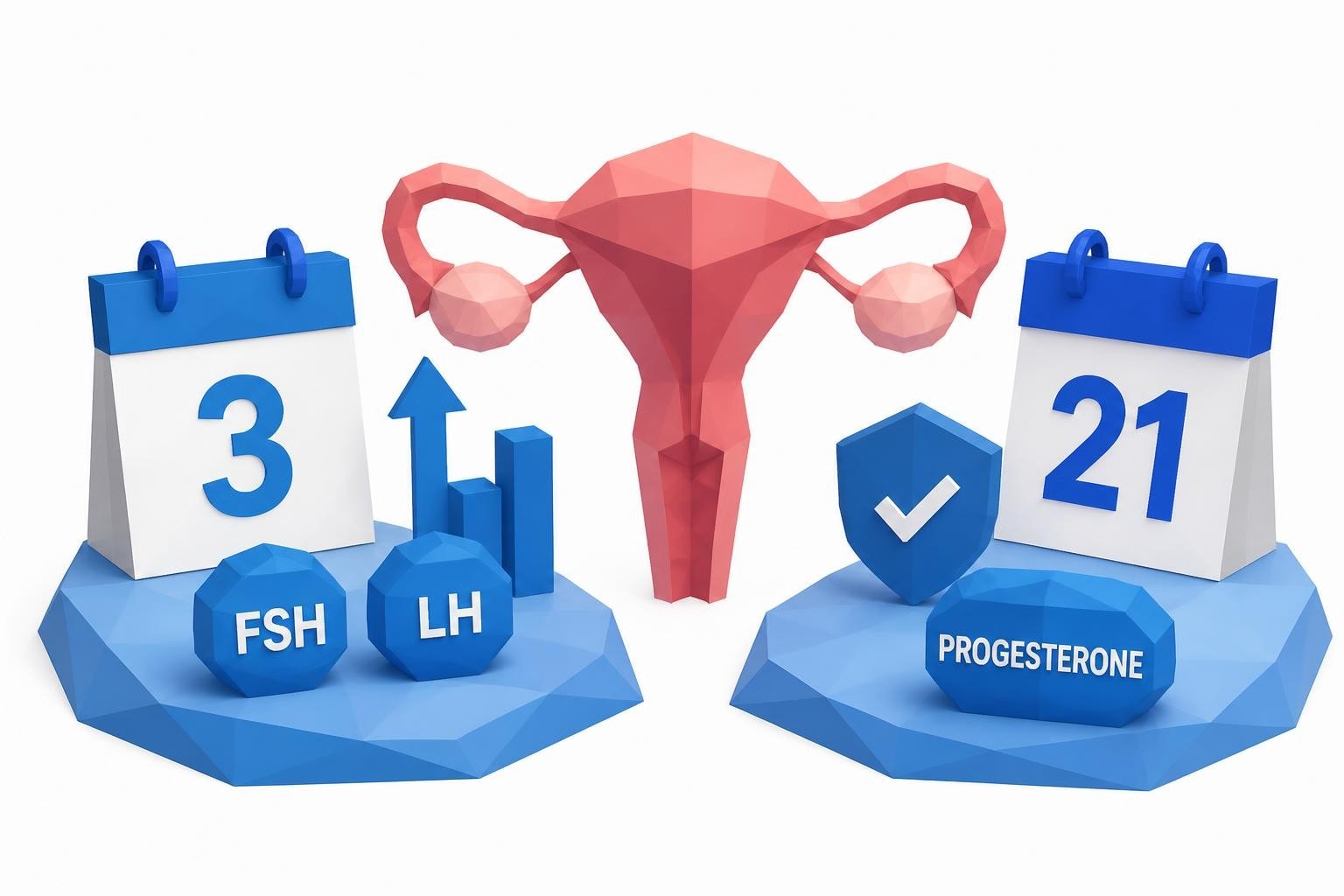
| Baseline assessment | Days 2-5 of cycle (early follicular) | Low and stable (1.9-12.5 IU/L) |
| PCOS evaluation | Days 2-5 of cycle | May be elevated relative to FSH |
| Ovulation confirmation | Days 12-16 of typical cycle | LH surge (18-70 IU/L) |
| Luteal phase assessment | Days 20-22 of cycle | Lower than surge (0.5-16.9 IU/L) |
| Menopause confirmation | Any time | Consistently elevated (>30 IU/L) |
Men can undergo LH testing at any time since their levels remain relatively stable throughout the day, though some variation occurs with the circadian rhythm. Morning collection is generally preferred for consistency with other hormone tests like testosterone.
Recommended Panel
Female Hormone Panel
Save $7This comprehensive panel measures all major female hormones: estrogen, progesterone, reproductive hormones (FSH/LH), and androgens (testosterone/DHEA-S) - essential for understanding hormonal balance.
Includes 7 biomarkers
$105
What Your LH Test Results Mean
Interpreting LH levels requires understanding the reference ranges provided by clinical biochemistry laboratories, which vary based on sex, age, and menstrual status. Simply knowing your number isn't enough-context matters enormously.
High LH Levels: Possible Causes
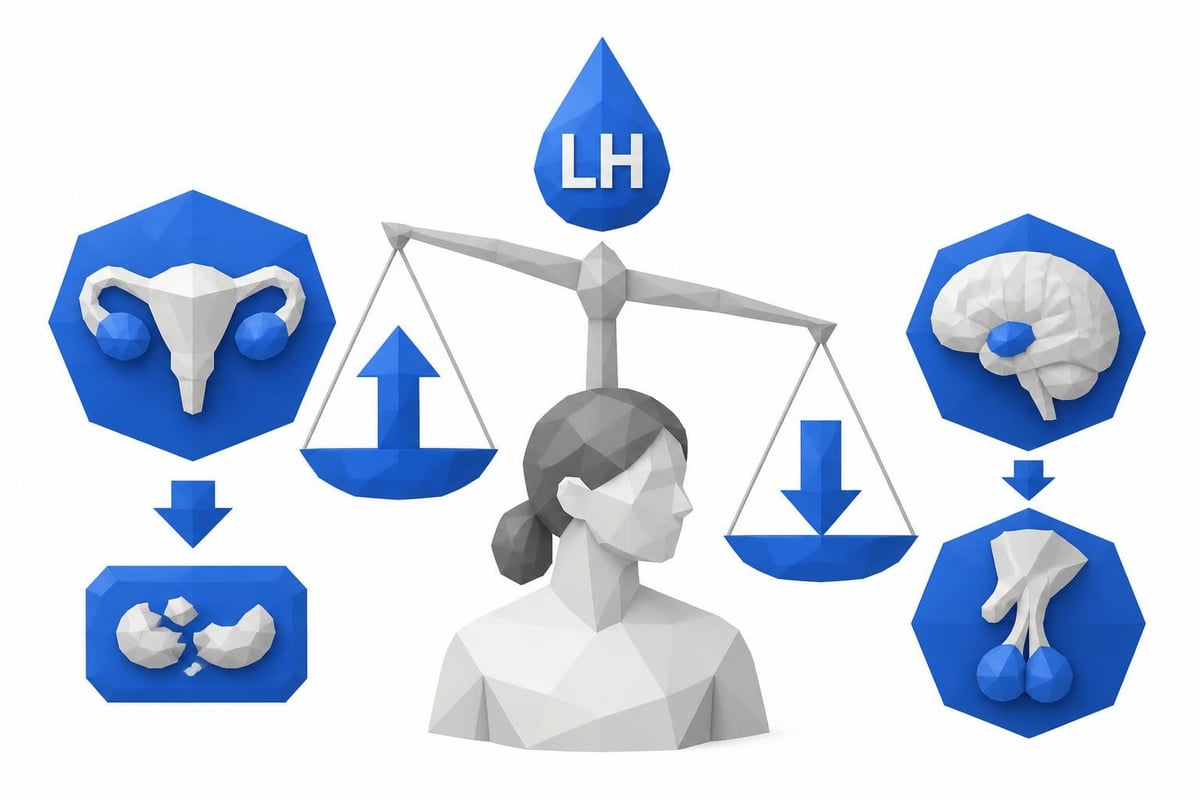
Elevated luteinizing hormone can indicate several conditions, depending on your sex and reproductive status. In women, persistently high LH outside of the mid-cycle surge often points to:
Primary ovarian insufficiency or menopause. When ovaries stop functioning properly, they produce less estrogen and progesterone. The pituitary responds by pumping out more LH and FSH in an attempt to stimulate the failing ovaries. Women experiencing premature menopause (before age 40) typically show LH levels above 30 IU/L consistently.
Polycystic ovary syndrome (PCOS). This common endocrine disorder affects up to 10% of reproductive-age women. Elevated LH levels combined with hormonal dysregulation in PCOS create a characteristic LH:FSH ratio often exceeding 2:1 or 3:1, though this finding alone isn't diagnostic. The elevated LH contributes to increased androgen production from the ovaries, causing symptoms like irregular periods, acne, and excess hair growth.
In men, high LH typically indicates primary testicular failure. The testes aren't responding adequately to LH stimulation, so testosterone production drops and LH rises in response. Causes include genetic conditions like Klinefelter syndrome, chemotherapy or radiation damage, infections, or age-related decline.
Low LH Levels: Understanding the Implications
Unexpectedly low luteinizing hormone suggests problems with the pituitary gland or hypothalamus rather than the gonads themselves. This pattern is called secondary or central hypogonadism.
Conditions associated with low LH include:
- Pituitary tumors or damage that impair gonadotropin production
- Kallmann syndrome, a genetic disorder affecting GnRH release
- Severe stress, excessive exercise, or eating disorders that suppress reproductive hormone production
- Medications including steroids, opioids, or hormonal contraceptives
- Chronic illnesses that affect hypothalamic-pituitary function
Women with hypothalamic amenorrhea from excessive exercise or low body weight typically show low LH, low FSH, and low estrogen. Men with secondary hypogonadism have low testosterone paired with inappropriately normal or low LH-the pituitary isn't mounting the expected compensatory response.
LH Testing and Fertility Assessment
For couples struggling to conceive, the lh blood test and what luteinizing hormone reveals becomes a cornerstone of fertility evaluation. Understanding LH patterns helps identify ovulatory disorders, optimize timing of intercourse or insemination, and guide fertility treatment protocols.
Tracking Ovulation with LH
The mid-cycle LH surge is the most reliable predictor of impending ovulation. Home ovulation predictor kits detect this surge in urine, but blood testing provides more precise quantification and timing. For women with irregular cycles or those undergoing fertility treatment, serial LH measurements can pinpoint the optimal window for conception.
Benefits of blood LH testing over urine predictor kits:
- Quantitative results rather than just positive/negative
- Less affected by urine concentration or timing
- Can detect subtle LH rises in women with PCOS who may have baseline LH elevation
- Provides documentation for fertility treatment coordination
Some women experience multiple LH surges or prolonged elevation, making interpretation of home tests challenging. Blood testing clarifies these patterns and helps fertility specialists adjust treatment timing accordingly.
LH in Male Infertility Workup
Approximately 40% of infertility cases involve male factors, making hormone assessment equally important for men. The combination of LH, FSH, and testosterone testing distinguishes between different causes of male infertility.
| Hormone Pattern | LH | FSH | Testosterone | Likely Diagnosis |
|---|---|---|---|---|
| Primary testicular failure | High | High | Low | Non-obstructive azoospermia, Klinefelter syndrome |
| Secondary hypogonadism | Low/Normal | Low/Normal | Low | Pituitary/hypothalamic disorder |
| Obstructive azoospermia | Normal | Normal | Normal | Blockage in reproductive tract |
| Isolated spermatogenic failure | Normal | High | Normal | Sertoli cell-only syndrome |
Recommended Panel
Male Hormone Panel
Save $4This comprehensive panel measures testosterone (free and total), plus the supporting hormones that affect how testosterone works in your body: SHBG, estradiol sensitive, DHEA-S, and cortisol.
Includes 6 biomarkers
$105.50
Technical Aspects of LH Blood Testing
Understanding how laboratories measure LH and potential sources of error helps you appreciate the nuances of test interpretation. Modern LH assays use immunometric techniques that detect the hormone with high sensitivity and specificity.
Measurement Methods and Standardization
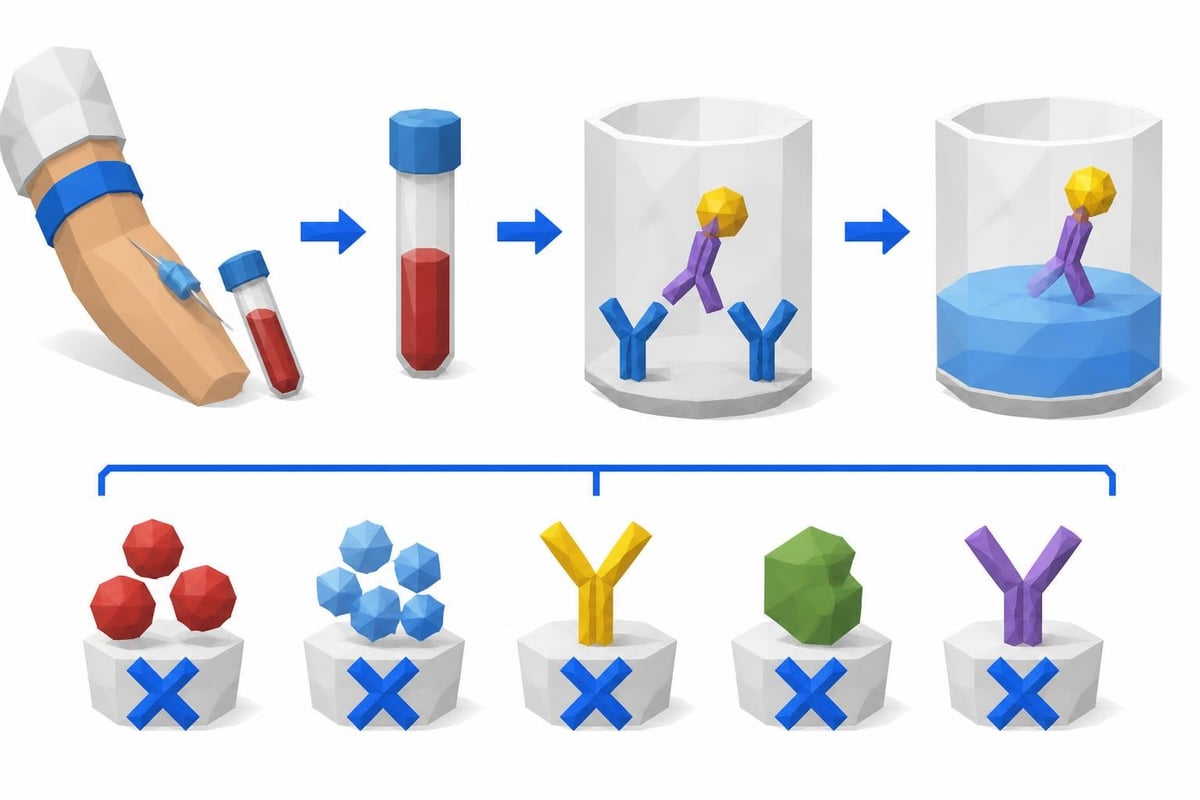
Most clinical laboratories employ chemiluminescent immunoassays or enzyme-linked immunosorbent assays (ELISA) to measure LH. These methods use antibodies that bind specifically to LH molecules in your blood sample, producing a signal proportional to hormone concentration.
The CDC provides standardized methods for LH measurement used in population health studies, ensuring consistency across different laboratories and assay platforms. Despite standardization efforts, some variation exists between different manufacturer's assays, which is why reference ranges may differ slightly between laboratories.
Potential Test Interferences
Several factors can interfere with immunoassays and produce misleading LH results, including:
Heterophile antibodies. Some individuals develop antibodies that interfere with the test antibodies, causing falsely elevated or decreased results. This is rare but can lead to diagnostic confusion if not recognized.
Hook effect. In cases of extremely high LH levels (such as during the surge or with some pituitary tumors), the antibodies become saturated and paradoxically report falsely low values. Diluting the sample reveals the true result.
Cross-reactivity. LH shares structural similarities with FSH, TSH, and hCG (pregnancy hormone). Modern assays minimize cross-reactivity, but it can still occur, particularly with very high hCG levels in early pregnancy or certain tumors.
If your LH results don't match your clinical picture, discuss with your healthcare provider whether repeat testing with a different method or laboratory might be appropriate. Comparing costs and quality between Quest Diagnostics and LabCorp can help you make informed decisions about where to get tested.
LH Testing Beyond Fertility
While reproductive health represents the primary application, the lh blood test and what luteinizing hormone reveals extends to other important clinical scenarios that affect overall health and wellbeing.
Evaluating Puberty Timing
Pediatric endocrinologists use LH testing to investigate both precocious puberty (early development) and delayed puberty. Before puberty, LH levels remain very low. The onset of puberty is marked by increasing GnRH pulsatility, which stimulates LH secretion.
In precocious puberty, elevated LH for age suggests central activation of the reproductive axis. In delayed puberty, low LH may indicate constitutional delay (which self-resolves) or permanent hypogonadotropic hypogonadism requiring treatment.
Monitoring Hormone Replacement Therapy
Men receiving testosterone replacement therapy and women on hormone replacement therapy may need periodic LH monitoring. Exogenous hormones suppress natural LH production through negative feedback. Monitoring LH helps clinicians optimize dosing and identify when treatment might be masking underlying conditions.
Pituitary Function Assessment
LH testing forms part of comprehensive pituitary function panels when tumors or other pituitary disorders are suspected. Combined with other pituitary hormones (FSH, TSH, ACTH, prolactin, growth hormone), LH helps map the extent of pituitary dysfunction.
Some individuals with hair loss concerns benefit from hormone panels including LH, particularly when androgenic alopecia or hormonal imbalances are suspected contributors.
Getting Tested: Access and Affordability
Traditional hormone testing requires physician orders and often involves insurance authorization, copays, and extended wait times for appointments. Direct-access laboratory services have transformed this process, making hormone testing more accessible and transparent.
Modern self-pay testing platforms allow you to order lab tests online including comprehensive hormone panels without requiring a doctor's visit first. You simply select your tests, visit a local collection site, and receive results within 1-3 days.
Choosing the Right Test Panel
LH is rarely ordered in isolation. Comprehensive hormone panels provide more diagnostic value by examining multiple hormones simultaneously:
For women investigating menstrual irregularities or fertility:
For men evaluating testosterone or fertility:
- LH, FSH, total testosterone, free testosterone, SHBG, prolactin
For suspected PCOS:
- LH, FSH (with LH:FSH ratio), testosterone, DHEA-S, fasting insulin, fasting glucose
The cost of individual tests versus panels varies significantly. Reviewing transparent lab test pricing helps you select the most cost-effective option for your situation.
Recommended Panel
Female Fertility Panel
Save $6This panel measures the key markers of female fertility: AMH (your egg reserve), reproductive hormones (FSH, LH, estradiol), and prolactin. Essential for understanding your fertility timeline.
Includes 5 biomarkers
$105
Key Takeaways
The lh blood test and what luteinizing hormone reveals provides essential information about reproductive health, fertility, and endocrine function. LH regulates ovulation in women and testosterone production in men, making it central to understanding hormonal balance. Test timing significantly affects results-women should coordinate testing with their menstrual cycle phase based on the specific question being answered. High LH typically indicates gonadal failure while low LH points to pituitary or hypothalamic problems. Comprehensive hormone panels including LH, FSH, and sex hormones offer more diagnostic value than isolated LH testing. Modern direct-access laboratory services have made hormone testing more affordable and convenient, eliminating traditional barriers to getting the information you need about your reproductive health.
Related reading
FAQ
How much does an LH blood test cost?
LH testing costs vary widely depending on whether you use insurance or self-pay services. Through insurance, you'll typically pay your copay or a percentage after your deductible. Self-pay options generally range from $20-50 for an individual LH test, though comprehensive hormone panels that include LH alongside other relevant markers often provide better value. Direct-access lab services typically offer transparent, upfront pricing without surprise bills; at JustLabs, an LH test is $9 plus the one $18 order fee ($27 all-in).
Can I eat before an LH blood test?
Fasting is not required for LH testing. You can eat and drink normally before your blood draw. However, if you're having LH tested as part of a comprehensive metabolic or hormone panel that includes glucose or insulin measurements, you may need to fast for 8-12 hours. Always confirm specific preparation requirements when ordering your test.
How long does it take to get LH test results?
Traditional laboratory testing through a doctor's office typically returns results within 1-5 business days, though you may wait longer for a follow-up appointment to discuss findings. Direct-access laboratory services often provide results within 1-3 days directly to you through a secure online portal, allowing faster access to your health information.
What is a normal LH level for women?
Normal LH levels for women vary dramatically based on menstrual cycle phase and reproductive status. During the follicular phase (days 1-14), typical ranges are 1.9-12.5 IU/L. The mid-cycle surge reaches 8.7-76.3 IU/L. During the luteal phase (after ovulation), levels range from 0.5-16.9 IU/L. Postmenopausal women typically have persistently elevated levels above 15.9-54.0 IU/L. Individual laboratories may use slightly different reference ranges.
What is a normal LH level for men?
Adult men typically have LH levels between 1.8-8.6 IU/L, though reference ranges vary slightly between laboratories. LH levels in men remain relatively stable without the dramatic fluctuations seen in menstruating women. Values outside this range, particularly when combined with abnormal testosterone levels, warrant further investigation for hypogonadism or other endocrine disorders.
Can medications affect LH levels?
Yes, numerous medications can suppress or alter LH production. Birth control pills and other hormonal contraceptives suppress LH through negative feedback. Testosterone replacement therapy, anabolic steroids, opioid pain medications, and glucocorticoids (prednisone, dexamethasone) can all reduce LH levels. Conversely, medications like clomiphene citrate and gonadotropins used in fertility treatment directly affect LH. Always inform your healthcare provider about all medications and supplements when interpreting hormone tests.
What does a high LH/FSH ratio indicate?
An elevated LH:FSH ratio, particularly when exceeding 2:1 or 3:1, often suggests PCOS, though this finding alone is not diagnostic. The ratio can help differentiate PCOS from other causes of irregular periods or elevated androgens. However, many women with PCOS have normal LH:FSH ratios, and some women without PCOS show elevated ratios. This metric should be interpreted alongside other clinical and laboratory findings rather than used as a standalone diagnostic criterion.
Do LH levels change with age?
Yes, LH levels change significantly across the lifespan. Before puberty, LH remains very low. During reproductive years, women show cyclic variation while men maintain steady levels. As women approach menopause (perimenopause), LH levels become more erratic and eventually rise to consistently elevated postmenopausal levels (typically >30 IU/L). Men experience a gradual increase in LH with age as testicular function declines, though this change is less dramatic than in women.
Understanding what the lh blood test and what luteinizing hormone reveals empowers you to take control of your reproductive and hormonal health. Whether you're investigating fertility concerns, menstrual irregularities, or hormone imbalances, LH testing provides critical diagnostic information. JustLabs makes hormone testing accessible and affordable through transparent self-pay pricing and convenient online ordering, with results delivered in 1-3 days without requiring insurance or doctor's appointments. Take the first step toward understanding your hormone health by exploring available testing options today.
References
Tonsfeldt KJ, Mellon PL, Hoffmann HM. Circadian Rhythms in the Neuronal Network Timing the Luteinizing Hormone Surge. Endocrinology. 2022 Feb 1;163(2). doi: 10.1210/endocr/bqab268. PMID: 34967900. https://pubmed.ncbi.nlm.nih.gov/34967900/
Yang J, Chen C. Hormonal changes in PCOS. J Endocrinol. 2024 Apr 1;261(1). doi: 10.1530/JOE-23-0342. PMID: 38285626. https://pubmed.ncbi.nlm.nih.gov/38285626/
Anawalt BD, O'Connor KM, Grossmann M. Adult Male Hypogonadism: A Review. JAMA. 2026 Jun 23;335(24):2146-2159. doi: 10.1001/jama.2026.8526. PMID: 42207626. https://pubmed.ncbi.nlm.nih.gov/42207626/
Saadedine M, Kapoor E, Shufelt C. Functional Hypothalamic Amenorrhea: Recognition and Management of a Challenging Diagnosis. Mayo Clin Proc. 2023 Sep;98(9):1376-1385. doi: 10.1016/j.mayocp.2023.05.027. PMID: 37661145. https://pubmed.ncbi.nlm.nih.gov/37661145/
Klein DA, Emerick JE, Sylvester JE, Vogt KS. Disorders of Puberty: An Approach to Diagnosis and Management. Am Fam Physician. 2017 Nov 1;96(9):590-599. PMID: 29094880. https://pubmed.ncbi.nlm.nih.gov/29094880/
Ghazal K, Brabant S, Prie D, Piketty ML. Hormone Immunoassay Interference: A 2021 Update. Ann Lab Med. 2022 Jan 1;42(1):3-23. doi: 10.3343/alm.2022.42.1.3. PMID: 34374345. https://pubmed.ncbi.nlm.nih.gov/34374345/