Are you confused by your recent fsh lab test results or unsure what they mean for your health in 2026? You are not alone.
This guide is here to demystify the fsh lab test, breaking down what your numbers mean and why they matter. Our goal is to give you the knowledge and confidence to make informed choices about your fertility, hormones, and health journey.
FSH levels reveal vital information about reproductive health, puberty, and hormone balance. In 2026, understanding your FSH is more important than ever for both men and women. Prepare to gain actionable insights and clear next steps for your well-being.
FSH (Follicle Stimulating Hormone)
1 biomarkers
Big picture
- The FSH lab test is a simple blood test that measures follicle-stimulating hormone, a key player in reproductive and hormonal health.
- This test helps uncover important information about fertility, puberty timing, and pituitary function in both men and women.
- Abnormal results from an FSH blood test can signal issues such as infertility, menopause, early or delayed puberty, or pituitary disorders.
- Children, teens, and adults may all need FSH lab test screening for different health reasons.
- Knowing your FSH levels supports better decision-making about treatment, lifestyle, or further medical steps.
- After your FSH lab test, review the results with other hormone tests and talk with your healthcare provider for tailored advice.
What is the FSH Lab Test and Why Is It Important?
Understanding your hormones can feel like solving a complex puzzle. The fsh lab test is a key piece in revealing how your reproductive system and hormone balance are working. Let’s break down what FSH is, why this test matters, and who should consider getting tested.
FSH explained: Role and function in the body
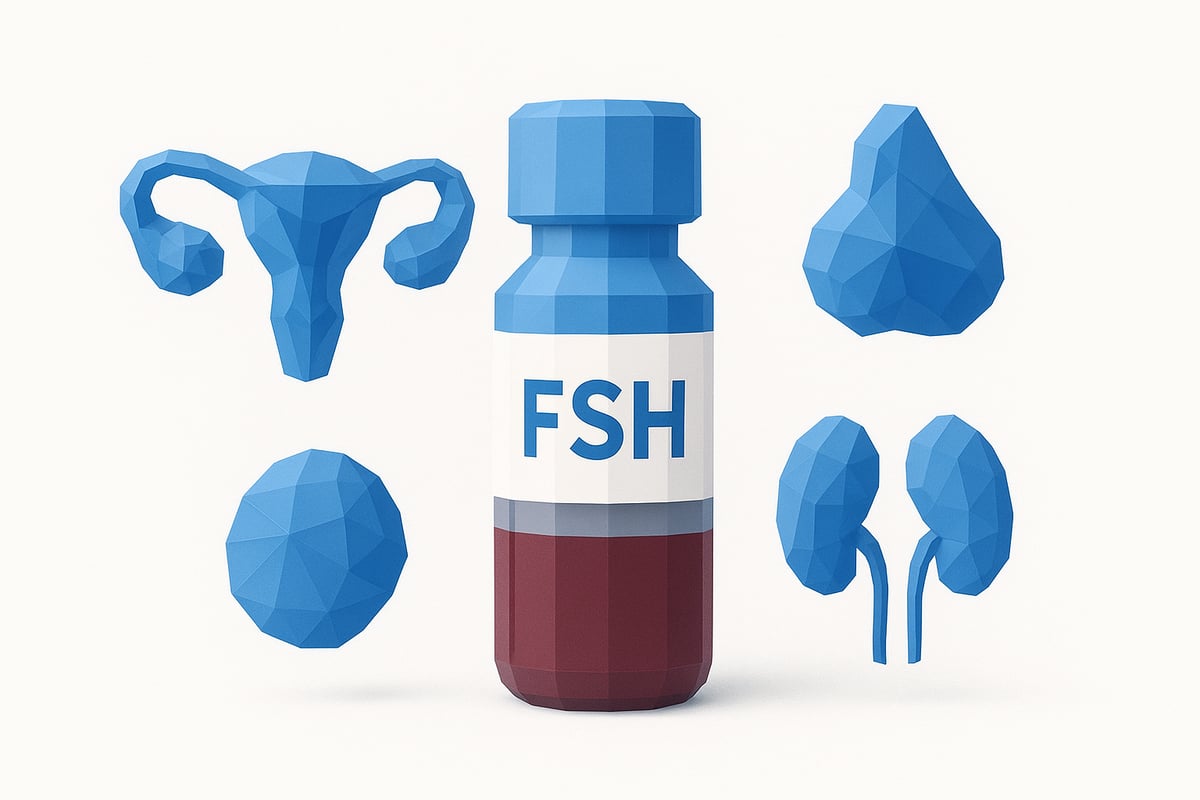
FSH, or follicle-stimulating hormone, is produced by the pituitary gland at the base of your brain. This hormone has a central role in controlling reproductive processes for both women and men.
In women, FSH signals the ovaries to grow eggs and produce estrogen. In men, it prompts the testes to make sperm. The levels of FSH naturally rise and fall depending on age, menstrual cycle stage, and overall health.
A balanced FSH level is crucial for healthy puberty, fertility, and maintaining hormone equilibrium. Abnormal FSH results from a fsh lab test can point to issues with the ovaries, testes, or pituitary gland, signaling the need for further evaluation.
Who should consider FSH testing?
The fsh lab test is not just for women trying to conceive. Women with irregular cycles, fertility struggles, or signs of menopause are common candidates. Men experiencing infertility, low libido, or suspected testicular problems also benefit from FSH testing.
Children and teens may need a fsh lab test if puberty seems early or delayed. Individuals with symptoms suggesting pituitary or hypothalamic disorders—such as unexplained fatigue or changes in sexual development—should discuss FSH testing with their healthcare provider.
If you or your loved one fits any of these categories, talk to your doctor about whether an FSH evaluation is right for you.
How FSH testing fits into broader hormone health
The fsh lab test is often part of a comprehensive hormone assessment. Doctors usually order it alongside other tests, such as LH, estrogen, or testosterone, to gain a clearer picture of hormonal health.
For instance, the LH hormone lab test is commonly performed with FSH to help distinguish between primary and secondary hormone disorders. This approach is vital in fertility evaluations, menopause assessment, and diagnosing puberty-related concerns.
FSH & LH
2 biomarkers
By interpreting FSH in the context of other hormones, providers can pinpoint the root cause of symptoms and recommend the most effective next steps.
Key statistics and facts
Data shows that a fsh lab test is especially valuable for women approaching menopause, as high FSH is a hallmark of this transition. In children, FSH levels remain low until puberty, when they begin to rise.
Pituitary dysfunction can result in abnormally low FSH, affecting sexual development and fertility in both sexes. According to MedlinePlus, FSH reference ranges vary by age and sex, so interpreting results requires context.
Understanding these facts can help you navigate your own FSH results with greater confidence and clarity.
Reasons for Ordering an FSH Test in 2026
Are you wondering why your healthcare provider may recommend an FSH lab test in 2026? Understanding the reasons behind ordering this test can help you take control of your reproductive and hormonal health. Here’s what you need to know, tailored to specific age groups and health concerns.
Women’s health: Fertility, menstrual issues, and menopause
The FSH lab test is critical for women facing fertility challenges, irregular cycles, or menopausal symptoms. Doctors use this test to determine why conception isn’t happening after a year of trying, to investigate absent or unpredictable periods, and to confirm menopause or perimenopause in women over 45.
Female Hormone Panel
Save $7This comprehensive panel measures all major female hormones: estrogen, progesterone, reproductive hormones (FSH/LH), and androgens (testosterone/DHEA-S) - essential for understanding hormonal balance.
Includes 7 biomarkers
$105
Common reasons for this test include:
- Evaluating unexplained infertility
- Diagnosing ovarian disorders like PCOS or primary ovarian insufficiency
- Monitoring response to fertility treatments
- Confirming menopause or perimenopause
For a comprehensive look at how the FSH lab test integrates with other fertility markers, see the Female fertility panel explained. This broader panel helps identify underlying hormonal imbalances and guides next steps for women’s reproductive health.
Recommended Panel
Female Fertility Panel
Save $6This panel measures the key markers of female fertility: AMH (your egg reserve), reproductive hormones (FSH, LH, estradiol), and prolactin. Essential for understanding your fertility timeline.
Includes 5 biomarkers
$105
Men’s health: Infertility and testicular function
For men, the FSH lab test is often ordered to evaluate infertility or changes in sexual function. Low sperm counts, decreased libido, or difficulty fathering a child may all prompt testing. The FSH lab test helps pinpoint whether the cause is related to testicular failure, damage from injury or infection, or hormonal imbalances.
Doctors may also order the FSH lab test to:
- Assess the impact of chemotherapy or radiation on reproductive health
- Investigate symptoms of low testosterone
- Diagnose genetic conditions affecting the testes
High FSH with low testosterone levels may indicate primary testicular failure, while other patterns may suggest secondary causes.
Pediatric and adolescent health: Puberty disorders
The FSH lab test is a valuable tool in pediatric and adolescent medicine, especially when puberty occurs too early or too late. Children who develop secondary sexual characteristics before age 8 (girls) or 9 (boys) may require the FSH lab test to check for early (precocious) puberty. Conversely, teens who have not started puberty by age 13 or 14 may need testing for delayed development.
Key reasons include:
- Diagnosing early or delayed puberty
- Investigating suspected genetic syndromes or brain tumors
- Evaluating unexplained growth or developmental issues
The FSH lab test, combined with other hormone measurements, helps clarify the underlying cause and guides appropriate referrals.
Pituitary and hypothalamic disorders
Disorders of the pituitary or hypothalamus can disrupt hormone production, leading to abnormal FSH levels. The FSH lab test is ordered when symptoms like unexplained fatigue, weakness, weight changes, or loss of libido are present. In these cases, the FSH lab test helps distinguish between primary reproductive organ problems and central (brain-related) causes.
Doctors use the FSH lab test, alongside other pituitary hormones, to:
- Identify secondary hypogonadism
- Evaluate the impact of brain tumors or trauma
- Guide further imaging or genetic testing
Early diagnosis is crucial for effective management and preventing long-term complications.
At-home FSH testing in 2026: Convenience and limitations
In 2026, the FSH lab test is more accessible than ever, thanks to at-home urine kits. These tests offer privacy and convenience, especially for women screening for menopause. However, at-home tests can only detect elevated FSH and are not a substitute for comprehensive blood testing, particularly when infertility or pituitary disorders are suspected.
Limitations of at-home FSH lab test options include:
- Inability to diagnose complex hormonal issues
- Potential for false reassurance or confusion without professional guidance
- Need for follow-up blood testing and clinical evaluation
Always discuss your FSH lab test results with a healthcare provider to ensure accurate interpretation and the right next steps.
How the FSH Test Works: Preparation, Procedure, and Safety
Understanding how the fsh lab test works can help you feel more confident and prepared when it is time for your appointment. Whether you are testing in a clinic or considering an at-home kit, knowing the steps, safety, and limitations is essential for getting accurate results.
Preparing for the FSH test
Getting ready for your fsh lab test is straightforward. You do not need to fast, and there are no special dietary restrictions before the test.
Women may be instructed to schedule the test at a specific time in their menstrual cycle, usually early in the follicular phase, to ensure the most accurate results. Our guide to day 3 vs day 21 hormone testing explains which cycle window each reproductive hormone should be measured in.
Be sure to inform your healthcare provider about any medications, supplements, or hormone therapies you are taking, as these can affect your fsh lab test results. For children and teens, the timing may depend on puberty signs or specific symptoms, so follow your provider’s instructions closely.
The blood draw process: What to expect
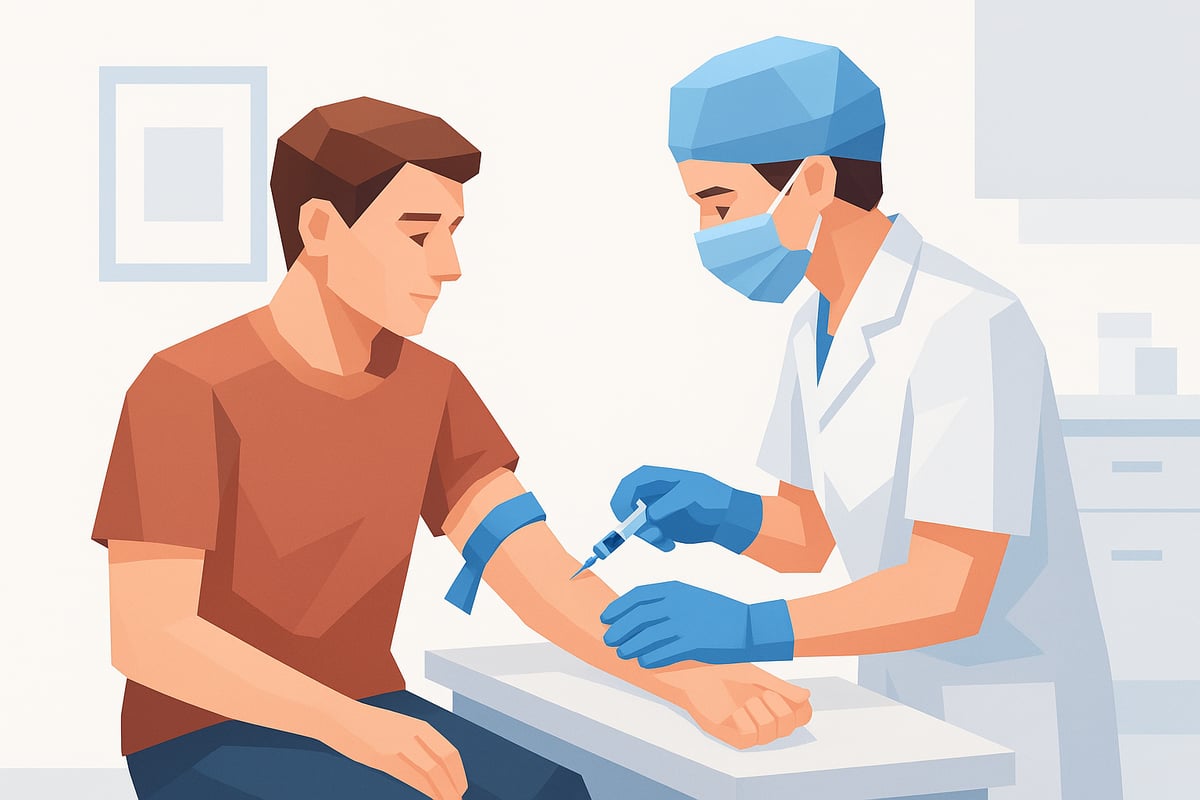
The fsh lab test is typically performed in a clinic or lab by a trained professional. A small needle is inserted into a vein in your arm, and a vial of blood is collected. The entire procedure usually takes less than five minutes.
You may feel a slight sting or pinch during the blood draw, and there is a possibility of minor bruising afterward. Most people find the process quick and relatively comfortable. Results are generally available within one to three days. For more details about the process and specimen requirements, refer to the FSH Testing Guidelines and Methodology.
Safety and risks
The fsh lab test is considered very safe for adults, children, and elderly patients.
Risks are minimal and most often limited to minor bruising, swelling, or pain at the puncture site. Serious complications are extremely rare. If you have a bleeding disorder or are taking blood thinners, let your provider know before the test. Overall, the procedure is routine and carries very little risk.
At-home FSH test kits: Pros and cons
At-home fsh lab test kits have become more popular in 2026, especially for menopause screening. These urine-based kits offer convenience and privacy, allowing you to check for elevated FSH levels without a doctor’s order.
However, at-home kits are limited. They primarily detect high FSH and are not suitable for diagnosing infertility or complex hormonal conditions. If you receive an abnormal result from an at-home fsh lab test, it is important to follow up with a healthcare provider for a comprehensive evaluation and further blood testing.
Interpreting FSH Lab Results: Reference Ranges and What They Mean
Understanding your fsh lab test results can feel overwhelming, but knowing what the numbers mean is the first step toward clarity and action. Let us break down how to interpret your results, what the numbers suggest, and when to seek further help.
Understanding reference ranges by age and sex
FSH lab test reference ranges vary based on age, sex, and the menstrual cycle phase. These ranges help healthcare providers determine if your levels are within the expected limits for your demographic. Slight differences may exist between laboratories, so always consult your specific report.
Here is a simplified table of typical FSH lab test reference values:
| Group | Reference Range (IU/L) |
|---|---|
| Women (follicular phase) | 3.5–12.5 |
| Women (menopause) | 25.8–134.8 |
| Men | 1.5–12.4 |
| Children (pre-puberty) | <3.0 |
In women, FSH values fluctuate with the menstrual cycle and rise sharply after menopause. Men have more stable levels, while children generally have low FSH until puberty begins. For a more detailed breakdown, see the FSH Reference Ranges by Age and Sex.
Accurate interpretation of the fsh lab test requires knowing your age, sex, and health status. Always discuss results with your provider.
High FSH levels: Causes and implications
A high fsh lab test result may signal that the body is working hard to stimulate underperforming ovaries or testes. In women, elevated FSH is a hallmark of menopause or ovarian failure. Other possible causes include:
- Premature ovarian insufficiency
- Polycystic ovary syndrome (PCOS)
- Ovarian or testicular tumors
- Turner syndrome (in women)
- Thyroid or adrenal disorders
For men, high FSH can indicate testicular failure, germ cell tumors, or damage from infections like mumps. In children, high FSH may signal early puberty or brain injury.
Example: A woman in her late 40s with an FSH above 40 IU/L likely has entered menopause. High FSH in a man with low testosterone can suggest testicular dysfunction. The fsh lab test helps identify these patterns.
FSH (Follicle Stimulating Hormone)
1 biomarkers
Low FSH levels: Causes and implications
Low fsh lab test results often point to issues in the pituitary gland or hypothalamus, the areas of the brain that control hormone production. Common causes include:
- Pituitary or hypothalamic dysfunction (secondary hypogonadism)
- Rapid weight loss or extreme exercise
- Chronic illness or poor nutrition
- Genetic syndromes, such as Kallmann syndrome
In teens, low or normal FSH with delayed puberty may suggest a central (brain-based) cause. For example, an athlete with missed periods and low FSH may be experiencing hormonal suppression from intense training.
Low fsh lab test values can also result from chronic stress or significant health changes. Regular monitoring and a comprehensive evaluation are important for proper diagnosis.
FSH in context: Interpreting results with other hormone tests
Interpreting a fsh lab test is most accurate when reviewed alongside other hormone levels, such as LH (luteinizing hormone), estrogen, testosterone, and progesterone. The balance and ratio of these hormones reveal much about reproductive health.
Consider these scenarios:
- High FSH and low estrogen: Suggests primary ovarian failure or menopause.
- High FSH and low testosterone: Indicates testicular failure in men.
- Low FSH and low LH: Points to a pituitary or hypothalamic disorder.
Healthcare providers use the fsh lab test in combination with other results to distinguish between primary and secondary hormonal issues. Reviewing your symptoms and medical history is vital for a complete picture.
When to seek further evaluation
If your fsh lab test results are outside the normal reference range, it is important to follow up with your healthcare provider. They may recommend additional testing, such as:
- Imaging studies (e.g., ultrasound, MRI)
- Genetic testing for syndromes or inherited conditions
- Additional hormone panels for a broader assessment
Persistent symptoms, such as infertility, irregular periods, or abnormal puberty, often require referral to an endocrinologist or reproductive specialist.
For example, a child with early puberty and high FSH/LH levels may need brain imaging to rule out tumors. Prompt action based on the fsh lab test can lead to better outcomes and targeted treatment.
FSH & LH
2 biomarkers
FSH Testing in 2026: Advances, At-Home Options, and What’s New
Keeping up with the latest in hormone health can be challenging. The fsh lab test is evolving rapidly, offering more accurate, accessible, and user-friendly options than ever before.
Technological advances in FSH testing
Recent years have brought significant improvements to the fsh lab test. Modern laboratory assays now deliver higher sensitivity and accuracy, helping detect even subtle hormone changes.
Turnaround times are faster—most patients receive results in just 1 to 3 days. Many labs now integrate with digital health platforms, so you can securely access your results and clear explanations online. This digital shift makes managing your reproductive and hormonal health simpler and more efficient.
Healthcare providers are also using enhanced diagnostic algorithms, allowing them to interpret complex patterns in your fsh lab test results with greater confidence. As a result, you get more actionable insights and better-informed care decisions.
Rise of direct-to-consumer and at-home FSH testing
The fsh lab test is now more accessible thanks to the rise of direct-to-consumer and at-home testing options. Self-pay models and online ordering have removed many traditional barriers, letting you order tests without waiting for insurance approval or a doctor’s referral.
At-home urine FSH kits are especially popular for menopause screening. These tests provide privacy and convenience, offering quick feedback on elevated FSH levels. However, it is important to remember that at-home tests may not capture the full hormonal picture needed for fertility or pituitary disorders. Medical follow-up is essential if your results are outside the expected range.
By combining at-home testing with professional lab services, you can take a proactive approach to your hormone health while still benefiting from expert interpretation.
FSH testing as part of comprehensive hormone panels
In 2026, the fsh lab test is rarely performed in isolation. It is often included in bundled hormone panels, giving a broader perspective on reproductive and endocrine health. For example, women exploring fertility or menopause concerns may opt for panels that measure FSH, LH, estradiol, and other hormones.
Comprehensive hormone panels offer a holistic view, making it easier to pinpoint the underlying causes of symptoms. For women, the Female hormone panel overview explains how bundled testing can deliver deeper insights into hormone balance.
Female Hormone Panel
Save $7This comprehensive panel measures all major female hormones: estrogen, progesterone, reproductive hormones (FSH/LH), and androgens (testosterone/DHEA-S) - essential for understanding hormonal balance.
Includes 7 biomarkers
$105
This approach streamlines the diagnostic process, helping you and your provider make informed decisions about next steps.
Accessibility and affordability in 2026
Access to the fsh lab test has expanded through online platforms and retail clinics. Transparent pricing and rapid turnaround times encourage more people to monitor their hormone health proactively. Self-pay and direct lab access options make testing available to those without insurance coverage.
With these advances, more individuals can take charge of their reproductive and endocrine health, ensuring timely intervention and support.
Key takeaways
- The fsh lab test is a vital tool for assessing reproductive, hormonal, and pituitary health in both men and women.
- Always interpret results based on age, sex, symptoms, and in conjunction with other hormone levels for a clear picture.
- Thanks to modern advances, FSH testing is now faster, more accessible, and often available through direct-to-consumer platforms in 2026.
- Abnormal FSH findings should be discussed with your healthcare provider to determine the right follow-up or treatment plan. For more on the clinical implications, see the Clinical Significance of FSH Levels.
- While at-home FSH tests offer convenience, they are best used as a screening tool and do not replace comprehensive clinical evaluation.
FAQ
If you have questions about the fsh lab test, you are not alone. Here are answers to the most frequently asked questions to help you make sense of your results and next steps.
What is FSH and why is it tested?
FSH, or follicle-stimulating hormone, is produced by your pituitary gland. The fsh lab test measures this hormone in your blood, providing insight into reproductive health and puberty.
Doctors order this test to evaluate infertility, menstrual issues, menopause, puberty disorders, or pituitary problems. Both men and women, as well as children, may need the fsh lab test for different reasons.
What are normal FSH levels for women, men, and children?
Normal FSH levels depend on age, sex, and life stage. For women in the follicular phase, typical values are 3.5–12.5 IU/L, while menopausal women often have 25.8–134.8 IU/L. Men usually range from 1.5–12.4 IU/L, and children before puberty are generally below 3.0 IU/L. Always check your lab’s reference range for your specific fsh lab test. For more details on ranges by age and sex, see the FSH Test Overview and Interpretation.
What does a high FSH level mean?
A high result on your fsh lab test can indicate several conditions. In women, it may signal menopause, ovarian failure, PCOS, or an ovarian tumor. For men, high FSH can point to testicular failure or related disorders. In children, elevated FSH may be linked to early puberty or certain brain conditions.
If you have a high FSH result, your healthcare provider will consider your symptoms and medical history before recommending further steps.
What does a low FSH level mean?
A low fsh lab test result is often related to pituitary or hypothalamic dysfunction. Other causes include rapid weight loss, chronic illness, or genetic syndromes. Low FSH can delay puberty, cause infertility, or disrupt menstrual cycles.
If your FSH is low, your doctor may order additional hormone tests to pinpoint the underlying cause and guide treatment.
How should I prepare for an FSH lab test?
Preparation for a fsh lab test is simple. Fasting is not required. Women may need to schedule the test at a certain point in their menstrual cycle for accurate results.
Before your appointment, tell your healthcare provider about any medications or supplements you are taking, since some can affect your test outcome.
Are at-home FSH tests reliable?
At-home FSH tests have become popular for menopause screening. While they can detect high FSH levels, these kits are less comprehensive than a clinical fsh lab test, especially for infertility or pituitary disorders.
It is important to confirm at-home results with a blood test and discuss them with a healthcare professional for a complete assessment.
How quickly will I get my FSH test results?
The turnaround time for an fsh lab test is usually fast. Most lab-based tests provide results within 1–3 days. At-home kits may give a rapid answer, but they lack the detail and accuracy of standard blood tests.
Always follow up with your provider to review your results and discuss next steps.
Can FSH testing be part of a broader hormone panel?
Yes, the fsh lab test is often included in hormone panels for fertility, menopause, or overall hormone health. These comprehensive panels may also measure LH, estrogen, testosterone, and other markers.
Getting a full panel helps your doctor interpret results in context and make informed decisions about your care.
When should I see a doctor about my FSH levels?
You should consult a healthcare provider if your fsh lab test is abnormal or if you have symptoms like infertility, irregular periods, or early or delayed puberty. Persistent or unexplained symptoms always deserve further evaluation by a specialist.
Prompt follow-up ensures you receive the right diagnosis and treatment.
What are the risks of FSH testing?
The fsh lab test is safe for most people. Risks are minimal and include slight pain, bruising, or swelling at the blood draw site. Serious complications are extremely rare.
If you have concerns about the procedure, discuss them with your healthcare provider before testing.
How is FSH testing evolving in 2026?
In 2026, the fsh lab test is more accessible and faster than ever. Digital health tools and direct-to-consumer labs make testing convenient and affordable. Results are often available online, with clear explanations for patients.
Advances in technology continue to improve sensitivity, making hormone testing a valuable tool for proactive health management.
Now that you have a clearer understanding of FSH testing and how it impacts your reproductive and hormonal health in 2026, you might be wondering about your own next steps. Whether you’re looking for clarity about fertility, managing menopausal symptoms, or just want peace of mind, having easy access to reliable lab tests is crucial. With JustLabs, you can take control of your health journey by ordering lab tests online—no insurance hassles or doctor visits required, and your results are ready in just a few days. If you’re ready to take action, you can Order Tests today and move forward with confidence.