Testosterone is often discussed as a primarily male hormone, but it plays crucial roles in both men and women throughout life. Understanding testosterone levels by age for men and women helps individuals recognize when their hormone levels may be outside normal ranges and when testing might be beneficial. This comprehensive guide examines how testosterone levels change across the lifespan, what factors influence these changes, and how to interpret test results.
Big picture
- Testosterone is an essential hormone for both sexes, though men produce 10-20 times more than women. It influences muscle mass, bone density, mood, libido, and cognitive function throughout life.
- Levels naturally decline with age starting around age 30 in men (approximately 1% per year) and fluctuate significantly in women, particularly during reproductive transitions like perimenopause and menopause.
- Symptoms of low testosterone include fatigue, reduced muscle mass, decreased bone density, mood changes, and diminished sexual function, but these symptoms overlap with many other conditions.
- Testing is straightforward and accessible through blood draws that measure total testosterone, free testosterone, or both. Understanding lab results helps you interpret these values in context of age and sex.
- Next step: If you experience symptoms that might relate to hormone imbalances, consider ordering a hormone panel to establish your baseline testosterone levels and track changes over time.
Understanding Testosterone Function
Testosterone belongs to a class of hormones called androgens. While commonly associated with male characteristics, this hormone performs vital functions in both sexes.
In men, testosterone drives the development of reproductive tissues, promotes muscle and bone mass, and influences body hair growth. In women, testosterone contributes to bone strength, muscle tone, cognitive function, and sexual desire, though at much lower concentrations.
Production and Regulation
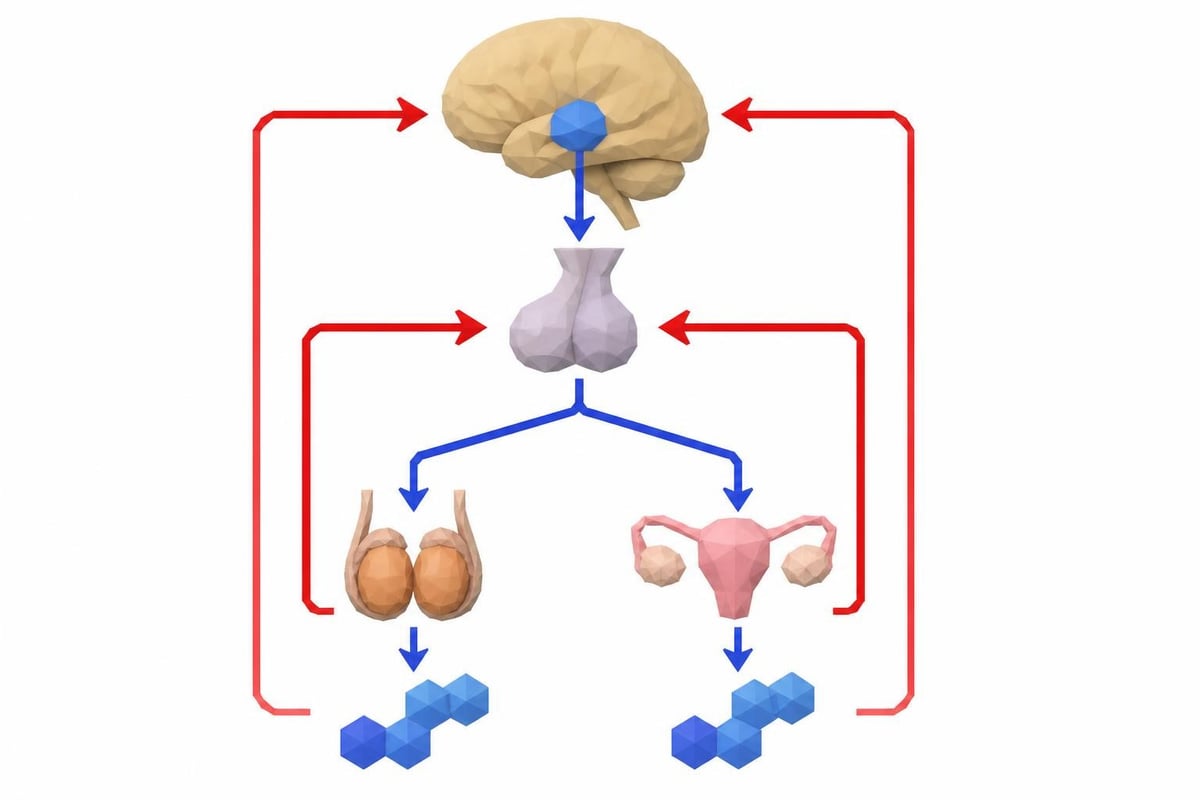
The body produces testosterone through a complex feedback system. The hypothalamus releases gonadotropin-releasing hormone (GnRH), which signals the pituitary gland to produce luteinizing hormone (LH). LH then stimulates testosterone production in the testes for men and the ovaries for women. The adrenal glands also contribute small amounts in both sexes.
This regulatory loop maintains hormone balance, but age, health conditions, medications, and lifestyle factors can disrupt normal production.
Testosterone Levels by Age for Men and Women: Normal Ranges
Reference ranges vary between laboratories and measurement methods, but general patterns are consistent. The MedlinePlus testosterone levels test guide provides commonly accepted ranges for different age groups.
Male Testosterone Levels Across the Lifespan
| Age Range | Total Testosterone (ng/dL) | Clinical Notes |
|---|---|---|
| 0-5 months | 75-400 | Peaks in first months, then drops |
| 6 months-9 years | 7-20 | Low until puberty begins |
| 10-11 years | 7-130 | Puberty initiation varies |
| 12-13 years | 7-800 | Rapid increase during puberty |
| 14 years | 7-1,200 | Peak pubertal development |
| 15-16 years | 100-1,200 | Near-adult levels |
| 17-18 years | 300-1,200 | Adult range established |
| 19-49 years | 264-916 | Peak adult levels |
| 50+ years | 170-780 | Gradual decline continues |
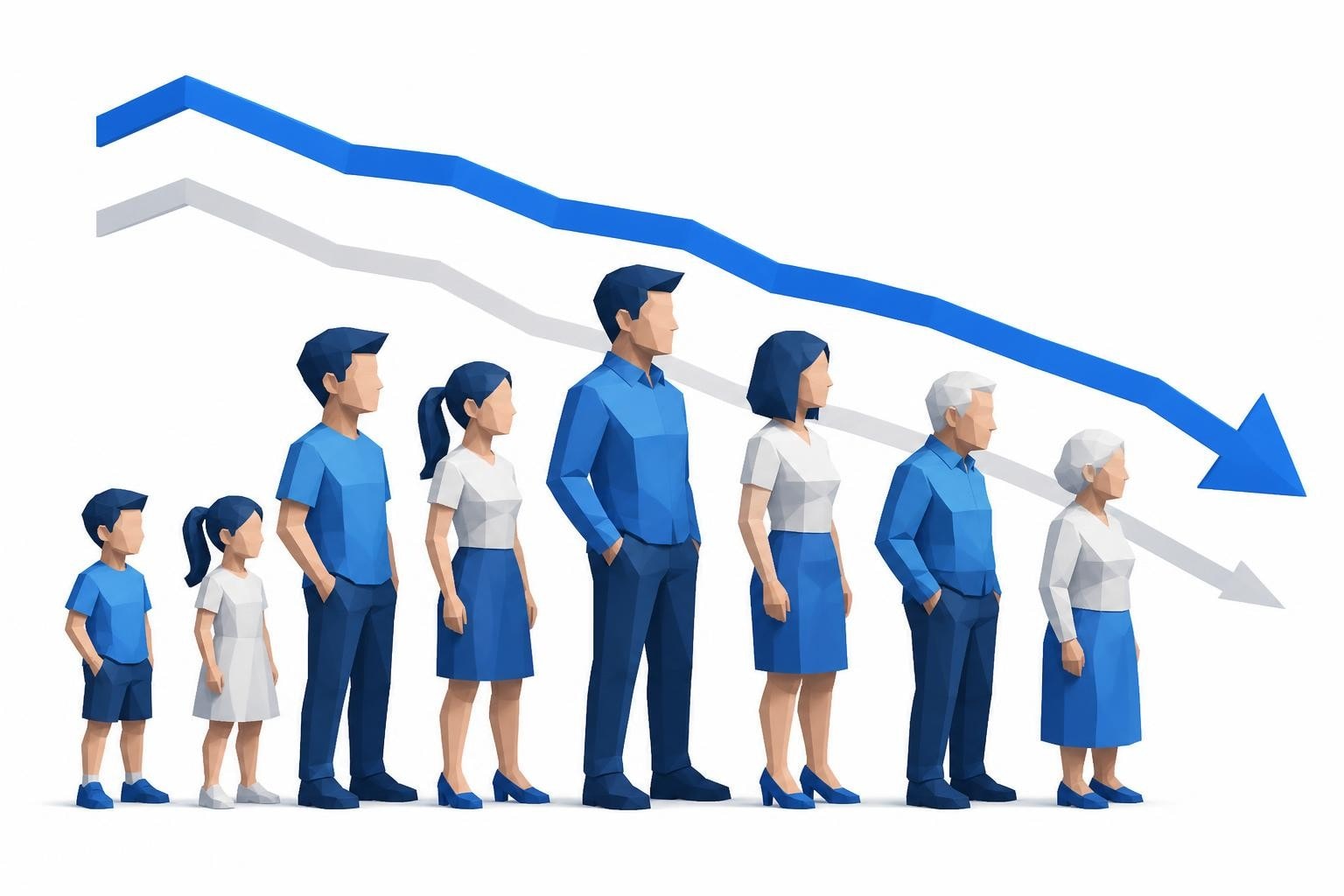
Men typically reach peak testosterone production in their late teens to early twenties. After age 30, testosterone levels by age for men and women show different patterns, with men experiencing a gradual but consistent decline of approximately 1-2% annually.
Female Testosterone Levels Throughout Life
Women maintain much lower testosterone concentrations than men, but the hormone remains physiologically important.
Typical female ranges:
- Premenopausal women: 15-70 ng/dL
- Postmenopausal women: 10-40 ng/dL
- Girls (prepuberty): <10 ng/dL
- Girls (puberty): 10-50 ng/dL
Women experience more dramatic fluctuations during menstrual cycles, pregnancy, and especially during the menopausal transition. The NCBI review on androgens and cardiovascular disease discusses how these age-related changes affect multiple body systems in women.
Age-Related Decline: What Drives the Changes
The mechanisms behind testosterone decline differ between men and women. Research published in the 2024 review on age-related testosterone decline highlights several contributing factors.
Primary Mechanisms in Men
Testicular aging represents the most significant factor. Leydig cells, which produce testosterone, decrease in number and function over time. This primary testicular failure accounts for most age-related decline.
Hypothalamic-pituitary changes also contribute. The signals that trigger testosterone production become less efficient, resulting in reduced LH secretion even when testosterone levels drop.
Additional factors include:
- Increased sex hormone-binding globulin (SHBG) with age
- Higher conversion of testosterone to estradiol through aromatization
- Chronic health conditions (obesity, diabetes, cardiovascular disease)
- Medications that interfere with hormone production
- Sleep disorders and chronic stress
Female Testosterone Changes
Women experience more complex patterns. During reproductive years, ovarian testosterone production fluctuates with menstrual cycles. Perimenopause brings irregular cycles and hormone volatility.
Menopause marks a significant transition. While ovarian testosterone production decreases, the ovaries continue producing small amounts post-menopause. The adrenal contribution becomes proportionally more important.
Surgical menopause (removal of ovaries) causes more abrupt declines than natural menopause, often resulting in more pronounced symptoms.
Recommended Panel
Male Hormone Panel
Save $4This comprehensive panel measures testosterone (free and total), plus the supporting hormones that affect how testosterone works in your body: SHBG, estradiol sensitive, DHEA-S, and cortisol.
Includes 6 biomarkers
$105.50
Clinical Significance of Low Testosterone
Recognizing when testosterone levels fall outside normal ranges helps distinguish between natural aging and potentially treatable hormone deficiency.
Hypogonadism in Men
The Endocrine Society clinical practice guidelines define male hypogonadism as consistently low testosterone levels accompanied by specific symptoms.
Common symptoms include:
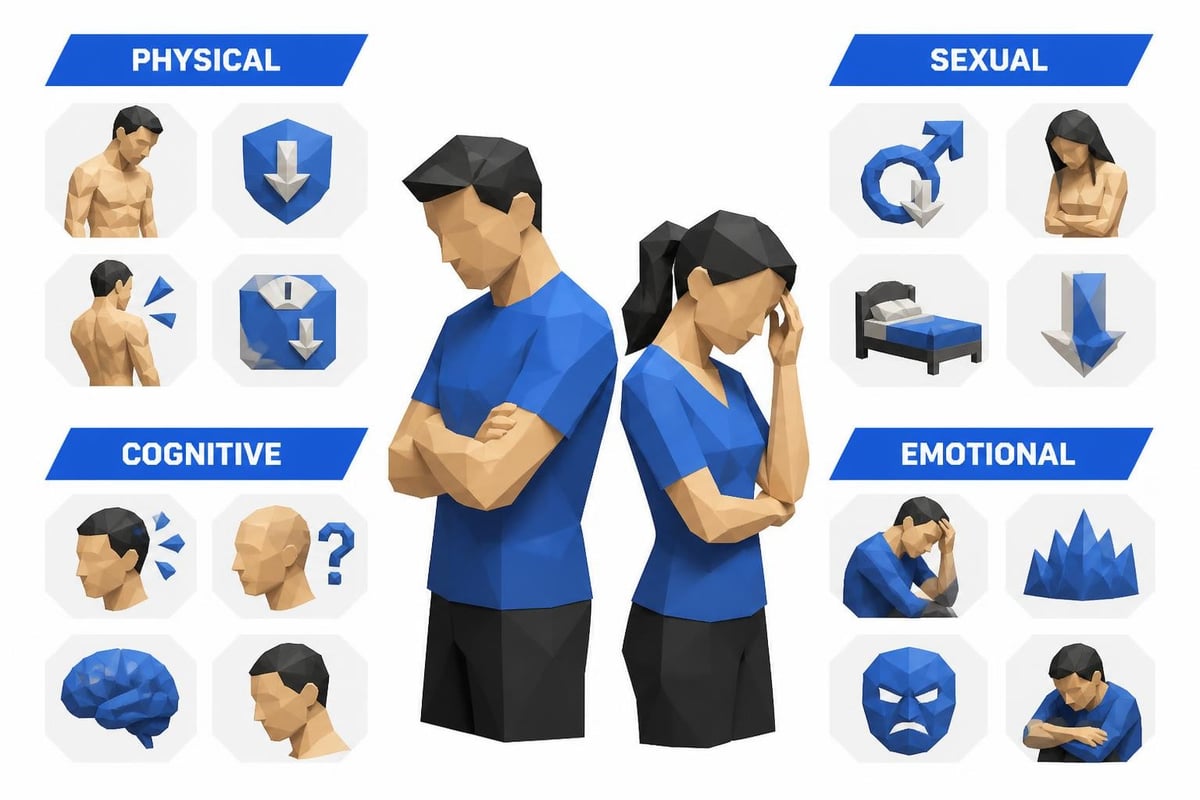
- Persistent fatigue and low energy
- Decreased muscle mass and strength
- Increased body fat, especially abdominal
- Reduced bone density (osteopenia or osteoporosis)
- Diminished libido and erectile dysfunction
- Mood changes, including depression and irritability
- Cognitive difficulties, particularly memory and concentration
Diagnosis requires both laboratory confirmation (typically total testosterone below 300 ng/dL on at least two morning measurements) and clinical symptoms. Many men with borderline levels may not require treatment if asymptomatic.
Low Testosterone in Women
Female androgen deficiency remains more controversial and less clearly defined than male hypogonadism. However, significantly low levels can impact quality of life.
Potential indicators include:
- Marked decrease in sexual desire unrelated to relationship issues
- Persistent low energy despite adequate sleep
- Loss of muscle tone and strength
- Mood disturbances and reduced well-being
- Difficulty maintaining bone density
Women face additional complexity because testosterone levels by age for men and women follow different trajectories, and female reference ranges are less standardized across laboratories.
High Testosterone: The Other Side
While discussions typically focus on low levels, elevated testosterone also presents concerns, particularly for women.
Elevated Levels in Women
High testosterone in women often signals underlying conditions:
- Polycystic ovary syndrome (PCOS): The most common cause, affecting 6-12% of reproductive-age women
- Congenital adrenal hyperplasia: Genetic condition affecting adrenal hormone production
- Ovarian or adrenal tumors: Rare but serious causes requiring investigation
- Exogenous testosterone: Supplementation or performance-enhancing drug use
Symptoms of high testosterone in women include irregular or absent periods, excess facial and body hair growth, acne, male-pattern baldness, and voice deepening.
Elevated Levels in Men
Less commonly discussed, high testosterone in men can result from:
- Testosterone replacement therapy (dosing too high)
- Anabolic steroid use
- Testicular or adrenal tumors
- Resistance to androgens
Testing Testosterone Levels
Accurate measurement requires proper timing and methodology. The CDC NHANES laboratory documentation details standardized testing protocols used in population studies.
When to Test
Optimal timing for testing:
- Early morning (7-10 AM) when levels peak in men
- Before 10 AM for most accurate results
- During days 3-5 of menstrual cycle for premenopausal women
- Any time for postmenopausal women
- Fasting not typically required, but check with your testing facility
Types of Testosterone Tests
Total testosterone measures both bound and free hormone. Most screening starts here.
Free testosterone measures unbound, biologically active hormone. This represents 2-3% of total testosterone but provides a more accurate picture of available hormone.
Bioavailable testosterone includes free testosterone plus testosterone loosely bound to albumin.
Many providers order a comprehensive panel including total testosterone, SHBG, and albumin, allowing calculation of free and bioavailable fractions. For convenient access to hormone testing, JustLabs offers lab tests without insurance at transparent prices.
Recommended Panel
Female Hormone Panel
Save $7This comprehensive panel measures all major female hormones: estrogen, progesterone, reproductive hormones (FSH/LH), and androgens (testosterone/DHEA-S) - essential for understanding hormonal balance.
Includes 7 biomarkers
$105
Factors Beyond Age That Influence Levels
While age significantly impacts testosterone levels by age for men and women, numerous other factors modulate production and metabolism.
Lifestyle Factors
| Factor | Impact on Testosterone | Magnitude |
|---|---|---|
| Obesity | Decreases levels through increased aromatization | Moderate to High |
| Regular exercise | Increases levels, especially resistance training | Low to Moderate |
| Sleep deprivation | Decreases production significantly | Moderate to High |
| Chronic stress | Elevates cortisol, suppresses testosterone | Moderate |
| Alcohol (excessive) | Reduces production and increases metabolism | Moderate |
| Smoking | Variable effects, generally negative | Low to Moderate |
Medical Conditions
Chronic diseases often lower testosterone levels independent of age:
- Type 2 diabetes and metabolic syndrome
- Chronic kidney disease
- Liver cirrhosis
- HIV/AIDS and chronic infections
- Chronic obstructive pulmonary disease (COPD)
- Obstructive sleep apnea
Medications
Common medications that may lower testosterone include:
- Opioid pain medications
- Corticosteroids
- Certain blood pressure medications
- Antidepressants (some SSRIs)
- Chemotherapy agents
Interpreting Your Results
Receiving testosterone test results requires context. A single number means little without considering symptoms, age, sex, and overall health.
Understanding Reference Ranges
Laboratories report reference ranges based on population studies, typically representing the central 95% of values. However, "normal" doesn't always mean "optimal" for an individual.
Someone at the low end of normal who experiences significant symptoms may benefit from further evaluation, while someone below range with no symptoms may not require intervention.
Key considerations:
- Compare results to age and sex-specific ranges
- Evaluate trends over time rather than single measurements
- Consider symptoms in conjunction with numbers
- Recognize that reference ranges vary between laboratories
When to Seek Medical Consultation
Results warrant professional evaluation when:
- Testosterone falls significantly below age-appropriate ranges
- Levels are accompanied by concerning symptoms
- Levels are significantly elevated without explanation
- Results show dramatic changes from previous tests
Access to testing through ordering labs without a doctor provides valuable information, but abnormal results should be discussed with a healthcare provider who can recommend appropriate follow-up.
Treatment Considerations
When low testosterone is confirmed and symptomatic, several treatment approaches exist.
Testosterone Replacement Therapy in Men
Available forms include:
- Injections: Administered weekly to biweekly, provides consistent levels
- Transdermal gels: Daily application, steady absorption
- Patches: Applied daily, less commonly used
- Pellets: Implanted every 3-6 months
- Oral preparations: Newer formulations available
Treatment requires ongoing monitoring for efficacy and potential side effects, including changes in red blood cell count, prostate health, cardiovascular risk factors, and mood.
Treatment in Women
Female testosterone therapy remains less standardized. Some women benefit from low-dose testosterone, particularly after surgical menopause, but FDA-approved formulations for women are limited in the United States.
Compounded bioidentical preparations are sometimes prescribed off-label, though quality and dosing consistency vary.
Lifestyle Interventions
Before or alongside medical treatment, lifestyle modifications can support healthy testosterone levels:
- Maintain healthy body weight
- Engage in regular resistance training
- Prioritize 7-9 hours of quality sleep
- Manage chronic stress effectively
- Limit alcohol consumption
- Eat a balanced diet with adequate healthy fats, protein, and micronutrients
- Address underlying health conditions
Key Takeaways
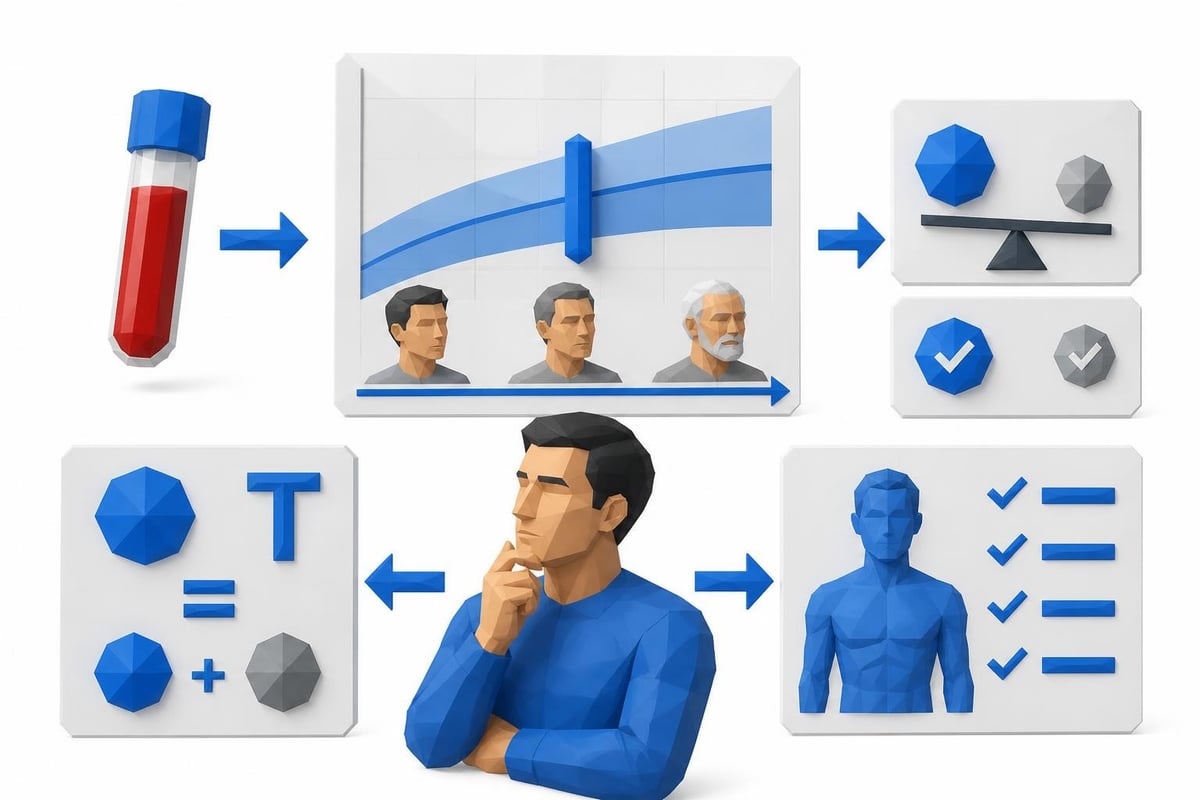
Understanding testosterone levels by age for men and women empowers informed health decisions. Men experience gradual decline starting around age 30, while women face more variable patterns influenced by reproductive transitions. Normal ranges differ dramatically between sexes, and symptoms of imbalance overlap with many other conditions.
Essential points to remember:
- Testosterone serves important functions in both men and women throughout life
- Age-related decline is normal but varies significantly between individuals
- Symptoms should guide testing decisions, not assumptions based solely on age
- Both high and low levels can indicate health concerns requiring evaluation
- Multiple factors beyond age influence testosterone production and metabolism
- Proper testing requires appropriate timing and interpretation in clinical context
- Treatment options exist but should be individualized based on symptoms, levels, and overall health
FAQ
At what age do testosterone levels peak in men?
Men typically reach peak testosterone levels between ages 18-25. After age 30, levels decline gradually at approximately 1-2% per year. However, significant individual variation exists based on genetics, lifestyle, and health status.
What is considered low testosterone for a 50-year-old man?
For men age 50 and older, total testosterone below 170-300 ng/dL typically indicates low levels, though cutoffs vary between laboratories. However, diagnosis requires both low laboratory values on multiple tests and clinical symptoms, not just a number.
Do women's testosterone levels change during menopause?
Yes, testosterone levels decline during the menopausal transition, though less dramatically than estrogen. Ovarian production decreases, but some ovarian testosterone production continues post-menopause. Women who undergo surgical removal of ovaries experience more abrupt declines.
How accurate are at-home testosterone tests?
At-home collection kits that send samples to certified laboratories can provide accurate results when instructions are followed precisely. However, timing of collection, sample handling, and proper interpretation remain crucial. Professional laboratory testing ensures optimal sample handling and quality control.
Can exercise increase testosterone levels?
Resistance training and high-intensity interval training can modestly increase testosterone levels, particularly in younger individuals. The effect is more pronounced in those with initially lower levels and tends to be temporary unless exercise continues regularly. Overtraining without adequate recovery can actually decrease levels.
Should women get their testosterone tested?
Women experiencing symptoms like unexplained fatigue, decreased libido, loss of muscle mass, or irregular periods may benefit from testosterone testing. Additionally, women with suspected PCOS or other hormonal imbalances should include testosterone in their evaluation.
How often should testosterone be tested?
For monitoring during treatment, testing every 3-6 months helps ensure proper dosing and response. For general health screening in asymptomatic individuals, testing every 1-2 years after age 40 provides adequate tracking. More frequent testing is warranted when symptoms develop or change.
What time of day is best for testosterone testing?
Morning testing between 7-10 AM is optimal for men, as testosterone levels peak in early morning. For premenopausal women, testing during days 3-5 of the menstrual cycle provides the most consistent baseline. Postmenopausal women can test at any time.
Tracking testosterone levels by age for men and women provides valuable insight into hormonal health and helps identify when intervention may benefit overall wellbeing. Whether you're monitoring age-related changes, investigating unexplained symptoms, or establishing a health baseline, accessible testing makes hormone evaluation straightforward. JustLabs provides convenient, affordable hormone testing with results delivered in 1-3 days, allowing you to take control of your health without navigating insurance complexities or scheduling multiple appointments.