Understanding hormone levels is critical for maintaining optimal health, yet standard testing methods often fall short when measuring extremely low concentrations. For men and postmenopausal women, traditional estradiol tests lack the sensitivity needed to detect minute hormonal fluctuations that can significantly impact bone health, cardiovascular function, and overall wellbeing. This is where estradiol ultrasensitive testing becomes indispensable, offering precision that standard assays simply cannot match.
Why Standard Estradiol Tests Fail for Specific Populations
Traditional immunoassay-based estradiol tests were designed primarily for premenopausal women, who typically have estradiol levels ranging from 30 to 400 pg/mL depending on their menstrual cycle phase. These conventional methods struggle with accuracy when estradiol levels drop below 20 pg/mL.
Men naturally maintain lower estradiol levels than premenopausal women, typically between 10 and 40 pg/mL. Postmenopausal women experience even more dramatic decreases, often registering levels below 10 pg/mL. Standard immunoassays frequently report these results as "undetectable" or provide unreliable readings that lack clinical utility.
The Precision Gap in Traditional Testing
The limitations of conventional testing create several problems:
- Cross-reactivity with other steroids produces false elevations
- Poor sensitivity at low concentrations yields inaccurate results
- High variability between different assay platforms causes inconsistency
- Inability to detect subtle changes prevents effective monitoring
According to research on ultrasensitive quantification methods, liquid chromatography-tandem mass spectrometry (LC-MS/MS) provides the enhanced sensitivity required for measuring estradiol in populations with naturally low levels.
Understanding Estradiol Ultrasensitive Testing
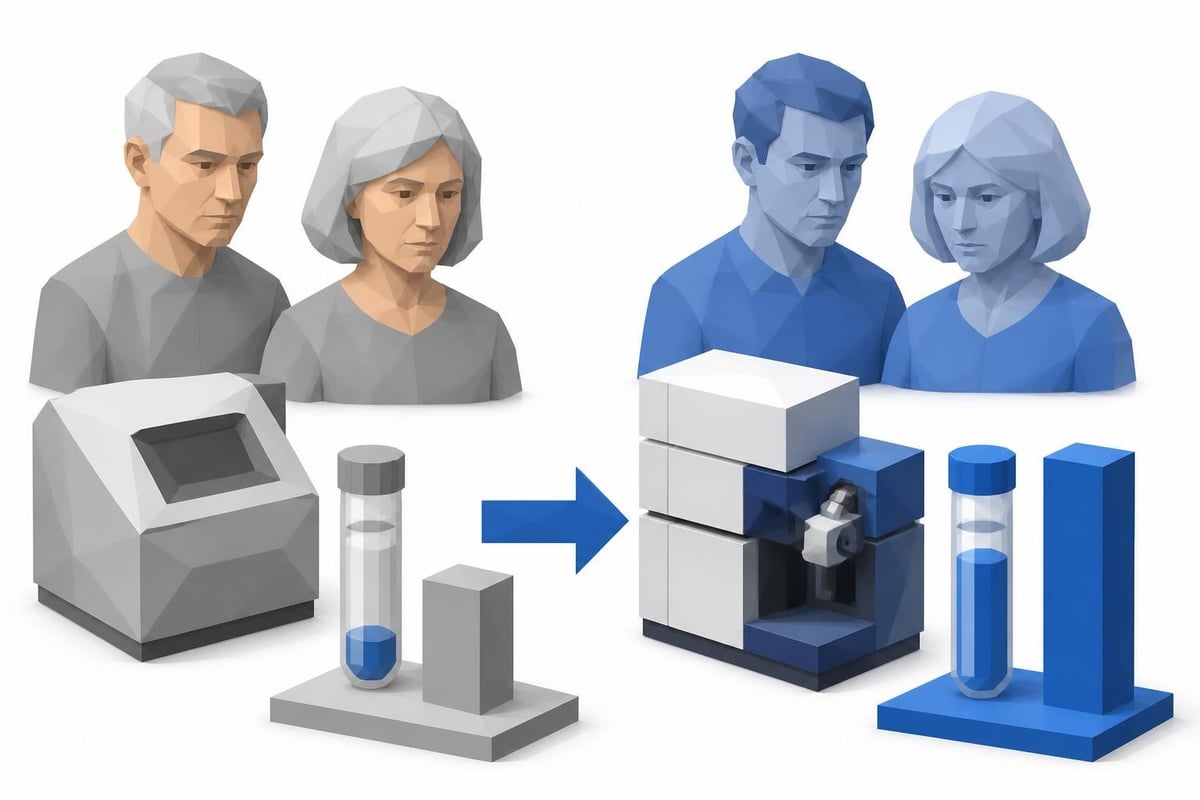
Estradiol ultrasensitive tests utilize advanced liquid chromatography-mass spectrometry technology to measure estrogen with exceptional precision. This methodology can reliably detect estradiol concentrations as low as 0.5 pg/mL, making it the gold standard for estradiol ultrasensitive men postmenopausal women populations.
The LC-MS/MS approach works differently than immunoassays. Rather than relying on antibody binding that can cross-react with structurally similar hormones, mass spectrometry physically separates and identifies molecules based on their unique mass-to-charge ratios.
Technical Advantages of LC-MS/MS
| Feature | Standard Immunoassay | Ultrasensitive LC-MS/MS |
|---|---|---|
| Detection Limit | 10-20 pg/mL | 0.5-1 pg/mL |
| Cross-reactivity | High | Minimal |
| Accuracy at Low Levels | Poor | Excellent |
| Clinical Utility for Men | Limited | High |
| Postmenopausal Assessment | Unreliable | Reliable |
This technological distinction matters significantly when ordering labs without a doctor for hormone monitoring purposes. Choosing the right test methodology ensures clinically meaningful results.
Clinical Applications for Men
Male health depends on maintaining proper estradiol balance. While testosterone receives most of the attention in men's health discussions, estradiol plays crucial regulatory roles that often go unrecognized.
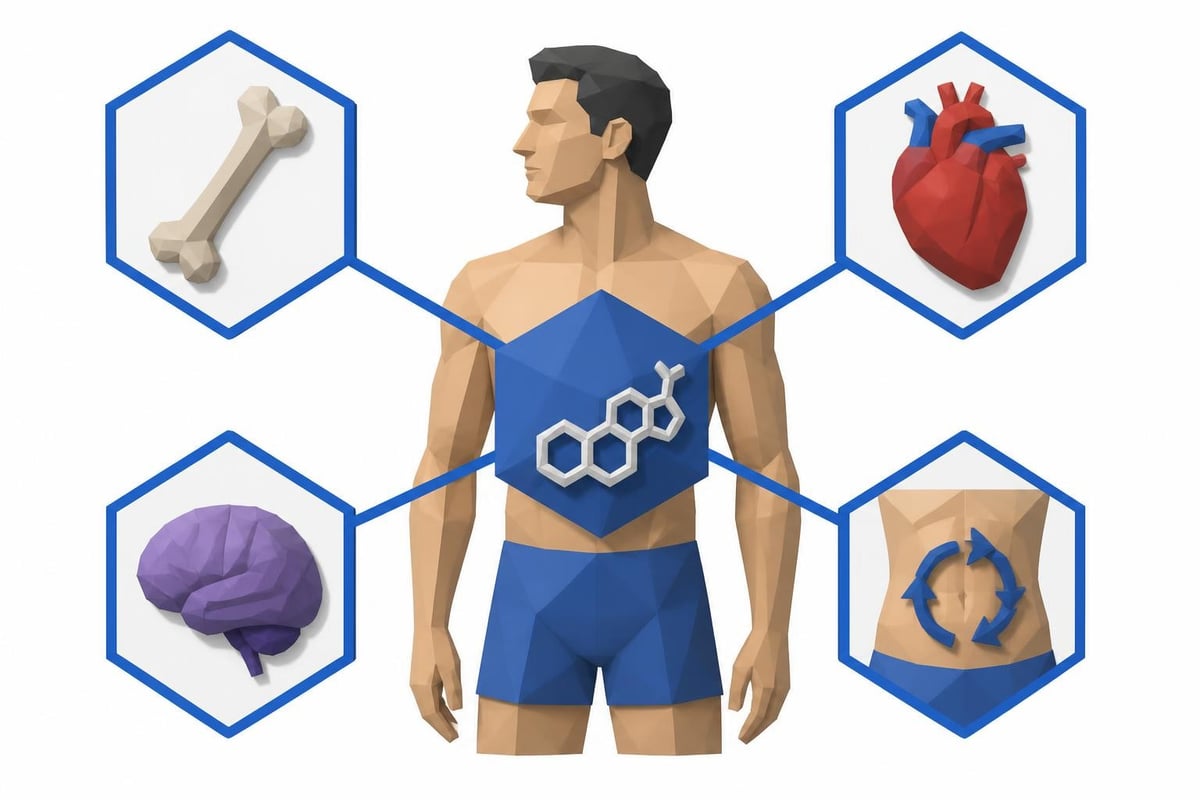
Bone density maintenance requires adequate estradiol levels in men. Studies demonstrate that men with very low estradiol experience accelerated bone loss and increased fracture risk, even when testosterone levels remain normal. The estradiol ultrasensitive men postmenopausal women test enables physicians to identify men at risk before significant bone deterioration occurs.
Monitoring Testosterone Replacement Therapy
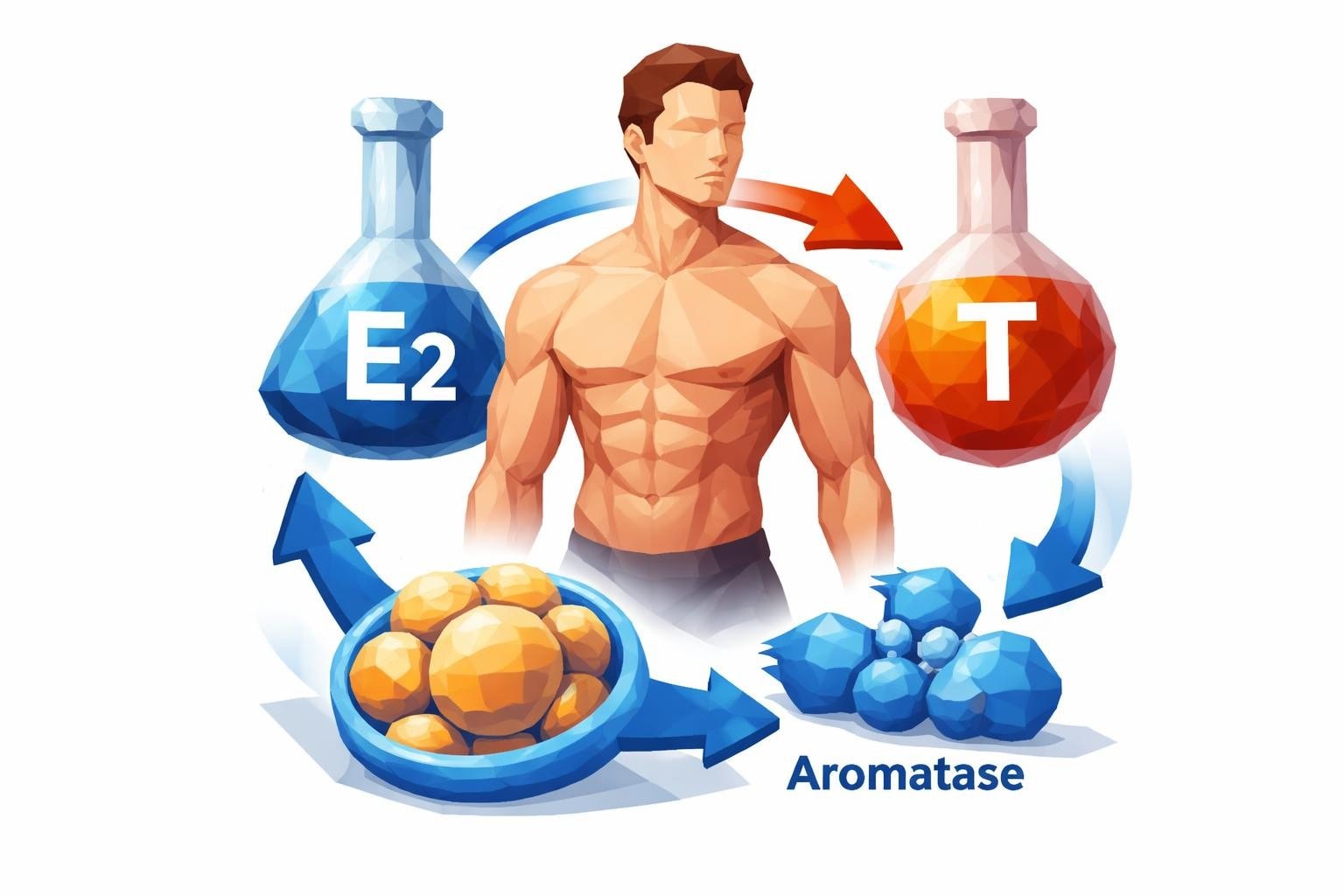
Men undergoing testosterone replacement therapy (TRT) need careful estradiol monitoring because exogenous testosterone converts to estradiol through aromatization. Some men experience excessive conversion, leading to symptoms like:
- Gynecomastia (breast tissue development)
- Water retention and bloating
- Emotional lability
- Sexual dysfunction
Conversely, men taking aromatase inhibitors alongside TRT risk driving estradiol too low, which can impair libido, cognition, and cardiovascular health. Only ultrasensitive testing provides the precision needed to optimize these men's hormone protocols. As detailed in this overview of estradiol ultrasensitive testing for males, accurate measurement guides effective treatment adjustments.
Cardiovascular and Metabolic Health
Research indicates estradiol influences cardiovascular function in men through multiple mechanisms. Very low estradiol correlates with increased cardiovascular disease risk, endothelial dysfunction, and unfavorable lipid profiles.
Men with metabolic syndrome often exhibit altered estrogen metabolism. The estradiol ultrasensitive men postmenopausal women assay helps identify these imbalances, enabling targeted interventions before serious complications develop.
Critical Importance for Postmenopausal Women
The menopausal transition dramatically reduces ovarian estrogen production, with estradiol levels plummeting to a fraction of premenopausal concentrations. Postmenopausal women typically maintain estradiol levels between 0 and 10 pg/mL, a range where standard testing becomes essentially meaningless.
Bone Health Monitoring
Osteoporosis represents a major health concern for postmenopausal women. While menopause-related estrogen decline is well-established as the primary driver of postmenopausal bone loss, individual variation exists in residual estrogen production and bone response.
Research on ultrasensitive serum estradiol measurement demonstrates that even subtle differences in postmenopausal estradiol levels correlate with bone mineral density and fracture risk. Women with undetectable estradiol using standard assays may actually have measurable levels on ultrasensitive testing, information that influences treatment decisions.
Hormone Replacement Therapy Optimization
Women using hormone replacement therapy (HRT) require monitoring to ensure appropriate dosing. Too little estrogen fails to provide symptom relief or bone protection, while excessive replacement may increase health risks.
Different HRT formulations produce varying blood estradiol levels:
- Oral estradiol tablets typically generate levels between 40-100 pg/mL
- Transdermal patches often produce 30-80 pg/mL
- Topical gels and creams create highly variable levels depending on application
- Vaginal preparations usually maintain low systemic levels requiring ultrasensitive detection
The estradiol ultrasensitive men postmenopausal women test proves particularly valuable for women using low-dose or topical preparations where standard assays lack sufficient sensitivity. This precision enables personalized HRT management based on individual response rather than standardized dosing protocols.
Interpreting Ultrasensitive Estradiol Results
Understanding what your results mean requires context about reference ranges, which vary based on sex, age, and specific clinical circumstances.
Reference Ranges by Population
| Population | Typical Range (pg/mL) | Clinical Significance |
|---|---|---|
| Adult Men | 10-40 | Values outside this range warrant evaluation |
| Postmenopausal Women (no HRT) | <10 | Individual variation affects bone and cardiovascular health |
| Postmenopausal Women (on HRT) | Variable | Target depends on formulation and therapeutic goals |
| Men on TRT | 20-50 | Higher levels may indicate excessive aromatization |
When reviewing results, consider that isolated values provide limited information. Serial measurements over time reveal trends more valuable than single data points. As explained on this resource about estradiol blood tests, understanding both standard and ultrasensitive assay applications helps in result interpretation.
Factors Affecting Estradiol Levels
Multiple variables influence estradiol concentrations beyond the obvious factors of sex and menopausal status:
- Body composition: Adipose tissue contains aromatase enzyme that converts androgens to estrogens — the same pathway that makes estrone the main circulating estrogen after menopause
- Medications: Various drugs affect estrogen synthesis, metabolism, or measurement
- Liver function: Hepatic impairment alters hormone clearance
- Time of day: Some evidence suggests diurnal variation in hormone levels
- Recent food intake: Though generally minimal for estradiol, fasting status should be consistent
Many people benefit from accessing lab testing without insurance to track these values regularly without the cost barriers traditional healthcare creates.
Who Should Consider Ultrasensitive Testing
While not everyone requires the enhanced precision of ultrasensitive methodology, specific populations gain substantial clinical value from this advanced testing approach.
Men experiencing unexplained symptoms despite normal testosterone levels should consider comprehensive hormone evaluation including ultrasensitive estradiol. Symptoms suggesting hormone imbalance include persistent fatigue, decreased libido, erectile dysfunction, mood changes, and loss of muscle mass or bone density.
Specific Clinical Scenarios
The following situations particularly warrant estradiol ultrasensitive men postmenopausal women testing:
- Men on testosterone replacement therapy requiring optimization
- Postmenopausal women considering or currently using HRT
- Individuals with osteoporosis or osteopenia seeking root cause identification
- Men using aromatase inhibitors who need precise estradiol monitoring
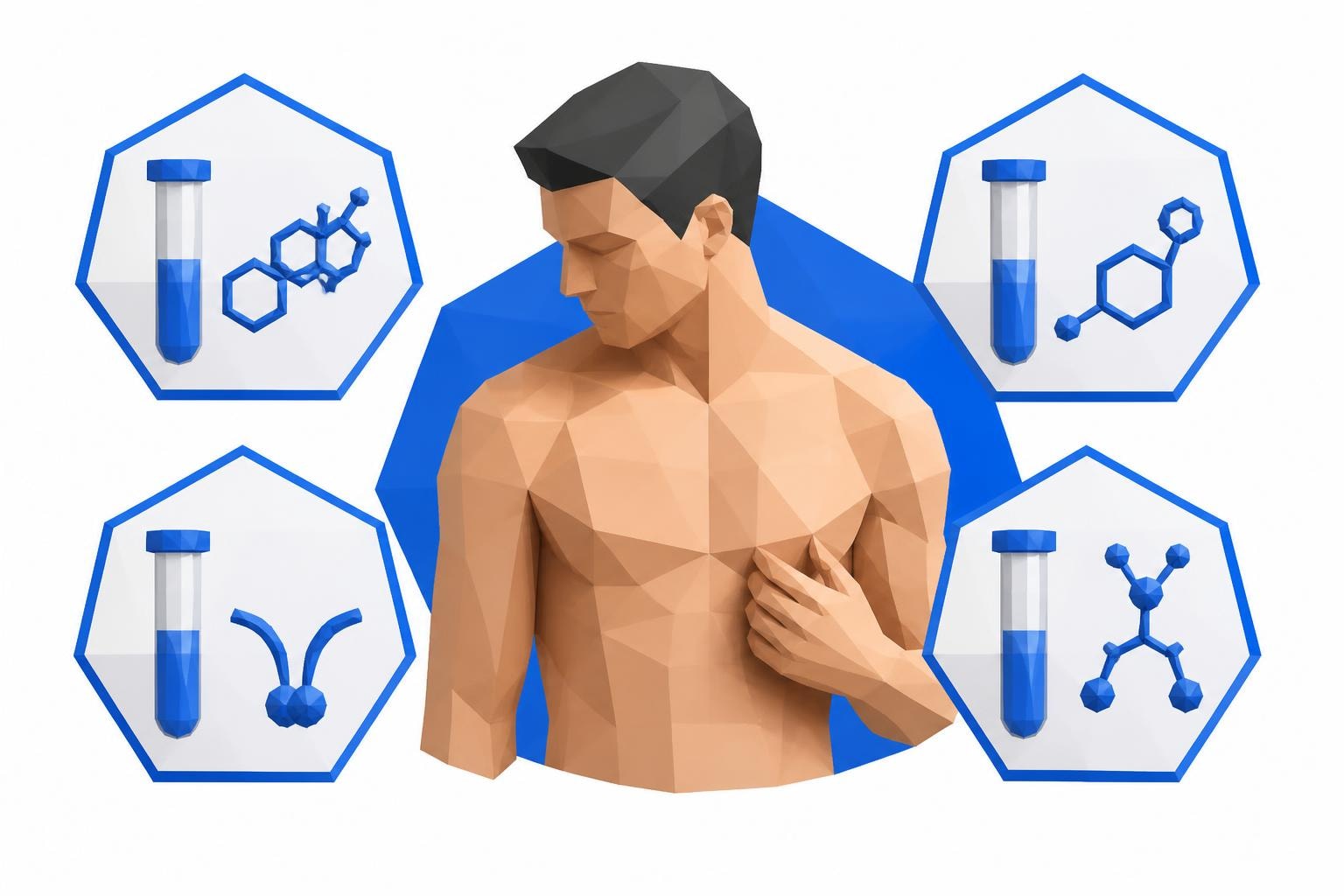
- People with unexplained gynecomastia
- Those evaluating cardiovascular disease risk factors
- Women experiencing premature ovarian insufficiency
According to this guide on estradiol ultrasensitive testing, anyone with expected low estradiol levels should specifically request the ultrasensitive methodology rather than standard testing.

Cost Considerations and Access
Advanced testing methodology typically costs more than standard assays, creating access barriers for many patients. Traditional healthcare systems often restrict ultrasensitive testing to specific approved indications, leaving patients without coverage for clinically appropriate testing.
The estradiol ultrasensitive men postmenopausal women assay usually ranges from $75 to $200 when billed through insurance or traditional lab services. However, transparent lab test pricing through direct-access services often provides more affordable options than navigating insurance requirements and copays.
Recommended Test
Estradiol, Ultrasensitive, LC/MS
The ultrasensitive estradiol test uses advanced LC/MS technology to accurately measure very low estradiol levels that standard immunoassay tests cannot reliably detect — making it the preferred choice for men, children, and postmenopausal women.
Includes 1 biomarkers
$29
Direct Access Advantages
Several benefits emerge from self-pay testing models:
- No insurance pre-authorization eliminates delays and denials
- Transparent pricing allows cost comparison before ordering
- Rapid results without waiting for physician follow-up appointments
- Privacy for those preferring not to involve insurance companies
- Convenience through online ordering and local collection
Many patients find that paying directly for testing costs less overall than navigating copays, deductibles, and the time investment required for traditional healthcare system access.
Combining Ultrasensitive Estradiol With Other Hormone Tests
Hormones function as an interconnected system rather than isolated molecules. Comprehensive evaluation often requires measuring multiple hormones simultaneously to understand the full picture.
Recommended Hormone Panel Components
For men optimizing hormone health, consider pairing estradiol ultrasensitive with:
- Total and free testosterone to assess primary androgen status
- Sex hormone binding globulin (SHBG) affecting hormone bioavailability
- Luteinizing hormone (LH) and follicle-stimulating hormone (FSH) evaluating pituitary function
- Thyroid hormones as thyroid dysfunction affects sex hormone metabolism
Those interested in comprehensive male hormone assessment can explore testosterone testing options that measure both total and bioavailable testosterone alongside other relevant markers.
Recommended Panel
Male Hormone Panel
Save $9This comprehensive panel measures testosterone (free and total), plus the supporting hormones that affect how testosterone works in your body: SHBG, estradiol sensitive, DHEA-S, and cortisol.
Includes 6 biomarkers
$101
For Postmenopausal Women
Women should consider comprehensive panels including:
- FSH and LH confirming menopausal status
- Progesterone if using combined HRT
- Testosterone as androgens remain important post-menopause
- DHEA-S assessing adrenal androgen production
- Thyroid function given the prevalence of thyroid disorders in aging women
Recommended Panel
Female Hormone Panel
Save $7This comprehensive panel measures all major female hormones: estrogen, progesterone, reproductive hormones (FSH/LH), and androgens (testosterone/DHEA-S) - essential for understanding hormonal balance.
Includes 7 biomarkers
$105
Understanding how these hormones interrelate provides context that isolated estradiol measurement cannot offer. The estradiol ultrasensitive men postmenopausal women test becomes most valuable when integrated into broader hormone evaluation strategies.
Sample Collection and Preparation
Proper sample collection ensures accurate results regardless of methodology. Most hormone testing, including estradiol ultrasensitive assays, requires venous blood draw rather than finger-stick samples.
Pre-Test Preparation Guidelines
- Fasting: Generally not required for estradiol testing, though some providers prefer morning fasting samples
- Timing: For consistency, collect samples at the same time of day when repeat testing
- Medication timing: Take hormone supplements after blood draw if testing to assess baseline levels
- Activity level: Avoid intense exercise immediately before testing
- Hydration: Maintain normal hydration status
When comparing pricing across different providers, verify whether sample collection fees are included or charged separately. Quest self-pay prices and similar transparent pricing models help consumers understand total costs before committing.
Turnaround Time and Result Delivery
Unlike point-of-care tests providing immediate results, mass spectrometry-based estradiol ultrasensitive testing requires specialized laboratory equipment and technical expertise. Most laboratories process these samples in batches rather than individually.
Typical turnaround times range from 3 to 7 business days from when the laboratory receives the sample. Some high-volume specialty labs complete analysis within 1-3 days. Understanding realistic expectations prevents unnecessary concern when results aren't immediately available.
Result delivery methods vary by provider. Modern testing services typically offer online portals where patients access results directly without waiting for physician interpretation. This approach empowers individuals to review their data promptly while still maintaining the option to discuss findings with healthcare providers.
For those seeking straightforward access to results, services focused on understanding lab results provide educational resources explaining what different values mean and when further evaluation makes sense.
Making Informed Testing Decisions
Choosing between the standard estradiol test and ultrasensitive estradiol testing depends on individual circumstances. Not everyone requires the enhanced sensitivity that LC-MS/MS provides, but for men and postmenopausal women, the clinical utility justifies any additional cost.
When standard immunoassay results return as "less than detectable" or provide values that seem inconsistent with symptoms, requesting specifically the estradiol ultrasensitive men postmenopausal women test ensures you receive actionable information rather than ambiguous data.
Research continues expanding our understanding of how even very low estradiol levels affect health outcomes. Studies examining hormone variability during menopausal transition demonstrate that subtle hormonal fluctuations correlate with bone health changes, reinforcing the importance of measurement precision.
The investment in appropriate testing pays dividends through better-informed health decisions. Whether optimizing hormone replacement protocols, investigating unexplained symptoms, or proactively monitoring health risks, accurate estradiol measurement provides foundation for evidence-based interventions.
Accurate hormone measurement through estradiol ultrasensitive testing empowers men and postmenopausal women to make informed health decisions based on precise data rather than guesswork. Whether you're monitoring hormone therapy, investigating symptoms, or proactively assessing health risks, choosing the right test methodology ensures clinically meaningful results. Justlabs provides accessible, affordable hormone testing with transparent pricing and convenient online ordering, delivering results in 1-3 days so you can take control of your health without insurance hassles or lengthy wait times.