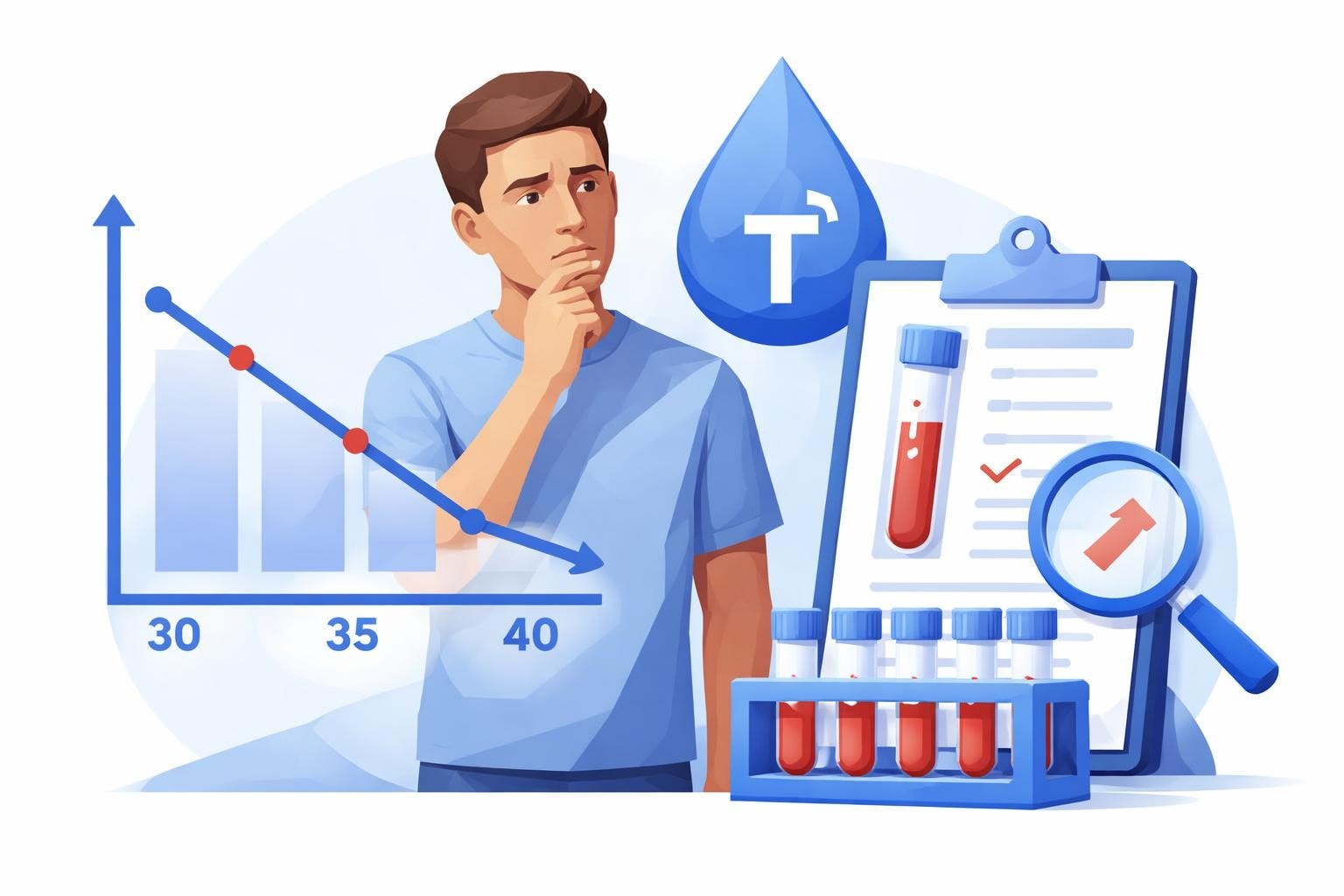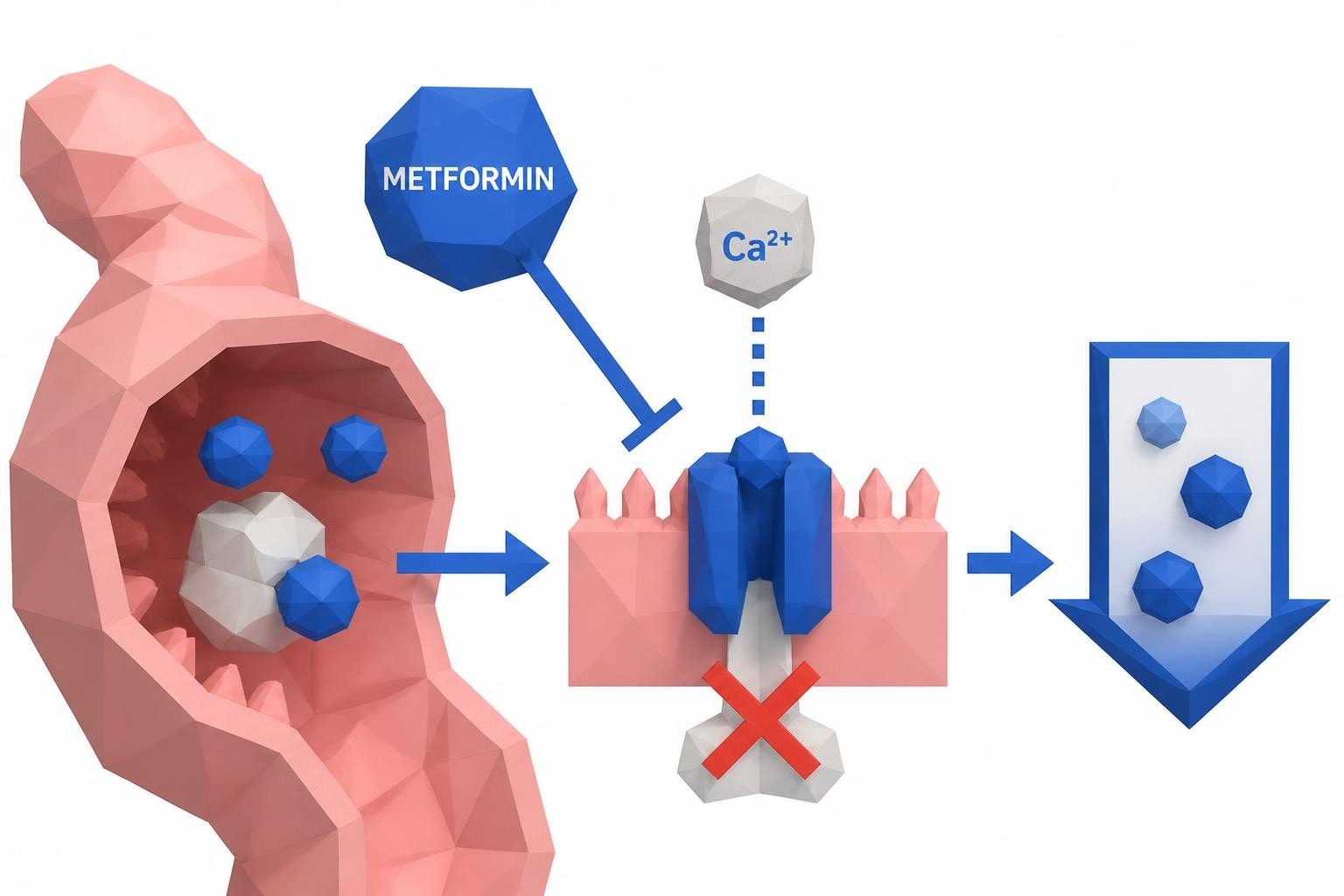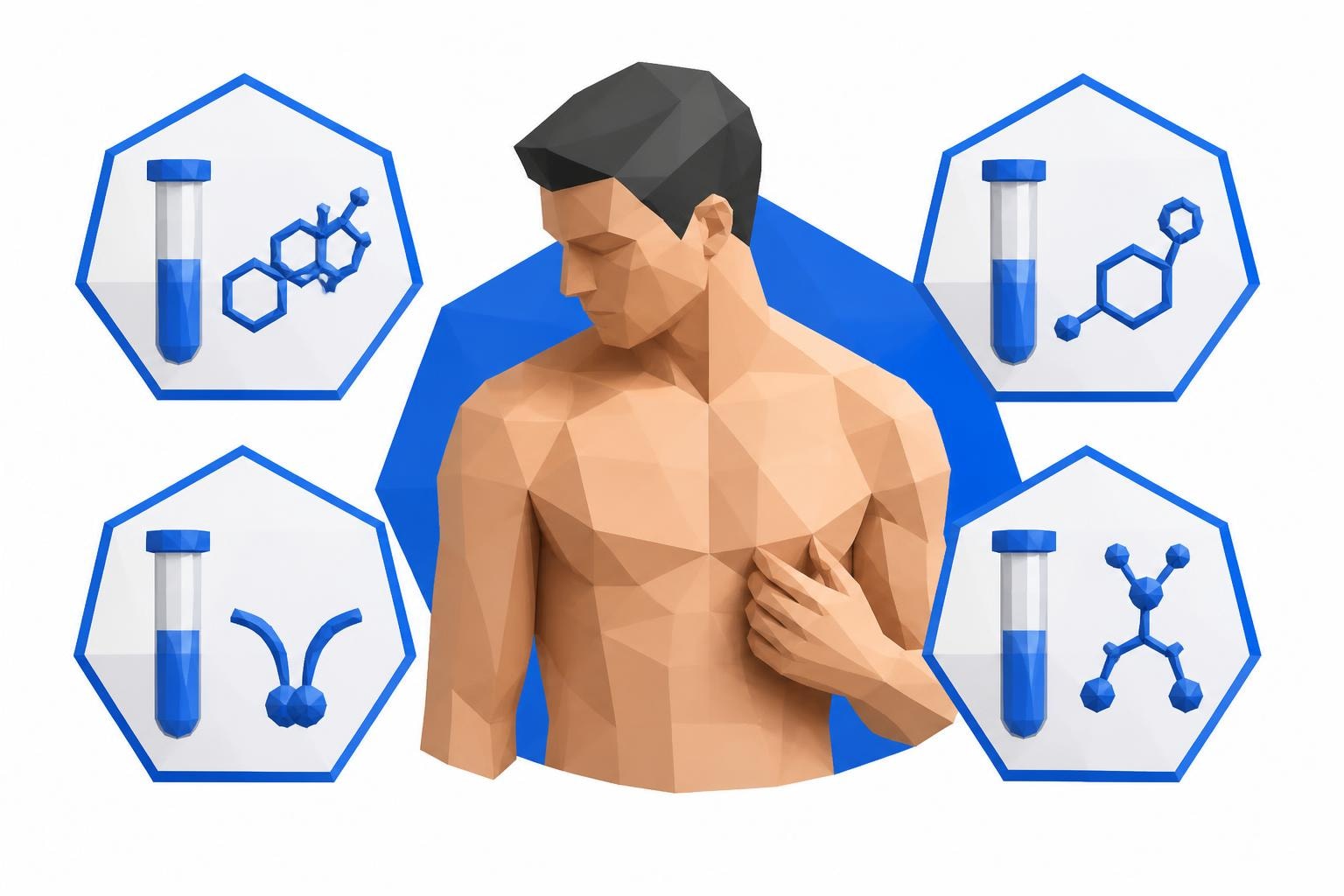
Before undergoing gynecomastia surgery, identifying the underlying hormonal imbalances through proper laboratory testing is essential for both surgical planning and long-term outcomes. A comprehensive gynecomastia lab workup 4 hormones before surgery ensures that surgeons and patients understand whether the breast tissue enlargement stems from treatable hormonal conditions or represents true idiopathic gynecomastia requiring surgical intervention. This targeted hormone assessment can prevent unnecessary procedures, identify reversible causes, and optimize surgical results when intervention becomes necessary.
Big picture
- Gynecomastia affects 32-65% of men at some point in their lives, presenting as benign enlargement of male breast tissue caused by hormonal imbalances or other underlying conditions
- Pre-surgical hormone testing identifies reversible causes like hypogonadism, hyperprolactinemia, or estrogen excess that may resolve with medical treatment rather than surgery
- Four critical hormones (testosterone, estradiol, luteinizing hormone, and prolactin) form the foundation of the gynecomastia lab workup 4 hormones before surgery protocol
- Testing before surgery can save thousands of dollars by identifying patients who need medical management first or who may not need surgery at all
- Direct access lab testing through services like Justlabs enables faster evaluation without insurance delays, with results typically available in 1-3 days
- Actionable next step: Order comprehensive hormone testing at least 4-6 weeks before any planned gynecomastia surgery to ensure proper diagnosis and treatment planning
Understanding Gynecomastia and Hormonal Causes
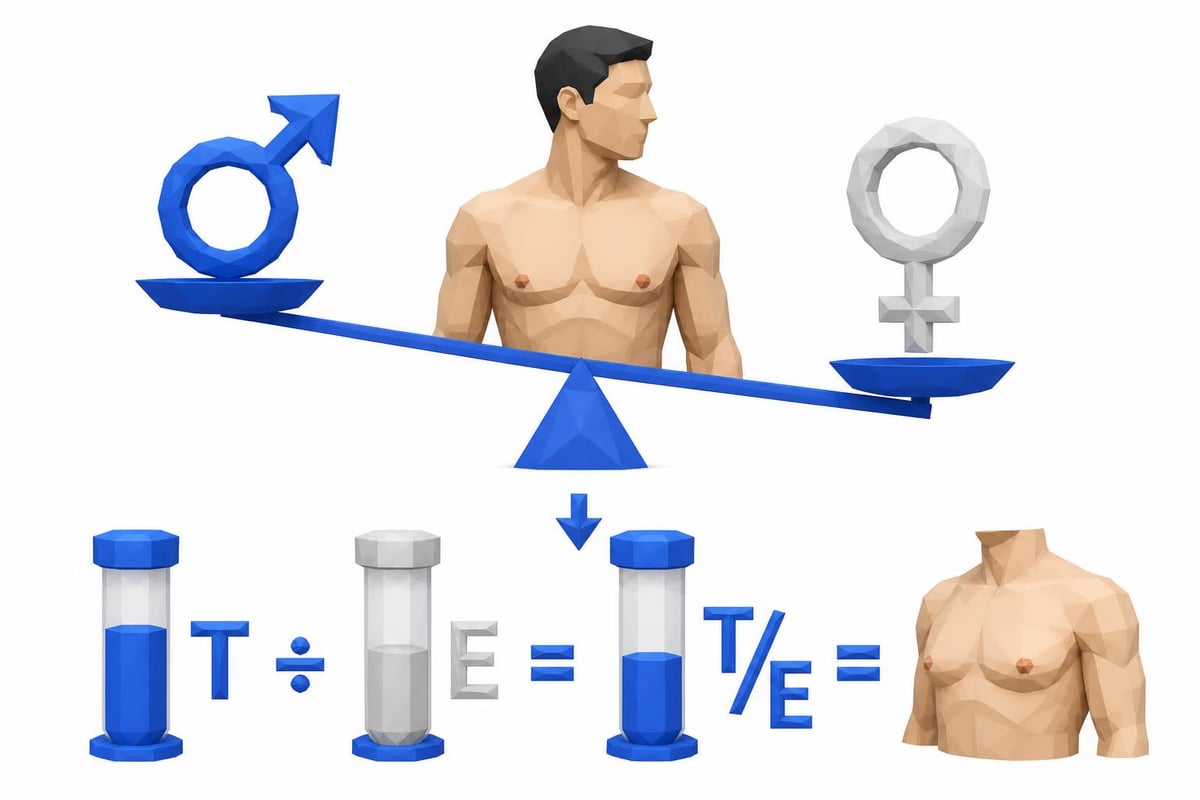
Gynecomastia represents the proliferation of glandular breast tissue in males, distinct from pseudogynecomastia (fatty tissue accumulation). The condition results from an imbalance between estrogen and androgen activity at the breast tissue level.
The Hormone Imbalance Mechanism
Multiple hormonal pathways can disrupt the normal testosterone-to-estrogen ratio:
- Decreased testosterone production (primary or secondary hypogonadism)
- Increased estrogen production (from testicular tumors, adrenal disorders, or aromatase excess)
- Increased peripheral aromatization converting testosterone to estradiol
- Displacement of estrogen from binding proteins by medications or substances
- Enhanced breast tissue sensitivity to normal estrogen levels
According to comprehensive evaluations published by the National Center for Biotechnology Information, identifying these mechanisms through targeted testing prevents misdiagnosis and guides appropriate treatment. The gynecomastia lab workup 4 hormones before surgery specifically targets the most common and clinically significant imbalances.
When Laboratory Testing Becomes Essential
Not every case requires extensive testing. Clinical guidelines for gynecomastia workup suggest laboratory evaluation when:
- Duration exceeds 12 months without resolution
- Rapid onset or progression occurs
- Patient experiences pain or tenderness
- Asymmetric or unilateral presentation raises concern
- Associated symptoms suggest underlying endocrine disease
- Patient age falls outside physiologic gynecomastia periods
- Surgery is being considered
For surgical candidates, the gynecomastia lab workup 4 hormones before surgery becomes mandatory rather than optional. Many surgeons refuse to operate without baseline hormone measurements.
The Four Essential Hormones in Pre-Surgical Testing
The standard gynecomastia lab workup 4 hormones before surgery includes testosterone, estradiol, luteinizing hormone, and prolactin. Each provides specific diagnostic information.
Recommended Panel
Male Hormone Panel
Save $9This comprehensive panel measures testosterone (free and total), plus the supporting hormones that affect how testosterone works in your body: SHBG, estradiol sensitive, DHEA-S, and cortisol.
Includes 6 biomarkers
$101
Testosterone: The Primary Androgen
Total testosterone measurement identifies hypogonadism, which affects approximately 35% of men presenting with gynecomastia. Low testosterone levels reduce androgen activity at breast tissue, allowing unopposed estrogen effects.
| Testosterone Level | Clinical Significance | Treatment Implication |
|---|---|---|
| Below 300 ng/dL | Hypogonadism confirmed | Testosterone replacement may resolve gynecomastia |
| 300-500 ng/dL | Borderline; consider free testosterone | Further evaluation needed |
| Above 500 ng/dL | Normal range | Look for other causes |
Free testosterone or calculated bioavailable testosterone provides additional clarity when total testosterone appears borderline. Men with high sex hormone-binding globulin (SHBG) may have normal total but low free testosterone.
Estradiol: The Key Estrogen
Estradiol (E2) measurement identifies absolute or relative estrogen excess. While adult males typically maintain estradiol levels between 10-40 pg/mL, levels above 40 pg/mL or abnormal testosterone-to-estradiol ratios suggest pathologic estrogen activity.
Elevated estradiol can result from:
- Testicular tumors (Leydig cell or Sertoli cell tumors producing estrogen)
- Adrenal tumors secreting estrogen precursors
- Increased aromatase activity converting testosterone to estradiol
- Obesity (adipose tissue contains aromatase enzyme)
- Liver disease impairing estrogen metabolism
- Exogenous estrogen exposure from environmental or pharmaceutical sources
The testosterone-to-estradiol ratio often proves more informative than absolute values. Ratios below 10:1 typically indicate significant hormonal imbalance driving gynecomastia.
Luteinizing Hormone: The Regulatory Signal
Luteinizing hormone (LH) distinguishes primary testicular failure from secondary (hypothalamic-pituitary) hypogonadism. This differentiation fundamentally changes treatment approaches.
- Elevated LH with low testosterone: Primary testicular failure (testes not responding to signals)
- Low or normal LH with low testosterone: Secondary hypogonadism (pituitary not sending signals)
- Elevated LH with normal testosterone: Possible androgen resistance or LH-secreting tumor
Understanding the cause of hypogonadism guides whether testosterone replacement, fertility preservation, or tumor evaluation becomes necessary before considering surgery.
Prolactin: The Often-Overlooked Hormone
Prolactin elevation (hyperprolactinemia) occurs in 10-15% of gynecomastia cases. Elevated prolactin suppresses testosterone production while potentially increasing estrogen receptor sensitivity.
Prolactin levels above 20 ng/mL warrant investigation. Levels above 100 ng/mL strongly suggest pituitary adenoma requiring brain imaging before any surgical intervention for gynecomastia.
Diagnostic approaches outlined by BMJ Best Practice emphasize prolactin measurement as part of the comprehensive gynecomastia lab workup 4 hormones before surgery, particularly in patients with decreased libido, erectile dysfunction, or visual field changes.
Additional Laboratory Tests to Consider
While the gynecomastia lab workup 4 hormones before surgery forms the foundation, several supplementary tests provide valuable information in specific clinical scenarios.
Human Chorionic Gonadotropin
hCG (beta-hCG) testing identifies testicular or extragonadal germ cell tumors. These tumors produce hCG, which stimulates testicular estrogen production. Any detectable hCG in non-pregnant individuals warrants immediate testicular ultrasound and oncology referral.
Liver and Kidney Function
Comprehensive metabolic panel assesses liver and kidney function, both affecting hormone metabolism and clearance. Stanford Health Care's diagnostic protocols include these baseline tests because cirrhosis and chronic kidney disease commonly present with gynecomastia.
Thyroid Function
Thyroid-stimulating hormone (TSH) and free T4 identify hyperthyroidism, which increases SHBG and peripheral aromatization. Thyroid disorders affect 5-8% of men with gynecomastia. Understanding how to order labs without a doctor empowers patients to complete comprehensive screening efficiently.
Recommended Panel
Basic Thyroid Panel
Save $2This panel includes the 3 essential thyroid markers: TSH, Free T4, and Free T3. The perfect starting point for evaluating thyroid function without unnecessary tests.
Includes 3 biomarkers
$30
Interpreting Results and Treatment Implications

Test interpretation requires understanding both individual values and their relationships. The gynecomastia lab workup 4 hormones before surgery creates a diagnostic pattern guiding next steps.
Normal Hormone Panel
When all four hormones fall within normal ranges:
- Diagnosis: Idiopathic or physiologic gynecomastia
- Surgical decision: Can proceed if duration exceeds 12-24 months (fibrosis unlikely to regress)
- Medical treatment: Limited options; selective estrogen receptor modulators rarely effective with normal hormones
- Follow-up: Generally unnecessary unless symptoms change
Isolated Low Testosterone
Low testosterone with normal LH, estradiol, and prolactin:
- Repeat testing to confirm (morning fasting sample)
- Add free testosterone and SHBG
- Consider testosterone replacement trial for 6-12 months
- Reassess gynecomastia after hormone normalization
- Proceed with surgery only if tissue fails to regress
Research on treatment options demonstrates that testosterone replacement resolves gynecomastia in 40-60% of hypogonadal men when initiated early in the disease course.
Elevated Estradiol
High estradiol requires investigation:
| Estradiol Level | Associated Testosterone | Next Steps |
|---|---|---|
| 40-80 pg/mL | Normal | Check aromatase, imaging if indicated |
| 40-80 pg/mL | Low | Evaluate testosterone-to-estradiol ratio |
| Above 80 pg/mL | Any level | Testicular ultrasound, adrenal CT |
Aromatase inhibitors may reduce estradiol and resolve gynecomastia medically, avoiding surgery. However, the Merck Manual's guidance on gynecomastia notes that fibrotic tissue (typically after 12 months) does not respond to hormone manipulation.
Elevated Prolactin
Prolactin above 20 ng/mL triggers additional workup:
- Repeat measurement to exclude stress-related elevation
- Check macroprolactin (biologically inactive but measured in assays)
- Review medications (antipsychotics, metoclopramide, opioids, and SSRIs, which can raise prolactin)
- Brain MRI if prolactin exceeds 100 ng/mL or remains elevated
- Dopamine agonist therapy (cabergoline or bromocriptine) if adenoma confirmed
Surgery should be deferred until prolactin normalizes and gynecomastia response to medical treatment is assessed.
Timing and Logistics of Pre-Surgical Testing
Optimal timing ensures results inform surgical planning without causing delays. The gynecomastia lab workup 4 hormones before surgery should occur 4-6 weeks before scheduled procedures.
Testing Timeline
6-8 weeks before surgery:
- Order comprehensive hormone panel
- Complete blood draw at certified laboratory
- Allow 1-3 days for results
4-6 weeks before surgery:
- Review results with surgeon or endocrinologist
- Initiate medical treatment if indicated
- Repeat abnormal values for confirmation
2-4 weeks before surgery:
- Confirm stability of hormone levels if treated
- Complete additional imaging if recommended
- Finalize surgical clearance
Accessing Laboratory Testing
Traditional pathways require physician orders, insurance authorization, and scheduled appointments that may delay care by weeks. Transparent lab test pricing and direct-access testing eliminate these barriers.
Benefits of direct-access testing include:
- No physician appointment required for test ordering
- No insurance delays or pre-authorization requirements
- Transparent pricing known before ordering
- Rapid results typically within 1-3 days
- Nationwide availability through extensive laboratory networks
Patients can order comprehensive lab tests online, visit a nearby collection facility, and receive results electronically. This streamlined approach proves particularly valuable when surgeons require specific testing before scheduling procedures.
Cost Considerations and Insurance Coverage
The gynecomastia lab workup 4 hormones before surgery typically costs $200-$600 through traditional channels with insurance. Out-of-pocket costs vary dramatically based on insurance plans, deductibles, and copayments.
Traditional Insurance Pathway Costs
| Component | With Insurance | High-Deductible Plan | Without Insurance |
|---|---|---|---|
| Office visit | $30-$75 copay | $150-$300 | $150-$300 |
| Hormone panel | $50-$150 | $200-$400 | $400-$800 |
| Follow-up visit | $30-$75 copay | $150-$300 | $150-$300 |
| Total | $110-$300 | $500-$1,000 | $700-$1,400 |
Self-Pay Direct Testing
Lab testing without insurance often provides comparable or better pricing than high-deductible insurance plans. Self-pay options also qualify for FSA/HSA reimbursement, providing tax advantages. Patients can explore FSA HSA eligible tests to maximize healthcare dollars.
Insurance Coverage for Surgical Workup
Most insurance plans cover medically necessary laboratory testing when ordered by physicians. However, coverage for gynecomastia evaluation varies:
- Documented pain or tenderness: Usually covered
- Rapid progression: Typically covered
- Cosmetic concerns only: Often denied
- Pre-surgical clearance: Coverage depends on medical necessity documentation
When insurance denies coverage or requires extensive pre-authorization, self-pay testing provides immediate access without administrative delays.
Key Takeaways
The gynecomastia lab workup 4 hormones before surgery provides essential diagnostic information that shapes treatment approaches and surgical outcomes. Testosterone measurement identifies hypogonadism affecting one-third of patients, while estradiol assessment reveals estrogen excess that may respond to medical therapy. Luteinizing hormone distinguishes primary from secondary hypogonadism, fundamentally changing treatment strategies, and prolactin screening identifies pituitary disorders requiring neurosurgical rather than cosmetic intervention.
Early hormone testing prevents unnecessary surgeries when medical management can resolve the underlying condition. Timing this workup 4-6 weeks before scheduled procedures allows adequate evaluation without delaying care. Direct-access laboratory services eliminate traditional barriers of physician appointments and insurance authorization while maintaining testing quality and accuracy.
Understanding these four critical hormone measurements empowers patients to advocate for appropriate pre-surgical evaluation. Clinical practice guidelines consistently recommend comprehensive hormone assessment before gynecomastia surgery, and preparation standards from the American Society of Plastic Surgeons emphasize the importance of identifying treatable endocrine disorders.
Frequently Asked Questions
How long before surgery should I complete my gynecomastia lab workup?
Complete the gynecomastia lab workup 4 hormones before surgery approximately 4-6 weeks before your scheduled procedure. This timeline allows sufficient time to receive results, consult with your surgeon about findings, repeat any abnormal tests, and initiate medical treatment if hormone imbalances are identified that might resolve without surgery.
Can I get hormone testing without seeing a doctor first?
Yes, direct-access laboratory services enable you to order comprehensive hormone panels without physician appointments or referrals. Results are typically available within 1-3 days, and you can share them with your surgeon during pre-operative consultations. Understanding how the testing process works helps streamline your pre-surgical preparation.
What happens if my hormone tests come back abnormal?
Abnormal hormone results delay surgery until underlying conditions are addressed. Low testosterone may require replacement therapy for 6-12 months to assess gynecomastia regression. Elevated prolactin necessitates brain imaging to rule out pituitary tumors. High estradiol prompts investigation for testicular or adrenal tumors. Your surgeon and potentially an endocrinologist will guide you through appropriate next steps based on specific findings.
Do all surgeons require hormone testing before gynecomastia surgery?
Most reputable plastic surgeons require at least basic hormone screening before gynecomastia surgery, particularly for adults outside physiologic gynecomastia age ranges. Standard of care includes the gynecomastia lab workup 4 hormones before surgery to identify reversible causes and ensure patient safety. Surgeons who operate without hormone testing may miss treatable endocrine disorders or tumors.
How much does pre-surgical hormone testing cost?
Costs vary significantly based on testing pathway and insurance coverage. Traditional routes with insurance typically cost $110-$300 in copays and coinsurance, while high-deductible plans may result in $500-$1,000 out-of-pocket expenses. Self-pay direct-access testing often provides transparent pricing competitive with or better than insurance-based testing, particularly for patients with high deductibles. Understanding lab test costs helps you budget appropriately for pre-surgical workup.
Will insurance cover my gynecomastia hormone tests?
Insurance coverage depends on medical necessity documentation. Testing for symptomatic gynecomastia (pain, tenderness, rapid growth) is usually covered, while evaluation for purely cosmetic concerns may be denied. Pre-authorization requirements and referrals vary by plan. Many patients find self-pay testing more convenient and cost-effective than navigating insurance approval processes.
What if only one hormone is abnormal?
Single hormone abnormalities require targeted evaluation. Isolated low testosterone warrants repeat testing with free testosterone measurement and possible trial of testosterone replacement. Sole prolactin elevation requires medication review and potentially brain imaging. Estradiol elevation alone prompts testicular ultrasound and evaluation for aromatase excess. Your healthcare provider interprets results in clinical context to determine appropriate next steps.
Proper pre-surgical hormone evaluation ensures that gynecomastia surgery is both medically appropriate and likely to achieve desired outcomes without missing treatable underlying conditions. The four essential hormones provide a diagnostic framework that guides surgical timing and identifies patients who may benefit from medical management instead. Whether you're preparing for consultation or ready to schedule testing, Justlabs offers convenient access to comprehensive hormone panels with transparent pricing, rapid results, and nationwide availability to support your pre-surgical evaluation needs.