Navigating healthcare costs without insurance can feel overwhelming, especially when you need lab work done. Understanding quest self pay prices helps you budget for essential health testing and make informed decisions about where to get your labs done.
Big picture
- Quest self pay prices vary widely depending on the specific test, ranging from $15 for basic screenings to several hundred dollars for comprehensive panels
- Self-pay patients often face higher initial quotes than insured patients, but transparent pricing options now exist that offer competitive rates without insurance markups
- Anyone ordering lab tests without insurance coverage is affected, including freelancers, part-time workers, people between jobs, and those with high-deductible plans
- The No Surprises Act requires providers to give good faith estimates for medical services, including lab tests, giving you more pricing transparency than ever before
- Compare prices across different providers before ordering, as the same test can cost dramatically different amounts at various testing facilities
- Action step: Request itemized pricing before scheduling any lab work, and explore direct-to-consumer lab services that publish transparent self-pay rates online
Understanding Quest Diagnostics Self-Pay Pricing Structure
Quest Diagnostics operates as one of the largest laboratory networks in the United States, processing millions of tests annually. When you pay out of pocket without insurance, you're entering the self-pay category, which traditionally meant facing retail prices that could be significantly higher than negotiated insurance rates.
The Quest Diagnostics pricing estimation tool provides patients with cost information before services are rendered. This transparency initiative helps you understand what you'll owe, though actual quest self pay prices may still vary based on location, test complexity, and additional services required.
Price Components for Self-Pay Patients
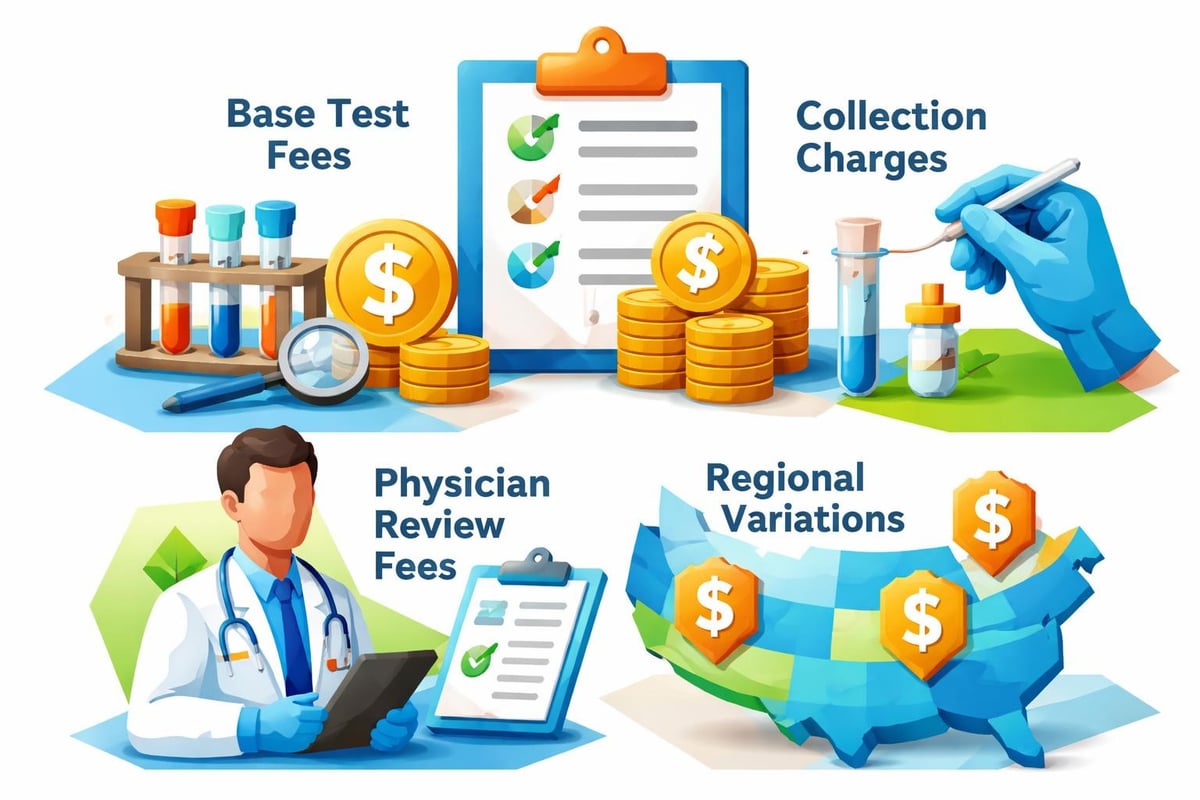
Quest self pay prices include several distinct charges that combine to create your total bill:
- Base test fee: The laboratory analysis cost itself
- Specimen collection fee: Charges for drawing blood or collecting samples
- Physician review: Some tests require doctor authorization or result interpretation
- Processing fees: Administrative costs associated with test handling
Most basic blood tests fall between $30 and $150 for self-pay patients at standard Quest locations. However, specialized tests or comprehensive panels can easily exceed $300-500 depending on what's being analyzed.
Common Test Categories and Price Ranges
Understanding price ranges helps you anticipate costs and plan accordingly. Quest self pay prices differ substantially between test types, with routine screenings costing far less than specialized diagnostic work.
| Test Category | Typical Price Range | Common Examples |
|---|---|---|
| Basic Metabolic Panel | $25-$75 | Glucose, electrolytes, kidney function |
| Lipid Panel | $30-$90 | Cholesterol, triglycerides, HDL, LDL |
| Thyroid Testing | $40-$200 | TSH, T4, T3, antibodies |
| Vitamin Levels | $35-$150 | Vitamin D, B12, folate |
| Hormone Testing | $50-$300 | Testosterone, estrogen, cortisol |
| Comprehensive Metabolic | $40-$120 | Extended chemistry panel |
Recommended Panel
Basic Thyroid Panel
Save $2This panel includes the 3 essential thyroid markers: TSH, Free T4, and Free T3. The perfect starting point for evaluating thyroid function without unnecessary tests.
Includes 3 biomarkers
$30
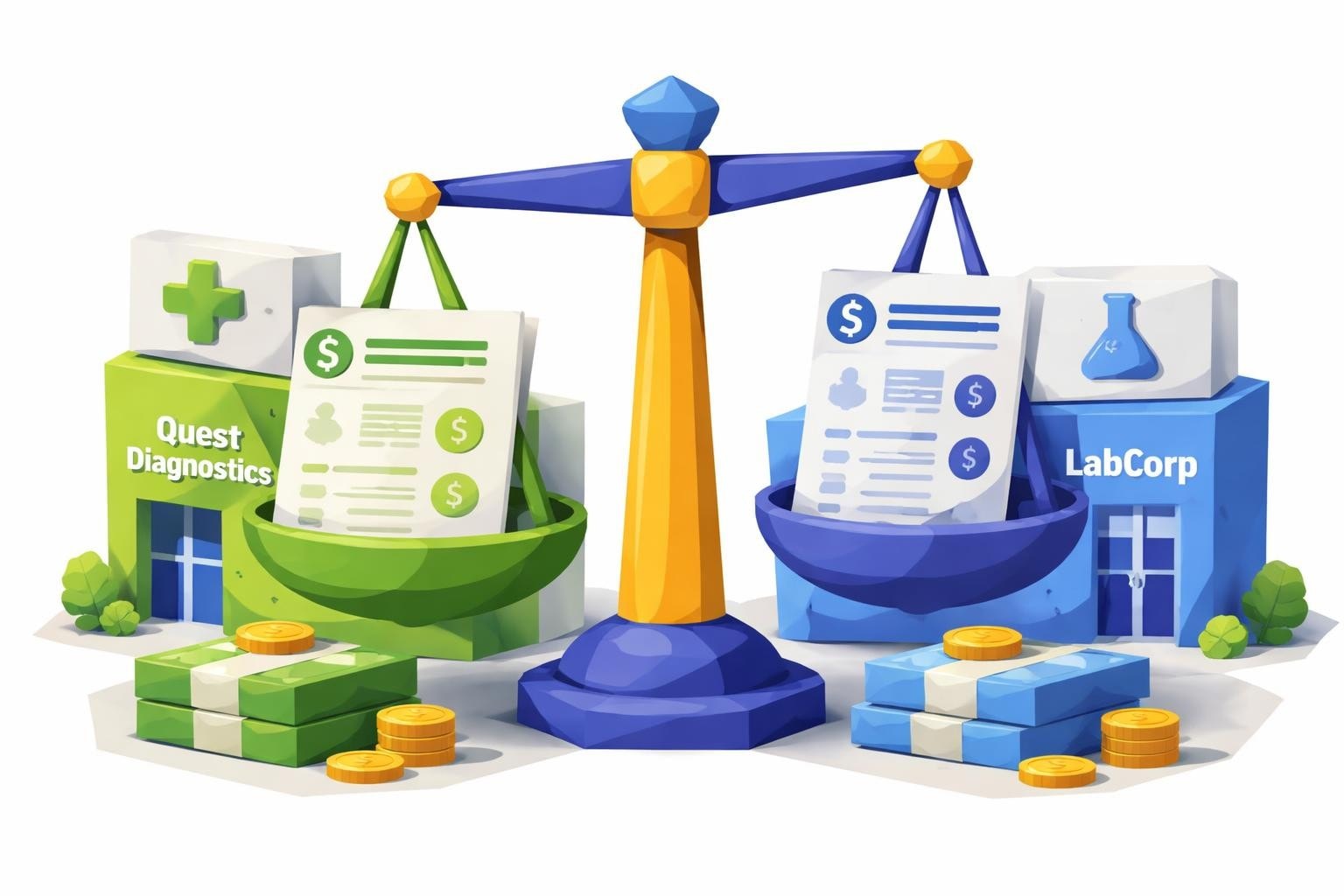
The comparison between Labcorp and Quest pricing reveals that prices can fluctuate between the two major lab providers, sometimes by 20-50% for identical tests. This variation emphasizes why shopping around matters when paying out of pocket.
Specialized and Advanced Testing Costs
Advanced diagnostic tests command higher quest self pay prices due to their complexity and specialized equipment requirements. Genetic testing panels can range from $200 to over $2,000 depending on the number of genes analyzed and the condition being screened.
Allergy testing frequently costs between $200-600 for comprehensive panels. Autoimmune disease markers typically run $150-400 per test. Cancer screening markers and tumor markers usually fall in the $100-300 range per marker tested.
Factors That Influence Quest Self Pay Prices
Geographic location plays a significant role in determining what you'll pay. The New Hampshire health cost database shows regional variation even within a single state, with urban locations sometimes charging different rates than rural testing centers.
Test urgency affects pricing as well. Routine testing processed through standard channels costs less than STAT (immediate) testing that requires priority handling and faster result turnaround. Most self-pay patients can avoid rush charges by planning ahead and selecting standard processing times.
Volume and Panel Discounts
Ordering multiple tests simultaneously often provides better value than requesting tests individually. Quest self pay prices for comprehensive wellness panels that include 15-20 different measurements may cost less per individual test than ordering five separate tests.
Many direct-to-consumer lab services negotiate volume pricing with Quest and pass those savings to customers. These providers bundle related tests into logical panels based on health concerns like thyroid function, heart health, or metabolic wellness.
How Quest Self Pay Prices Compare to Alternative Options
Traditional hospital-based labs typically charge the highest prices, with quest self pay prices often 30-70% lower than what hospital outpatient labs bill for identical tests. Freestanding lab centers and direct-to-consumer services provide even more competitive pricing.
When comparing costs, the detailed breakdown between Labcorp and Quest shows that neither consistently offers lower prices across all test types. Some tests are cheaper at Quest, while Labcorp wins on other panels.
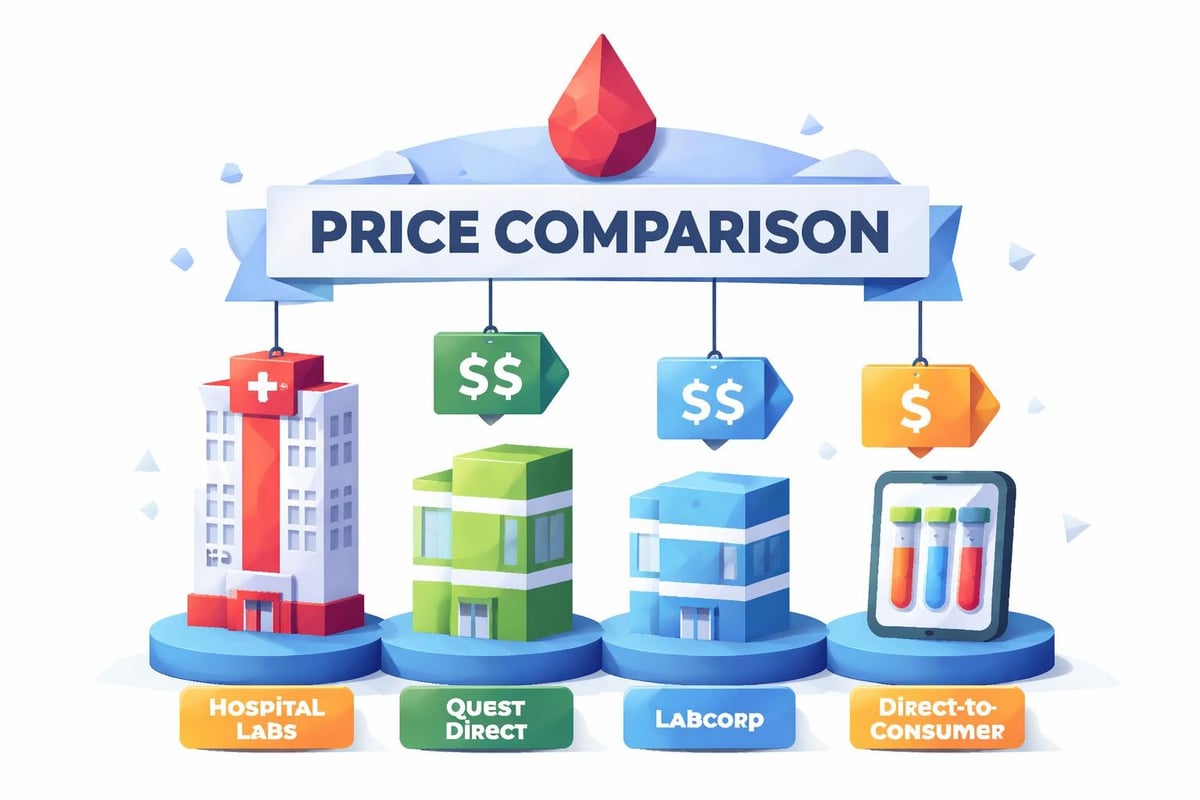
Direct-to-consumer lab services represent the most transparent pricing model. These platforms publish exact costs upfront, eliminating billing surprises. Services like Justlabs display clear self-pay pricing for hundreds of tests, with no hidden fees or unexpected charges after you complete testing.
Insurance vs. Self-Pay Pricing Dynamics
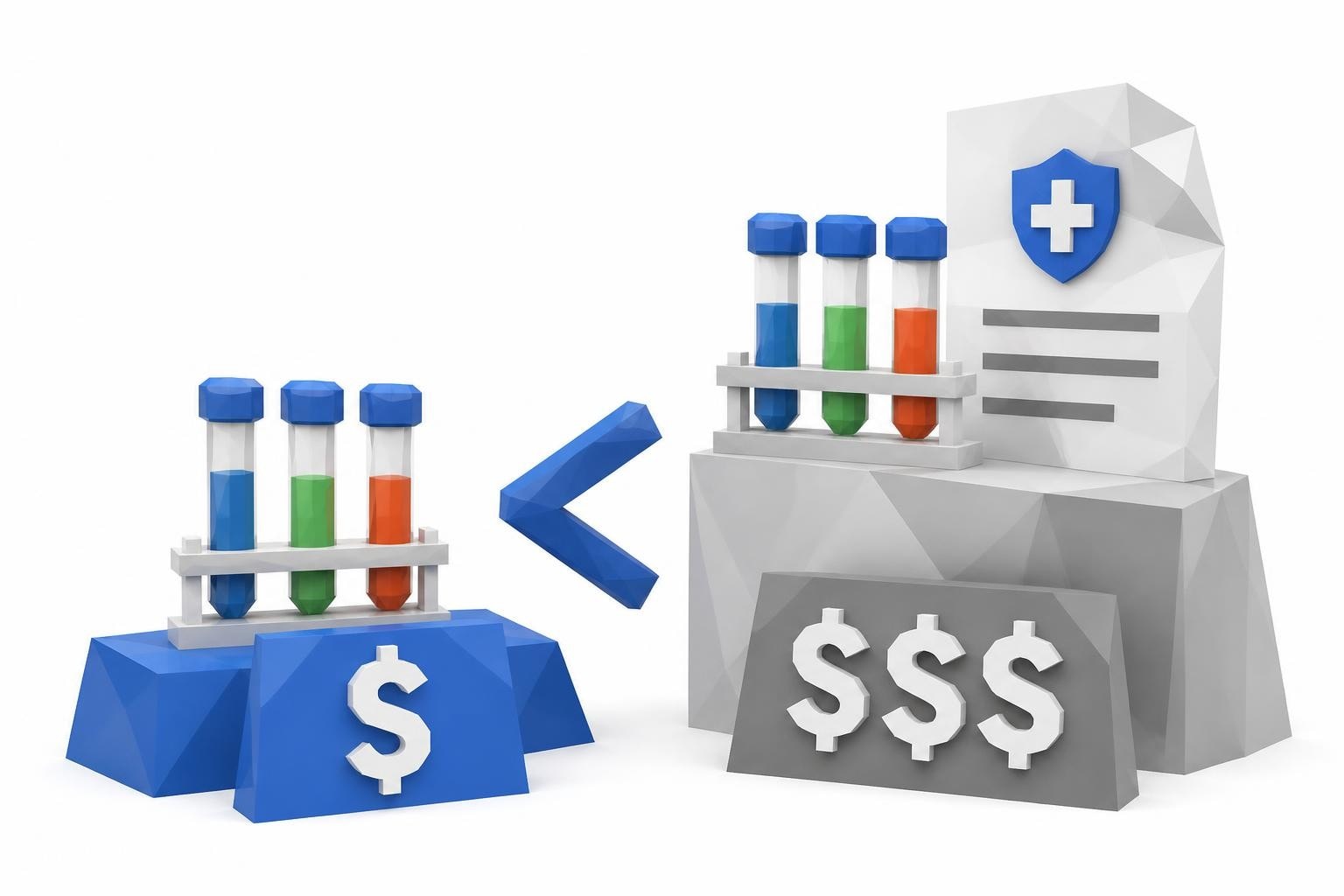
Ironically, quest self pay prices through transparent providers sometimes cost less than what insured patients pay through high-deductible plans. When your insurance deductible hasn't been met, you're paying the "negotiated rate" which may exceed competitive self-pay pricing.
Consider these scenarios:
- High-deductible plan: You pay negotiated rate (often $80-150 for basic panels) until meeting your deductible
- Transparent self-pay: Fixed price (typically $40-90 for same panels) with no insurance involvement
- Traditional self-pay: Retail pricing (can reach $100-200+) without negotiation
This dynamic explains why more patients order labs without insurance even when they have coverage. The math often favors direct payment through transparent providers.
Navigating the Good Faith Estimate Process
Federal law now requires healthcare providers, including laboratories, to provide good faith estimates for self-pay patients. The No Surprises Act documentation outlines your rights to receive pricing information before services are rendered.
Quest must provide these estimates when you schedule testing as a self-pay patient. The estimate should include all anticipated charges, from specimen collection through result delivery. If actual charges exceed the estimate by more than $400, you have dispute rights.
Steps to Request and Use Your Estimate
Getting accurate quest self pay prices requires proactive communication:
- Contact the Quest location where you plan to have testing done
- Provide specific test codes (CPT codes) for each test you need
- Request an itemized estimate including all component fees
- Confirm whether the estimate is binding or subject to change
- Get the estimate in writing for your records
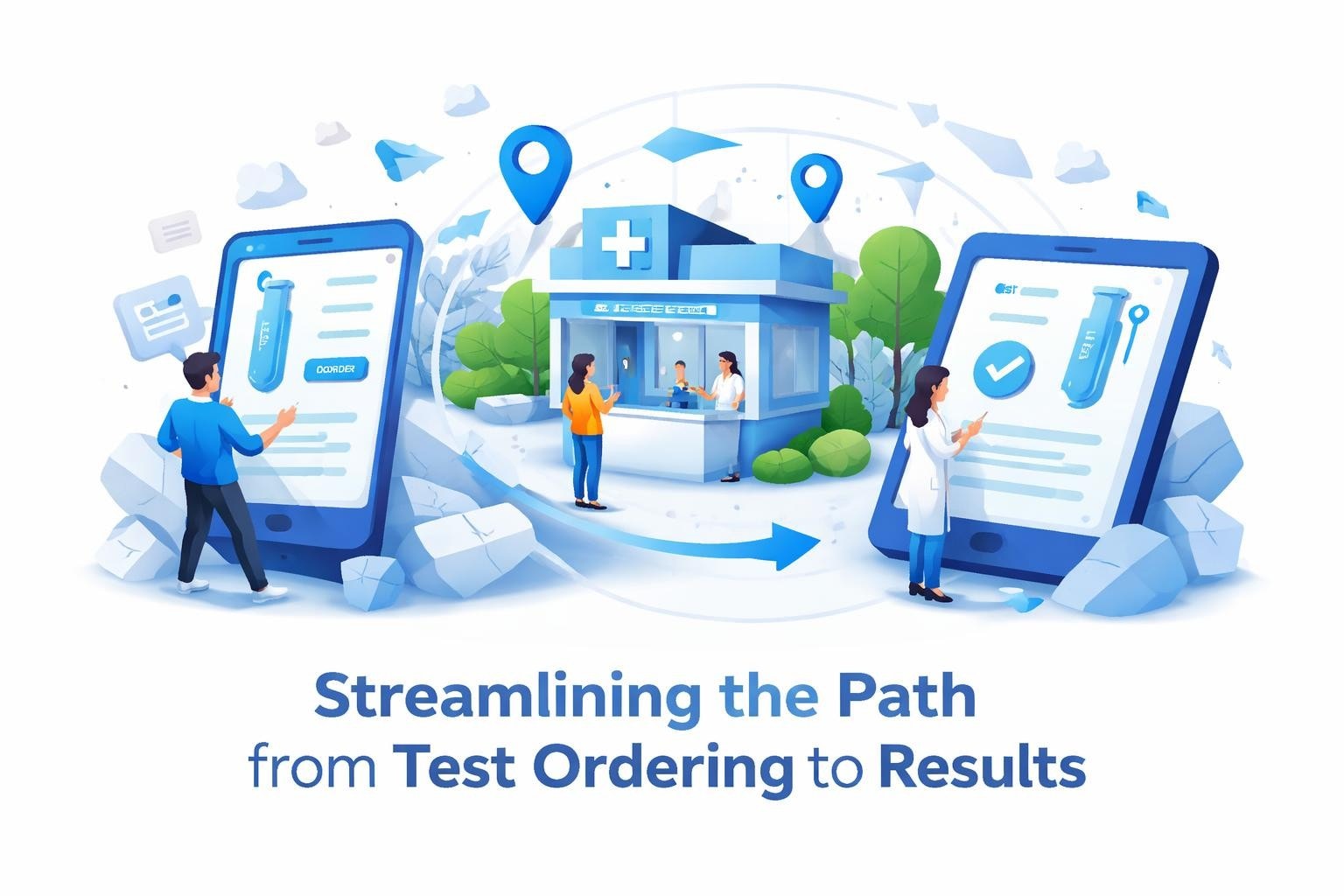
Many patients find this process cumbersome, which is why transparent lab services that publish prices upfront have gained popularity. When you know exactly what you'll pay before ordering, you can budget confidently.
Recommended Test
TSH (Thyroid Stimulating Hormone)
The TSH test is the gold standard for evaluating thyroid function. It's the first test doctors order when thyroid problems are suspected.
Includes 1 biomarkers
$9
Strategies to Reduce Your Lab Testing Costs
Quest self pay prices aren't necessarily fixed. Several strategies can help you access the testing you need at lower costs without compromising quality or accuracy.
Shop multiple providers before committing to testing. The same comprehensive metabolic panel might cost $120 at one Quest location, $85 through a direct-to-consumer service using Quest labs, and $95 at a competing lab network. Price shopping takes effort but saves money.
Leverage Direct-to-Consumer Platforms
Direct-to-consumer lab services revolutionize pricing transparency. Rather than wondering about quest self pay prices after testing, you see exact costs before ordering. These platforms typically offer:
- Published prices for every test
- Bundle discounts on related panels
- No physician visit required for most tests
- Results delivered directly to you in 1-3 days
- FSA/HSA payment acceptance
Avoiding overpayment for labs becomes straightforward when you can compare published prices across providers. This transparency forces competitive pricing that benefits consumers.
Payment Methods and Financial Planning
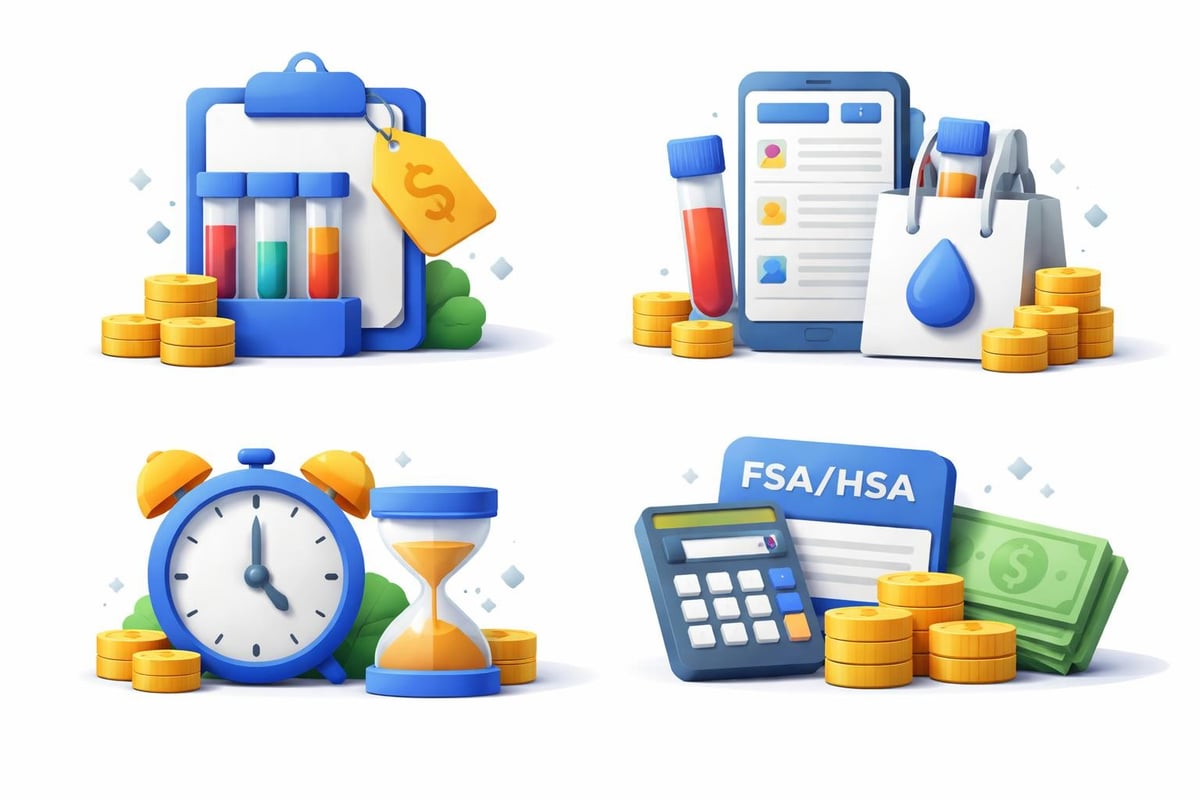
Quest self pay prices can strain budgets, especially when multiple tests are needed. Planning ahead helps manage these costs effectively:
| Payment Strategy | Benefits | Considerations |
|---|---|---|
| FSA/HSA funds | Tax-advantaged money for medical expenses | Must have eligible account |
| Credit card | Immediate access to testing | Interest charges if not paid quickly |
| Payment plans | Spread costs over time | May include financing fees |
| Cash discount | Some providers offer 10-20% off | Ask before testing |
| Direct platforms | Lowest published prices | Limited to available test menu |
Many FSA and HSA accounts cover self-pay lab testing, allowing you to use pre-tax dollars for these expenses. This effectively reduces your cost by your marginal tax rate, typically 20-35% depending on your tax bracket.
Timing and Test Selection Considerations
Quest self pay prices remain relatively stable, but strategic timing can impact your overall testing costs. Ordering tests during open enrollment periods for health coverage might make sense if you anticipate significant testing needs that would be better covered by insurance.
However, for routine health monitoring, annual wellness checks, or specific health concerns that don't justify insurance deductible spending, self-pay remains the most economical choice. Understanding how to order labs without a doctor opens access to testing when you need it, not just when insurance or physician schedules allow.
Choosing the Right Tests for Your Needs
Avoiding unnecessary testing reduces costs while still providing valuable health information. Quest self pay prices add up quickly when you order every available test without clear medical reasoning.
Start with basic panels that screen broad health categories:
- Complete metabolic panel for overall organ function
- Lipid panel for cardiovascular risk assessment
- Complete blood count for general health screening
- Thyroid panel if you have relevant symptoms
Recommended Panel
Basic Wellness Panel
Save $2.5Our most affordable comprehensive screening includes the 4 tests doctors order most: CBC, Comprehensive Metabolic Panel, Lipid Panel, and TSH. Covers 30+ biomarkers in one blood draw.
Includes 37 biomarkers
$30
Fasting required
More specialized tests should follow based on symptoms, risk factors, or concerning results from initial screening. This staged approach prevents spending hundreds on tests you may not need while ensuring you get critical health information.
Understanding Your Rights as a Self-Pay Patient
Quest self pay prices come with specific consumer protections under federal and state laws. You have the right to clear pricing information, accurate billing, and dispute resolution when charges don't match estimates.
The pricing estimation process details explain how Quest calculates and communicates costs to self-pay patients. Familiarizing yourself with these processes helps you advocate effectively for fair pricing.
Dispute Process for Incorrect Charges
When quest self pay prices exceed your good faith estimate by more than $400, you can initiate a dispute. The provider must respond within specific timeframes and either justify the charges or adjust your bill. This protection prevents surprise billing that has historically plagued self-pay patients.
Documentation matters throughout this process. Keep copies of:
- Original good faith estimates
- Test orders and CPT codes
- All bills and statements received
- Communication with Quest or testing facilities
- Payment receipts and records
Key takeaways
Quest self pay prices vary significantly based on test type, location, and ordering method, with basic tests starting around $25-75 and comprehensive panels reaching $300-500 or more. Understanding pricing components, requesting good faith estimates, and comparing prices across providers helps you make cost-effective testing decisions. Direct-to-consumer lab services offer the most transparent pricing, often beating traditional quest self pay prices by 20-50% while using the same Quest laboratory network for analysis. Your rights under the No Surprises Act protect you from unexpected charges when good faith estimates are provided, and strategic use of FSA/HSA accounts can reduce effective costs by your marginal tax rate. Shopping around, bundling related tests into panels, and avoiding unnecessary testing represents your best strategy for accessing quality lab work at reasonable prices without insurance coverage.
Related tests on JustLabs: thyroid panel | TSH test
See also: Need testing without insurance? See our Quest Diagnostics No Insurance guide. Or compare Quest vs LabCorp pricing.
FAQ
How much does a basic blood test cost at Quest without insurance?
Quest self pay prices for basic blood tests typically range from $30 to $120 depending on the panel. A complete blood count (CBC) usually costs $25-50, while a comprehensive metabolic panel runs $40-90. Lipid panels for cholesterol screening generally fall between $30-80. These prices can vary by location and whether you order directly through Quest or use a third-party service that has negotiated lower rates. Direct-to-consumer platforms often offer the same Quest tests at 20-40% lower prices than walking into a Quest location without advance pricing arrangements.
Can I negotiate Quest self-pay lab prices?
Direct negotiation with Quest locations has limited success for individual tests, as published rates are typically standardized. However, you can access lower quest self pay prices through several methods: using direct-to-consumer lab services that have pre-negotiated volume rates, asking about cash payment discounts (some locations offer 10-15% off), or bundling multiple tests into panels rather than ordering individually. Payment assistance programs may be available if you have financial hardship. Your best strategy is comparing prices across different ordering platforms before scheduling, as the same test can cost significantly different amounts depending on how you access Quest's services.
Does Quest offer payment plans for self-pay patients?
Quest Diagnostics does offer payment arrangements for self-pay patients who cannot pay their full balance immediately. You typically need to contact their billing department directly after receiving your bill to discuss installment options. Payment plans usually require a down payment and monthly installments over 3-12 months depending on the total amount owed. Interest or financing fees may apply. Alternatively, many patients find that using transparent pricing platforms that publish quest self pay prices upfront allows them to budget and pay in full at the time of service, avoiding collection fees and credit impacts that can result from unpaid medical bills.
Are Quest self-pay prices the same at all locations?
No, quest self pay prices can vary between different Quest Patient Service Centers even within the same metropolitan area. Regional cost differences, facility overhead, and local market factors all influence pricing. Urban locations sometimes charge different rates than rural centers. Additionally, hospital-based Quest locations typically charge higher prices than freestanding Quest centers. This variation makes price comparison essential before scheduling testing. Direct-to-consumer lab services typically offer consistent nationwide pricing regardless of which Quest location you visit for specimen collection, providing price certainty across all regions.
How do I find the cheapest Quest lab tests near me?
Start by comparing quest self pay prices across different access points: contact Quest locations directly for estimates, check direct-to-consumer lab service prices, and review any local health cost transparency databases your state maintains. Request good faith estimates with complete CPT codes for your needed tests. Compare these quotes against alternative labs like Labcorp to ensure Quest offers the best value for your specific tests. Direct-to-consumer platforms often provide the most competitive Quest pricing since they negotiate volume rates and publish transparent costs. You can also check if local urgent care centers or health clinics offer better rates for simple tests while using the same laboratory networks for analysis.
What's included in Quest's self-pay specimen collection fee?
The specimen collection fee covers the technical service of obtaining your blood, urine, or other samples. Quest self pay prices separate this collection charge from the actual laboratory analysis fee. Collection fees typically range from $10-25 depending on the collection type (simple blood draw vs. more complex collection procedures). This fee includes the phlebotomist's time, collection supplies (needles, tubes, containers), initial sample processing, and specimen handling before laboratory analysis begins. Some direct-to-consumer services include collection fees in their published prices, while others list them separately, so always verify whether quoted prices are all-inclusive or if collection fees will be added.
Can I use FSA or HSA money for Quest self-pay tests?
Yes, lab testing qualifies as an eligible medical expense for both Flexible Spending Accounts (FSA) and Health Savings Accounts (HSA). You can use these pre-tax funds to pay quest self pay prices, effectively reducing your cost by your marginal tax rate. Most lab services accept FSA/HSA debit cards directly, or you can pay out of pocket and submit for reimbursement with your receipt and test documentation. This applies whether you order tests through Quest directly or via third-party lab services that use Quest facilities. Using FSA/HSA funds for preventive and diagnostic testing represents smart tax planning since you're spending money you've already set aside for healthcare expenses.
How long does it take to get Quest test results when paying out of pocket?
Quest self pay prices include standard result turnaround times, typically 1-3 business days for routine tests. Self-pay status doesn't affect processing speed for standard testing. Complex tests like genetics panels or specialized cultures may take 5-14 days regardless of payment method. Expedited STAT processing is available for urgent tests but comes with additional fees, sometimes doubling the base test cost. Most direct-to-consumer lab services deliver results through secure online portals as soon as Quest releases them, usually within 24-72 hours of specimen collection. This matches the timeframe insured patients experience, ensuring self-pay doesn't mean waiting longer for critical health information.
Understanding quest self pay prices empowers you to take control of your health testing without breaking your budget or waiting for insurance authorization. Transparent pricing, strategic test selection, and awareness of your consumer rights combine to make self-pay lab testing accessible and affordable. When you need reliable lab work with clear upfront costs, Justlabs provides transparent self-pay pricing for hundreds of tests using the Quest Diagnostics network, with results typically available within 1-3 days and no doctor visit required to order the tests you need.