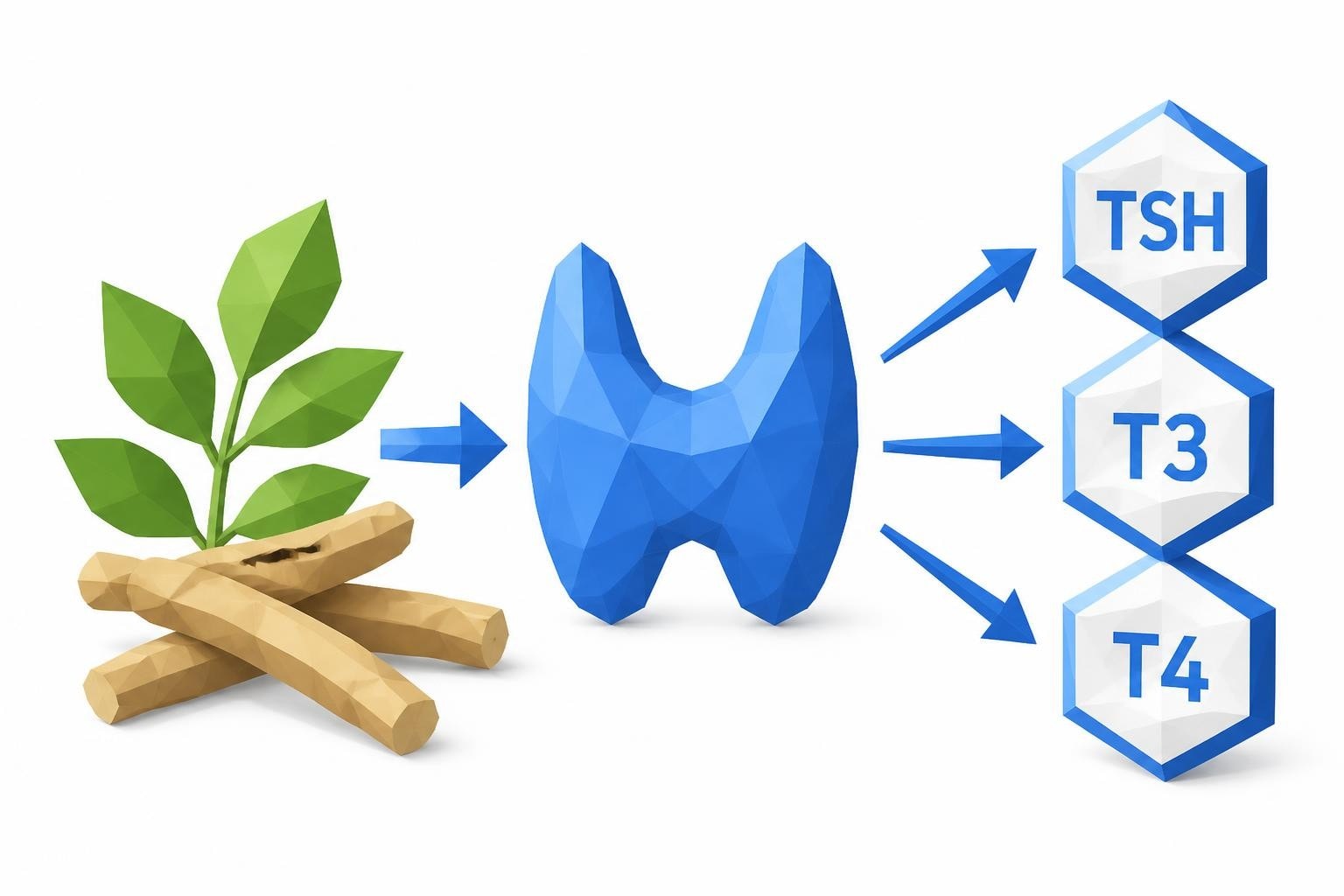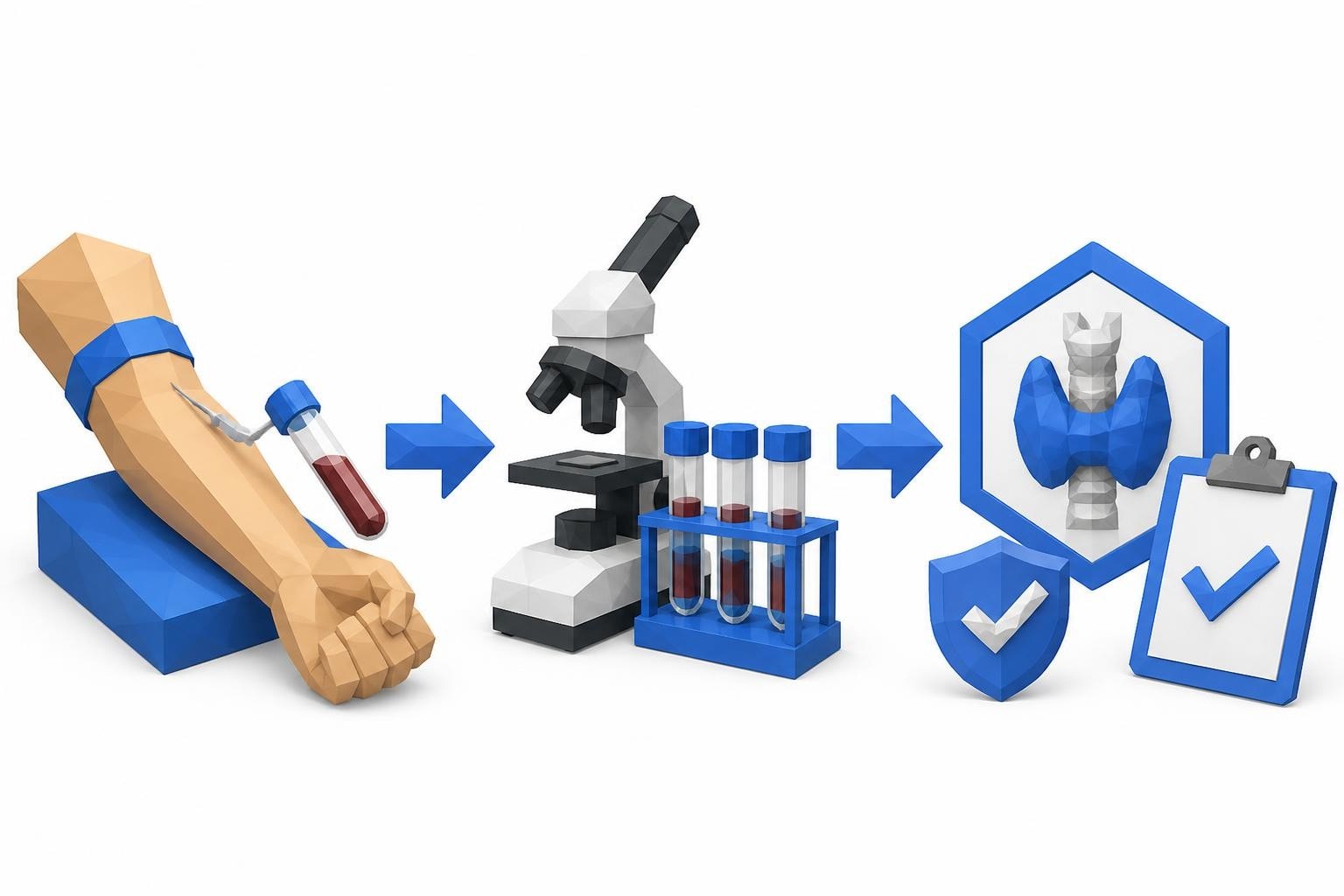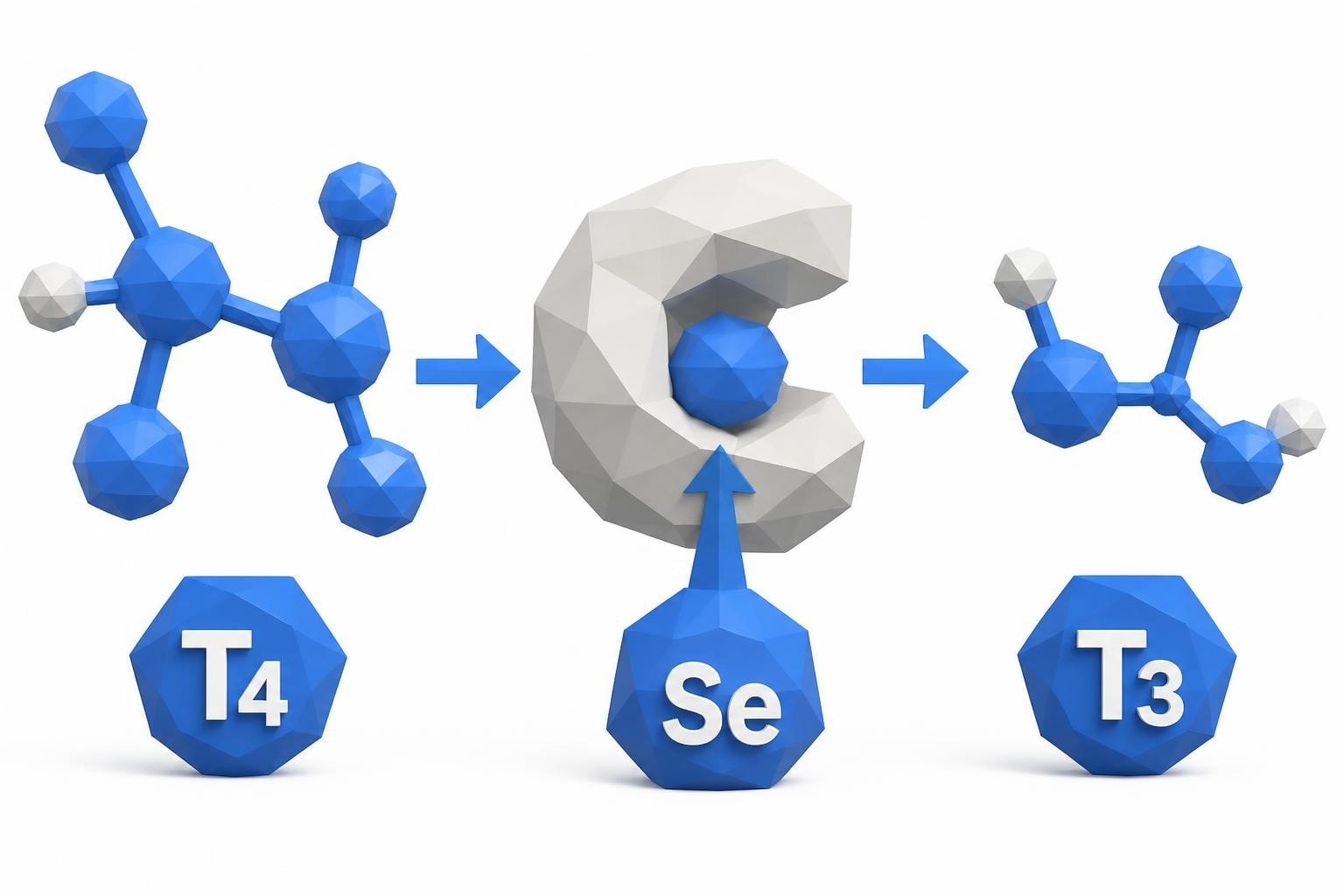
The relationship between selenium and thyroid hormone conversion represents one of the most critical yet often overlooked aspects of endocrine health. While many people focus on iodine when thinking about thyroid function, selenium plays an equally vital role in ensuring your thyroid hormones work effectively. This trace mineral serves as a cofactor for the enzymes responsible for converting the storage form of thyroid hormone (T4) into its active form (T3), which your cells actually use for energy, metabolism, and countless other functions. Understanding this connection can help you make informed decisions about your health and potentially identify whether selenium status might be affecting your thyroid function.
The Biochemistry Behind Selenium and Thyroid Hormone Conversion
The human thyroid gland produces primarily thyroxine (T4), which serves as a prohormone that must be converted into triiodothyronine (T3) to exert biological effects. This conversion process depends entirely on a family of selenium-containing enzymes called deiodinases.
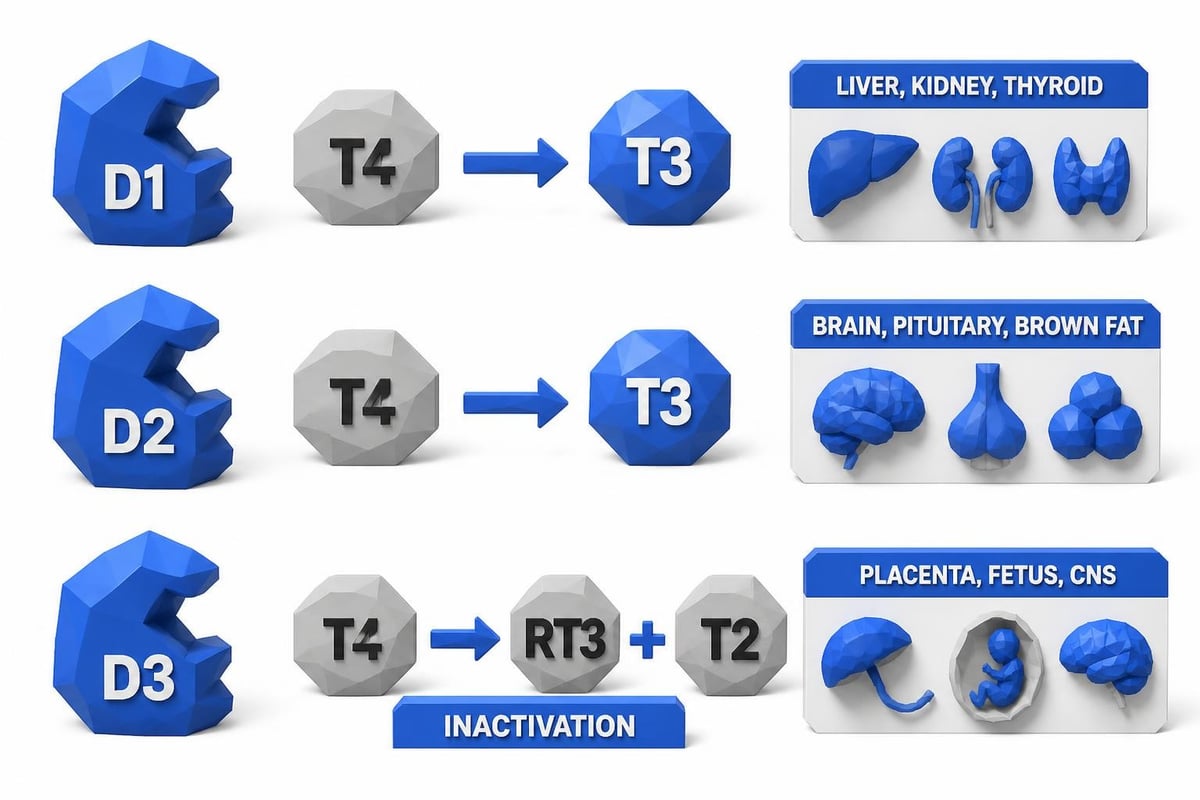
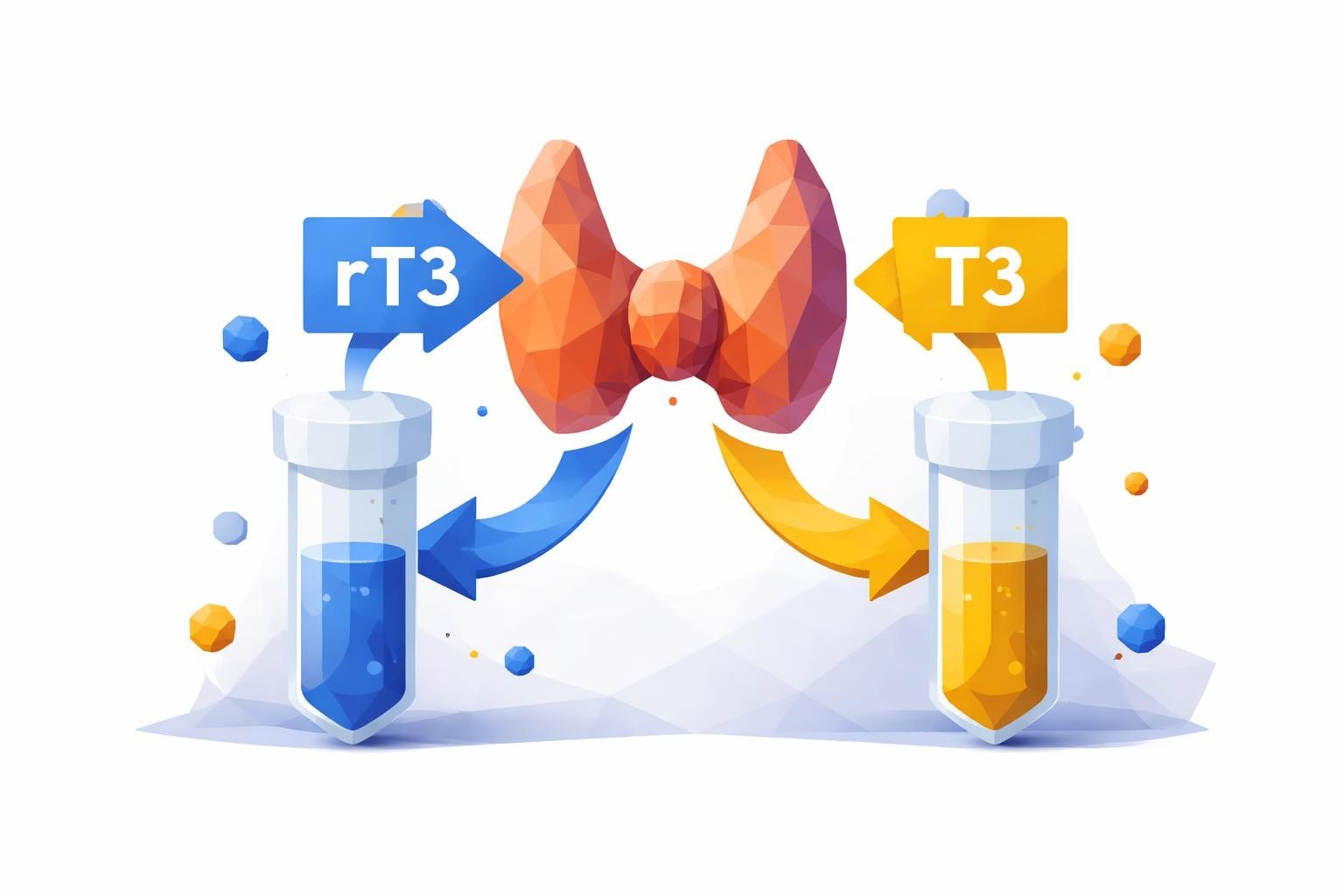
Three types of deiodinase enzymes regulate thyroid hormone metabolism throughout the body. Type 1 deiodinase (D1) operates primarily in the liver, kidneys, and thyroid gland, converting T4 to T3 for circulation in the bloodstream. Type 2 deiodinase (D2) functions locally in tissues like the brain and pituitary gland, producing T3 for immediate cellular use. Type 3 deiodinase (D3) inactivates both T4 and T3 by converting them to reverse T3 (rT3) and T2, respectively.
Each deiodinase molecule contains selenium in the form of selenocysteine, an amino acid often called the 21st amino acid because it gets incorporated into proteins during translation. Research on selenium's role in thyroid hormone metabolism demonstrates that without adequate selenium, these enzymes cannot function properly, leading to impaired conversion of T4 to T3.
How Selenium Deficiency Affects Hormone Levels
When selenium levels fall below optimal ranges, the consequences for thyroid hormone conversion become measurable. The body prioritizes selenium delivery to the brain and endocrine organs, but severe deficiency still impairs deiodinase activity across all tissues.
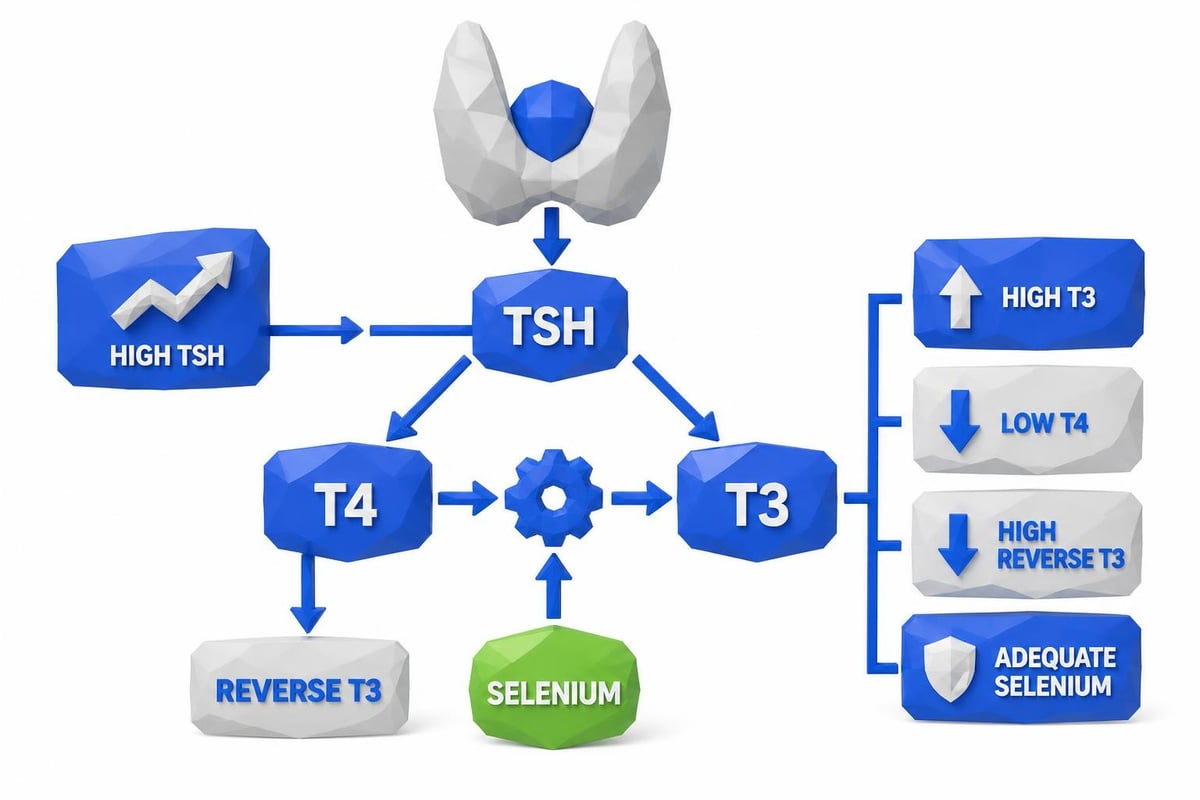
Studies examining thyroid function in selenium-deficient patients have documented characteristic patterns: elevated T4 levels combined with low or low-normal T3 levels, resulting in a high free T4 to T3 ratio. This pattern suggests the thyroid gland continues producing T4, but peripheral conversion to the active hormone becomes inefficient.
The clinical implications extend beyond laboratory values. Patients may experience symptoms of hypothyroidism even when their TSH and T4 levels appear normal because insufficient T3 reaches their cells. Common complaints include:
- Persistent fatigue despite adequate sleep
- Unexplained weight gain or difficulty losing weight
- Cold intolerance and poor temperature regulation
- Brain fog and difficulty concentrating
- Dry skin and brittle hair or nails
Selenoproteins Beyond Hormone Conversion
While deiodinases receive the most attention in discussions about selenium and thyroid hormone conversion, this trace mineral supports thyroid health through additional mechanisms. The thyroid gland contains higher selenium concentrations per gram of tissue than any other organ, reflecting its dependence on selenium-containing proteins.
Glutathione peroxidases represent another crucial family of selenoproteins that protect thyroid cells from oxidative damage. Thyroid hormone synthesis generates substantial amounts of hydrogen peroxide, which can damage cellular components if not properly neutralized. Selenium-dependent glutathione peroxidases convert these reactive oxygen species into harmless water molecules.
Research exploring selenium, the thyroid, and the endocrine system emphasizes that selenium deficiency can trigger both impaired hormone conversion and increased oxidative stress, creating a dual threat to thyroid function.
Selenium's Role in Autoimmune Thyroid Disease
Autoimmune thyroid conditions, particularly Hashimoto's thyroiditis, involve immune system attacks against thyroid tissue. Several studies have investigated whether selenium supplementation might reduce antibody levels and slow disease progression.
The proposed mechanisms include:
- Enhanced antioxidant protection reducing inflammatory damage
- Improved thyroid hormone synthesis supporting overall gland function
- Modulation of immune responses affecting T-cell activity and cytokine production
Comprehensive reviews of selenium's essential role in thyroid function note that supplementation studies have produced mixed results, with benefits appearing most consistent in patients with confirmed selenium deficiency and moderately elevated antibodies. The relationship between selenium status and autoimmune thyroid disease remains an active area of research.
Who Faces the Greatest Risk of Selenium Deficiency
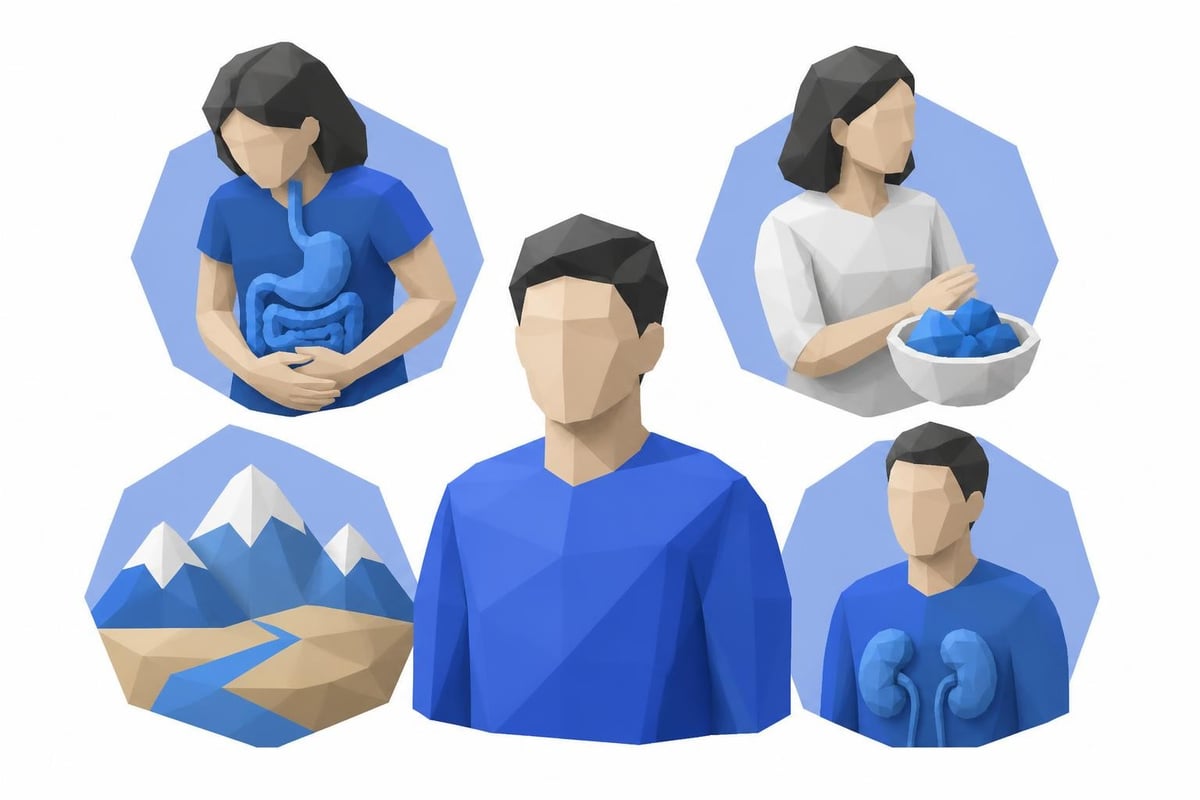
Geographic location significantly influences selenium status because soil selenium content varies dramatically worldwide. Regions with selenium-depleted soils produce foods with correspondingly low selenium levels, putting entire populations at risk.
| Risk Factor | Impact on Selenium Status | Estimated Prevalence |
|---|---|---|
| Geographic location (low-soil selenium) | Moderate to severe deficiency | Affects up to 1 billion people globally |
| Strict vegan/vegetarian diets | Mild to moderate deficiency | Varies by food choices |
| Digestive disorders (Crohn's, celiac) | Moderate deficiency from malabsorption | 10-30% of patients |
| Kidney disease with dialysis | Moderate to severe deficiency | 40-80% of dialysis patients |
In the United States, most people obtain adequate selenium through diet, particularly from Brazil nuts, seafood, meat, and grains grown in selenium-rich soils. However, certain populations remain vulnerable to suboptimal status.
Individuals following restrictive diets may consume insufficient selenium, especially vegans who avoid both animal products and selenium-rich plant foods like Brazil nuts and sunflower seeds. Those with hormonal imbalances requiring comprehensive workups should consider selenium status as part of their evaluation.
People with gastrointestinal disorders that impair nutrient absorption face elevated risk regardless of dietary intake. Conditions like inflammatory bowel disease, celiac disease, and gastric bypass surgery can all compromise selenium absorption, potentially affecting selenium and thyroid hormone conversion.
Assessing Your Selenium Status
Unlike some nutrients with obvious deficiency symptoms, selenium deficiency often manifests subtly through thyroid dysfunction, weakened immunity, or increased oxidative stress rather than distinct clinical signs.
Laboratory testing offers the most reliable assessment method. Serum selenium measurements reflect recent dietary intake and short-term status, while whole blood selenium provides a better indicator of longer-term status. Plasma glutathione peroxidase activity serves as a functional marker of selenium status because this selenoenzyme's activity correlates with selenium availability.
For individuals concerned about their thyroid function, direct access lab testing provides an efficient way to evaluate both thyroid hormones and selenium levels without requiring a doctor's visit beforehand. This approach allows you to gather objective data before consulting with a healthcare provider.
Recommended Test
Selenium
Selenium is an essential trace mineral critical for thyroid hormone metabolism, antioxidant enzyme function, immune defense, and protection against oxidative stress.
Includes 1 biomarkers
$44
The Dangers of Excessive Selenium Supplementation
While selenium deficiency impairs thyroid hormone conversion, excessive selenium intake creates equally serious health concerns. The gap between adequate intake and toxicity is relatively narrow compared to many other nutrients, making careful dosing essential.
The recommended dietary allowance for selenium is 55 micrograms daily for adults, with an upper tolerable limit of 400 micrograms per day. Chronic intake above this threshold can lead to selenosis, a condition characterized by multiple symptoms:
- Garlic breath odor and metallic taste
- Hair loss and brittle nails
- Nausea, vomiting, and diarrhea
- Fatigue and irritability
- Peripheral neuropathy
- Skin lesions and rashes
More concerning from a thyroid perspective, studies on selenium's critical roles in thyroid health have documented that excessive selenium can actually impair thyroid function and potentially trigger or worsen autoimmune thyroid disease in susceptible individuals.
Understanding the U-Shaped Relationship
The relationship between selenium intake and thyroid health follows a U-shaped curve. Both deficiency and excess create problems, while optimal status exists within a relatively narrow range.
Research suggests that selenium intake between 55-200 micrograms daily provides optimal support for most people, though individual requirements vary based on factors like baseline status, concurrent health conditions, and genetic variations in selenoprotein genes.
Some supplements contain selenium doses far exceeding safe limits, particularly products marketed for thyroid support. A single Brazil nut can contain 70-90 micrograms of selenium, meaning just a few nuts daily could provide adequate supplementation for many people without the risks associated with high-dose supplements.
Testing Strategies for Thyroid and Selenium Evaluation
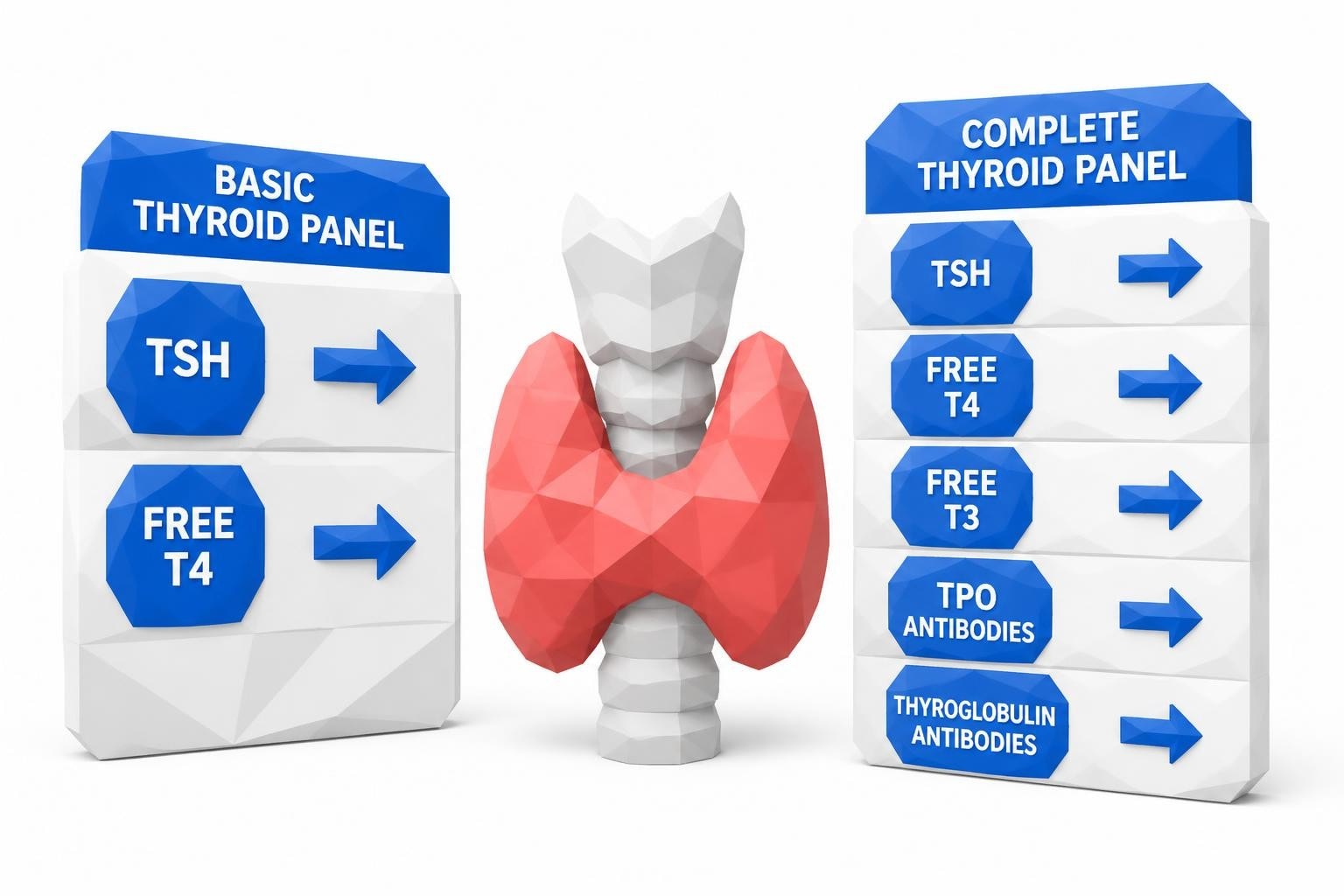
Comprehensive assessment of selenium and thyroid hormone conversion requires evaluating multiple markers to understand the complete picture. Standard thyroid panels typically measure TSH and free T4, but these tests alone cannot identify conversion problems.
A thorough evaluation should include:
- Thyroid Stimulating Hormone (TSH) - Indicates overall thyroid function and pituitary response
- Free T4 - Measures the inactive prohormone produced by the thyroid
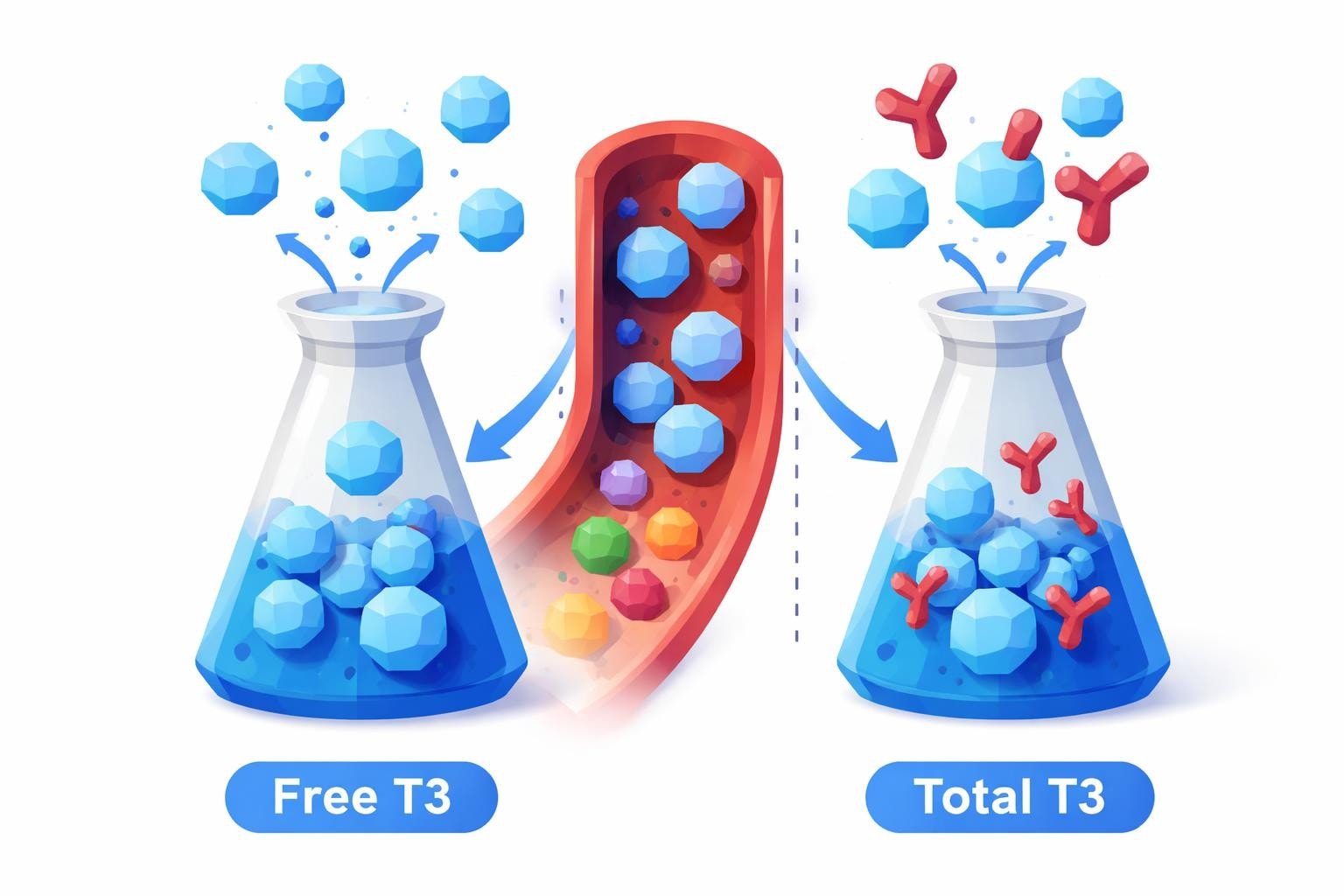
- Free T3 - Assesses the active hormone available to cells
- Reverse T3 (rT3) - Identifies excessive conversion to the inactive form
- T4 to T3 ratio - Highlights conversion efficiency
- Selenium level - Direct measurement of selenium status
| Test Combination | What It Reveals | Best For |
|---|---|---|
| TSH + Free T4 only | Basic thyroid function | Initial screening |
| TSH + Free T4 + Free T3 | Hormone production and conversion | Standard thyroid assessment |
| Full panel with rT3 and selenium | Complete conversion picture | Suspected conversion problems |
| Thyroid antibodies + selenium | Autoimmune involvement | Hashimoto's or Graves' disease |
Recommended Panel
Complete Thyroid Panel
Save $3Our most comprehensive thyroid panel includes all 5 essential markers: TSH, Free T4, Free T3, Reverse T3, and both thyroid antibodies. Get the complete picture of your thyroid health.
Includes 6 biomarkers
$84
Understanding lab results becomes crucial when interpreting these patterns, as the relationships between values matter as much as individual numbers.
Interpreting Your Results
Normal reference ranges don't always reflect optimal values for thyroid hormones. A patient might have laboratory values within "normal" limits while experiencing symptoms due to suboptimal conversion.
Key patterns suggesting impaired selenium and thyroid hormone conversion include:
- Normal or high free T4 with low free T3
- Elevated reverse T3 with low free T3
- High free T4 to free T3 ratio (above 3.0)
- Low selenium levels (below 70 mcg/L in serum)
When these patterns appear alongside symptoms of hypothyroidism despite normal TSH, selenium status deserves investigation. Affordable lab testing options make it feasible to obtain comprehensive thyroid panels without insurance, allowing patients to pursue answers even when standard screening appears normal.
Optimizing Selenium Intake for Thyroid Health
For individuals with confirmed selenium deficiency or suboptimal levels, strategic supplementation or dietary modification can restore adequate status. The approach should always begin with assessment rather than blind supplementation.
Dietary sources provide the safest selenium supplementation for most people. Foods naturally rich in selenium include:
- Brazil nuts (68-91 mcg per nut)
- Yellowfin tuna (92 mcg per 3 ounces)
- Halibut (47 mcg per 3 ounces)
- Sardines (45 mcg per 3 ounces)
- Grass-fed beef (33 mcg per 3 ounces)
- Turkey (31 mcg per 3 ounces)
- Eggs (20 mcg per large egg)
- Sunflower seeds (19 mcg per quarter cup)
When supplementation is necessary, healthcare providers typically recommend doses between 50-200 micrograms daily, depending on baseline status and individual factors. Information about selenium's importance in thyroid hormone conversion emphasizes that supplementation should always occur under professional guidance, particularly for individuals with existing thyroid conditions.
Monitoring During Supplementation
Anyone supplementing with selenium should undergo periodic retesting to ensure levels remain within the optimal range without approaching toxicity. Initial retesting after 8-12 weeks of supplementation allows assessment of the intervention's effectiveness.
Response to selenium supplementation varies considerably among individuals. Some people demonstrate rapid improvements in thyroid hormone ratios, while others show minimal changes even with restored selenium status. Genetic variations in selenoprotein genes may partially explain these differences, though researchers continue investigating the mechanisms involved.
Special Considerations for Different Populations
Pregnant and breastfeeding women require higher selenium intake (60 and 70 micrograms daily, respectively) to support fetal development and maintain their own selenium status. The developing fetal brain depends heavily on type 2 deiodinase activity for local T3 production, making adequate maternal selenium essential.
Research examining the essential connection between selenium and thyroid health notes that selenium deficiency during pregnancy may impair fetal neurodevelopment and increase risks of thyroid dysfunction in both mother and child.
Critically ill patients present unique challenges regarding selenium and thyroid hormone conversion. Severe illness triggers changes in thyroid hormone metabolism independent of selenium status, a phenomenon called non-thyroidal illness syndrome. Studies investigating selenium substitution in critically ill patients found that supplementation did not improve thyroid hormone levels in this population, suggesting different mechanisms drive thyroid changes during acute illness.
Interactions with Medications and Other Nutrients
Selenium absorption and utilization can be affected by various medications and nutrients. Certain chemotherapy drugs, corticosteroids, and statins may alter selenium metabolism or requirements.
The relationship between selenium and other nutrients also matters for optimal thyroid function:
- Iodine - Both selenium and iodine are essential; deficiency or excess of either can impair thyroid function, as covered in our guide to iodine deficiency and thyroid function
- Zinc - Supports type 1 deiodinase activity alongside selenium
- Iron - Deficiency impairs thyroid hormone synthesis and may affect conversion
- Vitamin D - Works synergistically with selenium in immune modulation
Individuals taking thyroid hormone replacement should maintain consistent selenium status, as changes in selenium levels might alter their medication requirements by affecting endogenous hormone conversion.
Making Informed Decisions About Testing and Supplementation
The connection between selenium and thyroid hormone conversion underscores why comprehensive evaluation matters for anyone experiencing persistent hypothyroid symptoms despite normal standard testing. Rather than guessing about selenium status or supplementing blindly, testing provides objective data to guide decisions.
Access to laboratory testing has become increasingly convenient, with options for self-directed testing that don't require insurance or traditional doctor referrals. This accessibility empowers individuals to investigate potential factors affecting their thyroid health before or alongside medical consultations.
When considering selenium supplementation, the evidence supports a measured approach:
- Test first to confirm deficiency or suboptimal status
- Start conservatively with dietary sources or low-dose supplements
- Monitor response through symptom tracking and repeat testing
- Adjust as needed based on objective results
- Maintain long-term awareness of intake from all sources
The conflicting viewpoints that sometimes emerge in discussions about selenium and thyroid health often stem from population differences, varying baseline selenium status across geographic regions, and the complexities of thyroid function in different disease states. Reviews of selenium and the thyroid hormone axis acknowledge these complexities while affirming selenium's fundamental importance for normal thyroid hormone metabolism.
For individuals committed to optimizing their thyroid health, understanding selenium's role represents just one piece of a larger puzzle that includes adequate nutrition, stress management, sleep quality, and appropriate medical care when needed. Laboratory testing serves as a valuable tool in this process, providing concrete data to inform conversations with healthcare providers and guide personalized interventions.
Optimizing selenium and thyroid hormone conversion requires balancing adequate intake with avoiding excess, ideally guided by laboratory testing rather than assumptions. If you're experiencing unexplained fatigue, weight changes, or other symptoms that might relate to thyroid dysfunction, comprehensive testing can help identify whether selenium status or hormone conversion problems contribute to your concerns. Justlabs offers convenient access to thyroid panels and selenium testing with transparent pricing and results available in 1-3 days, empowering you to gather the information needed for productive discussions with your healthcare provider about your thyroid health.
Related Reading
References
Köhrle J. Selenium and the control of thyroid hormone metabolism. Thyroid. 2005 Aug;15(8):841-53. doi: 10.1089/thy.2005.15.841. PMID: 16131327. https://pubmed.ncbi.nlm.nih.gov/16131327/
Köhrle J, Jakob F, Contempré B, Dumont JE. Selenium, the thyroid, and the endocrine system. Endocr Rev. 2005 Dec;26(7):944-84. doi: 10.1210/er.2001-0034. PMID: 16174820. https://pubmed.ncbi.nlm.nih.gov/16174820/
Wang F, Li C, Li S, Cui L, Zhao J, Liao L. Selenium and thyroid diseases. Front Endocrinol (Lausanne). 2023;14:1133000. doi: 10.3389/fendo.2023.1133000. PMID: 37033262. https://pubmed.ncbi.nlm.nih.gov/37033262/
Huwiler VV, Maissen-Abgottspon S, Stanga Z, Mühlebach S, Trepp R, Bally L, Bano A. Selenium Supplementation in Patients with Hashimoto Thyroiditis: A Systematic Review and Meta-Analysis of Randomized Clinical Trials. Thyroid. 2024 Mar;34(3):295-313. doi: 10.1089/thy.2023.0556. PMID: 38243784. https://pubmed.ncbi.nlm.nih.gov/38243784/
Bai S, Zhang M, Tang S, Li M, Wu R, Wan S, Chen L, Wei X, Feng S. Effects and Impact of Selenium on Human Health, A Review. Molecules. 2024 Dec 26;30(1). doi: 10.3390/molecules30010050. PMID: 39795109. https://pubmed.ncbi.nlm.nih.gov/39795109/