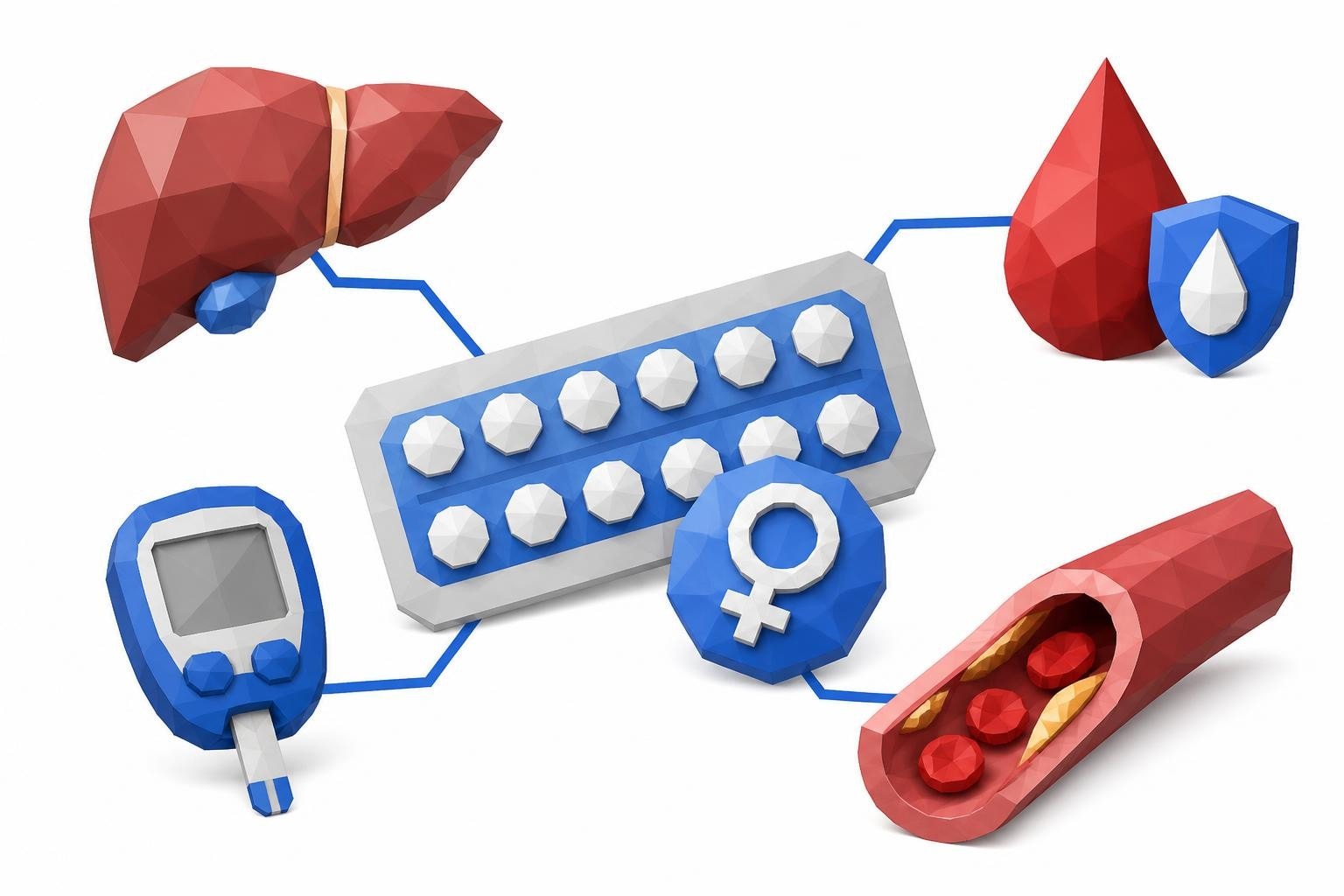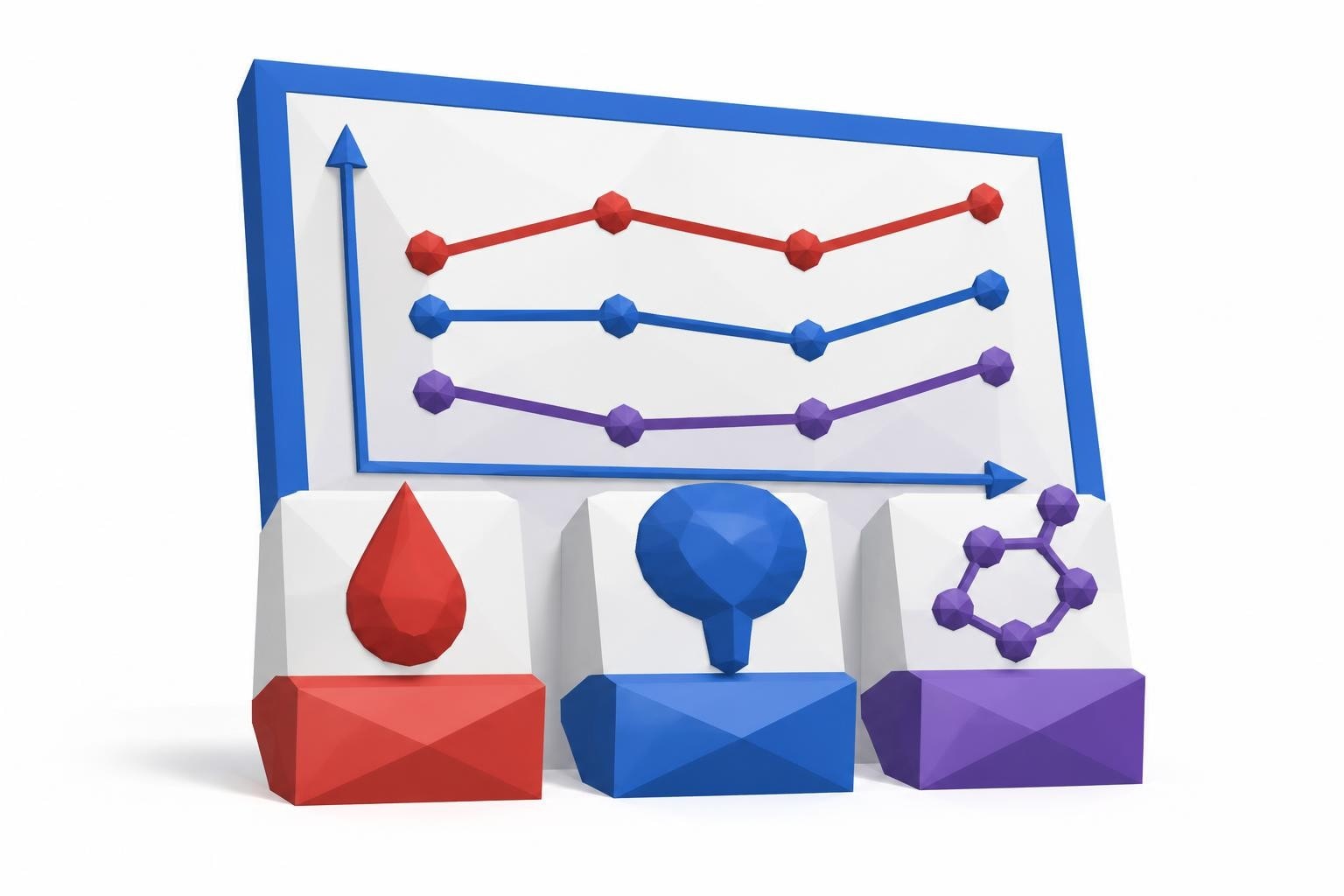
Understanding hormone balance is critical for men's health, yet many focus exclusively on testosterone while overlooking the equally important role of estradiol. While estrogen is typically associated with female physiology, men naturally produce this hormone in smaller amounts through the conversion of testosterone. When levels climb too high, however, the consequences can affect everything from body composition to mood and reproductive function. Recognizing the signs of elevated estradiol and knowing which tests to order can help men take proactive steps toward hormonal balance and overall wellness.
Understanding Estradiol's Role in Male Physiology
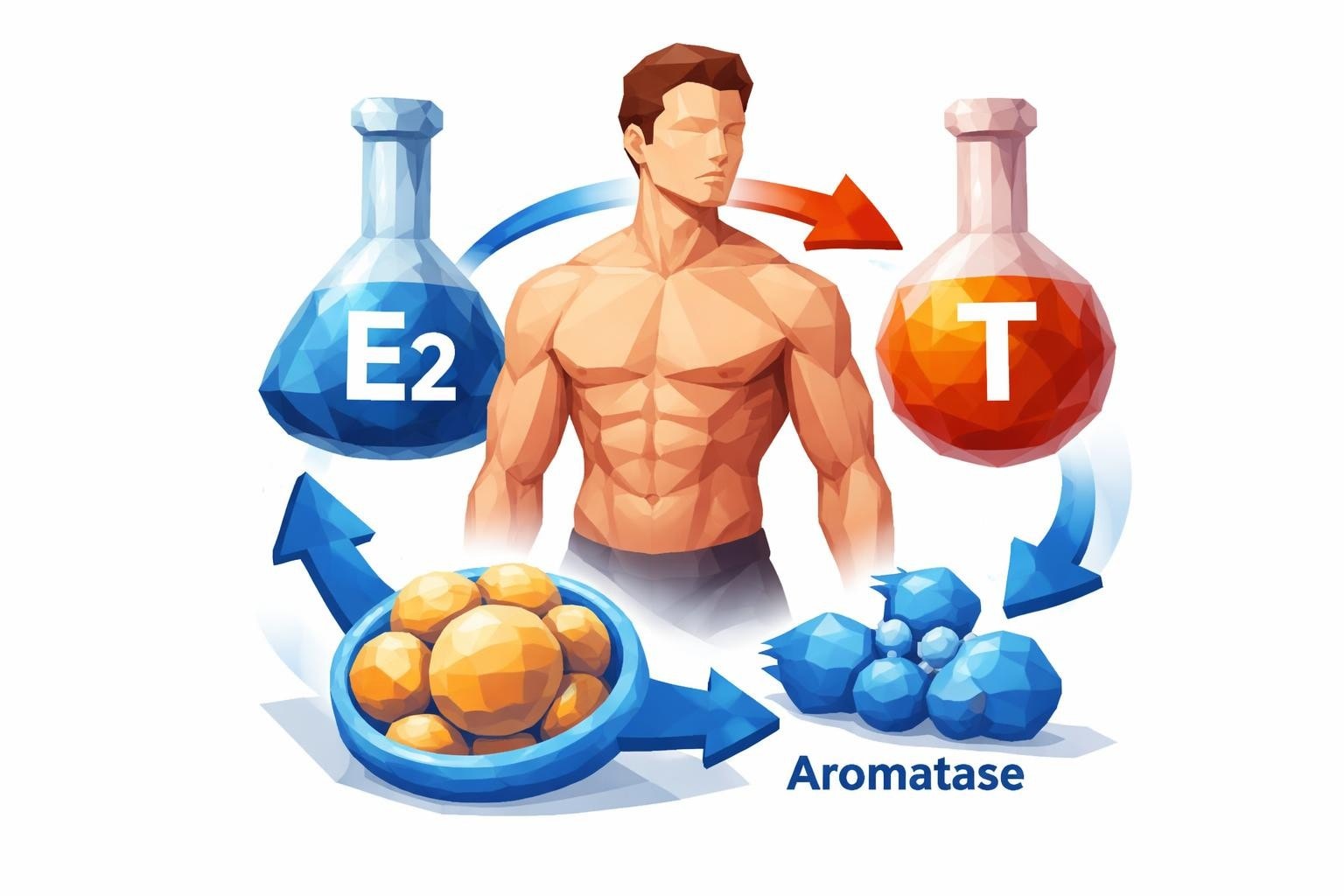
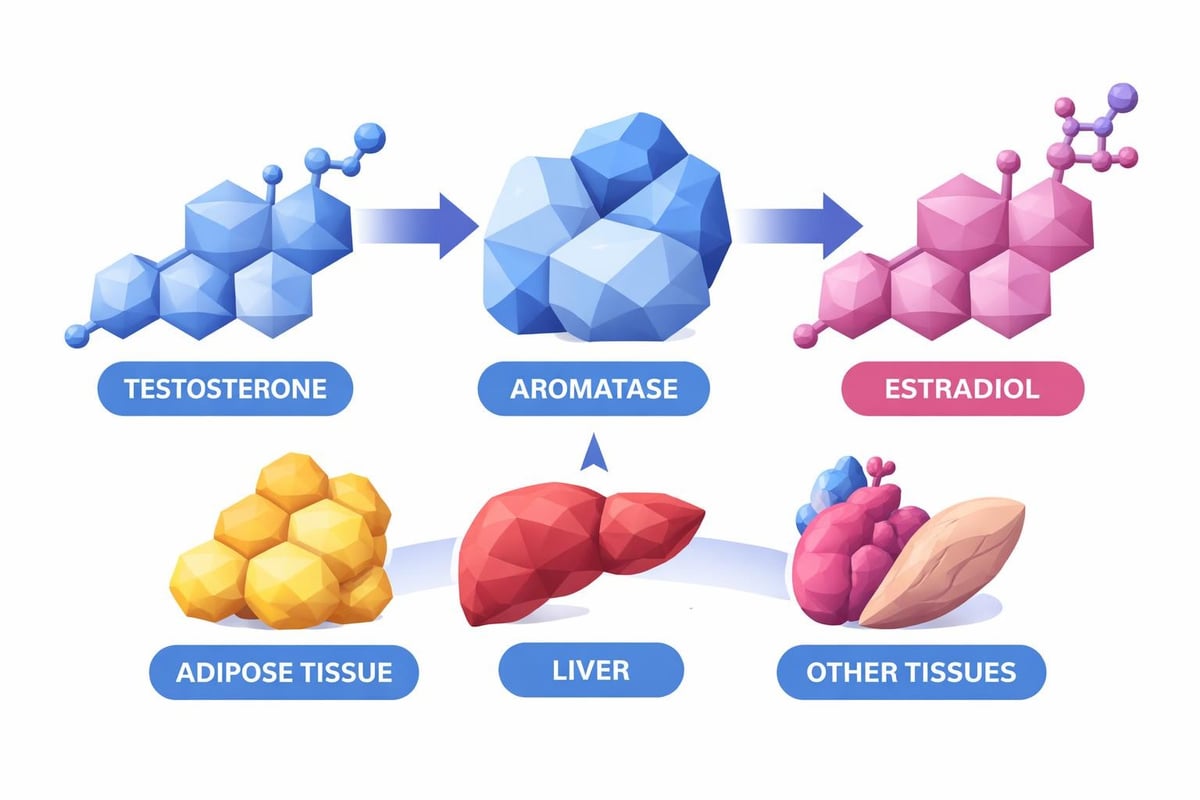
Estradiol, the primary form of estrogen, plays several essential functions in the male body despite being present in much smaller quantities than in women. This hormone contributes to bone density, cardiovascular health, libido regulation, and even cognitive function. Men produce estradiol primarily through an enzymatic process called aromatization, where the enzyme aromatase converts testosterone into estradiol.
The body maintains a delicate balance between testosterone and estradiol. Under normal circumstances, this relationship supports optimal health outcomes. However, when this equilibrium shifts and estradiol levels rise disproportionately, problems can emerge across multiple body systems.
Normal vs. Elevated Estradiol Levels
Most laboratories reference ranges for male estradiol between 10-40 pg/mL, though some sources extend the upper limit to 50 pg/mL. Individual needs vary based on age, body composition, and overall health status. When levels consistently exceed these ranges, men may experience symptoms that indicate hormonal imbalance.
The challenge with high estradiol in men lies in its often subtle presentation. Symptoms may develop gradually over months or years, making it difficult to pinpoint the hormone imbalance without proper testing. This is where accessible lab testing becomes invaluable for men seeking answers about unexplained health changes.
Primary Causes of Elevated Estradiol
Several factors can trigger or contribute to high estradiol in men, ranging from lifestyle choices to underlying medical conditions. Understanding these causes helps identify which areas require attention and modification.
Body Composition and Obesity
Excess body fat, particularly around the midsection, represents one of the most common causes of elevated estradiol. Adipose tissue contains high concentrations of aromatase enzyme, which accelerates the conversion of testosterone to estradiol. Research shows that obesity can significantly increase estradiol levels in men, creating a cyclical problem where higher estrogen promotes additional fat storage.
Men with a body mass index above 30 face substantially higher risk of hormone imbalance. The relationship between weight and estradiol creates a feedback loop: excess fat increases estradiol, which then makes losing weight more difficult while promoting further fat accumulation.
Environmental and Dietary Factors
Modern life exposes men to numerous environmental estrogens, also called xenoestrogens. These compounds mimic estrogen in the body and can be found in:
- Plastic containers and bottles containing BPA
- Pesticides and herbicides on conventionally grown produce
- Personal care products with parabens
- Industrial chemicals and pollutants
- Certain preservatives in processed foods
Diet also plays a significant role. Excessive alcohol consumption taxes the liver, the primary organ responsible for metabolizing and eliminating excess estrogen. Heavy beer consumption presents a double problem, as hops contain phytoestrogens that further contribute to hormonal imbalance.
Medications and Medical Conditions
Certain medications increase estradiol production or interfere with normal hormone metabolism. These include some blood pressure medications, antidepressants, and antibiotics. Men undergoing testosterone replacement therapy sometimes experience elevated estradiol as their bodies convert the supplemental testosterone.
Medical conditions affecting the liver, kidneys, or thyroid can also disrupt normal hormone balance. Liver disease particularly impacts estrogen metabolism since this organ processes and eliminates excess hormones. Testicular tumors, though rare, may produce excess hormones including estradiol.
| Cause Category | Specific Examples | Impact Level |
|---|---|---|
| Body Composition | Obesity, high body fat percentage | High |
| Environmental | Plastics, pesticides, industrial chemicals | Moderate |
| Dietary | Alcohol, processed foods, soy products | Moderate |
| Medications | Testosterone therapy, blood pressure drugs | Variable |
| Medical Conditions | Liver disease, thyroid disorders, tumors | High |
Recognizing Symptoms and Health Implications
The symptoms of high estradiol in men often develop gradually and may be attributed to aging or stress rather than hormone imbalance. Understanding estrogen's role in men helps clarify why these symptoms emerge.
Physical Changes and Body Composition
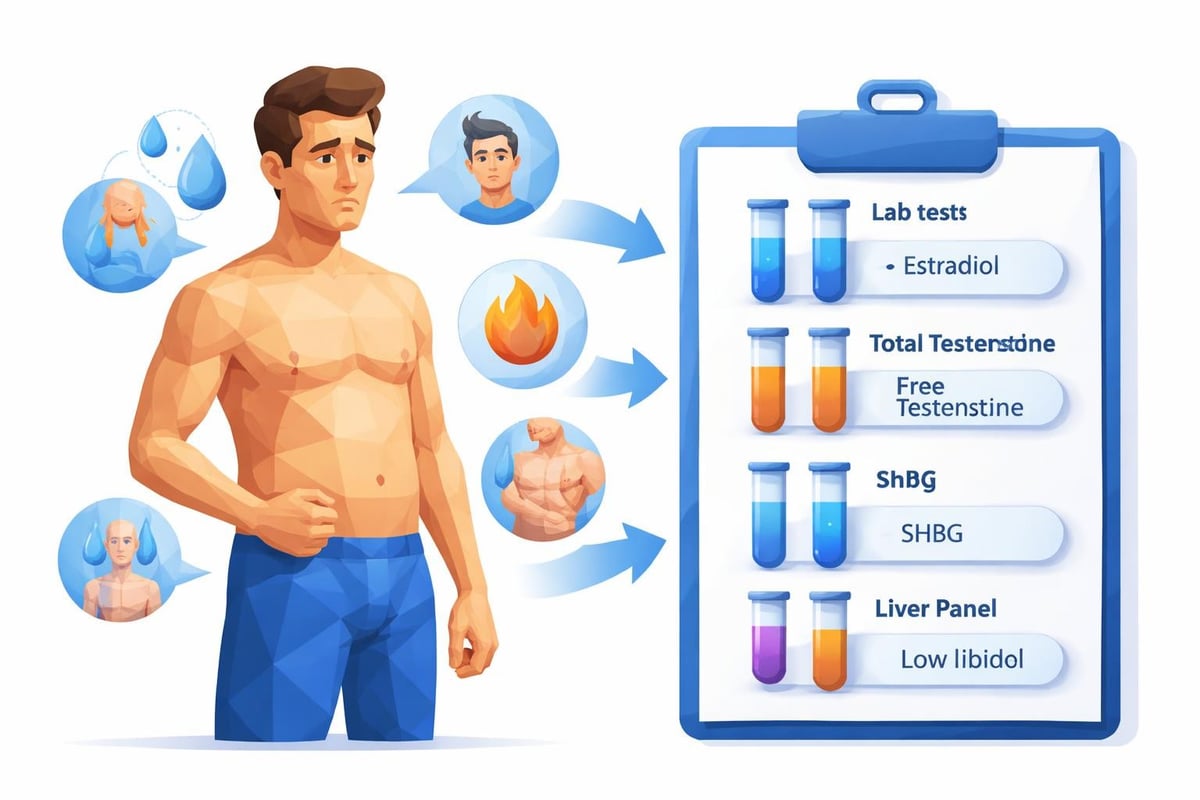
Gynecomastia, or the development of breast tissue, represents one of the most visible signs of elevated estradiol. This condition can range from mild tenderness to noticeable breast enlargement. Men may also experience increased fat storage, particularly around the hips, thighs, and chest, while finding it increasingly difficult to build or maintain muscle mass.
Water retention becomes more pronounced, leading to bloating and puffiness. Some men notice changes in skin texture, with skin becoming softer or more prone to breakouts. Hair loss may accelerate in some cases, though this symptom presents inconsistently.
Sexual Function and Reproductive Health
High estradiol in men frequently manifests in sexual and reproductive symptoms. Decreased libido often appears as one of the earliest signs, followed by erectile dysfunction in more severe cases. Fertility may decline as elevated estrogen interferes with sperm production and quality.
Testicular size may decrease slightly, and some men report reduced sensation or changes in sexual response. These symptoms can significantly impact quality of life and relationships, making early detection and treatment important.
Mood and Cognitive Effects
Hormonal imbalance extends beyond physical symptoms to affect mental and emotional wellbeing. Men with elevated estradiol commonly report:
- Increased emotional sensitivity or mood swings
- Anxiety or depression symptoms
- Fatigue and low energy despite adequate sleep
- Difficulty concentrating or mental fog
- Irritability or decreased stress tolerance
These psychological symptoms often prompt men to seek help, though they may not immediately connect them to hormone imbalance. The connection between high estrogen in males and various symptoms highlights the importance of comprehensive evaluation.
Long-Term Health Risks
Beyond immediate symptoms, chronically elevated estradiol carries potential long-term health implications. Research indicates links to male breast cancer risk, though this remains relatively rare. Cardiovascular concerns, metabolic syndrome, and bone density changes may also develop over time.
Prostate health represents another area of concern, as hormonal balance affects prostate function. Some studies suggest that the ratio of testosterone to estradiol matters more than absolute levels of either hormone alone.
Essential Lab Tests for Hormone Evaluation
Identifying high estradiol in men requires specific laboratory testing. Symptoms alone cannot confirm hormone imbalance, making objective measurements critical for accurate diagnosis and treatment planning.
Comprehensive Hormone Panel
A thorough evaluation should include multiple markers that provide context for estradiol levels:
- Estradiol (E2) - Directly measures the primary form of estrogen
- Total Testosterone - Establishes baseline testosterone production
- Free Testosterone - Reveals bioavailable testosterone not bound to proteins
- Sex Hormone Binding Globulin (SHBG) - Affects hormone availability
- Luteinizing Hormone (LH) - Indicates pituitary function
- Follicle Stimulating Hormone (FSH) - Assesses reproductive hormone signaling
Testing only estradiol without context from other hormones provides an incomplete picture. The relationship between testosterone and estradiol often matters more than individual values.
Supporting Laboratory Tests
Additional tests help identify underlying causes and assess overall health status:
- Liver Function Panel - Evaluates the liver's ability to metabolize hormones
- Thyroid Panel - Rules out thyroid dysfunction affecting hormone balance
- Metabolic Panel - Assesses glucose metabolism and kidney function
- Lipid Panel - Examines cardiovascular risk factors
- Complete Blood Count - Checks for anemia or blood disorders
For men concerned about accessing affordable testing without insurance barriers, labs without insurance provide a practical solution. Services that allow you to order labs without a doctor remove common obstacles to hormone monitoring.
Testing Frequency and Timing
Initial testing establishes baseline hormone levels. Men experiencing symptoms should retest after implementing lifestyle changes or treatments, typically within 6-12 weeks. Timing matters for accuracy-testosterone and estradiol levels fluctuate throughout the day, with highest levels typically in early morning.
Consistency in testing time helps track trends more accurately. Fasting may be required for certain panels, though hormone testing itself doesn't typically require fasting. Following standardized testing protocols ensures reliable comparisons over time.
Recommended Test
Estradiol, Ultrasensitive, LC/MS
The ultrasensitive estradiol test uses advanced LC/MS technology to accurately measure very low estradiol levels that standard immunoassay tests cannot reliably detect — making it the preferred choice for men, children, and postmenopausal women.
Includes 1 biomarkers
$29
Strategies for Reducing Elevated Estradiol
Once testing confirms high estradiol in men, several evidence-based approaches can help restore balance. The most effective strategy typically combines multiple interventions targeting different contributing factors.
Weight Management and Exercise
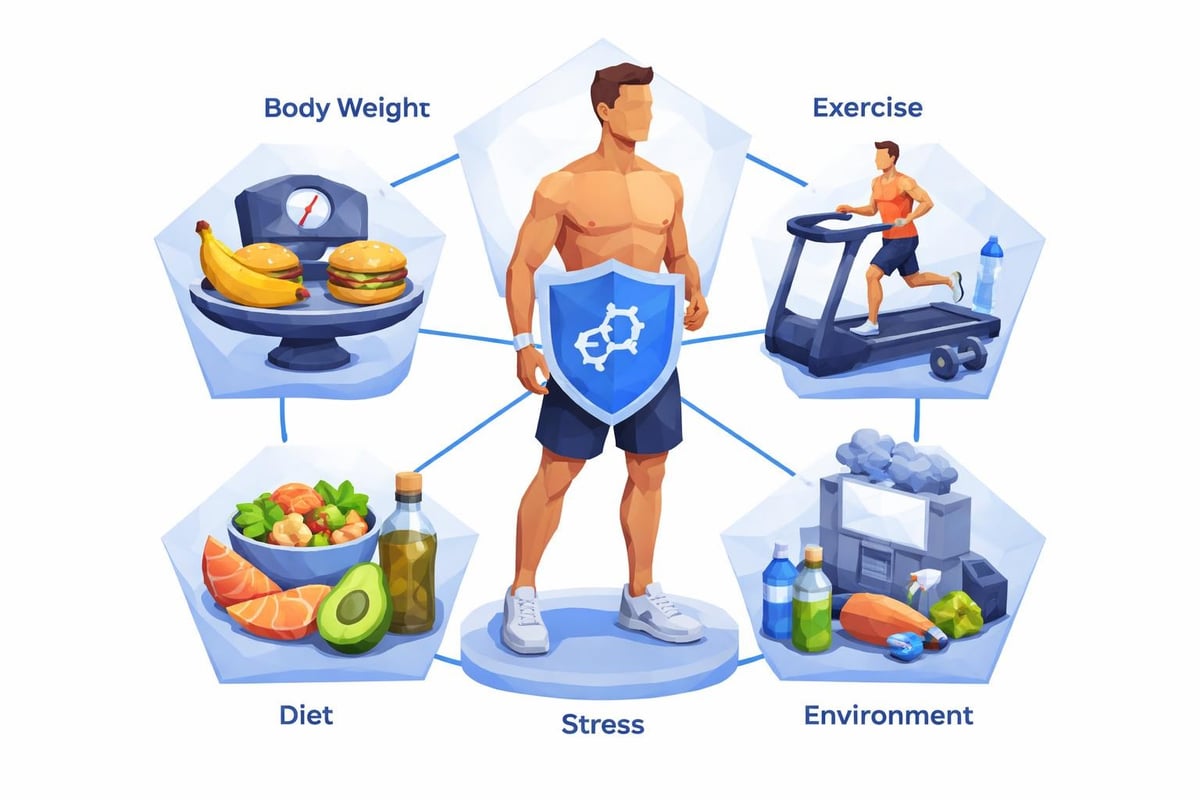
Reducing body fat percentage represents the single most impactful intervention for many men. Even modest weight loss of 5-10% can significantly improve hormone balance by decreasing aromatase activity in adipose tissue.
Resistance training builds muscle mass, which helps shift body composition favorably. Higher muscle mass increases metabolic rate and reduces fat storage. Cardiovascular exercise supports overall health and weight management. Aim for at least 150 minutes of moderate-intensity exercise weekly, combining both strength training and aerobic activities.
Dietary Modifications
Strategic dietary changes support hormone balance through multiple mechanisms. Focus on:
- Cruciferous vegetables like broccoli, cauliflower, and Brussels sprouts contain compounds that support estrogen metabolism
- Fiber-rich foods help eliminate excess hormones through digestive processes
- Healthy fats from fish, nuts, and avocados support hormone production
- Zinc-rich foods including oysters, beef, and pumpkin seeds may reduce aromatase activity
- Limiting alcohol reduces liver burden and decreases estrogen conversion
Reducing consumption of processed foods, refined sugars, and excessive soy products may also help. Some men find that understanding causes and reduction strategies provides additional dietary guidance.
Supplements and Natural Compounds
Certain supplements show promise for supporting healthy estrogen metabolism, though quality varies significantly among products:
| Supplement | Mechanism | Typical Dosage |
|---|---|---|
| DIM (Diindolylmethane) | Promotes beneficial estrogen metabolism | 100-200 mg daily |
| Calcium D-Glucarate | Supports estrogen elimination | 500-1000 mg daily |
| Zinc | May inhibit aromatase activity | 15-30 mg daily |
| Vitamin D | Supports overall hormone balance | 2000-4000 IU daily |
| Chrysin | Potential aromatase inhibitor | 500-1000 mg daily |
Always consult healthcare providers before starting supplements, especially when taking medications. Quality testing of supplement products ensures purity and potency.
Environmental and Lifestyle Changes
Reducing exposure to xenoestrogens requires conscious effort across multiple areas:
- Switch from plastic to glass or stainless steel containers
- Choose organic produce when possible, especially for high-pesticide items
- Select personal care products free from parabens and phthalates
- Filter drinking water to remove potential contaminants
- Avoid heating food in plastic containers
Stress management also plays a role, as chronic stress affects hormone production and metabolism. Quality sleep supports hormone regulation-aim for 7-9 hours nightly with consistent sleep and wake times.
Medical Interventions
When lifestyle modifications prove insufficient, medical treatments may be appropriate. Aromatase inhibitors prescribed by physicians can directly reduce estradiol production. These medications require careful monitoring due to potential side effects.
Treating underlying conditions like thyroid disorders or liver disease often improves hormone balance as a secondary benefit. Men on testosterone replacement therapy may need dosage adjustments or additional medications to manage estradiol conversion, which is why hematocrit, PSA, and estradiol are tracked together on TRT.
Monitoring Progress and Adjusting Approach
Hormone optimization requires patience and consistent monitoring. Changes in diet, exercise, and lifestyle typically take 6-12 weeks to significantly impact hormone levels. Regular testing tracks progress and guides adjustments.
Establishing Testing Schedules
Create a testing timeline based on intervention strategies:
- Baseline testing - Comprehensive hormone panel before changes
- Follow-up at 6-8 weeks - Initial response assessment
- Quarterly testing - During active intervention phase
- Semi-annual testing - Once stable levels achieved
Comparing lab test pricing helps make regular monitoring affordable. Many men find that self-pay testing costs less than insurance copays while providing faster results.
Recommended Panel
Male Hormone Panel
Save $9This comprehensive panel measures testosterone (free and total), plus the supporting hormones that affect how testosterone works in your body: SHBG, estradiol sensitive, DHEA-S, and cortisol.
Includes 6 biomarkers
$101
Interpreting Results and Making Adjustments
Hormone levels rarely move in straight lines. Fluctuations occur naturally, making trends more important than single test results. Work with healthcare providers to interpret findings in context of symptoms and overall health.
If estradiol remains elevated despite lifestyle changes, reassess compliance with interventions and consider additional factors. Sometimes multiple contributing causes require simultaneous attention. Document symptoms alongside lab values to identify correlations and patterns.
Maintaining Long-Term Balance
Once achieving optimal hormone balance, maintenance becomes the focus. Continue healthy lifestyle habits that supported improvement. Periodic testing ensures levels remain stable. Many men find that initial intensive interventions can relax somewhat once balance is achieved, though vigilance prevents regression.
Body composition changes, aging, and life circumstances all affect hormones over time. Flexibility in approach allows adaptation to changing needs. The goal shifts from correction to prevention, making sustainability the priority.
Recognizing and addressing high estradiol in men requires awareness of symptoms, access to appropriate testing, and commitment to evidence-based interventions. Understanding how body composition, environmental factors, and lifestyle choices influence hormone balance empowers men to take control of their health. Whether you're experiencing symptoms or simply want to establish baseline hormone levels for future reference, accessible testing removes barriers to knowledge. Justlabs makes hormone testing simple and affordable, delivering results in 1-3 days without requiring insurance or doctor visits, so you can make informed decisions about your health with confidence and convenience.