Confused by your estrogen lab test results? You are not alone. Hormone testing often feels complex, but understanding these numbers is essential for your health.
This guide will clarify what an estrogen lab test measures, why your results matter, and how to interpret them with confidence. Whether you are planning for fertility, managing menopause, or addressing unexplained symptoms, knowing how to read your results puts you in control.
We will walk through what estrogen tests are, who should consider them, how the testing process works, how to understand your results, and what next steps you can take. Use this guide to empower yourself with clear insights and take action for better health.
Big picture
Understanding the role of an estrogen lab test is key to managing your hormonal health. These tests offer insights that are relevant for both men and women at different stages of life.
- An estrogen lab test measures hormones vital for reproductive health, bone strength, and overall well-being.
- Both women and men might need testing for issues like fertility, menopause, or unexplained symptoms.
- Results can help guide treatment decisions for conditions such as infertility, hormone imbalances, or menopause management.
- Testing methods include blood, urine, and saliva, each offering unique advantages.
- For help interpreting your results, resources like Understanding your lab results can make the process clearer and more actionable.
- Talk to your provider about when to request an estrogen lab test, especially if you notice changes in your health.
What Is an Estrogen Lab Test?
Trying to understand your estrogen lab test? This test is a critical tool for uncovering how your body produces and uses estrogen, a hormone essential for reproductive and overall health. By analyzing specific types of estrogen, healthcare professionals can pinpoint imbalances and guide effective treatment.
Types of Estrogen Measured
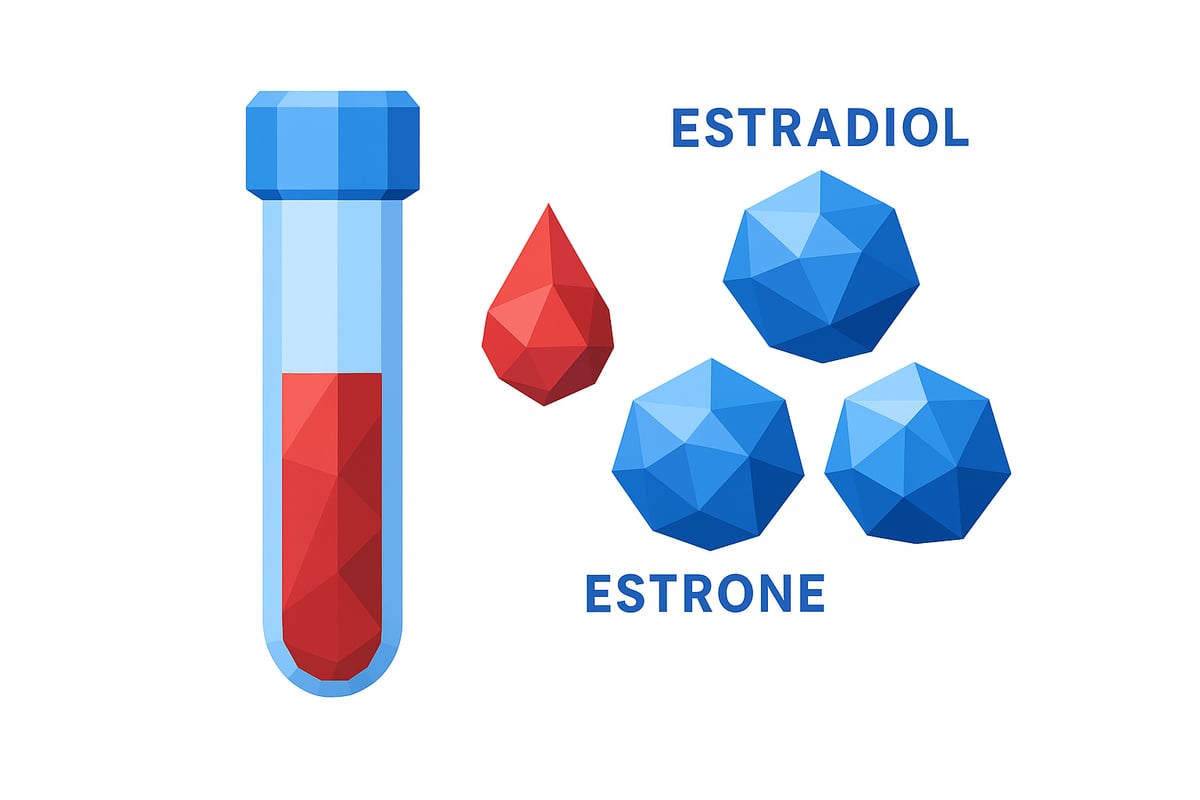
An estrogen lab test typically measures three main forms of estrogen: estradiol (E2), estrone (E1), and estriol (E3). Each plays a unique role in the body. Estradiol is the primary estrogen in premenopausal women, vital for menstrual cycles and fertility. Estrone becomes more prominent after menopause, produced mainly in body fat and adrenal glands — a shift that makes estrone the dominant estrogen after menopause and changes how results should be read. Estriol, though usually low, rises significantly during pregnancy and is essential for fetal development.
Some tests report "total estrogen," summing all forms for a broader hormonal overview. Depending on your health concern, your provider may recommend measuring one or more types. Samples for an estrogen lab test can be collected from blood, urine, or saliva, each with its own advantages. For more details on test types and what they measure, see this Estrogen Levels Test Overview.
How Estrogen Tests Work
Most estrogen lab tests use a simple blood draw from your arm. Alternatives include urine tests, which may require a 24-hour sample, or at-home saliva kits for convenience. In the lab, technicians use advanced methods such as immunoassay or mass spectrometry to quantify hormone levels with precision.
Reference ranges for estrogen levels vary by age, sex, and, for women, menstrual cycle phase or pregnancy status. No special preparation is usually needed for an estrogen lab test, but always follow your provider's instructions. Blood samples remain the gold standard, especially for accurate estradiol measurement, while urine and saliva are sometimes used for specific clinical questions or at-home monitoring.
Why Estrogen Testing Matters
An estrogen lab test is vital for diagnosing hormonal imbalances and reproductive issues in both women and men. It helps uncover causes of symptoms like irregular periods, hot flashes, or unexplained infertility. Providers rely on these results to guide treatment for menopause, fertility challenges, and hormone therapies.
Early detection of abnormal estrogen levels can improve long-term health outcomes, such as reducing risks for osteoporosis or certain cancers. For example, low estradiol in women with missed periods can indicate ovarian insufficiency and prompt timely fertility care. In men, abnormal levels may reveal underlying conditions like testicular or adrenal disorders. Understanding your estrogen lab test results empowers you to make informed health decisions with your provider.
Who Should Get an Estrogen Lab Test?
Deciding if you need an estrogen lab test can feel overwhelming. Knowing who benefits from testing and when to consider it helps you take control of your health. This section breaks down the key scenarios for women, men, children, and pregnant individuals.

Common Reasons for Testing
An estrogen lab test is recommended in a variety of situations across all age groups and sexes. For women, common triggers include irregular periods, fertility concerns, menopausal symptoms, or unexplained abnormal bleeding. Pregnant women may need testing to monitor fetal development or to screen for birth defects. Men might require an estrogen lab test if they experience symptoms like breast tissue growth, infertility, or delayed puberty. In children and adolescents, early or delayed onset of puberty can prompt hormone evaluation. These scenarios help providers identify hormone imbalances and tailor treatment.
Risk Factors and Symptoms
Certain risk factors and symptoms make an estrogen lab test especially important. A family history of hormonal disorders or reproductive cancers increases your risk. Symptoms such as hot flashes, night sweats, mood swings, breast changes, or erectile dysfunction may signal an underlying imbalance. For pregnant women, factors like being over age 35, having diabetes, or a history of birth defects can influence the need for closer hormone monitoring. Conditions like PCOS often require an estrogen lab test along with other hormone assessments to clarify the diagnosis and guide management.
When to Test
The timing of an estrogen lab test depends on your specific situation. For women, testing during certain menstrual cycle phases, like day 3 for fertility evaluation, provides the most useful information. Routine screening may be advised for those on hormone replacement therapy. If you develop unexplained symptoms tied to hormone imbalance, such as sudden changes in cycles or mood, your provider might suggest prompt testing. Pregnant women often undergo estriol testing between weeks 15 and 20 to assess fetal health. If you want to take action independently, you can learn how to order labs without a doctor for added convenience and control over your health decisions.
How Is the Estrogen Lab Test Performed?
Understanding how the estrogen lab test is performed helps you prepare and ensures accurate results. This section covers every stage, from your initial consultation to receiving your test results.
Step-by-Step Testing Process
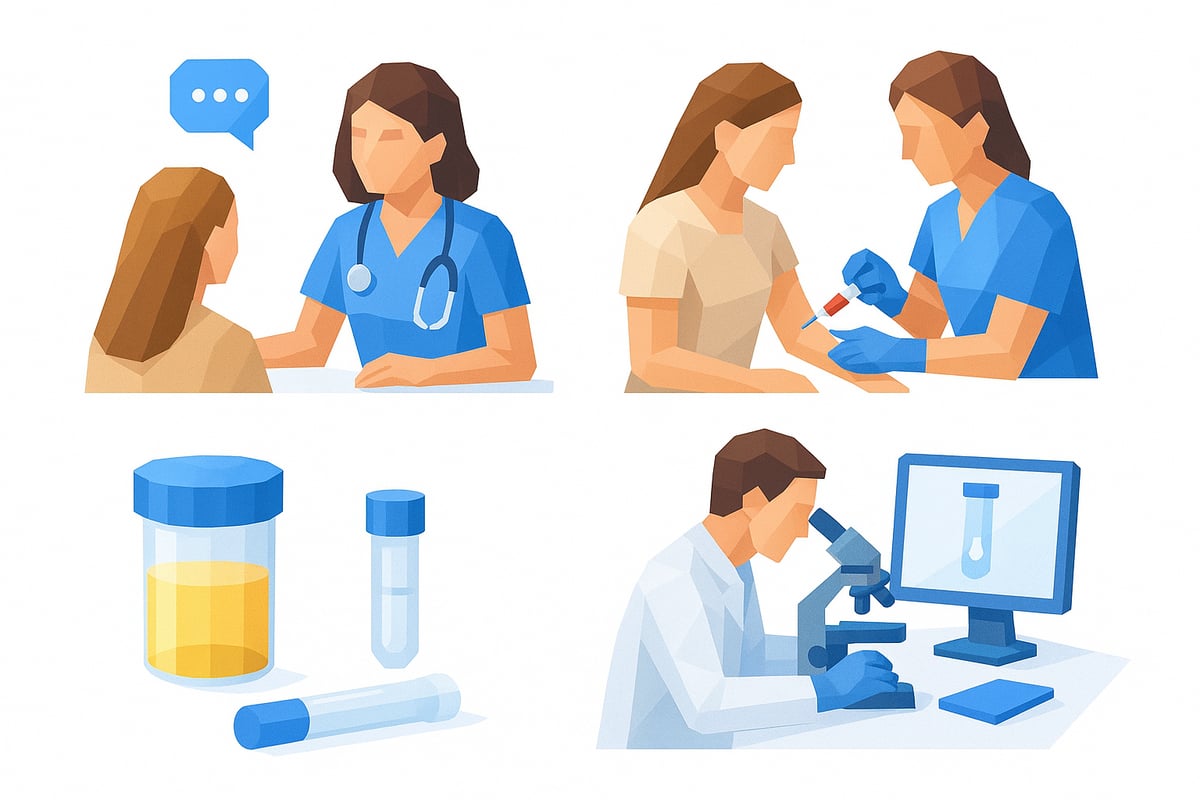
The estrogen lab test process begins with a visit to your healthcare provider. During your consultation, you and your provider discuss symptoms and the reasons for testing. This ensures the correct type of estrogen lab test is selected for your situation.
After determining the need, the provider chooses the appropriate sample type. Blood draws are most common, but urine and saliva tests are available, especially for at-home collection. Blood samples are usually taken from a vein in your arm, while urine samples may be collected over 24 hours. Saliva kits are often used at home for convenience.
Once your sample is collected, the laboratory analyzes it using highly sensitive techniques, such as immunoassay or mass spectrometry. These methods ensure that the estrogen lab test delivers accurate hormone measurements. Your healthcare provider then interprets the results, taking into account your specific health context.
Preparation and Safety
Proper preparation for your estrogen lab test helps avoid inaccurate results. Generally, no fasting is required, but always follow the specific instructions from your provider or lab.
It is important to inform your healthcare provider about any medications or supplements you are taking, such as birth control or hormone replacement therapy. These substances can influence the estrogen lab test results, so your provider may advise stopping them temporarily before testing.
The risks associated with the estrogen lab test are minimal. Blood draws might cause minor bruising or discomfort, but urine and saliva collections are non-invasive and safe. Always use sterile containers provided by the laboratory, and handle at-home kits according to instructions to maintain sample integrity.
Turnaround and Accessibility
After your sample is submitted, the typical turnaround time for an estrogen lab test is one to three business days. This quick processing allows you and your provider to start addressing any hormone imbalances promptly.
Convenience is increasing with direct-to-consumer lab services and at-home testing kits. These options let you order an estrogen lab test online, collect your sample at home or in a local lab, and receive results securely. For those interested in a broader overview of hormone and blood testing options, consider exploring this Comprehensive blood testing guide.
Transparent pricing and nationwide access make the estrogen lab test more accessible than ever, even for those without insurance. Direct access empowers you to take charge of your hormonal health with minimal barriers.
Understanding Your Estrogen Lab Results
Reviewing your estrogen lab test results can feel overwhelming, but knowing what your numbers mean is the first step toward better health. Estrogen levels fluctuate with age, sex, and life stage, so context is crucial. Below, you’ll find how to interpret your results and what they might reveal about your health.
Reference Ranges and What They Mean
The reference ranges for an estrogen lab test depend on your age, sex, menstrual cycle phase, and pregnancy status. Your provider will compare your results to these ranges to determine if your estrogen is within the expected limits. Here’s a summary of common reference values:
| Group | Estradiol (pg/mL) | Estriol (ng/mL) |
|---|---|---|
| Premenopausal Women | 30–400 | <0.1 |
| Postmenopausal Women | <30 | <0.1 |
| Men | 10–50 | <0.1 |
| Pregnant Women (2nd Trim) | — | 2–30 |
These numbers are guides, not absolutes. Each lab may have slightly different cutoffs, so always refer to the specific reference range provided with your estrogen lab test. Hormone levels can shift rapidly, especially during the menstrual cycle or pregnancy, which is why timing matters. If your numbers fall outside the expected range, it does not always indicate a problem, but it should prompt a discussion with your healthcare provider.
High Estrogen Levels: Causes and Implications
High levels on an estrogen lab test can signal several underlying conditions. In women, common causes include ovarian cysts, hormone therapy, obesity, or pregnancy. For men, elevated estrogen can result from testicular or adrenal tumors, obesity, or certain medications.
Symptoms of high estrogen may include:
- Irregular or heavy periods
- Breast tenderness
- Mood changes or irritability
- Weight gain
In men, high estrogen may cause gynecomastia, infertility, or erectile dysfunction. If your estrogen lab test shows elevated values, your provider will consider your symptoms, medical history, and may order further tests. Addressing high estrogen early can prevent complications like reproductive issues or increased cancer risk.
Low Estrogen Levels: Causes and Implications
A low result on your estrogen lab test might reflect menopause, ovarian failure, or pituitary disorders in women. In men, low estrogen is less common but can be associated with pituitary dysfunction or chronic illness.
Symptoms of low estrogen include:
- Hot flashes and night sweats
- Vaginal dryness or discomfort
- Bone loss or increased fracture risk
- Fatigue and mood swings
In men, low estrogen can lead to decreased libido and bone density problems. If your estrogen lab test is low, your provider may look for causes such as early menopause, genetic conditions, or medication effects. Treating low estrogen often involves addressing the underlying cause and may include hormone therapy or lifestyle changes.
Trends and Serial Testing
One single estrogen lab test result offers a snapshot, but trends over time provide a clearer picture. Fluctuations are normal, especially in premenopausal women. Serial testing—repeating the test at intervals—can help track changes during fertility treatment, menopause, or hormone therapy.
Providers often monitor:
- Ovarian response during assisted reproduction
- Hormone levels during menopause management
- Recovery after surgical or medical treatments
If your estrogen lab test results change significantly between tests, your provider will analyze patterns and may adjust your care plan accordingly. Monitoring trends helps ensure timely interventions and better long-term outcomes.
Interpreting Results in Context
Interpreting an estrogen lab test is never done in isolation. Your provider will consider your symptoms, medical history, and other hormone levels such as FSH, LH, or progesterone. Sometimes an abnormal estrogen result is only meaningful when paired with other findings.
For example, low estrogen with high FSH can indicate ovarian failure or menopause. High estrogen with abnormal imaging may suggest a tumor. If you need more guidance on how to understand your hormone results, check out detailed advice on interpreting hormone lab results, which explains how lab methods and context affect interpretation.
Always discuss your estrogen lab test results with your healthcare provider to ensure a personalized and accurate assessment.
Estrogen Lab Testing in 2026: What’s New and What to Expect
Staying up to date with the latest in estrogen lab test technology can make a big difference in your health journey. The landscape is evolving quickly, bringing more accuracy, convenience, and access than ever before.
Advances in Testing Technology
Recent years have brought remarkable improvements to the estrogen lab test. High-sensitivity assays and mass spectrometry are now standard in many labs, allowing for much more precise hormone measurement than older methods. These technologies reduce the chance of false results and offer better detection of even subtle hormone changes.
At-home testing is also on the rise. Urine and saliva kits can be delivered to your door, making it easier to monitor hormone levels without a clinic visit. AI-driven analytics are starting to offer personalized reference ranges, tailoring results to your age, sex, and health profile. For those interested in innovative methods, Advancements in Estradiol Testing highlight how DNA-based approaches are enhancing reliability in blood estrogen lab test analysis.
Evolving Clinical Guidelines
Clinical guidelines for estrogen lab test use are also advancing. Routine monitoring is now recommended for patients on hormone therapy, ensuring safer and more effective treatment adjustments. Estrogen levels are increasingly checked as part of comprehensive wellness panels, giving a broader view of overall health.
Guidelines also encourage regular testing for menopausal women and those with fertility concerns. Providers use these updated protocols to catch imbalances early, preventing complications and personalizing care. As a result, estrogen lab test data is now central to many preventive and therapeutic strategies.
Insurance, Accessibility, and Direct-to-Consumer Testing
Access to estrogen lab test services is expanding. Self-pay and direct-access options are now widely available, often with transparent pricing and no need for insurance. Many platforms offer online ordering, letting you skip the doctor’s office and head straight to a local lab for your sample collection.
Direct-to-consumer services are making hormone testing more approachable. Results typically arrive within a few days, with digital dashboards to review your numbers securely from home. These changes mean an estrogen lab test is now within reach for a broader range of people, including those with high-deductible plans or no insurance.
The Role of Lab Testing in Preventive Health
Preventive health is getting a boost from advances in estrogen lab test availability. Early detection of hormone imbalances can help you address issues like osteoporosis or cardiovascular risk before they become serious. Many at-risk individuals now include hormone screening in their annual wellness routines.
Lab testing is also being used for risk assessment in chronic conditions. When combined with other health markers, estrogen lab test results provide a clearer picture of your long-term health outlook. This proactive approach empowers you and your provider to make more informed decisions about your care.
Key Takeaways
An estrogen lab test is a vital resource for understanding reproductive and hormonal health in both women and men. Knowing when to order an estrogen lab test, how it is performed, and how to interpret the results puts you in control of your health decisions.
Advances in technology and the rise of direct-access services make an estrogen lab test more accessible than ever. If cost is a concern, you can review estradiol test pricing details to better plan your next steps.
Always discuss your estrogen lab test results with a healthcare provider to receive personalized guidance and ensure the best possible care.
FAQ: Estrogen Lab Tests
Navigating the world of hormone testing brings many questions. Here are answers to the most common queries about the estrogen lab test, helping you make informed health decisions.
What are the main types of estrogen measured in lab tests?
The estrogen lab test typically measures estradiol, estrone, and estriol. Estradiol is most significant for women of reproductive age, while estrone is predominant after menopause. Estriol becomes important during pregnancy. Knowing which type your provider is testing is key to understanding your results.
How do I know if I need an estrogen test?
You might need an estrogen lab test if you experience symptoms such as irregular periods, unexplained infertility, hot flashes, or breast changes. Your healthcare provider will assess your symptoms and medical history to determine if this test is appropriate for you.
What’s the difference between blood, urine, and saliva estrogen tests?
Blood tests are the gold standard for most estrogen lab test needs, offering accuracy and reliability. Urine and saliva tests can be useful for at-home monitoring or specific investigations. Recent Hormone Testing Innovations provide new urine panels that link hormones with other health markers, expanding insights beyond traditional methods.
How should I prepare for an estrogen lab test?
Most estrogen lab test procedures require no special preparation. However, always inform your provider about any medications or supplements you are taking, as these could affect your hormone levels. Follow any specific instructions given by your laboratory or healthcare provider.
What do abnormal estrogen levels mean?
Abnormal estrogen results could indicate conditions such as menopause, ovarian or adrenal disorders, hormone-producing tumors, or pituitary issues. Interpretation depends on your age, sex, symptoms, and other lab findings. Discuss results with your provider for accurate assessment and treatment planning.
How quickly will I get my results?
Results for an estrogen lab test are typically available within 1 to 3 business days. Direct-to-consumer testing services may offer rapid turnaround and online access to results, giving you timely information for your health.
Can I order an estrogen lab test without a doctor?
Yes, many direct-access lab services now allow you to order an estrogen lab test online without a doctor’s visit. This option increases convenience and puts you in control of your health monitoring.
Are estrogen lab tests covered by insurance?
Coverage for an estrogen lab test varies by provider and policy. If you are paying out of pocket, direct-pay options can offer transparent pricing and may be more affordable for those without insurance or with high deductibles.
If you’re ready to take control of your health after learning how vital estrogen testing is for understanding your body’s balance, getting started couldn’t be simpler. With Justlabs, you can skip the wait for doctor appointments and insurance approvals, and access accurate lab results quickly—often in just a few days. Whether you want to check your hormone levels for peace of mind, fertility planning, or managing symptoms, you deserve clear answers at a fair price. Explore your options and see which test is right for you—just Browse Tests and begin your journey toward informed, empowered health decisions.