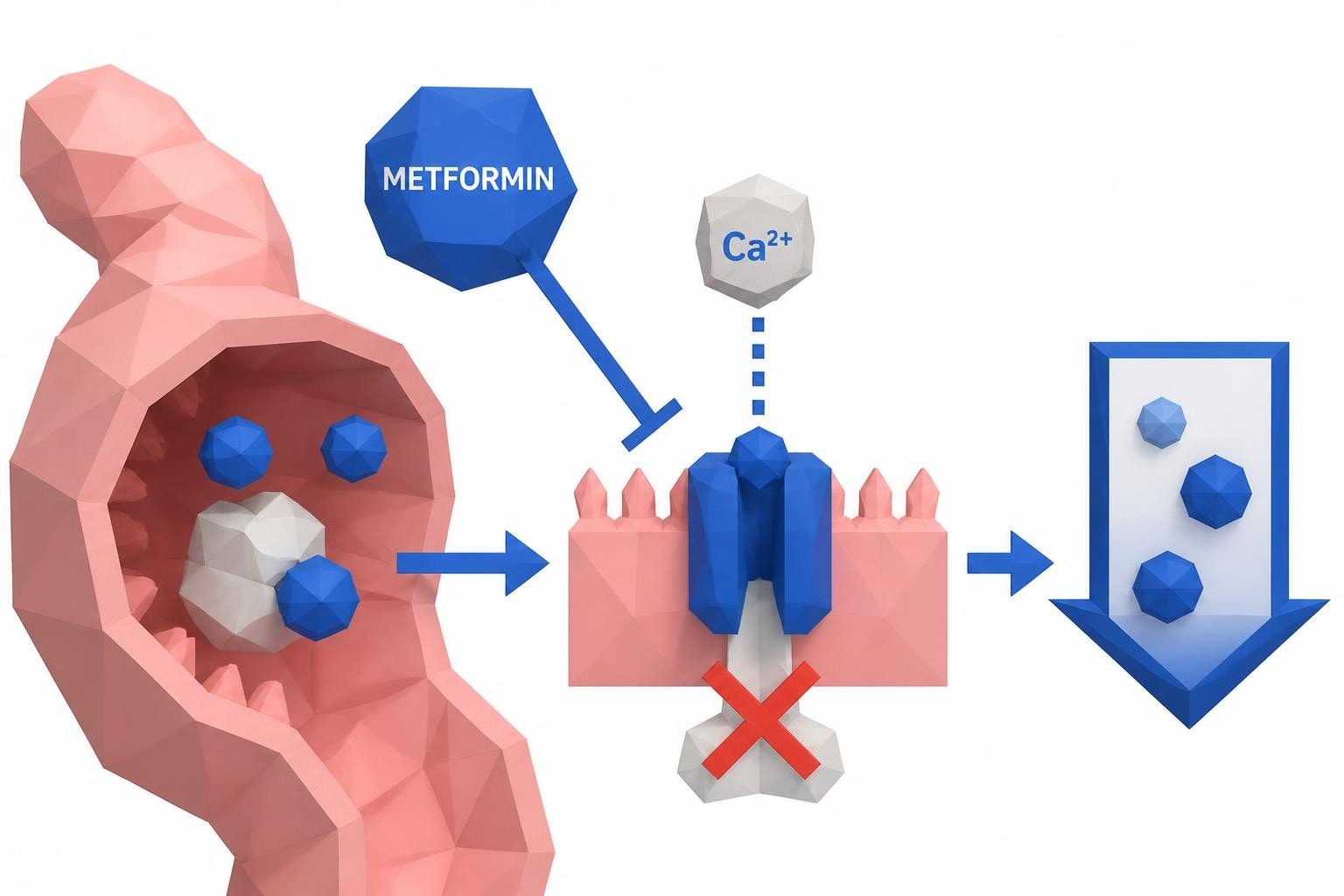
As we approach the final months of the year, it's the perfect time to assess your health status and identify potential issues before they become serious. An end of year blood work checklist ensures you're tracking the metrics that matter most for long-term wellness while making the most of your healthcare spending dollars before benefits reset.
Big picture
- An end of year blood work checklist is a comprehensive list of essential lab tests that provide a snapshot of your current health status across cardiovascular, metabolic, hormonal, and nutritional systems.
- Blood tests reveal early warning signs of conditions like diabetes, heart disease, thyroid disorders, and vitamin deficiencies, often before symptoms appear.
- Anyone over 35, people with family history of chronic disease, those managing existing conditions, and individuals focused on preventive health should consider annual comprehensive testing.
- Year-end timing is strategic because it allows you to use remaining insurance benefits, establish baseline values for comparison, and start the new year with clear health goals.
- Your first step is to identify which tests align with your age, risk factors, and health goals, then schedule testing with enough time to review results and discuss findings before the new year.
- Direct-access lab testing services now make it easier than ever to order comprehensive panels without waiting for doctor appointments or dealing with insurance authorization delays.
Essential Metabolic and Blood Sugar Tests
Your metabolic health forms the foundation of overall wellness, and several key markers deserve annual attention. A comprehensive metabolic panel (CMP) measures kidney function, liver enzymes, electrolytes, and blood proteins in a single test, providing crucial insights into how your body processes nutrients and eliminates waste.
Recommended Panel
Complete Metabolic Health Panel
Save $3.5This comprehensive panel evaluates all aspects of metabolic health: organ function, cholesterol, blood sugar, insulin resistance, and inflammation - the key drivers of chronic disease.
Includes 26 biomarkers
$50
Fasting required
Blood sugar regulation stands as one of the most important metrics to track annually. The U.S. Preventive Services Task Force recommends screening for prediabetes and type 2 diabetes in adults aged 35 to 70 years who are overweight or obese. However, even those outside these parameters benefit from monitoring glucose levels.
Blood Glucose Components
Your end of year blood work checklist should include these glucose-related markers:
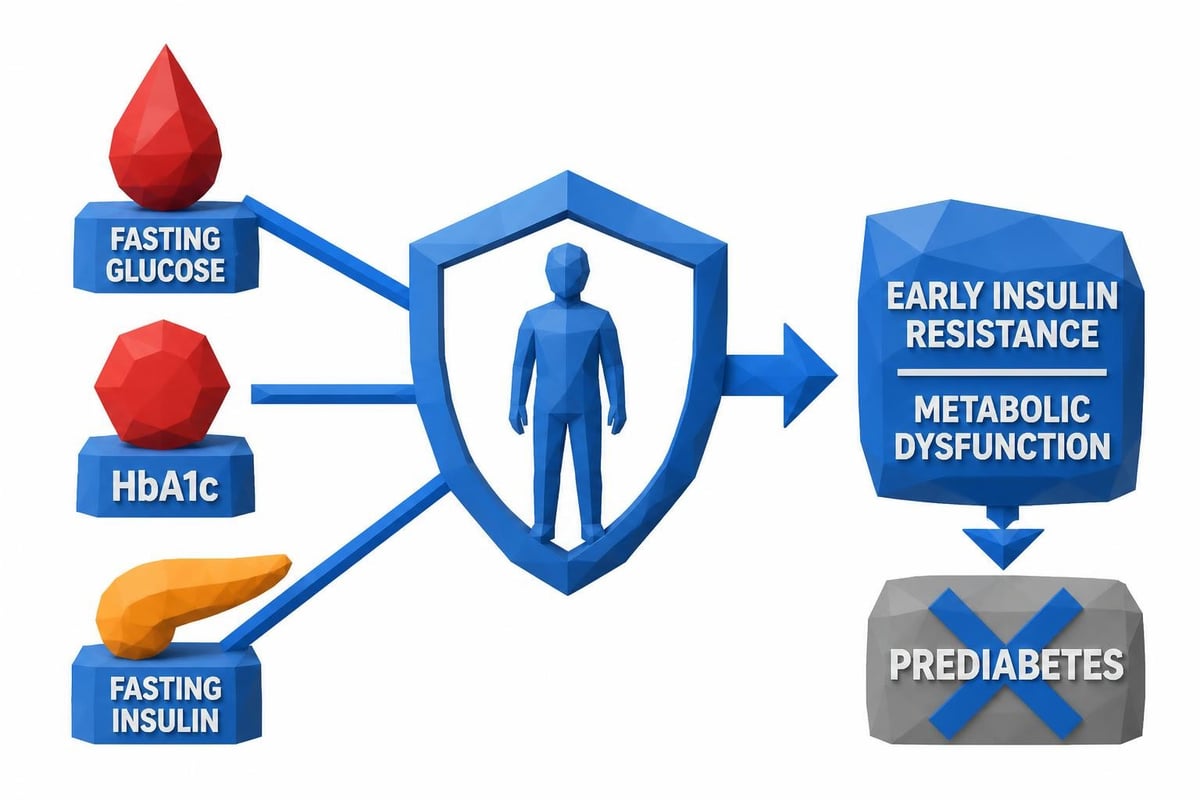
- Fasting glucose: Measures blood sugar after an 8-12 hour fast
- Hemoglobin A1c (HbA1c): Provides a 3-month average of blood sugar levels
- Fasting insulin: Reveals how hard your pancreas works to control blood sugar
Understanding the relationship between fasting insulin and fasting glucose helps identify insulin resistance years before diabetes develops. While glucose measures the outcome, insulin reveals the underlying metabolic stress.
Cardiovascular Health Markers
Heart disease remains the leading cause of death in America, making cardiovascular screening a non-negotiable component of any comprehensive end of year blood work checklist. Traditional lipid panels measure total cholesterol, LDL, HDL, and triglycerides, but advanced markers provide deeper insights.
Recommended Panel
Advanced Heart Health Panel
Save $6Go beyond basic cholesterol testing. This advanced panel includes the markers cardiologists use to assess true cardiovascular risk: ApoB, Lp(a), homocysteine, and inflammation.
Includes 10 biomarkers
$86
Fasting required
| Test | What It Measures | Why It Matters |
|---|---|---|
| Standard Lipid Panel | Total cholesterol, LDL, HDL, triglycerides | Basic cardiovascular risk assessment |
| Apolipoprotein B | Number of atherogenic particles | More accurate predictor than LDL alone |
| hs-CRP | Systemic inflammation | Indicates arterial inflammation risk |
| Lipoprotein(a) | Genetic cholesterol particle | Identifies inherited cardiovascular risk |
Apolipoprotein B testing has emerged as a superior marker for cardiovascular risk because it counts the actual number of cholesterol-carrying particles rather than just measuring cholesterol content. A single apoB molecule represents one potentially dangerous particle, regardless of how much cholesterol it carries.
Advanced Cardiovascular Assessment
Beyond basic lipids, consider these additional markers:
- Homocysteine levels to assess B-vitamin status and inflammation
- Omega-3 index for anti-inflammatory protection
- Fibrinogen to evaluate clotting tendency
- NMR LipoProfile for particle size analysis
Complete Blood Count and Iron Studies
A complete blood count (CBC) examines your red blood cells, white blood cells, and platelets. This fundamental test on your end of year blood work checklist reveals anemia, infection, immune system problems, and blood cancers.
Red blood cell indices provide specific information about anemia type. Mean corpuscular volume (MCV) indicates cell size, helping distinguish between iron deficiency (small cells) and B12 or folate deficiency (large cells). Hemoglobin and hematocrit measure oxygen-carrying capacity, critical for energy levels and organ function.
White blood cell differential counts five types of immune cells, each serving distinct protective functions. Elevated neutrophils suggest bacterial infection, while increased lymphocytes may indicate viral illness or chronic inflammation. Eosinophil elevation often points to allergies or parasitic infection.
Iron Status Evaluation
Complete iron assessment includes:
- Serum iron (circulating iron)
- Ferritin (stored iron)
- Total iron-binding capacity (TIBC)
- Transferrin saturation percentage
Women of reproductive age, athletes, and anyone experiencing fatigue should prioritize iron testing. Ferritin below 30 ng/mL often causes symptoms even when hemoglobin remains normal.
Thyroid Function Assessment
Thyroid hormones regulate metabolism, energy production, body temperature, and mood. Subclinical thyroid dysfunction affects millions of Americans who don't yet realize their fatigue, weight changes, or brain fog stem from hormonal imbalance.
Recommended Panel
Complete Thyroid Panel
Save $3Our most comprehensive thyroid panel includes all 5 essential markers: TSH, Free T4, Free T3, Reverse T3, and both thyroid antibodies. Get the complete picture of your thyroid health.
Includes 6 biomarkers
$84
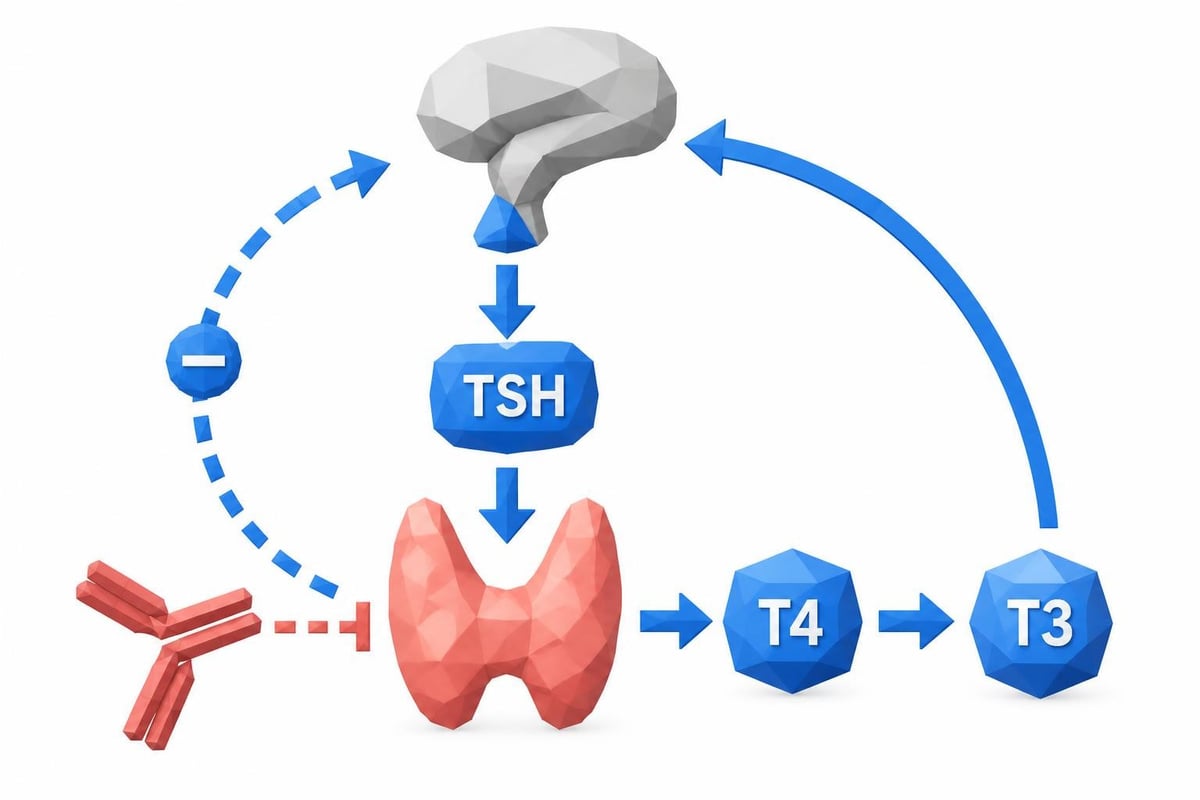
Thyroid testing should begin with thyroid-stimulating hormone (TSH), the pituitary signal that tells your thyroid to produce hormones. However, TSH alone misses important dysfunction patterns. Free T4 measures thyroid production, while free T3 reveals active hormone available to cells.
| Thyroid Test | Normal Range | What Low Means | What High Means |
|---|---|---|---|
| TSH | 0.4-4.0 mIU/L | Hyperthyroidism | Hypothyroidism |
| Free T4 | 0.8-1.8 ng/dL | Hypothyroidism | Hyperthyroidism |
| Free T3 | 2.3-4.2 pg/mL | Poor T4 conversion | Hyperthyroidism |
Thyroid antibodies (TPO and thyroglobulin) identify autoimmune thyroid disease, the most common cause of thyroid dysfunction in the United States. Including antibody testing on your end of year blood work checklist catches Hashimoto's thyroiditis before significant damage occurs.
Vitamin and Mineral Status
Micronutrient deficiencies create widespread symptoms that mimic numerous conditions. Your end of year blood work checklist should assess the vitamins and minerals most commonly depleted in modern diets.
Recommended Panel
Vitamin & Mineral Panel
Save $5This panel tests the most commonly deficient nutrients: Vitamin D, B12, Folate, Iron (with complete iron studies), Ferritin, and Magnesium - the building blocks your body needs to function optimally.
Includes 9 biomarkers
$64
Fasting required
Vitamin D deficiency affects approximately 40% of American adults. The Endocrine Society recommends measuring 25-hydroxyvitamin D levels in individuals at risk for deficiency. Optimal levels (40-60 ng/mL) support bone health, immune function, mood regulation, and metabolic health.
Key Micronutrients to Test
B vitamins deserve attention, especially B12 and folate. Methylmalonic acid (MMA) and homocysteine provide more sensitive B12 status assessment than B12 levels alone. Vegetarians, older adults, and those taking acid-reducing medications face higher deficiency risk.
Magnesium status is notoriously difficult to assess because serum levels don't reflect intracellular stores. Red blood cell magnesium offers better accuracy. This mineral influences over 300 enzymatic reactions, affecting energy, muscle function, nerve transmission, and cardiovascular health.
Zinc supports immune function, wound healing, DNA synthesis, and cell division. Deficiency impairs taste, smell, immune response, and skin health.
Hormone Panels by Sex and Age
Hormone testing requirements vary significantly by biological sex and life stage. Comprehensive hormone assessment belongs on your end of year blood work checklist if you're experiencing unexplained symptoms or approaching major hormonal transitions.
Female Hormone Testing
Women should consider these markers based on age and symptoms:
- Estradiol, progesterone, and testosterone for menstrual irregularities
- FSH and LH for fertility assessment or perimenopause confirmation
- DHEA-S for adrenal function and androgen production
- Prolactin if experiencing irregular cycles or galactorrhea
Postmenopausal women benefit from monitoring estrone and hormone changes that occur after menopause, as estrone becomes the predominant estrogen and impacts long-term health differently than premenopausal estradiol.
Male Hormone Testing
Men over 35 should include testosterone assessment, measuring both total and free testosterone. SHBG (sex hormone-binding globulin) determines how much testosterone remains biologically available versus bound and inactive.
Additional male hormone markers include:
- DHT (dihydrotestosterone) for prostate health monitoring
- Estradiol to assess aromatization and estrogen dominance
- LH and FSH for pituitary function
- Cortisol for stress response assessment
Men over 40 should discuss prostate-specific antigen (PSA) testing, with both total PSA and free PSA providing more complete prostate health assessment than total PSA alone.
Kidney and Liver Function
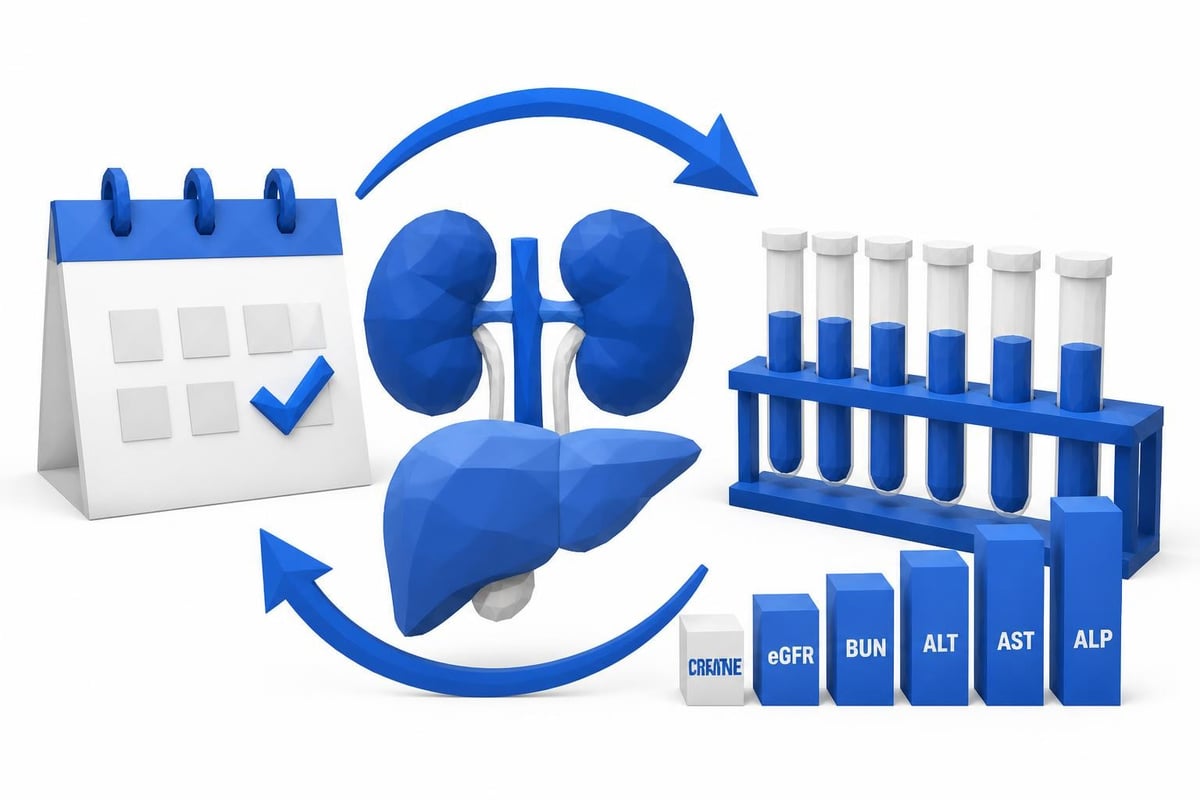
Kidney function tests reveal how effectively your body filters waste and maintains fluid balance. Your end of year blood work checklist must include creatinine, blood urea nitrogen (BUN), and estimated glomerular filtration rate (eGFR).
Creatinine measures a waste product from muscle metabolism. Rising levels indicate declining kidney filtration. The eGFR calculation incorporates creatinine, age, sex, and race to estimate how much blood your kidneys filter per minute. Values below 60 mL/min/1.73m² for three months indicate chronic kidney disease.
Liver Function Markers
Liver enzymes reflect hepatocyte health and bile flow. The complete metabolic panel includes:
- ALT (alanine aminotransferase): primarily from liver cells
- AST (aspartate aminotransferase): from liver, heart, and muscle
- Alkaline phosphatase: from liver, bone, and bile ducts
- Bilirubin: measures bile pigment and breakdown
Elevated liver enzymes may indicate fatty liver disease, hepatitis, medication effects, or alcohol damage. Even mildly elevated ALT deserves investigation, as it often precedes more serious liver disease.
Inflammation and Immune Markers
Chronic inflammation drives most degenerative diseases, from cardiovascular disease to Alzheimer's. Including inflammatory markers on your end of year blood work checklist helps quantify this silent threat.
High-sensitivity C-reactive protein (hs-CRP) measures systemic inflammation with remarkable precision. Levels below 1.0 mg/L indicate low cardiovascular risk, 1.0-3.0 mg/L suggest moderate risk, and above 3.0 mg/L signal high risk. Elevated hs-CRP predicts heart attack and stroke independent of cholesterol levels.
Erythrocyte sedimentation rate (ESR) provides another inflammation measure, though less specific than hs-CRP. Significantly elevated ESR warrants investigation for autoimmune conditions, infections, or malignancies.
Ordering Your End of Year Blood Work Checklist
Accessing comprehensive lab testing has become significantly easier with direct-to-consumer services. Rather than scheduling multiple doctor appointments and dealing with insurance authorization, you can order lab tests online and visit a convenient testing location near you.
The process involves selecting your tests, completing a brief health questionnaire, receiving a lab order, visiting a patient service center for blood draw, and accessing results within 1-3 days. This streamlined approach saves time and provides transparent, affordable pricing without surprise bills.
Many people don't realize that lab testing without insurance often costs less than insurance copays and deductibles. Direct-pay pricing eliminates markup from insurance intermediaries while providing the same CLIA-certified laboratory analysis.
Strategic Timing and Follow-Up
Schedule your end of year blood work checklist testing in October or November, allowing time to receive results, consult with healthcare providers if needed, and implement changes before January. Early timing also avoids holiday travel disruptions and year-end scheduling congestion.
Fasting requirements vary by test. Most metabolic panels, lipid tests, and glucose measurements require 8-12 hours of fasting (water allowed). Thyroid, vitamins, and hormones typically don't require fasting, though morning collection provides better consistency for hormone testing due to circadian rhythms.
Creating Your Personalized Checklist
Consider these factors when building your end of year blood work checklist:
- Age and sex-specific recommendations
- Family history of chronic diseases
- Current symptoms or health concerns
- Medications that may affect certain markers
- Previous abnormal results requiring monitoring
- Lifestyle factors (diet, exercise, stress, sleep)
Document your results in a personal health record, noting the date, values, and reference ranges. Year-over-year comparison reveals trends that single tests might miss, helping you catch deterioration early or confirm that interventions are working.
Key Takeaways
An end of year blood work checklist empowers you to take control of your health through data-driven insights. Testing metabolic markers, cardiovascular risk factors, blood counts, thyroid function, vitamins, hormones, and organ function provides comprehensive health assessment before the new year begins.
Strategic year-end timing maximizes healthcare dollars, establishes baseline values, and creates accountability for health goals. Rather than waiting for symptoms to appear, proactive testing identifies problems while they remain easily correctable through lifestyle modifications or early medical intervention.
The barriers to comprehensive lab testing have fallen dramatically with direct-access services that bypass insurance complexity and doctor visit requirements. Transparent pricing, convenient locations, and rapid results make annual health assessment accessible to everyone committed to longevity and wellness.
FAQ
How much does a comprehensive end of year blood work checklist cost?
Costs vary depending on which tests you select, but complete panels typically range from $200 to $600 when ordered through direct-pay services. This often costs less than meeting insurance deductibles while providing faster access and greater test selection flexibility.
Do I need a doctor's order for my end of year blood work checklist?
Not anymore. Direct-access lab testing services provide physician orders as part of their service, allowing you to select and order tests online without visiting a doctor first. You'll still want to review significant findings with your healthcare provider.
Which tests require fasting for accurate results?
Fasting (8-12 hours, water only) is required for glucose, insulin, comprehensive metabolic panels, and standard lipid panels. Thyroid tests, complete blood counts, vitamin levels, and most hormone tests don't require fasting, though morning collection improves consistency.
How often should I repeat my end of year blood work checklist?
Annual testing works well for most healthy adults tracking wellness metrics. If you have chronic conditions, take medications affecting certain markers, or discover abnormal results, your healthcare provider may recommend more frequent monitoring of specific tests.
Can I use HSA or FSA funds for lab testing?
Yes, lab testing qualifies as an eligible medical expense for both Health Savings Accounts (HSA) and Flexible Spending Accounts (FSA). Keep your itemized receipt showing the medical nature of the expense for your records.
What should I do if my results show abnormal values?
Schedule a consultation with your healthcare provider to discuss any results outside normal ranges. Some variations are normal for your individual physiology, while others require investigation or intervention. Never ignore significantly abnormal findings.
Taking charge of your health through comprehensive annual testing provides invaluable insights that guide smarter decisions throughout the coming year. An end of year blood work checklist transforms abstract health goals into measurable, actionable data points you can track and improve. Whether you're establishing baseline values for the first time or monitoring long-term trends, testing empowers you with the information needed for optimal wellness. Justlabs makes this process simple and affordable by offering direct-access lab testing with transparent pricing, convenient locations nationwide, and results delivered in 1-3 days-no doctor visit or insurance hassle required.