Your kidneys filter approximately 200 quarts of blood daily, removing waste and excess fluid to keep your body functioning properly. Yet chronic kidney disease (CKD) often progresses silently, with many individuals unaware their kidneys are struggling until significant damage has occurred. Kidney function tests serve as critical diagnostic tools that can detect renal problems in their earliest stages, long before physical symptoms manifest. Understanding these tests and recognizing when to pursue them can make the difference between early intervention and irreversible kidney damage.
Understanding How Kidneys Fail Silently
The insidious nature of kidney disease stems from the organ's remarkable compensatory ability. Your kidneys contain approximately one million nephrons each, and even when a substantial portion stops functioning, the remaining nephrons work harder to maintain balance. This adaptation masks declining kidney health, allowing damage to accumulate while you feel completely normal.
Early-stage CKD rarely produces noticeable symptoms. By the time traditional warning signs appear-such as swelling, fatigue, or changes in urination-kidney function may have declined by 75% or more. This silent progression makes kidney function tests essential screening tools, particularly for individuals with risk factors like diabetes, hypertension, or a family history of kidney disease.
The Hidden Risk Factors
Beyond the well-known risk factors, several conditions and circumstances increase your vulnerability to kidney damage:
- Prolonged use of NSAIDs (nonsteroidal anti-inflammatory drugs) can compromise kidney blood flow
- Recurrent urinary tract infections may lead to scarring and reduced function
- Autoimmune disorders such as lupus can attack kidney tissue
- Age over 60 correlates with natural decline in kidney function
- Cardiovascular disease shares many risk factors with kidney disease and often coexists
Blood Tests That Reveal Kidney Performance
Blood-based kidney function tests measure waste products and minerals that healthy kidneys regulate. When kidney function declines, these markers accumulate in your bloodstream at abnormal levels, providing quantifiable evidence of impaired filtration.
Serum Creatinine and eGFR
Creatinine, a waste product from muscle metabolism, remains relatively constant in your blood when kidneys function normally. The serum creatinine test measures this waste product, with elevated levels indicating reduced kidney filtration capacity. However, creatinine alone doesn't tell the complete story.
Healthcare providers use your creatinine level along with age, sex, and race to calculate the estimated glomerular filtration rate (eGFR), which represents how much blood your kidneys filter per minute. This calculation provides a more accurate assessment of kidney function than creatinine alone.
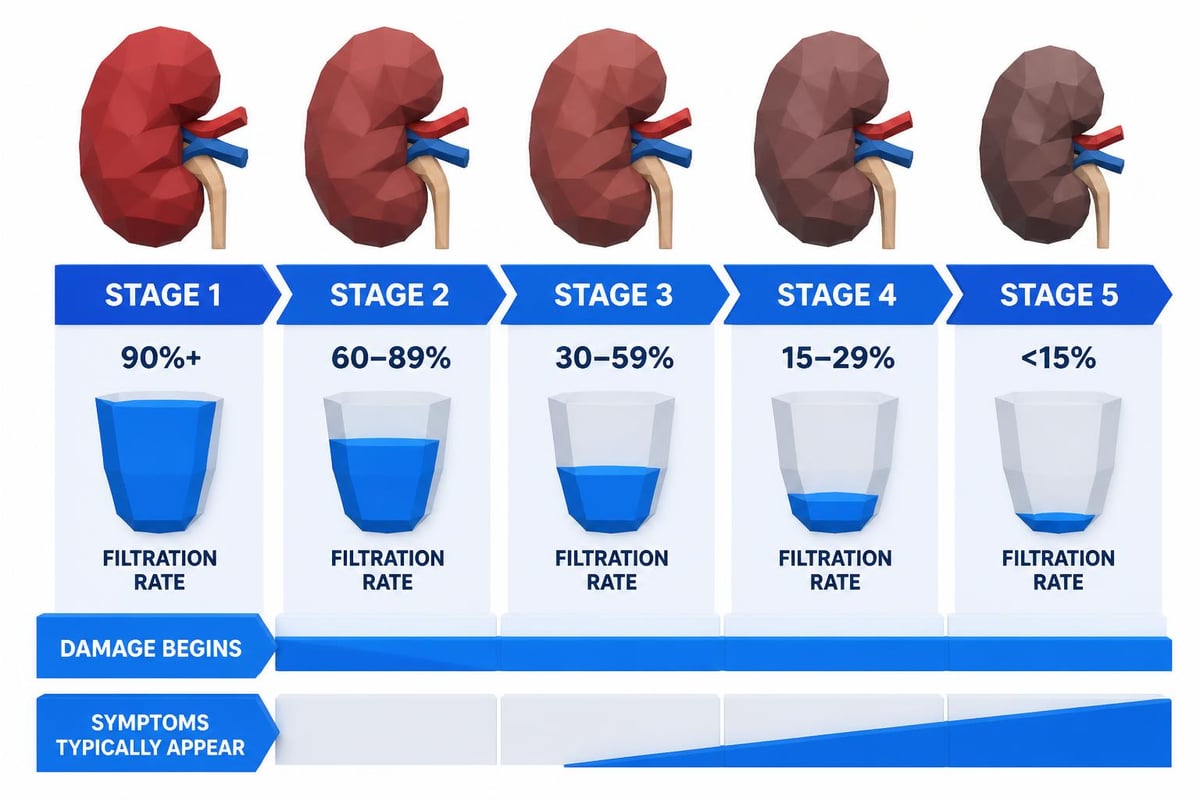
| eGFR Level (mL/min/1.73m²) | CKD Stage | Kidney Function Status |
|---|---|---|
| 90 or higher | Stage 1 | Normal (with kidney damage) |
| 60-89 | Stage 2 | Mild reduction |
| 30-59 | Stage 3 | Moderate reduction |
| 15-29 | Stage 4 | Severe reduction |
| Less than 15 | Stage 5 | Kidney failure |
The National Kidney Foundation emphasizes that tests to check kidney health should include both eGFR and urine albumin measurements for comprehensive assessment.
Blood Urea Nitrogen (BUN)
Blood urea nitrogen measures another waste product that kidneys normally filter from your bloodstream. Urea forms when your body breaks down protein from food. While BUN levels can fluctuate based on diet and hydration status, consistently elevated readings combined with high creatinine suggest kidney dysfunction.
The BUN-to-creatinine ratio helps clinicians distinguish between different types of kidney problems. A high ratio may indicate dehydration or decreased blood flow to the kidneys, while a normal ratio with elevated absolute values suggests intrinsic kidney disease.
Recommended Test
Renal Function Panel
A comprehensive 11-biomarker panel that evaluates kidney health by measuring waste filtration, electrolyte balance, and mineral levels.
Includes 11 biomarkers
$11
Urine Tests That Detect Early Damage
While blood tests measure what kidneys fail to remove, urine tests reveal what kidneys inappropriately release. Different types of kidney function tests examine urine composition to detect early signs of kidney damage before blood markers become abnormal.
Albumin-to-Creatinine Ratio
The albumin-to-creatinine ratio (ACR) test identifies small amounts of albumin protein in urine, a condition called albuminuria or microalbuminuria. Healthy kidneys prevent protein from leaking into urine, so albumin presence signals damaged kidney filters.
This test represents the earliest measurable sign of kidney disease, often detecting problems years before eGFR declines or symptoms develop. For individuals with diabetes or hypertension, annual ACR testing enables intervention before permanent damage occurs.
Complete Urinalysis
A comprehensive urinalysis examines multiple urine characteristics:
- Protein levels beyond just albumin
- Blood cells indicating infection, inflammation, or kidney stones
- Glucose presence suggesting diabetes or kidney glucose regulation problems
- pH and specific gravity revealing concentration ability
- Bacteria, crystals, or casts pointing to specific kidney conditions
This multifaceted analysis provides context for other kidney function tests and may reveal unexpected conditions affecting kidney health.

Warning Signs Most People Overlook
Subtle changes in your body often precede abnormal test results, yet many individuals dismiss these early warnings as normal aging or temporary conditions. Recognizing these signs can prompt timely testing.
Urination Pattern Changes
Pay attention to shifts in urination frequency or appearance. Foamy urine suggests protein leakage, while pale or excessively dilute urine may indicate concentration problems. Increased nighttime urination (nocturia) often signals early kidney dysfunction, as damaged kidneys work overtime to process the previous day's waste.
Energy and Cognitive Changes
Declining kidney function reduces erythropoietin production, a hormone that stimulates red blood cell creation. The resulting anemia causes persistent fatigue that doesn't improve with rest. Additionally, waste product accumulation affects brain function, leading to difficulty concentrating, memory problems, or mental fog that people often attribute to stress or aging.
Subtle Swelling and Skin Changes
Before obvious edema develops, you might notice rings feeling tight, shoes fitting snugly by evening, or slight puffiness around eyes in the morning. These minor fluid retention signs indicate your kidneys struggle to balance fluid levels. Skin itchiness unrelated to allergies or dry conditions can result from phosphorus accumulation when kidneys fail to maintain proper mineral balance.
Who Needs Regular Kidney Function Testing
While anyone can develop kidney disease, certain populations benefit from routine kidney function tests even without symptoms. According to comprehensive medical resources, proactive screening enables early detection when interventions prove most effective.
High-Risk Populations
Individuals with diabetes should undergo kidney function testing at least annually, as diabetic nephropathy represents the leading cause of kidney failure in the United States. High blood glucose damages the delicate filtering structures in kidneys over time, making early detection crucial for preserving function.
People with hypertension face similar risks, as elevated blood pressure damages kidney blood vessels. The relationship works both ways-kidney disease can cause hypertension, creating a destructive cycle that accelerates kidney decline.
Those with cardiovascular disease often have underlying conditions that compromise kidney health. Heart failure reduces blood flow to kidneys, while atherosclerosis can narrow renal arteries, diminishing kidney perfusion.
Additional Screening Candidates
- Family history of kidney disease, particularly polycystic kidney disease or hereditary nephritis
- Autoimmune conditions including lupus, vasculitis, or rheumatoid arthritis
- Recurrent kidney stones that may cause obstruction or infection
- Prolonged medication use of drugs that affect kidney function
- Age over 60 with any additional risk factors
Interpreting Your Test Results
Understanding what your numbers mean empowers you to take appropriate action. However, interpretation requires context-single abnormal results don't necessarily indicate kidney disease, while patterns across multiple tests provide more reliable information.
Normal Range Variations
Laboratory reference ranges vary slightly between facilities, and individual baselines differ based on factors like muscle mass, age, and sex. Men typically have higher creatinine levels than women due to greater muscle mass, while older adults naturally experience some eGFR decline.
The following table shows general reference ranges, though your laboratory may use slightly different values:
| Test | Normal Range | Concerning Level |
|---|---|---|
| Serum Creatinine (men) | 0.7-1.3 mg/dL | Above 1.5 mg/dL |
| Serum Creatinine (women) | 0.6-1.1 mg/dL | Above 1.4 mg/dL |
| eGFR | 90+ mL/min/1.73m² | Below 60 mL/min/1.73m² |
| BUN | 7-20 mg/dL | Above 25 mg/dL |
| Urine Albumin | Less than 30 mg/g | Above 30 mg/g |
For detailed information about what these assessments measure, MedlinePlus provides comprehensive explanations of standard kidney function testing protocols.
Trends Matter More Than Single Results
A single slightly elevated creatinine reading doesn't confirm kidney disease. Temporary factors like dehydration, intense exercise, or high protein intake can affect results. Healthcare providers look for persistent abnormalities across multiple tests spaced weeks or months apart.
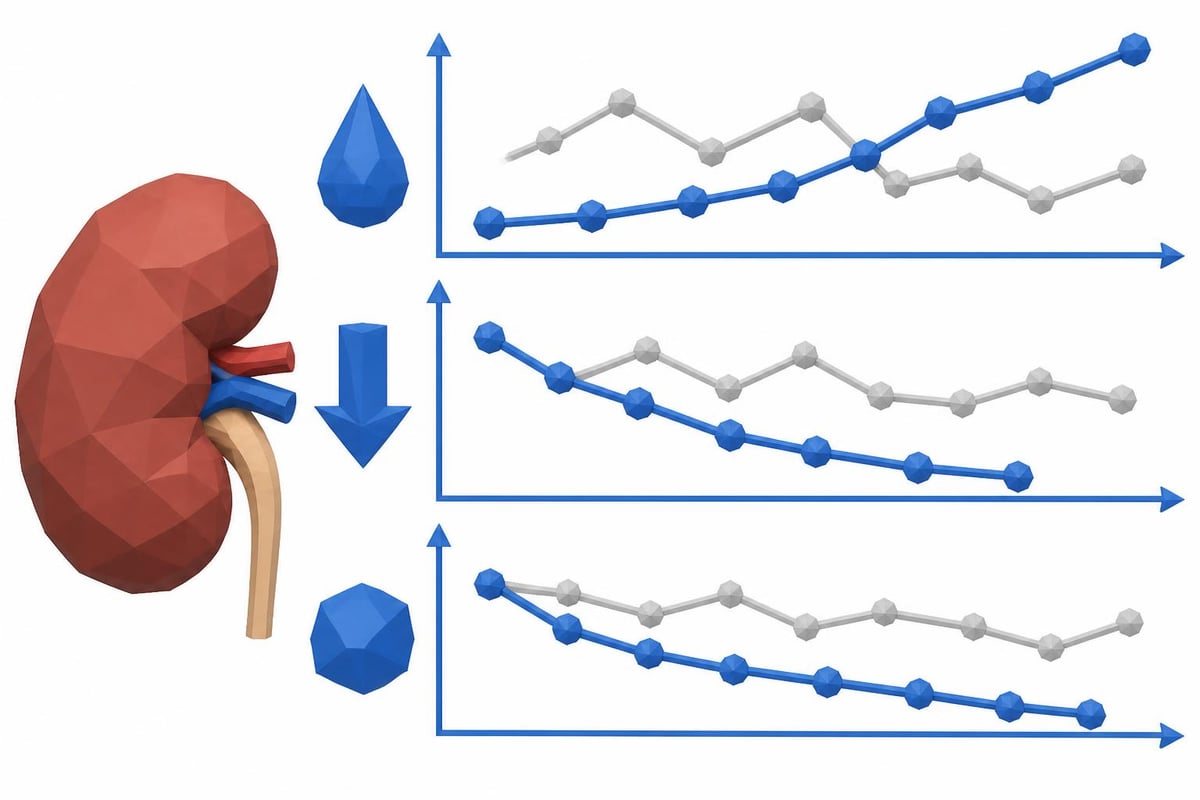
Declining trends prove particularly significant. An eGFR dropping from 75 to 62 over six months raises more concern than a stable reading of 62, even though both fall within Stage 2 CKD territory.
Accessing Testing Without Traditional Healthcare Barriers
Many individuals avoid kidney function tests due to healthcare system challenges-scheduling difficulties, insurance complexities, or concerns about costs and privacy. Modern healthcare alternatives address these barriers.
Direct access lab testing services enable you to request kidney function tests without requiring a doctor's visit or referral. This approach proves particularly valuable for individuals monitoring known risk factors, tracking trends between regular physician appointments, or pursuing proactive health screening.
For those concerned about insurance complications or high costs, lab testing without insurance provides transparent pricing and eliminates claim denials or coverage uncertainties. You know the exact cost upfront and receive results quickly, typically within one to three days.
Recommended Test
Cystatin C with eGFR
Cystatin C is a superior marker for kidney function that provides more accurate results than creatinine, especially for people with unusual muscle mass or those needing precise kidney assessment.
Includes 2 biomarkers
$26
Preparing for Accurate Test Results
Proper preparation ensures your kidney function tests provide reliable information. While most kidney tests don't require extensive preparation, certain factors can influence results and should be managed appropriately.
Hydration and Dietary Considerations
Maintain your normal hydration status before testing. Excessive water consumption can dilute urine and affect concentration measurements, while dehydration may artificially elevate creatinine and BUN levels. Aim for consistent, moderate fluid intake in the 24 hours preceding your test.
Some providers recommend limiting protein intake the evening before blood tests, as high protein consumption can temporarily raise BUN levels. However, this represents a short-term effect rather than true kidney dysfunction, so most standard testing doesn't require dietary restrictions.
Medication and Supplement Disclosure
Inform your testing provider about all medications and supplements you take. Numerous substances affect kidney function measurements:
- Antibiotics (particularly aminoglycosides and cephalosporins)
- NSAIDs like ibuprofen or naproxen
- ACE inhibitors and ARBs used for blood pressure
- Diuretics that alter fluid balance
- Creatine supplements that elevate creatinine independent of kidney function
- Vitamin C in high doses can interfere with some test methodologies
Don't discontinue prescribed medications without medical guidance, but disclosure helps interpret results accurately.
What Happens After Abnormal Results
Discovering kidney function abnormalities understandably causes anxiety, but early detection enables interventions that can slow or halt disease progression. The response to abnormal kidney function tests depends on the severity and suspected cause of kidney impairment.
Follow-Up Testing and Imaging
Initial abnormalities typically prompt repeat testing to confirm results and establish patterns. Your healthcare provider may order additional specialized tests, including:
- Cystatin C, an alternative marker less affected by muscle mass
- 24-hour urine collection for precise creatinine clearance calculation
- Kidney ultrasound to assess size, structure, and potential obstructions
- Additional blood work examining electrolytes, minerals, and other kidney-regulated substances
Comprehensive kidney testing resources explain how different tests work together to create a complete picture of kidney health.
Treatment and Monitoring Strategies
Early-stage kidney disease management focuses on addressing underlying causes and slowing progression. Strategies include:
- Blood pressure optimization through medications and lifestyle changes
- Blood glucose control for individuals with diabetes
- Dietary modifications including protein, sodium, and phosphorus management
- Medication adjustment to avoid nephrotoxic drugs and properly dose kidney-cleared medications
- Regular monitoring with repeated kidney function tests every three to six months
For individuals who want convenient access to follow-up testing, browsing available tests online allows you to schedule monitoring on your timeline without repeated doctor visits for routine orders.
The Financial Reality of Kidney Testing
Understanding the costs associated with kidney function tests helps you make informed decisions about proactive screening versus waiting for insurance-covered diagnostic testing when problems arise.
Traditional healthcare settings often bundle kidney tests with office visits, generating separate charges for the consultation, blood draw, laboratory processing, and results interpretation. These itemized costs quickly accumulate, and insurance coverage varies dramatically based on whether testing is deemed diagnostic (medically necessary) or preventive.
Direct-access laboratory services typically offer transparent, all-inclusive pricing significantly below traditional fee-for-service costs. A comprehensive kidney function panel that might cost $200-400 through conventional channels becomes accessible for a fraction of that amount when you bypass administrative overhead.
This pricing transparency proves particularly valuable for individuals with high-deductible insurance plans, where you pay full costs until meeting your deductible anyway. The streamlined process eliminates claim submissions, pre-authorizations, and surprise billing.
Taking Control of Your Kidney Health
The silent progression of kidney disease makes proactive screening essential, particularly for high-risk individuals. Kidney function tests represent powerful tools that detect problems years before symptoms emerge, creating opportunities for intervention that can preserve kidney function and prevent progression to dialysis or transplantation.
Understanding which tests measure what aspects of kidney health empowers you to request appropriate screening and interpret results meaningfully. Blood tests measuring creatinine, eGFR, and BUN assess filtration efficiency, while urine tests detecting albumin identify the earliest signs of kidney damage.
Don't wait for symptoms that arrive only after substantial, potentially irreversible kidney damage has occurred. If you have diabetes, hypertension, cardiovascular disease, or a family history of kidney problems, annual screening provides peace of mind or early warning that enables timely intervention.
Monitoring your kidney health through regular testing helps you catch problems early when interventions prove most effective. Whether you're tracking known risk factors or pursuing proactive health screening, convenient access to kidney function tests without the complexity of traditional healthcare systems makes staying informed about your renal health straightforward and affordable. Justlabs provides transparent pricing and quick results, typically available within one to three days, so you can take control of your kidney health on your schedule.