Imagine opening your digital health portal and spotting the words "full blood count abnormal" on your latest test results. It is natural to feel confused or even anxious about what this means for your well-being.
This guide is designed to give you clarity, breaking down every aspect of full blood count abnormal results in 2026. You will learn the basics, explore common causes, and discover exactly what your results might indicate.
We will walk through interpretation steps, practical next actions, and highlight the latest advances in blood testing. Take charge of your health with the knowledge and confidence you need.
Big picture
A full blood count abnormal result can feel alarming, but it is one of the most common findings in routine healthcare today. The full blood count (FBC) is a vital blood test that measures your red blood cells, white blood cells, and platelets, providing an overview of your blood health.
- Abnormal results may indicate a range of issues such as infections, anemia, immune system problems, or, rarely, more serious conditions.
- Each year, millions of FBCs are performed, and up to 20% of them show at least one abnormal parameter.
- A full blood count abnormal result can affect anyone, regardless of age or current health status.
- Understanding why your FBC is abnormal gives you the power to ask better questions and make informed decisions with your healthcare provider.
- For a deeper look at what these tests measure and how to interpret your results, see the Complete Blood Count (CBC) with Differential guide.
- The next step is to learn what each part of your FBC means and which abnormalities require action.
Taking the time to understand your full blood count abnormal findings is the first step toward better health and peace of mind.
If you want to see exactly what a full blood count includes and how results are reported, you can review the test here.
Recommended Test
Complete Blood Count with Differential
The CBC with Differential is one of the most commonly ordered blood tests, providing a comprehensive snapshot of your overall health through detailed blood cell analysis.
Includes 14 biomarkers
$6
Understanding the Full Blood Count: Components and Reference Ranges
A full blood count abnormal result can be concerning, but understanding what the test measures and how results are reported can help you take control of your health. In 2026, FBCs are more accessible and informative than ever, thanks to advances in medical technology and digital health.
What is a Full Blood Count?
A full blood count is a routine blood test that provides a snapshot of your body's main blood cells. It is frequently used in annual check-ups, chronic disease monitoring, and when investigating symptoms like fatigue or infections. In 2026, it remains a frontline screening tool for both adults and children.
The main components measured in an FBC include:
- Red blood cells (RBC)
- White blood cells (WBC)
- Platelets
- Hemoglobin
- Hematocrit
- Mean corpuscular volume (MCV)
- Mean corpuscular hemoglobin (MCH)
- Mean corpuscular hemoglobin concentration (MCHC)
- Red cell distribution width (RDW)
Each component has a reference range that reflects what is considered normal for your age, sex, and sometimes ethnicity. These ranges are updated regularly based on the latest research. For example, in 2026, standard adult reference ranges from Quest Diagnostics and the NHS are as follows:
| Parameter | Adult Reference Range (2026) | Children Reference Range (2026) |
|---|---|---|
| RBC (x10^12/L) | 4.2–5.9 (men), 3.8–5.2 (women) | 4.0–5.5 |
| WBC (x10^9/L) | 3.5–10.5 | 5.0–15.0 |
| Platelets (x10^9/L) | 150–400 | 180–450 |
| Hemoglobin (g/dL) | 13.5–17.5 (men), 12.0–15.5 (women) | 11.0–15.0 |
These values can vary slightly between labs. A full blood count abnormal result means one or more components fall outside these reference ranges. However, not every abnormality signals a serious problem. The FBC is a screening test, not a definitive diagnosis.
Common causes for a full blood count abnormal finding include iron deficiency, chronic disease, or vitamin deficiencies like B12. If your doctor suspects a deficiency, they may recommend additional tests such as a Vitamin B12 Blood Test Information to pinpoint the cause of anemia or other irregularities.
Knowing the basics of the FBC helps you interpret your own results, ask informed questions, and understand when further action is needed.
How FBC Results Are Reported in 2026
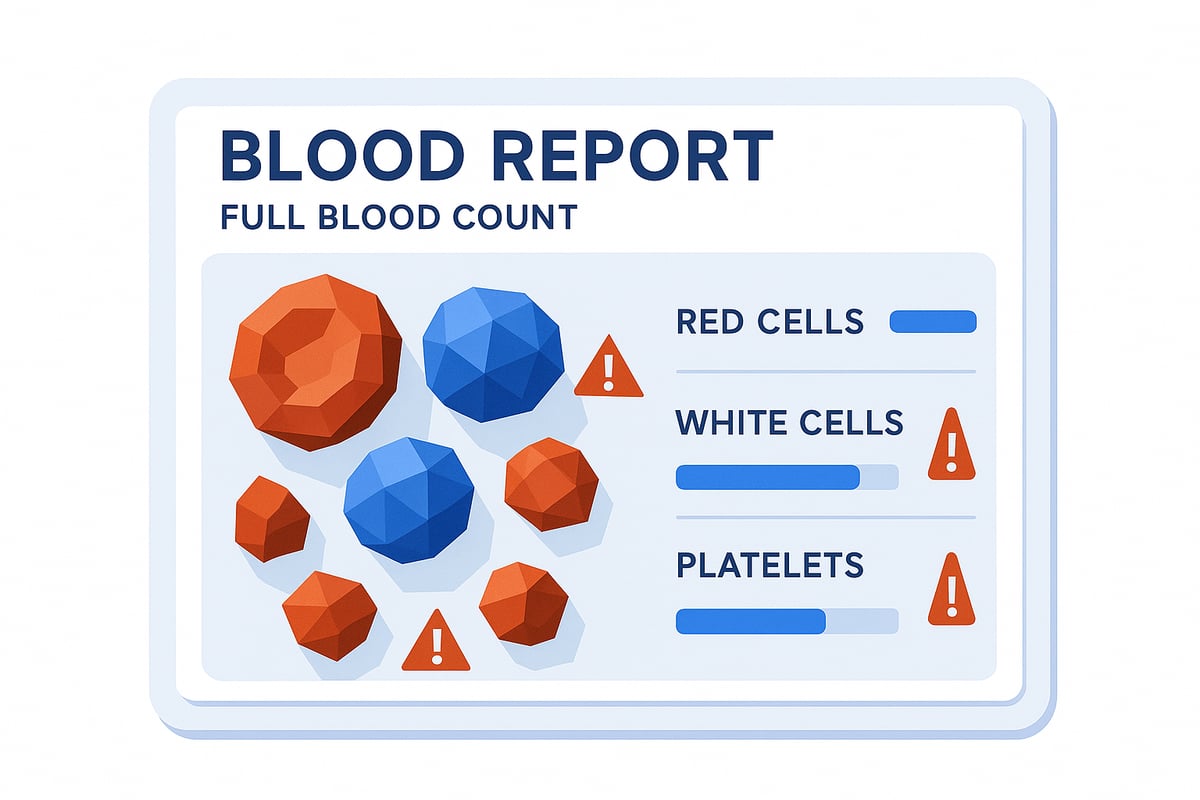
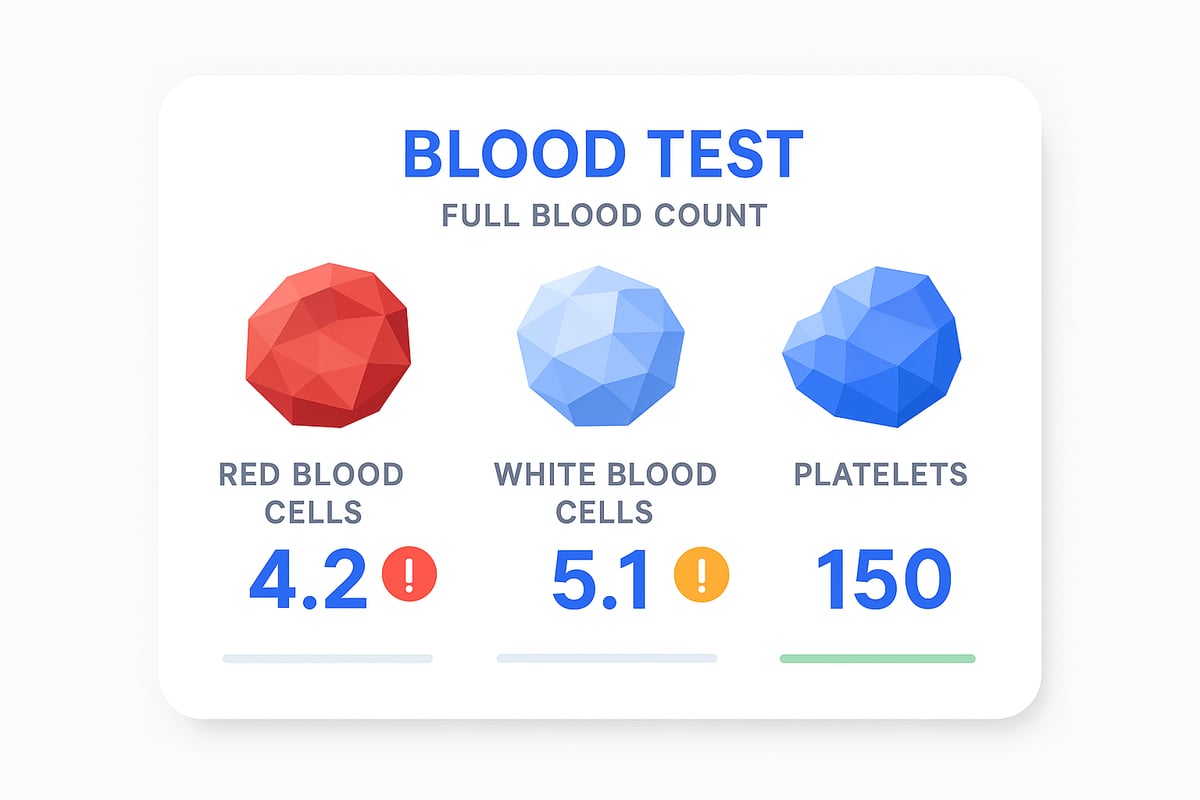
In 2026, full blood count abnormal results are delivered through modern digital platforms and patient portals. These systems offer easy-to-read dashboards that display your FBC values, compare them to reference ranges, and highlight any abnormalities.
Results are often color-coded: green for normal, orange or red for out-of-range values. If you receive a full blood count abnormal flag, the system will typically provide a brief summary explaining which component is affected and whether follow-up is recommended.
A sample digital FBC report might show:
- Hemoglobin: 11.2 g/dL (Low, flagged in orange)
- WBC: 13.2 x10^9/L (High, flagged in red)
- Platelets: 250 x10^9/L (Normal, green)
This clear visual presentation helps you and your provider quickly identify full blood count abnormal findings and prioritize next steps. Many platforms also allow you to track trends over time, making it easier to spot persistent or emerging issues.
Understanding how results are reported empowers you to spot a full blood count abnormal result early and communicate more effectively with your healthcare team.
Common Causes of Abnormal Full Blood Count Results
Abnormal results on a full blood count abnormal report can be unsettling, but they are surprisingly common. Understanding the possible causes is the first step to making sense of your results and knowing when to take action. Most abnormalities fall into one of three categories: red blood cells, white blood cells, or platelets. Sometimes, more than one area is affected.

Red Blood Cell Abnormalities
Red blood cells (RBCs) transport oxygen throughout your body. A full blood count abnormal result may show low RBC, hemoglobin, or hematocrit, which indicates anemia. Common causes include iron deficiency, chronic diseases like kidney disorders, blood loss from menstruation or gastrointestinal issues, and deficiencies in vitamin B12 or folate.
High RBC, hemoglobin, or hematocrit levels suggest polycythemia. This may result from dehydration, living at high altitude, smoking, or rare bone marrow conditions. In some cases, a temporary increase is seen after intense exercise.
Iron deficiency anemia is especially prevalent, affecting about 5% of women and 2% of men in the United States. If your full blood count abnormal report suggests anemia, your provider may order an Iron and TIBC Blood Test to investigate further. Addressing the underlying cause often leads to improvement in blood counts.
Recommended Test
Iron and Total Iron Binding Capacity
This test measures your circulating iron, your body's iron-carrying capacity (TIBC), and iron saturation percentage - giving you a complete picture of how your body handles iron.
Includes 3 biomarkers
$9
Fasting required
White Blood Cell Abnormalities
White blood cells (WBCs) defend your body against infections. A full blood count abnormal result can show elevated WBCs, known as leukocytosis. This often points to infections such as bacterial illnesses, but can also be triggered by inflammation, stress, or blood cancers like leukemia.
Low WBCs, or leukopenia, may develop after viral infections, as a side effect of certain medications, or because of autoimmune diseases. Some bone marrow disorders also cause low white counts. For example, acute bacterial infections tend to raise WBCs sharply, while chronic conditions like leukemia may show persistent elevation.
If your full blood count abnormal result includes low or high WBCs, your doctor will consider your symptoms and recent health events to decide on next steps.
Platelet Abnormalities
Platelets help your blood clot and stop bleeding. A full blood count abnormal report may reveal low platelets, called thrombocytopenia. This can be caused by viral infections, autoimmune conditions, certain medications, or liver disease.
High platelets, known as thrombocytosis, often occur with inflammation, iron deficiency, or bone marrow disorders called myeloproliferative neoplasms. Sometimes, platelets rise temporarily after injury or surgery.
Both low and high platelets can be detected during routine health checks. If you notice bruising, bleeding, or unusual clotting, these symptoms combined with a full blood count abnormal result may prompt urgent evaluation.
Mixed or Multiple Abnormalities
Sometimes, more than one blood count parameter is abnormal. For instance, anemia and low platelets together may suggest an autoimmune process or bone marrow issue. If all three cell types are affected, this is known as pancytopenia and may require specialist evaluation.
The clinical context is crucial. Symptoms, recent illnesses, medications, and overall health status all influence what a full blood count abnormal result means for you. Always discuss your findings with a healthcare provider to ensure appropriate interpretation and follow-up.
How to Interpret Your Abnormal FBC: Step-by-Step Guide
Seeing a full blood count abnormal result can be unsettling. Understanding your report is key to making informed decisions, reducing anxiety, and knowing when to act. This step-by-step guide will help you break down your results and take control of your health journey.
Step 1: Identify Which Parameters Are Abnormal
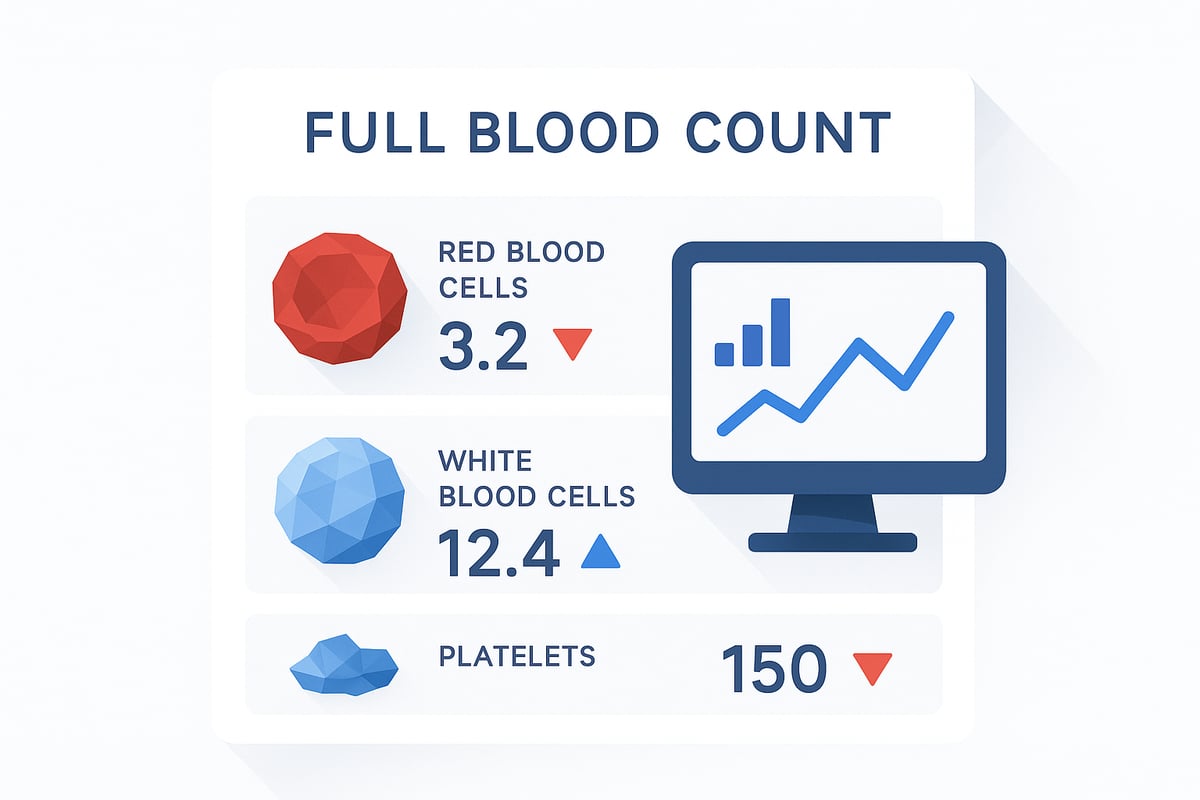
Begin by reviewing your full blood count abnormal report. Look for values flagged as “high” or “low” compared to the reference ranges provided by your lab. These ranges can vary based on age, sex, and even laboratory standards.
Some digital reports use color-coding or symbols to highlight abnormal findings. Keep in mind that reference ranges are not always standardized everywhere. For example, a recent study on variation in complete blood count reports across US hospitals shows how different labs may use slightly different cut-offs. Always compare your results to the specific range listed on your report.
Step 2: Consider Your Symptoms and Medical History
Next, relate your full blood count abnormal findings to how you feel and your personal health background. Are you experiencing symptoms like fatigue, unusual bruising, frequent infections, or bleeding?
Your medical history is crucial. Chronic illnesses, recent infections, surgeries, or medications can all influence your blood counts. Make a list of your current symptoms and discuss them with your healthcare provider, as this context helps determine the significance of your abnormal results.
Step 3: Common Patterns and What They Suggest
Look for patterns in your full blood count abnormal report. Is just one value out of range, or are multiple parameters affected?
- Isolated anemia (low red cell values) often points to iron deficiency or chronic disease.
- High white cell counts with fever usually suggest infection.
- Low platelets with bruising or bleeding may indicate a need for urgent evaluation.
Patterns provide important clues, but remember that only a clinician can connect these findings to a specific diagnosis.
Step 4: Recent Factors That May Affect Results
Sometimes a full blood count abnormal result is temporary, caused by recent events. Consider these common factors:
- Recent viral or bacterial infection
- Use of certain medications (like antibiotics or chemotherapy)
- Menstruation or pregnancy
- Dehydration or recent strenuous exercise
Ask yourself if anything has changed in your health or routine before your blood draw. Temporary changes often resolve on their own, but persistent abnormalities should always be checked again.
Step 5: When to Seek Immediate Medical Attention
Some full blood count abnormal findings require prompt action. Watch for these warning signs:
| Urgent Finding | What to Watch For |
|---|---|
| Severe anemia | Shortness of breath, pale skin |
| Very low platelets | Easy bruising, bleeding gums |
| Extremely high white cells | Fever, confusion, severe fatigue |
If you experience any of these symptoms, contact your healthcare provider or seek emergency care immediately. Severe abnormalities are rare in routine testing but can signal life-threatening conditions.
Step 6: Next Steps and Follow-Up
After identifying your full blood count abnormal results and understanding their context, plan your next steps. This often includes repeat testing to confirm the findings. Sometimes, additional blood tests such as iron studies, vitamin B12, or reticulocyte count are needed.
Prepare for your follow-up appointment by bringing your results, a list of symptoms, and all medications or supplements you are taking. If your abnormalities persist or remain unexplained, your doctor may refer you to a hematologist or other specialist for further evaluation.
Recommended Panel
Comprehensive Wellness Panel
Save $4.50Our most thorough health screening covers blood cells, organ function, cholesterol, thyroid, blood sugar, vitamin D, inflammation, and iron - everything you need for a complete health picture.
Includes 44 biomarkers
$94
Fasting required
Latest Advances and Trends in Full Blood Count Testing (2026)
The landscape of blood testing is rapidly evolving. With the rise of advanced technologies and a growing focus on personalized medicine, understanding what a full blood count abnormal result means is more important than ever. Here is what you need to know about the latest breakthroughs and how they impact your health journey.
New Technologies in Blood Testing
Blood count analysis is now powered by artificial intelligence and automation. Modern analyzers can process thousands of samples per hour, flagging potential full blood count abnormal results instantly. These machines use algorithms to detect subtle patterns and provide early warnings for clinicians.
Patients can access their results through secure digital dashboards. These platforms highlight abnormalities with color-coded alerts and offer user-friendly explanations. Some systems even integrate with wearable devices, allowing users to track health trends over time.
Machine learning is also making headlines. For example, research has shown that Machine Learning Predicts SARS-CoV-2 from Blood Counts, demonstrating how AI can help identify infections and interpret complex data. This progress means that full blood count abnormal findings can be evaluated more quickly and accurately, empowering both patients and healthcare providers.
Personalized Reference Ranges
Traditional reference ranges for blood counts often failed to account for individual differences. In 2026, laboratories are moving toward personalized reference values. These take into account a person’s age, sex, ethnicity, and even genetic background.
With these advances, a full blood count abnormal result is interpreted in context, reducing unnecessary concern for healthy individuals who may fall outside generic ranges. For example, reference ranges for hemoglobin or white blood cells now adjust for pediatric, adult, and geriatric populations, as well as for specific ethnic groups.
Large health systems are also developing reference range customization tools. These systems integrate patient history and population data to provide more meaningful results. This shift means fewer false alarms and a better understanding of what a full blood count abnormal really means for each unique patient.
At-Home and Direct-to-Consumer Testing
At-home blood testing is more accessible than ever. Self-pay kits and direct-to-consumer services now offer full blood count panels without a doctor’s visit. People appreciate the privacy, convenience, and speed these options provide.
However, interpreting a full blood count abnormal result from an at-home test can be challenging. Without expert guidance, it is easy to misinterpret minor fluctuations or transient changes. Most providers recommend follow-up with a healthcare professional for any concerning results.
It is important to remember that while at-home tests improve access, they do not replace professional medical advice. The best practice is to use these tools as part of a broader health strategy, always confirming any full blood count abnormal finding with a trusted provider.
Many people now choose self-pay options to monitor blood counts over time.
Recommended Test
Complete Blood Count with Differential
The CBC with Differential is one of the most commonly ordered blood tests, providing a comprehensive snapshot of your overall health through detailed blood cell analysis.
Includes 14 biomarkers
$6
The Role of FBC in Preventive Health
Full blood count testing has become a cornerstone of preventive medicine. Annual wellness checks often include FBCs to monitor for early signs of anemia, infection, or other health issues. With digital health integration, results can be tracked alongside other wellness metrics, such as heart rate and sleep patterns.
This holistic approach helps people and their doctors spot trends early. If a full blood count abnormal result appears, it can prompt timely lifestyle changes or medical intervention. Many chronic conditions, from autoimmune diseases to cardiovascular risks, show up first as subtle blood count changes.
In 2026, FBCs are not just diagnostic tools but also guides for proactive health management. By paying attention to full blood count abnormal results, individuals can take informed steps toward long-term wellness and prevention.
What to Do if Your FBC is Abnormal: Practical Steps and Resources
Receiving a full blood count abnormal result can feel overwhelming, but knowing what to do next makes a big difference. Taking practical steps and accessing the right resources will help you understand your results, communicate with your healthcare provider, and take charge of your health journey.
Confirm and Understand Your Results
Start by carefully reviewing your full blood count abnormal report. Check for any flagged values and compare them to the reference ranges provided by your lab or healthcare provider. Sometimes, abnormal results are due to temporary issues like recent illness, dehydration, or even lab errors.
If your platelet count is abnormal, your doctor may order additional tests, such as a comprehensive metabolic panel, to help clarify the cause. You can read more about how these tests work together in the Platelet Count and Thrombocytopenia resource.
Make sure you understand which parameters are outside the normal range and by how much. If you are unsure, ask your provider for a detailed explanation.
Communicate with Your Healthcare Provider
It is important to discuss your full blood count abnormal findings with your healthcare provider. Prepare a list of questions before your appointment, such as:
- What could be causing these abnormal results?
- Are there any symptoms I should watch for?
- What follow-up tests or monitoring are recommended?
Bring a detailed history of your symptoms, medications, supplements, and any recent illnesses. Open, honest communication will help your provider determine the best next steps for you.
Do not hesitate to ask for clarification if any part of your report is confusing.
Lifestyle and Diet Considerations
Certain lifestyle and dietary changes can support better blood health, especially if you have a full blood count abnormal result. Focus on:
- Eating iron-rich foods like lean meats, beans, and leafy greens.
- Including sources of vitamin B12 and folate, such as eggs and fortified cereals.
- Maintaining proper hydration.
Supplements may be helpful if you have confirmed deficiencies, but do not start new supplements without consulting your provider. Some substances can interfere with blood counts or interact with medications.
A balanced diet and healthy lifestyle support recovery and can improve your future test results.
Monitoring and Follow-Up
After a full blood count abnormal finding, your provider may recommend repeat testing to confirm results and monitor trends. The frequency depends on the degree of abnormality and your overall health status.
Keep a symptom diary and record any changes in your health. This information helps your healthcare team track progress and decide if additional tests are needed.
Regular monitoring is especially important if you have ongoing symptoms or multiple abnormal values.
When to Consider Specialist Referral
If your full blood count abnormal results are persistent or unexplained, your provider may refer you to a hematologist. This is especially important if you have severe abnormalities, symptoms like unexplained bleeding, or a family history of blood disorders.
Research shows that certain blood count abnormalities, like peripheral blood cytopenia, can increase the risk of cardiovascular disease and other complications. Learn more about these risks in the Peripheral Blood Cytopenia and Cardiovascular Risk study.
Specialist evaluation ensures you receive focused care and access to advanced diagnostics when needed.
Reliable Online Resources and Support
Finding trustworthy information is key when managing a full blood count abnormal result. Look for resources from government health agencies, reputable medical organizations, and patient advocacy groups.
Support groups—both online and in-person—can provide practical advice and emotional support as you navigate your diagnosis. Connecting with others who have similar experiences can help you feel less isolated and more empowered.
Always verify the credibility of any online information before making health decisions.
FAQ: Full Blood Count Abnormalities
Navigating a full blood count abnormal result can be confusing. Below, we answer the most common questions patients have about what these results mean, how to interpret them, and what steps to take next. Whether you are reviewing your first test or monitoring ongoing changes, these answers provide clarity and confidence.
What does it mean if only one part of my FBC is abnormal?
A full blood count abnormal result affecting a single parameter is common. For example, only low hemoglobin may signal mild anemia, while a raised white cell count could reflect a recent infection or inflammation. Most isolated abnormalities are temporary or benign, but your doctor will consider patterns and your health history before deciding on further action.
Can medications or supplements affect my FBC results?
Yes, many medications and supplements can lead to a full blood count abnormal result. Antibiotics, chemotherapy, anticonvulsants, and even over-the-counter supplements like vitamin B12 or iron may change your levels. Always tell your healthcare provider about anything you are taking, as this context helps interpret the results accurately.
How often should I have a full blood count done?
The need for full blood count abnormal monitoring depends on your health status. For healthy adults, FBC is usually part of an annual checkup. If you have chronic illness, are on certain medications, or have new symptoms, your doctor may recommend more frequent testing. Follow your provider’s advice for the best schedule.
Is an abnormal FBC always a sign of something serious?
A full blood count abnormal result does not always mean a serious issue. Many common conditions, such as minor infections or nutritional deficiencies, can cause temporary changes. However, persistent or multiple abnormalities may require further investigation. For example, infections like COVID-19 can lead to blood changes such as lymphopenia and anemia, as explored in Hematological Abnormalities in COVID-19 Patients.
What follow-up tests are usually recommended?
If your full blood count abnormal result persists or is severe, doctors may order follow-up tests. These can include iron studies, vitamin B12 levels, folate, reticulocyte count, or bone marrow studies. The choice depends on which blood cell lines are affected and your specific symptoms.
Can I interpret my FBC results without a doctor?
While digital lab portals provide easy access to your full blood count abnormal results, self-interpretation is not recommended. Many factors, such as recent illness, medications, or lab errors, can affect values. A healthcare professional will consider your overall health, symptoms, and context before drawing conclusions.
Are FBC reference ranges changing in 2026?
Yes, some reference ranges for full blood count abnormal results are being updated in 2026. Advances in technology and greater understanding of age, sex, and ethnicity differences are leading to more personalized reference ranges. Always check which ranges your lab uses, as these may differ.
What’s the difference between FBC and CBC?
FBC (Full Blood Count) and CBC (Complete Blood Count) are terms used interchangeably, especially in the US and UK. Both refer to the same test, measuring red cells, white cells, and platelets. No difference exists in what is measured or how a full blood count abnormal result is interpreted.
Now that you have a clearer understanding of what an abnormal full blood count can mean for your health, you might be wondering how to take the next step with confidence. Taking control starts with accessible, transparent testing—no insurance or doctor visit required. With JustLabs, you have the freedom to order reliable lab tests online and get results quickly, so you’re never left waiting or uncertain. If you’re ready to check your blood health or want to monitor ongoing changes, you can easily Order Tests and gain the insights you need to make informed decisions about your well-being.
Recommended Test
Complete Blood Count with Differential
The CBC with Differential is one of the most commonly ordered blood tests, providing a comprehensive snapshot of your overall health through detailed blood cell analysis.
Includes 14 biomarkers
$6