Imagine feeling tired, foggy, or noticing changes in your body, yet every standard blood test comes back “normal.” This experience is common, and it leaves many searching for answers.
Functional blood testing is changing the landscape in 2026 by looking deeper to uncover what traditional labs may miss. This guide explains how functional blood testing identifies early imbalances, explores root causes, and helps you optimize your health.
You will learn what functional blood testing is, how it compares to conventional testing, which markers matter most, when to consider it, and how to access affordable options. Discover how functional blood testing can empower your health journey with proactive, personalized insights.
Understanding Functional Blood Testing: What Sets It Apart?
Have you ever felt unwell, struggled with persistent fatigue, or experienced brain fog, yet your standard blood tests report everything as “normal”? This is where functional blood testing offers a new perspective, focusing on the bigger picture of your health.

What Is Functional Blood Testing?
Functional blood testing takes a holistic approach, looking for patterns across multiple body systems instead of searching for a single diagnosis. Rather than focusing only on whether you have a specific disease, this method seeks to uncover the underlying imbalances that may be causing your symptoms. By analyzing your metabolic, hormonal, immune, and nutrient markers together, functional blood testing provides a more complete view of your health and helps identify issues at an earlier stage.
Functional vs. Conventional Blood Tests
The main difference between functional blood testing and standard lab work lies in their goals and interpretation. Conventional blood tests are designed to detect diseases once they have reached a clear threshold. If your results fall within a wide “normal” range, you may be told everything is fine, even if you still feel off.
Functional blood testing, on the other hand, uses narrower reference ranges. These “functional” ranges are set according to what is considered optimal for health, not just absence of disease. This means subtle shifts—even when still technically “normal”—can signal an early imbalance that deserves attention. For more details on how these differences play out in practice, see the Functional Blood Testing Information Packet.
| Conventional Blood Testing | Functional Blood Testing | |
|---|---|---|
| Focus | Diagnose disease | Prevent, optimize, find root |
| Reference Range | Broad “normal” | Narrow, “optimal” |
| Interpretation | Single markers | Patterns across systems |
| When to Act | After clear abnormality | At earliest sign of imbalance |
Functional Reference Ranges: Early Detection
By applying these tighter ranges, functional blood testing can reveal problems before they become obvious. For example, a standard thyroid test might only flag an issue if your TSH is far outside the normal range. Functional blood testing, however, would consider if your TSH or free T3 is drifting toward the edge, even if not truly abnormal yet.
Pattern Recognition in Functional Blood Testing
One of the strengths of functional blood testing is its ability to connect the dots across many markers. Instead of viewing each test in isolation, practitioners look for patterns that might explain your symptoms. For instance, a cluster of slightly elevated fasting insulin, borderline glucose, and low HDL cholesterol might indicate early metabolic dysfunction, even if none are outright abnormal. This pattern recognition is crucial for spotting risks early and tailoring recommendations to your unique needs.
Prevention and Optimization, Not Just Disease Management
Functional blood testing is grounded in prevention and optimization. The goal is not just to rule out disease but to help you feel your best. This approach is particularly valuable since chronic disease now affects about 1 in 2 Americans, and many early imbalances go undetected with conventional testing.
Common Misconceptions and Clinical Context
It is important to remember that functional blood testing does not replace medical diagnosis. Instead, it complements standard care, offering deeper insight for those with unexplained symptoms or anyone seeking a proactive, personalized health strategy. All results require clinical context and professional follow-up, as no single marker tells the whole story.
For patients who want more answers, self-pay options like JustLabs make comprehensive panels accessible without insurance or a doctor’s visit, with transparent pricing and fast results.
Key Markers and Panels in Functional Blood Testing
Understanding which markers are measured and how they are interpreted is at the heart of functional blood testing. Unlike standard lab work, functional blood testing takes a holistic approach, analyzing patterns across multiple systems to uncover early imbalances before disease develops. Let’s break down the most important markers, what they reveal, and how comprehensive panels can provide deeper insight into your health.
Common Markers in Functional Testing
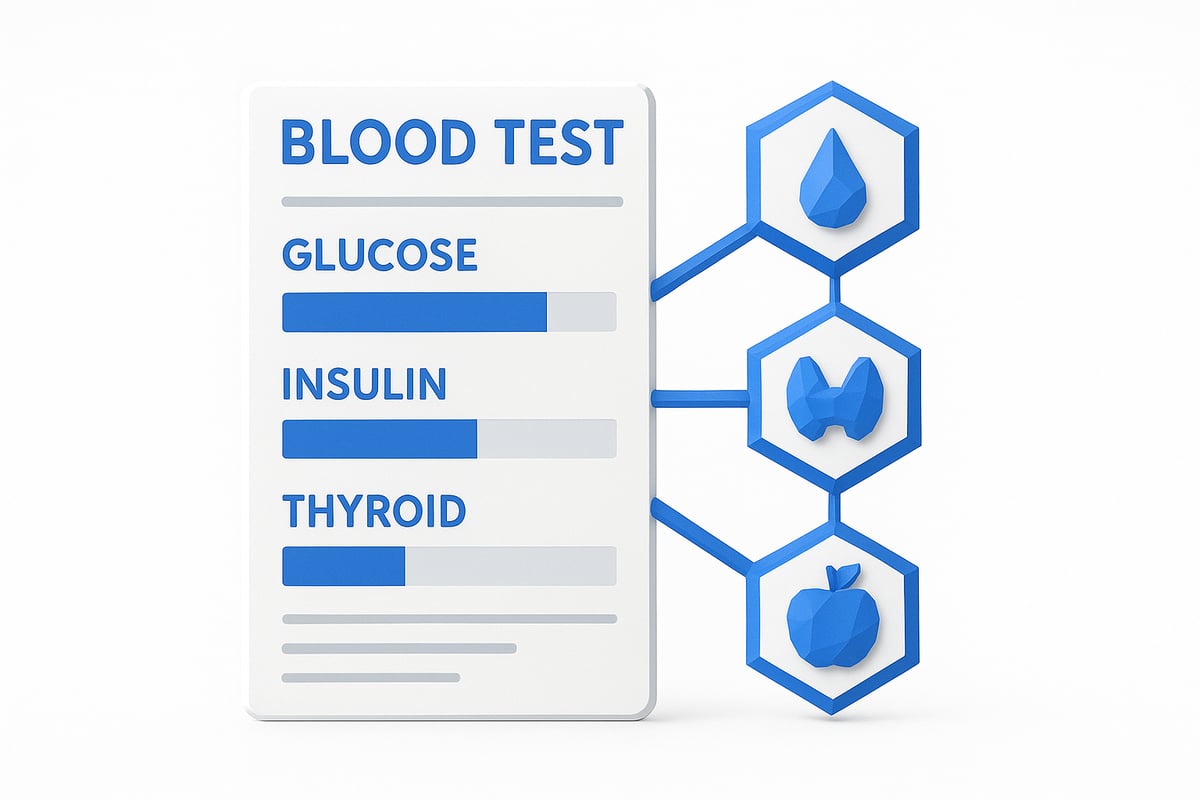
Functional blood testing begins with a set of core markers that offer a snapshot of your body’s metabolic, hormonal, and nutritional status. These typically include glucose, fasting insulin, HbA1c, a lipid panel, thyroid hormones, and essential nutrients like vitamin D, B12, and iron.
What sets functional blood testing apart is the use of narrower, optimized reference ranges. Where conventional labs may flag only severe abnormalities, functional blood testing looks for early shifts that signal underlying imbalances. For example, a fasting glucose of 99 mg/dL may be considered “normal” in traditional labs, but functional blood testing might flag this as a sign of early insulin resistance.
Comparison Table: Conventional vs. Functional Ranges
| Marker | Conventional Range | Functional Range |
|---|---|---|
| Fasting Glucose | 65–99 mg/dL | 75–86 mg/dL |
| Fasting Insulin | 2–24 uIU/mL | 2–8 uIU/mL |
| Vitamin D | 30–100 ng/mL | 50–80 ng/mL |
Functional blood testing also excels at connecting patterns across markers. For example, a combination of elevated triglycerides, low HDL, and borderline fasting glucose can signal metabolic syndrome, even when each marker falls within the “normal” range individually. Subtle shifts in liver enzymes, kidney markers, or inflammatory proteins like hs-CRP can provide early warnings about systemic stress or inflammation.
By viewing these markers together, functional blood testing uncovers imbalances that can help guide proactive lifestyle or nutritional changes before symptoms worsen.
Functional Thyroid Blood Testing Explained
For many people, thyroid symptoms such as fatigue, weight changes, or brain fog persist despite a “normal” TSH on standard labs. Functional blood testing for thyroid health goes beyond TSH to examine a complete picture of thyroid function, conversion, and potential autoimmunity.
Common Markers in Functional Thyroid Blood Testing:
- TSH (Thyroid Stimulating Hormone): Reflects pituitary signaling to the thyroid gland.
- Free T4: Measures the main hormone produced by the thyroid.
- Free T3: Assesses the active form of thyroid hormone available to cells.
- TPO Antibodies: Screens for autoimmune activity against thyroid tissue.
- Tg Antibodies: Detects another form of thyroid-directed autoimmunity.
- Reverse T3 (when indicated): Evaluates the body’s conversion of T4 to inactive thyroid hormone.
While conventional testing often stops at TSH, functional blood testing interprets all these markers in context. For instance, someone may have a TSH within the traditional range but low free T3, suggesting poor hormone conversion and persistent symptoms. Checking antibodies is crucial, as early autoimmune thyroid issues can be present even before TSH or T4 become abnormal.
It’s important to remember that functional blood testing does not diagnose disease by itself. Results must be reviewed in clinical context, ideally with a qualified practitioner, to develop a personalized plan. Self-pay options like JustLabs make it easier to access comprehensive thyroid panels with transparent pricing and fast results, supporting a deeper understanding of your thyroid health.
Advanced and Specialty Functional Panels
Functional blood testing offers a wide array of advanced and specialty panels designed to address specific health goals or persistent symptoms. Comprehensive panels may include metabolic, cardiometabolic, hormone, nutrient, immune, and inflammation markers. These panels help identify patterns such as chronic inflammation, oxidative stress, or nutrient deficiencies that could contribute to fatigue, poor recovery, or unexplained symptoms.
Specialty markers—such as homocysteine for methylation status or hs-CRP for inflammation—are often included for those seeking longevity, performance optimization, or answers to complex health challenges. Functional blood testing can also incorporate non-blood samples like urine, saliva, or stool to assess hormones, detoxification, and gut health, providing an even broader health perspective.
Real-world scenarios include athletes optimizing recovery, people with chronic conditions seeking root-cause insights, or anyone wanting a proactive approach to health management. If you are interested in exploring the full range of available panels, you can review the Comprehensive Functional Test Panels offered by JustLabs to find the right fit for your needs.
Functional blood testing empowers individuals to take control of their health journey by revealing imbalances that standard testing might miss. With personalized, actionable insights, you can work with your clinician to develop a targeted plan for prevention and optimization.
When Should You Consider Functional Blood Testing?
Feeling stuck with symptoms like fatigue, brain fog, or stubborn weight changes, despite being told your labs are “normal”? You are not alone. Many individuals find themselves searching for answers beyond conventional medical testing. Knowing when to consider functional blood testing can play a vital role in uncovering hidden imbalances and supporting your long-term health goals.
Who Benefits from Functional Testing?
Functional blood testing is particularly valuable for individuals who continue to experience persistent symptoms even after standard lab work shows everything is “within range.” If you have ongoing fatigue, unexplained weight changes, low energy, or issues with focus and mood, this approach can help identify subtle imbalances that traditional tests often overlook.
Patients managing chronic conditions such as autoimmune diseases, metabolic disorders, or hormonal imbalances may also benefit from functional blood testing. By analyzing a wider array of markers and using narrower reference ranges, this testing method uncovers early warning signs before they become more serious health issues.
Health-conscious individuals who prioritize prevention, longevity, or peak performance are turning to functional blood testing to gain a more complete picture of their well-being. For example, someone struggling with poor sleep or difficulty losing weight might discover patterns in blood markers that point to underlying metabolic or thyroid concerns.
Competitor data supports this growing trend, highlighting that functional blood testing often reveals imbalances missed by standard labs. As more people seek proactive, personalized health strategies, functional blood testing is becoming a preferred option.
Common Misconceptions and Clinical Context
There are several misconceptions about functional blood testing. It is important to understand that this type of testing does not replace conventional medical evaluation. Instead, it serves as a complementary tool, offering deeper insights into your health story. Functional blood testing results always require interpretation within the full clinical context—no single result provides a diagnosis in isolation.
Insurance coverage for functional blood testing can be limited, and many comprehensive panels are not covered by standard plans. However, self-pay options now make these tests accessible and affordable for more people. If you want to learn more about how to access these tests, the Blood Testing Without Insurance Guide provides a clear overview of your options.
Working with qualified clinicians is essential for interpreting results and planning next steps. Functional blood testing can identify nutrient deficiencies or hormonal imbalances that contribute to symptoms, but follow-up and context are key to making meaningful changes.
Signs Functional Testing May Be Helpful
You might consider functional blood testing if you:
- Have persistent symptoms without a clear medical cause
- Want to take a proactive approach to health and prevention
- Are interested in personalized nutrition, lifestyle, or supplement protocols
- Need to monitor chronic conditions in greater detail than standard care allows
Functional blood testing supports early intervention, empowering you and your care team to create more precise, individualized treatment plans.
The Functional Blood Testing Process: Step-by-Step in 2026
Understanding the process of functional blood testing in 2026 can empower you to take control of your health journey. This step-by-step overview outlines what to expect, from identifying the need to taking actionable steps with your results. Each phase is designed to provide clarity, convenience, and confidence as you pursue deeper health answers.
Step 1: Identifying the Need
The first step in the functional blood testing process is recognizing when you might need deeper insights into your health. Many people turn to functional blood testing after experiencing symptoms like fatigue, brain fog, or stubborn weight changes, even when standard labs are considered "normal."
You may start by reflecting on your symptoms, health history, and wellness goals. Providers often use detailed questionnaires to help pinpoint subtle issues that traditional lab work might miss.
For example, if you feel persistently tired despite good sleep and a balanced diet, functional blood testing can help uncover underlying imbalances. This personalized approach ensures your concerns are thoroughly addressed.
Step 2: Choosing the Right Tests and Panels
Selecting the appropriate tests is crucial for meaningful results. Functional blood testing panels are chosen based on your unique symptoms, medical background, and health aspirations. Rather than a one-size-fits-all model, the process is tailored to you.
Providers may recommend bundled panels to assess thyroid health, metabolic function, nutrient status, or hormonal balance. In 2026, artificial intelligence tools often assist clinicians in matching your needs with the most informative panels.
This personalized selection means you receive targeted insights, not just a standard snapshot. By focusing on what matters most to your body, functional blood testing delivers actionable, relevant information.
Step 3: Ordering and Sample Collection
Once your panels are selected, ordering and collecting samples is streamlined and user-friendly. You can access functional blood testing through direct-to-consumer platforms or with your healthcare provider’s help.
Most services allow you to order online and visit a nationwide lab for a quick blood draw. All samples are processed by CLIA-certified labs, ensuring reliable and accurate results. For a detailed walkthrough, see How Functional Blood Testing Works.
This approach offers flexibility, privacy, and convenience. Whether you are managing a busy schedule or seeking discretion, the process is designed to fit seamlessly into your life.
Step 4: Results, Interpretation, and Reporting
After your samples are processed, results are typically available online within a few days. Reports from functional blood testing use optimized reference ranges, helping to identify early imbalances that standard labs may overlook.
Results are presented in an easy-to-understand format, with visual highlights for any areas outside the functional range. Licensed clinicians review your results to ensure accuracy and safety before sharing them with you.
For example, someone might receive a report showing low-normal free T3 and elevated TPO antibodies, indicating a need for further evaluation. Detailed explanations guide you through each marker, making the science approachable and actionable.
Step 5: Actionable Insights and Next Steps
The final stage of functional blood testing is all about turning insights into action. Based on your results, you will receive personalized recommendations for nutrition, lifestyle changes, supplements, or further testing.
Collaboration with your clinician is key to developing a plan that aligns with your goals. Ongoing monitoring helps track progress and adjust interventions as needed, supporting long-term health and well-being.
Functional blood testing empowers you to make informed choices and fosters a proactive partnership between you and your healthcare team. By embracing this approach, you can move beyond symptom management and toward true health optimization.
Accessing Functional Blood Testing: Options and Innovations
Navigating the world of functional blood testing is easier than ever in 2026. With new technology and changing patient needs, a variety of innovative access models have emerged. These options aim to make comprehensive testing more convenient, transparent, and affordable for everyone.
Direct-to-Consumer Functional Testing Platforms
Direct-to-consumer platforms have transformed functional blood testing by giving patients more control. You can now order tests online without a doctor’s visit, visit a local lab for your blood draw, and receive results digitally within days.
This model offers several benefits:
- Transparent, upfront pricing with no surprise bills.
- No need for insurance approval or referrals.
- FSA and HSA eligibility for most tests.
Functional blood testing through these platforms is ideal for anyone seeking convenience, privacy, and the ability to track their health independently. As the Functional Blood Chemistry Analysis Market Growth report shows, the demand for these services is rapidly increasing as more people seek personalized healthcare solutions.
Affordable Functional Blood Testing with JustLabs
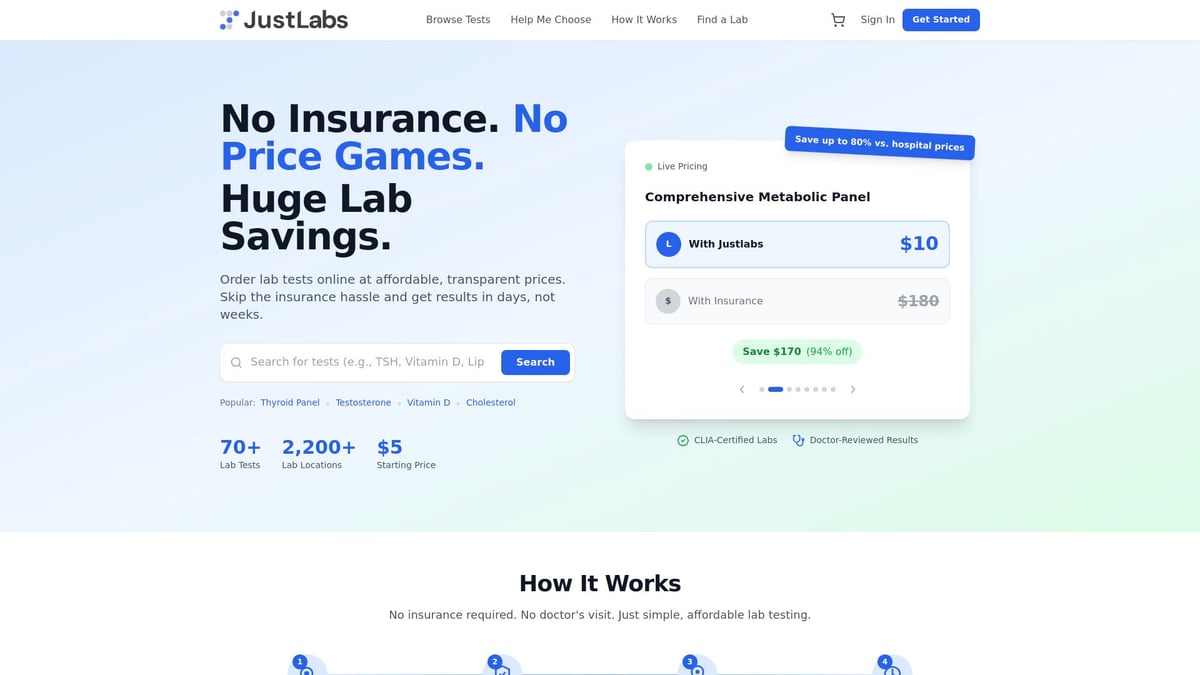
JustLabs stands out as a leader in affordable, comprehensive functional blood testing. The platform allows you to access a wide range of panels—such as thyroid, metabolic, hormone, nutrient, and inflammation—without insurance or a doctor’s order.
Key advantages include:
- Transparent pricing, with individual tests starting at just $5 and bundled panels from $25.
- Fast turnaround, with results typically available in 1 to 3 days from CLIA-certified labs.
- Orders reviewed by licensed clinicians to ensure safety and accuracy.
Functional blood testing with JustLabs is designed for privacy and convenience. You can use FSA or HSA funds, and reports clearly outline both standard and functional reference ranges for easy interpretation. Whether you want to investigate persistent symptoms, optimize wellness, or monitor a chronic condition, JustLabs makes functional blood testing accessible and straightforward.
Comparing Access Models: Provider-Ordered vs. Self-Pay
When considering functional blood testing, you can choose between provider-ordered and self-pay (direct-to-consumer) models. Each has unique advantages:
| Model | Coverage | Scope of Testing | Patient Control |
|---|---|---|---|
| Provider-Ordered | Often insurance-covered | May be limited in scope | Clinician-directed |
| Self-Pay/Direct-to-Consumer | Out-of-pocket, FSA/HSA | Broader, patient-driven | Patient-driven |
Provider-ordered testing may be covered by insurance, but options can be limited and require approval. In contrast, self-pay functional blood testing empowers you to select comprehensive panels based on your needs, with clear upfront costs.
Regardless of the access model, clinical oversight is crucial for interpreting results and planning next steps. For example, if you order a complete thyroid panel online to investigate ongoing symptoms after a standard TSH test, working with a qualified clinician ensures your results are used safely and effectively.
Interpreting Results and Taking Action: What Comes Next?
Interpreting your functional blood testing results is a crucial step toward understanding your health. Instead of stopping at "normal" or "abnormal" labels, this process looks for subtle patterns that can empower you to take meaningful action. With the right support, you can use these insights to guide your health journey with clarity and confidence.
Understanding Functional Reference Ranges and Patterns
Functional blood testing uses reference ranges that are often narrower and more optimized than those in conventional labs. These ranges aim to highlight early signs of imbalance, not just outright disease. For example, where a standard glucose reference might flag only overt diabetes, a functional range can identify early blood sugar problems before they become severe.
| Marker | Conventional Range | Functional Range |
|---|---|---|
| Fasting Glucose | 70–99 mg/dL | 75–86 mg/dL |
| TSH | 0.4–4.5 µIU/mL | 1.0–2.5 µIU/mL |
| Free T3 | 2.0–4.4 pg/mL | 3.2–4.2 pg/mL |
By looking at patterns across multiple markers, functional blood testing can reveal interconnected issues. For instance, a slightly elevated fasting insulin, even with normal glucose, may point to early metabolic changes. These subtle clues can help you and your clinician act before problems escalate.
If you want a deeper dive into the science behind this approach, the Functional Laboratory Studies Overview provides detailed context on how functional testing is applied in integrative medicine.
Collaborating with Clinicians for Personalized Care
Functional blood testing is most effective when interpreted by a knowledgeable clinician. These experts can connect your symptoms, history, and lab patterns to create a holistic care plan. It is important not to self-diagnose or make changes without professional guidance, as no single marker tells the full story.
Working with a provider ensures your results are viewed in clinical context. For example, if your thyroid panel shows a "normal" TSH but low free T3, your clinician can assess whether this fits with your symptoms and overall health goals. They may recommend additional testing, nutrition adjustments, or lifestyle changes.
For those interested in a comprehensive thyroid evaluation, the Thyroid Blood Panel Explained page offers a clear breakdown of each marker and what it can reveal. This helps patients understand the depth of information available through functional blood testing.
Monitoring, Follow-Up, and Adjustments
Functional blood testing is not a one-time event. Ongoing tracking is key to understanding how your body responds to changes in diet, supplements, or lifestyle. Regular follow-up testing can show whether your interventions are effective or if further adjustments are needed.
Your clinician may suggest retesting every few months, especially if you are working on correcting nutrient deficiencies or hormonal imbalances. This process helps you see trends over time, such as improvements in inflammation markers or thyroid function.
Consider keeping a health journal to track symptoms alongside your lab results. This holistic approach makes it easier to spot connections and celebrate progress. With functional blood testing, you gain a dynamic tool for proactive, personalized care.
Empowering Patients: Education and Health Literacy
Understanding your functional blood testing results is empowering, but staying informed is crucial. Take time to learn what each marker means in the context of your health goals. Remember, small changes in a single result are rarely cause for alarm without considering the bigger picture.
It is wise to balance enthusiasm for new insights with a healthy dose of skepticism. Some critics argue that functional testing may lead to unnecessary worry or interventions. For a critical perspective, you can read the Functional Blood Chemistry Analysis Critique.
Rely on trustworthy resources, ask questions, and partner with your clinician for ongoing support. Functional blood testing is a powerful tool for those seeking more control over their health, providing early answers and actionable guidance.
If you’re ready to take control of your health and explore the deeper insights functional blood testing can offer, there’s never been a better time. With JustLabs, you can access comprehensive panels and targeted tests on your own terms—no insurance hassles or doctor appointments required. You’ll get transparent pricing, fast results, and the confidence that comes from understanding your body’s unique needs. Whether you’re managing persistent symptoms or simply aiming to optimize your well-being, your next step is easy.
Browse Tests
and discover which options are right for you.