
Most patients trust their annual physical to catch potential health issues early, yet many critical screenings fall through the cracks. While standard annual physicals typically include basic cholesterol panels and blood glucose tests, several important biomarkers that could reveal early warning signs of disease often go unchecked. Understanding which tests most annual physicals commonly miss can empower you to take a more proactive approach to your health monitoring.
Why Standard Annual Physicals Fall Short
The traditional annual physical examination follows guidelines designed for broad population screening rather than personalized health optimization. These exams typically focus on detecting established disease rather than identifying early metabolic dysfunction or cardiovascular risk factors that haven't yet manifested as symptoms.
Research indicates that routine preventive health exams may underutilize certain essential tests, creating gaps in early disease detection. Insurance reimbursement structures often incentivize doctors to order only the most basic panels, while time constraints during appointments limit discussions about additional testing options.
The standard physical typically includes:
- Basic metabolic panel
- Complete blood count
- Standard lipid panel (total cholesterol, LDL, HDL, triglycerides)
- Blood glucose or HbA1c
- Urinalysis
What's missing from this list represents significant opportunities for early intervention. Many of the tests most annual physicals commonly miss can provide crucial insights into cardiovascular health, metabolic function, and hormonal balance long before traditional markers show abnormalities.

Six Critical Biomarkers Your Annual Physical Probably Skipped
Apolipoprotein B (ApoB)
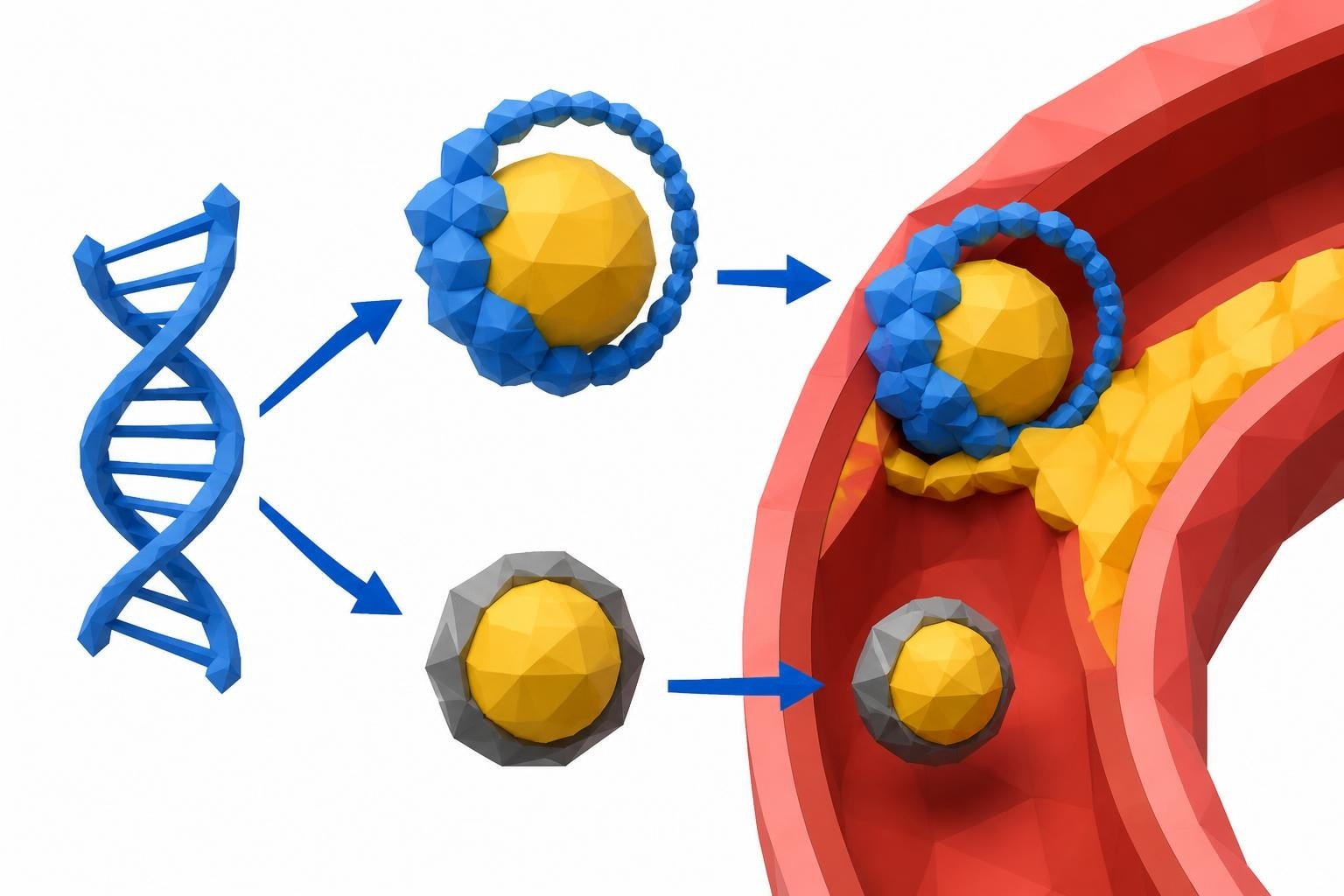
While your doctor measures LDL cholesterol during routine physicals, this test doesn't tell the complete cardiovascular risk story. ApoB measures the actual number of atherogenic particles in your blood, providing a far more accurate assessment of heart disease risk than standard cholesterol numbers.
Each LDL particle contains one ApoB molecule, making ApoB a direct count of potentially dangerous particles that can penetrate arterial walls and cause plaque buildup. Research consistently shows that ApoB is a superior predictor of cardiovascular events compared to LDL cholesterol alone.
| Marker | What It Measures | Why It Matters |
|---|---|---|
| LDL Cholesterol | Amount of cholesterol in LDL particles | Indirect risk assessment |
| ApoB | Number of atherogenic particles | Direct particle count, superior risk prediction |
| Particle Size | Size of LDL particles | Small, dense particles are more dangerous |
Who should test ApoB:
- Anyone with a family history of early heart disease
- Individuals with metabolic syndrome or insulin resistance
- People with normal LDL but elevated triglycerides
- Those on cholesterol-lowering medications wanting to verify effectiveness
Testing ApoB helps identify individuals who appear low-risk based on standard cholesterol panels but actually carry significant cardiovascular risk. When you order labs without a doctor through direct-access services, you can request this crucial marker even if it wasn't included in your physical.
Lipoprotein(a) - Lp(a)
Lipoprotein(a) represents one of the most overlooked yet genetically determined cardiovascular risk factors. Approximately 20% of the population has elevated Lp(a) levels, which can increase heart attack and stroke risk by two to four times, yet standard physical exams rarely include this test.
Unlike other cholesterol markers that respond to diet and lifestyle changes, Lp(a) levels are primarily determined by genetics and remain relatively stable throughout life. This makes a single test sufficient for most people, yet it's among the tests most annual physicals commonly miss despite its significant implications.
Elevated Lp(a) promotes atherosclerosis through multiple mechanisms, including increased inflammation, plaque formation, and blood clot risk. The insidious nature of this risk factor means many people suffer cardiovascular events without any traditional warning signs.
Who should test Lp(a):
- Anyone with a personal or family history of premature heart disease (before age 55 in men, 65 in women)
- Individuals with recurrent cardiovascular events despite optimal LDL control
- People of South Asian or African descent (higher prevalence of elevated Lp(a))
- Those seeking comprehensive cardiovascular risk assessment
Recommended Panel
Advanced Heart Health Panel
Save $6Go beyond basic cholesterol testing. This advanced panel includes the markers cardiologists use to assess true cardiovascular risk: ApoB, Lp(a), homocysteine, and inflammation.
Includes 10 biomarkers
$86
Fasting required
Fasting Insulin
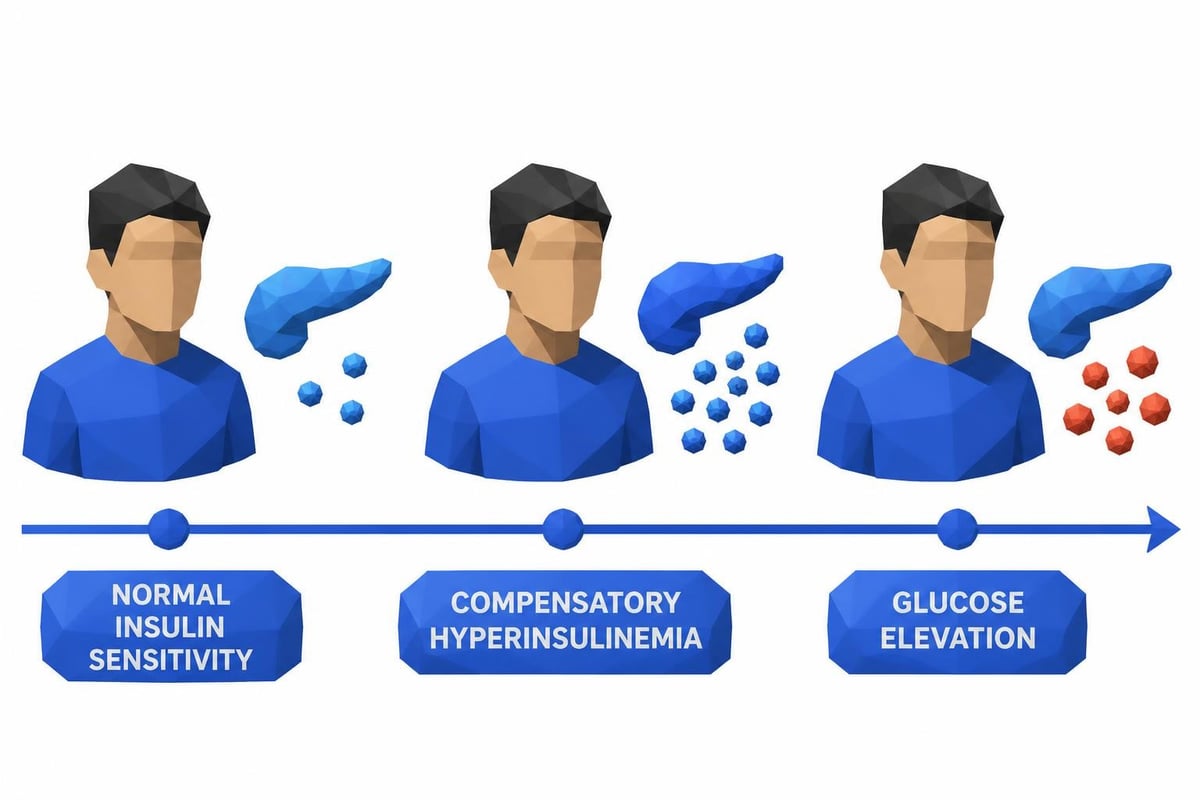
Blood glucose and HbA1c tests can confirm diabetes, but they're late-stage indicators of metabolic dysfunction. Fasting insulin reveals insulin resistance years or even decades before glucose levels become abnormal, making it one of the most valuable yet commonly missed screening tools.
Insulin resistance represents the underlying metabolic dysfunction driving type 2 diabetes, fatty liver disease, cardiovascular disease, and many other chronic conditions. As cells become resistant to insulin's signals, the pancreas compensates by producing more insulin to maintain normal blood sugar levels.
During this compensatory phase, which can last for years, blood glucose tests appear completely normal while insulin levels climb progressively higher. By the time glucose rises enough to trigger a diabetes diagnosis, significant metabolic damage has already occurred.
- Early detection allows lifestyle interventions to reverse insulin resistance
- Identifies prediabetes risk before glucose abnormalities appear
- Helps explain unexplained weight gain or difficulty losing weight
- Guides personalized nutrition and exercise strategies
Who should test fasting insulin:
- Individuals with excess abdominal fat or obesity
- People with PCOS, fatty liver, or metabolic syndrome
- Those with family history of type 2 diabetes
- Anyone experiencing energy crashes after meals
The combination of fasting glucose and fasting insulin allows calculation of HOMA-IR (Homeostatic Model Assessment of Insulin Resistance), providing quantitative assessment of insulin sensitivity. Understanding how to interpret these lab results empowers you to take action before metabolic disease develops.
Recommended Test
Insulin, Fasting
Fasting insulin measures how much insulin your pancreas produces to control blood sugar - an early warning sign of metabolic problems.
Includes 1 biomarkers
$14
Fasting required
Ferritin
While standard physicals may include hemoglobin and hematocrit to screen for anemia, ferritin testing is frequently omitted despite providing crucial information about iron stores. Ferritin serves as the body's primary iron storage protein, and abnormal levels in either direction can signal significant health issues.
Low ferritin indicates depleted iron stores long before anemia develops. Many people, particularly menstruating women and vegetarians, suffer from iron deficiency without anemia, experiencing fatigue, cognitive impairment, hair loss, and restless leg syndrome while their standard blood counts remain normal.
Conversely, elevated ferritin can indicate iron overload, chronic inflammation, or underlying conditions like hemochromatosis. High ferritin levels are associated with increased oxidative stress, insulin resistance, and cardiovascular risk, yet this warning sign goes undetected when ferritin isn't tested.
| Ferritin Level | Interpretation | Health Implications |
|---|---|---|
| <30 ng/mL | Depleted iron stores | Fatigue, hair loss, poor exercise tolerance |
| 30-200 ng/mL | Normal range | Adequate iron stores |
| >300 ng/mL | Elevated | Possible iron overload or inflammation |
Who should test ferritin:
- Women with heavy menstrual periods
- Vegetarians and vegans
- Endurance athletes
- People with unexplained fatigue despite normal hemoglobin
- Individuals with family history of hemochromatosis
Testing ferritin represents a simple way to identify and correct a common nutritional deficiency that significantly impacts quality of life. When exploring where to get lab tests independently, ferritin should be on your radar if you experience persistent fatigue.
Vitamin D
Despite widespread vitamin D deficiency affecting an estimated 40% of Americans, this test remains one of the tests most annual physicals commonly miss. Physicians selectively order vitamin D testing based on symptoms or risk factors rather than including it in routine screening, meaning many deficient individuals remain undiagnosed.
Vitamin D functions more like a hormone than a vitamin, influencing immune function, bone health, cardiovascular health, mood regulation, and metabolic processes throughout the body. Deficiency has been linked to increased risk of osteoporosis, autoimmune disease, depression, cardiovascular disease, and certain cancers.
Modern lifestyles promote vitamin D deficiency through limited sun exposure, sunscreen use, working indoors, and living in northern latitudes. Even people who spend time outdoors may not produce adequate vitamin D, particularly those with darker skin pigmentation or older adults whose skin produces vitamin D less efficiently.
The controversy over optimal vitamin D levels adds complexity. While severe deficiency (<20 ng/mL) clearly impairs bone health, many functional medicine practitioners advocate for higher targets (40-60 ng/mL) to support immune function and overall health.
Who should test vitamin D:
- People living in northern latitudes (above 37°N)
- Individuals with limited sun exposure or who always wear sunscreen
- Those with darker skin pigmentation
- Anyone with autoimmune conditions or frequent infections
- People experiencing bone pain, muscle weakness, or mood issues
Vitamin D supplementation is safe and inexpensive, but testing provides crucial baseline data and allows monitoring to ensure supplementation achieves optimal levels without excess. Many people discover they need significantly higher doses than the standard recommendation to reach target levels.
Thyroid Antibodies
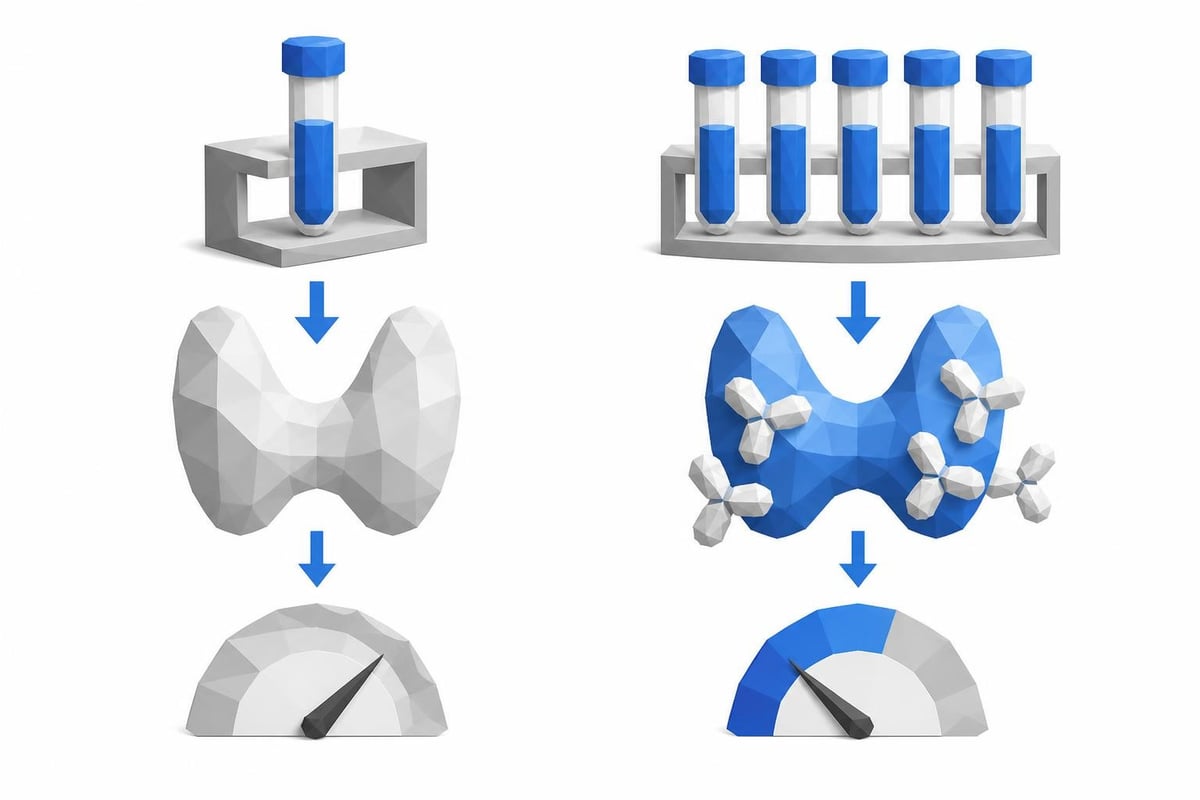
Standard annual physicals may include TSH (thyroid stimulating hormone) testing, but the tests most annual physicals commonly miss include thyroid antibodies that can reveal autoimmune thyroid disease years before thyroid function becomes abnormal. Testing only TSH means missing early-stage Hashimoto's thyroiditis, the most common cause of hypothyroidism.
Hashimoto's thyroiditis is an autoimmune condition where the immune system attacks the thyroid gland. Thyroid peroxidase (TPO) antibodies and thyroglobulin antibodies appear in the blood long before thyroid damage causes TSH elevation, providing an opportunity for early intervention.
Early detection of thyroid antibodies allows implementation of strategies to reduce autoimmune activity, including identifying food sensitivities, optimizing vitamin D and selenium status, reducing inflammation, and managing stress. By the time TSH becomes abnormal, significant thyroid damage has occurred, and lifelong thyroid hormone replacement becomes necessary.
- TPO antibodies present in 90% of Hashimoto's cases
- Thyroglobulin antibodies provide additional diagnostic information
- Normal TSH doesn't rule out autoimmune thyroid disease
- Early intervention may slow or prevent thyroid destruction
Who should test thyroid antibodies:
- Individuals with family history of thyroid disease
- People experiencing unexplained fatigue, weight changes, or temperature sensitivity
- Women planning pregnancy or experiencing fertility issues
- Anyone with other autoimmune conditions
- Those with thyroid nodules or goiter
Comprehensive thyroid testing provides a complete picture of thyroid health that TSH alone cannot offer. When considering lab test pricing for self-directed testing, comprehensive thyroid panels including antibodies represent valuable investments in long-term health.
Recommended Panel
Hashimoto's Panel
Save $3The definitive panel for diagnosing Hashimoto's thyroiditis - the #1 cause of hypothyroidism. Tests both major thyroid antibodies that indicate autoimmune thyroid disease.
Includes 5 biomarkers
$58
Taking Control of Your Health Screening
The gap between standard annual physical testing and comprehensive health screening creates opportunities for proactive individuals to take charge of their health monitoring. Understanding which tests most annual physicals commonly miss empowers you to request specific testing or seek alternative testing options.
Barriers to comprehensive testing include:
- Insurance coverage limitations
- Time constraints during appointments
- Traditional medical focus on disease treatment rather than prevention
- Lack of patient awareness about available tests
Direct-access laboratory testing removes many of these barriers by allowing you to order the specific tests you need based on your health goals, risk factors, and symptoms. This approach complements rather than replaces your relationship with healthcare providers, giving you data to inform collaborative health decisions.
When considering which additional tests to pursue, prioritize based on your personal and family health history, current symptoms, and preventive health goals. Not everyone needs every test, but understanding the tests most annual physicals commonly miss helps you make informed decisions about your screening strategy.
Frequency and Follow-Up Testing
Once you've established baseline values for these commonly missed markers, appropriate follow-up intervals vary by marker and initial results. Some tests require only one-time screening, while others benefit from periodic monitoring.
Recommended testing frequency:
| Test | Initial Screening | Follow-Up If Normal | Follow-Up If Abnormal |
|---|---|---|---|
| ApoB | Baseline | Every 1-2 years | Every 3-6 months during intervention |
| Lp(a) | Once (genetically determined) | Not necessary if normal | Retest only if initial result borderline |
| Fasting Insulin | Baseline | Annually | Every 3-6 months during lifestyle intervention |
| Ferritin | Baseline | Every 1-2 years | Every 3-6 months until normalized |
| Vitamin D | Baseline | Annually | 3 months after starting supplementation, then annually |
| Thyroid Antibodies | Baseline | Every 1-2 years if positive | Annually to monitor progression |
These recommendations represent general guidelines rather than rigid protocols. Individual circumstances, symptoms, interventions, and healthcare provider recommendations should guide your personal testing schedule.
The convenience of labs without insurance makes regular monitoring accessible and affordable, allowing you to track biomarker trends over time rather than relying on single snapshots. Trend analysis often provides more valuable information than individual results in isolation.
Integrating Additional Testing with Standard Care
Pursuing tests most annual physicals commonly miss doesn't mean abandoning traditional healthcare relationships. The most effective approach integrates self-directed testing with professional medical guidance, creating a collaborative partnership focused on prevention and optimization.
Best practices for integration:
- Share all testing results with your healthcare provider
- Request specific tests during annual physicals based on your research
- Use direct-access testing to fill gaps in insurance-covered screening
- Bring questions about abnormal results to medical appointments
- Consider consulting specialists for complex results or intervention strategies
Many physicians appreciate patients who take active interest in their health and come prepared with relevant data. While debates continue about the necessity of annual physicals for healthy individuals, these exams provide valuable opportunities to discuss testing strategies and review trends over time.
The key is approaching additional testing strategically rather than randomly ordering every available test. Focus on markers relevant to your risk factors, symptoms, and health goals. Understanding how the testing process works helps you plan efficient screening strategies that provide maximum value.
Financial Considerations and Test Selection
One reason the tests most annual physicals commonly miss remain uncommon is financial. Insurance coverage varies widely for preventive testing beyond standard screening guidelines, leaving patients to navigate complex benefit structures or pay out of pocket for additional tests.
Direct-access laboratory services provide transparent pricing that allows you to compare costs and make informed decisions without insurance prior authorization processes. Many people discover that self-pay pricing for specific tests costs less than insurance copays and deductibles, particularly when high-deductible plans are involved.
Cost-saving strategies:
- Check if tests are FSA/HSA eligible for tax-advantaged payment
- Bundle related tests in comprehensive panels rather than ordering individually
- Time testing strategically based on symptoms, seasons, or interventions
- Focus on highest-value tests for your specific risk profile
- Compare pricing across different testing platforms
Rather than viewing comprehensive testing as an expense, consider it an investment in early detection and prevention. The cost of identifying and addressing metabolic dysfunction, cardiovascular risk, or nutritional deficiency early is minimal compared to managing advanced disease.
Emerging Biomarkers on the Horizon
Beyond the six tests discussed, additional emerging biomarkers show promise for health screening but remain even less commonly included in standard care. Advanced cholesterol testing, inflammatory markers, genetic testing, and specialized hormone panels represent the frontier of personalized health assessment.
Emerging tests to watch:
- Advanced glycation end-products (AGEs)
- High-sensitivity C-reactive protein (hs-CRP)
- Omega-3 index
- Homocysteine
- APOE genotype for Alzheimer's risk
- IGF-1 for growth hormone status
- Cystatin C for kidney function
As laboratory technology advances and costs decrease, more sophisticated testing becomes accessible to consumers seeking comprehensive health insights. The challenge lies in distinguishing between tests with strong clinical evidence and those offering minimal actionable information.
The tests most annual physicals commonly miss represent significant opportunities for early detection and prevention that standard screening protocols overlook. By understanding which biomarkers provide valuable health insights beyond traditional panels, you can advocate for more comprehensive testing or pursue direct-access options to fill the gaps. Whether you're concerned about cardiovascular risk, metabolic health, nutritional status, or thyroid function, Justlabs makes it simple to order the specific tests you need with transparent pricing, fast results, and no insurance hassles.
Related Reading


References
Sniderman AD, Thanassoulis G, Glavinovic T, Navar AM, Pencina M, Catapano A, Ference BA. Apolipoprotein B Particles and Cardiovascular Disease: A Narrative Review. JAMA Cardiol. 2019 Dec 1;4(12):1287-1295. doi: 10.1001/jamacardio.2019.3780. PMID: 31642874. https://pubmed.ncbi.nlm.nih.gov/31642874/
Reyes-Soffer G, Ginsberg HN, Berglund L, Duell PB, Heffron SP, Kamstrup PR, Lloyd-Jones DM, Marcovina SM, Yeang C, Koschinsky ML, American Heart Association Council on Arteriosclerosis, Thrombosis and Vascular Biology; Council on Cardiovascular Radiology and Intervention; and Council on Peripheral Vascular Disease. Lipoprotein(a): A Genetically Determined, Causal, and Prevalent Risk Factor for Atherosclerotic Cardiovascular Disease: A Scientific Statement From the American Heart Association. Arterioscler Thromb Vasc Biol. 2022 Jan;42(1):e48-e60. doi: 10.1161/ATV.0000000000000147. PMID: 34647487. https://pubmed.ncbi.nlm.nih.gov/34647487/
Echouffo-Tcheugui JB, Perreault L, Ji L, Dagogo-Jack S. Diagnosis and Management of Prediabetes: A Review. JAMA. 2023 Apr 11;329(14):1206-1216. doi: 10.1001/jama.2023.4063. PMID: 37039787. https://pubmed.ncbi.nlm.nih.gov/37039787/
Auerbach M, DeLoughery TG, Tirnauer JS. Iron Deficiency in Adults: A Review. JAMA. 2025 May 27;333(20):1813-1823. doi: 10.1001/jama.2025.0452. PMID: 40159291. https://pubmed.ncbi.nlm.nih.gov/40159291/
Christakos S, Dhawan P, Verstuyf A, Verlinden L, Carmeliet G. Vitamin D: Metabolism, Molecular Mechanism of Action, and Pleiotropic Effects. Physiol Rev. 2016 Jan;96(1):365-408. doi: 10.1152/physrev.00014.2015. PMID: 26681795. https://pubmed.ncbi.nlm.nih.gov/26681795/
Ralli M, Angeletti D, Fiore M, D'Aguanno V, Lambiase A, Artico M, de Vincentiis M, Greco A. Hashimoto's thyroiditis: An update on pathogenic mechanisms, diagnostic protocols, therapeutic strategies, and potential malignant transformation. Autoimmun Rev. 2020 Oct;19(10):102649. doi: 10.1016/j.autrev.2020.102649. PMID: 32805423. https://pubmed.ncbi.nlm.nih.gov/32805423/