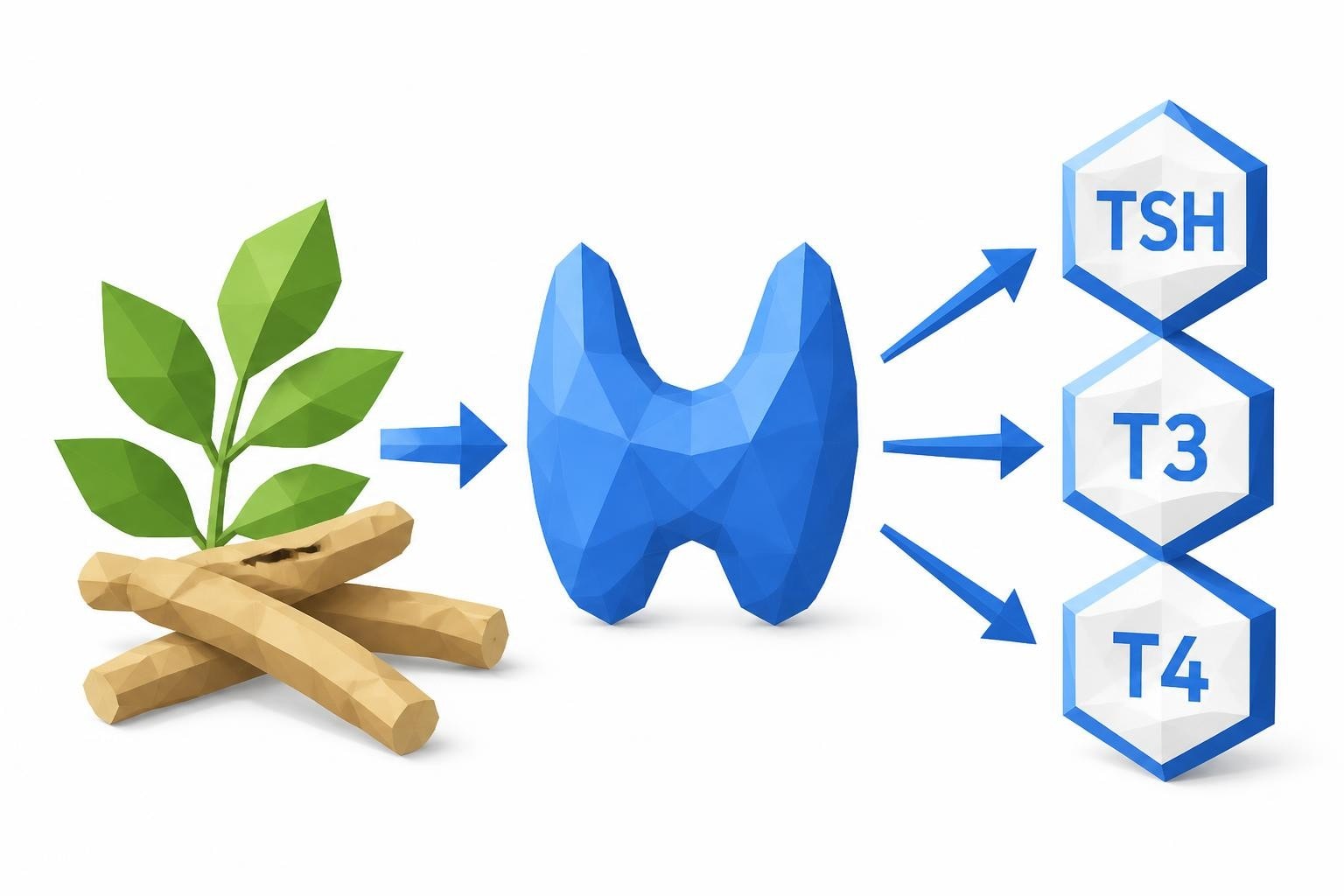
Thyroid function affects nearly every system in your body, from metabolism and energy levels to heart rate and body temperature. The thyroid-stimulating hormone (TSH) test is the primary screening tool doctors use to evaluate thyroid health, but many people don't realize that what counts as a "normal" result can vary significantly depending on your age. Understanding tsh level by age what is normal helps you make sense of your lab results and recognize when further evaluation might be needed.
Why TSH Levels Change Throughout Life
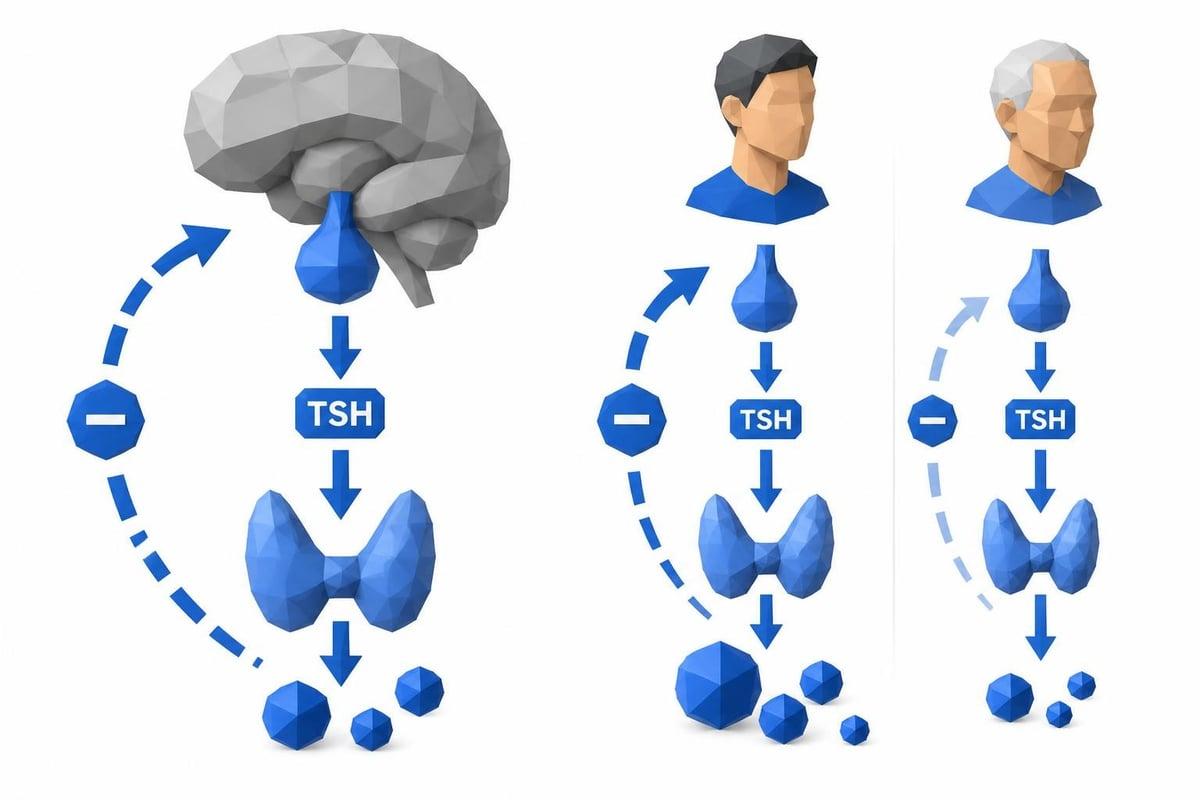
TSH is produced by the pituitary gland and signals your thyroid to produce hormones. As we age, the thyroid gland undergoes structural and functional changes that influence hormone production and regulation. The relationship between TSH and actual thyroid function becomes more nuanced in older adults.
Several physiological factors contribute to age-related TSH changes:
- Decreased thyroid gland sensitivity to TSH stimulation
- Alterations in TSH bioactivity and clearance rates
- Changes in the hypothalamic-pituitary-thyroid axis feedback system
- Increased prevalence of thyroid autoantibodies with aging
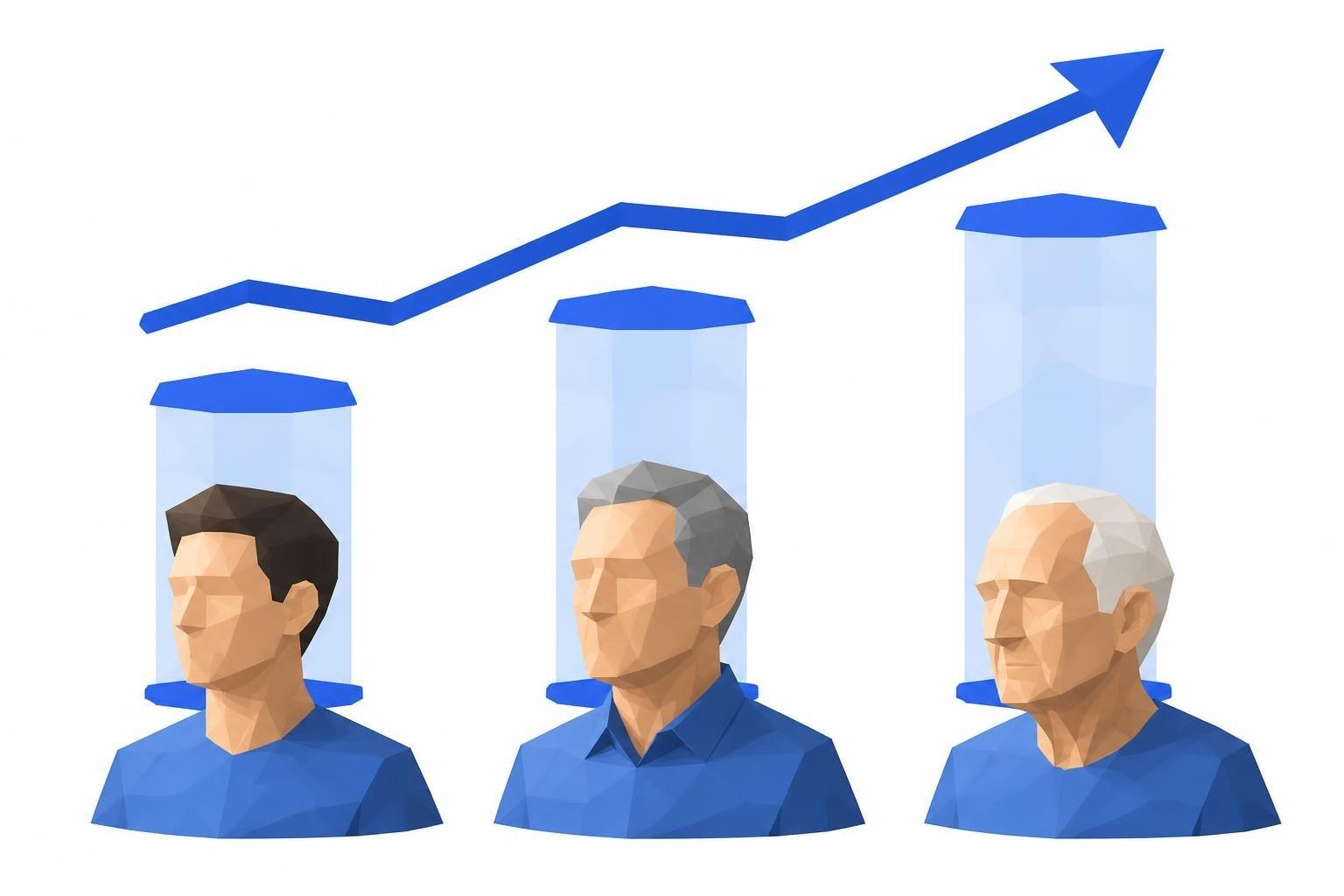
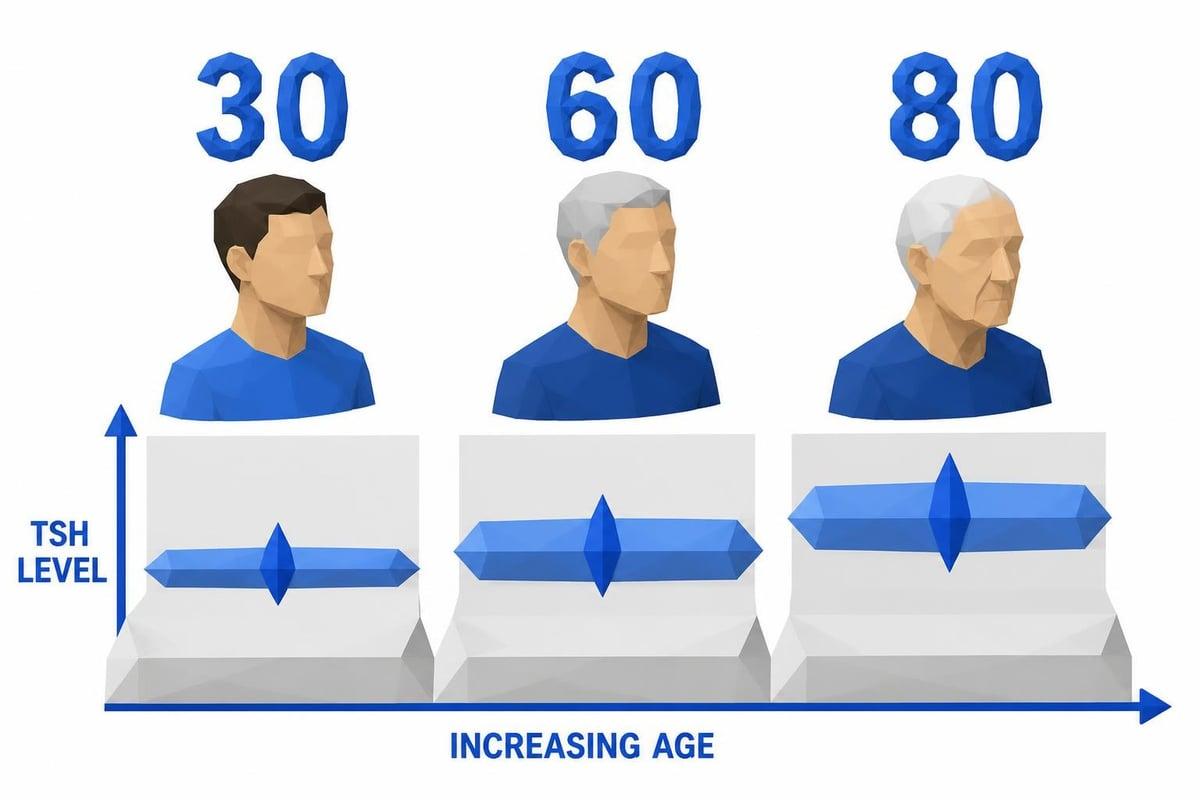
Research has consistently shown that TSH levels tend to rise modestly as people get older, even in individuals without thyroid disease. A large pooled analysis of individual participant data demonstrated this age-related TSH increase across multiple international cohorts, providing strong evidence that higher TSH in older adults may represent a normal adaptive response rather than pathology.
Standard TSH Reference Ranges vs. Age-Specific Ranges
Most laboratories report a standard TSH reference range of approximately 0.4 to 4.0 mIU/L for adults. However, this one-size-fits-all approach doesn't account for the natural physiological changes that occur with aging.
The Case for Age-Adjusted Interpretation
The traditional upper limit of 4.0 mIU/L was established primarily in younger and middle-aged populations. When this same cutoff is applied to older adults, it can lead to overdiagnosis of subclinical hypothyroidism, a condition where TSH is mildly elevated but thyroid hormone levels remain normal.
Population studies using data from the National Health and Nutrition Examination Survey (NHANES) have revealed significant variation in TSH reference intervals by age, sex, and ethnicity, suggesting that personalized interpretation may be more clinically appropriate than universal cutoffs.
| Age Group | Conventional Range | Age-Adjusted Consideration |
|---|---|---|
| 20-29 years | 0.4-4.0 mIU/L | Lower end of spectrum typical |
| 30-49 years | 0.4-4.0 mIU/L | Mid-range values common |
| 50-69 years | 0.4-4.5 mIU/L | Slight elevation may be normal |
| 70+ years | 0.4-6.0 mIU/L | Higher values often physiological |
TSH Level by Age What Is Normal: Detailed Age-Group Analysis
TSH Levels in Your 30s
Adults in their thirties typically have TSH levels in the lower to middle portion of the reference range. For most healthy individuals in this age group, TSH values between 0.5 and 2.5 mIU/L are common.
At this life stage, TSH testing may be ordered for various reasons:
- Fertility concerns – Thyroid function significantly impacts reproductive health
- Unexplained fatigue or weight changes – Common symptoms prompting thyroid screening
- Family history of thyroid disease – Genetic predisposition warrants monitoring
- Pregnancy planning or prenatal care – Special considerations apply (discussed below)
Women in their 30s who are pregnant require trimester-specific TSH reference intervals, as pregnancy dramatically alters thyroid hormone dynamics. First-trimester TSH should typically be below 2.5 mIU/L, though specific cutoffs vary by trimester and individual laboratory methods.
TSH Levels in Your 60s
By age 60, the upper limit of normal TSH begins to shift upward. Many endocrinologists now consider values up to 4.5 or even 5.0 mIU/L acceptable in healthy individuals in their sixties, particularly if thyroid hormone levels (free T4) remain normal.
Key considerations for TSH interpretation at age 60:
- Evaluate symptoms in conjunction with TSH values, not TSH alone
- Consider baseline trends if previous TSH results are available
- Assess for thyroid antibodies if TSH is borderline elevated
- Review medications that may affect thyroid function
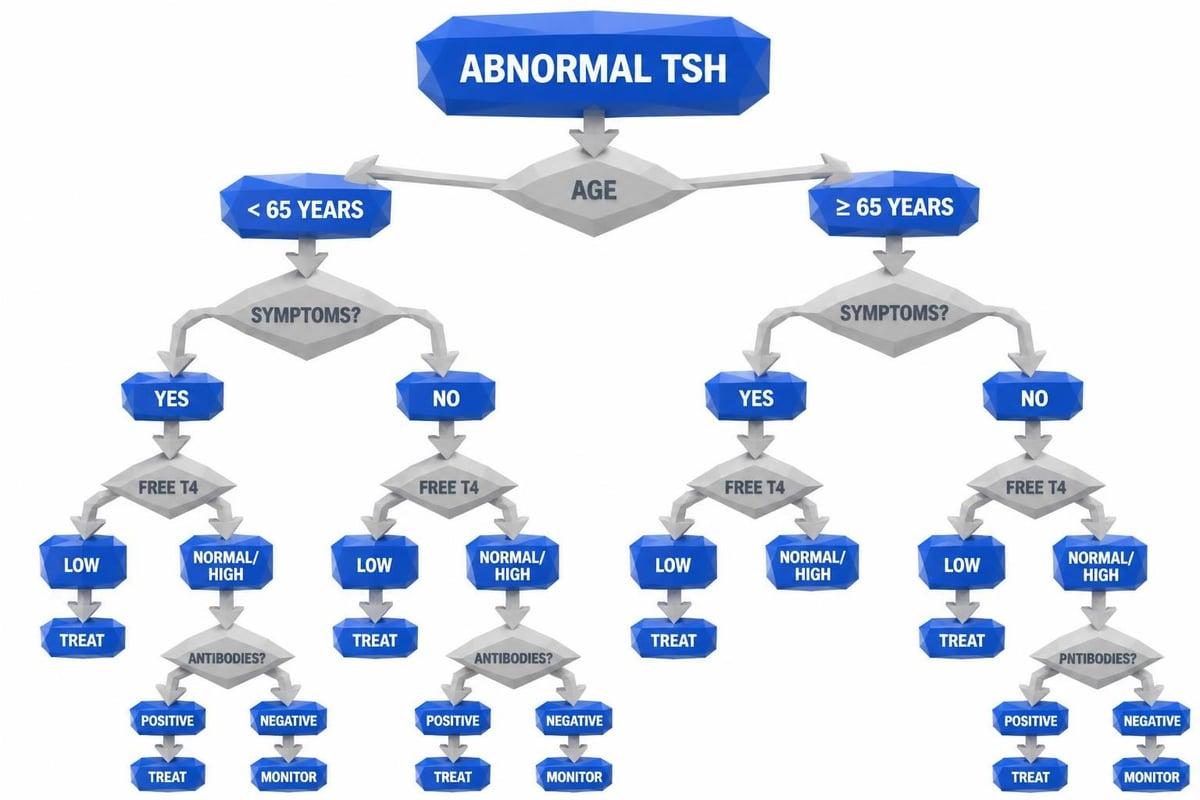
The distinction between true thyroid dysfunction and age-related physiological changes becomes increasingly important. Someone with a TSH of 4.8 mIU/L at age 62 without symptoms may not benefit from thyroid hormone replacement, whereas the same value in a symptomatic 35-year-old warrants different clinical consideration.
TSH Levels in Your 80s and Beyond
The question of tsh level by age what is normal becomes most complex in adults over 80. Research specifically examining TSH reference intervals in adults 70 years and older has found that upper reference limits may extend to 6.0 mIU/L or higher in this population without indicating thyroid pathology.
Several factors complicate TSH interpretation in the elderly:
- Increased biological variability – Greater individual fluctuation in TSH values
- Coexisting illnesses – Non-thyroidal illness can suppress or elevate TSH
- Polypharmacy – Multiple medications may interfere with thyroid testing or function
- Subtle symptoms – Classic hypothyroid symptoms overlap with normal aging
Treatment decisions in older adults require careful consideration of potential benefits versus risks. Thyroid hormone replacement in elderly patients with mildly elevated TSH (4.5-10.0 mIU/L) and normal free T4 remains controversial, as evidence of benefit is limited and overtreatment carries risks including atrial fibrillation and bone loss.
Gender Differences in Age-Related TSH Changes
TSH levels don't just vary by age; they also show consistent differences between men and women. Women tend to have slightly higher TSH values across all age groups and are significantly more likely to develop thyroid disorders.
Female-Specific Considerations
Women experience unique thyroid challenges throughout the lifespan:
- Reproductive years – Pregnancy and postpartum periods require specialized monitoring
- Perimenopause – Hormonal fluctuations can affect thyroid function assessment
- Post-menopause – Autoimmune thyroid disease prevalence increases
The interaction between reproductive hormones and thyroid function means that TSH interpretation in women often requires consideration of menstrual cycle phase, hormone replacement therapy, and pregnancy status.
Male-Specific Patterns
Men generally maintain more stable TSH levels throughout adulthood but aren't immune to age-related changes. By age 70, approximately 10-15% of men show TSH elevations above traditional reference ranges, though the clinical significance of mild elevations without symptoms remains uncertain.
When Age-Related TSH Changes Signal a Problem
While modest TSH elevation is common and often physiological in older adults, certain findings warrant further investigation regardless of age:
Red flags requiring clinical attention:
- TSH persistently above 10.0 mIU/L
- TSH elevation accompanied by low free T4 (overt hypothyroidism)
- Presence of thyroid antibodies suggesting autoimmune disease
- Clear hypothyroid symptoms (fatigue, cold intolerance, constipation, cognitive changes)
- Rapid TSH changes over short time periods
Conversely, very low TSH values (below 0.4 mIU/L) at any age may indicate hyperthyroidism or excessive thyroid hormone replacement and typically require evaluation.
How Testing Method and Laboratory Factors Affect Results
Understanding tsh level by age what is normal also requires awareness that different laboratory methods can produce slightly different results. Modern TSH assays are highly sensitive but not perfectly standardized across all platforms.
Sources of TSH Measurement Variability
| Factor | Impact on Results |
|---|---|
| Assay methodology | Up to 20% variation between platforms |
| Time of blood draw | TSH peaks early morning, drops afternoon |
| Recent illness | Can transiently suppress or elevate TSH |
| Biotin supplementation | May cause falsely low TSH on some assays |
| Laboratory reference ranges | Vary slightly by population and method |
For accurate TSH monitoring over time, ideally use the same laboratory. If you switch labs, small differences in results may reflect methodology rather than true changes in thyroid function. A comprehensive review in Nature Reviews Endocrinology discusses how testing variables influence thyroid function reference ranges and clinical interpretation.
Practical Guidance for Getting Your TSH Tested
Understanding your thyroid status doesn't require a doctor's referral or insurance approval. Services like ordering labs without a doctor provide direct access to TSH testing with transparent pricing and quick results.
Recommended Test
TSH (Thyroid Stimulating Hormone)
The TSH test is the gold standard for evaluating thyroid function. It's the first test doctors order when thyroid problems are suspected.
Includes 1 biomarkers
$9
Preparing for TSH Testing
For the most consistent results:
- Schedule morning tests – TSH is highest in early morning hours
- Fast if testing a full thyroid panel – Not required for TSH alone but helpful for comprehensive evaluation
- Avoid biotin supplements – Discontinue 48-72 hours before testing
- Maintain medication consistency – If on thyroid medication, take it after blood draw or at usual time
Many people don't realize that thyroid testing is often HSA and FSA eligible, making it an affordable option for those with high-deductible health plans who want to monitor their thyroid function without meeting their deductible first.
The Role of Free T4 and T3 in Complete Assessment
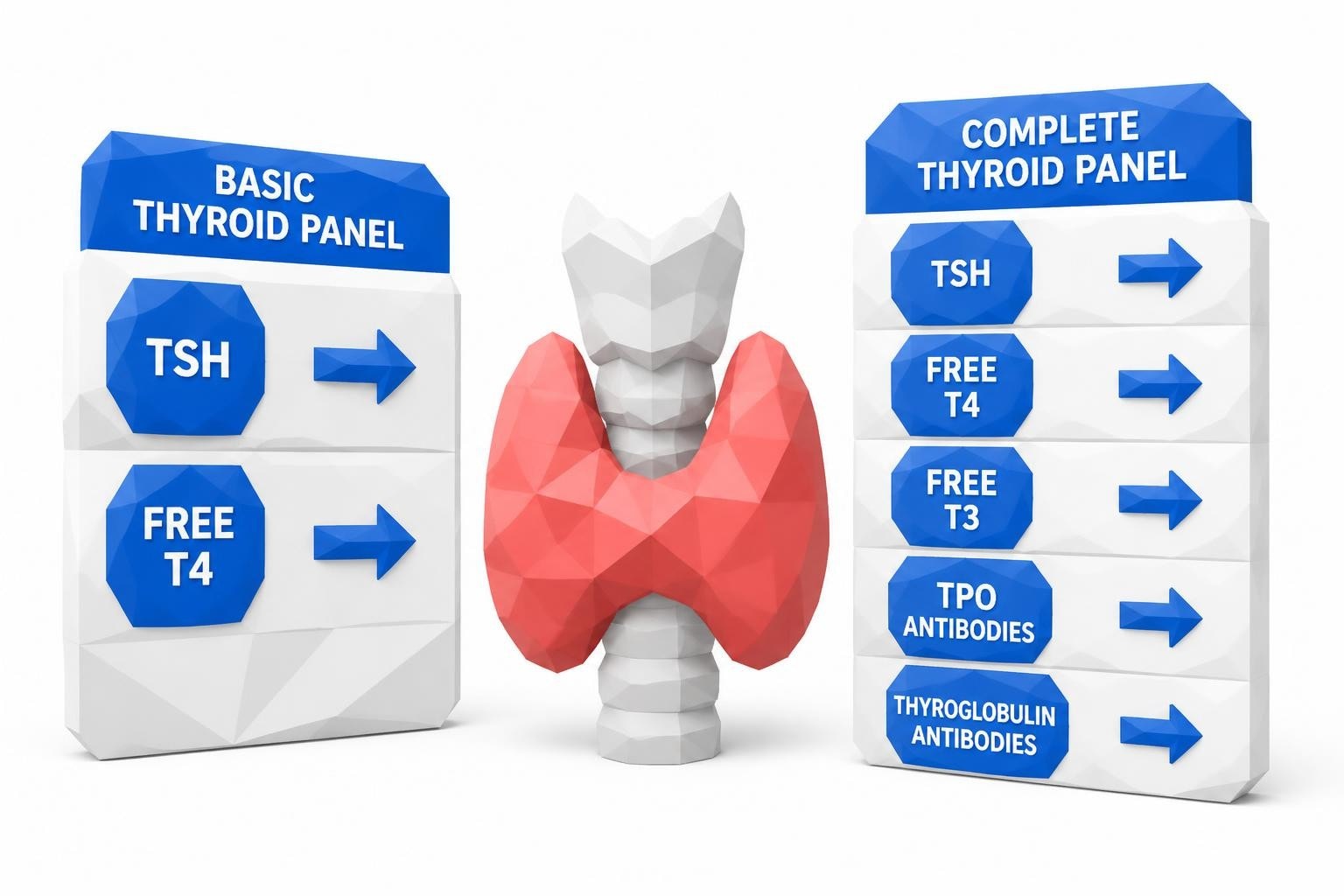
While TSH is the primary screening test, a complete picture of thyroid function sometimes requires measuring actual thyroid hormones:
- Free T4 (thyroxine) – The main hormone produced by the thyroid gland
- Free T3 (triiodothyronine) – The active thyroid hormone at cellular level
- Thyroid antibodies – Indicate autoimmune thyroid disease
Age affects the relationship between TSH and thyroid hormones. Older adults may have normal or even slightly elevated free T4 levels despite higher TSH, reflecting decreased peripheral conversion of T4 to T3 and altered feedback sensitivity.
Recommended Panel
Complete Thyroid Panel
Save $3Our most comprehensive thyroid panel includes all 5 essential markers: TSH, Free T4, Free T3, Reverse T3, and both thyroid antibodies. Get the complete picture of your thyroid health.
Includes 6 biomarkers
$84
Special Populations and TSH Considerations
Athletes and Highly Active Individuals
Intense exercise can temporarily affect thyroid function testing. Athletes sometimes show lower TSH values due to the metabolic demands of training, though true thyroid dysfunction is no more common in athletic populations than sedentary ones.
Individuals with Chronic Illness
Serious illness can profoundly affect TSH levels through a phenomenon called "non-thyroidal illness syndrome" or "euthyroid sick syndrome." During acute illness, TSH may be suppressed even though the patient doesn't have hyperthyroidism. Testing should ideally be postponed until recovery unless thyroid dysfunction is strongly suspected.
Those on Medications Affecting Thyroid Function
Numerous medications influence thyroid function or testing:
- Biotin – Interferes with immunoassays, causing falsely abnormal results
- Lithium – Can cause hypothyroidism
- Amiodarone – Contains iodine, may cause hyper- or hypothyroidism
- Glucocorticoids – Can suppress TSH
- Metformin – May slightly lower TSH in some individuals
Always inform your testing provider about medications and supplements you're taking.
Monitoring TSH Over Time
Single TSH measurements provide a snapshot, but trending results over months or years offers more valuable information. Someone whose TSH has gradually risen from 1.5 to 3.5 mIU/L over several years may warrant different consideration than someone whose TSH suddenly jumps to 3.5 mIU/L.
Recommended Testing Frequency
For individuals without known thyroid disease:
- Under 35 – Generally only if symptomatic or risk factors present
- Ages 35-60 – Every 5 years as part of routine health screening
- Over 60 – Every 2-3 years, or annually if borderline results or symptoms
For those with diagnosed thyroid conditions or on thyroid medication, testing frequency depends on stability and clinical situation, often ranging from every 6 weeks during dose adjustment to annually once stable.
Cost Considerations and Accessing Testing
Traditional thyroid testing through insurance often involves copays, deductibles, and the cost of a physician visit. Many people are surprised to learn that direct-access lab testing can be more affordable and convenient.
Self-pay options provide transparent pricing and eliminate the need for appointment scheduling and insurance billing complexities. When comparing testing services, consider not just the test price but also convenience, result turnaround time, and whether additional consultation is included.
For those interested in comprehensive health monitoring, thyroid testing can be combined with other panels. Some people experiencing fatigue or other nonspecific symptoms benefit from checking both thyroid function and vitamin D levels, as deficiencies in either can produce similar symptoms.
Understanding Your Results: Next Steps
Once you receive your TSH results, interpretation depends on several factors beyond just the number:
Questions to consider:
- How does your result compare to age-appropriate ranges?
- Are you experiencing symptoms of thyroid dysfunction?
- Do you have risk factors (family history, autoimmune conditions)?
- Has your TSH changed significantly from previous tests?
If your TSH is outside the reference range or you have concerning symptoms, consultation with a healthcare provider is advisable. Even with direct-access testing, establishing a relationship with a clinician ensures appropriate follow-up and treatment when needed.
For borderline results (TSH 4.0-10.0 mIU/L with normal free T4), many experts recommend retesting in 3-6 months before initiating treatment, as TSH can fluctuate. The exception is during pregnancy, where even mild TSH elevations warrant prompt treatment.
The Future of Age-Specific TSH Reference Ranges
The medical community continues to debate whether laboratories should routinely report age-specific TSH reference ranges. While evidence supports the physiological nature of higher TSH in older adults, changing long-established reference ranges carries implications for diagnosis rates, treatment decisions, and healthcare costs.
Ongoing research is refining our understanding of optimal TSH levels at different ages, particularly regarding cardiovascular outcomes, cognitive function, and quality of life. As personalized medicine advances, thyroid function assessment will likely become increasingly individualized based on age, genetics, comorbidities, and patient-specific factors rather than relying on population-wide reference ranges.
Understanding tsh level by age what is normal empowers you to interpret your thyroid test results in proper context and recognize when age-related changes are physiological versus when they signal a problem requiring treatment. Whether you're 30 and planning a family, 60 and experiencing unexplained fatigue, or 80 and wondering if your recent TSH result is concerning, age-appropriate interpretation is essential. JustLabs makes thyroid testing accessible and affordable with transparent pricing, no insurance or doctor visit required, and results in just 1-3 days, putting you in control of monitoring your thyroid health at every age.
Related Reading

References
Xu Y, Hysaj O, Qi X, Feller M, Pingitore A, Brown SJ, Ittermann T, Iacoviello M, Trompet S, Han JW, Schmidt B, Sgarbi JA, Valdés S, Muendlein A, Riis J, Andersen S, Drexel H, Teumer A, Dörr M, Vanderpump MPJ, Wareham N, Vaes B, Visser WE, Jukema JW, Imaizumi M, Dullaart RPF, Medici M, Fink HA, Ceresini G, Ferrucci L, Ikram MA, Hankey GJ, Iervasi G, Eastell R, Bauer DC, Williams GR, Boelaert K, Psaty BM, Führer-Sakel D, Bakker SJL, Kiemeney LALM, Riksen NP, Kim KW, Azizi F, Völzke H, Yeap BB, Razvi S, Gussekloo J, Walsh JP, Bensenor IM, Mammen J, Rodondi N, Cappola AR, Peeters RP, Chaker L, Thyroid Studies Collaboration. Natural history of thyroid function in ageing: an individual participant data analysis of 137 488 participants from 31 prospective cohort studies. Lancet Diabetes Endocrinol. 2026 Jun;14(6):485-497. doi: 10.1016/S2213-8587(26)00009-4. PMID: 42061390. https://pubmed.ncbi.nlm.nih.gov/42061390/
Li Q, Tang Y, Yu X, Qin G, Tian L, Cheng L, Lu Y, Zhao Z, Liu L, Zhang K, Wang C, Zhang S, Xu Y, Song G, Zhong F, Fan X, Wang Z, Wu Y, Song Y, Zhao J. Thyroid Function Reference Intervals by Age, Sex, and Race : A Cross-Sectional Study. Ann Intern Med. 2025 Jul;178(7):921-929. doi: 10.7326/ANNALS-24-01559. PMID: 40324200. https://pubmed.ncbi.nlm.nih.gov/40324200/
Biondi B, Cappola AR. Subclinical hypothyroidism in older individuals. Lancet Diabetes Endocrinol. 2022 Feb;10(2):129-141. doi: 10.1016/S2213-8587(21)00285-0. PMID: 34953533. https://pubmed.ncbi.nlm.nih.gov/34953533/
Van Uytfanghe K, Ehrenkranz J, Halsall D, Hoff K, Loh TP, Spencer CA, Köhrle J. Thyroid Stimulating Hormone and Thyroid Hormones (Triiodothyronine and Thyroxine): An American Thyroid Association-Commissioned Review of Current Clinical and Laboratory Status. Thyroid. 2023 Sep;33(9):1013-1028. doi: 10.1089/thy.2023.0169. PMID: 37655789. https://pubmed.ncbi.nlm.nih.gov/37655789/
Favresse J, Burlacu MC, Maiter D, Gruson D. Interferences With Thyroid Function Immunoassays: Clinical Implications and Detection Algorithm. Endocr Rev. 2018 Oct 1;39(5):830-850. doi: 10.1210/er.2018-00119. PMID: 29982406. https://pubmed.ncbi.nlm.nih.gov/29982406/
Lee SY, Pearce EN. Testing, Monitoring, and Treatment of Thyroid Dysfunction in Pregnancy. J Clin Endocrinol Metab. 2021 Mar 8;106(3):883-892. doi: 10.1210/clinem/dgaa945. PMID: 33349844. https://pubmed.ncbi.nlm.nih.gov/33349844/