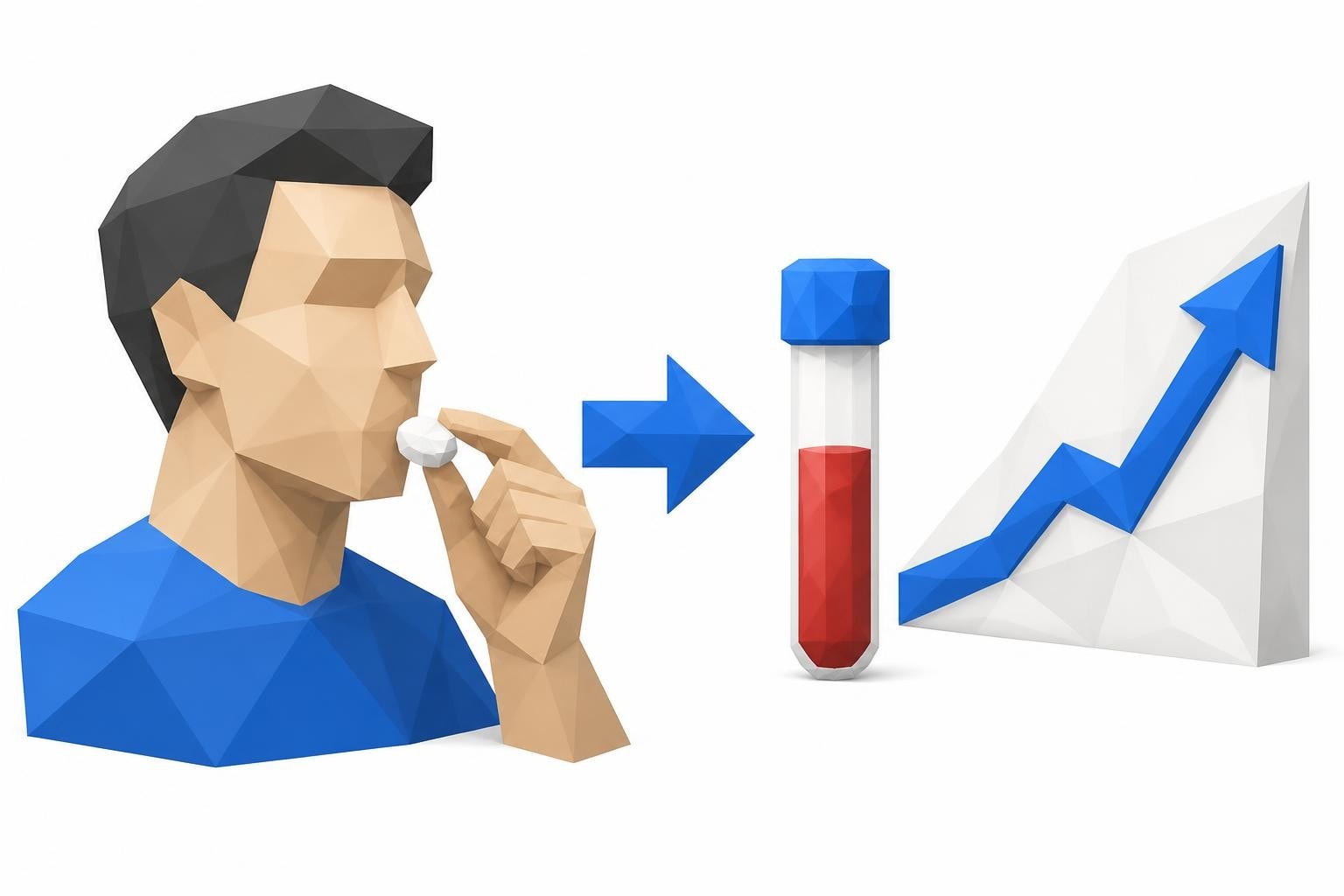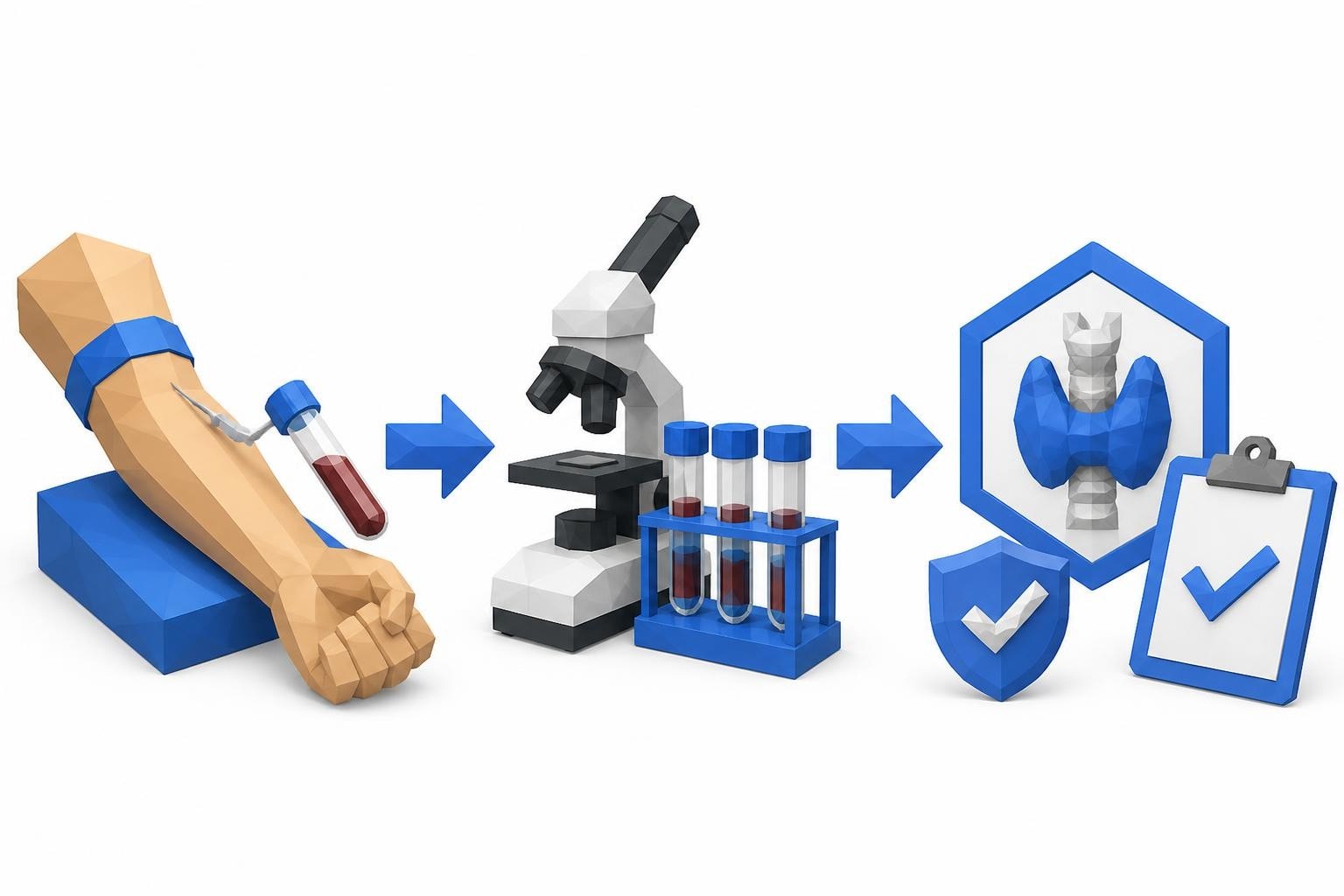
Ashwagandha has gained tremendous popularity as an adaptogenic supplement, with millions of Americans taking it daily for stress relief, energy, and overall wellness. However, many people don't realize that this powerful herb can influence thyroid function and potentially alter the results of thyroid blood tests. Understanding this interaction is crucial for anyone who regularly monitors their thyroid health or is preparing for laboratory testing.
Big picture
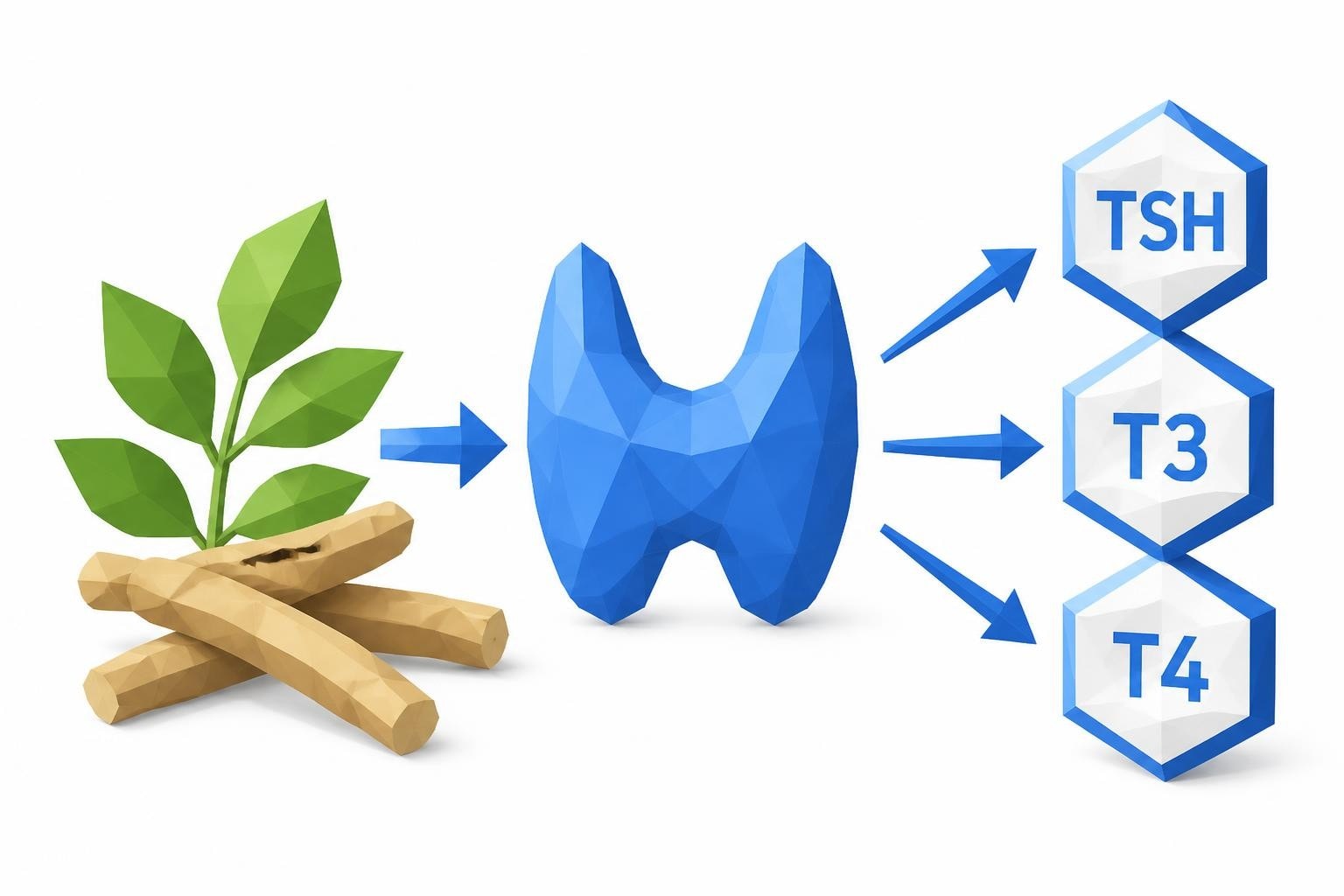
- Ashwagandha can influence thyroid hormone levels, particularly by increasing T3 (triiodothyronine) and T4 (thyroxine) production while potentially lowering TSH (thyroid-stimulating hormone) in some individuals
- Research indicates measurable changes in thyroid markers among people taking ashwagandha supplements, especially those with subclinical hypothyroidism
- Timing matters for accurate testing: If you're scheduled for thyroid blood work, the supplement may affect your results and could mask or exaggerate underlying conditions
- People with thyroid disorders should exercise caution, as ashwagandha may interact with thyroid medications and create hormone levels that fall outside therapeutic ranges
- Consult your healthcare provider before testing if you're taking ashwagandha regularly, and consider pausing supplementation 1-2 weeks before laboratory work for baseline measurements
- Monitor your thyroid function regularly through accessible testing options to track how supplements affect your individual hormone levels over time
Understanding Ashwagandha's Impact on Thyroid Function
Ashwagandha (Withania somnifera) belongs to a class of herbs called adaptogens, which help the body respond to various stressors. According to the National Center for Complementary and Integrative Health, ashwagandha has been used in Ayurvedic medicine for centuries and is increasingly popular in Western countries for stress management and energy support.
The herb's influence on thyroid function stems from its interaction with the hypothalamic-pituitary-thyroid (HPT) axis. This complex feedback system regulates how your body produces and responds to thyroid hormones. When you take ashwagandha regularly, it can modulate this axis in several ways.
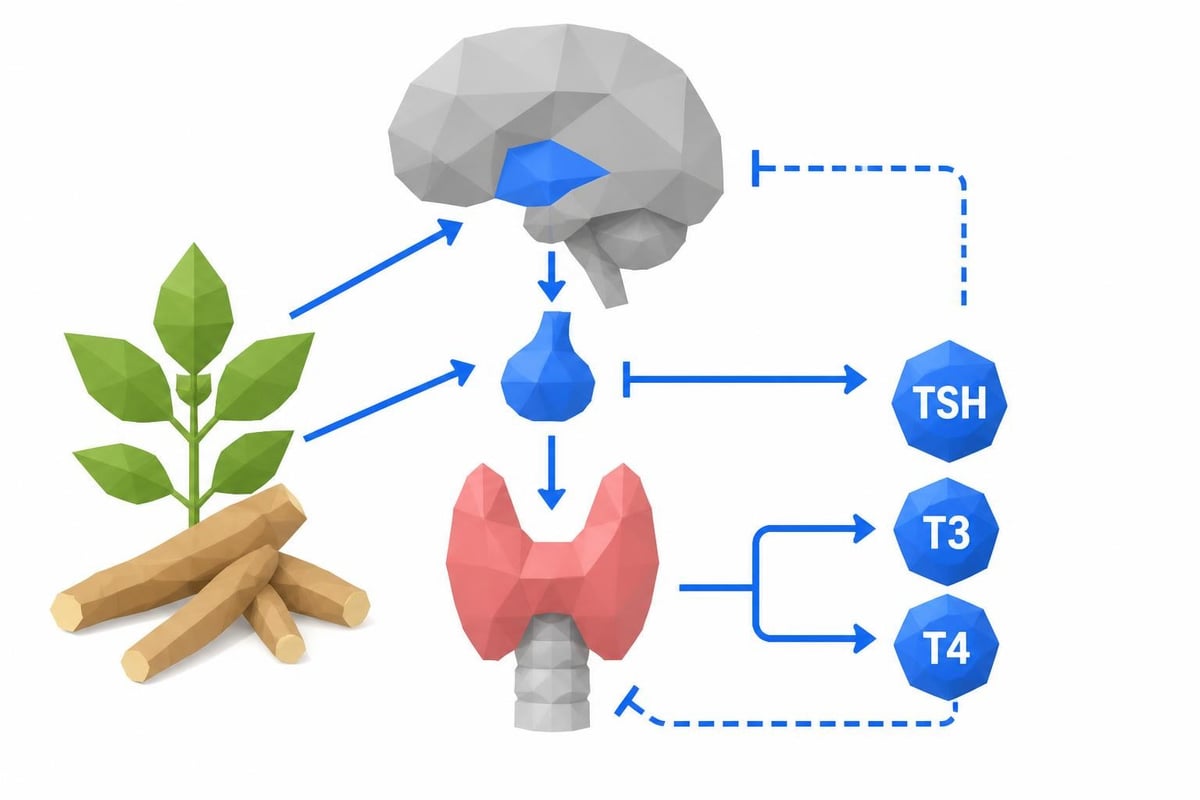
Mechanisms of Thyroid Influence
Research published in peer-reviewed endocrine journals demonstrates that ashwagandha contains compounds called withanolides, which appear to stimulate thyroid hormone production. These bioactive molecules can:
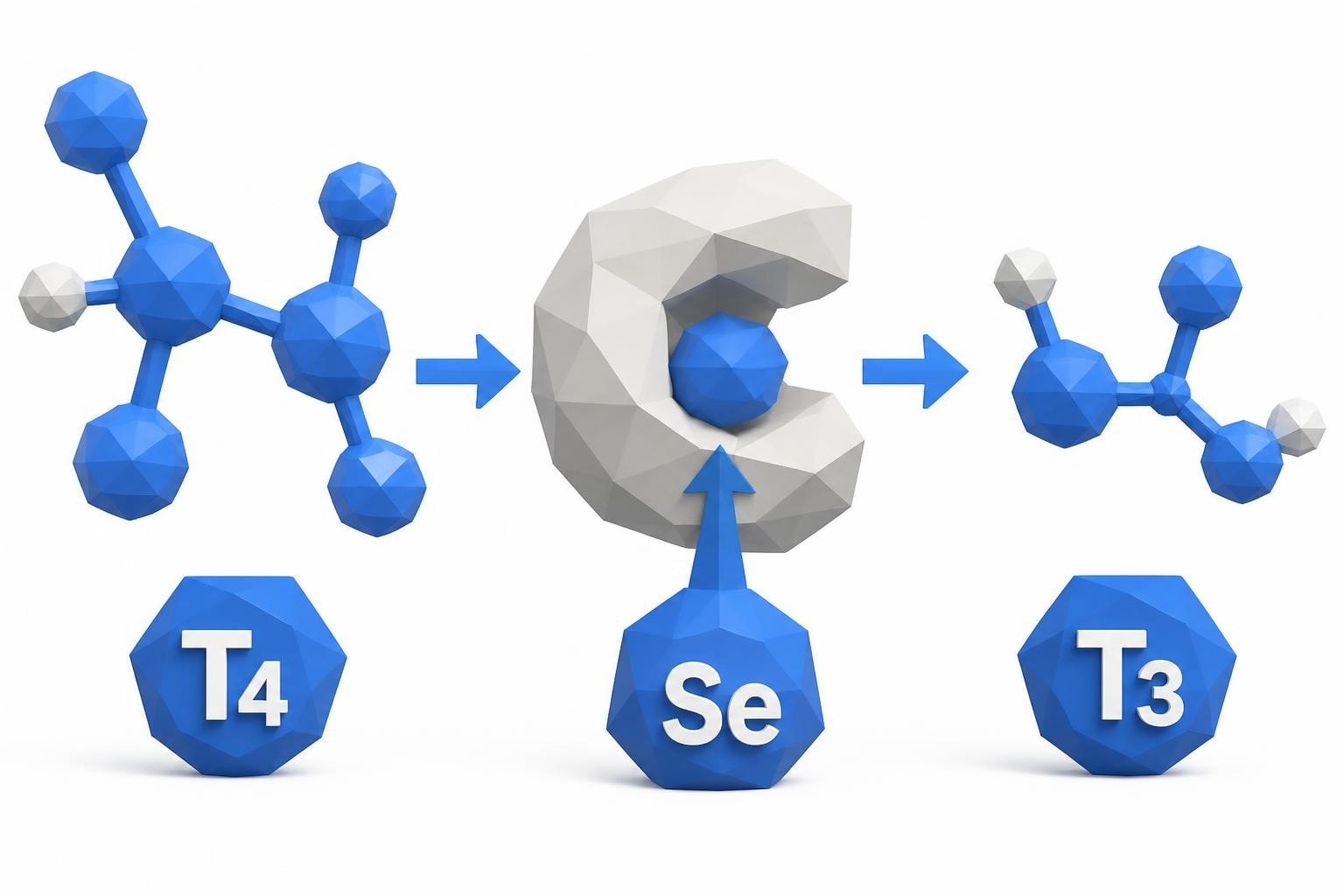
- Enhance the conversion of T4 to the more active T3 hormone
- Stimulate thyroid peroxidase activity, an enzyme critical for thyroid hormone synthesis
- Reduce oxidative stress in thyroid tissue
- Modulate cortisol levels, which indirectly affects thyroid function
The degree of impact varies significantly among individuals. Some people experience substantial changes in their thyroid markers, while others show minimal response. This variability depends on baseline thyroid function, dosage, duration of use, and individual biochemistry.
Clinical Evidence on Thyroid Test Results
Multiple clinical studies have documented changes in thyroid blood test values among ashwagandha users. A comprehensive review in the National Library of Medicine examined several controlled trials and found consistent patterns.
Study Findings and Measurements
One frequently cited eight-week study involving adults with subclinical hypothyroidism showed notable results:
| Thyroid Marker | Average Change | Clinical Significance |
|---|---|---|
| TSH | Decreased by 0.5-1.0 mIU/L | Moderate reduction |
| Free T4 | Increased 10-15% | Clinically meaningful |
| Free T3 | Increased 15-20% | Significant elevation |
| Thyroid antibodies | Variable | Individual response |
These changes were observed with daily doses ranging from 300-600 mg of standardized ashwagandha extract. The effects became measurable within 4-6 weeks of consistent supplementation and persisted throughout the study period.
Importantly, the magnitude of change was most pronounced in individuals who started with borderline-low thyroid function. Those with normal baseline thyroid levels typically experienced smaller shifts, though still measurable ones.
Does Ashwagandha Affect Thyroid Blood Tests in Healthy Individuals?
Even people without diagnosed thyroid conditions may see altered test results. Health journalism sources report that ashwagandha can push thyroid hormones toward the higher end of the normal range in individuals with optimal baseline function.
This presents a testing challenge: your results might appear elevated compared to your true, non-supplemented baseline. For someone being screened for hyperthyroidism or adjusting medication doses, this could lead to clinical misinterpretation.
Practical Implications for Laboratory Testing
When you order thyroid panels through services like Justlabs, understanding supplement interactions becomes essential for accurate interpretation. The question "does ashwagandha affect thyroid blood tests" has significant practical implications for test timing and preparation.
Pre-Test Considerations
Supplement disclosure matters: Always inform your healthcare provider about ashwagandha use, including dosage and duration. This information helps them interpret results within the proper context.
Washout periods: For baseline thyroid assessment, many practitioners recommend discontinuing ashwagandha for 7-14 days before testing. This allows hormone levels to return closer to their non-supplemented state. The exact duration depends on:
- How long you've been taking ashwagandha
- Your daily dosage
- Your baseline thyroid function
- The specific reason for testing
Consistency for monitoring: If you're using thyroid tests to track supplement effects, maintain consistent ashwagandha intake before each test. This allows meaningful comparison across time points.
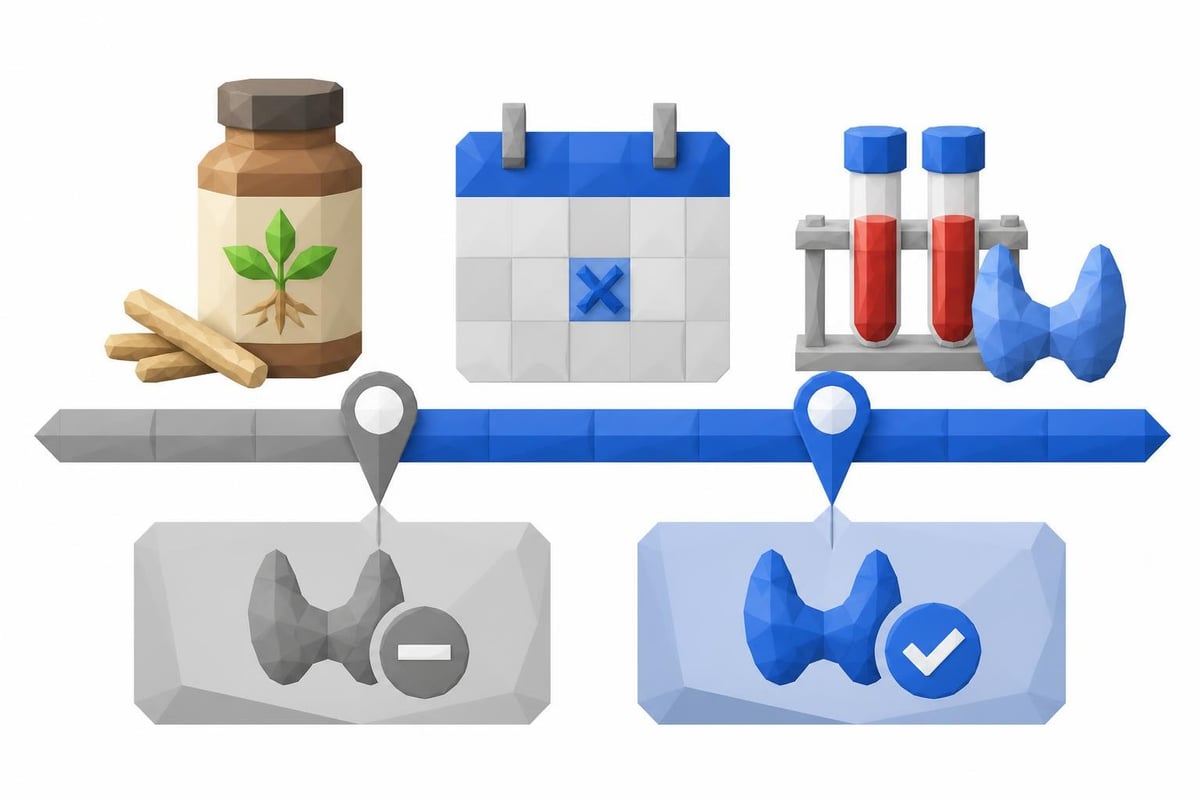
Which Tests Are Most Affected?
Different thyroid markers show varying degrees of sensitivity to ashwagandha influence:
Highly sensitive markers:
- TSH (thyroid-stimulating hormone)
- Free T3 (active thyroid hormone)
- Free T4 (thyroid prohormone)
Moderately sensitive markers:
- Total T3 and T4
- Reverse T3
Less consistently affected:
Recommended Panel
Complete Thyroid Panel
Save $3Our most comprehensive thyroid panel includes all 5 essential markers: TSH, Free T4, Free T3, Reverse T3, and both thyroid antibodies. Get the complete picture of your thyroid health.
Includes 6 biomarkers
$84
Most comprehensive thyroid panels assess multiple markers simultaneously. When ashwagandha affects your results, you'll typically see coordinated changes across TSH, T3, and T4 rather than isolated abnormalities.
Special Considerations for Thyroid Conditions
The intersection of ashwagandha supplementation and existing thyroid disorders requires careful attention. Does ashwagandha affect thyroid blood tests differently in people with diagnosed conditions? Research suggests yes.
Hypothyroidism and Hashimoto's Thyroiditis
For individuals with underactive thyroid function, ashwagandha's stimulatory effects might seem beneficial. However, this creates complexity:
- Medication interactions: Ashwagandha may enhance levothyroxine or other thyroid replacement medications, potentially causing overmedication symptoms
- Dosing challenges: Your prescribed medication dose is calibrated to your baseline function; adding ashwagandha disrupts this calibration
- Autoimmune considerations: In Hashimoto's thyroiditis, stimulating the thyroid might theoretically increase autoimmune activity, though evidence remains limited
Those managing hypothyroidism with medication should work closely with their healthcare provider before adding ashwagandha. Regular monitoring through accessible lab testing services helps track combined effects.
Hyperthyroidism and Graves' Disease
People with overactive thyroid conditions face greater risks:
| Risk Factor | Potential Consequence | Recommendation |
|---|---|---|
| Further hormone elevation | Thyrotoxicosis symptoms | Avoid ashwagandha |
| Medication interference | Reduced treatment effectiveness | Consult endocrinologist |
| Test result confusion | Delayed diagnosis adjustment | Disclose all supplements |
Recommended Panel
Hashimoto's Panel
Save $3The definitive panel for diagnosing Hashimoto's thyroiditis - the #1 cause of hypothyroidism. Tests both major thyroid antibodies that indicate autoimmune thyroid disease.
Includes 5 biomarkers
$58
Most endocrinologists advise against ashwagandha supplementation in hyperthyroid states. The herb's thyroid-stimulating properties work counter to treatment goals.
Optimizing Your Thyroid Testing Strategy
Whether you're monitoring existing thyroid conditions or pursuing wellness optimization, strategic testing approaches yield the most useful information. Modern direct-access laboratory services have made this easier than ever.
Creating a Testing Timeline
Initial baseline establishment:
- Test thyroid markers before starting ashwagandha
- Use comprehensive panels including TSH, Free T4, Free T3, and antibodies
- Record results as your personal reference point
- Consider testing through affordable options to minimize financial barriers
Monitoring phase:
- Begin ashwagandha at your chosen dose
- Retest after 6-8 weeks to assess impact
- Compare results to baseline measurements
- Adjust supplementation based on findings and goals
Ongoing surveillance:
- Test every 3-6 months during continued use
- Watch for trend changes over time
- Correlate lab values with how you feel physically
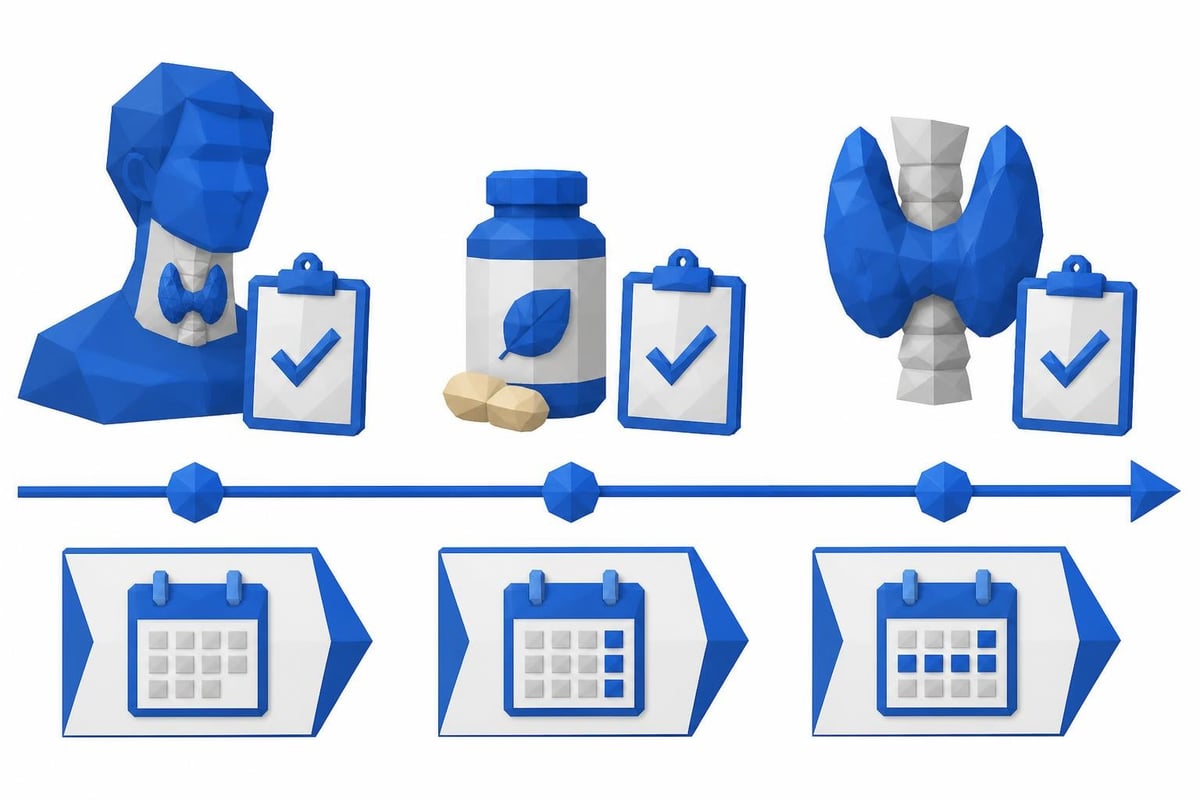
This systematic approach answers the question "does ashwagandha affect thyroid blood tests" with your own personalized data rather than relying solely on population studies.
Interpreting Results While Taking Ashwagandha
When you receive thyroid test results during ashwagandha supplementation, consider these interpretation guidelines:
Compare to your baseline: Population reference ranges provide general context, but your individual baseline offers more relevant comparison. A Free T4 level at the top of the reference range might be normal for you, or it might represent a supplement-induced increase.
Look for patterns: Single abnormal values warrant attention but don't always require action. Consistent trends across multiple tests provide stronger evidence of meaningful change.
Correlate with symptoms: Lab values matter most when considered alongside clinical symptoms. Elevated thyroid markers without hyperthyroid symptoms (anxiety, rapid heartbeat, weight loss, heat intolerance) may not require intervention.
Factor in test variability: Thyroid hormones fluctuate naturally throughout the day and across menstrual cycles. Some variation between tests is normal and expected.
Cost-Effective Monitoring Approaches
Regular thyroid monitoring might seem financially burdensome, but direct-access testing has transformed affordability. Services offering transparent lab test pricing eliminate insurance hassles and provide predictable costs.
For ashwagandha users, strategic test selection balances comprehensiveness with budget:
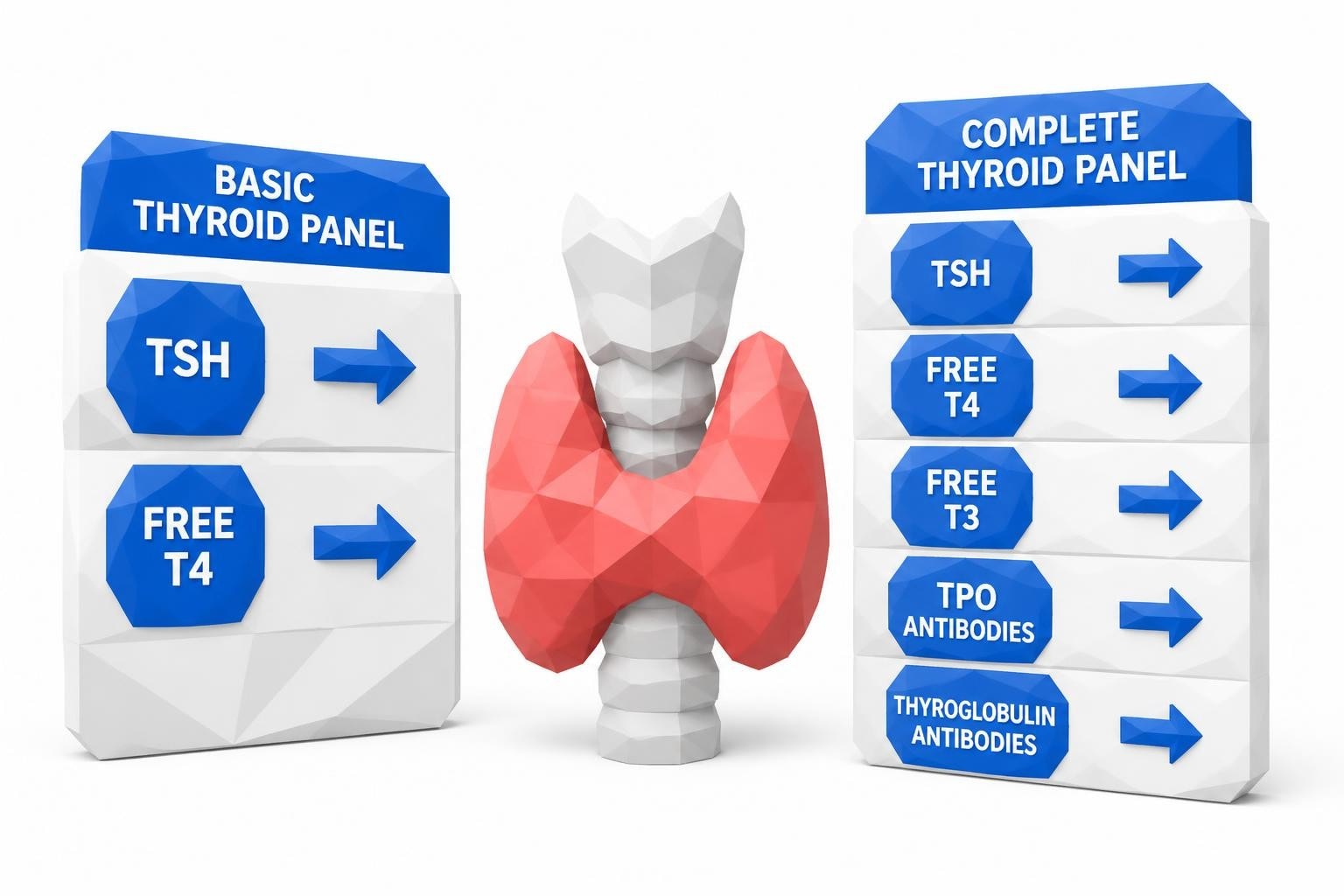
- Basic monitoring: TSH and Free T4 (captures most significant changes)
- Standard monitoring: TSH, Free T4, and Free T3 (more complete picture)
- Comprehensive evaluation: Full thyroid panel including antibodies (for complex cases)
Recommended Panel
Basic Thyroid Panel
Save $2This panel includes the 3 essential thyroid markers: TSH, Free T4, and Free T3. The perfect starting point for evaluating thyroid function without unnecessary tests.
Includes 3 biomarkers
$30
Many people find that basic monitoring every 3-4 months provides adequate surveillance, with comprehensive panels reserved for times when results show unexpected changes.
Beyond Thyroid: Other Laboratory Considerations
While thyroid function draws primary attention, ashwagandha's broad physiological effects may influence other laboratory tests. Understanding these interactions provides complete context for your health monitoring.
Additional Biomarkers
Cortisol levels: Ashwagandha's adaptogenic properties include cortisol modulation. If you're testing adrenal function or stress hormones, ashwagandha typically lowers cortisol levels. This effect is generally considered beneficial but affects test interpretation.
Blood sugar markers: Some research suggests ashwagandha may improve insulin sensitivity and reduce fasting glucose. Users monitoring diabetes markers or metabolic health should note supplement use when evaluating trends.
Inflammation markers: Ashwagandha possesses anti-inflammatory properties that might reduce C-reactive protein (CRP) and other inflammation markers. This generally represents a positive effect but should be considered when assessing inflammatory conditions.
Understanding these broader effects helps you and your healthcare provider develop a complete picture of how supplementation influences your laboratory profile.
Key Takeaways
Does ashwagandha affect thyroid blood tests? The evidence clearly shows it can and often does, though the magnitude varies individually. The herb typically increases T3 and T4 levels while decreasing TSH, particularly in people with borderline-low thyroid function. These changes are measurable and clinically relevant.
For accurate testing, consider pausing ashwagandha 7-14 days before establishing baseline thyroid values. When monitoring supplement effects, maintain consistent intake before each test for meaningful comparisons.
People with existing thyroid conditions should exercise extra caution and work closely with healthcare providers, as ashwagandha may interact with thyroid medications and complicate management.
Regular monitoring through accessible testing services allows you to track your individual response patterns rather than relying solely on population studies. This personalized approach optimizes both supplement use and thyroid health management.
The growing availability of direct-access laboratory testing makes this monitoring strategy practical and affordable for most people interested in understanding how ashwagandha influences their unique physiology.
Related Reading
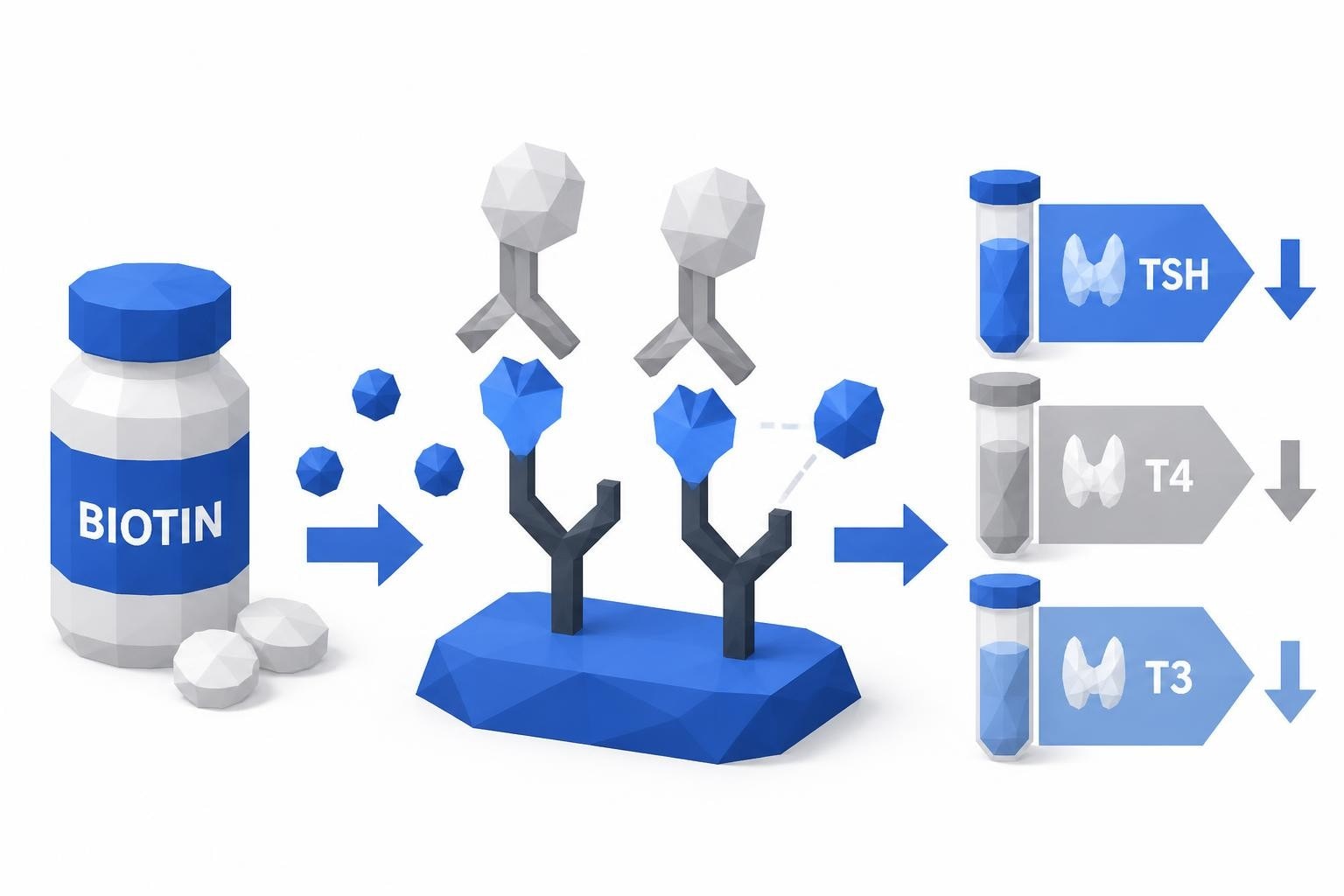

Frequently Asked Questions
How long before a thyroid test should I stop taking ashwagandha?
For baseline measurements, discontinuing ashwagandha 7-14 days before testing allows hormone levels to return closer to their non-supplemented state. The exact duration depends on how long you've been taking it and your dosage. Those using ashwagandha for several months may need the longer washout period, while recent users might clear it more quickly. If you're testing specifically to monitor ashwagandha's effects, maintain your regular supplementation schedule instead.
Can ashwagandha cause false thyroid test results?
Ashwagandha doesn't create "false" results in the technical sense-your measured hormone levels genuinely reflect your physiology at the time of testing. However, these levels may not represent your baseline thyroid function without supplementation. This distinction matters when diagnosing thyroid disorders or adjusting medication doses, as the supplement's influence could lead to inappropriate clinical decisions if not disclosed.
Will ashwagandha interfere with thyroid medication?
Ashwagandha can enhance the effects of thyroid replacement medications like levothyroxine, potentially leading to overmedication. This interaction may cause hyperthyroid symptoms including rapid heartbeat, anxiety, tremors, and sleep disturbances. Anyone taking thyroid medication should consult their healthcare provider before adding ashwagandha and should increase monitoring frequency if they choose to combine them.
Which thyroid markers does ashwagandha affect most?
Research consistently shows ashwagandha most significantly influences TSH (usually decreasing it), Free T4 (typically increasing), and Free T3 (often increasing substantially). The effects on thyroid antibodies appear less consistent and may vary based on individual immune function. Total T3 and T4 measurements also change but are less commonly used in modern thyroid assessment compared to the free hormone levels.
Should I tell my doctor about ashwagandha before thyroid testing?
Absolutely. Full supplement disclosure helps your healthcare provider interpret results accurately and make appropriate clinical recommendations. Many people forget to mention supplements when discussing medications, but herbs like ashwagandha can influence laboratory values as significantly as pharmaceutical drugs. This information is particularly crucial when being evaluated for new thyroid conditions or when adjusting existing treatment regimens.
How often should I test my thyroid while taking ashwagandha?
Initial monitoring should occur 6-8 weeks after starting ashwagandha to capture its effects on thyroid function. After establishing your response pattern, testing every 3-6 months provides adequate surveillance for most people. Those with existing thyroid conditions or taking thyroid medications may need more frequent monitoring as recommended by their healthcare provider. This regular testing strategy helps identify unwanted changes before they cause symptoms.
Does ashwagandha affect thyroid blood tests the same way in everyone?
Individual responses vary considerably. People with subclinical hypothyroidism typically show the most pronounced changes, while those with optimal baseline thyroid function experience smaller shifts. Genetic factors, overall health status, dosage, and duration of use all influence how significantly ashwagandha affects your specific thyroid markers. This variability underscores the importance of personalized testing rather than assuming you'll respond like study averages.
Ashwagandha can meaningfully influence thyroid hormone levels and test results, particularly by elevating T3 and T4 while suppressing TSH. Understanding this interaction helps you time your testing appropriately and interpret results accurately. Whether you're establishing a baseline, monitoring supplement effects, or managing an existing thyroid condition, regular testing provides the personalized data you need. Justlabs makes thyroid monitoring accessible and affordable, with transparent pricing and results typically available within 1-3 days, helping you track how ashwagandha and other lifestyle factors influence your unique thyroid health.
References
Sharma AK, Basu I, Singh S. Efficacy and Safety of Ashwagandha Root Extract in Subclinical Hypothyroid Patients: A Double-Blind, Randomized Placebo-Controlled Trial. J Altern Complement Med. 2018 Mar;24(3):243-248. doi: 10.1089/acm.2017.0183. PMID: 28829155. https://pubmed.ncbi.nlm.nih.gov/28829155/
Wiciński M, Fajkiel-Madajczyk A, Kurant Z, Kurant D, Gryczka K, Falkowski M, Wiśniewska M, Słupski M, Ohla J, Zabrzyński J. Can Ashwagandha Benefit the Endocrine System?-A Review. Int J Mol Sci. 2023 Nov 20;24(22). doi: 10.3390/ijms242216513. PMID: 38003702. https://pubmed.ncbi.nlm.nih.gov/38003702/
Della Porta M, Maier JA, Cazzola R. Effects of Withania somnifera on Cortisol Levels in Stressed Human Subjects: A Systematic Review. Nutrients. 2023 Dec 5;15(24). doi: 10.3390/nu15245015. PMID: 38140274. https://pubmed.ncbi.nlm.nih.gov/38140274/
Kamal HI, Patel K, Brdak A, Heffernan J, Ahmad N. Ashwagandha as a Unique Cause of Thyrotoxicosis Presenting With Supraventricular Tachycardia. Cureus. 2022 Mar;14(3):e23494. doi: 10.7759/cureus.23494. PMID: 35475098. https://pubmed.ncbi.nlm.nih.gov/35475098/
Hayashi M, Hamada H, Azuma SI, Hayashi K. Painless Thyroiditis by Withania somnifera (Ashwagandha). Cureus. 2024 Mar;16(3):e55352. doi: 10.7759/cureus.55352. PMID: 38559552. https://pubmed.ncbi.nlm.nih.gov/38559552/