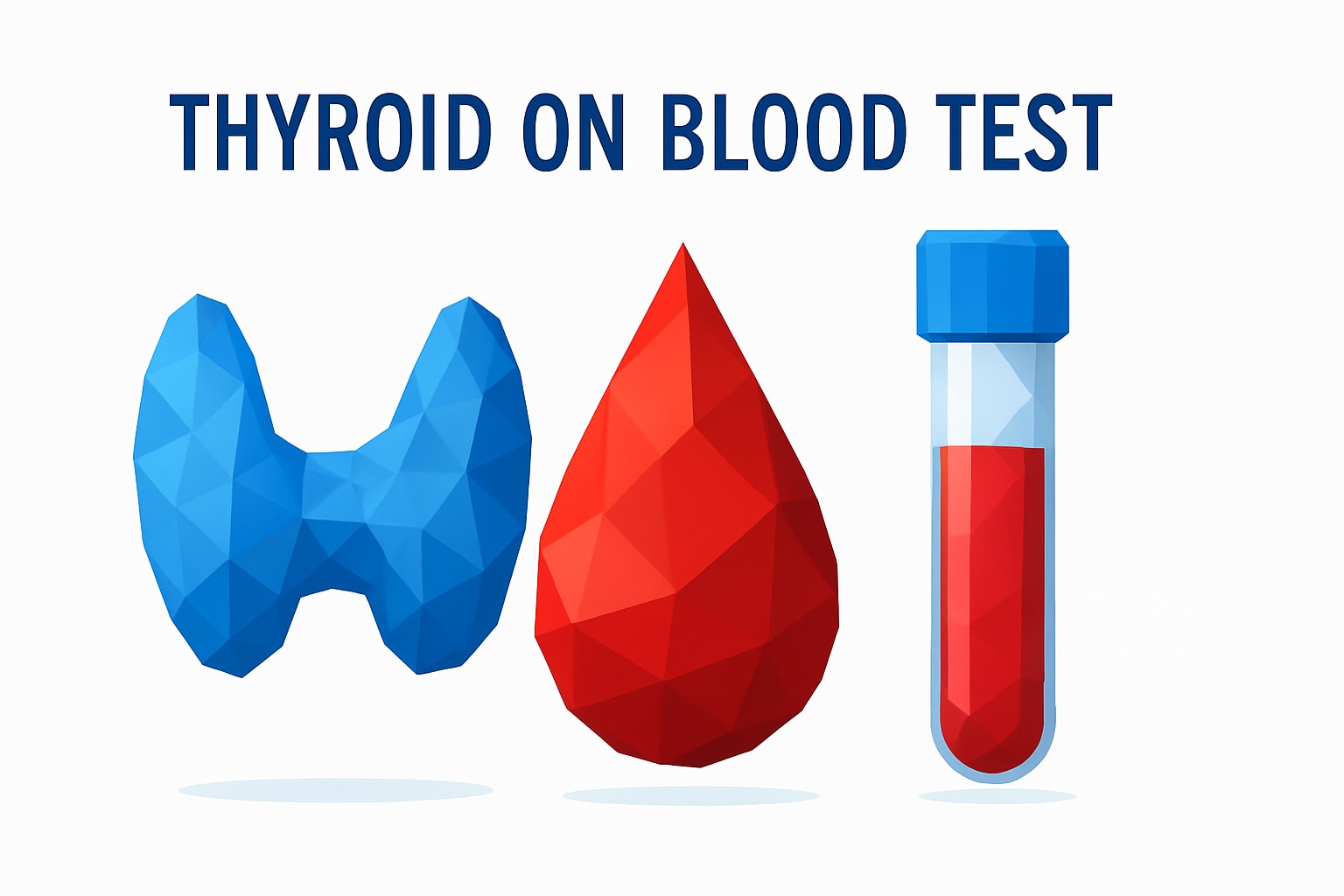
Many people feel uncertain when their doctor mentions “thyroid on blood test,” unsure what it truly means for their health. Understanding these results is important because the thyroid influences energy, weight, mood, and more.
This guide breaks down what “thyroid on blood test” covers in 2026. You will learn about the main thyroid markers doctors check, why each is measured, and how the results are interpreted together. We will also explain when testing is recommended and how to prepare for accurate results.
By the end, you will feel more confident about your thyroid health, and you will know how options like JustLabs can help you access thyroid blood tests with clear pricing.
What Is the Thyroid and Why Is It Tested?
Understanding what your doctor means by “thyroid on blood test” starts with knowing what the thyroid gland does and why it’s so important for your health. The thyroid is a small, butterfly-shaped gland in your neck that produces hormones essential for regulating your body’s metabolism. These hormones help control how your body uses energy, affecting everything from heart rate and temperature to weight and mood.
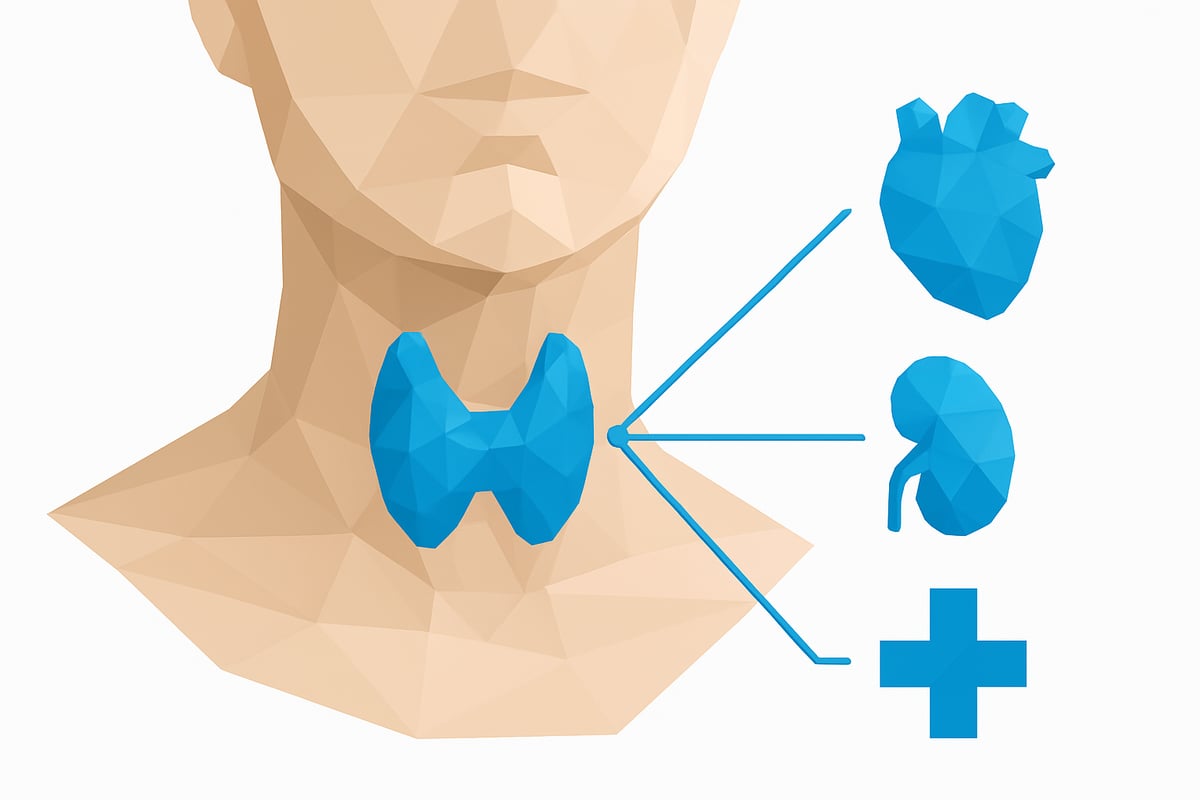
The Thyroid Gland: Role in the Body
The thyroid works much like the body’s thermostat, releasing hormones that regulate energy use, temperature, and the pace of vital functions. Two main hormones—thyroxine (T4) and triiodothyronine (T3)—travel through the bloodstream to every cell, helping your body maintain a healthy balance.
A well-functioning thyroid keeps metabolism steady, supports heart health, and helps manage weight. When the thyroid produces too much or too little hormone, you may notice symptoms such as fatigue, unexplained weight changes, or mood swings. These issues are more common than many realize: about 1 in 8 women will develop a thyroid disorder in their lifetime, and thyroid conditions can affect people of all ages.
Doctors often order a thyroid on blood test when patients experience these symptoms or have a family history of thyroid disease. The main markers checked include TSH, Free T4, Free T3, and sometimes thyroid antibodies. To learn more about what these tests involve and why they matter, you can visit this Thyroid Function Tests Overview.
Recommended Panel
Basic Thyroid Panel
Save $2This panel includes the 3 essential thyroid markers: TSH, Free T4, and Free T3. The perfect starting point for evaluating thyroid function without unnecessary tests.
Includes 3 biomarkers
$30
Reasons for Thyroid Blood Testing
There are several key reasons for checking the thyroid on blood test panels. The most common is to investigate symptoms that could signal a thyroid problem, such as ongoing tiredness, sudden weight gain or loss, or changes in mood and energy. Testing is also important for people already diagnosed with thyroid conditions, as it helps monitor how well treatments are working.
Thyroid blood tests play a role in screening programs as well. For example, all newborns are screened for thyroid issues soon after birth, since early detection is crucial for healthy development. Pregnant women and people with risk factors—like a family history of thyroid disorders or autoimmune disease—may be advised to get tested more often. Sometimes, unexplained symptoms like hair loss or difficulty getting pregnant prompt doctors to check thyroid function, even if other causes have been ruled out.
By measuring several markers together, thyroid on blood test panels give a clearer picture of what’s happening and help guide next steps.
When and How Often Are Thyroid Tests Ordered?
Doctors may order a thyroid on blood test during annual checkups, especially if you have risk factors or symptoms. For those already managing a thyroid condition, such as hypothyroidism or hyperthyroidism, regular monitoring is key. The frequency of testing depends on your health situation. If you’re starting or adjusting thyroid medication, your doctor might recheck your levels every 6 to 8 weeks until things stabilize.
For people without symptoms or known thyroid problems, thyroid testing is typically less frequent and guided by age, family history, or other risk factors. For example, patients on long-term thyroid replacement therapy often have their thyroid on blood test repeated every 6 to 12 months to ensure their dose is right.
No special preparation is usually needed for thyroid blood tests. However, it’s helpful to let your healthcare provider know about any medications or supplements you take, as some can affect results. If you are interested in self-pay options, services like JustLabs offer transparent pricing and direct access to thyroid blood testing, making it easier to take charge of your health.
Key Thyroid Blood Markers Explained
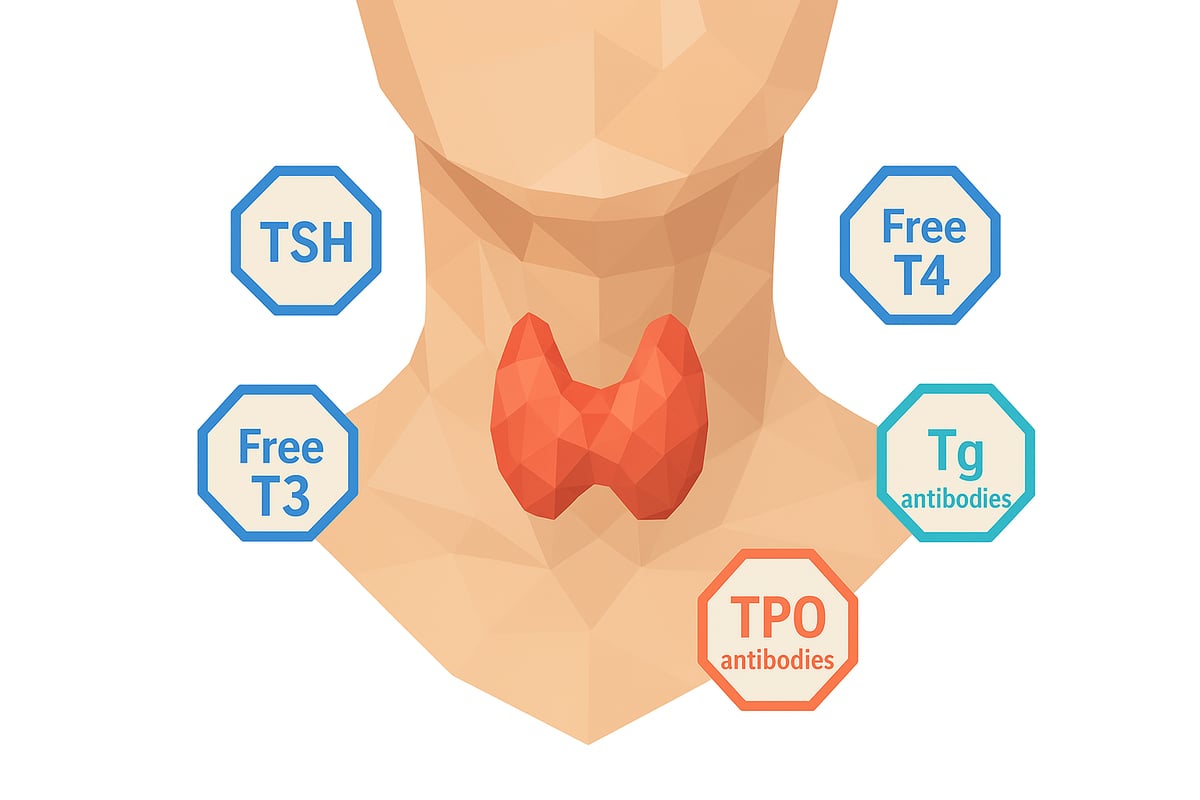
Understanding what “thyroid on blood test” means is key to taking charge of your thyroid health. When your doctor orders these tests, they are looking for specific markers in your blood that reflect how well your thyroid is working. Each marker tells a different part of the story, and together, they help build a complete picture.
TSH (Thyroid Stimulating Hormone)
TSH is the most common marker you will see when discussing “thyroid on blood test” results. Made by your pituitary gland, TSH acts like a messenger, signaling your thyroid to produce hormones. High TSH usually suggests your thyroid is underactive, while low TSH can indicate it is overactive.
Doctors often order TSH as the starting point for thyroid assessment. However, TSH alone does not always reveal the full status of your thyroid on blood test panels. For a deeper explanation of this marker, you can read the Understanding TSH blood test guide.
A single TSH result may be influenced by factors such as illness, medications, or even the time of day. That is why it is important to interpret TSH alongside other thyroid markers.
TSH (Thyroid Stimulating Hormone)
1 biomarkers
Free T4 (Thyroxine)
Free T4 is the main hormone produced by your thyroid, and “free” means it is available for use by your body’s tissues. When doctors mention “thyroid on blood test,” Free T4 is usually part of the panel.
Low Free T4 levels can point toward hypothyroidism, while high levels may suggest hyperthyroidism or too much thyroid medication. Free T4 helps confirm what TSH is telling you and adds another layer to the diagnosis process.
Because Free T4 is unbound, it gives a more accurate picture than total T4. This marker helps explain symptoms like fatigue, weight changes, or sensitivity to cold or heat, which are common reasons for checking thyroid on blood test panels.
Free T4 (Thyroxine)
1 biomarkers
Free T3 (Triiodothyronine)
Free T3 is the most active thyroid hormone, though your body makes it in smaller amounts. Measuring Free T3 is useful when TSH and Free T4 do not fully explain your symptoms or when hyperthyroidism is suspected.
For some patients, Free T3 can be normal even if other thyroid markers are not. This makes Free T3 a helpful part of understanding thyroid on blood test results, especially for those with ongoing symptoms but unclear findings.
Doctors may order Free T3 if you have symptoms like palpitations, anxiety, or unexplained weight loss. It is also valuable when monitoring certain thyroid conditions or adjusting medication.
Free T3 (Triiodothyronine)
1 biomarkers
Thyroid Antibodies (TPO and Tg Antibodies)
Antibody tests are an important part of the “thyroid on blood test” panel. TPO (thyroid peroxidase) and Tg (thyroglobulin) antibodies help identify autoimmune thyroid conditions like Hashimoto’s disease or Graves’ disease.
Even people without symptoms can have mild elevations in these antibodies. Their presence means your immune system is reacting to your thyroid, which can influence treatment and monitoring.
Tg antibodies are also used for specific cases, such as when monitoring thyroid cancer. Including antibody testing helps clarify the cause of abnormal thyroid on blood test results and guides next steps for care.
TPO & TG Antibodies
2 biomarkers
Why Multiple Markers Matter
No single marker gives the full picture of your thyroid on blood test. TSH, Free T4, Free T3, and antibodies each provide unique information. For example, you might have a normal TSH but an abnormal Free T4 or Free T3, indicating a more complex thyroid issue.
Doctors interpret these markers together, considering your symptoms and health history. This approach helps avoid misdiagnosis and ensures you get the right care.
If you are preparing for a thyroid on blood test, know that most tests do not require fasting. Let your provider know about any medications or supplements you take. Consistency in the time of day for blood draws can also help with accurate tracking.
For those seeking affordable, direct access to thyroid on blood test panels, self-pay options like JustLabs make it easy to order tests online, visit a local lab, and receive clear results with transparent pricing. This empowers you to monitor your thyroid health confidently and conveniently.
Recommended Panel
Complete Thyroid Panel
Save $3Our most comprehensive thyroid panel includes all 5 essential markers: TSH, Free T4, Free T3, Reverse T3, and both thyroid antibodies. Get the complete picture of your thyroid health.
Includes 6 biomarkers
$84
How to Interpret Thyroid Blood Test Results
Interpreting your thyroid on blood test results can feel overwhelming at first. Each marker gives a piece of the puzzle, but understanding how they fit together is key to knowing what your numbers mean for your health.
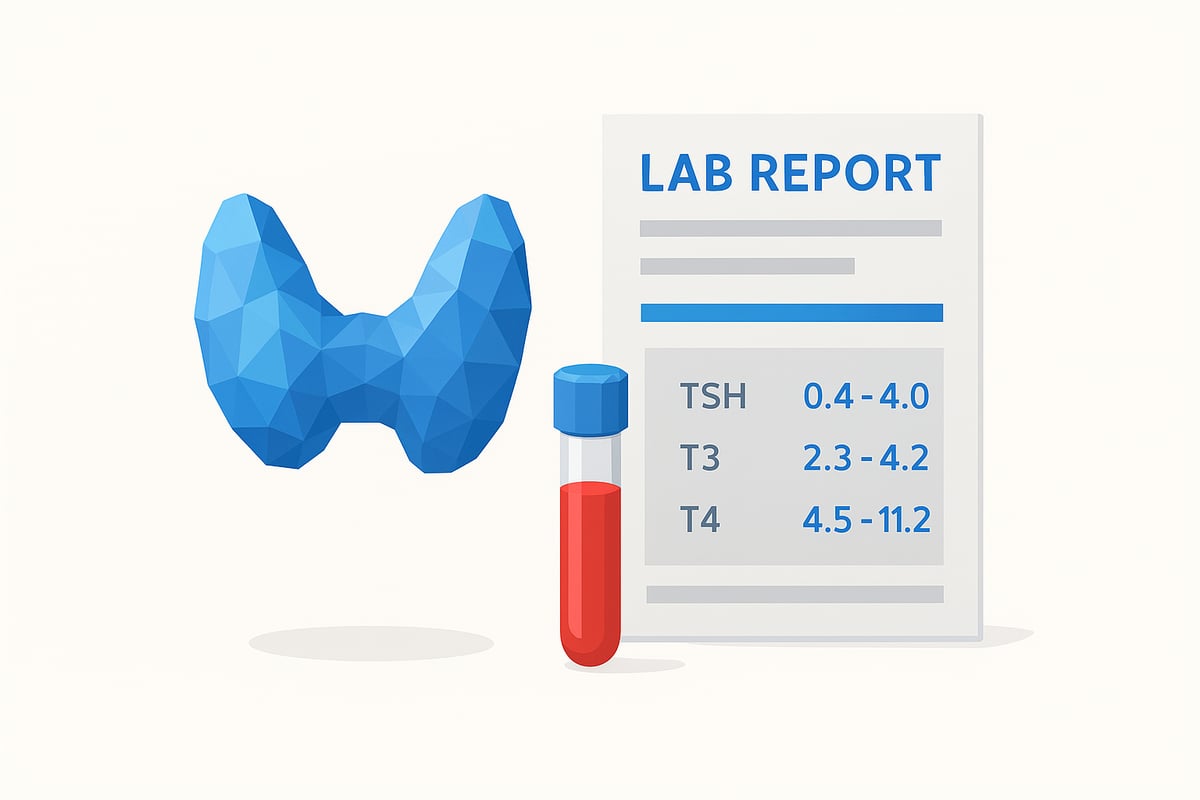
Understanding Reference Ranges in 2026
Reference ranges are the “normal” values used by labs to interpret thyroid on blood test results. These ranges can vary by age, sex, pregnancy status, and even from one lab to another. In 2026, there are ongoing updates based on new research and population data, making it important to look at your specific lab’s values.
The main markers—TSH, Free T4, and Free T3—each have their own reference ranges. For example, a TSH value considered normal for a young adult may be different for an older adult or a pregnant woman. Laboratories may also adjust their ranges as standards evolve. Recent changes in reference ranges are discussed in detail in the New Normal for Thyroid Test Ranges, which highlights why results should always be interpreted in context.
Because of these subtle shifts, your doctor may compare your thyroid on blood test result to both current and previous ranges, especially if you are monitoring a chronic condition. Always check your report for the specific reference range provided by the testing lab.
Patterns and What They May Suggest
Looking at patterns across your thyroid on blood test markers helps your healthcare provider understand your thyroid health. Several common patterns can indicate different possibilities, but remember that these are not diagnoses.
Here’s a quick overview:
| Pattern | Possible Meaning |
|---|---|
| High TSH, Low Free T4 | Hypothyroidism |
| Low TSH, High Free T4/Free T3 | Hyperthyroidism |
| Normal TSH, Abnormal T4/T3 | Pituitary/central issue |
| Positive TPO/Tg antibodies | Autoimmune thyroiditis |
For example, if your TSH is high but your Free T4 is low, this often points toward an underactive thyroid. If TSH is low and Free T4 or Free T3 is high, it may suggest an overactive thyroid. Isolated changes, such as only TSH being abnormal, can signal early or subclinical changes.
It’s important to remember that the thyroid on blood test only tells part of the story. Your symptoms, medical history, and even family background all factor into the final interpretation. Never rely on numbers alone—your healthcare provider will look at the full picture.
Factors That Influence Results
Several factors can affect the accuracy and meaning of your thyroid on blood test results. Medications, supplements, and temporary health changes can all play a role.
Some common influences include:
- Medications: Biotin (a common supplement), steroids, and thyroid medications can change results.
- Recent Illness or Stress: Being unwell, recovering from surgery, or experiencing major stress can temporarily alter thyroid levels.
- Pregnancy: Hormonal changes during pregnancy affect reference ranges and interpretation.
- Timing of Blood Draw: Morning draws are often preferred for consistency.
- Lab Variability: Different labs may use slightly different testing methods and ranges.
For example, taking biotin supplements can falsely lower TSH levels, making the thyroid on blood test appear more normal than it really is. Always tell your provider about any medications or supplements you are taking before your test.
When to Repeat or Expand Testing
Sometimes, your thyroid on blood test comes back with borderline or unexpected results. In these cases, your provider may suggest repeating the test after a few weeks or expanding the panel to include additional markers like thyroid antibodies or imaging studies.
Common reasons to repeat or expand testing include:
- Borderline TSH or Free T4 levels
- Changes in symptoms
- Adjustments in thyroid medication
- New onset of symptoms suggestive of thyroid problems
For those with stable thyroid conditions, tests may be done every 6–12 months. After medication changes, retesting is usually recommended in 6–8 weeks. If autoimmune thyroid disease is suspected, antibody testing may be added.
If you need access to thyroid on blood test panels without insurance, self-pay options like JustLabs offer transparent pricing and convenient online ordering. This empowers you to stay informed and proactive about your thyroid health.
Hashimoto's Panel
5 biomarkers
The Thyroid Blood Test Process: What to Expect
Getting a thyroid on blood test can feel unfamiliar, but knowing what to expect makes it much easier. Whether your doctor ordered the test because of symptoms or you are monitoring an existing thyroid condition, understanding the process helps you feel more in control.

Preparing for Your Thyroid Blood Test
Most people are relieved to learn that fasting is not usually required for a thyroid on blood test. You can eat and drink as you normally would, unless your provider gives you other instructions. However, it is important to tell your healthcare provider about all medications and supplements you are taking. Some common products, such as biotin or certain steroids, can affect your thyroid on blood test results.
Timing can also play a role in test consistency. Many clinics recommend having your thyroid on blood test in the morning, especially if you are taking thyroid medication. This helps reduce variation in hormone levels that can occur throughout the day. The blood draw itself is quick and involves only minimal discomfort. A technician or nurse will use a small needle to collect a sample from your arm, usually taking just a few minutes.
To make your experience as smooth as possible, wear clothing with sleeves that can be easily rolled up. Staying hydrated before your visit can also help make the blood draw easier. If you have concerns about needle procedures or fainting, let the staff know in advance so they can support you.
How and Where Testing Is Done
Thyroid on blood test panels are commonly performed at your doctor’s office, hospital labs, or independent laboratory centers. In recent years, more people are choosing direct-to-consumer services that allow self-pay access without needing a doctor’s order. These services offer privacy and convenience, which can be helpful if you do not have insurance or want to monitor your thyroid on blood test results regularly.
For example, services like JustLabs provide transparent pricing and easy online ordering for thyroid panels. You can see the full Thyroid panel test pricing before you decide, making it easier to budget for your health. After placing your order, you simply visit a nearby partner lab, such as Quest Diagnostics, for your blood draw.
Results from a thyroid on blood test are usually available within one to three days. You will receive your results securely online, often with clear explanations and trend tracking to help you follow your thyroid health over time. Annual thyroid screening is now a common part of routine care at many clinics, and self-pay options make it accessible to more people.
If you are considering a thyroid on blood test for the first time, rest assured that the process is straightforward, with minimal preparation, and designed to give you the information you need.
When Should You Get Thyroid Blood Tests?
Knowing when to check your thyroid on blood test can make a real difference in catching issues early. Most people are surprised by how many symptoms are linked to the thyroid. If you are feeling unusually tired, noticing changes in your weight, or having mood shifts, a thyroid on blood test could help explain why. Some symptoms seem vague, but together they can signal a thyroid imbalance. Even mild changes in hair, skin, or menstrual cycles may be related. If you are experiencing any of these, talk to your healthcare provider about whether thyroid testing is right for you.
Common Signs and Symptoms Prompting Testing
People often wonder what triggers a doctor to order a thyroid on blood test. Fatigue that does not improve with rest, unexplained weight gain or loss, and hair thinning are top reasons. Other signs include feeling unusually cold or hot, changes in mood, or irregular periods. A family history of thyroid disease also raises the likelihood that testing will be recommended. If you are planning a pregnancy or have had trouble conceiving, thyroid screening is especially important. Early detection through a thyroid on blood test can help you and your provider make informed decisions.
Energy & Fatigue Panel
36 biomarkers
Special Populations and Screening Recommendations
Certain groups are more likely to need a thyroid on blood test. Women over 60, people with autoimmune conditions, and those with a family history fall into higher-risk categories. Pregnant women and newborns are routinely screened, as thyroid health is vital during development. For adults, screening guidelines can vary. The UK Guidelines for Thyroid Function Tests offer detailed recommendations for who should be tested and how often. If you belong to any high-risk group, ask your doctor if regular thyroid testing is appropriate for you.
Autoimmune Screening Panel
21 biomarkers
Monitoring and Follow-Up Testing
Once a thyroid issue is diagnosed, ongoing monitoring is crucial. For those on medication, a thyroid on blood test is often repeated every 6 to 12 months to ensure levels stay in range. If your dose changes, your provider may recheck your labs after 6 to 8 weeks. Even if your results are stable, regular testing helps catch subtle shifts before symptoms return. Keeping a record of your test results can help you and your doctor spot patterns or changes over time. Consistent follow-up is key to staying healthy.
Reverse T3
1 biomarkers
Risks of Untested Thyroid Issues
Ignoring the need for a thyroid on blood test can have serious consequences. Untreated hypothyroidism may lead to heart disease, high cholesterol, and fertility problems. In children, missing a thyroid disorder can affect growth and brain development. Hyperthyroidism that goes unchecked can cause heart rhythm problems or weaken bones. By acting early with a thyroid on blood test, you can reduce these risks and protect your long-term health. Remember, self-pay options like JustLabs make it easy and affordable to access testing if you need it.
FAQs and Resources for Understanding Thyroid Blood Tests
Understanding your thyroid on blood test results can raise many questions. Here, we address some of the most common concerns patients have about thyroid testing, preparation, and interpretation. These answers are designed to make your lab experience less stressful and more informed.
Answers to Common Patient Questions
People often wonder what thyroid on blood test means and how to prepare. Most thyroid blood tests, including TSH, Free T4, and Free T3, do not require fasting. You can usually eat and drink as normal, but always inform your provider about any supplements, especially biotin, as it may alter your results.
If your results are borderline, your doctor may recommend repeating the thyroid on blood test or expanding the panel to include antibody measurements. For those curious about what each marker reveals, What Free T4 measures offers a detailed explanation of this essential thyroid hormone.
Thyroid tests differ from other hormone tests in that they often need to be interpreted together, not in isolation. Supplements and certain medications can influence outcomes, so full disclosure is important at your appointment.
Where to Find Support and More Information
Navigating thyroid on blood test results can feel overwhelming, but there are trusted resources available. The Australian Thyroid Foundation and Pathology Tests Explained provide reliable, patient-focused information about thyroid health.
If you are specifically interested in understanding thyroid antibodies, the Guide to thyroid antibodies tests explains the role of TPO and Tg antibodies in diagnosing autoimmune thyroid conditions. Healthdirect.gov.au is another reputable source for general health questions.
Support groups and patient advocacy organizations can also help you connect with others, share experiences, and ask questions about your thyroid on blood test journey.
Next Steps After Receiving Results
After receiving your thyroid on blood test results, schedule a follow-up with your healthcare provider. They will help interpret your numbers in the context of your symptoms, medical history, and any ongoing treatment. If your results are unclear or complex, you might be referred to an endocrinologist, a specialist in hormone disorders.
It is wise to keep a personal health record to track changes and trends over time. This empowers you to notice patterns and ask informed questions. If you do not have insurance, self-pay options like JustLabs offer transparent pricing and direct access to testing, so you can monitor your thyroid health with confidence and convenience.
Understanding your thyroid blood test results can feel overwhelming, but you now have the knowledge to make confident, informed choices about your health. If you're ready to take the next step—whether you're managing symptoms, monitoring a known thyroid condition, or just want peace of mind—you have options that fit your lifestyle. With Justlabs, you can order the thyroid tests you need online at transparent prices, without the hassle of insurance or extra appointments. It's quick, convenient, and empowers you to take charge of your well-being.
Take control of your thyroid health today and Order Tests.