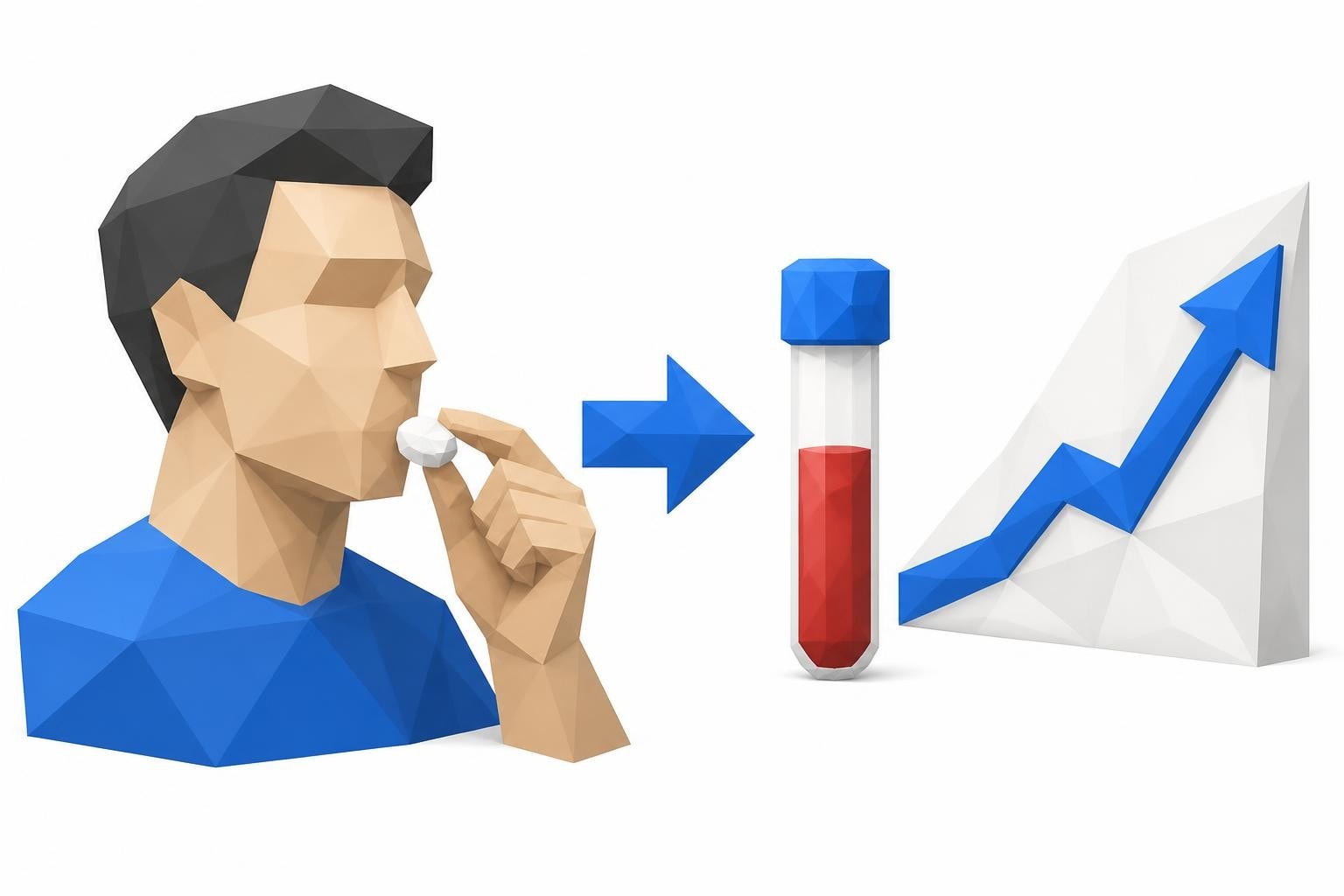
Understanding the difference between basic versus complete thyroid panels can significantly impact your ability to identify and address thyroid dysfunction. With approximately 20 million Americans experiencing some form of thyroid disorder, proper testing becomes essential for accurate diagnosis and effective treatment. The challenge many patients face is determining which thyroid test provides the necessary information without ordering unnecessary assessments. This decision depends on several factors including current symptoms, treatment status, family history, and whether you're conducting initial screening or monitoring ongoing therapy.
What Does a Basic Thyroid Panel Include?
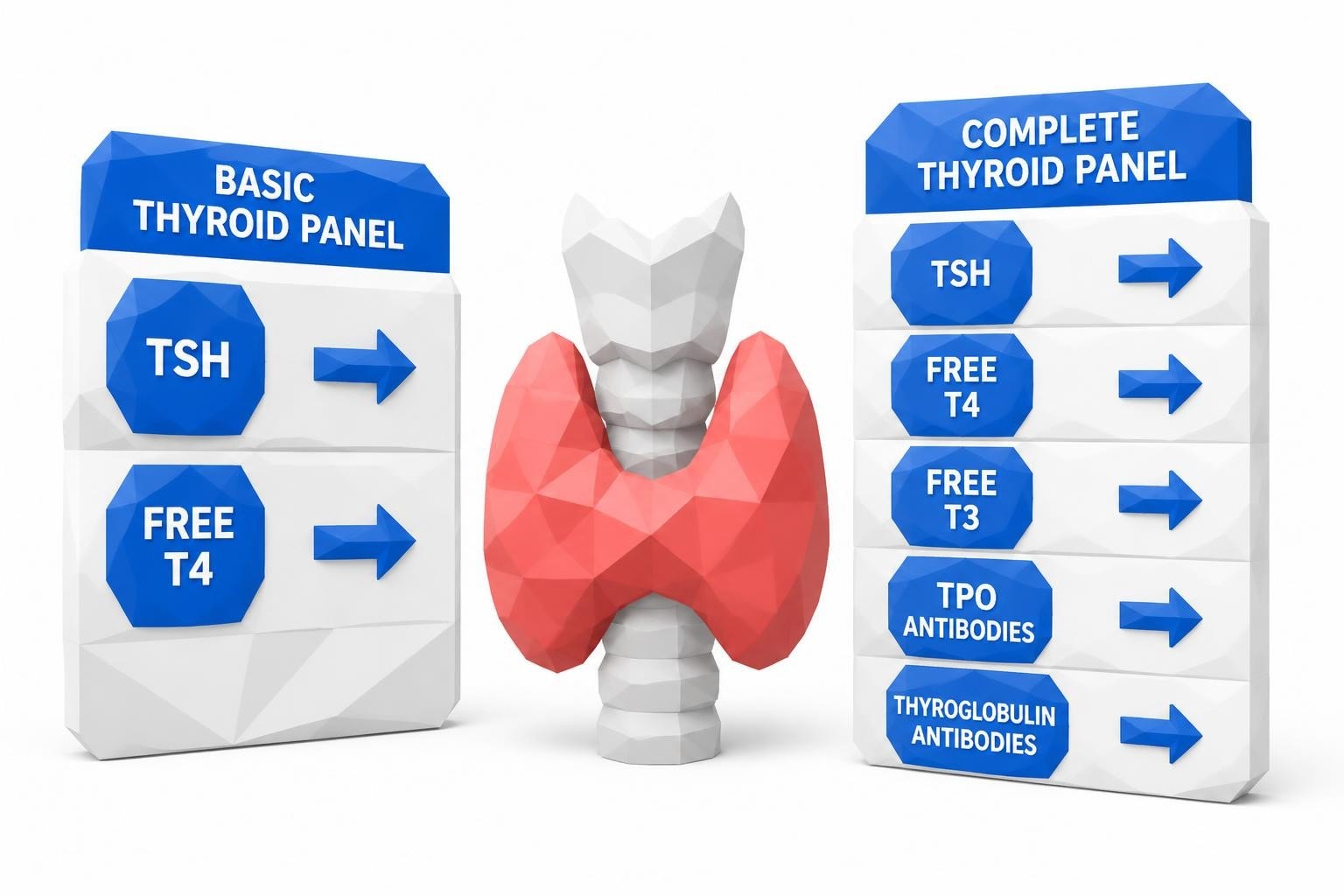
The basic thyroid panel typically consists of two primary measurements: thyroid-stimulating hormone (TSH) and free thyroxine (Free T4). These represent the foundational tests that most healthcare providers order when evaluating thyroid function.
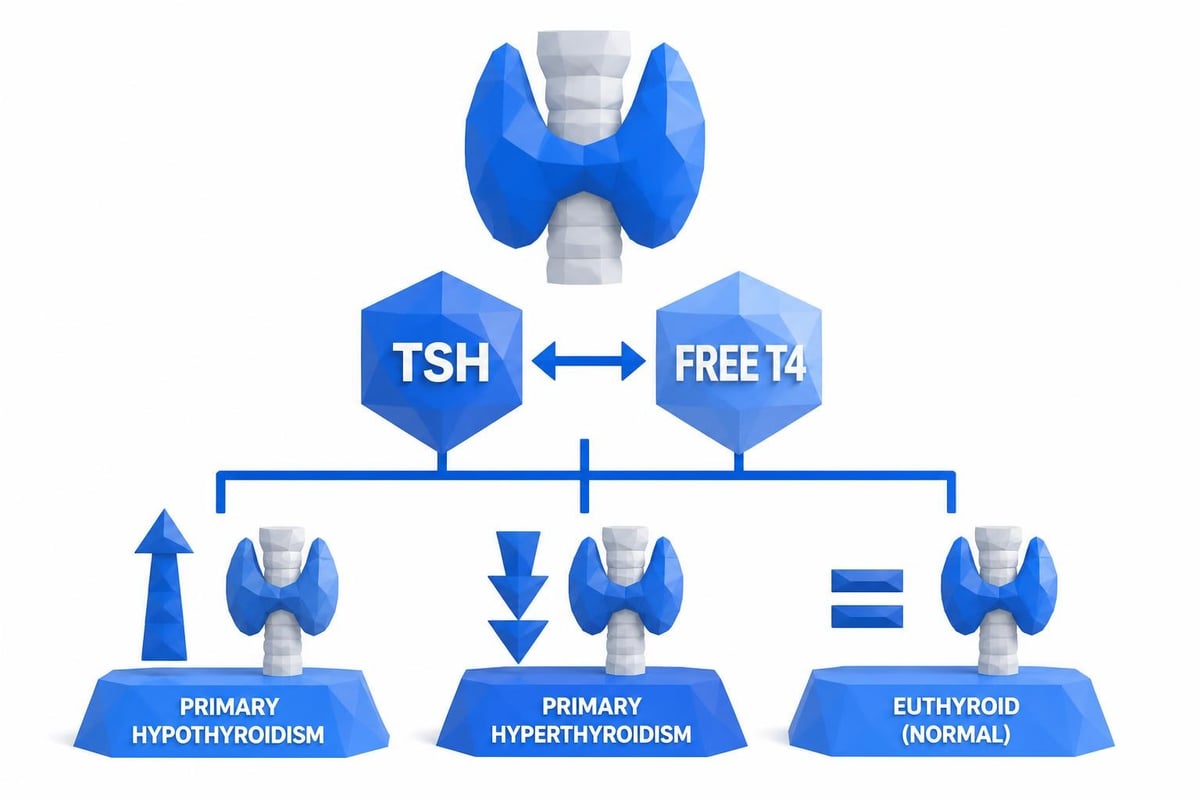
TSH serves as the primary screening tool because it reflects how hard your pituitary gland is working to stimulate thyroid hormone production. When thyroid hormone levels drop, TSH rises in response. Conversely, when thyroid hormones are elevated, TSH typically decreases. This inverse relationship makes TSH a sensitive indicator of thyroid dysfunction.
Free T4 measures the unbound thyroxine circulating in your bloodstream. This is the hormone your thyroid gland produces directly, and it represents the storage form before conversion to the more active T3. Testing Free T4 alongside TSH provides information about whether the thyroid gland itself is producing adequate hormone.
When Basic Testing Is Sufficient
A basic thyroid panel works well for several scenarios:
- Initial screening in asymptomatic individuals with no family history of thyroid disease
- Annual monitoring of stable hypothyroidism on consistent medication doses
- Follow-up testing after medication adjustments when previous complete panels were normal
- Cost-conscious evaluation when symptoms are mild and non-specific
For many patients newly exploring potential thyroid issues, starting with a basic panel offers a reasonable first step. If TSH and Free T4 return within normal ranges and symptoms resolve, further testing may be unnecessary. However, relying solely on TSH tests can miss important thyroid issues that only become apparent with more comprehensive evaluation.
Components of a Complete Thyroid Panel
A complete thyroid panel expands testing to include Free T3, Reverse T3, and thyroid antibodies. These additional markers provide a comprehensive picture of thyroid function that basic testing cannot capture.
Free T3 (triiodothyronine) represents the active thyroid hormone that binds to receptors throughout your body. Your body converts T4 to T3, and this active hormone drives metabolism, energy production, and numerous physiological functions. Some individuals convert T4 to T3 poorly, creating a situation where TSH and Free T4 appear normal while Free T3 remains inadequate.
Reverse T3 is an inactive form of thyroid hormone. When your body experiences stress, illness, or caloric restriction, it may preferentially convert T4 to Reverse T3 instead of Free T3. This protective mechanism slows metabolism during challenging times but can contribute to persistent hypothyroid symptoms despite normal TSH values.
Thyroid Antibody Testing
Antibody tests identify autoimmune thyroid conditions, which represent the most common cause of thyroid dysfunction in developed countries.
| Antibody Type | What It Detects | Associated Condition |
|---|---|---|
| Thyroid Peroxidase (TPO) | Antibodies against thyroid enzyme | Hashimoto's thyroiditis |
| Thyroglobulin (Tg) | Antibodies against thyroid protein | Hashimoto's thyroiditis |
| TSH Receptor (TRAb) | Antibodies stimulating TSH receptor | Graves' disease |
A full thyroid panel including these antibodies helps distinguish autoimmune conditions from other causes of thyroid dysfunction. This distinction matters because autoimmune thyroid disease often requires different management approaches and carries implications for disease progression.
Understanding Basic Versus Complete Thyroid Panels for Different Situations
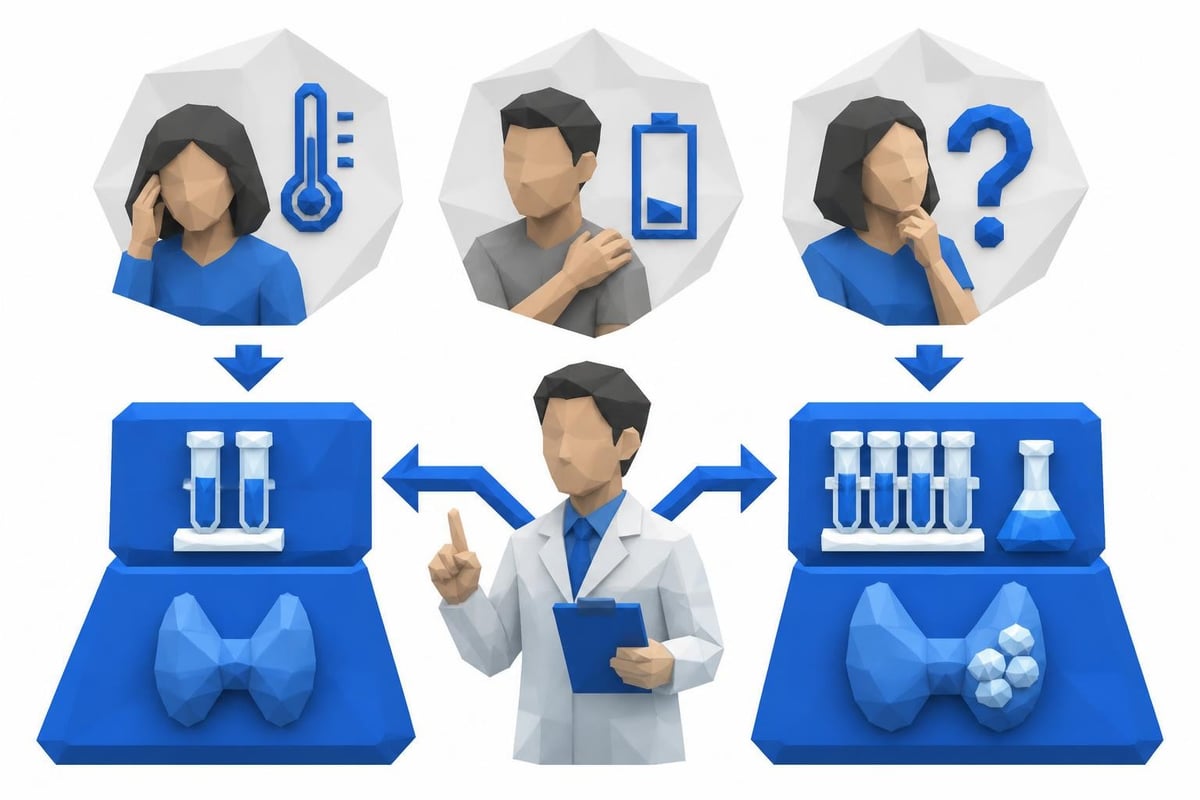
The decision between basic versus complete thyroid panels depends heavily on your specific circumstances, symptoms, and medical history.
Symptom Complexity
Straightforward symptoms like unexplained weight gain, cold intolerance, and fatigue with elevated TSH typically respond well to standard thyroid medication. In these cases, basic monitoring may suffice once treatment stabilizes.
However, persistent symptoms despite "normal" TSH values warrant comprehensive evaluation. Many patients experience:
- Continued fatigue and brain fog despite medication
- Hair loss and dry skin that doesn't improve
- Weight management difficulties unresponsive to diet and exercise
- Mood changes and anxiety not attributed to other causes
These situations benefit from complete thyroid panels that reveal conversion issues, autoimmune components, or subclinical abnormalities. When you're ordering lab tests without a doctor, understanding which panel addresses your specific concerns becomes particularly important.
Treatment Status Considerations
Your current treatment status significantly influences which testing approach provides the most value.
Newly diagnosed patients often benefit from complete panels that establish baseline antibody status and identify conversion issues before starting medication. Understanding what a full thyroid panel includes helps ensure no underlying condition goes undetected.
Patients on thyroid replacement therapy need different considerations:
- Stable on medication: Basic panels every 6-12 months typically suffice
- Dosing adjustments: Test 6-8 weeks after changes, basic panel usually adequate
- Persistent symptoms: Complete panel identifies overlooked issues
- Combination therapy (T4+T3): Free T3 testing becomes essential for monitoring
Patients taking T3-containing medications should always include Free T3 in their testing, as TSH alone doesn't reflect T3 levels accurately. This represents a situation where basic panels prove insufficient regardless of symptom status.
Medical History and Risk Factors
Certain personal and family histories make complete thyroid testing more appropriate from the outset.
High-Risk Profiles
Consider comprehensive testing if you have:
- Family history of thyroid disease or autoimmune conditions
- Personal history of other autoimmune disorders (type 1 diabetes, celiac disease, rheumatoid arthritis)
- Previous thyroid surgery or radioactive iodine treatment
- Radiation exposure to the head, neck, or chest
- Pregnancy planning or current pregnancy
Women have five to eight times higher risk of thyroid disorders compared to men. During pregnancy and postpartum periods, thyroid function can fluctuate significantly, making comprehensive monitoring particularly important.
Age also influences testing needs. Thyroid dysfunction becomes more common after age 60, and symptoms may overlap with normal aging, creating diagnostic challenges that complete panels help resolve.
Interpreting Results: What Numbers Actually Mean
Understanding basic versus complete thyroid panels requires familiarity with normal ranges and how results interact.
TSH Reference Ranges
Most laboratories list normal TSH as 0.4-4.0 mIU/L, though some experts argue optimal function occurs between 0.5-2.5 mIU/L. Context matters significantly:
- TSH above 2.5 with symptoms may warrant treatment
- TSH below 0.4 suggests hyperthyroidism or overmedication
- TSH within range with low Free T3 indicates conversion problems
This demonstrates why TSH alone provides incomplete information in many cases.
Free T4 and Free T3 Patterns
| Pattern | TSH | Free T4 | Free T3 | Interpretation |
|---|---|---|---|---|
| Primary hypothyroidism | High | Low | Low/Normal | Thyroid gland failure |
| Central hypothyroidism | Low/Normal | Low | Low | Pituitary/hypothalamus issue |
| Conversion issue | Normal | Normal | Low | T4 to T3 conversion problem |
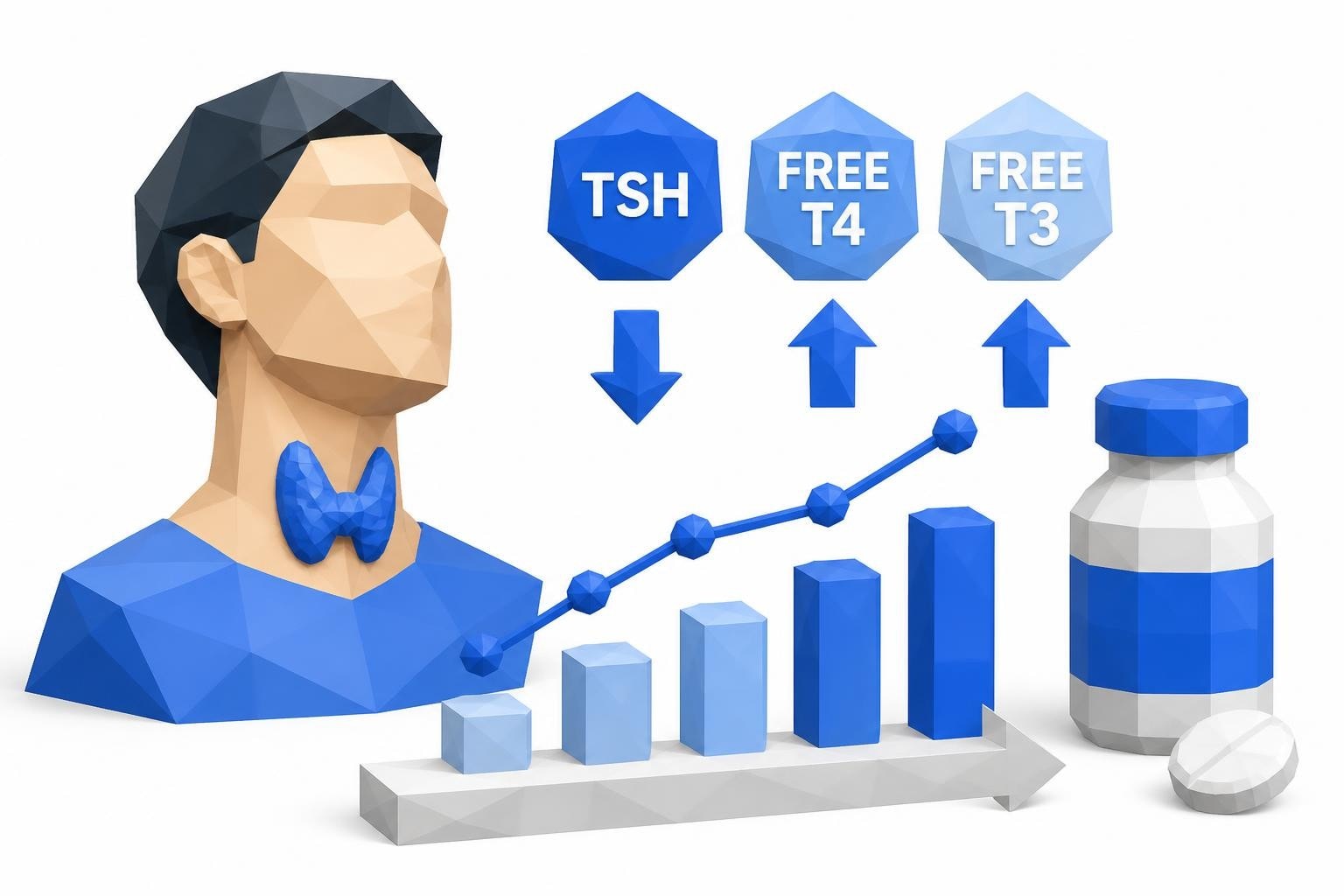
| Overmedication | Low | High | High | Excessive thyroid hormone |
| Euthyroid sick syndrome | Normal/Low | Low/Normal | Low | Illness-related changes |
Different thyroid panel components reveal distinct patterns that guide diagnosis and treatment adjustments. A basic panel only captures the first pattern reliably.
Cost Considerations and Value Assessment
Financial factors legitimately influence healthcare decisions, particularly for self-pay testing. Understanding when comprehensive testing provides value relative to cost helps optimize your healthcare spending.
Basic thyroid panels typically cost $30-$50 through self-pay services, while complete panels range from $100-$200 depending on which markers are included. At JustLabs, the Basic Thyroid Panel is $30 and the Complete Thyroid Panel is $84, plus the one $18 order fee ($48 and $102 all-in). Similar to how lab test pricing varies significantly between providers, the value equation differs based on your situation.
When Complete Testing Justifies Higher Cost
Invest in comprehensive testing when:
- Initial diagnosis could guide years of treatment
- Treatment changes haven't resolved symptoms
- Multiple symptoms suggest complex dysfunction
- Family history indicates high autoimmune risk
- Fertility concerns require optimal thyroid function
Starting with a complete panel often proves more cost-effective than ordering basic tests repeatedly while symptoms persist. One comprehensive assessment provides the information needed for targeted treatment, potentially saving money long-term through faster resolution.
Working With Healthcare Providers on Test Selection
Even when ordering tests independently, coordinating with healthcare providers optimizes results utilization and treatment planning.
Questions to Ask Your Clinician
- Which panel do you recommend based on my symptoms and history?
- What specific markers are most important for my situation?
- How will results change your treatment recommendations?
- What follow-up testing might be needed based on results?
Some practitioners prefer specific testing sequences or have preferences about which antibodies to check. Understanding the differences between testing approaches helps you have informed conversations about which option serves your needs best.
Timing Considerations
Test timing affects results accuracy:
- Morning testing provides most consistent TSH values
- Fasting isn't typically required but ensures consistency
- Skip morning medication until after blood draw for accurate Free T4/T3 — why levothyroxine timing changes your results
- Wait 6-8 weeks after medication changes before retesting
- Stop biotin supplements 48-72 hours beforehand — biotin distorts thyroid test results on most immunoassay platforms
Following these guidelines ensures your chosen panel-whether basic or complete-provides reliable information for clinical decision-making.
Special Populations and Unique Needs
Certain groups benefit from specific testing approaches beyond standard recommendations.
Pregnant and Postpartum Women
Thyroid function significantly impacts pregnancy outcomes and fetal development. Complete thyroid panels including antibodies help identify:
- Subclinical hypothyroidism that requires treatment during pregnancy
- Antibody-positive status that increases postpartum thyroiditis risk
- Optimal TSH ranges that differ during each trimester
Pregnancy creates one situation where comprehensive testing becomes standard care rather than an optional enhancement.
Athletes and High Performers
Individuals with high physical or cognitive performance demands may experience symptoms at thyroid levels that appear "normal" by standard ranges. Free T3 testing becomes particularly relevant for this group, as T3 directly influences:
- Metabolic rate and energy production
- Recovery from intense training
- Mental clarity and focus
- Temperature regulation
Complete thyroid panels provide the detailed information these populations need to optimize function rather than simply rule out disease.
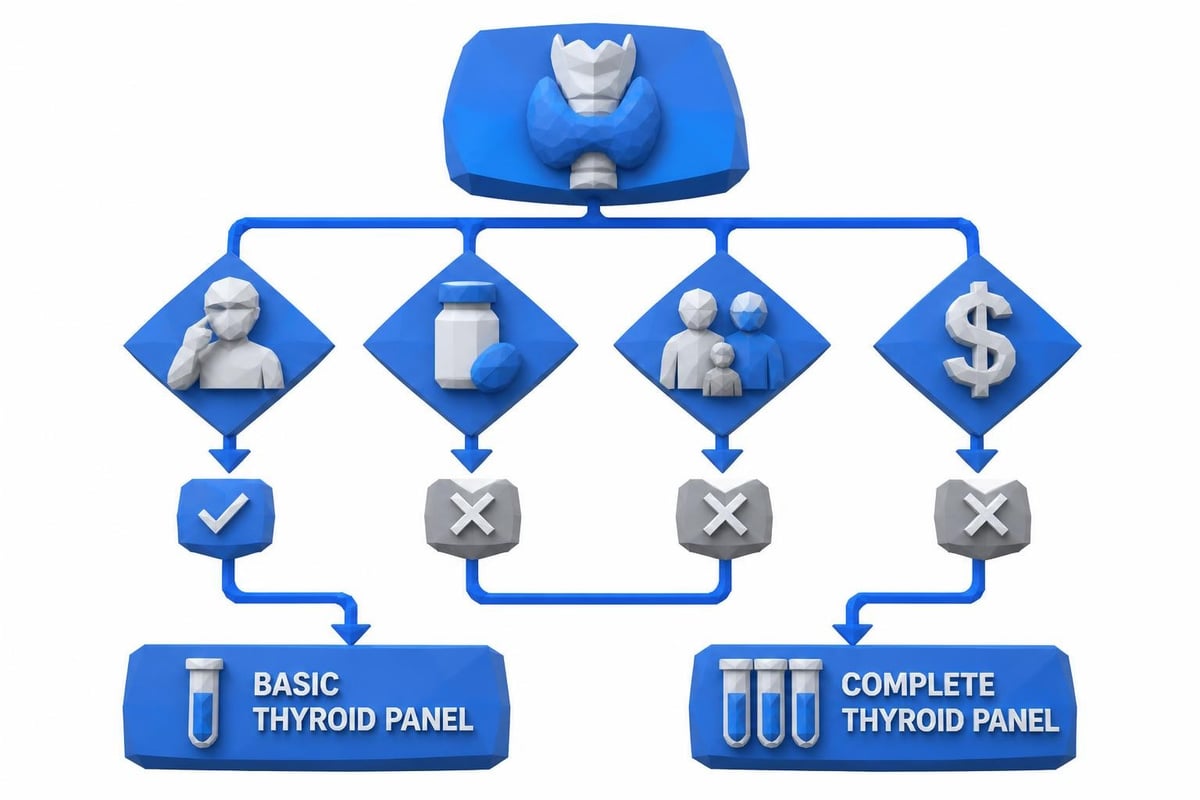
Making Your Decision: A Practical Framework
Choosing between basic versus complete thyroid panels becomes straightforward when you consider these factors systematically.
Start with basic testing if:
- You're asymptomatic and screening preventively
- You're monitoring stable, well-controlled hypothyroidism
- Your symptoms are mild and recently developed
- Previous complete panels were entirely normal
Choose complete testing if:
- You have multiple persistent symptoms despite normal basic tests
- You're newly evaluating concerning symptoms
- You have autoimmune disease personally or in family
- You're planning pregnancy or currently pregnant
- You're experiencing symptoms while on thyroid medication
This framework applies whether you're working through traditional healthcare channels or utilizing self-pay options. The same clinical reasoning applies regardless of payment method.
Frequency of Retesting
How often you need thyroid testing depends on your stability and treatment status.
Monitoring Schedules
- Undiagnosed symptoms: Complete panel initially, then follow provider guidance
- New treatment: Basic panel 6-8 weeks after starting medication, then every 8-12 weeks until stable
- Stable medication: Basic panel every 6-12 months
- Dosing changes: Basic panel 6-8 weeks after each adjustment
- Persistent symptoms: Complete panel when basic tests don't explain issues
Regular monitoring prevents both overtreatment and undertreatment, ensuring thyroid hormone levels remain in your optimal range. Accessing affordable testing makes consistent monitoring financially feasible for patients managing chronic conditions.
Understanding the differences between basic versus complete thyroid panels empowers you to choose appropriate testing that balances thoroughness with cost-effectiveness. Whether you start with TSH and Free T4 or opt for comprehensive evaluation including Free T3 and antibodies depends on your symptoms, history, and treatment status.
For accessible, transparent thyroid testing at competitive prices, JustLabs offers both basic and complete thyroid panels with results typically available within 1-3 days. By providing self-pay options with upfront pricing, you can make informed decisions about which testing level meets your needs without navigating insurance requirements or waiting for doctor appointments.