Getting accurate thyroid function test results requires careful attention to when you take your levothyroxine medication. The levothyroxine timing before blood test can significantly impact your test values, particularly your free T4 levels, and may lead to incorrect dose adjustments if you take your medication too close to your blood draw. Understanding the relationship between medication timing and laboratory measurements helps ensure your healthcare provider receives the most reliable data to guide your treatment decisions.
Why Levothyroxine Timing Matters for Blood Tests
Levothyroxine is absorbed rapidly in the gastrointestinal tract, reaching peak serum concentrations within 2 to 4 hours after oral administration. This pharmacokinetic profile creates a temporary spike in thyroid hormone levels that does not reflect your steady-state thyroid function throughout the day.
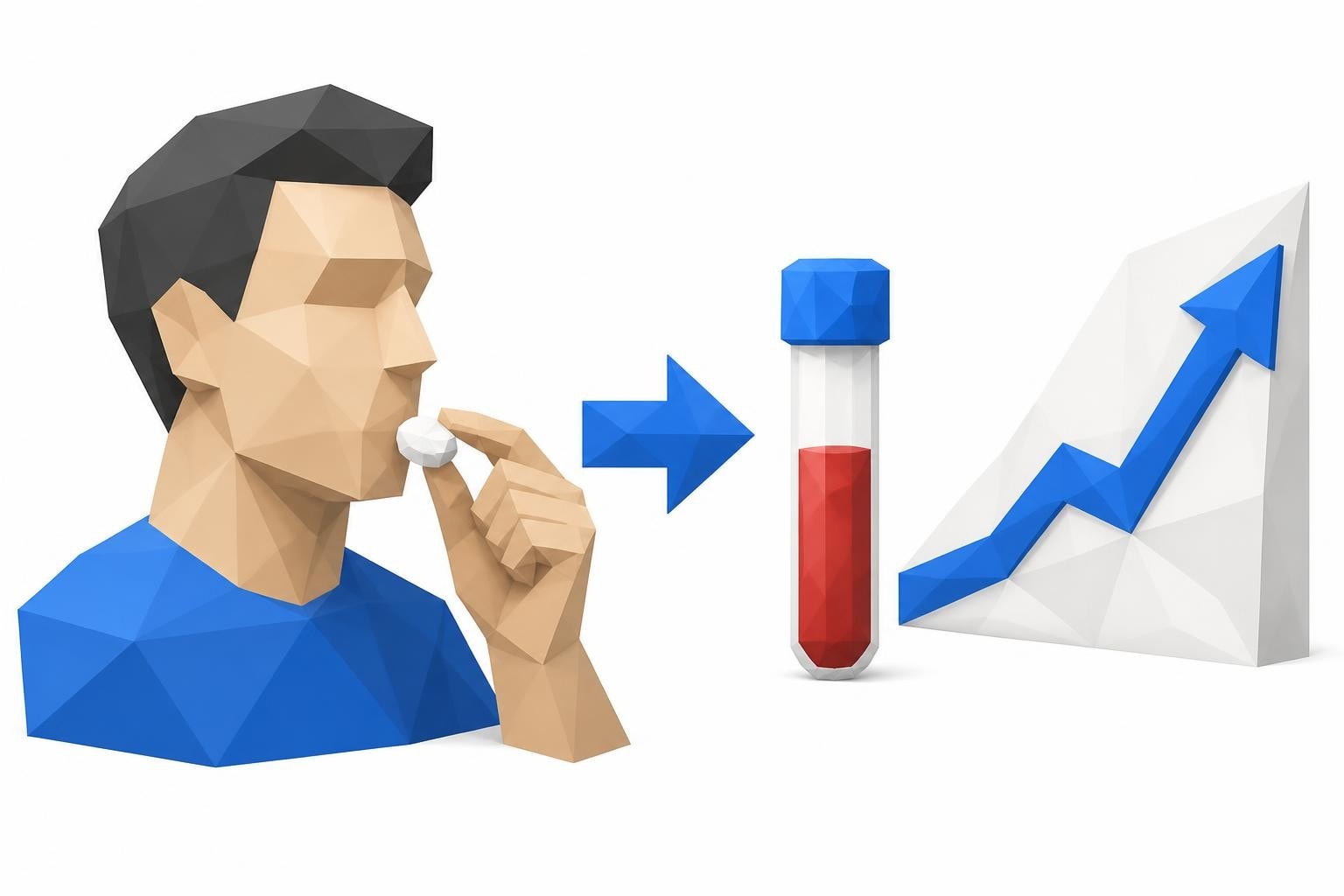
When you take levothyroxine shortly before a blood test, your free T4 measurement captures this absorption peak rather than your baseline thyroid hormone level. Research has demonstrated that levothyroxine administration timing relative to blood draws can alter serum TSH and thyroid hormone measurements, potentially leading to misinterpretation of your thyroid status.
The Impact on Free T4 Levels
Free thyroxine (free T4) is particularly sensitive to recent levothyroxine intake. The medication-induced elevation can persist for several hours, creating a false impression that your dose is too high when, in fact, the measurement simply caught the temporary absorption spike.
Key effects of taking levothyroxine before blood work:
- Free T4 levels may appear artificially elevated by 20-40% above baseline
- The spike typically peaks 2-4 hours after ingestion
- TSH levels are less affected by acute dosing but can show minor variations
- These inflated readings may prompt unnecessary dose reductions
This temporary elevation matters because dose decisions should reflect your steady-state thyroid function, not a transient pharmacokinetic event. When clinicians interpret elevated free T4 results without knowing you took your medication that morning, they may reduce your dose unnecessarily.

The Standard Recommendation: Draw First, Dose After
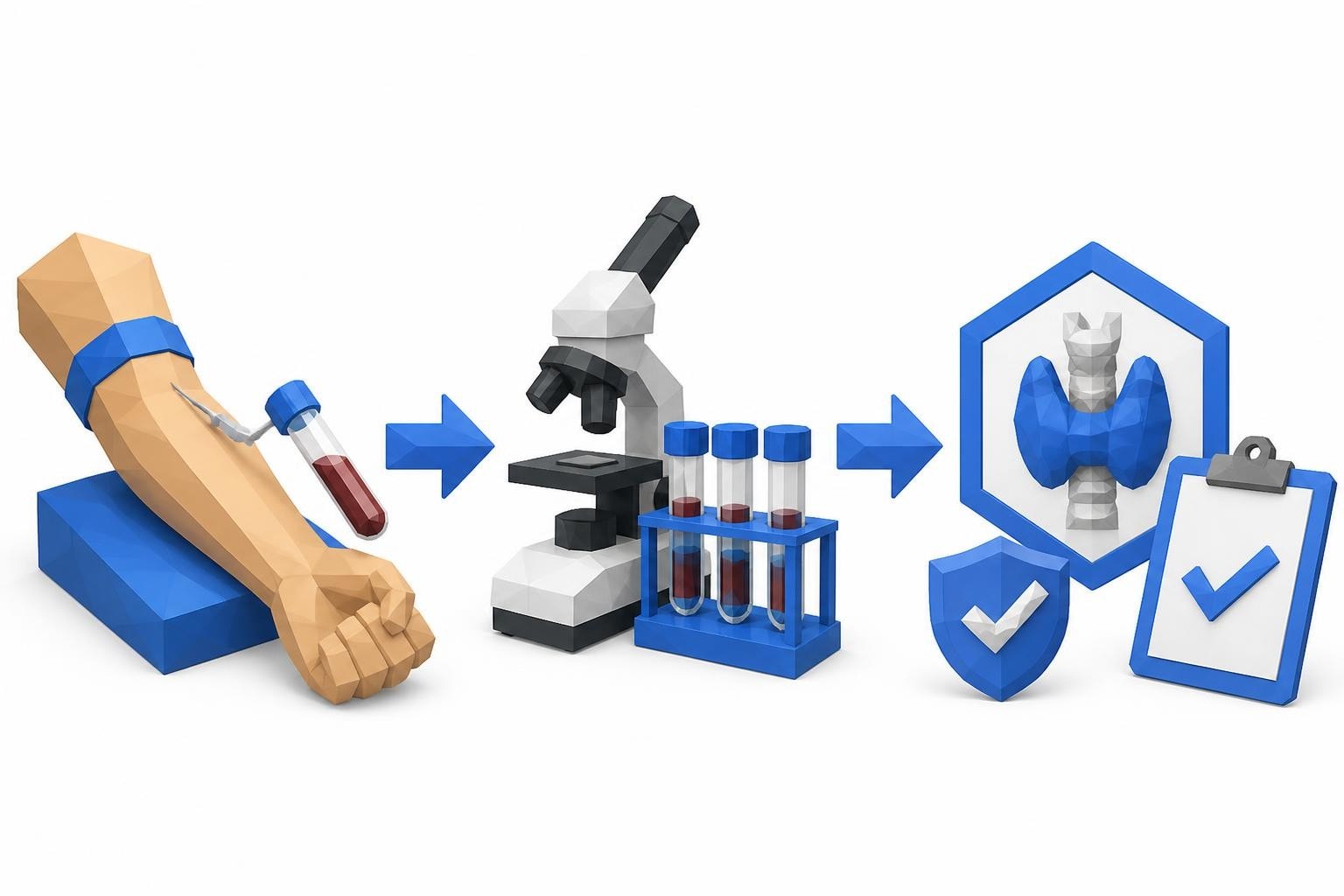
The clear instruction for levothyroxine timing before blood test is straightforward: complete your blood draw first, then take your daily levothyroxine dose immediately afterward. This protocol ensures your test results reflect your baseline thyroid hormone status rather than capturing the absorption peak.
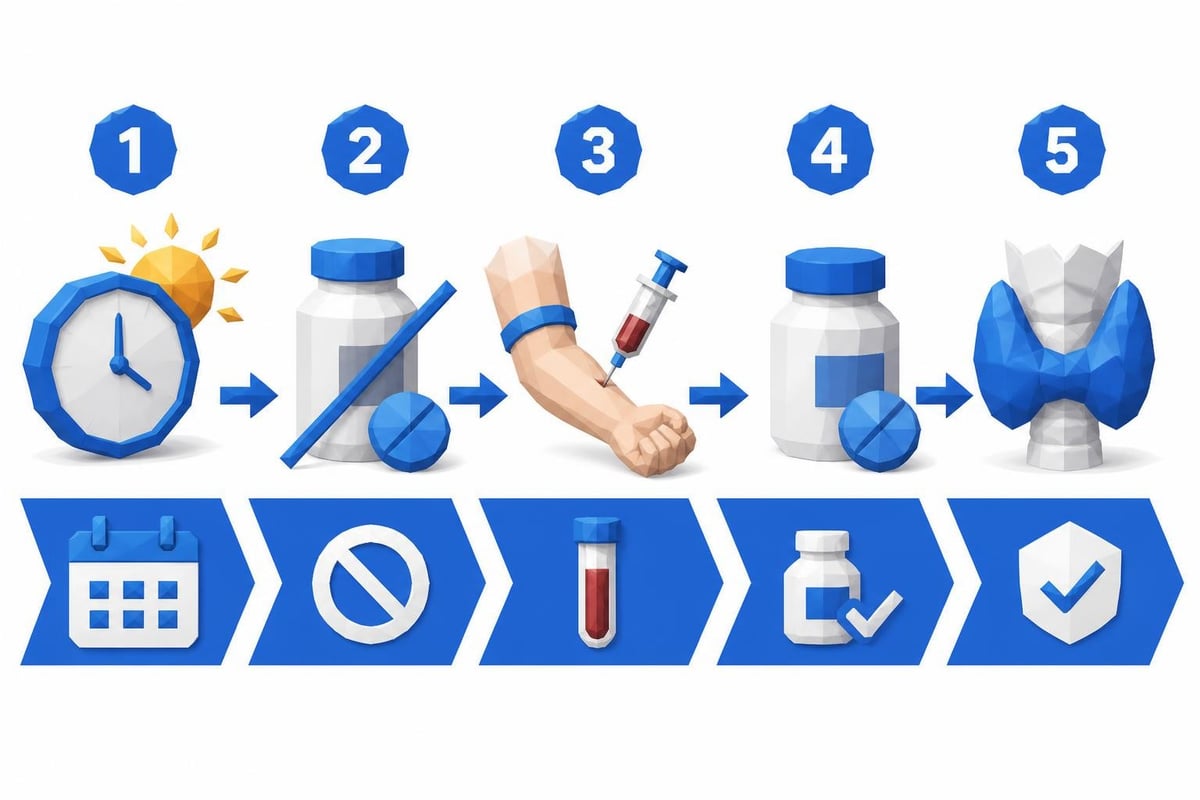
Step-by-Step Testing Protocol
Following a consistent approach makes this timing easy to implement:
- Schedule your blood draw for early morning when most lab facilities have the shortest wait times and when TSH levels are typically at their daily peak
- Skip your levothyroxine dose upon waking on the morning of your test
- Complete your blood draw at the scheduled time
- Take your levothyroxine immediately after leaving the lab or testing facility
- Resume your normal dosing schedule the following day
This simple adjustment prevents the artificial elevation of free T4 that occurs when medication is taken before testing. Clinical guidance on levothyroxine monitoring emphasizes the importance of consistent timing to ensure test results accurately reflect therapeutic status.
Understanding Your Thyroid Function Tests
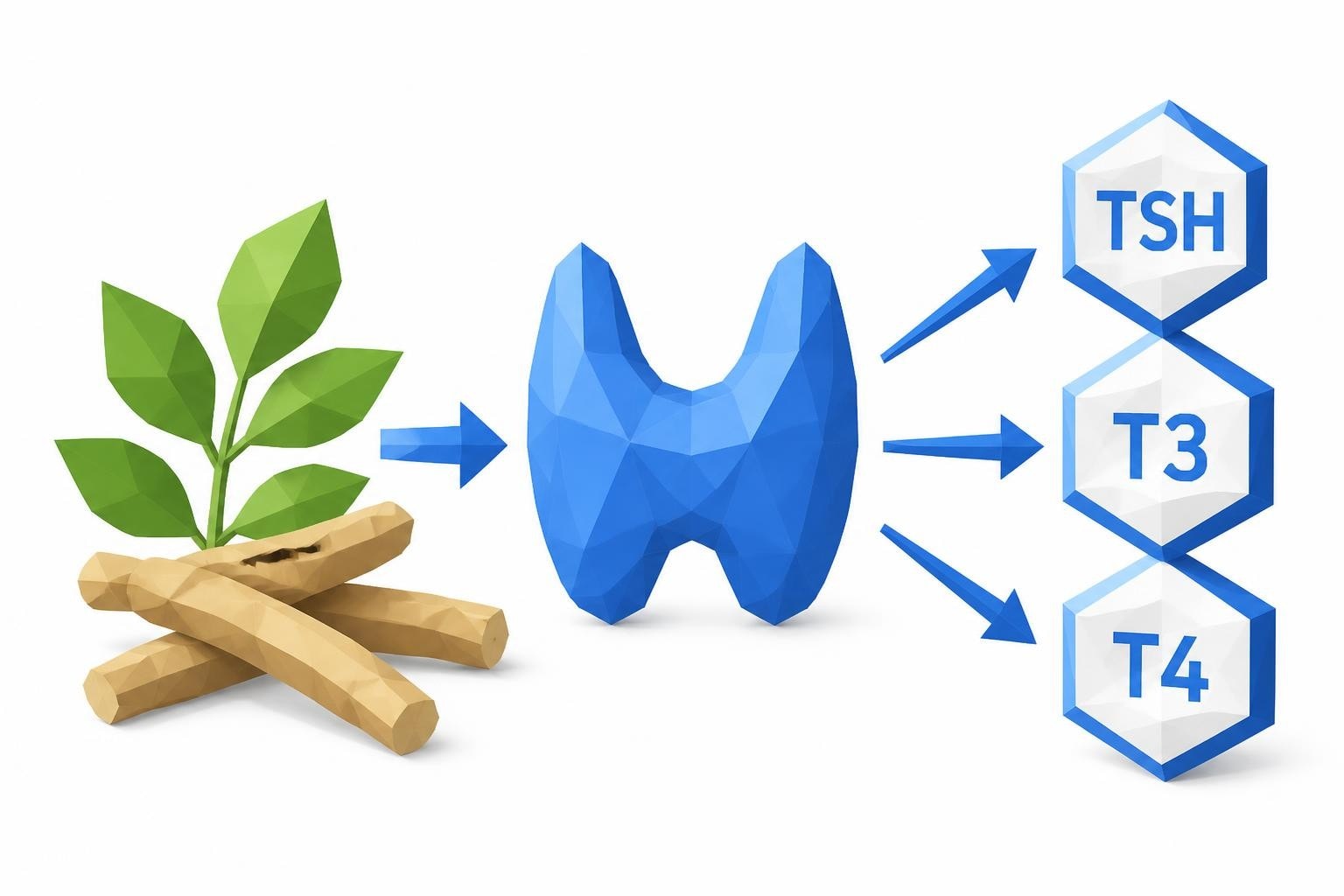
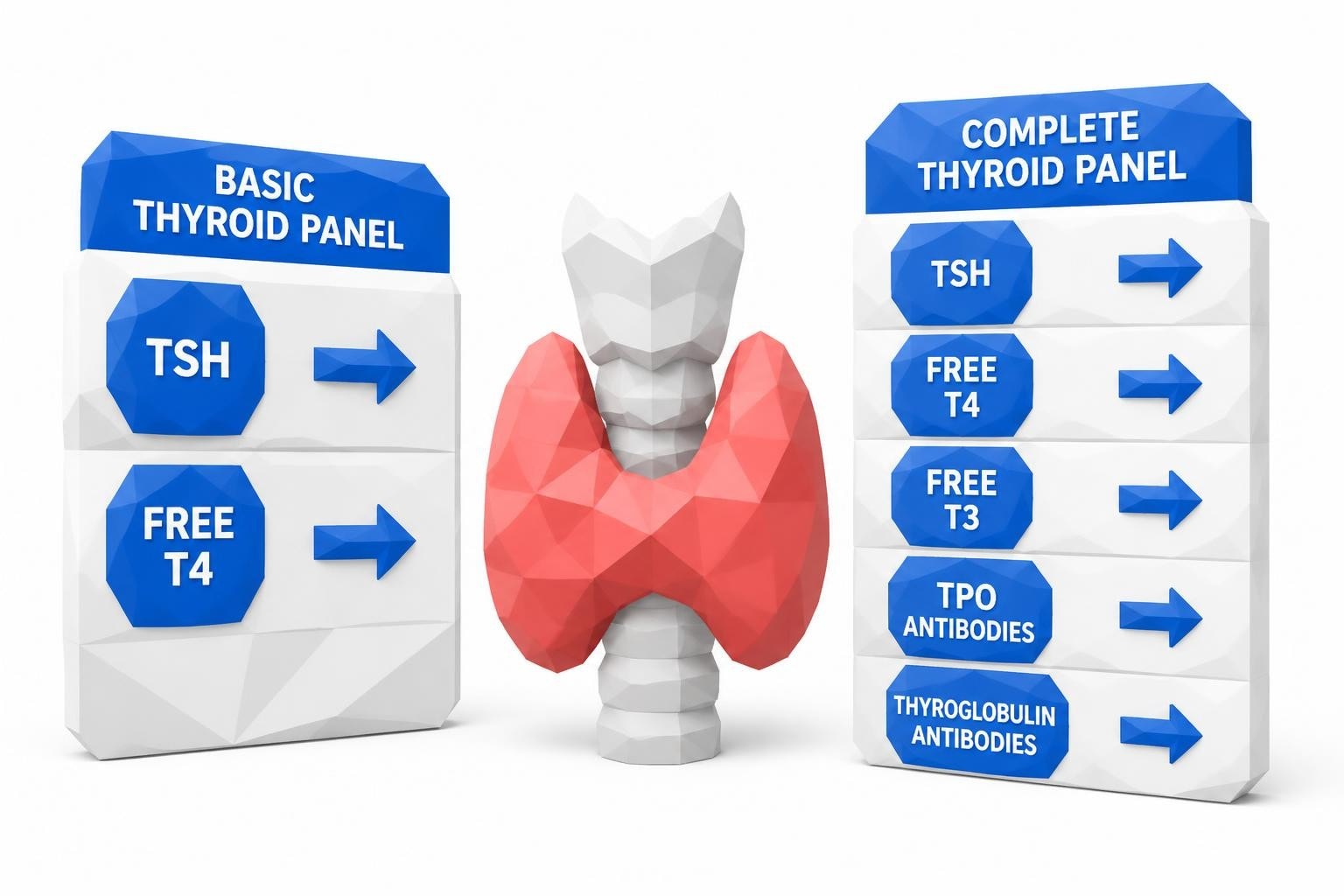
Thyroid monitoring typically involves measuring TSH (thyroid-stimulating hormone) and free T4 (free thyroxine) levels. Some comprehensive panels also include free T3 (free triiodothyronine) measurements to assess peripheral conversion of T4 to the more active T3 hormone.
| Test | What It Measures | Timing Sensitivity |
|---|---|---|
| TSH | Pituitary signal to thyroid | Minimally affected by recent dose |
| Free T4 | Unbound thyroxine in blood | Highly sensitive to recent levothyroxine |
| Free T3 | Active thyroid hormone | Moderately affected by recent dose |
| Total T4 | Bound and unbound thyroxine | Affected by recent dose and binding proteins |
NHS laboratory guidance on thyroid function tests provides detailed information about which tests are used in different clinical scenarios and how pre-analytic factors like medication timing can influence results.
TSH Versus Free T4 Sensitivity
While free T4 shows the most dramatic response to recent levothyroxine intake, TSH levels remain relatively stable across the short term. TSH reflects your pituitary gland's assessment of thyroid hormone availability over days to weeks, not hours. However, maintaining consistent testing conditions still improves the reliability of TSH measurements over time.
The American Thyroid Association's guidance on thyroid hormone treatment explains how these tests work together to assess thyroid function and guide levothyroxine dosing decisions.
Dose Change Monitoring and Testing Frequency
After any change in your levothyroxine dose, your healthcare provider will typically schedule follow-up testing to assess whether the adjustment achieved the desired effect. These monitoring intervals are critical decision points where accurate test results are essential.
Standard monitoring timelines:
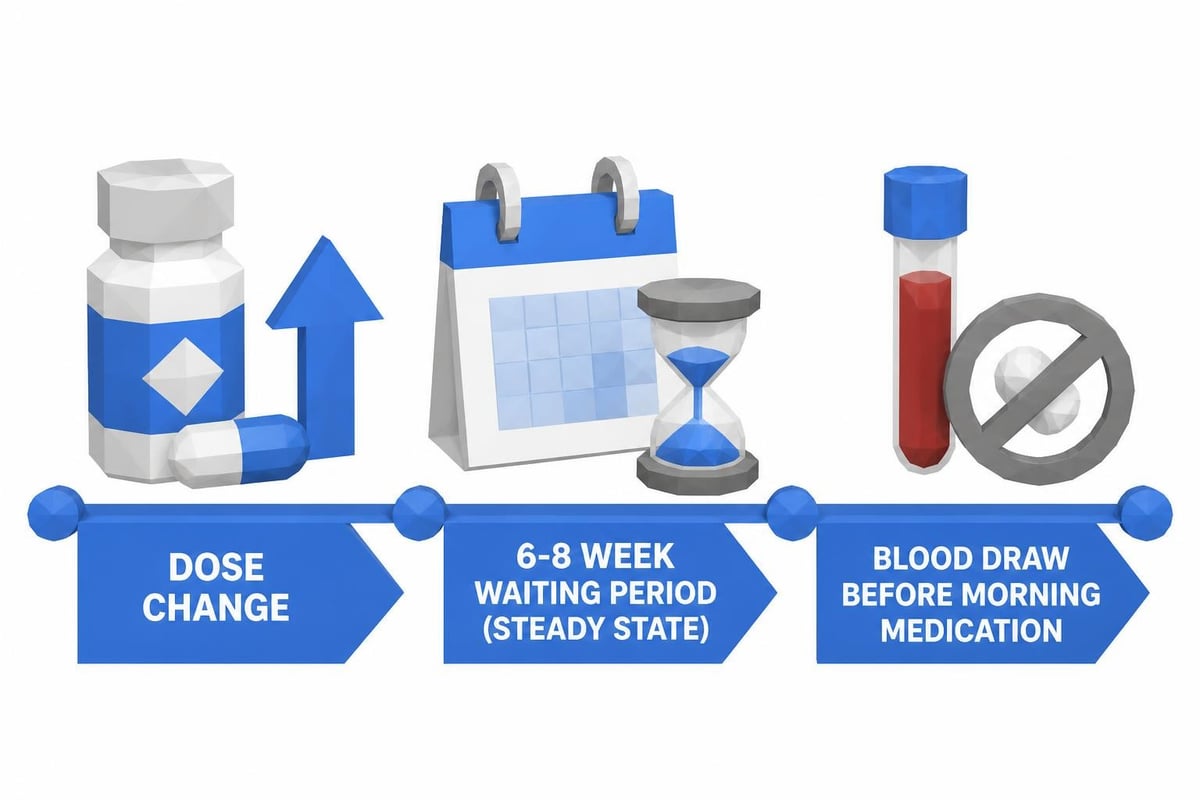
- Initial dose changes: Retest TSH and free T4 after 6-8 weeks
- Maintenance therapy: Annual testing for stable patients
- Pregnancy: Testing every 4 weeks during first trimester, then every 4-6 weeks
- Special circumstances: More frequent testing based on symptoms or concurrent conditions
FDA-approved prescribing information for levothyroxine (Synthroid label) details these recommended monitoring intervals and emphasizes that dose changes are clinical decisions made by healthcare providers based on laboratory results and patient symptoms.
Why the 6-8 Week Interval Matters
Thyroid hormone levels require approximately 6-8 weeks to reach a new steady state after a dose adjustment. Testing earlier than this window may capture transitional values rather than the true effect of the dose change, potentially leading to premature further adjustments.
This steady-state principle also reinforces why levothyroxine timing before blood test matters so much. If you're already waiting 6-8 weeks to assess a dose change, you want those results to be as accurate as possible, not distorted by taking your medication a few hours before the draw.
Formulation Considerations and Timing
Most patients take levothyroxine as a standard tablet, but liquid and softgel formulations are also available. These alternative formulations may have slightly different absorption characteristics that could influence optimal timing recommendations.
Recent systematic reviews of liquid and softgel levothyroxine formulations have examined how these products perform when taken with meals, showing that newer formulations may offer more consistent absorption in some circumstances. However, the fundamental principle remains the same: avoid taking any levothyroxine formulation on the morning of your blood test.
Tablet, Liquid, and Softgel Timing
Regardless of which formulation you use, the recommendation to draw blood before taking your dose applies universally:
- Standard tablets: Peak absorption 2-4 hours after ingestion
- Liquid formulations: May absorb slightly faster but still create measurable spikes
- Softgel capsules: Designed for improved bioavailability but follow similar kinetics
The key takeaway is that all levothyroxine products will temporarily elevate your blood thyroid hormone levels after ingestion, making it essential to maintain consistent levothyroxine timing before blood test regardless of formulation.
When Testing Becomes More Accessible
Access to thyroid function testing has traditionally required a physician's order and often involved navigating insurance preauthorization. However, modern self-pay lab testing services have made it easier to monitor your thyroid function without these barriers.
When you can order lab tests online at transparent prices, you gain more control over your monitoring schedule. This accessibility is particularly valuable when you want to check your levels before a scheduled doctor's appointment or when you're experiencing symptoms that might indicate a need for dose adjustment.
Benefits of direct-access thyroid testing:
- Schedule tests at times convenient for your medication routine
- Obtain baseline data before clinical appointments
- Monitor trends between routine physician visits
- Avoid insurance billing complexities and authorization delays
- Receive results quickly, typically within 1-3 days
Understanding your lab results becomes more important when you have direct access to testing, as you'll want to interpret your TSH and free T4 values in context before discussing them with your healthcare provider.
Common Timing Mistakes and How to Avoid Them
Even with clear instructions, several common errors can compromise the accuracy of thyroid function tests. Recognizing these pitfalls helps ensure you get reliable results every time.
Mistake 1: Taking Medication Out of Habit
The most frequent error is simply taking your levothyroxine automatically upon waking, forgetting about the scheduled blood draw later that morning. This happens because thyroid medication becomes such a routine part of daily life.
Prevention strategy: Set a reminder the night before your test or place a note on your medication bottle specifically for test days.
Mistake 2: Afternoon or Evening Testing
Some patients assume that if they take their levothyroxine in the morning and have an afternoon blood draw, enough time has passed for levels to normalize. However, free T4 elevations can persist for 6-8 hours or longer after ingestion.
Prevention strategy: Always skip your dose on test days regardless of appointment time, and take it after the draw.
Mistake 3: Inconsistent Timing Between Tests
Taking your medication before some tests but not others creates variability in your results that has nothing to do with actual changes in your thyroid function or dose effectiveness.
| Scenario | Free T4 Result | Interpretation Issue |
|---|---|---|
| Dose taken before draw | Artificially elevated | May appear over-replaced |
| Dose skipped before draw | True baseline | Accurate assessment |
| Inconsistent approach | Variable results | Trend analysis impossible |
Prevention strategy: Establish a standard protocol and follow it for every thyroid test to ensure consistent, comparable results over time.
Special Populations and Timing Considerations
Certain patient groups require additional attention to levothyroxine timing and monitoring frequency. These populations often have more dynamic thyroid hormone requirements that make accurate testing even more critical.
Pregnancy and Thyroid Monitoring
Pregnant patients typically require 20-30% higher levothyroxine doses to maintain optimal thyroid function for both maternal health and fetal development. More frequent testing during pregnancy makes proper levothyroxine timing before blood test essential to avoid dose adjustments based on inaccurate data.
Patients with Absorption Issues
Individuals with gastrointestinal conditions affecting absorption, such as celiac disease, inflammatory bowel disease, or those who have undergone bariatric surgery, may experience variable levothyroxine absorption. For these patients, consistent testing conditions become even more important to distinguish true absorption problems from timing-related variations.
Older Adults on Multiple Medications
Medication interactions can affect levothyroxine absorption, and older adults often take multiple medications that could interfere. Calcium supplements, iron, proton pump inhibitors, and certain other medications should be separated from levothyroxine by at least 4 hours. These same separation principles apply on testing day: avoid all interfering substances before your blood draw.
Making Testing Convenient and Affordable
The process of getting lab work doesn't need to be complicated or expensive. When you understand what tests you need and can access them directly, you eliminate many of the traditional barriers to consistent thyroid monitoring.
Transparent lab test pricing allows you to budget for regular monitoring without worrying about surprise bills or insurance denials. Many thyroid panels are also FSA/HSA eligible, making them even more affordable when you can use pre-tax healthcare dollars.
The convenience of finding a nearby lab location that fits your schedule means you can plan your testing around your work and personal commitments, making it easier to follow the proper protocol of skipping your levothyroxine dose and taking it after your blood draw.
Clinical Decision-Making Based on Test Results
It's important to emphasize that all dose changes are clinical decisions that should be made by your healthcare provider. While understanding proper levothyroxine timing before blood test helps ensure accurate results, interpreting those results and adjusting medication requires medical expertise.
Your clinician considers multiple factors when evaluating your thyroid function tests:
- Current TSH and free T4 levels relative to reference ranges
- Trends in your results over time
- Your symptoms and clinical presentation
- Concurrent medical conditions and medications
- Treatment goals specific to your situation (pregnancy, cardiac disease, age)
Even with perfectly timed, accurate test results, the decision to increase, decrease, or maintain your current levothyroxine dose involves clinical judgment that accounts for your individual circumstances. Never adjust your medication dose on your own based on test results, even if you notice values outside the reference range.
The Endocrine Society's current resources on thyroid disease provide healthcare professionals with evidence-based guidance on levothyroxine management and monitoring, reflecting the complexity of treatment decisions.
Creating Your Personal Testing Plan
Establishing a consistent approach to thyroid monitoring helps you maintain optimal treatment long-term. Your personal testing plan should account for your specific medication routine, work schedule, and access to lab facilities.
Components of an Effective Plan
Testing frequency: Work with your healthcare provider to determine appropriate intervals based on your treatment stability, typically ranging from every 6-8 weeks during dose adjustments to annually once stable.
Preferred testing time: Early morning appointments minimize disruption to your medication schedule and align with the natural circadian peak of TSH levels.
Consistent lab facility: Using the same laboratory for all tests reduces variability related to different testing methods and equipment.
Documentation system: Keep a record of your test dates, results, and doses to identify trends and facilitate discussions with your healthcare provider.
Reminder protocol: Set up a system to ensure you remember to skip your levothyroxine on testing days, whether through phone alerts, calendar notes, or medication bottle labels.
This structured approach to thyroid monitoring helps you become an active participant in your healthcare while ensuring your test results provide reliable information for treatment decisions.
Recommended Panel
Complete Thyroid Panel
Save $3Our most comprehensive thyroid panel includes all 5 essential markers: TSH, Free T4, Free T3, Reverse T3, and both thyroid antibodies. Get the complete picture of your thyroid health.
Includes 6 biomarkers
$84
Related reading

Proper levothyroxine timing before blood test is a simple but critical step that ensures your thyroid function results accurately reflect your treatment status rather than a temporary medication spike. By drawing blood before taking your dose and maintaining consistent testing practices, you provide your healthcare provider with reliable data for making informed dose decisions. Justlabs makes thyroid monitoring accessible and affordable with transparent pricing, convenient locations, and results delivered in 1-3 days, helping you stay on top of your thyroid health without the complexity of insurance navigation or lengthy appointment waits.
References
Bach-Huynh TG, Nayak B, Loh J, Soldin S, Jonklaas J. Timing of levothyroxine administration affects serum thyrotropin concentration. J Clin Endocrinol Metab. 2009 Oct;94(10):3905-12. doi: 10.1210/jc.2009-0860. PMID: 19584184. https://pubmed.ncbi.nlm.nih.gov/19584184/
Skelin M, Lucijanić T, Amidžić Klarić D, Rešić A, Bakula M, Liberati-Čizmek AM, Gharib H, Rahelić D. Factors Affecting Gastrointestinal Absorption of Levothyroxine: A Review. Clin Ther. 2017 Feb;39(2):378-403. doi: 10.1016/j.clinthera.2017.01.005. PMID: 28153426. https://pubmed.ncbi.nlm.nih.gov/28153426/
Wiesner A, Gajewska D, Paśko P. Levothyroxine Interactions with Food and Dietary Supplements-A Systematic Review. Pharmaceuticals (Basel). 2021 Mar 2;14(3). doi: 10.3390/ph14030206. PMID: 33801406. https://pubmed.ncbi.nlm.nih.gov/33801406/
Virili C, Antonelli A, Santaguida MG, Benvenga S, Centanni M. Gastrointestinal Malabsorption of Thyroxine. Endocr Rev. 2019 Feb 1;40(1):118-136. doi: 10.1210/er.2018-00168. PMID: 30476027. https://pubmed.ncbi.nlm.nih.gov/30476027/
Oteri V, Volpe S, Lopes M, Sceusa G, Tumminia A, Belfiore A, Frasca F, Gullo D. Therapeutic efficacy and patient compliance of levothyroxine liquid and softgel formulations taken with meals: a systematic review. Endocrine. 2025 Jan;87(1):48-58. doi: 10.1007/s12020-024-04016-7. PMID: 39215906. https://pubmed.ncbi.nlm.nih.gov/39215906/
Pearce EN. Management of Hypothyroidism and Hypothyroxinemia During Pregnancy. Endocr Pract. 2022 Jul;28(7):711-718. doi: 10.1016/j.eprac.2022.05.004. PMID: 35569735. https://pubmed.ncbi.nlm.nih.gov/35569735/