
Receiving lab results showing tpo antibodies positive but tsh normal can feel confusing and concerning. Many people wonder whether this combination indicates thyroid disease, what risks it poses for future health, and what steps they should take next. This clinical scenario is remarkably common, affecting millions of Americans who may have thyroid autoimmunity without current thyroid dysfunction. Understanding what these results mean empowers you to make informed decisions about monitoring and health management.
Understanding TPO Antibodies and Their Role
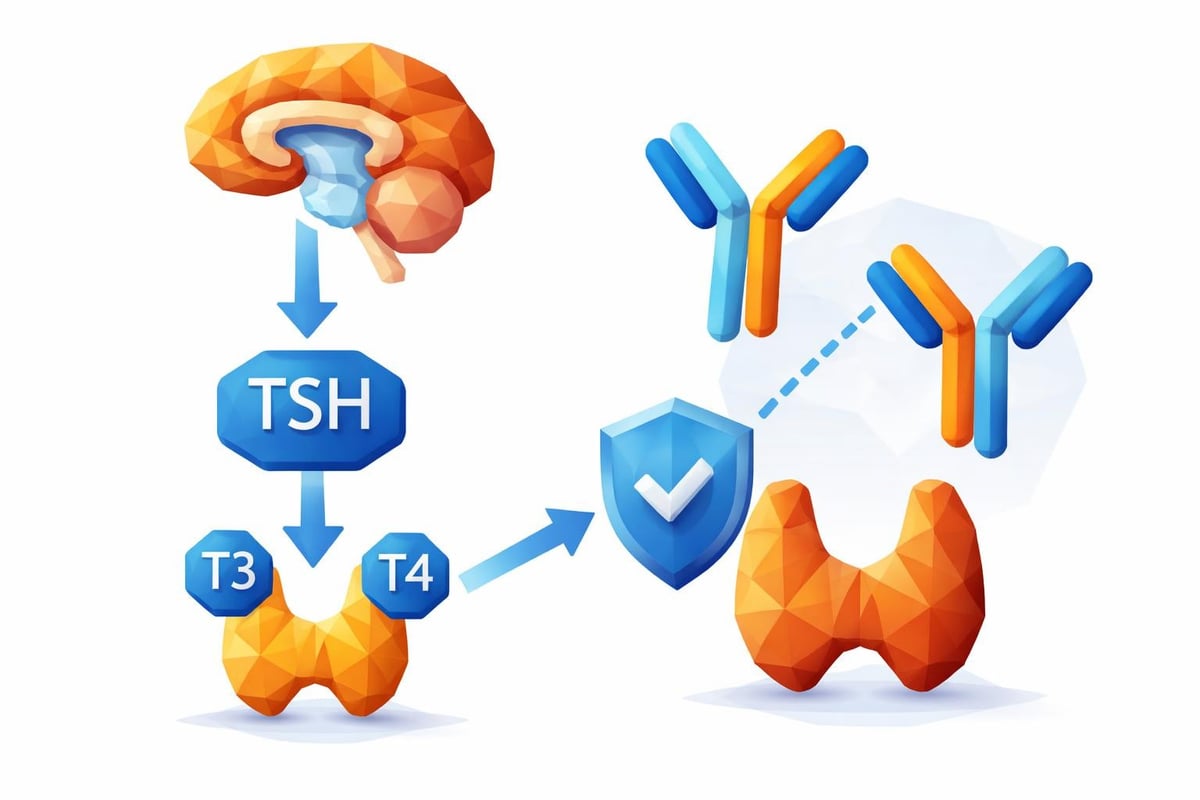
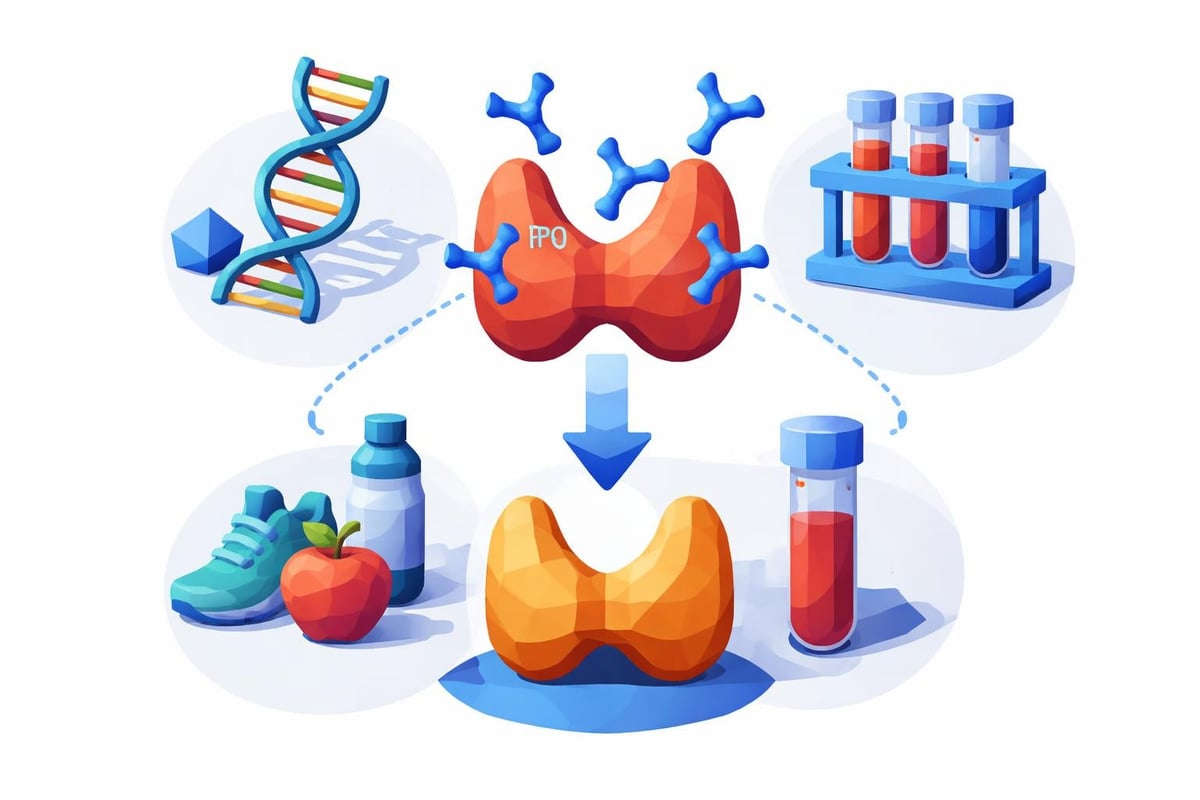
Thyroid peroxidase (TPO) antibodies are proteins produced by your immune system that mistakenly attack thyroid peroxidase, an enzyme essential for thyroid hormone production. When these antibodies are elevated, they signal that your immune system has identified your thyroid tissue as a threat, marking the presence of thyroid autoimmunity.
TPO antibodies serve several functions in autoimmune thyroid conditions:
- Target and bind to thyroid peroxidase enzyme
- Trigger inflammatory responses within thyroid tissue
- Contribute to gradual destruction of thyroid cells
- Signal potential progression toward hypothyroidism
The presence of TPO antibodies doesn't automatically mean you have thyroid disease right now. Instead, it indicates an autoimmune process that may or may not affect thyroid function currently. Understanding thyroid peroxidase antibodies helps clarify why someone can have positive antibodies without experiencing symptoms or hormonal imbalance.
The Significance of Normal TSH Levels
Thyroid-stimulating hormone (TSH) serves as the primary screening tool for thyroid function. Produced by your pituitary gland, TSH regulates thyroid hormone production, increasing when thyroid hormones drop and decreasing when they rise. Normal TSH levels typically range from 0.4 to 4.0 mIU/L, though optimal ranges may vary by laboratory and individual factors.
When your TSH remains normal despite elevated TPO antibodies, it demonstrates that your thyroid is currently producing adequate hormones. Your thyroid gland has sufficient functional capacity to meet your body's needs, even with ongoing autoimmune activity.
Recommended Test
TPO Antibodies (Thyroid Peroxidase)
TPO antibodies are markers of autoimmune thyroid disease. Elevated levels indicate Hashimoto's thyroiditis, the most common cause of hypothyroidism in the United States.
Includes 1 biomarkers
$14
What Causes TPO Antibodies Positive but TSH Normal
This specific pattern represents an early stage of thyroid autoimmunity, often called euthyroid autoimmune thyroid disease. Several factors contribute to why antibodies can be present without affecting thyroid hormone levels.
Autoimmune Activity Without Significant Damage
The thyroid gland possesses remarkable reserve capacity. Even with autoimmune attack occurring, the remaining healthy thyroid tissue can compensate by producing sufficient hormones. This compensation maintains normal TSH levels despite ongoing inflammation and antibody production.
Research published in Scientific Reports explores the relationship between TPO antibodies and TSH progression, revealing that many individuals maintain normal thyroid function for years despite persistent antibodies.
Early-Stage Hashimoto's Thyroiditis
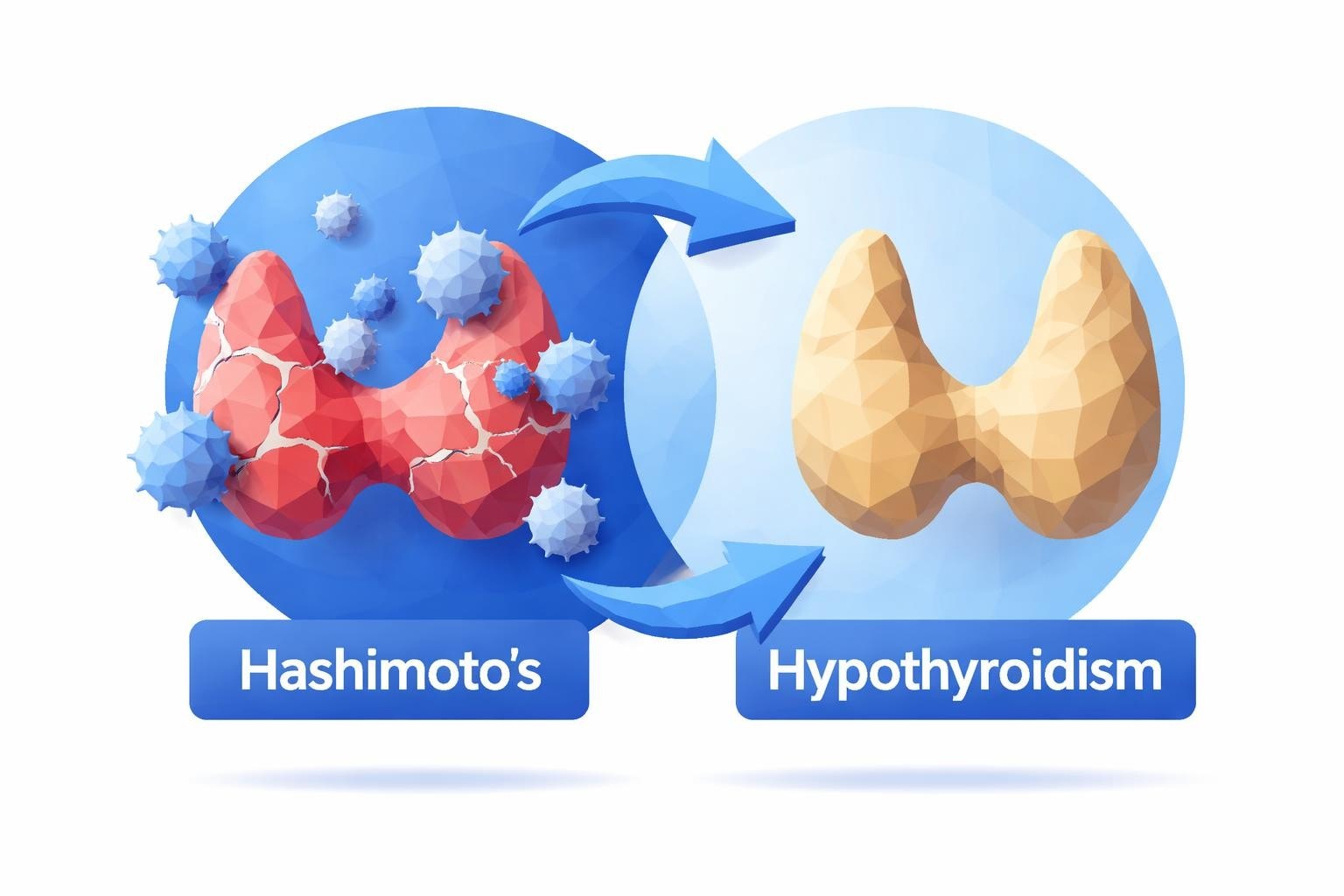
Hashimoto's thyroiditis, the most common cause of hypothyroidism in developed countries, typically begins with positive antibodies before TSH elevation occurs. The condition progresses through distinct phases:
- Immune recognition phase: Antibodies develop without functional impairment
- Compensated phase: TSH remains normal despite increasing antibody levels
- Early dysfunction phase: TSH begins rising while T4 stays normal
- Overt hypothyroidism phase: Both TSH and T4 become abnormal
Many people with tpo antibodies positive but tsh normal are in the first or second phase. This early detection provides valuable opportunity for monitoring and potential intervention before symptoms develop.
| Phase | TPO Antibodies | TSH Level | T4 Level | Symptoms |
|---|---|---|---|---|
| Immune Recognition | Positive | Normal | Normal | None |
| Compensated | Positive | Normal | Normal | Minimal/None |
| Early Dysfunction | Positive | Elevated | Normal | Mild |
| Overt Hypothyroidism | Positive | Very High | Low | Significant |
Risk Factors and Progression Likelihood
Not everyone with elevated TPO antibodies and normal TSH will develop hypothyroidism. Understanding your individual risk factors helps determine appropriate monitoring frequency and preventive strategies.
Key factors that increase progression risk include:
- Higher antibody levels: Significantly elevated TPO antibodies (>500 IU/mL) carry greater risk than borderline elevations
- Female gender: Women are 5-8 times more likely to develop hypothyroidism than men
- Family history: Genetic predisposition increases autoimmune thyroid disease risk
- Age: Risk of progression increases with age, particularly after 60
- Pregnancy history: Postpartum thyroiditis can trigger persistent autoimmunity
According to clinical research on thyroid autoimmunity with normal function, approximately 2-5% of people with positive TPO antibodies and normal TSH develop hypothyroidism annually. This cumulative risk means that within 10-20 years, a substantial percentage will require thyroid hormone replacement.
Protective and Modifying Factors
Certain factors may slow progression or indicate lower risk:
- Stable antibody levels over time
- Younger age at initial detection
- Absence of other autoimmune conditions
- Adequate selenium and vitamin D status
- Lower stress levels and good sleep quality
Symptoms Despite Normal Lab Values
A significant challenge with tpo antibodies positive but tsh normal is that some individuals experience symptoms typically associated with hypothyroidism even when standard tests appear normal. This phenomenon, sometimes called subclinical autoimmune thyroiditis, remains controversial in medical circles.
Common symptoms reported include:
- Persistent fatigue not relieved by rest
- Difficulty concentrating or "brain fog"
- Unexplained weight gain or difficulty losing weight
- Cold intolerance and sensitivity
- Dry skin and brittle hair
- Mood changes including depression or anxiety
These symptoms may result from thyroid hormone fluctuations not captured by a single TSH measurement, inflammatory cytokines produced during autoimmune activity, or other concurrent health conditions. The British Thyroid Foundation provides guidance on positive antibodies with normal thyroid function, acknowledging that symptom management can be complex.
When to Seek Further Testing
If you experience persistent symptoms despite normal TSH, consider requesting additional tests:
- Free T4 and Free T3 measurements
- Reverse T3 (rT3) levels
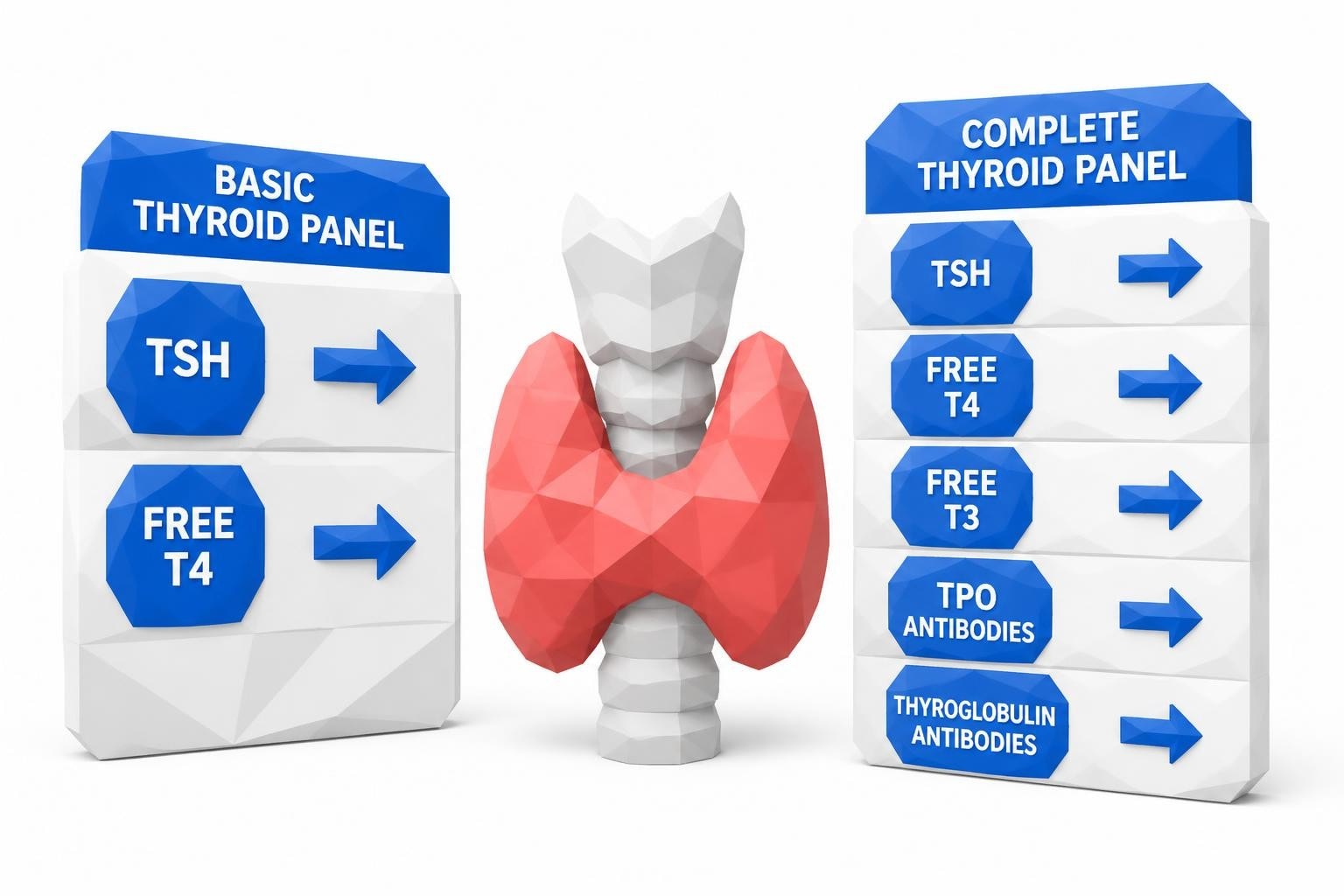
- Complete thyroid antibody panel (TPO and thyroglobulin antibodies)
- Thyroid ultrasound to assess gland structure
- Comprehensive metabolic panel to rule out other causes
Monitoring Recommendations and Frequency
When you have tpo antibodies positive but tsh normal, appropriate monitoring becomes essential for detecting progression early. Healthcare providers typically recommend different surveillance strategies based on individual risk factors.
Standard Monitoring Protocol
Most endocrinologists suggest the following baseline approach:
- Initial testing: Confirm TPO antibodies and establish baseline TSH, Free T4
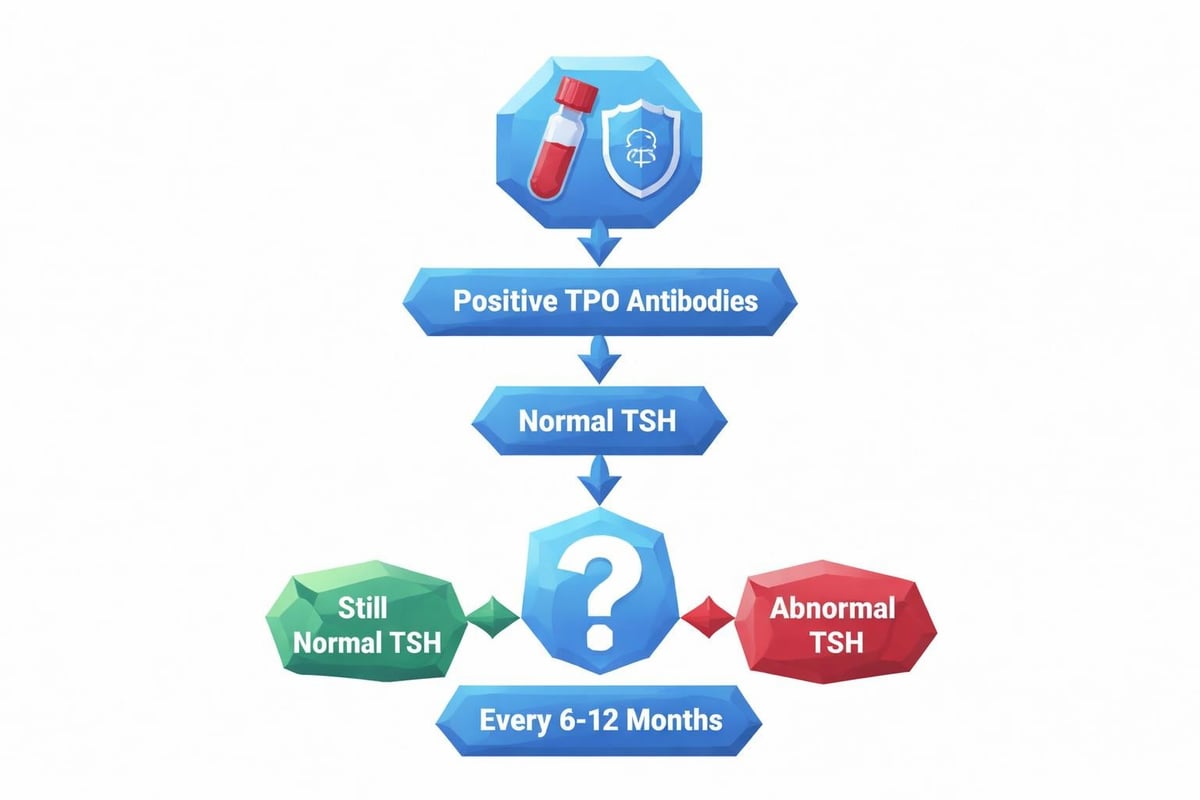
- Follow-up at 6 months: Repeat TSH to identify rapid changes
- Annual testing: If stable, check TSH yearly
- Symptom-driven testing: Retest if new symptoms develop regardless of schedule
For individuals at higher risk, quarterly or semi-annual monitoring may be appropriate. Those with borderline positive TPO antibodies might extend monitoring intervals if levels remain stable.
| Risk Category | Initial Follow-up | Ongoing Frequency | Additional Tests |
|---|---|---|---|
| Low Risk | 6-12 months | Annually | As needed |
| Moderate Risk | 3-6 months | Every 6 months | Free T4 annually |
| High Risk | 3 months | Every 3-6 months | Complete panel |
What Changes Trigger Action
Not every small TSH fluctuation requires intervention. However, certain patterns warrant discussion with your healthcare provider:
- TSH rising above 4.5 mIU/L consistently
- TSH increasing by more than 1.0 mIU/L between tests
- Development of symptoms affecting quality of life
- Pregnancy planning or current pregnancy
- Significant increase in TPO antibody levels
Management Strategies and Interventions
While no cure exists for thyroid autoimmunity, several evidence-based strategies may slow progression and optimize thyroid health when you have tpo antibodies positive but tsh normal.
Lifestyle Modifications
Nutritional approaches include:
- Ensuring adequate selenium intake (200 mcg daily from food or supplements)
- Maintaining sufficient vitamin D levels (>30 ng/mL)
- Reducing inflammatory foods if sensitivities exist
- Managing blood sugar stability to reduce stress on the thyroid
- Considering gluten reduction in susceptible individuals
Stress management proves particularly important, as chronic stress can exacerbate autoimmune conditions. Regular exercise, adequate sleep (7-9 hours nightly), and mindfulness practices support overall immune regulation.
Medical Monitoring and Treatment Decisions
The decision to start thyroid hormone replacement when TSH remains normal but TPO antibodies are elevated remains individualized. Some healthcare providers consider treatment when:
- TSH exceeds 3.0 mIU/L with symptoms present
- Patient is planning pregnancy or currently pregnant
- Antibody levels are extremely high (>1000 IU/mL)
- Quality of life is significantly impacted despite normal labs
Research on high TPO antibodies with normal TSH suggests that early intervention may benefit some individuals, though this approach isn't universally accepted.
Accessing Convenient Thyroid Testing
Regular monitoring requires convenient access to laboratory testing. Traditional healthcare pathways often involve scheduling doctor appointments, obtaining referrals, and navigating insurance authorization processes that delay results and increase costs.
Ordering lab tests without a doctor has become increasingly accessible, allowing individuals to take proactive control of their thyroid monitoring. Self-pay testing services eliminate insurance complications while providing transparent pricing and faster results.
When managing tpo antibodies positive but tsh normal, you benefit from:
- Flexible testing schedules: Test when needed without appointment delays
- Comprehensive panels: Order complete thyroid panels including antibodies
- Quick turnaround: Receive results typically within 1-3 days
- Transparent pricing: Know exact costs upfront without insurance surprises
- Direct access: No referrals or authorization requirements
Understanding how lab testing works empowers you to maintain consistent monitoring without the traditional healthcare system barriers that can delay important follow-up testing.
Recommended Panel
Hashimoto's Panel
Save $3The definitive panel for diagnosing Hashimoto's thyroiditis - the #1 cause of hypothyroidism. Tests both major thyroid antibodies that indicate autoimmune thyroid disease.
Includes 5 biomarkers
$58
Special Considerations for Specific Populations
Certain groups require modified approaches when dealing with positive TPO antibodies and normal thyroid function.
Pregnancy and Fertility Planning
Thyroid antibodies pose unique considerations during pregnancy. Even with normal TSH, positive TPO antibodies increase risks for:
- Miscarriage in early pregnancy
- Preterm delivery
- Postpartum thyroiditis
- Pregnancy-induced hypothyroidism
Many obstetricians recommend treating pregnant women who have TSH above 2.5 mIU/L with positive antibodies, a lower threshold than for non-pregnant individuals. If you're planning pregnancy with tpo antibodies positive but tsh normal, discuss optimal TSH targets with your healthcare provider before conception.
Postmenopausal Women
Thyroid autoimmunity progression often accelerates during and after menopause. Hormonal changes affect immune regulation, potentially increasing antibody production and thyroid damage. Postmenopausal women with positive TPO antibodies benefit from more frequent monitoring, particularly during the first five years after menopause.
Individuals with Other Autoimmune Conditions
Having one autoimmune disease increases risk for developing others. People with conditions like Type 1 diabetes, celiac disease, rheumatoid arthritis, or lupus who have positive TPO antibodies face higher progression risk to hypothyroidism. Coordinating care between specialists ensures comprehensive monitoring.
Understanding Your Test Results
Interpreting TPO antibody levels requires understanding reference ranges and clinical significance. Most laboratories consider TPO antibodies positive when levels exceed 35 IU/mL, though normal TPO antibody ranges can vary slightly between testing facilities.
TPO antibody level interpretation:
- <35 IU/mL: Negative (normal)
- 35-100 IU/mL: Borderline positive
- 100-500 IU/mL: Moderately elevated
- >500 IU/mL: Significantly elevated
Higher antibody levels generally correlate with increased progression risk, though individual variation exists. Some people maintain extremely high antibodies for decades without developing hypothyroidism, while others progress rapidly with moderate elevations.
Tracking Trends Over Time
Single test results provide limited information compared to tracking trends. Antibody levels may fluctuate based on stress, illness, medication changes, and other factors. Establishing a pattern through serial testing offers more valuable prognostic information than any individual result.
Consider maintaining a personal health record documenting:
- All TSH values with dates
- TPO antibody levels and trends
- Free T4 and Free T3 when measured
- Symptoms experienced between tests
- Lifestyle changes or stressors
This documentation helps identify patterns and supports productive discussions with healthcare providers about monitoring frequency and intervention timing.
Distinguishing From Other Thyroid Conditions
While tpo antibodies positive but tsh normal most commonly indicates early Hashimoto's thyroiditis, other conditions can present similarly. Accurate diagnosis ensures appropriate management.
Graves' Disease in Remission
Graves' disease, which typically causes hyperthyroidism, can present with positive TPO antibodies. Individuals who've achieved remission after treatment may have normal TSH with persistent antibodies. Distinguishing features include history of hyperthyroidism and presence of TSH receptor antibodies (TRAb).
Silent or Painless Thyroiditis
This transient autoimmune condition causes temporary thyroid inflammation. Patients may have positive TPO antibodies with normal TSH between episodes of thyroid dysfunction. Unlike Hashimoto's, silent thyroiditis often resolves without permanent damage.
Non-Autoimmune Causes of TPO Elevation
Rarely, TPO antibodies may be mildly elevated in non-autoimmune conditions including thyroid nodules, thyroid cancer, or after thyroid trauma. These situations typically show different clinical presentations and imaging findings.
Future Research and Emerging Understanding
Scientific understanding of thyroid autoimmunity continues evolving. Researchers are investigating why some people with positive antibodies progress while others remain stable, exploring genetic markers, environmental triggers, and potential preventive interventions.
Current areas of active research include:
- Microbiome influences on thyroid autoimmunity
- Genetic polymorphisms affecting progression risk
- Selenium and vitamin D supplementation effectiveness
- Novel biomarkers for predicting progression
- Environmental toxin exposures and thyroid antibodies
As research advances, clinical guidelines for managing tpo antibodies positive but tsh normal may evolve, potentially offering more personalized risk assessment and targeted interventions.
Discovering positive TPO antibodies with normal TSH indicates thyroid autoimmunity that requires monitoring but doesn't necessarily mean you'll develop hypothyroidism. Regular testing enables early detection of changes, allowing timely intervention if thyroid function declines. Whether you need baseline testing or ongoing monitoring, Justlabs provides convenient access to comprehensive thyroid panels with transparent pricing, no insurance hassles, and results delivered in 1-3 days, empowering you to stay proactive about your thyroid health.
Related Reading
References
Dwivedi SN, Kalaria T, Buch H. Thyroid autoantibodies. J Clin Pathol. 2023 Jan;76(1):19-28. doi: 10.1136/jcp-2022-208290. PMID: 36270794. https://pubmed.ncbi.nlm.nih.gov/36270794/
Chaker L, Razvi S, Bensenor IM, Azizi F, Pearce EN, Peeters RP. Hypothyroidism. Nat Rev Dis Primers. 2022 May 19;8(1):30. doi: 10.1038/s41572-022-00357-7. PMID: 35589725. https://pubmed.ncbi.nlm.nih.gov/35589725/
Biondi B, Cappola AR, Cooper DS. Subclinical Hypothyroidism: A Review. JAMA. 2019 Jul 9;322(2):153-160. doi: 10.1001/jama.2019.9052. PMID: 31287527. https://pubmed.ncbi.nlm.nih.gov/31287527/