Understanding what you'll pay for vitamin D testing helps you make informed healthcare decisions. The vitamin d test cost varies significantly based on where you get tested, whether you use insurance, and which specific test your provider orders. Most people pay anywhere from $30 to $200, but knowing the details can help you find affordable options that fit your budget.
Big picture
- Vitamin D testing measures 25-hydroxyvitamin D levels in your blood to assess whether you have adequate, insufficient, or deficient vitamin D status for optimal health.
- Price ranges typically fall between $30 and $200 for self-pay options, while insurance-covered tests may involve copays or apply toward your deductible depending on your plan.
- Testing matters because vitamin D deficiency affects bone health, immune function, and overall wellness, yet remains common among adults who don't get adequate sun exposure or dietary intake.
- Multiple testing options exist today, including traditional lab draws, at-home test kits, and direct-access services that bypass the need for a doctor's visit.
- Self-pay services often provide transparent pricing and faster results compared to insurance-based testing, making them an attractive option for routine monitoring.
- Take action by comparing costs across local labs, online services, and at-home options to find the most affordable and convenient testing method for your situation.
Why Vitamin D Testing Matters
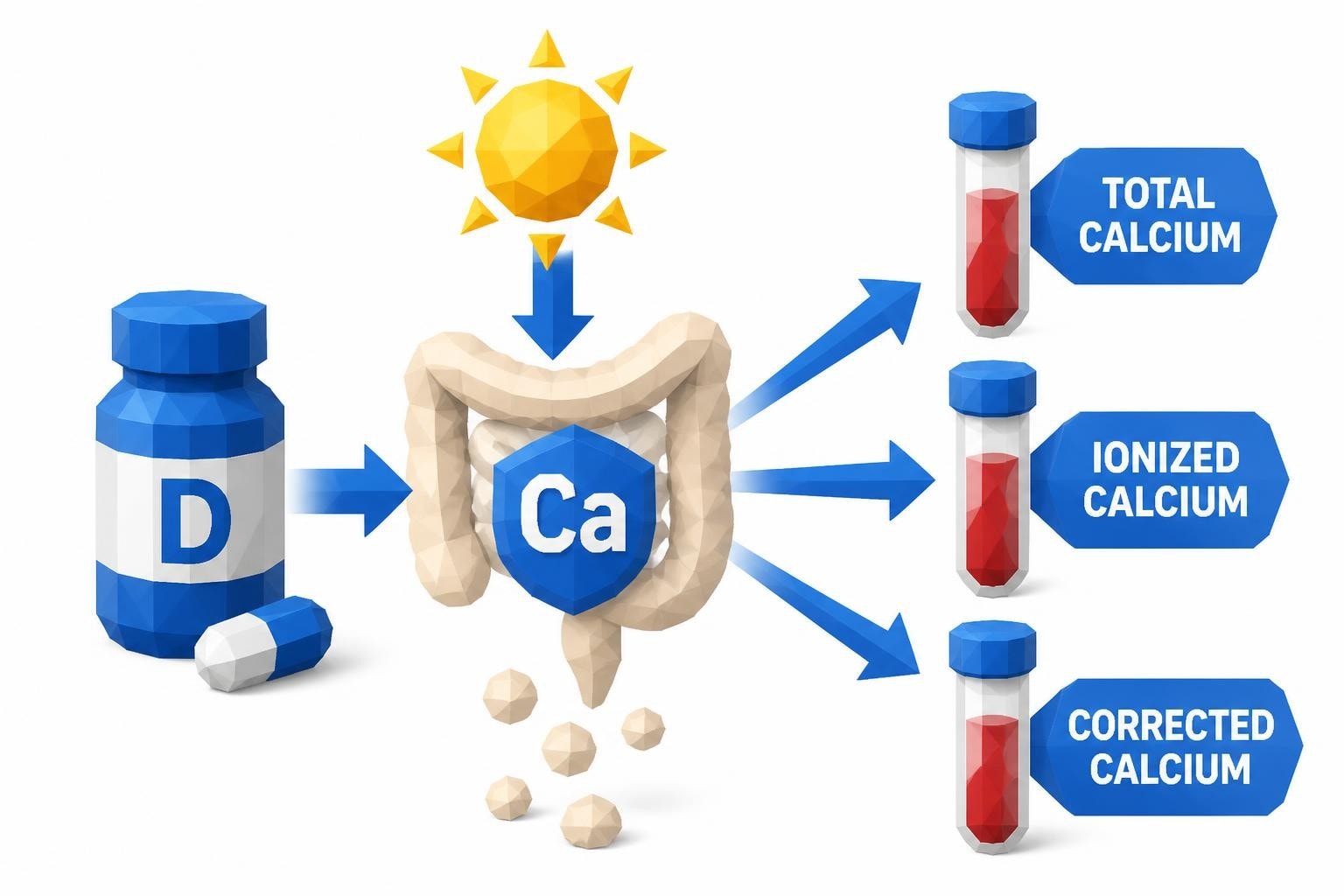
Vitamin D plays a critical role in calcium absorption, bone health, immune system function, and cellular processes throughout your body. Despite its importance, vitamin D deficiency affects a substantial portion of the population, particularly those living in northern climates, people with darker skin tones, and individuals who spend limited time outdoors.
Testing your vitamin D levels provides concrete data about your status. Healthcare providers use this information to recommend appropriate supplementation doses or lifestyle changes. Without testing, you're essentially guessing about whether you need supplements and how much to take.
Common Reasons for Testing
Healthcare providers typically order vitamin D tests for several specific scenarios:
- Screening for deficiency in high-risk populations
- Diagnosing unexplained fatigue or muscle weakness
- Monitoring patients with osteoporosis or bone health concerns
- Evaluating absorption issues in digestive disorders
- Tracking supplementation effectiveness
Regular monitoring helps ensure you maintain optimal levels without risking toxicity from excessive supplementation.
Understanding Vitamin D Test Cost Factors
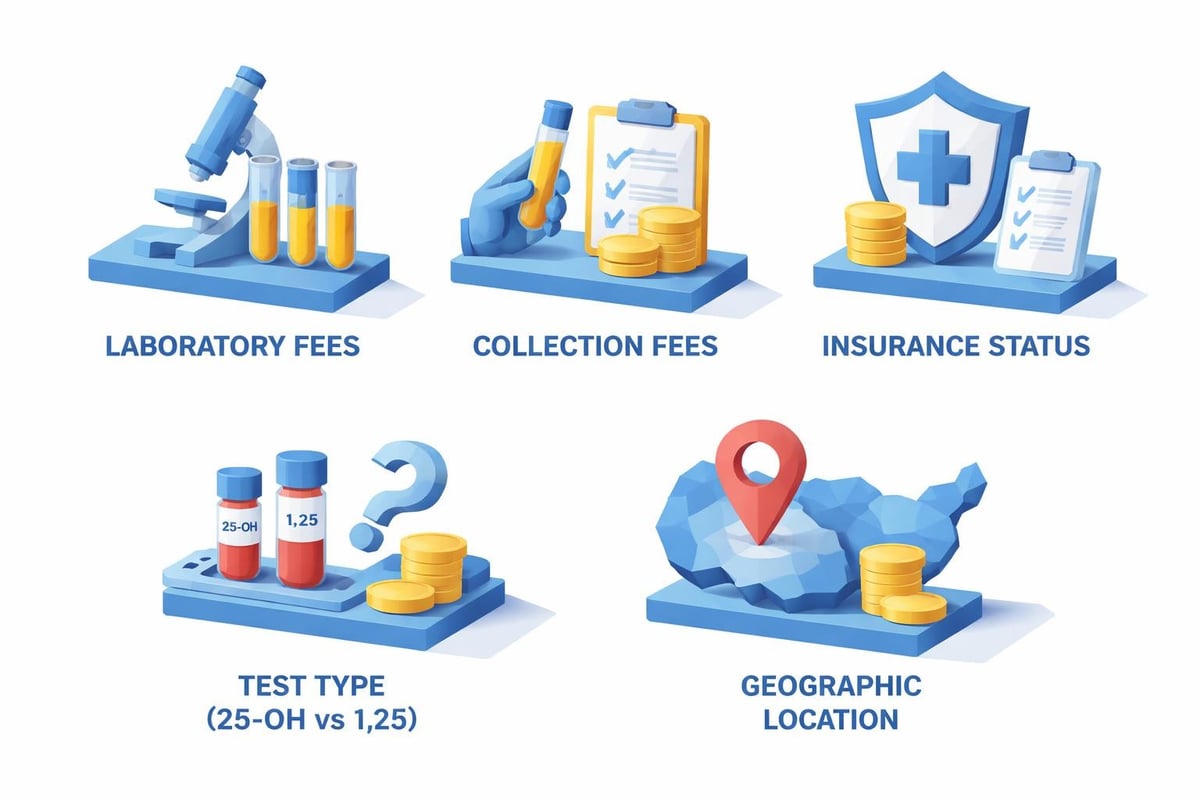
The vitamin d test cost depends on multiple variables that significantly impact what you'll ultimately pay. Breaking down these factors helps you anticipate expenses and identify potential savings opportunities.
Laboratory Processing Fees
The actual analysis of your blood sample represents the core expense. Different laboratories charge varying amounts based on their overhead costs, equipment, and volume. High-volume commercial labs often offer lower prices than hospital-based laboratories because they process thousands of samples daily, achieving economies of scale.
Specimen Collection Costs
Blood draw fees add to the total expense. Some facilities charge separately for phlebotomy services, while others bundle this cost into the total test price. Self-collection options for at-home kits eliminate this fee entirely, though you'll need to perform the finger-stick yourself.
Insurance Status Impact
Using insurance changes the cost equation considerably. Insured patients may pay nothing out-of-pocket if they've met their deductible, or they might face copays ranging from $10 to $50. However, insurance-based testing often requires prior authorization and a doctor's order, adding administrative complexity.
Uninsured individuals typically pay the full cash price, which according to various healthcare pricing resources, generally ranges from $30 to $200 depending on the provider.
Price Ranges Across Different Testing Options
Understanding specific price points for various testing methods helps you budget appropriately and choose the option that best fits your needs.
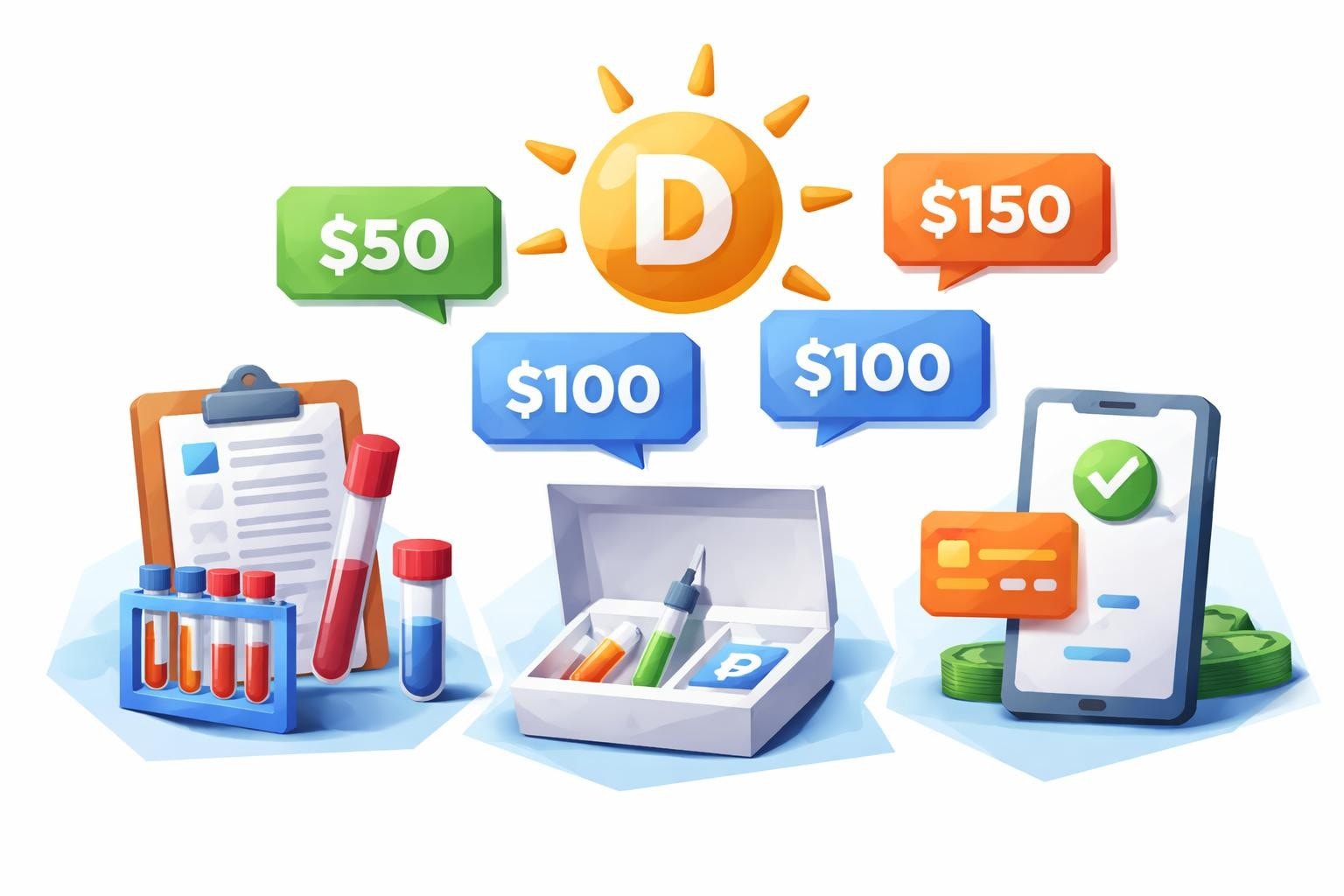
| Testing Method | Price Range | Turnaround Time | Convenience Level |
|---|---|---|---|
| Hospital Lab | $100-$200 | 3-7 days | Low |
| Commercial Lab | $50-$120 | 2-5 days | Medium |
| Self-Pay Service | $30-$80 | 1-3 days | High |
| At-Home Kit | $45-$100 | 5-10 days | Very High |
| Doctor's Office | $75-$150 | 3-7 days | Medium |
Traditional Laboratory Testing
Hospital-based laboratories often charge premium prices, with the vitamin d test cost frequently exceeding $150 before insurance. These facilities carry higher overhead costs for maintaining 24/7 operations and handling emergency testing alongside routine work.
Commercial reference laboratories like Quest Diagnostics and LabCorp typically offer more competitive pricing for self-pay patients. Their cash prices often range from $50 to $120, and they operate thousands of patient service centers nationwide, making access convenient.
Self-Pay Direct Access Services
Services that allow you to order lab tests without a doctor have transformed the testing landscape. These platforms offer transparent pricing, typically ranging from $30 to $80 for vitamin D testing, with results delivered within 1-3 days. At JustLabs, a Vitamin D, 25-Hydroxy test is $25 plus the one $18 order fee ($43 all-in), with results usually in 1-2 business days.
The streamlined process eliminates appointment scheduling, insurance paperwork, and unnecessary doctor visits for routine monitoring. You simply order online, visit a collection site, and receive results electronically.
At-Home Testing Kits
Mail-order test kits provide maximum convenience by eliminating the need to visit a collection site. You perform a finger-stick at home, mail the sample to a laboratory, and receive results online. According to low-cost testing options, prices typically range from $45 to $100.
The trade-off involves longer turnaround times and the need to collect your own sample. Some people find finger-sticks challenging or prefer having a trained phlebotomist draw blood.
Insurance Coverage Considerations
Insurance coverage for vitamin D testing follows specific criteria that determine whether your plan will pay for the test. Understanding these rules helps you avoid unexpected bills.
Medical Necessity Requirements
Most insurance plans cover vitamin D testing only when deemed medically necessary. This typically means you must have documented risk factors, symptoms suggesting deficiency, or conditions requiring monitoring. Preventive screening in healthy individuals without risk factors often isn't covered.
Your doctor must provide appropriate diagnosis codes justifying the test. Common qualifying conditions include osteoporosis, malabsorption disorders, chronic kidney disease, and certain medications that affect vitamin D metabolism.
Deductibles and Out-of-Pocket Costs
Even with insurance coverage, you might pay the full cost if you haven't met your annual deductible. High-deductible health plans particularly impact testing costs, as patients pay 100% until reaching deductible thresholds that often exceed $1,500 for individuals.
After meeting your deductible, copay or coinsurance amounts apply. These typically range from $10 to $50 per test, depending on your specific plan design.
Strategies for Reducing Testing Costs
Several practical approaches help minimize what you pay for vitamin D testing without compromising quality or accuracy.
Compare Cash Prices vs. Insurance
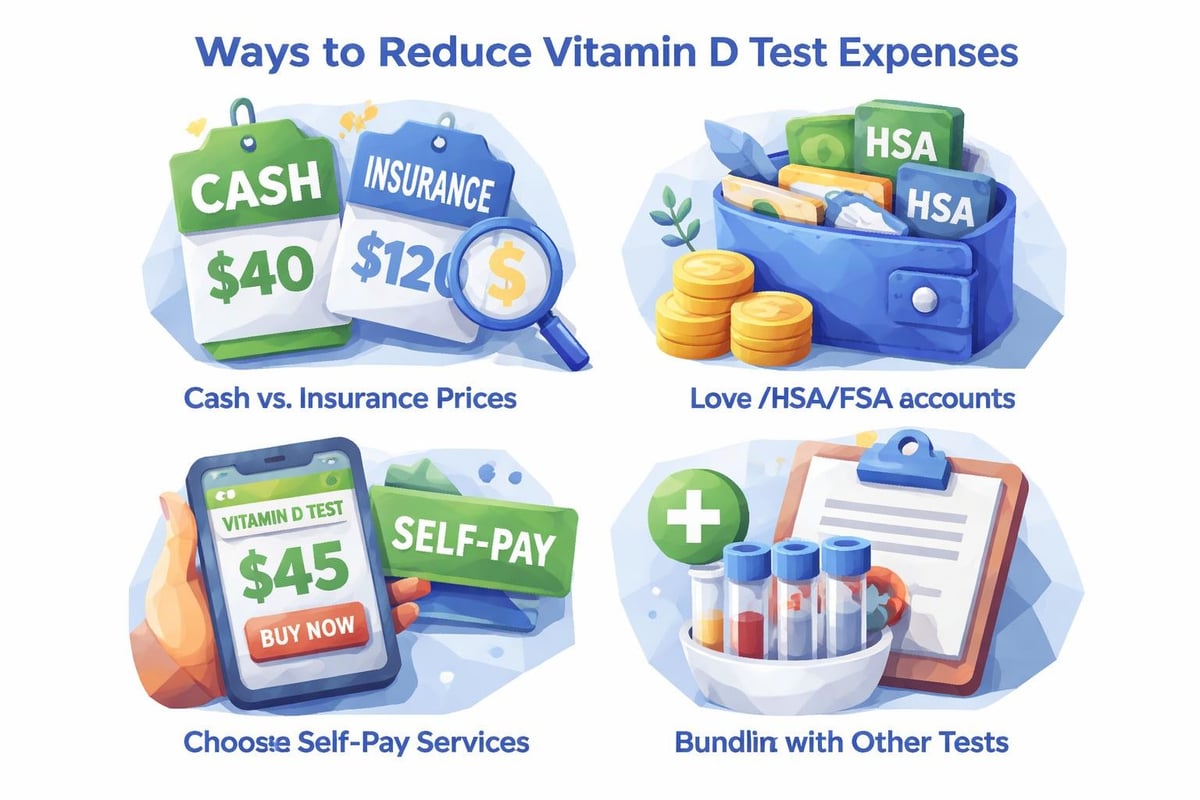
Surprisingly, cash prices through self-pay services sometimes cost less than insurance copays or deductible contributions. Before automatically using insurance, request the self-pay price and compare. This approach also keeps the test off your insurance records, which some patients prefer.
Understanding transparent lab test pricing helps you make informed comparisons and identify the most cost-effective option for your situation.
Use FSA or HSA Funds
If you have a Flexible Spending Account or Health Savings Account, you can pay for vitamin D testing with pre-tax dollars. This effectively reduces the cost by your marginal tax rate, providing savings of 20-40% depending on your tax bracket.
Most lab testing services accept FSA and HSA cards, making the payment process straightforward. Keep receipts for tax documentation purposes.
Bundle Tests When Appropriate
If you need multiple tests, bundling them together often costs less than ordering individually. Many services offer comprehensive panels that include vitamin D along with other related markers.
Recommended Panel
Vitamin & Mineral Panel
Save $5This panel tests the most commonly deficient nutrients: Vitamin D, B12, Folate, Iron (with complete iron studies), Ferritin, and Magnesium - the building blocks your body needs to function optimally.
Includes 9 biomarkers
$64
Fasting required
Choose the Right Test Type
Two different vitamin D tests exist: 25-hydroxyvitamin D (the standard test) and 1,25-dihydroxyvitamin D (rarely needed). The 25-hydroxyvitamin D test accurately reflects your vitamin D status and costs significantly less. The 1,25-dihydroxyvitamin D test is more expensive and only necessary for specific medical conditions involving calcium metabolism disorders.
Always confirm which test you're receiving, as ordering the wrong type wastes money and provides unhelpful information.
Recommended Test
Vitamin D, 25-Hydroxy
Vitamin D deficiency affects over 40% of Americans. This test measures your vitamin D status, essential for bone health, immune function, mood, and much more.
Includes 2 biomarkers
$25
Geographic Pricing Variations
Where you live significantly impacts the vitamin d test cost you'll encounter. Regional differences reflect varying labor costs, rent expenses, and market competition.
Urban vs. Rural Differences
Urban areas typically offer more competitive pricing due to greater laboratory competition. Metropolitan regions with multiple commercial labs, hospital systems, and direct-access services create price pressure that benefits consumers.
Rural areas may have limited options, potentially leading to higher prices. However, online self-pay services and mail-order test kits level the playing field by providing consistent pricing regardless of location.
State-by-State Variations
Healthcare costs vary substantially across states. According to health technology assessments, testing costs in high-cost states like California and New York may run 30-50% higher than in lower-cost states like Texas or Florida.
These variations reflect differences in state healthcare regulations, provider reimbursement rates, and overall cost of living.
When to Get Tested
Timing your vitamin D testing appropriately ensures you get useful information while avoiding unnecessary repeat testing that wastes money.
Initial Screening Recommendations
Consider baseline testing if you:
- Experience persistent fatigue or muscle weakness
- Have limited sun exposure or always use sunscreen
- Are over 65 years old
- Have darker skin pigmentation
- Are pregnant or planning pregnancy
- Have been diagnosed with osteoporosis
A single baseline test establishes your starting point and guides supplementation decisions.
Follow-Up Testing Frequency
After starting supplementation, retest after 3-4 months to verify you're reaching target levels without overshooting into toxicity range. Once you've established a stable dose that maintains optimal levels, annual testing typically suffices for monitoring.
Excessive testing provides no additional benefit and unnecessarily increases costs. Work with healthcare providers to establish appropriate testing schedules based on your individual risk factors and treatment response.
Seasonal Considerations
Vitamin D levels naturally fluctuate with sun exposure throughout the year. Testing in late winter or early spring typically captures your lowest levels, while late summer testing shows peak values. For consistent year-over-year comparisons, test during the same season annually.
What Your Test Results Mean
Understanding your vitamin D test results helps you interpret whether you're getting value from your testing investment.
Standard Reference Ranges
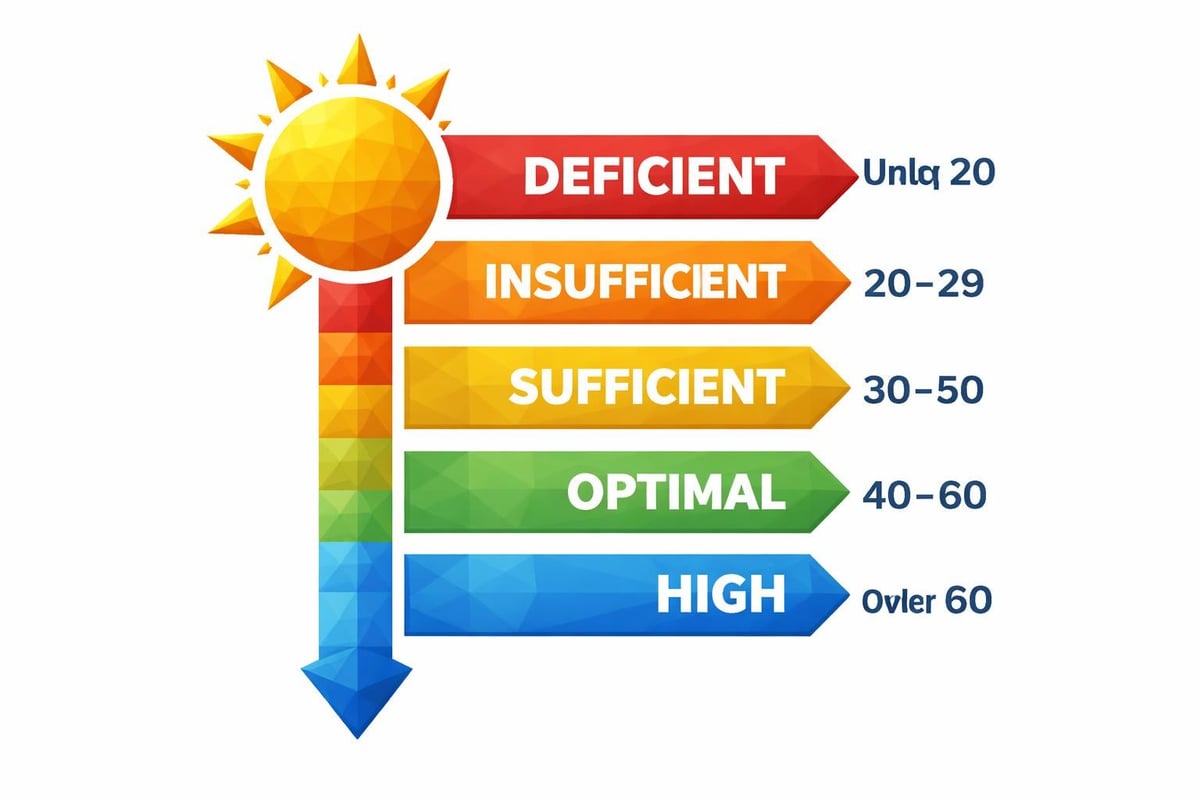
Most laboratories report vitamin D levels in nanograms per milliliter (ng/mL) and use these general interpretations:
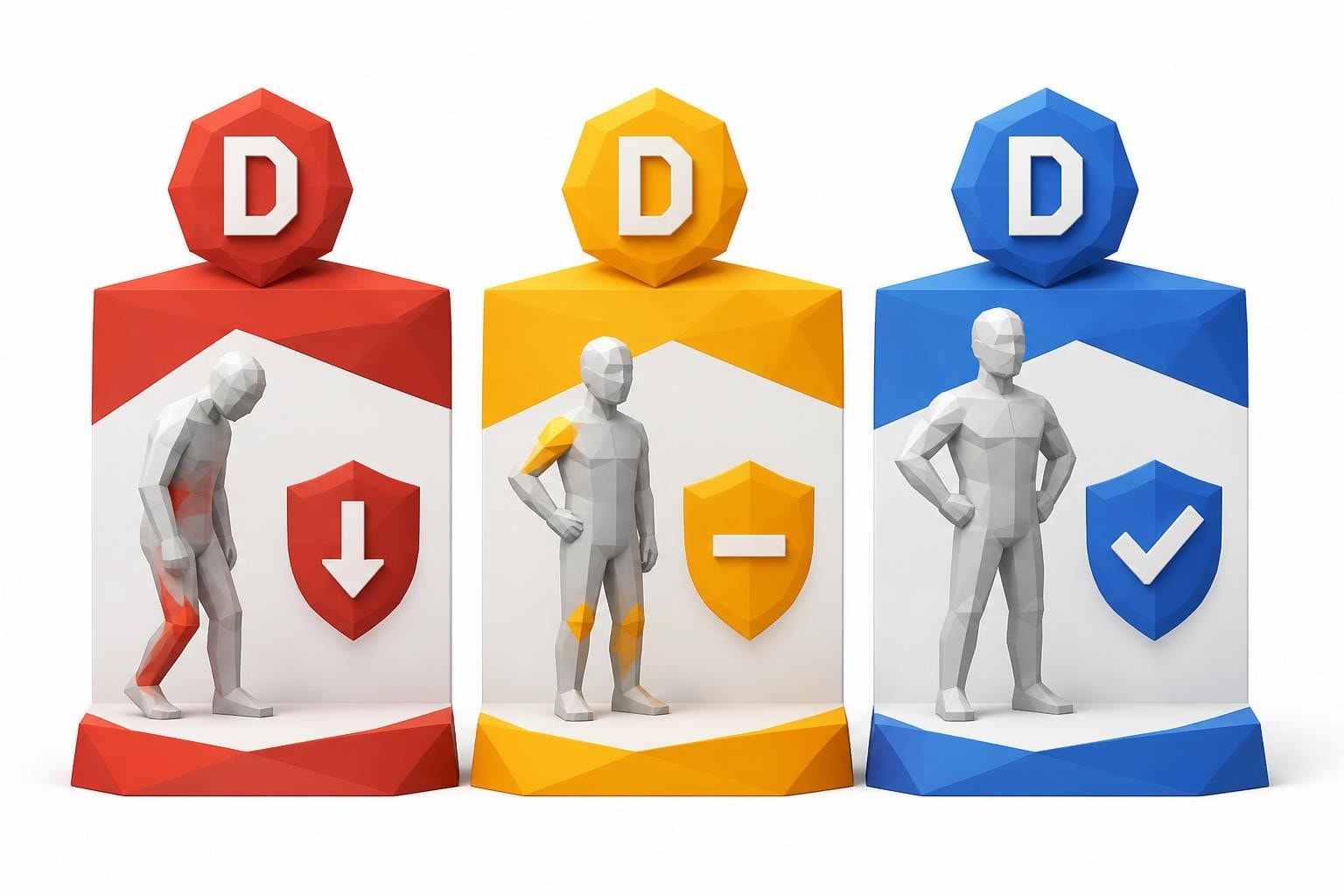
- Deficient: Below 20 ng/mL
- Insufficient: 20-29 ng/mL
- Sufficient: 30-50 ng/mL
- Optimal: 40-60 ng/mL (according to many functional medicine practitioners)
- High: 60-80 ng/mL
- Potentially Toxic: Above 100 ng/mL
Different medical societies disagree slightly on optimal ranges, with some considering 20-30 ng/mL adequate while others recommend 30-50 ng/mL or higher.
Taking Action Based on Results
Low results typically warrant supplementation with vitamin D3 (cholecalciferol). Dosing depends on severity, with deficient individuals often requiring 5,000-10,000 IU daily initially, while those with insufficiency might need 2,000-4,000 IU daily.
Resources for understanding lab results help you interpret findings and determine appropriate next steps. However, always consult qualified healthcare providers before starting high-dose supplementation.
Comparing Provider Options
Different testing providers offer distinct advantages and disadvantages beyond simple price comparisons.
National Commercial Laboratories
Quest Diagnostics and LabCorp dominate the commercial laboratory market. They offer:
Advantages:
- Thousands of collection sites nationwide
- Established quality standards
- Insurance acceptance at most locations
- Integration with electronic health records
Disadvantages:
- Higher prices for uninsured patients
- Requires doctor's orders in most states
- Longer wait times for appointments
- Variable customer service quality
Direct-Access Testing Services
Platforms that provide accessible lab testing locations eliminate traditional barriers. These services typically partner with major laboratories for specimen processing while handling ordering and result delivery directly.
Advantages:
- Transparent upfront pricing
- No doctor's visit required
- Fast turnaround times (1-3 days)
- User-friendly result presentation
- Convenient online ordering
Disadvantages:
- Not available in all states due to regulations
- No insurance billing (self-pay only)
- Limited customer support compared to full-service providers
Retail Health Clinics
Pharmacies like CVS and Walgreens increasingly offer basic laboratory testing, including vitamin D screening.
Advantages:
- Convenient locations and hours
- Walk-in availability
- Bundled with consultation services
- Competitive pricing
Disadvantages:
- Limited test menu compared to full laboratories
- May require appointments during peak times
- Variable technician experience levels
Testing Without Insurance
Many people prefer or need to obtain vitamin D testing without involving insurance. This approach offers specific benefits that appeal to various populations.
Privacy Considerations
Self-pay testing keeps results completely private, with no information shared with insurance companies. This matters for individuals concerned about medical information affecting future coverage, employment, or life insurance applications.
All reputable laboratories maintain strict HIPAA compliance regardless of payment method, protecting your health information from unauthorized disclosure.
Predictable Costs
When you pay cash, you know exactly what you'll spend upfront. There are no surprise bills months later, no deductible uncertainty, and no insurance claim denials to dispute. This financial predictability appeals to budget-conscious consumers.
Research shows that vitamin D test costs without insurance often prove more affordable than expected, particularly when using direct-access services.
Simplified Process
Bypassing insurance eliminates paperwork, prior authorization delays, and coordination between doctors, laboratories, and insurance companies. You simply order, test, and receive results without administrative hassle.
Key Takeaways
- Vitamin D test cost typically ranges from $30 to $200 depending on your testing method, with self-pay services often providing the most affordable options
- Insurance coverage depends on medical necessity criteria, and cash prices sometimes cost less than insurance copays or deductible contributions
- Multiple testing options exist, including traditional labs, direct-access services, and at-home kits, each offering different balances of cost, convenience, and turnaround time
- Strategic approaches like comparing prices, using HSA/FSA funds, and avoiding unnecessary repeat testing can significantly reduce your out-of-pocket expenses
- Understanding results helps you determine appropriate supplementation needs and whether follow-up testing is warranted for your situation
FAQ
How much does a vitamin D test cost without insurance?
Without insurance, vitamin D testing typically costs between $30 and $200. Self-pay direct-access services usually charge $30-$80, commercial laboratories charge $50-$120, and hospital-based labs often charge $100-$200. At-home test kits range from $45-$100 including shipping and processing.
Does insurance cover vitamin D testing?
Most insurance plans cover vitamin D testing when medically necessary, meaning you have documented risk factors, symptoms, or conditions requiring monitoring. Routine screening in healthy individuals without risk factors often isn't covered. Even with coverage, you may pay copays ($10-$50) or full cost until meeting your deductible.
What is the difference between the two vitamin D tests?
The 25-hydroxyvitamin D test measures your vitamin D storage levels and is the standard test for assessing vitamin D status. The 1,25-dihydroxyvitamin D test measures the active hormone form and is rarely needed, only for specific conditions involving calcium metabolism disorders. The 25-hydroxyvitamin D test costs less and provides the information needed for routine monitoring.
How often should I get vitamin D tested?
Get baseline testing if you have risk factors or symptoms. After starting supplementation, retest in 3-4 months to verify you've reached target levels. Once stable on a maintenance dose, annual testing typically suffices. Avoid testing more frequently than every 3 months, as levels change slowly and excessive testing wastes money without providing additional benefit.
Can I order a vitamin D test without seeing a doctor?
In most states, yes. Direct-access laboratory services allow you to order vitamin D testing online without a doctor's visit or prescription. You order the test, visit a collection site for blood draw, and receive results electronically within 1-3 days. A few states restrict direct-access testing, requiring physician orders for all laboratory work.
Are at-home vitamin D tests accurate?
Reputable at-home vitamin D tests that use laboratory analysis provide accuracy comparable to traditional blood draws. However, proper sample collection is critical. Follow instructions carefully, ensure adequate blood volume, and mail samples promptly. Avoid at-home tests that provide instant results without laboratory analysis, as these are less reliable than tests processed by certified laboratories.
Does the vitamin D test cost vary by state?
Yes, healthcare costs including laboratory testing vary significantly across states. High-cost states like California, New York, and Massachusetts typically have higher testing prices than lower-cost states like Texas, Florida, and Arizona. However, online direct-access services often provide consistent nationwide pricing, reducing geographic disparities.
What time of year is best for vitamin D testing?
Late winter or early spring captures your lowest vitamin D levels when sun exposure has been minimal for months. This timing identifies deficiency when it's most severe. For consistent year-over-year comparisons, test during the same season annually. Summer testing shows peak levels, which may miss seasonal insufficiency that affects you during winter months.
Understanding vitamin D test costs empowers you to make informed decisions about monitoring this essential nutrient without overpaying. Whether you choose traditional laboratory testing, at-home kits, or direct-access services, knowing your options helps you balance cost, convenience, and quality. Ready to check your vitamin D levels with transparent pricing and fast results? JustLabs provides affordable self-pay testing with results in 1-3 days, no insurance or doctor's visit required.