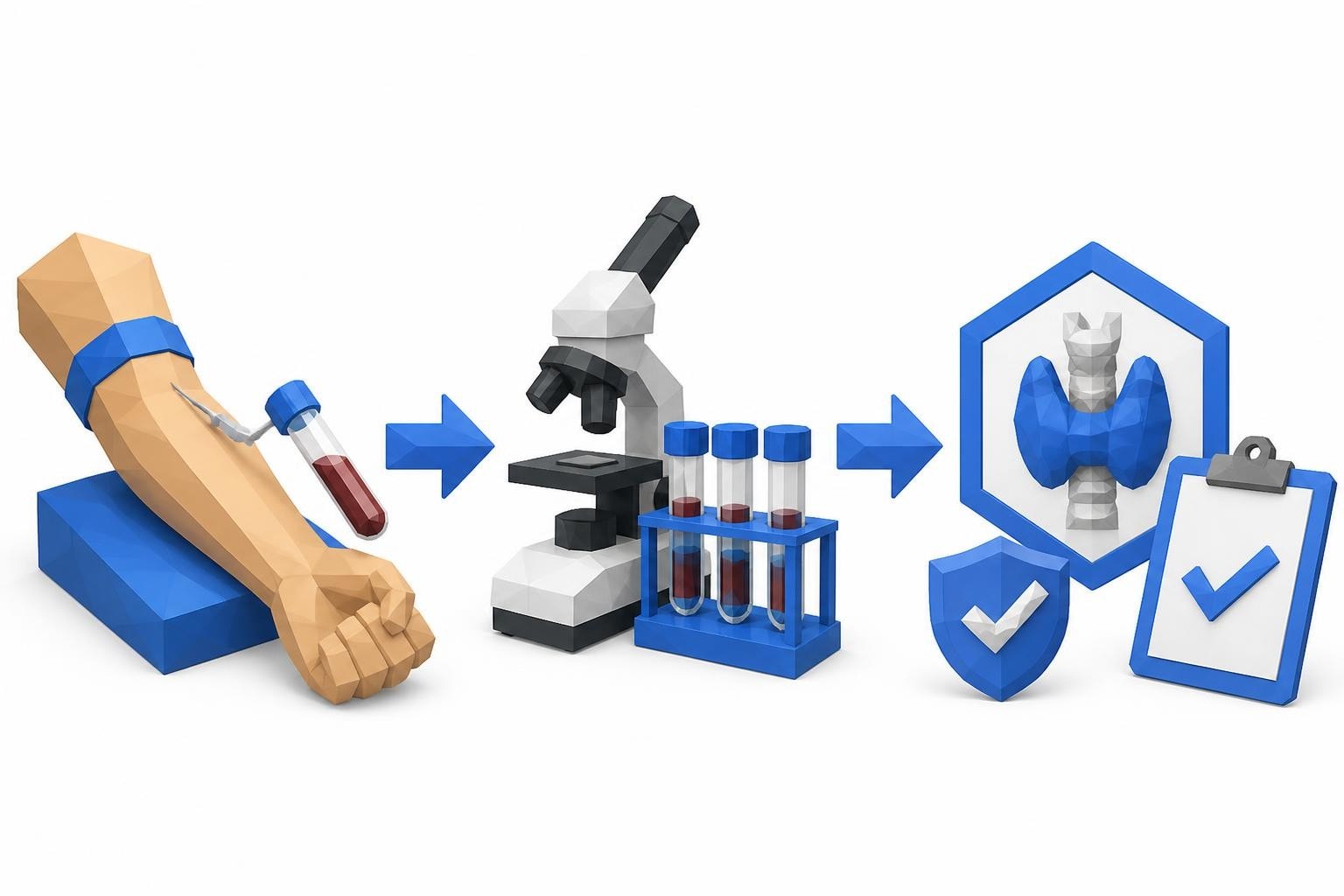
Managing thyroid health requires consistent laboratory monitoring to ensure your medication dose remains optimal. Whether you're taking levothyroxine, liothyronine, or combination therapy, understanding which labs to monitor while taking thyroid med and when to test them helps you maintain stable hormone levels and avoid complications. Regular testing allows you and your healthcare provider to catch potential issues early and adjust treatment before symptoms develop.
Big picture
- Thyroid medication requires ongoing blood work to verify that hormone levels stay within therapeutic range, typically checked every 6-12 weeks after dose changes and every 6-12 months once stabilized.
- TSH is the primary screening test but doesn't tell the whole story-free T4 and free T3 provide additional insight into how well your body converts and uses thyroid hormones.
- Antibody tests help identify autoimmune causes like Hashimoto's thyroiditis, which may require different monitoring strategies and can affect how your thyroid function changes over time.
- Timing and consistency matter-taking your medication correctly and scheduling labs at the right intervals ensures accurate results that guide dosing decisions.
- Self-pay lab services make monitoring affordable by offering transparent pricing and convenient access to thyroid panels without requiring insurance pre-authorization or repeated doctor visits.
- Your next step is establishing a monitoring schedule based on your specific medication, dose stability, and whether you have underlying autoimmune disease.
Core Labs to Monitor While Taking Thyroid Med
Thyroid Stimulating Hormone (TSH)
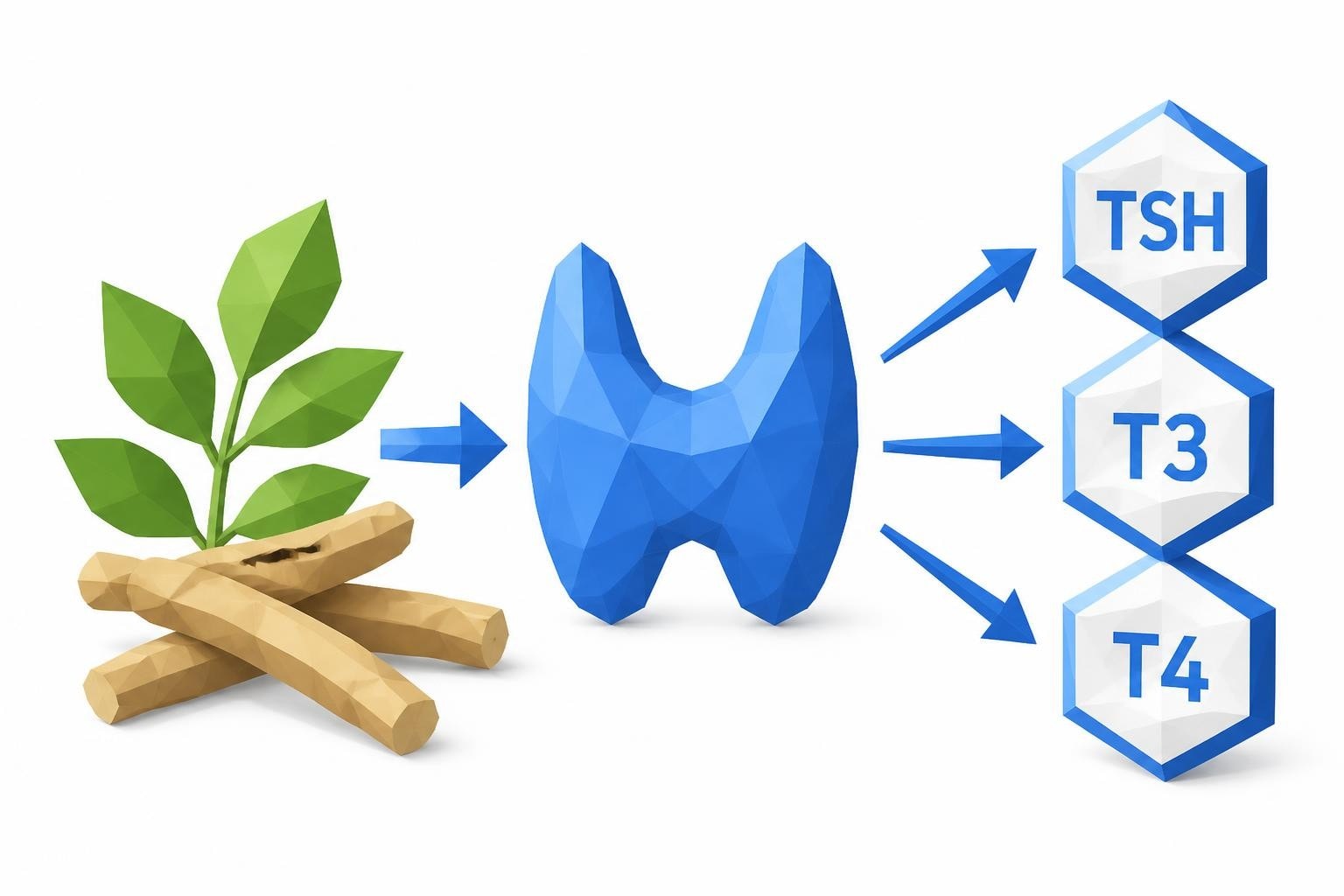
TSH remains the gold standard for initial thyroid medication monitoring. This pituitary hormone reflects your body's response to circulating thyroid hormone levels. When thyroid hormone levels drop too low, your pituitary increases TSH production to stimulate the thyroid gland. Conversely, excess thyroid hormone suppresses TSH.
Recommended Test
TSH (Thyroid Stimulating Hormone)
The TSH test is the gold standard for evaluating thyroid function. It's the first test doctors order when thyroid problems are suspected.
Includes 1 biomarkers
$9
For most patients on levothyroxine, target TSH ranges between 0.5 and 2.5 mIU/L, though individual targets may vary based on age, pregnancy status, and specific conditions. The American Thyroid Association overview of thyroid hormone treatment provides detailed guidance on optimal TSH targets for different patient populations.
Key considerations for TSH monitoring:
- Check TSH 6-8 weeks after starting medication or changing doses
- Maintain consistent timing for blood draws (morning is typically preferred)
- Fast for 8-12 hours if testing includes other metabolic markers
- Avoid taking thyroid medication on the morning of your test
Free T4 (Thyroxine)
Free T4 measures the unbound, biologically active form of the primary hormone secreted by your thyroid gland and contained in most thyroid medications. While TSH indicates your pituitary's perception of thyroid hormone levels, free T4 shows the actual amount of thyroid hormone available to your cells.
Testing free T4 alongside TSH helps identify situations where TSH alone might be misleading. Patients with pituitary dysfunction, those taking medications that affect TSH secretion, or individuals on combination T4/T3 therapy particularly benefit from monitoring both markers.

Free T3 (Triiodothyronine)
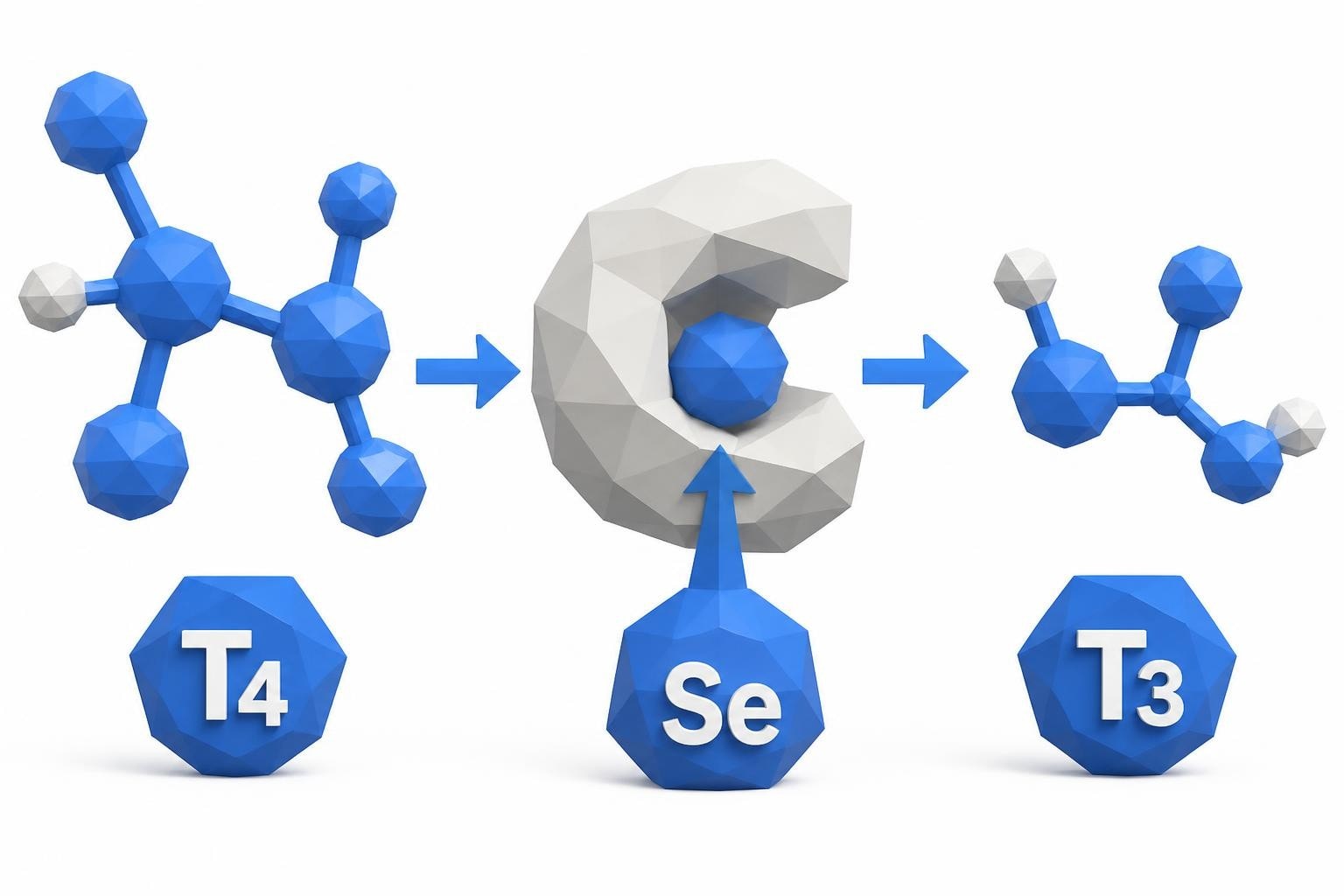
Free T3 represents the most metabolically active thyroid hormone. Your body converts T4 to T3 in peripheral tissues, primarily the liver and kidneys. Some patients convert T4 to T3 inefficiently, resulting in normal TSH and free T4 levels but low free T3 and persistent symptoms.
Monitoring free T3 becomes especially important for patients who:
- Continue experiencing symptoms despite normalized TSH
- Take combination T4/T3 therapy or natural desiccated thyroid
- Have conditions affecting T4 to T3 conversion (certain liver diseases, selenium deficiency)
- Use medications that interfere with deiodinase enzymes responsible for conversion
Comprehensive Thyroid Panel Options
When to Add Reverse T3
Reverse T3 (rT3) is an inactive form of T3 that can accumulate during illness, stress, or calorie restriction. Some practitioners use the free T3 to reverse T3 ratio to assess metabolic function, though this remains controversial in mainstream endocrinology.
Consider reverse T3 testing if you have persistently low free T3 despite adequate free T4 levels or if you're experiencing symptoms of hypothyroidism with seemingly normal standard thyroid labs.
Thyroid Antibody Testing
Thyroid peroxidase (TPO) antibodies and thyroglobulin antibodies indicate autoimmune thyroid disease. While antibody levels don't require frequent monitoring once diagnosed, periodic testing helps track disease progression and may predict changing medication needs.
| Antibody Type | What It Indicates | Monitoring Frequency |
|---|---|---|
| TPO Antibodies | Hashimoto's thyroiditis | At diagnosis, then annually or as symptoms change |
| Thyroglobulin Antibodies | Autoimmune thyroid disease | Same as TPO, often tested together |
| TSH Receptor Antibodies | Graves' disease (not relevant for hypothyroidism) | Only if hyperthyroidism suspected |
Elevated antibodies may explain fluctuating thyroid function and help predict whether you'll eventually need medication dose adjustments. The NICE guidance on assessment and monitoring of thyroid disease outlines evidence-based protocols for antibody testing in different clinical scenarios.
Testing Frequency and Timing
Initial Treatment Phase
During the first months of thyroid medication, frequent monitoring ensures you reach therapeutic hormone levels safely. The labs to monitor while taking thyroid med during this phase include TSH and free T4 at minimum.
Recommended schedule:
- Baseline labs before starting medication (TSH, free T4, free T3, antibodies)
- Retest TSH and free T4 after 6-8 weeks
- Adjust dose if needed and retest 6-8 weeks after each adjustment
- Continue this cycle until TSH stabilizes within target range
The NHS guidance for levothyroxine monitoring provides practical protocols for dose titration and monitoring cadence.
Maintenance Phase
Once your thyroid levels stabilize, testing frequency decreases. Most patients require labs every 6-12 months to ensure continued therapeutic levels, though individual circumstances may warrant more frequent monitoring.

Monitor more frequently if you:
- Experience new symptoms suggesting over- or under-treatment
- Start medications that interact with thyroid hormone (calcium, iron, certain antacids)
- Become pregnant or experience significant weight changes
- Have underlying conditions affecting thyroid hormone metabolism
Special Considerations for Different Medications
Levothyroxine (T4-only therapy) requires less frequent monitoring than combination therapies once stable. Patients taking natural desiccated thyroid or synthetic T3 combinations need more comprehensive panels including free T3.
According to the FDA labeling for levothyroxine formulations, numerous drug interactions necessitate additional monitoring when starting or stopping interacting medications.
Additional Labs That Support Thyroid Management
Complete Blood Count and Liver Function
While not thyroid-specific, certain antithyroid medications (used for hyperthyroidism) require monitoring of white blood cell counts and liver enzymes. The NHS guidance for carbimazole monitoring details protocols for patients on antithyroid drugs.
Vitamin and Mineral Status
Thyroid hormone production and conversion depend on adequate micronutrient levels. Testing these markers alongside standard thyroid panels helps identify correctable factors affecting treatment efficacy.
Key nutrients affecting thyroid function:
- Selenium: Essential for T4 to T3 conversion
- Zinc: Supports thyroid hormone receptor function
- Vitamin D: Correlates with autoimmune thyroid disease severity
- Iron/Ferritin: Low levels impair thyroid hormone synthesis
The vitamin and mineral panel available through self-pay services can identify deficiencies that might explain suboptimal response to thyroid medication.
Metabolic Markers
Thyroid hormones significantly influence metabolism, cholesterol levels, and blood sugar regulation. Comprehensive metabolic panels help assess whether your thyroid medication dose appropriately addresses these metabolic effects.
| Metabolic Marker | Thyroid Connection | Target Range |
|---|---|---|
| LDL Cholesterol | Elevated in hypothyroidism | <100 mg/dL optimal |
| Triglycerides | May rise with low thyroid | <150 mg/dL |
| Fasting Glucose | Affected by thyroid status | 70-99 mg/dL |
| Hemoglobin A1c | Long-term glucose control | <5.7% |
Practical Considerations for Thyroid Lab Testing
Optimizing Test Accuracy
Several factors influence thyroid lab results. Understanding these variables helps ensure your labs to monitor while taking thyroid med accurately reflect your treatment status rather than temporary fluctuations.
Best practices for accurate results:
- Take thyroid medication at the same time daily (typically morning, on empty stomach)
- Skip your dose on the morning of testing or take it after blood draw
- Schedule tests at consistent times of day (morning preferred)
- Avoid biotin supplements for 72 hours before testing (interferes with assays)
- Maintain consistent medication timing relative to meals and other supplements
Cost-Effective Testing Strategies
Traditional insurance-based thyroid monitoring often involves multiple doctor visits, copays, and restricted testing panels. Self-pay options provide transparent pricing and comprehensive panels without requiring pre-authorization.
For patients needing regular monitoring, affordable lab test pricing through services that bypass insurance can reduce total costs while providing faster results. The ability to order labs without a doctor empowers patients to maintain their monitoring schedule without appointment delays.

Understanding Your Results
Interpreting thyroid labs requires understanding reference ranges, individual variability, and symptom correlation. The MedlinePlus overview of thyroid function tests offers patient-friendly explanations of what each test measures.
Common result patterns and what they mean:
| TSH | Free T4 | Free T3 | Interpretation |
|---|---|---|---|
| High | Low | Low | Undermedicated |
| Low | High | High | Overmedicated |
| Normal | Normal | Low | Possible conversion issue |
| Normal | Low-Normal | Normal | May need dose adjustment |
Resources for understanding lab results help patients recognize when to consult their healthcare provider about dose adjustments.
Comprehensive Panels vs. Individual Tests
Thyroid-Specific Panels
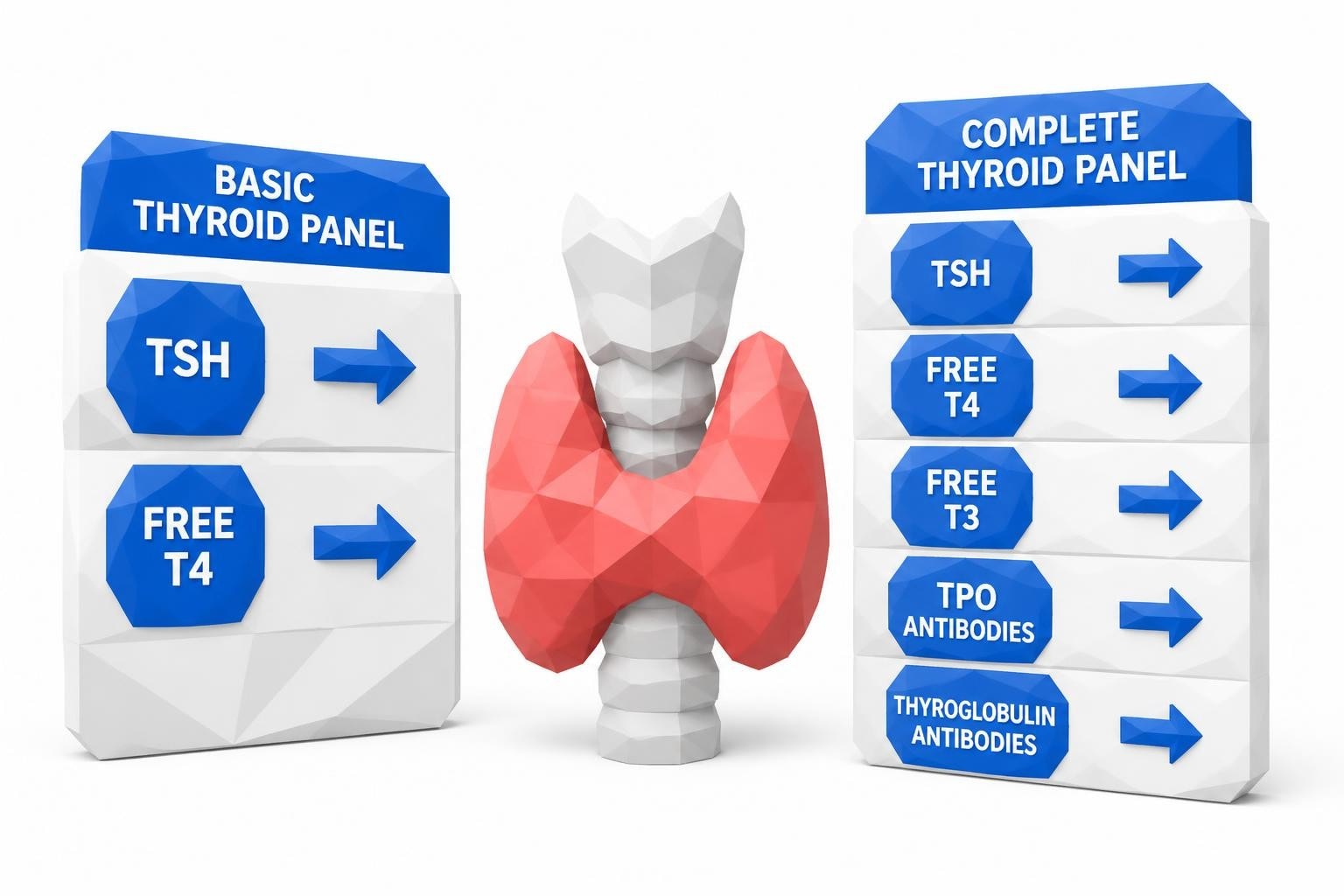
Many lab services offer bundled thyroid panels that include multiple markers at a reduced price compared to ordering tests individually. These panels range from basic screening (TSH and free T4) to comprehensive assessments including antibodies and free T3.
Recommended Panel
Complete Thyroid Panel
Save $3Our most comprehensive thyroid panel includes all 5 essential markers: TSH, Free T4, Free T3, Reverse T3, and both thyroid antibodies. Get the complete picture of your thyroid health.
Includes 6 biomarkers
$84
Choosing the appropriate panel depends on your treatment phase, medication type, and symptom status. Initial diagnosis and treatment initiation typically warrant comprehensive panels, while stable patients on straightforward T4 therapy may need only TSH and free T4.
When to Expand Beyond Standard Thyroid Labs
Patients with persistent symptoms despite normalized TSH sometimes benefit from broader metabolic testing. Comprehensive wellness panels can identify contributing factors like vitamin deficiencies, inflammatory markers, or hormonal imbalances.
Recommended Panel
Comprehensive Wellness Panel
Save $4.5Our most thorough health screening covers blood cells, organ function, cholesterol, thyroid, blood sugar, vitamin D, inflammation, and iron - everything you need for a complete health picture.
Includes 44 biomarkers
$94
Fasting required
The Endocrine Society clinical practice resources provide guidelines for when expanded testing becomes clinically appropriate versus unnecessary.
Key Takeaways
Regular laboratory monitoring forms the foundation of successful thyroid medication management. The essential labs to monitor while taking thyroid med include TSH and free T4 at minimum, with free T3 and antibody testing added based on individual circumstances and treatment response.
Testing frequency adapts to your treatment phase: every 6-8 weeks during dose adjustments, then every 6-12 months once stable. More frequent monitoring becomes necessary when starting interacting medications, experiencing symptoms, or during pregnancy.
Comprehensive thyroid panels often provide better value than ordering individual tests separately, especially for patients requiring regular monitoring. Self-pay lab services offer cost-effective alternatives to insurance-based testing with faster turnaround times.
Optimal testing requires attention to timing and preparation. Taking your thyroid medication consistently, avoiding biotin supplements before testing, and scheduling labs at regular intervals ensures results accurately guide treatment decisions.
Additional markers beyond standard thyroid tests sometimes explain persistent symptoms or suboptimal treatment response. Vitamin levels, metabolic markers, and inflammatory indicators provide a complete picture of factors affecting thyroid health.
Related reading
FAQ
How often should I check my thyroid levels?
Test TSH and free T4 every 6-8 weeks when starting medication or adjusting doses. Once levels stabilize within your target range, annual testing typically suffices for uncomplicated cases. More frequent monitoring becomes necessary during pregnancy, with significant weight changes, or when starting medications that interact with thyroid hormone.
Can I get thyroid labs without seeing my doctor first?
Yes, self-pay lab services allow you to order thyroid tests directly without requiring a doctor's order. This approach works well for routine monitoring between medical appointments, though you should share results with your healthcare provider to guide medication adjustments. Services offering labs without insurance provide convenient access for tracking your levels.
What's the difference between total and free thyroid hormones?
Total T4 and T3 measure both bound (attached to proteins) and free (unbound) hormones. Free hormones represent the biologically active portion available to your cells. Free T4 and free T3 tests provide more accurate assessment of thyroid status because total levels can change due to protein variations unrelated to actual thyroid function.
Should I take my thyroid medication before getting labs drawn?
No, skip your morning dose or take it after your blood draw. Levothyroxine peaks in your bloodstream 2-4 hours after ingestion, temporarily elevating free T4 levels and potentially leading to unnecessary dose reductions. Consistent timing relative to your test ensures accurate results that reflect your steady-state hormone levels.
Why is my TSH normal but I still have symptoms?
Normal TSH doesn't guarantee optimal thyroid function for everyone. You might have adequate T4 but poor conversion to active T3, or your TSH target might need individualization. Testing free T3, reverse T3, and thyroid antibodies can identify issues not reflected in TSH alone. Some patients also have other conditions mimicking thyroid symptoms.
Do I need to test thyroid antibodies regularly?
Antibody testing at diagnosis confirms autoimmune thyroid disease, but frequent repeat testing rarely changes management. Annual antibody checks or testing when symptoms change can track disease progression. Rising antibodies may predict increasing thyroid damage and future medication needs, particularly in early Hashimoto's thyroiditis.
Are thyroid tests covered by FSA or HSA accounts?
Yes, thyroid testing typically qualifies as an eligible medical expense under FSA and HSA plans. Self-pay lab services that accept FSA/HSA-eligible tests allow you to use pre-tax dollars for routine monitoring, reducing your out-of-pocket costs while maintaining convenient access to necessary labs.
How long does it take to get thyroid lab results?
Turnaround time varies by laboratory and testing method. Most standard thyroid tests (TSH, free T4, free T3) return within 1-3 days when using modern automated analyzers. Specialized tests like antibodies or reverse T3 may take slightly longer. Self-pay services often provide faster results than insurance-based testing due to streamlined processes.
Monitoring the right labs at appropriate intervals ensures your thyroid medication continues working effectively while minimizing risks of over- or under-treatment. Establishing a consistent testing schedule based on your individual needs helps maintain optimal hormone levels and overall health. Whether you need basic TSH monitoring or comprehensive thyroid panels, Justlabs offers convenient access to affordable thyroid testing with transparent pricing and results delivered within 1-3 days, making it easier to stay on top of your thyroid health without the hassle of insurance pre-authorization or repeated doctor visits.
References
Jonklaas J, Bianco AC, Bauer AJ, Burman KD, Cappola AR, Celi FS, Cooper DS, Kim BW, Peeters RP, Rosenthal MS, Sawka AM, American Thyroid Association Task Force on Thyroid Hormone Replacement. Guidelines for the treatment of hypothyroidism: prepared by the american thyroid association task force on thyroid hormone replacement. Thyroid. 2014 Dec;24(12):1670-751. doi: 10.1089/thy.2014.0028. PMID: 25266247. https://pubmed.ncbi.nlm.nih.gov/25266247/
Jonklaas J. Role of Levothyroxine/Liothyronine Combinations in Treating Hypothyroidism. Endocrinol Metab Clin North Am. 2022 Jun;51(2):243-263. doi: 10.1016/j.ecl.2021.12.003. PMID: 35662440. https://pubmed.ncbi.nlm.nih.gov/35662440/
Dwivedi SN, Kalaria T, Buch H. Thyroid autoantibodies. J Clin Pathol. 2023 Jan;76(1):19-28. doi: 10.1136/jcp-2022-208290. PMID: 36270794. https://pubmed.ncbi.nlm.nih.gov/36270794/
Köhrle J. Selenium, Iodine and Iron-Essential Trace Elements for Thyroid Hormone Synthesis and Metabolism. Int J Mol Sci. 2023 Feb 8;24(4). doi: 10.3390/ijms24043393. PMID: 36834802. https://pubmed.ncbi.nlm.nih.gov/36834802/
Favresse J, Burlacu MC, Maiter D, Gruson D. Interferences With Thyroid Function Immunoassays: Clinical Implications and Detection Algorithm. Endocr Rev. 2018 Oct 1;39(5):830-850. doi: 10.1210/er.2018-00119. PMID: 29982406. https://pubmed.ncbi.nlm.nih.gov/29982406/