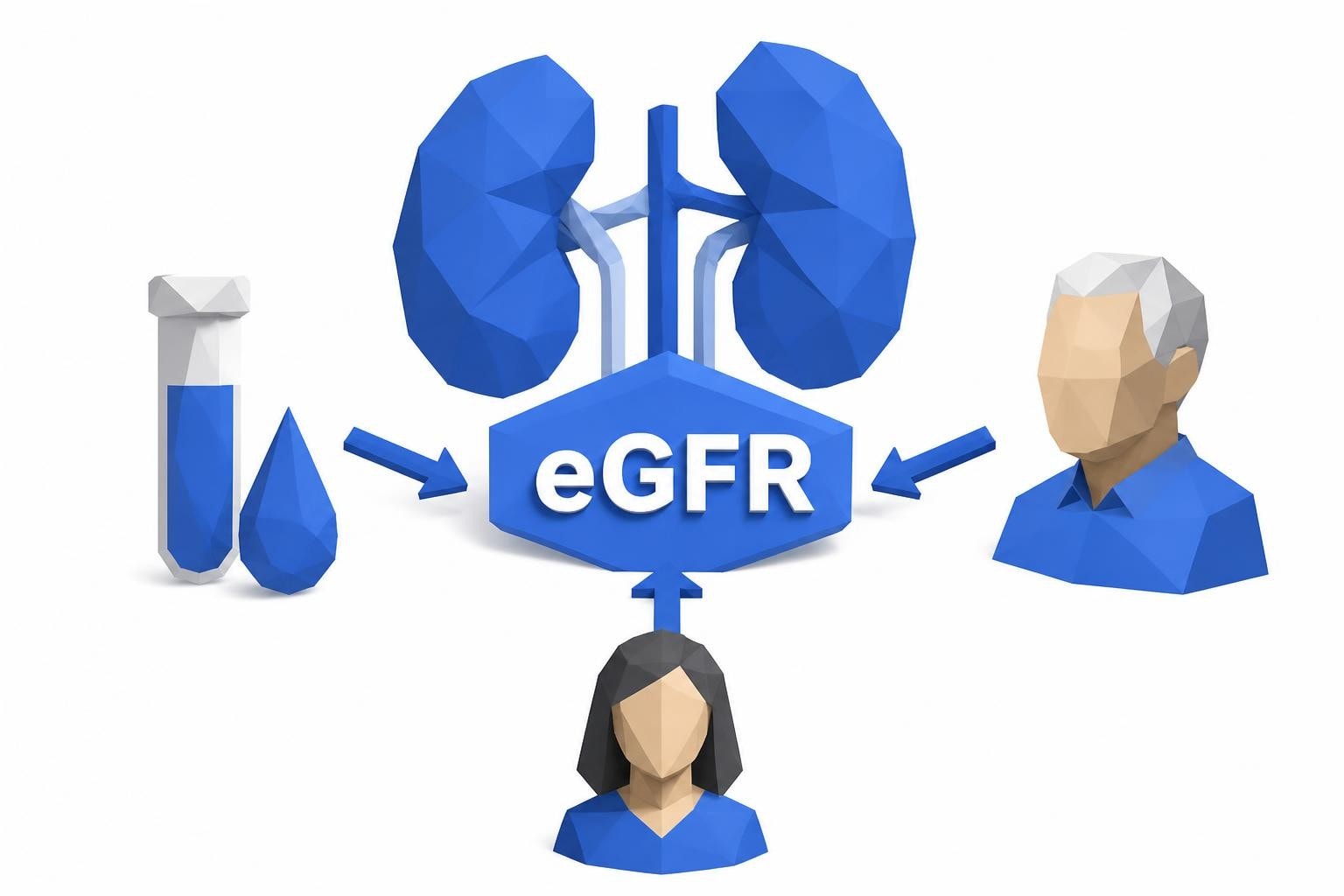
Your kidneys filter waste products from your blood every second of every day, and there's one specific number that tells healthcare providers how well this vital filtration system is working. Understanding egfr explained decoding your kidney filtration number empowers you to take control of your kidney health and catch potential problems before they become serious. This comprehensive guide breaks down everything you need to know about estimated glomerular filtration rate (eGFR), from what it measures to how your numbers directly impact your health decisions.
What eGFR Actually Measures
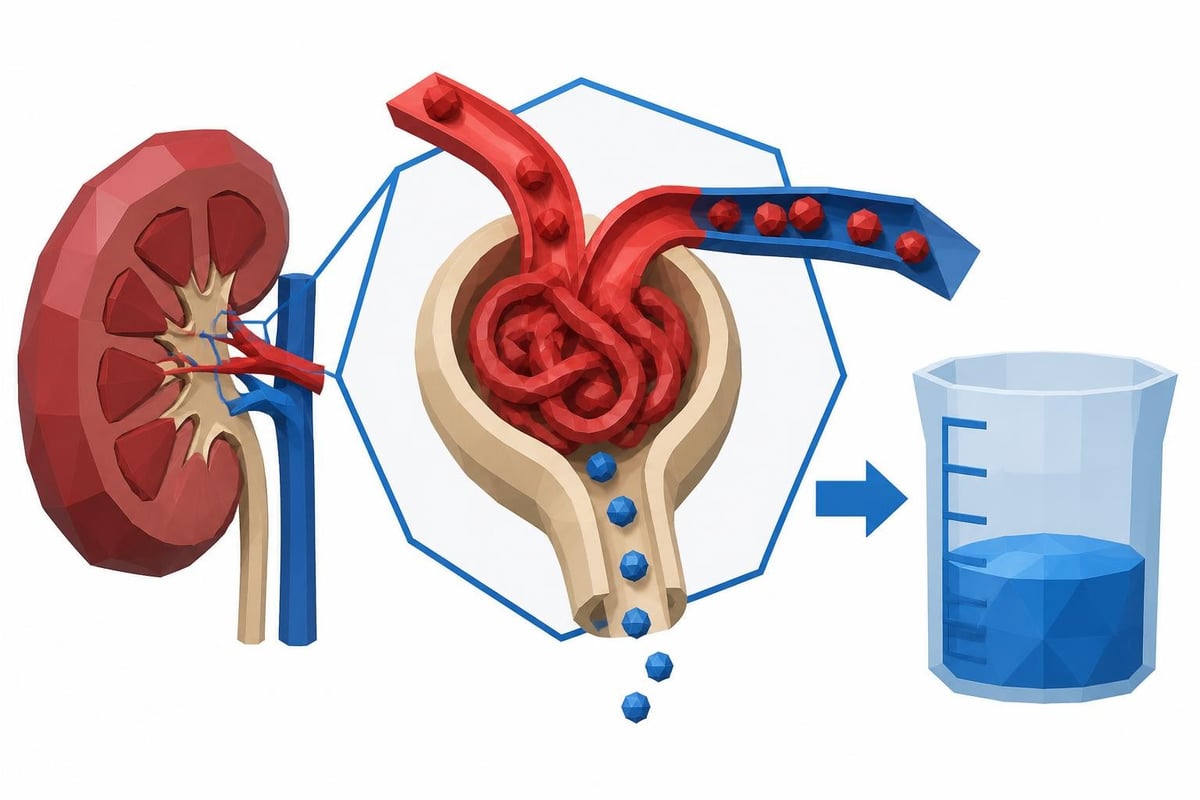
The estimated glomerular filtration rate measures how much blood your kidneys filter each minute. Your kidneys contain approximately one million tiny filtering units called glomeruli, and the eGFR calculation estimates how efficiently these microscopic structures are removing waste products and excess fluid from your bloodstream.
The Science Behind the Number
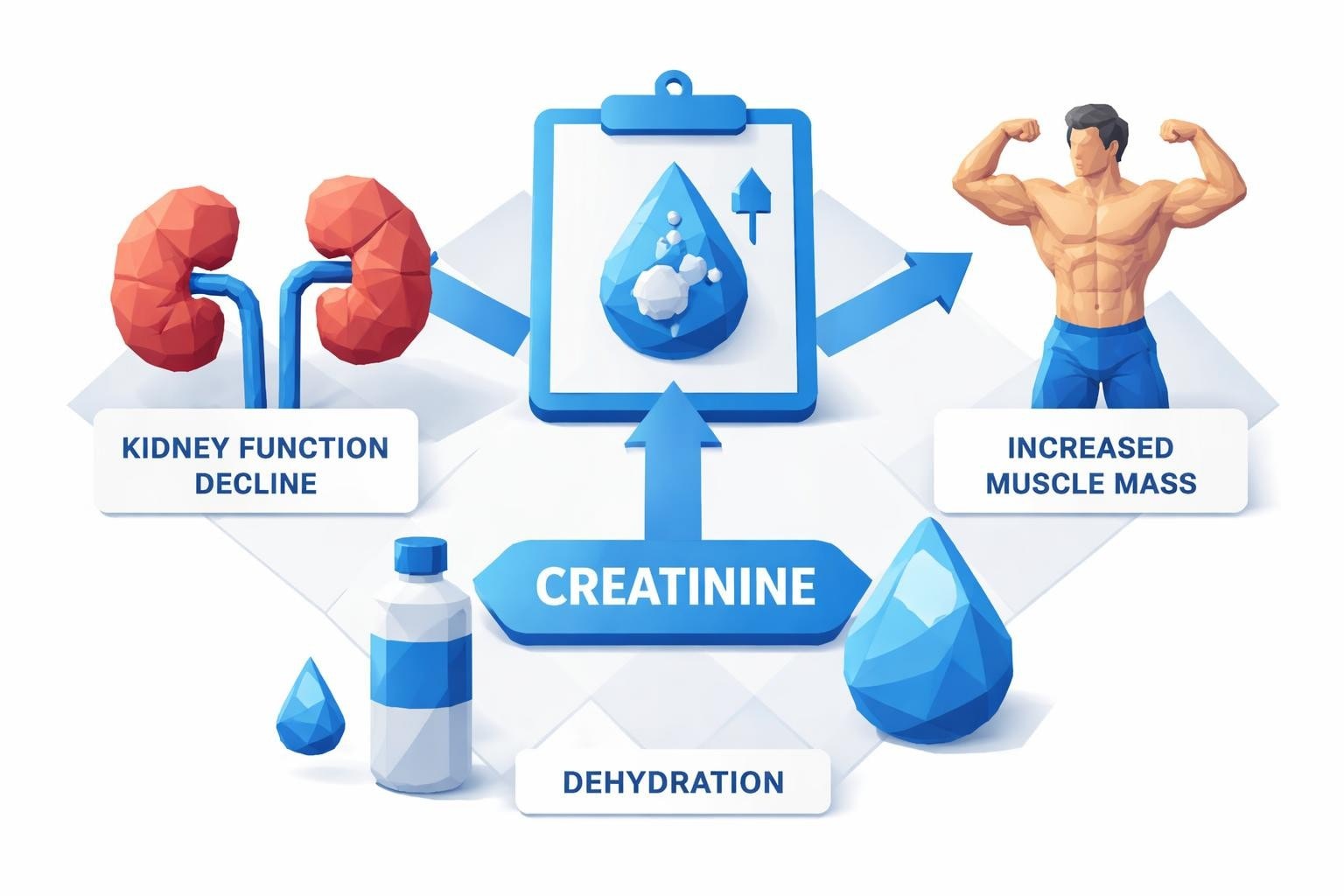
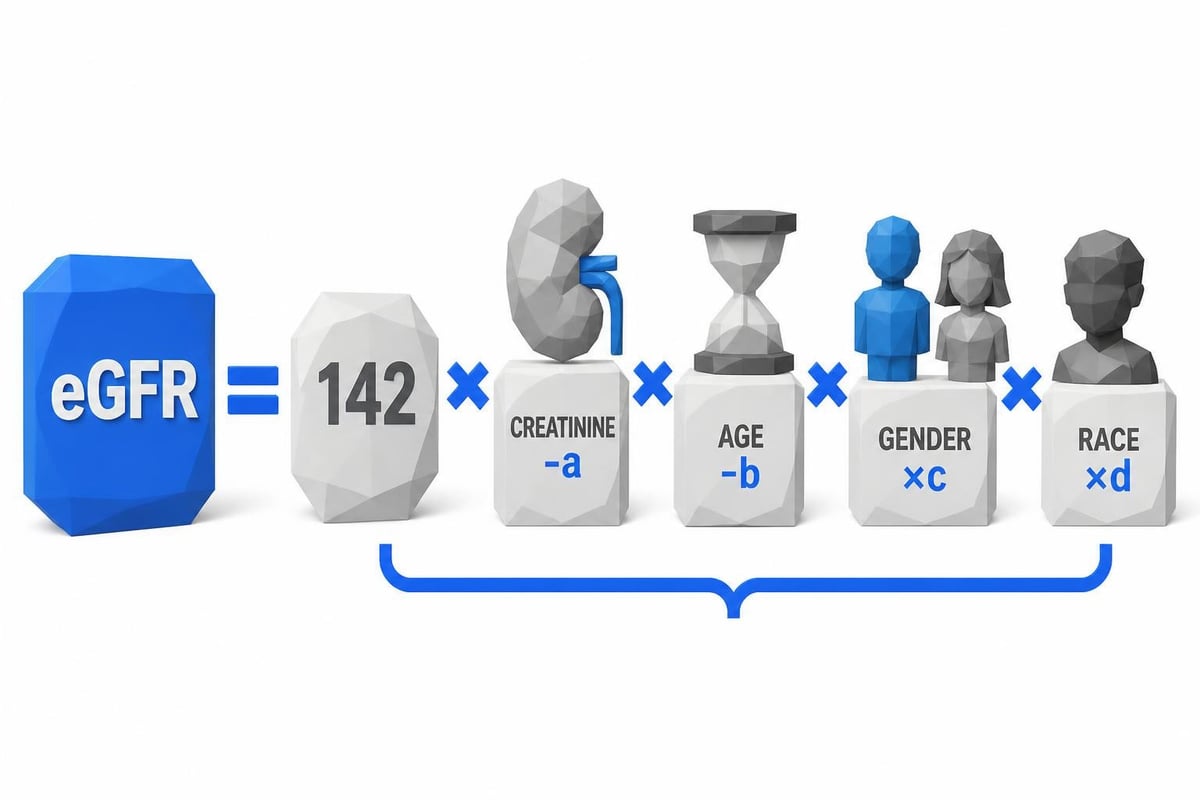
Rather than directly measuring filtration, the eGFR is calculated using your blood creatinine level combined with other factors. Creatinine is a waste product produced by normal muscle breakdown, and healthy kidneys efficiently remove it from your blood. When kidney function declines, creatinine builds up because the kidneys can't filter it out effectively.
The calculation incorporates several key variables:
- Blood creatinine concentration
- Age (kidney function naturally decreases with age)
- Gender (men typically have more muscle mass)
- Race (optional factor in some equations)
- Body size
Your eGFR result is expressed as milliliters per minute per 1.73 square meters (mL/min/1.73 m²), which standardizes the measurement across different body sizes. This standardization makes egfr explained decoding your kidney filtration number consistent regardless of whether you're a petite adult or a larger individual.
Normal eGFR Ranges and What They Mean
Understanding where your number falls on the spectrum helps you gauge your kidney health status. The National Kidney Foundation categorizes kidney function into five distinct stages based on eGFR values.
| Stage | eGFR Range (mL/min/1.73 m²) | Kidney Function Level | Description |
|---|---|---|---|
| 1 | 90 or higher | Normal or high | Kidney damage with normal function |
| 2 | 60-89 | Mild decrease | Slight reduction in function |
| 3a | 45-59 | Mild to moderate decrease | Noticeable decline |
| 3b | 30-44 | Moderate to severe decrease | Significant impairment |
| 4 | 15-29 | Severe decrease | Advanced kidney disease |
| 5 | Less than 15 | Kidney failure | Dialysis or transplant needed |
Interpreting Your Results
An eGFR of 60 or higher is generally considered adequate kidney function for most adults, though values above 90 are ideal for younger individuals. Numbers between 60 and 89 may be normal for older adults but warrant monitoring if accompanied by other signs of kidney damage such as protein in urine.
When your eGFR drops below 60, you've crossed into chronic kidney disease (CKD) territory. This doesn't mean immediate crisis, but it signals the need for lifestyle modifications and closer medical supervision. Many people live productive lives with Stage 3 CKD through careful management.
The real concern arises when numbers fall below 30. At this point, you're dealing with advanced kidney disease that requires specialized nephrology care and preparation for potential kidney replacement therapy.
Factors That Influence Your eGFR Reading
Getting egfr explained decoding your kidney filtration number means understanding that this measurement isn't static. Multiple factors can cause temporary or permanent changes in your results.
Temporary Fluctuations
Several conditions can temporarily alter your eGFR without indicating true kidney damage:
- Dehydration: Reduces blood flow to kidneys, lowering eGFR
- High protein diet: Increases creatinine production
- Intense exercise: Temporarily elevates creatinine from muscle breakdown
- Certain medications: Some drugs affect creatinine secretion
- Acute illness: Fever and infections can impact kidney function
This is why healthcare providers typically order repeat testing before making definitive diagnoses. A single abnormal result doesn't automatically mean chronic kidney disease.
Long-Term Influences
Permanent factors affecting your eGFR include:
- Age: Kidney function naturally declines about 1% per year after age 40
- Diabetes: High blood sugar damages kidney filtering units
- Hypertension: Uncontrolled blood pressure harms kidney blood vessels
- Family history: Genetic predisposition to kidney disease
- Obesity: Excess weight strains kidney function
- Smoking: Accelerates kidney function decline
Understanding these influences helps you interpret results more accurately. A 75-year-old with an eGFR of 65 may have perfectly normal age-related decline, while a 30-year-old with the same number faces significant concerns.
When to Get Your eGFR Tested
Knowing when to check your kidney filtration number is crucial for early detection. The American Kidney Fund recommends regular eGFR testing for specific populations.
High-Risk Individuals
You should monitor your eGFR regularly if you have:
- Diabetes (Type 1 or Type 2)
- High blood pressure
- Heart disease or history of stroke
- Family history of kidney disease
- Age over 60
- Obesity (BMI over 30)
- Autoimmune diseases affecting kidneys
Annual testing is standard for these groups, though your healthcare provider may recommend more frequent monitoring if you show declining trends or additional risk factors.
Routine Screening
Even healthy adults benefit from baseline kidney function testing. Many comprehensive metabolic panels include creatinine measurements, which healthcare providers use to calculate your eGFR. Through services offering lab testing without insurance, you can proactively monitor your kidney health without waiting for a doctor's appointment.
The beauty of understanding egfr explained decoding your kidney filtration number lies in its simplicity. Unlike complex imaging studies or invasive procedures, a simple blood draw provides powerful insights into your kidney health. Results typically become available within 1-3 days, giving you rapid feedback on your kidney function status.
Recommended Test
Renal Function Panel
A comprehensive 11-biomarker panel that evaluates kidney health by measuring waste filtration, electrolyte balance, and mineral levels.
Includes 11 biomarkers
$11
How eGFR Differs from Other Kidney Tests
While eGFR is the gold standard for assessing overall kidney function, it's not the only kidney-related test you might encounter. Understanding the distinction helps you interpret your complete kidney health picture.
eGFR vs. Creatinine Clearance
Creatinine clearance requires both blood and 24-hour urine collection, directly measuring how much creatinine your kidneys remove. While more accurate than estimated GFR, the inconvenience and potential for collection errors make it less practical for routine monitoring. The eGFR provides comparable information with just a blood sample.
eGFR vs. Blood Urea Nitrogen (BUN)
BUN measures another waste product in blood, but it's influenced by many non-kidney factors like diet, hydration, and liver function. It's less specific for kidney function than eGFR, though healthcare providers often examine both together for a comprehensive assessment.
The Importance of Albumin-to-Creatinine Ratio
The kidney numbers you should know include both eGFR and urine albumin-to-creatinine ratio (uACR). While eGFR measures filtration rate, uACR detects protein leakage into urine-an early sign of kidney damage. You can have normal eGFR with elevated uACR, indicating early-stage kidney disease that requires intervention.
| Test | What It Measures | Sample Required | Frequency |
|---|---|---|---|
| eGFR | Overall filtration rate | Blood | Annually for at-risk groups |
| uACR | Protein in urine | Urine | Annually for at-risk groups |
| BUN | Urea nitrogen waste | Blood | As needed |
| Creatinine Clearance | Direct filtration measurement | Blood + 24-hour urine | Special circumstances |
Improving and Maintaining Healthy eGFR Levels
Once you have egfr explained decoding your kidney filtration number, the natural next question is whether you can improve it. The answer depends on what's causing the reduced function.
Reversible Causes
If your low eGFR stems from temporary factors, improvement is definitely possible:
- Proper hydration: Drink adequate water daily
- Medication adjustments: Work with your doctor to modify kidney-stressing drugs
- Blood pressure control: Keep readings below 130/80 mmHg
- Blood sugar management: Maintain HbA1c below 7% if diabetic
- Weight loss: Reduce BMI if overweight
Studies show that controlling diabetes and hypertension can slow or even partially reverse early kidney function decline. The key is catching problems early when interventions still make a difference.
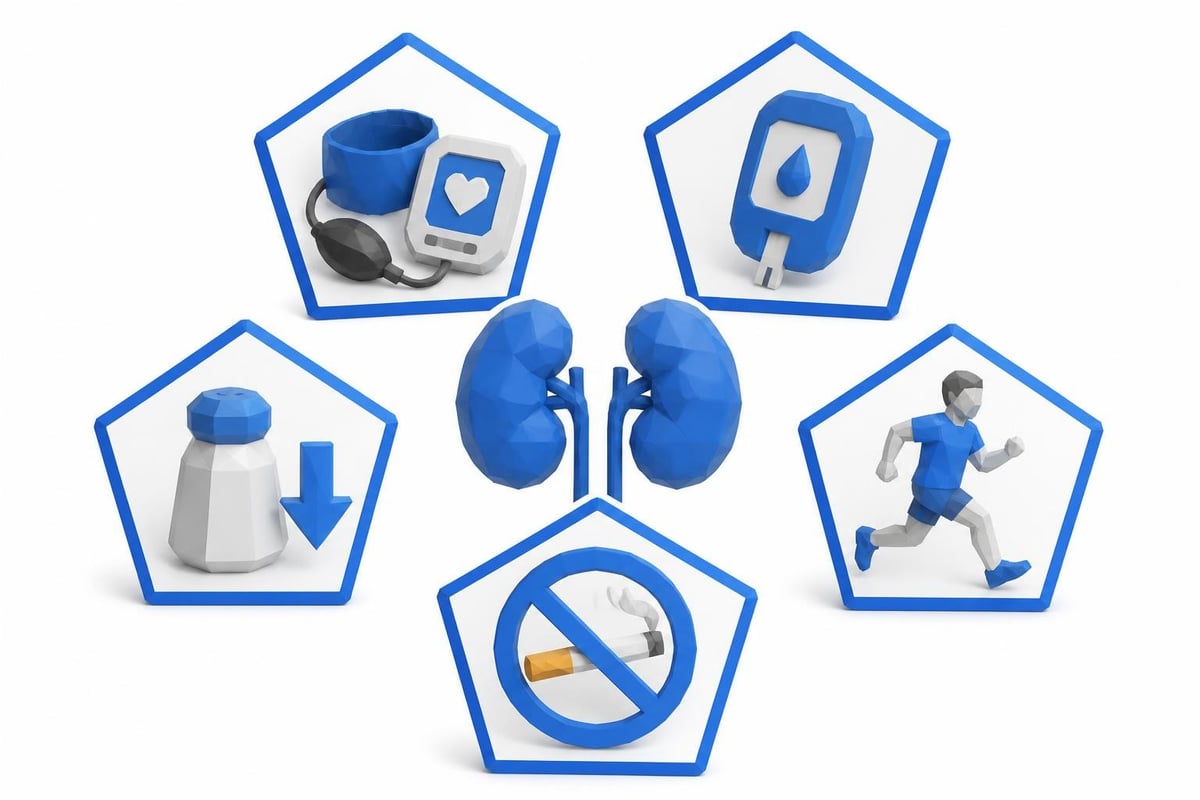
Lifestyle Modifications That Protect Kidney Function
Implementing these strategies helps preserve your current eGFR:
- Limit sodium intake to less than 2,300 mg daily
- Reduce protein consumption if you have kidney disease (consult your doctor)
- Exercise regularly with moderate-intensity activities
- Quit smoking to prevent further vascular damage
- Limit alcohol consumption to moderate levels
- Manage stress through meditation or relaxation techniques
- Avoid nephrotoxic substances like excessive NSAIDs
Understanding how lab testing works makes it easier to monitor your progress as you implement these changes. Regular testing shows whether your interventions are working, allowing you to adjust your strategy accordingly.
The Role of eGFR in Medical Decision-Making
Healthcare providers rely heavily on eGFR when making critical treatment decisions. This single number influences medication dosing, surgery planning, and specialist referrals.
Medication Adjustments
Many drugs are eliminated through the kidneys, and reduced eGFR means slower clearance. Doctors adjust dosages based on your kidney function to prevent toxic buildup. Common medications requiring adjustment include:
- Antibiotics (especially aminoglycosides)
- Diabetes medications (metformin)
- Blood thinners (certain anticoagulants)
- Pain medications (NSAIDs)
- Chemotherapy agents
Without accurate egfr explained decoding your kidney filtration number data, you risk either underdosing (reducing treatment effectiveness) or overdosing (causing harmful side effects).
Contrast Dye Considerations
Medical imaging procedures using iodinated contrast dye carry kidney injury risks, especially with eGFR below 60. Before CT scans or cardiac catheterizations, healthcare teams assess your kidney function to determine if contrast is safe or if alternative imaging methods are needed.
Specialist Referrals
Most primary care physicians refer patients to nephrologists when eGFR consistently falls below 30, or earlier if kidney function declines rapidly or other complications arise. Early nephrology involvement improves outcomes by implementing specialized treatments before irreversible damage occurs.
Understanding eGFR Limitations and Accuracy Concerns
While eGFR is invaluable for kidney health assessment, it's not perfect. Recognizing its limitations ensures you interpret results appropriately.
Equation Variations
Several formulas calculate eGFR, with the CKD-EPI equation being most common in 2026. Different equations may produce slightly different results for the same person. The Medical News Today overview details these various calculation methods.
Some newer equations have removed race-based adjustments after concerns about health equity, though this remains an evolving area of nephrology practice. Regardless of which equation your lab uses, consistent monitoring with the same method matters more than absolute values.
When eGFR May Be Inaccurate
Certain situations reduce eGFR reliability:
- Extreme body types: Very muscular or very thin individuals
- Amputees: Body surface area calculations may be off
- Severe malnutrition: Low muscle mass reduces creatinine production
- Pregnancy: Normal physiological changes affect results
- Children under 18: Require specialized pediatric equations
In these cases, healthcare providers may order additional testing like cystatin C-based eGFR or direct creatinine clearance measurement for more accurate assessment.
Accessing Kidney Function Testing Without Traditional Barriers
Understanding egfr explained decoding your kidney filtration number becomes most valuable when you can easily access testing. Traditional healthcare routes often involve scheduling doctor appointments, obtaining referrals, and navigating insurance complexities.
The modern approach through ordering labs without a doctor streamlines this process significantly. Direct-access lab testing allows you to monitor your kidney function proactively, especially important if you're in high-risk categories but haven't experienced symptoms yet.
Recommended Test
Cystatin C with eGFR
Cystatin C is a superior marker for kidney function that provides more accurate results than creatinine, especially for people with unusual muscle mass or those needing precise kidney assessment.
Includes 2 biomarkers
$16
The Value of Transparent Pricing
Kidney function testing costs vary dramatically depending on your insurance status and provider. Understanding lab test pricing upfront eliminates surprises and helps you budget for regular monitoring. Self-pay options often cost less than insurance copays, particularly for straightforward tests like comprehensive metabolic panels that include creatinine measurements.
Interpreting Results Independently
When you receive your eGFR results, understanding lab results becomes essential for informed decision-making. While online resources provide general guidance, concerning results always warrant professional medical consultation. The goal isn't to replace your doctor but to empower yourself with knowledge and catch problems early.
eGFR Testing Frequency Recommendations
How often should you check your kidney filtration number? The answer depends on your current kidney function and risk factors.
For Healthy Adults
If you're under 50 with no risk factors, eGFR testing every 2-3 years as part of routine physical exams provides adequate baseline data. This establishes your normal range and detects unexpected changes early.
For At-Risk Populations
Annual testing is recommended if you have diabetes, hypertension, or family history of kidney disease. More frequent monitoring (every 3-6 months) may be necessary if:
- Previous results showed declining trends
- You're starting new medications affecting kidneys
- You've had acute kidney injury
- You're managing Stage 3 or higher CKD
For Confirmed Kidney Disease
Once diagnosed with CKD, your nephrologist determines testing frequency based on disease stage and stability. Stage 4 and 5 patients often need monthly monitoring, while stable Stage 3 patients might test quarterly.
Regular monitoring creates a trend line showing whether your kidney function is stable, improving, or declining. A single test provides a snapshot; serial testing reveals the trajectory that guides treatment decisions.
The Connection Between eGFR and Overall Health
Your kidney filtration number serves as a window into more than just kidney health. Research increasingly shows that reduced eGFR correlates with cardiovascular disease, bone health problems, and overall mortality risk.
Cardiovascular Implications
People with eGFR below 60 face significantly higher risks of:
- Heart attack
- Stroke
- Heart failure
- Irregular heart rhythms
This connection exists because the same conditions damaging kidneys (diabetes, hypertension) also harm your heart and blood vessels. Additionally, reduced kidney function directly affects cardiovascular health through fluid retention, electrolyte imbalances, and inflammatory processes.
Bone and Mineral Metabolism
As eGFR declines below 45, your kidneys struggle to maintain proper calcium and phosphorus balance. This leads to secondary hyperparathyroidism and increased fracture risk. Understanding egfr explained decoding your kidney filtration number helps predict when you might need interventions to protect bone health.
Anemia Development
Kidneys produce erythropoietin, a hormone stimulating red blood cell production. When eGFR drops below 30, many patients develop anemia from insufficient erythropoietin. This causes fatigue, weakness, and reduced exercise tolerance-symptoms often mistakenly attributed to aging rather than treatable kidney disease complications.
Taking Action Based on Your eGFR Results
Knowledge without action provides little benefit. Once you understand your kidney filtration number, implementing appropriate next steps maximizes your kidney health outcomes.
eGFR Above 90
Congratulations-your kidneys are functioning excellently. Focus on prevention:
- Maintain healthy lifestyle habits
- Control blood pressure and blood sugar if applicable
- Retest according to your risk profile
- Stay hydrated without overdoing it
eGFR 60-89
This range may be normal, especially for older adults, but warrants attention:
- Discuss results with your healthcare provider
- Check for protein in urine (uACR test)
- Address any modifiable risk factors
- Monitor annually or as recommended
eGFR 45-59
You're in Stage 3a CKD, requiring proactive management:
- Consult a nephrologist if recommended
- Optimize blood pressure and diabetes control
- Review medications for kidney safety
- Consider dietary modifications
- Test every 6-12 months
eGFR 30-44
Stage 3b CKD demands intensive intervention:
- Establish care with a nephrologist
- Implement kidney-protective medications
- Follow renal diet guidelines
- Prepare for potential disease progression
- Test every 3-6 months
eGFR Below 30
Advanced kidney disease requires specialized care:
- Regular nephrology follow-up essential
- Discuss kidney replacement options
- Consider transplant evaluation if appropriate
- Manage complications aggressively
- Monthly or more frequent monitoring
Each stage transition represents an opportunity for intervention that can slow or stop disease progression. Early action yields the best outcomes, which is why understanding egfr explained decoding your kidney filtration number matters so much.
Understanding your eGFR empowers you to take control of your kidney health through informed decisions and timely interventions. Whether you're monitoring existing kidney disease or proactively checking your baseline kidney function, accessible testing makes all the difference. Justlabs provides convenient, affordable access to kidney function testing without the barriers of insurance requirements or doctor referrals, delivering results in 1-3 days so you can act quickly on your health priorities.
Recommended Test
Comprehensive Metabolic Panel
The CMP is a widely used screening test that provides important information about your metabolism, including blood sugar, electrolyte balance, kidney function, and liver health.
Includes 16 biomarkers
$9.5
Fasting required