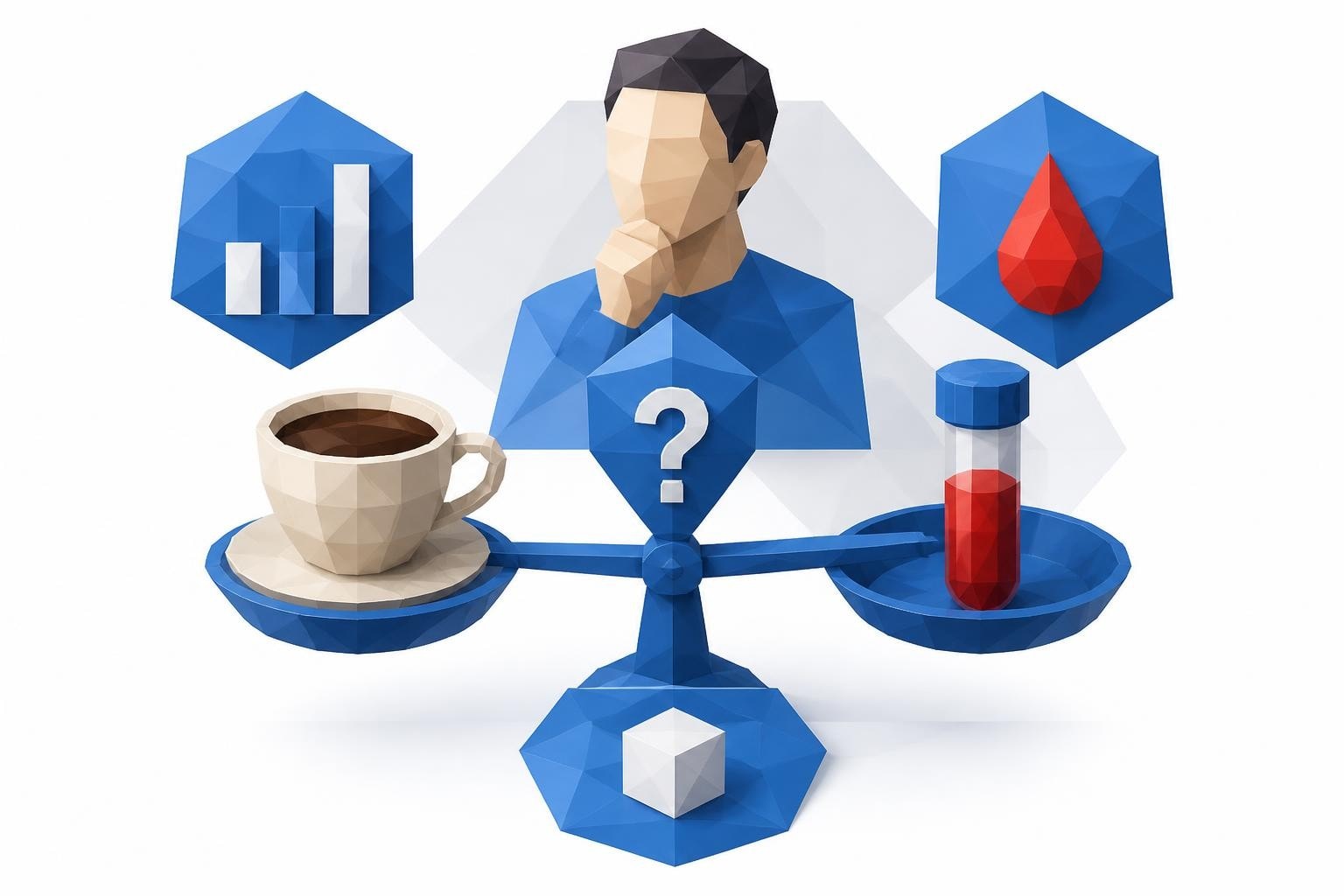
If you've scheduled a blood test and you're wondering whether you can enjoy your morning coffee beforehand, you're not alone. This question comes up constantly because coffee is deeply embedded in daily routines, and the answer isn't always straightforward. The truth is, whether you can drink coffee before a blood test depends entirely on which specific tests your doctor or testing service has ordered, what type of coffee you're drinking, and how caffeine and other compounds in coffee might interfere with accurate measurements.
Big picture
- Coffee can interfere with many common blood tests, particularly fasting glucose, lipid panels, and certain hormone assays, because caffeine stimulates metabolic processes and coffee contains compounds that affect digestion and absorption
- The question "can you drink coffee before a blood test" has different answers for different tests: some strictly require water-only fasting while others are unaffected by coffee consumption
- Black coffee creates less interference than coffee with cream or sugar, but even black coffee contains caffeine and bioactive compounds that can temporarily alter physiological states measured by blood work
- Most fasting blood tests require 8-12 hours of fasting with only water permitted, and violating these instructions can lead to inaccurate results that necessitate retesting
- Always verify fasting requirements when you schedule your test-if you order tests through services like Justlabs, the preparation instructions will specify exactly what you can and cannot consume beforehand
Understanding Fasting Requirements for Blood Tests
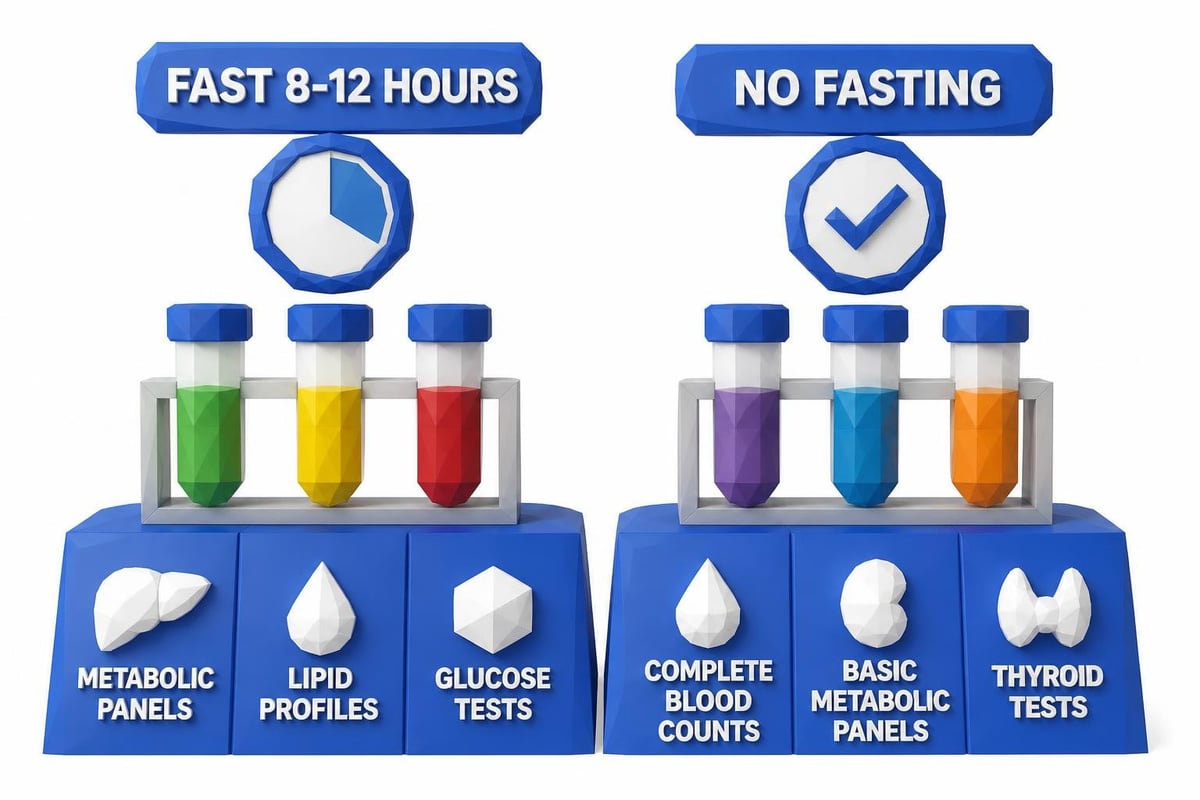
Blood tests fall into two broad categories: those that require fasting and those that don't. When healthcare providers or lab services specify fasting, they typically mean abstaining from all food and beverages except water for a designated period before your blood draw.
Why Fasting Matters for Accuracy
Fasting ensures that your blood sample reflects your body's baseline state rather than the acute effects of recent food or drink consumption. According to patient guidance from MedlinePlus, many substances in food and beverages can temporarily spike or suppress various markers in your blood, creating misleading results.
When you consume anything other than water, your body initiates digestion, absorption, and metabolic processes that alter blood chemistry. These changes can persist for several hours, which is why standard fasting periods range from 8 to 12 hours.
Tests That Typically Require Fasting
Several common blood tests demand strict fasting protocols:
- Fasting glucose tests measure baseline blood sugar levels to screen for diabetes and prediabetes
- Lipid panels assess cholesterol (total, LDL, HDL) and triglycerides for cardiovascular risk
- Comprehensive metabolic panels evaluate kidney function, electrolytes, and glucose metabolism
- Insulin levels and insulin resistance markers like HOMA-IR
- Certain hormone tests including cortisol, growth hormone, and some reproductive hormones
Recommended Panel
Complete Metabolic Health Panel
Save $3.5This comprehensive panel evaluates all aspects of metabolic health: organ function, cholesterol, blood sugar, insulin resistance, and inflammation - the key drivers of chronic disease.
Includes 26 biomarkers
$50
Fasting required
When you order labs without a doctor through direct-access testing services, the test descriptions will clearly indicate whether fasting is required and for how long.
How Coffee Affects Blood Test Results
The question of whether you can drink coffee before a blood test becomes more complex when you examine coffee's biochemical effects. Coffee isn't just colored water-it contains hundreds of bioactive compounds that trigger physiological responses.
Caffeine's Metabolic Impact
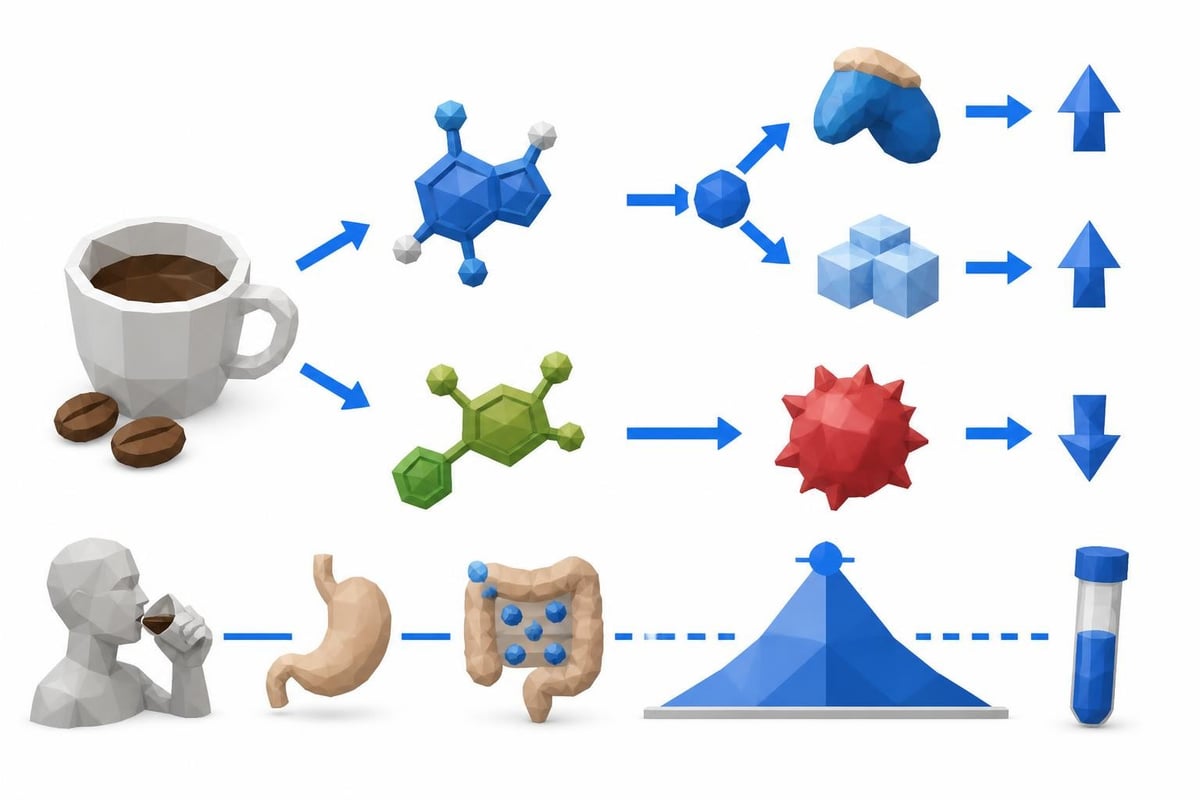
Caffeine is a central nervous system stimulant that affects multiple body systems. Within 30-60 minutes of consumption, caffeine can:
- Increase blood glucose levels by stimulating glycogenolysis (breakdown of stored glycogen into glucose)
- Elevate cortisol and epinephrine, stress hormones that influence multiple blood markers
- Affect insulin sensitivity, potentially skewing diabetes screening results
- Alter heart rate and blood pressure, which indirectly influences some biomarkers
Research examining the physiological effects of controlled coffee intake demonstrates that even small amounts of caffeine can produce measurable changes in oxidative markers and cellular components.
Components Beyond Caffeine
Black coffee contains numerous compounds besides caffeine:
Chlorogenic acids and other polyphenols act as antioxidants and can temporarily affect glucose metabolism and inflammation markers. Diterpenes like cafestol and kahweol influence cholesterol metabolism, though paper filters remove most of these compounds. Trigonelline converts to niacin during roasting and may influence liver enzyme measurements.
Coffee with Additives Creates Additional Problems
Adding cream, milk, sugar, or artificial sweeteners to your coffee significantly increases the likelihood of skewed results:
| Coffee Type | Primary Concerns | Tests Most Affected |
|---|---|---|
| Black coffee | Caffeine effects, polyphenols | Glucose, cortisol, some hormones |
| Coffee with sugar | Rapid glucose spike, insulin response | Glucose, insulin, metabolic panels |
| Coffee with cream/milk | Fats, proteins, calories break fast | Lipid panels, triglycerides, glucose |
| Coffee with artificial sweetener | May trigger insulin response in some individuals | Glucose, insulin tests |
Specific Tests and Coffee Consumption Guidelines
Understanding whether you can drink coffee before a blood test requires knowing your specific panel. Here's a detailed breakdown:
Glucose and Diabetes Tests
For fasting glucose, hemoglobin A1C, and insulin tests, coffee-even black coffee-should be avoided. A 2023 clinical study found that drinking one cup of black coffee one hour before blood draw produced statistically detectable changes in routine biochemical markers, though the clinical significance was limited for most tests.
However, glucose metabolism is particularly sensitive. Caffeine can raise blood glucose levels by 8-15 mg/dL in some individuals, potentially pushing a borderline result into the abnormal range.
Recommended Panel
Comprehensive Diabetes Panel
This panel detects diabetes and prediabetes at every stage. Includes lipids because diabetes dramatically increases heart disease risk.
Includes 10 biomarkers
$35
Fasting required
Lipid Panels and Cardiovascular Markers
Lipid panels measuring total cholesterol, LDL, HDL, and especially triglycerides require strict fasting. While black coffee has minimal fat content, the caffeine can still influence lipid metabolism through stress hormone pathways.
Triglycerides are particularly sensitive to any caloric intake. Even the negligible calories in black coffee (approximately 2-5 calories per cup) or any additives can cause triglyceride levels to rise, creating falsely elevated readings.
Recommended Panel
Advanced Heart Health Panel
Save $6Go beyond basic cholesterol testing. This advanced panel includes the markers cardiologists use to assess true cardiovascular risk: ApoB, Lp(a), homocysteine, and inflammation.
Includes 10 biomarkers
$86
Fasting required
Hormone Tests and Endocrine Panels
Many hormone tests have specific coffee restrictions. According to pretest preparation guidelines for endocrine testing, coffee and caffeine should be avoided before tests measuring:
- Cortisol (caffeine stimulates cortisol release)
- Catecholamines like epinephrine and norepinephrine
- Growth hormone
- Some reproductive hormones during specific testing protocols
For thyroid tests (TSH, free T4, free T3), coffee doesn't typically interfere with the measurements themselves, but consistency matters if you're monitoring thyroid treatment. Taking thyroid medication with coffee can reduce absorption, so if you're tracking treatment efficacy, maintain identical preparation for serial tests.
Tests Where Coffee Is Generally Acceptable
Not every blood test requires you to skip your morning coffee. The following tests typically don't require fasting and aren't significantly affected by coffee consumption:
- Complete blood count (CBC)
- Blood typing
- Most antibody tests
- Vitamin D levels
- Basic kidney function tests (when not part of a comprehensive metabolic panel)
- Inflammatory markers like C-reactive protein (though coffee's anti-inflammatory compounds could theoretically produce minor effects)
Practical Preparation Strategies
When you can drink coffee before a blood test depends on careful planning and clear communication about your specific testing panel.
Scheduling Your Test Strategically
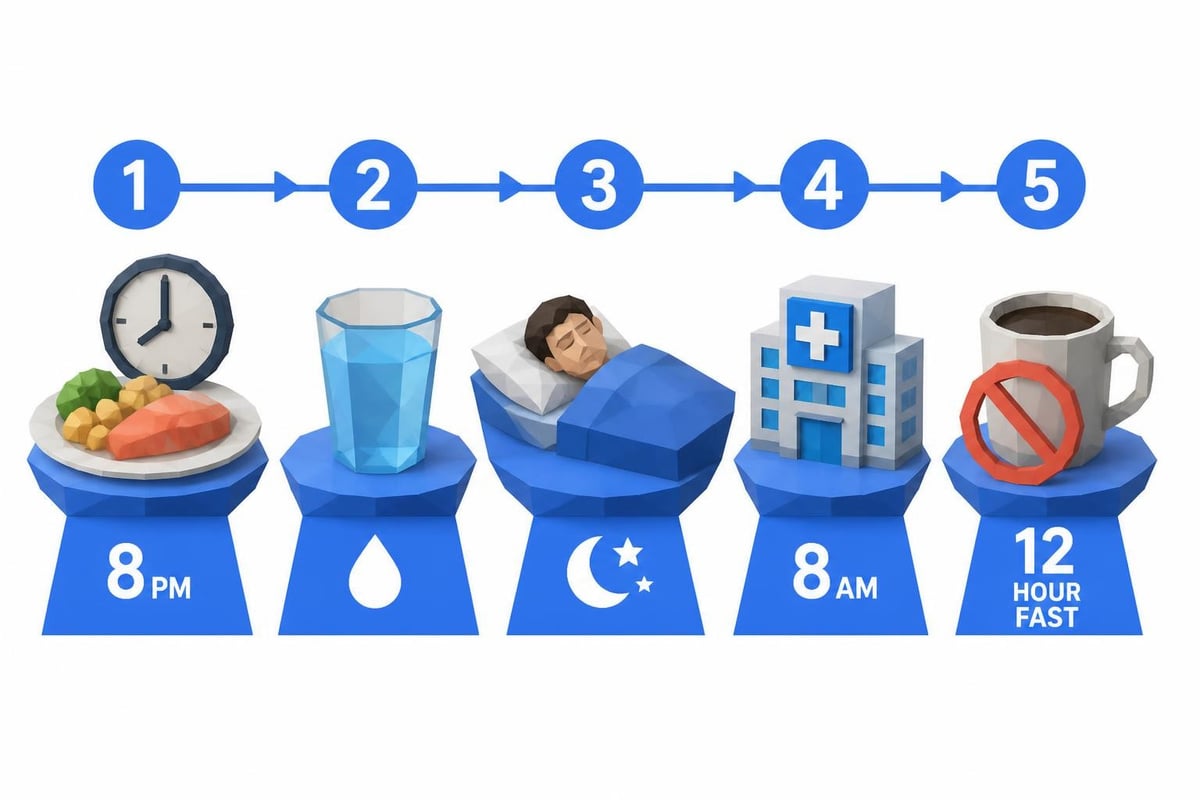
- Book morning appointments whenever possible so fasting occurs during your normal sleep hours
- Confirm fasting requirements when scheduling-ask specifically about coffee, not just "food"
- Plan your last meal the evening before to ensure adequate fasting time
- Set a coffee prohibition reminder if you're an automatic coffee drinker who might forget
What to Do If You Accidentally Drink Coffee
If you've consumed coffee before a fasting blood test, contact the testing facility immediately. Depending on the specific tests ordered, you may have several options:
Reschedule the appointment for another day if the tests are highly sensitive to coffee consumption. Proceed with partial testing by asking which tests from your panel can still be performed accurately. Document the consumption so the lab and your healthcare provider can interpret results accordingly.
Alternative Morning Routines
Breaking your coffee habit temporarily doesn't mean suffering through your pre-test morning:
- Drink plenty of water to stay hydrated and help with blood draw ease
- Take a morning shower to help you wake up
- Go for a light walk (avoid intense exercise before blood tests)
- Plan a post-test breakfast and coffee as a reward
Understanding Test-Specific Instructions
When you use direct-access lab testing services, reading the specific instructions for each test becomes your responsibility. Services like Justlabs provide detailed preparation guidelines for every test, but you must review them carefully.
Reading Lab Orders Carefully
Each test requisition should specify:
Fasting status required (yes/no and duration)
Medication instructions (take normally vs. hold until after test)
Prohibited substances (coffee, alcohol, supplements)
Timing requirements (best time of day for certain hormones)
When Instructions Seem Unclear
If you're uncertain whether you can drink coffee before a blood test you've ordered, err on the side of caution:
- Assume fasting means water only unless explicitly stated otherwise
- Contact the testing facility or customer service for clarification
- Review multiple sources if ordering independent tests
The cost of retesting due to improper preparation often exceeds the inconvenience of skipping one morning coffee. When comparing lab testing options, consider that clear preparation instructions reduce the likelihood of wasted time and money on invalid results.
The Science Behind Coffee and Blood Chemistry
Understanding the mechanisms by which coffee affects blood work helps explain why the answer to "can you drink coffee before a blood test" is often "no" for fasting tests.
Absorption and Peak Effects
Caffeine absorption occurs rapidly, with peak blood levels reached 30-60 minutes after consumption. However, caffeine's half-life in the body averages 4-6 hours, meaning measurable effects persist well beyond your blood draw appointment.
The short-term effects of coffee on physiological markers include changes to erythrocyte parameters and oxidative stress markers that could theoretically influence test interpretation, though most routine tests remain relatively stable.
Individual Variation in Coffee Response
Genetic differences in caffeine metabolism mean identical coffee consumption produces different physiological effects across individuals:
- Fast metabolizers clear caffeine quickly and may experience less impact on blood markers
- Slow metabolizers maintain elevated caffeine levels longer, potentially affecting more tests
- Habitual coffee drinkers may develop some tolerance to caffeine's acute metabolic effects
- Coffee-naive individuals may show exaggerated responses to even small amounts
Hydration and Blood Concentration
Coffee has mild diuretic properties, potentially affecting blood concentration through fluid shifts. While moderate coffee consumption doesn't cause clinically significant dehydration, the question becomes whether even subtle changes in blood volume and concentration could influence test accuracy at the margins.
Key Takeaways
Coffee consumption before blood work depends entirely on your specific test panel and preparation requirements. For most fasting blood tests-including glucose, lipid panels, and comprehensive metabolic panels-you should avoid coffee completely during the fasting period and drink only water. Even black coffee without additives contains caffeine and bioactive compounds that can influence blood glucose, hormone levels, and metabolic markers.
Certain tests don't require fasting and aren't affected by coffee, including complete blood counts, basic antibody tests, and some vitamin level measurements. When in doubt about whether you can drink coffee before a blood test, contact your testing facility for specific guidance rather than making assumptions.
The safest approach is to treat "fasting" as water-only unless your test instructions explicitly state that black coffee is permissible. Schedule morning appointments to minimize fasting discomfort, and plan a celebratory coffee for immediately after your blood draw.
FAQ
Can I drink black coffee before a fasting blood test?
No, black coffee should generally be avoided before fasting blood tests. While it contains minimal calories, caffeine stimulates glucose release and cortisol production, which can affect glucose tests, hormone panels, and metabolic markers. Water is the only beverage considered safe during fasting periods for blood work.
How long before a blood test should I stop drinking coffee?
Follow your specific fasting instructions, which typically require 8-12 hours without food or beverages except water. If your test is scheduled for 8 AM and requires 12-hour fasting, your last coffee should be before 8 PM the previous evening. Some hormone tests may require avoiding coffee for 24 hours or longer.
Will one cup of coffee ruin my fasting blood test?
One cup of coffee can significantly affect fasting glucose, insulin, and triglyceride measurements. Studies show caffeine can raise blood glucose by 8-15 mg/dL and stimulate stress hormones that alter multiple biomarkers. Whether this "ruins" your test depends on the specific panels ordered and how borderline your results are, but it often necessitates retesting.
What can I drink before a fasting blood test besides water?
For true fasting blood tests, water is the only beverage permitted. Plain water doesn't affect blood chemistry and actually helps with the blood draw process by maintaining hydration and vein visibility. Avoid all other beverages including coffee, tea, juice, soda, and alcohol during your fasting window.
Does coffee affect cholesterol blood tests?
Yes, coffee can affect lipid panel results. While black coffee contains negligible fat, caffeine influences lipid metabolism through hormonal pathways. Any additives like cream or milk directly impact triglyceride and potentially cholesterol measurements. Most lipid panels require strict fasting with water only for accurate results.
Can I drink decaf coffee before blood work?
Decaf coffee still contains small amounts of caffeine (typically 2-5 mg per cup vs. 95 mg in regular coffee) plus other bioactive compounds like chlorogenic acids that can affect blood chemistry. Unless your test instructions specifically permit decaf coffee, treat it the same as regular coffee and avoid it during fasting periods.
What happens if I accidentally drank coffee before my fasting blood test?
Contact the testing facility immediately. Depending on which tests were ordered, they may proceed with non-fasting-dependent tests, ask you to return for a rescheduled fasting draw, or note the coffee consumption on your results for interpretation purposes. Honesty about what you consumed helps ensure accurate diagnosis.
Are there any blood tests where coffee is specifically recommended?
No standard blood tests require or recommend coffee consumption before testing. Some research protocols studying caffeine's effects might involve controlled coffee intake, but routine clinical blood work never benefits from coffee consumption before the draw. When fasting isn't required, coffee won't harm results, but it's never medically necessary.
The answer to whether you can drink coffee before a blood test isn't one-size-fits-all, but understanding your specific panel's requirements ensures accurate results the first time. When you're ready to take control of your health with convenient lab testing, Justlabs offers transparent pricing and clear preparation instructions for every test, with results delivered in 1-3 days-no doctor's visit or insurance required. Order your tests online today and get the answers you need with confidence.