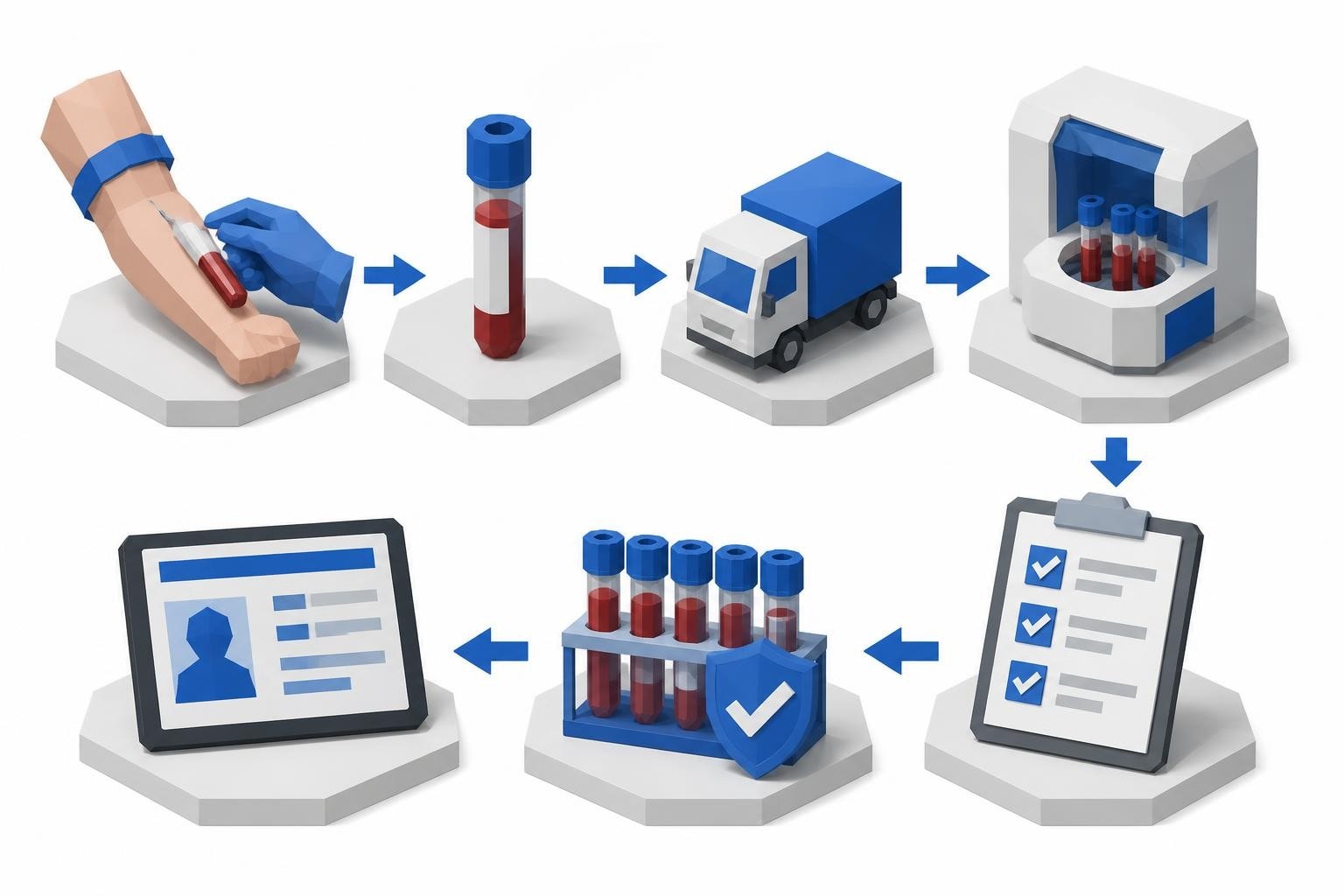
After the phlebotomist removes the needle and applies a bandage to your arm, your blood sample begins a carefully orchestrated journey through modern laboratory systems. Understanding what happens after your blood draw helps you appreciate why results arrive at specific times and what quality measures protect the accuracy of your health information. This behind-the-scenes process involves multiple checkpoints, specialized equipment, and trained professionals working to ensure your test results are both accurate and timely.
The Initial Collection and Labeling Process
The moment your blood enters the collection tube, a precise protocol begins. Each tube contains specific additives designed for particular tests-some prevent clotting, while others preserve certain compounds or promote serum separation. The phlebotomist immediately labels your sample with unique identifiers linking it to your order information.
Collection tubes are color-coded for specific purposes:
- Red or gold tubes for serum tests requiring clotting
- Purple tubes with EDTA anticoagulant for complete blood counts
- Light blue tubes with sodium citrate for coagulation studies
- Green tubes with heparin for plasma determinations
- Gray tubes with glucose preservatives for metabolic panels
This color-coded tube system ensures each sample receives proper handling based on the tests ordered. The labeling process includes your name, date of birth, collection time, and a barcode that tracks your sample throughout its entire journey. When you order labs without a doctor through services like Justlabs, this tracking system provides transparency from collection through result delivery.
Temperature and Time Sensitivity Factors
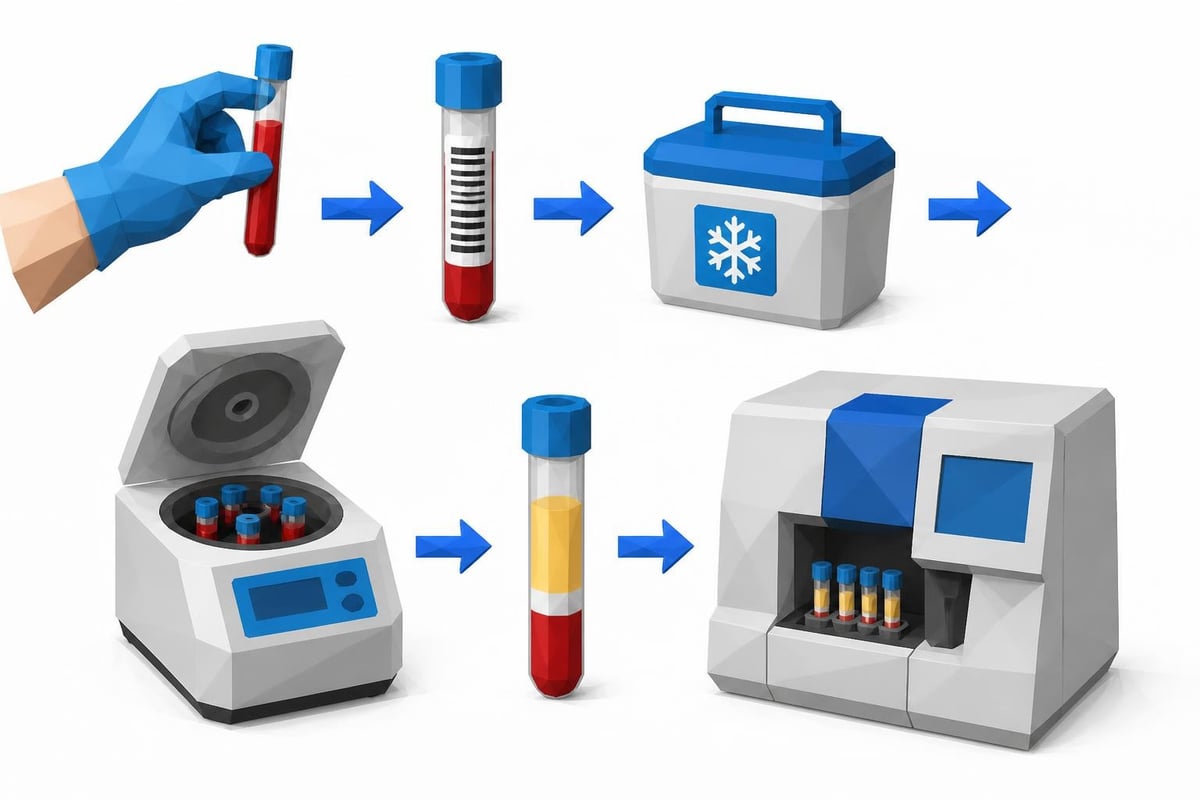
Many blood components degrade rapidly at room temperature, making immediate proper storage essential. Samples typically remain at the collection site for a brief period before transport, stored in temperature-controlled environments. Some tests require refrigeration within minutes of collection, while others need room temperature maintenance.
The collection time matters significantly for certain tests. Hormone levels fluctuate throughout the day, requiring morning draws for cortisol or testosterone. When processing occurs, laboratories note the collection time to flag any samples that exceeded acceptable transit times. This attention to detail ensures what happens after your blood draw maintains scientific validity.
Transportation to the Laboratory Facility
Once collected at Quest Diagnostics or other collection centers, your sample joins others in a secure transport system. Courier services operate on strict schedules, picking up samples multiple times daily from high-volume locations. The transportation process uses specialized containers maintaining required temperatures-some samples travel in coolers with ice packs, while others remain at ambient temperature.
During transit, samples experience gentle handling protocols. Excessive agitation can cause hemolysis, where red blood cells rupture and release their contents into serum or plasma, potentially invalidating certain test results. Transport containers feature cushioning and secure positioning to minimize movement. Understanding these handling requirements explains why laboratories occasionally request recollection when samples show signs of improper transport.
Transportation timeline factors include:
- Collection site pickup schedules (typically 2-4 times daily for busy centers)
- Distance between collection site and processing laboratory
- Regional hub consolidation for smaller facilities
- Priority routing for stat or time-sensitive tests
- Weekend and holiday schedule modifications
The efficiency of this system directly impacts when you receive results. Samples collected early morning often reach laboratories the same day, while late afternoon collections may not arrive until the following morning. This explains why lab test results from the same facility sometimes arrive on different schedules depending on collection timing.
Laboratory Reception and Processing Initiation
Upon arrival at the laboratory facility, samples enter a receiving area where technicians scan barcodes and verify physical condition. Each tube undergoes visual inspection for proper fill volume, correct labeling, and absence of damage. Samples failing these checks may require recollection, though laboratories contact ordering parties before discarding specimens.
The receiving process generates electronic confirmations updating tracking systems. If you've ordered through Justlabs, this scan triggers status updates visible in your account. The sample then moves to a processing queue based on test type and priority level.
| Processing Stage | Typical Duration | Purpose |
|---|---|---|
| Reception scanning | 5-15 minutes | Identity verification and tracking |
| Initial sorting | 15-30 minutes | Grouping by test category |
| Centrifugation | 10-15 minutes | Separating serum/plasma from cells |
| Aliquoting | 10-20 minutes | Creating multiple samples for different tests |
| Queue placement | Varies | Staging for analyzer processing |
Centrifugation and Sample Preparation
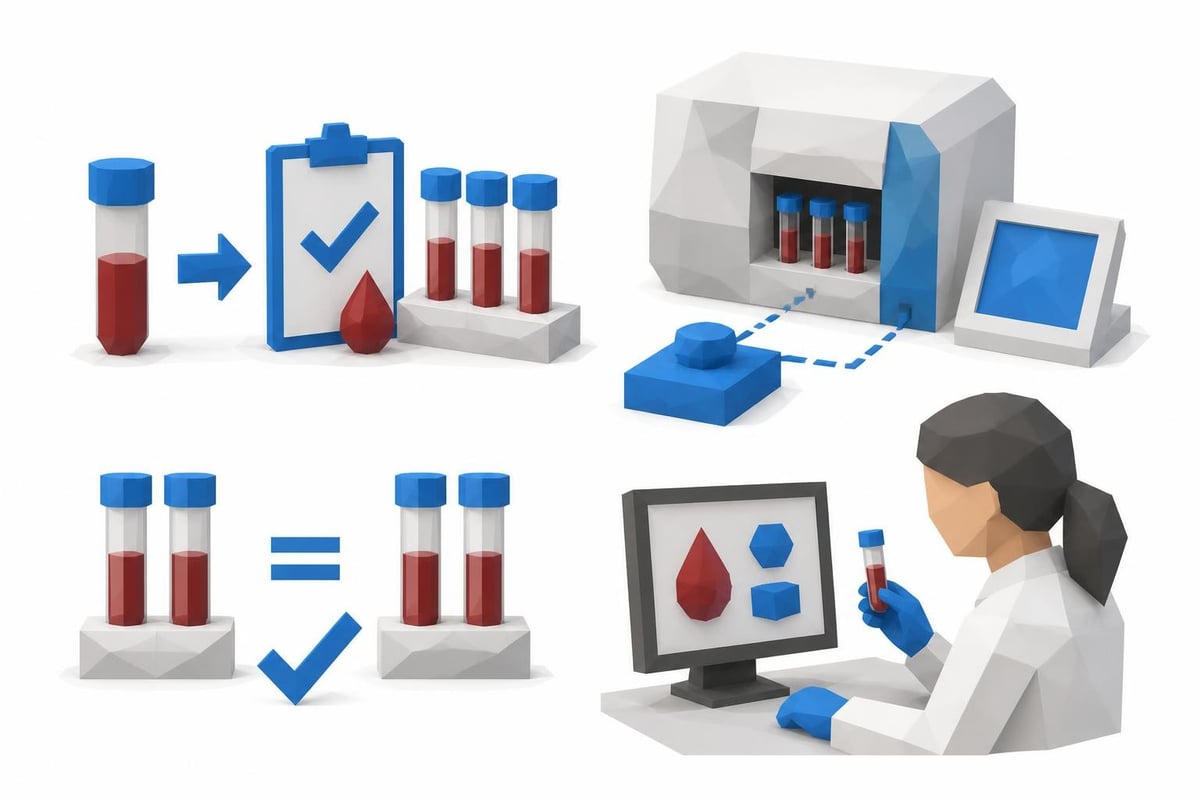
Most blood tests require separated serum or plasma rather than whole blood. Centrifuges spin tubes at high speeds, using centrifugal force to separate blood components by density. Red and white blood cells settle at the bottom, while the liquid portion rises to the top. This separation process creates the clear or slightly yellow fluid that analyzers actually test.
After centrifugation, automated systems or laboratory technicians transfer the separated serum or plasma into secondary tubes. Creating these aliquots allows multiple tests from a single draw while preserving samples for potential retesting. Each aliquot receives the same tracking information as the original specimen, maintaining chain of custody throughout analysis.
Analytical Testing and Quality Control Measures
Modern laboratories employ sophisticated automated analyzers capable of performing dozens of tests simultaneously. Your sample moves through these instruments, where robotic systems aspirate precise volumes and mix them with reagents. Chemical reactions produce measurable signals-color changes, light absorption, or electrical impulses-that the analyzer converts into numerical results.
Quality control happens at multiple levels:
- Daily calibration using samples with known values
- Control samples run alongside patient specimens
- Duplicate testing for results falling outside expected ranges
- Delta checks comparing your current results to previous tests
- Critical value protocols for potentially life-threatening findings
These safeguards explain why what happens after your blood draw involves more than simple measurement. Laboratories must verify accuracy before releasing results. When analyzers produce questionable readings, technicians manually review samples and may repeat testing. This quality assurance extends timelines but ensures reliability.
Why Different Tests Have Different Turnaround Times
Test complexity directly affects processing speed. A basic metabolic panel measuring electrolytes and glucose completes within an hour on automated platforms. Specialized tests like the ApoE genotype require different methodologies-often manual procedures or specialized equipment not running continuously.
Some tests batch process, meaning laboratories accumulate multiple samples before running them together for efficiency. Hormone assays, antibody tests, and genetic analyses often follow this pattern. The laboratory might run these panels once or twice daily rather than continuously. Tests sent to reference laboratories add additional time for transportation to specialized facilities.
Common turnaround time categories:
- Routine chemistry and hematology: 4-24 hours
- Hormone panels and specialized chemistry: 24-48 hours
- Genetic testing and complex immunology: 3-7 days
- Send-out tests to reference labs: 5-14 days
- Specialized cultures and pathology: 1-3 weeks
When you see results appearing in phases on your account, this reflects the varying completion times for different components of your order. Services like Justlabs release results as they become available rather than holding everything until the slowest test completes, giving you faster access to available information.
Result Verification and Medical Review
Before results reach you, they pass through verification protocols. Laboratory information systems automatically flag results falling outside reference ranges or showing significant changes from previous values. These flags trigger review by laboratory technicians and sometimes pathologists or medical directors.
Critical values representing potentially dangerous conditions receive immediate attention. The laboratory contacts ordering providers directly for these findings rather than simply posting results. For direct-to-consumer testing, protocols ensure urgent findings reach customers with appropriate medical guidance.
Result verification includes checking for technical issues that might produce inaccurate readings. Hemolyzed samples, insufficient specimen volume, or clotted samples in tubes requiring liquid blood can all produce unreliable results. When these issues occur, the laboratory typically marks affected tests as "quantity not sufficient" (QNS) or "unable to perform" and may request recollection.
Partial Results and Insufficient Samples
You might notice some tests appearing in your account while others remain pending or show special statuses. This happens when what happens after your blood draw reveals problems with specific specimens. A single collection tube might provide sufficient volume for some ordered tests but not others, especially when multiple tests require the same tube type.
| Issue | Cause | Resolution |
|---|---|---|
| Insufficient quantity | Not enough blood drawn | Recollection needed for affected tests |
| Hemolysis | Cell rupture during collection/handling | Recollection for sensitive tests |
| Clotting | Improper mixing with anticoagulant | Recollection required |
| Lipemia | High lipid content interfering with analysis | Fasting draw or specialized processing |
| Wrong tube type | Collection error | Recollection with correct tube |
When recollection becomes necessary, reputable services handle this efficiently. Transparent lab test pricing models don't charge additional fees for recollection due to laboratory or collection errors. Understanding these possibilities helps you respond appropriately when contacted about sample issues.
Electronic Result Delivery to Your Account
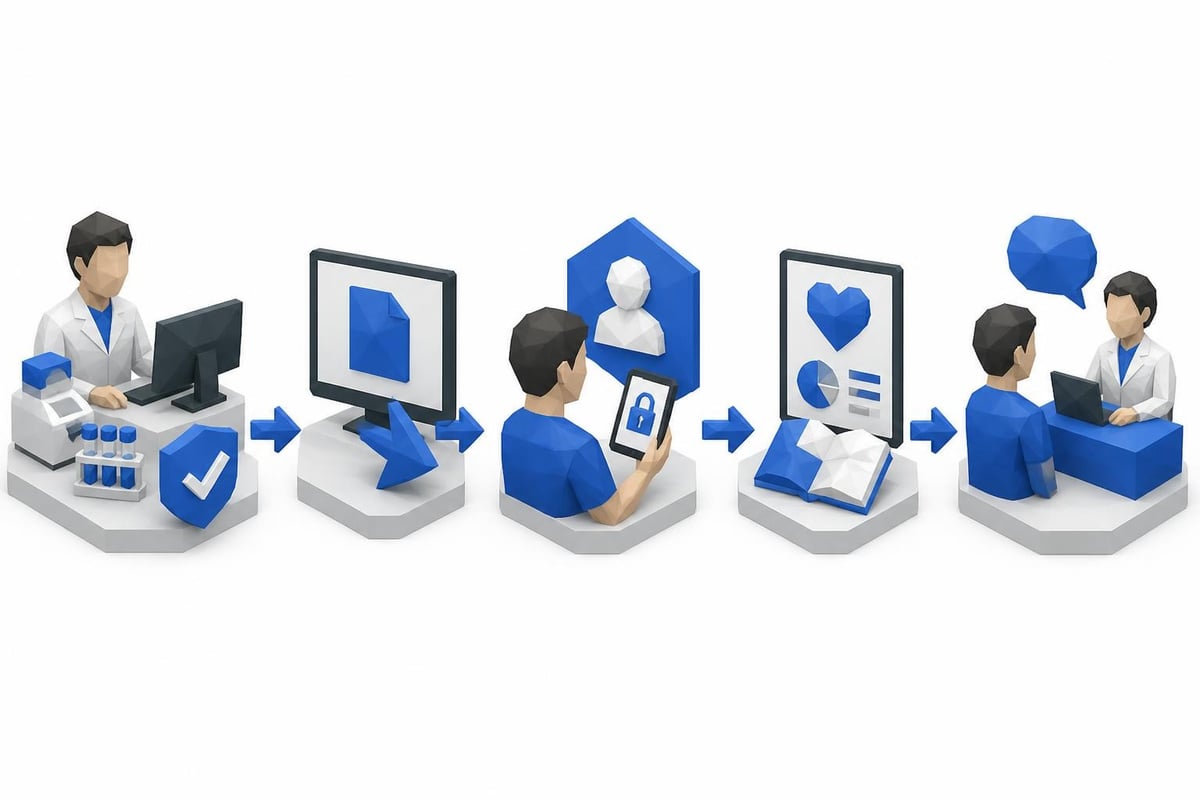
Once verified, results transfer electronically from laboratory information systems to ordering platforms. This happens through secure health information exchanges meeting HIPAA requirements. The how it works process at Justlabs demonstrates this integration-results from Quest Diagnostics flow directly into customer accounts without manual intervention.
The electronic transfer typically occurs within hours of result verification, though some laboratories batch transfers at specific times. You receive notifications when new results post, allowing immediate access to your health information. This represents a significant advantage over traditional models requiring provider appointments to discuss findings.
Your result portal typically includes:
- Numerical values with reference ranges
- Flags indicating high, low, or critical results
- Historical trends when previous tests exist
- Educational resources explaining test meanings
- Options to download or print results
Modern platforms go beyond raw numbers, providing context helping you understand lab results without medical training. Reference ranges account for age, sex, and sometimes other factors affecting normal values. Some tests provide interpretive comments explaining clinical significance.
Storage and Sample Retention Protocols
After testing completes, laboratories don't immediately discard your samples. Standard protocols require retention for specific periods allowing retesting if needed. Serum and plasma samples typically remain refrigerated for seven to fourteen days. Some specimens freeze for longer-term storage, particularly when genetic or specialized testing might require confirmation.
This retention policy protects both you and the laboratory. If you question results or your provider requests additional tests, the existing sample might suffice without requiring another blood draw. Reference laboratories particularly benefit from this practice, as shipping delays might necessitate repeat analysis.
Blood testing procedures include these retention requirements as quality measures. Eventually, samples undergo proper medical waste disposal following biohazard protocols. Laboratories maintain electronic records far longer than physical specimens, preserving your test history for future reference and trend analysis.
Documentation and Regulatory Compliance
Throughout the entire process of what happens after your blood draw, laboratories maintain detailed documentation. Every step-from initial scanning through final result release-generates electronic records. These audit trails support quality assurance, regulatory compliance, and problem investigation if questions arise.
Laboratories operate under stringent oversight from organizations like the Clinical Laboratory Improvement Amendments (CLIA) program and the College of American Pathologists (CAP). Regular inspections verify adherence to proper specimen collection and processing protocols. This regulatory environment ensures consistent quality regardless of which laboratory processes your samples.
Managing Expectations for Result Timing
Understanding what happens after your blood draw helps set realistic expectations for when results arrive. Collection time significantly impacts this timeline-samples collected Monday morning typically process faster than those drawn Friday afternoon. Weekend and holiday schedules further affect turnaround times, as many laboratories operate with reduced staffing during these periods.
The specific tests ordered create the biggest timing variation. When comparing Quest Diagnostics vs LabCorp prices and services, turnaround times often parallel each other for standard tests but may differ for specialized panels. Both networks maintain similar quality standards and processing capabilities.
Factors affecting your specific timeline:
- Day and time of collection relative to laboratory schedules
- Test complexity and methodology requirements
- Whether tests process in-house or require reference laboratories
- Current laboratory volume and staffing levels
- Quality control issues requiring repeat testing
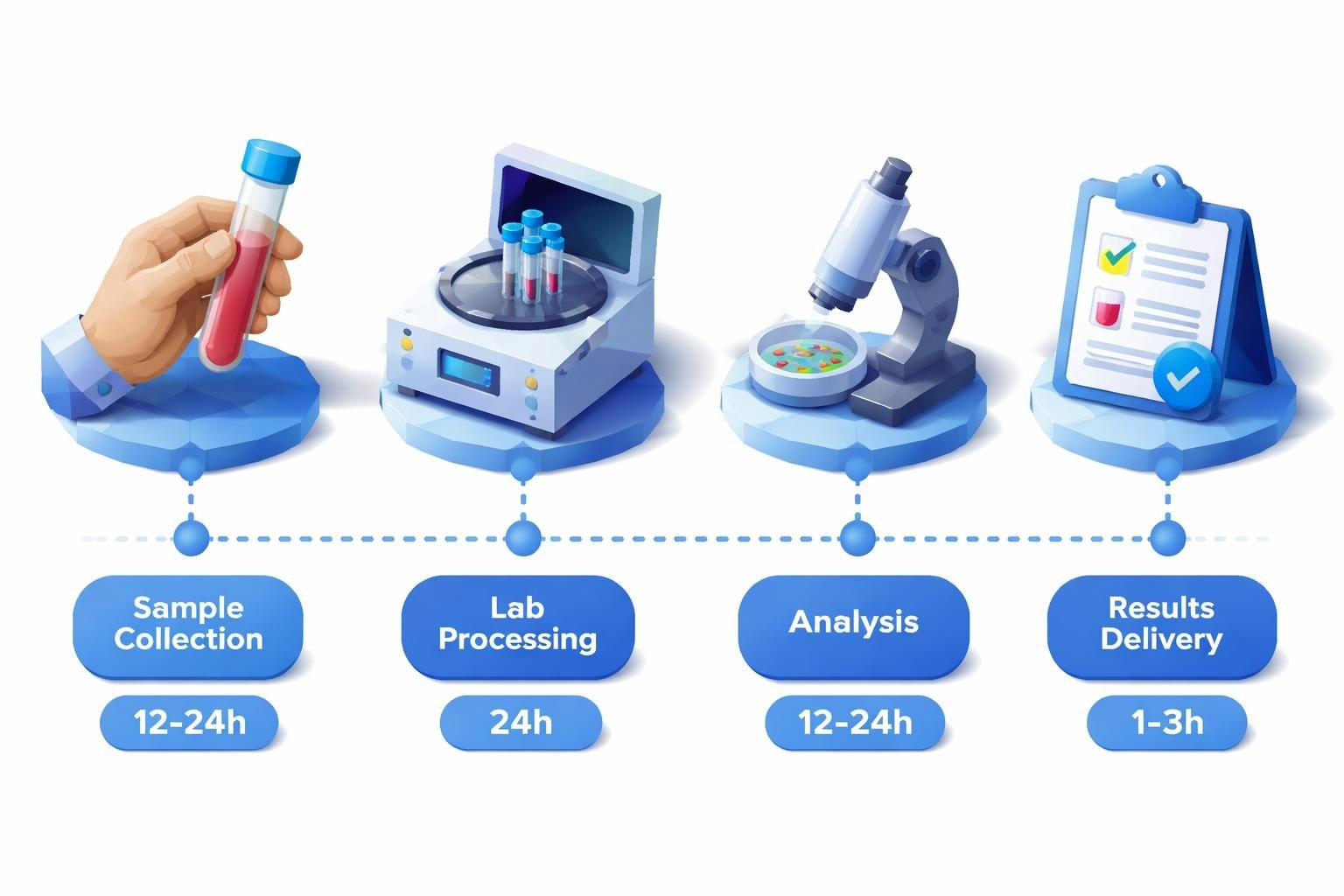
Most routine tests complete within 24-48 hours of collection, allowing results within 1-3 days as promised by efficient services. Specialized tests extend this timeframe but provide advance notice of expected delays. When you order lab tests online, clear communication about timing helps you plan accordingly.
Post-Collection Care and Follow-Up Considerations
While the laboratory handles your sample, you should follow proper aftercare instructions from your blood draw. Keep the bandage on for several hours, avoid heavy lifting with that arm, and stay hydrated. Minor bruising sometimes occurs but typically resolves within days.
If you experience unusual symptoms like excessive bleeding, severe pain, or signs of infection at the puncture site, contact medical professionals promptly. These complications rarely occur with properly performed blood draws but warrant attention when they do. Most people resume normal activities immediately after collection with no issues.
Planning for result receipt involves more than just waiting. Consider whether you want to review results independently or discuss them with a healthcare provider. Some findings require medical interpretation, while others provide straightforward health metrics. Having a plan for next steps based on different scenarios reduces anxiety during the waiting period.
Understanding what happens after your blood draw reveals the sophisticated systems ensuring accurate, timely health information delivery. From the moment blood enters the collection tube through final result posting, multiple quality checkpoints protect the reliability of your test data. Justlabs leverages this established laboratory infrastructure while eliminating traditional barriers of insurance requirements and provider visits, giving you direct access to comprehensive testing with transparent pricing and results delivered to your account within 1-3 days for most tests.
Related Reading
References
Nordin N, Ab Rahim SN, Wan Omar WFA, Zulkarnain S, Sinha S, Kumar S, Haque M. Preanalytical Errors in Clinical Laboratory Testing at a Glance: Source and Control Measures. Cureus. 2024 Mar;16(3):e57243. doi: 10.7759/cureus.57243. PMID: 38559530. https://pubmed.ncbi.nlm.nih.gov/38559530/
Simundic AM, Baird G, Cadamuro J, Costelloe SJ, Lippi G. Managing hemolyzed samples in clinical laboratories. Crit Rev Clin Lab Sci. 2020 Jan;57(1):1-21. doi: 10.1080/10408363.2019.1664391. PMID: 31603708. https://pubmed.ncbi.nlm.nih.gov/31603708/
Lippi G, von Meyer A, Cadamuro J, Simundic AM. Blood sample quality. Diagnosis (Berl). 2019 Mar 26;6(1):25-31. doi: 10.1515/dx-2018-0018. PMID: 29794250. https://pubmed.ncbi.nlm.nih.gov/29794250/