Hepatitis C virus (HCV) remains one of the most significant public health challenges globally, affecting millions of people who may not even know they're infected. Understanding hepatitis c screening who and meaning is essential for protecting your liver health and preventing long-term complications. This silent infection often progresses without symptoms for years, making strategic screening crucial for early detection and treatment. With modern testing options becoming more accessible, knowing when to get screened and how to interpret results empowers you to take control of your health.
Big picture
- Hepatitis C is a bloodborne virus that damages the liver over time, often without symptoms until serious complications develop, making screening the only way many people discover their infection.
- Universal screening recommendations now apply to all adults aged 18-79 at least once in their lifetime, with additional testing for people with ongoing risk factors like injection drug use or certain medical exposures.
- Two types of tests work together: an antibody test shows if you've ever been exposed to HCV, while an RNA test confirms whether you currently have an active infection that needs treatment.
- Positive results don't mean permanent infection because hepatitis C is now curable in over 95% of cases with short-course antiviral medications, making early detection through screening incredibly valuable.
- You can access screening without insurance or a doctor visit through services like JustLabs, where transparent pricing and quick results eliminate common barriers to testing.
- Action step: If you've never been screened and fall within the recommended age range or have risk factors, order a hepatitis C antibody test today to establish your baseline status.
Who Should Get Hepatitis C Screening
The recommendations for hepatitis c screening who and meaning have evolved significantly as healthcare organizations recognize the widespread nature of this infection. Current guidelines from the U.S. Preventive Services Task Force call for universal screening of all adults aged 18 to 79 years at least once in their lifetime.
Universal Screening Populations
This universal approach represents a major shift from earlier risk-based strategies. The expansion acknowledges that many people with hepatitis C don't fit traditional risk profiles, and targeted screening missed significant numbers of infected individuals.
Adults who should receive one-time screening include:
- Everyone aged 18-79, regardless of perceived risk
- Pregnant women during each pregnancy
- Anyone who requests testing, even without identified risk factors
The World Health Organization supports comprehensive testing strategies as part of global elimination efforts, emphasizing that finding undiagnosed cases is critical to reducing transmission and disease burden.

High-Risk Groups Requiring Periodic Testing
Beyond one-time screening, certain populations need regular hepatitis C testing due to ongoing exposure risks. Understanding hepatitis c screening who and meaning for these groups involves recognizing that repeat testing may be necessary.
People who should receive periodic screening:
- Current or former injection drug users (even if only once, many years ago)
- People with HIV infection
- Recipients of blood transfusions or organ transplants before 1992
- Long-term hemodialysis patients
- Healthcare workers after needlestick injuries with HCV-positive blood
- Children born to mothers with hepatitis C
- People with unexplained elevated liver enzymes
- Incarcerated individuals
- Recipients of clotting factor concentrates before 1987
The AASLD-IDSA guidelines provide detailed recommendations for these populations, noting that anyone with ongoing risks should be tested at least annually.
Special Considerations for Baby Boomers
While universal screening now includes younger adults, the baby boomer generation (born 1945-1965) deserves special attention. This cohort has the highest prevalence of hepatitis C in the United States, largely due to infections acquired decades ago through medical procedures, transfusions, or other exposures before blood supply screening began.
Many in this age group have been living with undiagnosed hepatitis C for 30-40 years, putting them at elevated risk for cirrhosis, liver cancer, and liver failure. If you're in this generation and haven't been tested, screening should be a priority regardless of whether you recall any specific risk exposures.
Understanding Hepatitis C Test Types
Grasping hepatitis c screening who and meaning requires understanding the different tests used to detect and confirm infection. The screening process typically involves two distinct types of tests, each serving a specific purpose in the diagnostic pathway.
Hepatitis C Antibody Test
The antibody test (anti-HCV) is the standard initial screening tool. This blood test detects antibodies your immune system produced in response to hepatitis C virus exposure. When you encounter HCV, your body creates these antibodies, which typically remain detectable for life, even if you've cleared the infection.
| Test Characteristic | Details |
|---|---|
| What it detects | Antibodies to HCV (not the virus itself) |
| What positive means | Past or current infection exposure |
| What negative means | No HCV exposure (or very recent infection before antibodies developed) |
| Follow-up needed | Yes, if positive-requires RNA test for confirmation |
A positive antibody test doesn't automatically mean you have active hepatitis C. Approximately 15-25% of people who contract HCV clear the virus spontaneously without treatment, but their antibodies remain positive. This is why confirmation testing is essential.
Hepatitis C RNA Test
The RNA test (also called HCV viral load or PCR test) detects the actual genetic material of the virus in your blood. This test confirms whether you have an active, current infection that requires treatment. According to the NIDDK, RNA testing is the definitive way to diagnose active hepatitis C.
The RNA test provides two critical pieces of information:
- Qualitative result: Whether HCV RNA is detected (yes/no)
- Quantitative result: How much virus is present (viral load)
Understanding hepatitis c screening who and meaning includes recognizing that RNA testing should follow any positive antibody result. Modern testing protocols often use reflex RNA testing, where the RNA test is automatically performed if the antibody test is positive, streamlining the diagnostic process.
Testing Algorithm and Timing
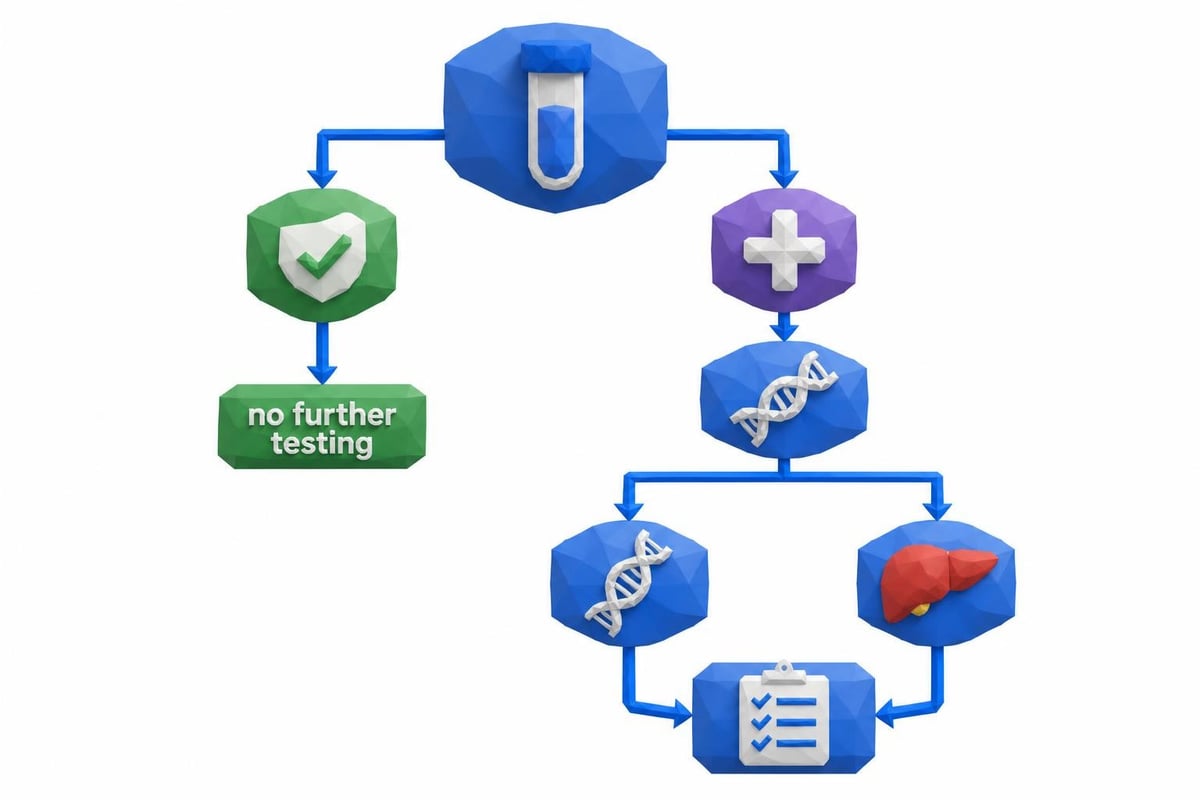
The standard testing sequence follows a clear pathway:
- Initial antibody screening for all recommended populations
- Reflex or follow-up RNA testing if antibodies are detected
- Genotype testing if RNA is positive (determines treatment approach)
- Baseline liver function tests and fibrosis assessment
For people with recent potential exposure (within the past six months), antibody tests may be falsely negative since antibodies take time to develop. In these cases, RNA testing may be performed directly, particularly if acute hepatitis C is suspected based on symptoms or elevated liver enzymes.
What Your Hepatitis C Test Results Mean
Interpreting hepatitis c screening who and meaning extends to understanding what different result combinations indicate for your health. The interaction between antibody and RNA results tells the complete story of your hepatitis C status.
Negative Antibody Test
A negative antibody test typically means you've never been infected with hepatitis C. This result provides reassurance for people without ongoing risk factors. However, if you have a known exposure within the previous six months, your doctor may recommend repeat testing since antibodies take 8-12 weeks to develop after infection.
If your antibody test is negative:
- You likely have no current or past HCV infection
- No further testing is needed unless you have very recent exposure
- Maintain awareness of transmission risks and get retested if future exposures occur
- Consider repeat screening if you have ongoing risk factors
Positive Antibody, Negative RNA
This combination indicates that you were previously infected with hepatitis C but cleared the virus. This clearance might have occurred spontaneously (in about 15-25% of acute infections) or through successful past treatment.
| Result Pattern | Interpretation | Next Steps |
|---|---|---|
| Antibody: Positive | You were exposed to HCV | None needed for liver health |
| RNA: Negative | Virus is not currently active | Document cleared infection status |
| Clinical significance | Past infection, now resolved | Monitor liver health if prior damage occurred |
While this result is generally positive news, people who cleared hepatitis C aren't immune to reinfection. If you have ongoing risk factors (such as active injection drug use), annual RNA testing is recommended because you can become infected again.
Positive Antibody, Positive RNA
This combination confirms active hepatitis C infection that requires medical evaluation and likely treatment. The good news is that hepatitis c screening who and meaning has dramatically improved with modern treatments that cure over 95% of infections.
A dual-positive result indicates:
- Active, current hepatitis C infection
- Need for further evaluation including genotype testing
- Requirement for liver function assessment and fibrosis staging
- Eligibility for direct-acting antiviral treatment
- Importance of linking to care quickly to prevent progression
The WHO guidelines emphasize that anyone with confirmed active hepatitis C should be offered treatment, regardless of fibrosis stage. Modern medications work in 8-12 weeks for most people, with minimal side effects compared to older interferon-based treatments.
Understanding Viral Load Numbers
If your RNA test is positive, it will include a quantitative measurement of how much virus is in your blood, typically reported as international units per milliliter (IU/mL). This viral load number helps guide treatment monitoring but doesn't necessarily indicate how severe your liver disease is.
Common viral load ranges:
- Low: Less than 800,000 IU/mL
- Medium: 800,000 to 1,000,000 IU/mL
- High: Over 1,000,000 IU/mL
Interestingly, viral load doesn't correlate strongly with liver damage severity. Someone with a very high viral load might have minimal liver scarring, while someone with lower levels might have advanced fibrosis. Liver biopsy or non-invasive elastography assesses actual liver damage more accurately than viral load.
Risk Factors and Transmission Pathways
Understanding hepatitis c screening who and meaning involves recognizing how HCV spreads and which exposures create infection risk. Hepatitis C is a bloodborne virus, meaning transmission requires blood-to-blood contact.
Primary Transmission Routes
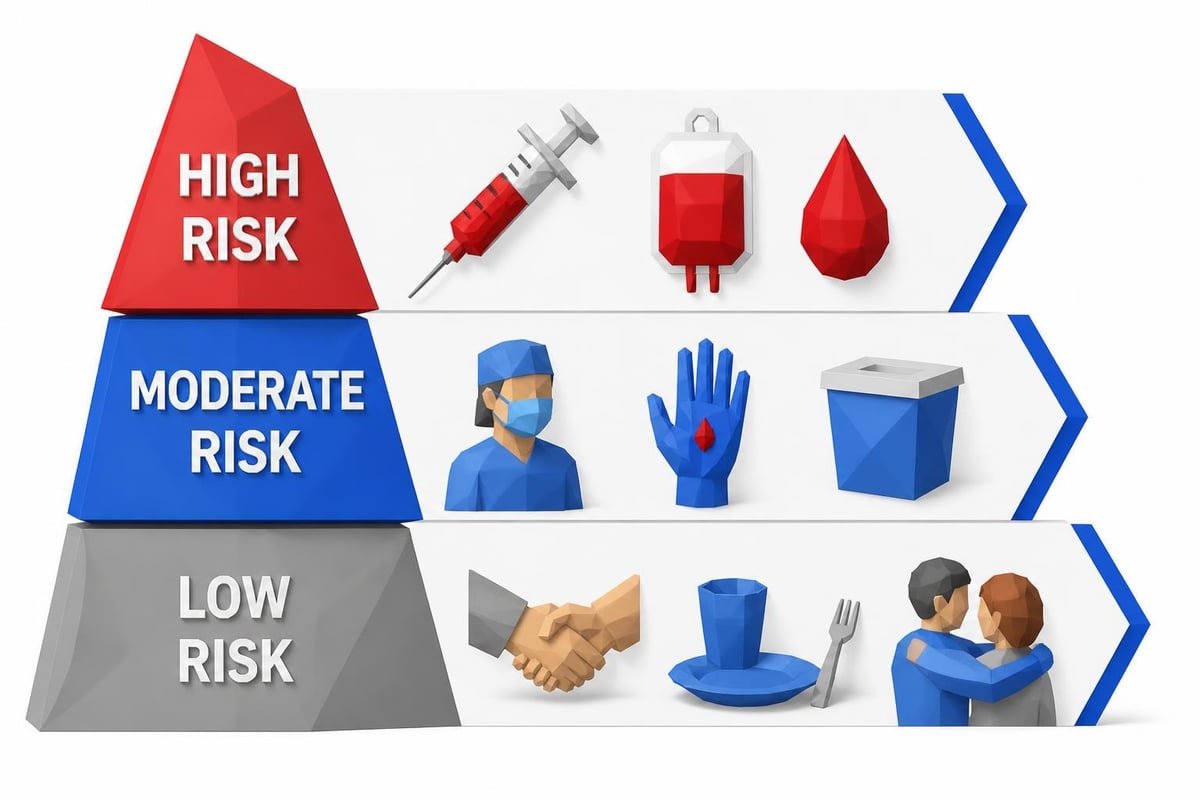
The most common ways hepatitis C spreads include sharing needles or drug injection equipment, which accounts for the majority of new infections in the United States. Even people who injected drugs only once or twice, decades ago, may have contracted HCV.
Significant risk factors for hepatitis C transmission:
- Sharing needles, syringes, or other drug preparation equipment
- Receiving blood transfusions or organ transplants before 1992
- Long-term hemodialysis treatment
- Being born to a mother with hepatitis C (vertical transmission)
- Occupational needlestick injuries in healthcare settings
- Sharing personal items that might have blood on them (razors, toothbrushes)
- Unregulated tattooing or body piercing with non-sterile equipment
- Sexual contact, particularly practices that involve blood exposure or among people with HIV
According to European CDC evidence, prevention strategies focus on harm reduction for people who inject drugs, screening blood supplies, and infection control in healthcare settings.
Lower-Risk Scenarios
Some situations carry minimal to no hepatitis C transmission risk. The virus doesn't spread through casual contact, sharing food or drinks, hugging, kissing (without blood exposure), or breastfeeding (unless nipples are cracked and bleeding).
Sexual transmission of hepatitis C is relatively uncommon in monogamous heterosexual relationships, though risk increases with multiple partners, presence of other sexually transmitted infections, or practices that cause bleeding. The virus also doesn't spread through mosquitoes or other insects.
Accessing Affordable Hepatitis C Screening
Understanding hepatitis c screening who and meaning includes knowing how to access testing conveniently and affordably. Traditional barriers like insurance requirements, high costs, and doctor appointments often prevent people from getting screened, even when recommended.
Self-Pay Testing Options
Direct-access lab testing services have transformed how people can monitor their health. Rather than navigating insurance approvals and scheduling doctor visits just to order a test, you can now order screening tests directly through online platforms.
JustLabs provides transparent pricing for hepatitis C antibody screening and other blood tests, with results typically available within 1-3 days. This approach eliminates many common obstacles:
- No insurance required or insurance coordination needed
- No doctor's appointment necessary to order the test
- Clear, upfront pricing with no surprise bills
- Quick turnaround on results
- Convenient lab locations for blood draws
For people without health insurance, with high-deductible plans, or who simply prefer to pay directly, self-pay testing offers a straightforward pathway to screening. You can review available lab tests and order online in minutes.
When to Choose Different Testing Approaches
While direct-access testing works well for initial screening, certain situations call for different approaches. If you have symptoms of liver disease, known hepatitis C exposure, or positive screening results, working with a healthcare provider ensures appropriate follow-up testing and treatment linkage.
Consider direct-access screening when:
- You meet universal screening criteria but haven't been tested
- You want to establish your baseline HCV status
- You have risk factors but no current symptoms
- You prefer to pay directly rather than use insurance
Work with a healthcare provider when:
- You have a positive antibody or RNA result needing treatment
- You have symptoms like jaundice, fatigue, or abdominal pain
- You need genotype testing or liver damage assessment
- You require ongoing monitoring during or after treatment
Many people use a hybrid approach: initial screening through affordable self-pay services, then engaging with providers if results require clinical follow-up. This strategy maximizes convenience while ensuring appropriate care when needed.
Comparing Test Costs and Value
Understanding the financial aspect of hepatitis c screening who and meaning helps you make informed decisions about when and where to test. Traditional healthcare system pricing often obscures actual costs until after services are rendered.
| Testing Access Route | Typical Antibody Test Cost | Advantages | Considerations |
|---|---|---|---|
| Insurance-based (with doctor visit) | $0-$50 copay (plus visit costs) | May be covered; includes clinical consultation | Requires appointment; may have delays; total cost unclear |
| Direct self-pay online | $30-$80 transparent pricing | Clear pricing; no appointment needed; fast results | No immediate clinical interpretation |
| Community health centers | Often free or sliding scale | Affordable for uninsured; includes counseling | May have limited hours or locations |
| Hospital or reference lab | $100-$300+ | Comprehensive testing options | Highest cost; often not transparent |
Beyond the initial screening cost, consider the value of early detection. Finding and treating hepatitis C before significant liver damage occurs can prevent cirrhosis, liver cancer, and the need for liver transplantation-outcomes that carry enormous health and financial consequences.
Key Takeaways
Understanding hepatitis c screening who and meaning empowers you to protect your liver health through timely testing and appropriate follow-up. Current recommendations call for universal screening of all adults aged 18-79 at least once, with additional testing for people with ongoing risk factors like injection drug use or hemodialysis. The screening process uses an antibody test first, followed by RNA testing if antibodies are detected, to distinguish between past cleared infections and current active infections requiring treatment. Modern hepatitis C treatments cure over 95% of infections in just 8-12 weeks with minimal side effects, making early detection through screening incredibly valuable. Direct-access testing services have removed traditional barriers of insurance requirements and doctor appointments, enabling anyone to get screened quickly with transparent pricing and fast results.
FAQ
How accurate are hepatitis C screening tests?
Modern hepatitis C antibody tests are extremely accurate, with sensitivity over 97% and specificity over 99%. This means they correctly identify nearly all people who have been exposed to HCV while producing very few false positives. RNA tests are even more accurate for detecting active infection. However, antibody tests may be falsely negative during the first 8-12 weeks after infection, before antibodies develop. If you have a known recent exposure, your healthcare provider may recommend RNA testing directly or repeat antibody testing after the window period.
Can I have hepatitis C without symptoms?
Yes, the majority of people with hepatitis C have no symptoms at all, especially in the early years of infection. This is why hepatitis C is often called a "silent" infection. When symptoms do occur, they're typically vague and easily attributed to other causes-fatigue, mild abdominal discomfort, or joint pain. Serious symptoms like jaundice, ascites (abdominal fluid accumulation), or confusion usually only appear after decades of infection when significant liver damage has occurred. This is precisely why screening based on age and risk factors, rather than waiting for symptoms, is so important.
What happens if my hepatitis C screening is positive?
A positive antibody screening test requires follow-up RNA testing to determine if you have an active infection. If the RNA test is also positive, you'll need additional evaluation including genotype testing (to determine which strain of hepatitis C you have) and liver function assessment. Your healthcare provider will evaluate the extent of any liver damage and recommend treatment with direct-acting antiviral medications. These modern treatments are taken as pills for 8-12 weeks and cure over 95% of infections. If your antibody is positive but RNA is negative, you've cleared the infection and generally don't need treatment, though liver monitoring may be recommended if prior damage occurred.
How often should I get hepatitis C screening if I have risk factors?
If you have ongoing risk factors for hepatitis C exposure-particularly active injection drug use or long-term hemodialysis-annual screening is recommended. Healthcare workers who experience a needlestick injury with HCV-positive blood should be tested at the time of exposure and again at 4-6 months. People with HIV should be screened annually. If you used injection drugs in the past but no longer do, a one-time screening may be sufficient unless you have other ongoing risks. The comprehensive clinical guidance provides detailed recommendations for different risk populations.
Is hepatitis C screening covered by insurance?
Most health insurance plans, including Medicare and Medicaid, cover hepatitis C screening for people who meet the recommended criteria (universal screening for adults 18-79, prenatal screening, and targeted screening for risk factors). Under the Affordable Care Act, preventive services recommended by the U.S. Preventive Services Task Force, including hepatitis C screening, should be covered without cost-sharing for in-network providers. However, coverage details vary by plan, and some people prefer to avoid insurance involvement to maintain privacy or avoid documentation that might affect future coverage. Self-pay testing through services like JustLabs provides a straightforward alternative with transparent pricing.
Can hepatitis C come back after treatment?
Hepatitis C does not reactivate after successful treatment. If you achieve sustained virologic response (SVR)-meaning no detectable virus 12 weeks after completing treatment-you are considered cured. The virus is gone from your body. However, successful treatment doesn't create immunity to hepatitis C. If you're re-exposed to the virus through injection drug use, needle sharing, or other blood contact, you can become infected again. This is why harm reduction strategies and ongoing risk assessment remain important even after cure. People with ongoing risk factors should receive annual screening even after successful treatment.
What is the difference between hepatitis A, B, and C?
Though they all affect the liver, hepatitis A, B, and C are caused by different viruses and have distinct transmission routes and outcomes. Hepatitis A spreads through contaminated food or water and causes acute illness but never becomes chronic; vaccines prevent it effectively. Hepatitis B spreads through blood and sexual contact and can become chronic, but vaccines provide excellent protection. Hepatitis C spreads primarily through blood contact, has no vaccine, and becomes chronic in about 75-85% of infections-but is now curable with medications. Each type requires different screening approaches and preventive strategies.
Should I get tested for other conditions along with hepatitis C screening?
If you're getting hepatitis C screening, particularly if you have risk factors like injection drug use, consider screening for other bloodborne infections including HIV and hepatitis B. These infections share transmission routes and can occur together. Additionally, baseline liver function tests like a comprehensive metabolic panel and a complete blood count help assess overall liver health and provide context for hepatitis C results. People with certain risk factors might also benefit from screening for sexually transmitted infections. Discuss with your healthcare provider or explore comprehensive testing panels that include multiple relevant markers for a complete health picture.
Understanding hepatitis c screening who and meaning equips you to take proactive steps in protecting your liver health through appropriate testing and timely intervention. Whether you meet the universal screening criteria, have specific risk factors, or simply want to establish your baseline status, accessible testing options make it easier than ever to get screened. JustLabs removes traditional barriers by offering transparent, affordable hepatitis C screening without insurance requirements or doctor appointments, with results delivered quickly so you can make informed decisions about your health. Take control today by ordering your screening test and gaining the clarity you need for your liver health journey.