
When you receive your lab test results and notice an asterisk, "H" for high, "L" for low, or another symbol next to certain values, you might wonder what these markers indicate about your health. Understanding what a flagged result actually means is essential for making informed decisions about your wellness and knowing when further action is needed. These flags serve as automated alerts generated by laboratory information systems, designed to draw attention to measurements that fall outside established reference ranges or meet specific criteria for clinical concern.
Big picture
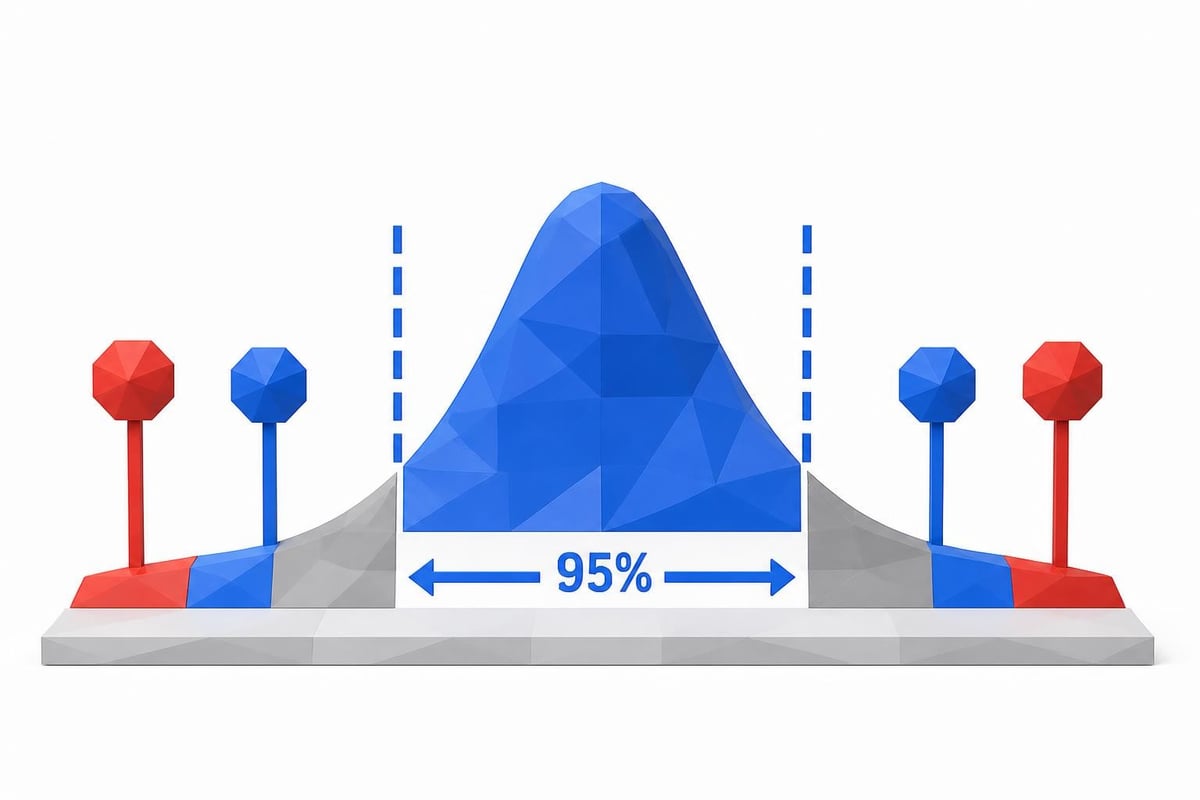
- Flagged results are statistical alerts, not diagnoses. They indicate that a measured value falls outside the laboratory's reference range, which represents where 95% of healthy individuals typically fall, meaning 5% of normal, healthy people will have flagged results by design.
- Flags vary by laboratory, test method, and population. Different labs may use different reference ranges based on their equipment, testing methodology, and the demographic characteristics of their reference population, so the same result might be flagged at one facility but not another.
- Context matters more than the flag itself. A single flagged value should be interpreted alongside your symptoms, medical history, medications, other test results, and temporal trends to determine clinical significance.
- Critical flags require immediate attention. Some flags indicate life-threatening conditions that need urgent medical intervention, while others simply note minor deviations that may warrant monitoring or lifestyle adjustments.
- Taking action starts with understanding. Review your complete results, compare values to previous tests when available, and consult with a healthcare provider who can interpret findings within the context of your individual health profile.
Understanding Laboratory Reference Ranges
Reference ranges form the foundation of what a flagged result actually means in laboratory medicine. These ranges represent the values observed in 95% of a healthy reference population, established through extensive testing of individuals without known disease affecting the analyte being measured.
Laboratories determine reference ranges through rigorous statistical analysis. They collect samples from hundreds or thousands of healthy volunteers, measure the target analyte, and use statistical methods to establish the central 95% interval. This approach inherently means that 2.5% of healthy individuals will fall below the lower limit and 2.5% will exceed the upper limit.
Why Reference Ranges Differ Between Labs
Several factors contribute to variation in reference ranges across different laboratories:
- Analytical methods and instrumentation: Different testing platforms may yield slightly different numerical results for the same sample
- Reagent manufacturers and calibration: Variations in chemical reagents and calibration standards affect measurements
- Reference population demographics: Age, sex, ethnicity, geographic location, and lifestyle factors influence what constitutes "normal"
- Statistical methodology: Labs may use different statistical approaches to define range boundaries
The NHANES Laboratory Procedures Manual demonstrates how standardized protocols handle flagged results in large-scale studies, including specific codes for different flag types and quality control procedures.
Types of Flags You Might Encounter
Laboratory reports use various flagging systems to communicate different levels of concern. Understanding these distinctions helps you interpret what a flagged result actually means for your specific situation.
| Flag Type | Symbol | Meaning | Typical Action |
|---|---|---|---|
| High | H, ↑, * | Above reference range | Review with context; may need follow-up |
| Low | L, ↓, * | Below reference range | Review with context; may need follow-up |
| Critical High | HH, !!, CRITICAL | Dangerously elevated | Immediate medical attention |
| Critical Low | LL, !!, CRITICAL | Dangerously low | Immediate medical attention |
| Abnormal | A, ABN | Outside normal limits | Further evaluation recommended |
High and Low Flags
Standard high and low flags indicate that a value falls outside the reference range but not necessarily in a dangerous zone. For example, if you order labs without a doctor for routine wellness screening, you might see a slightly elevated cholesterol marker or a vitamin D level just below the normal range.
These flags warrant attention but rarely indicate immediate danger. They often prompt discussions about lifestyle modifications, nutritional adjustments, or whether repeat testing is appropriate.
Critical Value Flags
Critical value flags, also called panic values or alert values, signal results that may represent life-threatening conditions requiring immediate clinical intervention. Research on critical-risk result management highlights how laboratories have implemented systematic approaches to ensure these flags receive appropriate urgent attention.
Examples of critically flagged results include:
- Severely low or high potassium levels (cardiac risk)
- Extremely low or high glucose (diabetic emergency or hypoglycemia)
- Critically low hemoglobin (severe anemia or bleeding)
- Markedly elevated cardiac enzymes (possible heart attack)
When critical flags appear, laboratories typically have protocols to directly notify ordering physicians immediately, often by phone, rather than simply releasing results through a patient portal.
Recommended Panel
Comprehensive Wellness Panel
Save $4.5Our most thorough health screening covers blood cells, organ function, cholesterol, thyroid, blood sugar, vitamin D, inflammation, and iron - everything you need for a complete health picture.
Includes 44 biomarkers
$94
Fasting required
Clinical Significance Versus Statistical Significance
One of the most important aspects of understanding what a flagged result actually means is distinguishing between statistical and clinical significance. Just because a value is flagged doesn't automatically mean it's clinically meaningful or requires treatment.
Statistical Outliers in Healthy Individuals
By mathematical design, 5% of healthy people will have at least one flagged result when tested. If you order a comprehensive panel with 20 different markers, probability suggests that one value might fall outside the reference range purely by chance, even if you're perfectly healthy.
This statistical reality is why single flagged values, especially those just barely outside the reference range, often prompt a "watch and wait" approach rather than immediate intervention. How to read a lab report emphasizes this distinction and explains why trends over time often matter more than individual flagged values.
Contextual Interpretation
Clinical significance emerges when you consider multiple factors together:
- Magnitude of deviation: How far outside the reference range is the value?
- Pattern of results: Are multiple related markers abnormal?
- Temporal trends: Is this a new finding or consistent with previous tests?
- Symptoms and presentation: Do you have signs or symptoms consistent with the abnormality?
- Medications and supplements: Are you taking anything that affects the measured analyte?
A testosterone level flagged as low on the testosterone test might be clinically significant in someone experiencing fatigue and reduced muscle mass, but the same numerical value in an asymptomatic individual might simply represent their baseline normal.

Normal Versus Optimal Ranges
Understanding what a flagged result actually means also requires awareness that reference ranges represent statistical normality rather than optimal health. Many functional medicine practitioners and longevity-focused physicians distinguish between these two concepts.
The Difference Between Normal and Optimal
Reference ranges are established from populations that may include people with undiagnosed conditions, suboptimal nutrition, or lifestyle factors that affect biomarkers. As a result, you might have values within the "normal" range but still benefit from optimization.
For instance, vitamin D levels between 30-100 ng/mL are typically considered normal, but many experts advocate for levels between 40-60 ng/mL for optimal bone health, immune function, and disease prevention. Normal versus optimal lab ranges explores this important distinction in detail.
When Unflagged Results Still Matter
Conversely, you might have concerning trends or patterns even when individual values aren't flagged:
- Values consistently in the high-normal range that trend upward over time
- Markers approaching the edge of the reference range when you're symptomatic
- Results that are normal for the general population but unusual for your age, sex, or previous baseline
This nuanced interpretation is why partnering with a knowledgeable healthcare provider adds significant value beyond simply noting which results have flags.
Age, Sex, and Demographic Considerations
Laboratory flagging systems must account for physiological variation across different populations. What a flagged result actually means can differ significantly based on demographic factors.
Age-Specific Reference Ranges
Many biomarkers change predictably with age. Pediatric reference ranges differ substantially from adult ranges, and some labs provide age-stratified ranges for adults as well. For example:
- Thyroid hormone levels may decrease slightly with advanced age
- Hemoglobin reference ranges differ between children and adults
- Kidney function markers reflect age-related changes in renal physiology
Recommended Panel
Male Hormone Panel
Save $9This comprehensive panel measures testosterone (free and total), plus the supporting hormones that affect how testosterone works in your body: SHBG, estradiol sensitive, DHEA-S, and cortisol.
Includes 6 biomarkers
$101
Sex-Specific Variations
Biological sex profoundly influences many laboratory values. Laboratories typically provide separate reference ranges for male and female patients for markers including:
- Hormone levels: Testosterone, estrogen, progesterone show dramatic sex-based differences
- Blood counts: Hemoglobin and hematocrit ranges differ between sexes
- Muscle markers: Creatinine levels reflect differences in muscle mass
- Iron studies: Ferritin and other iron markers vary due to menstruation in premenopausal women
Flagged results on a hormone panel must be interpreted in the context of the patient's biological sex, age, and in women, menstrual cycle phase or menopausal status.
Laboratory Quality Control and Flag Accuracy
Behind every flagged result lies a complex quality control system designed to ensure accuracy and reliability. Understanding these processes helps you trust what a flagged result actually means while also recognizing when questions are appropriate.
Analytical Quality Assurance
Laboratories implement multiple quality control measures:
- Daily calibration verification: Instruments are calibrated using known standards
- Quality control samples: Known samples are run throughout the day to verify accuracy
- Proficiency testing: External samples are tested to benchmark performance against other labs
- Delta checks: Results that differ dramatically from previous results trigger review
When these quality controls identify problems, laboratories may flag results as questionable or hold results pending repeat testing. The ISO15189 accreditation standards establish international guidelines for medical laboratory quality and competence, influencing how labs handle flagged results.
When to Question a Flagged Result
While laboratory quality control is generally excellent, certain scenarios warrant questioning whether a flag represents a true abnormality:
- Dramatic changes from previous results without clinical explanation
- Pre-analytical issues like difficult blood draws, hemolysis, or delayed processing
- Flagged results that contradict clinical presentation
- Multiple flags on a single sample that don't fit a coherent pattern
In these situations, discussing repeat testing with your healthcare provider may be appropriate before taking action based on the flagged values.
Taking Action on Flagged Results
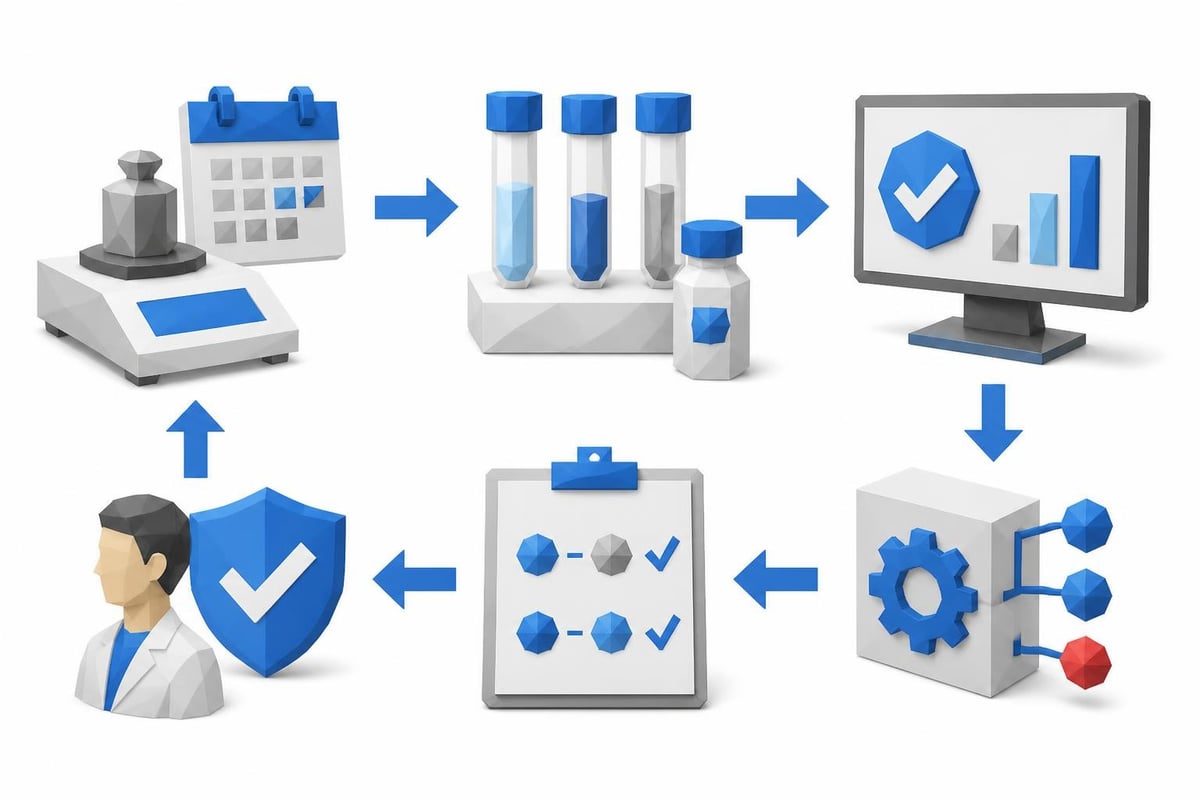
Knowing what a flagged result actually means is only the first step. Understanding appropriate next actions ensures you neither overreact to minor deviations nor underreact to significant abnormalities.
Immediate Actions for Critical Flags
If you receive critically flagged results, particularly through labs without insurance where you're managing your own health screening:
- Contact a healthcare provider immediately: Don't wait for a scheduled appointment
- Go to urgent care or emergency department if you're experiencing symptoms
- Don't ignore laboratory callbacks: If the lab contacts you directly, it indicates serious concern
- Bring all medications and supplements when seeking care, as some can cause laboratory abnormalities
Responding to Standard Flags
For routine high or low flags that aren't in the critical range:
- Review the complete report: Look at related markers and overall patterns
- Compare to previous results: Trends matter more than single data points
- Research the marker: Understanding lab results provides reliable information about common tests
- Consider recent changes: New medications, dietary modifications, or illness can affect results
- Schedule appropriate follow-up: Some flags warrant discussion with a provider; others may simply need retesting in a few months
Building a Health Monitoring Strategy
For proactive health management, consider:
| Strategy | Purpose | Frequency |
|---|---|---|
| Baseline testing | Establish your personal normal | Initially, then annually |
| Targeted monitoring | Track specific concerns or risk factors | Quarterly to annually |
| Symptom-driven testing | Investigate new health issues | As needed |
| Pre/post intervention | Assess treatment or lifestyle changes | Before and 2-3 months after |
When you understand how Justlabs works, you can easily implement this strategy with convenient, affordable testing that provides results in 1-3 days.
Temporal Trends and Serial Testing
A single flagged result tells only part of the story. Understanding what a flagged result actually means often requires examining how values change over time.
The Power of Trend Analysis
Serial measurements reveal:
- Progressive worsening that may warrant earlier intervention
- Improvement in response to treatment or lifestyle changes
- Stability that suggests a benign variant rather than pathology
- Cyclical patterns related to hormonal cycles, seasonal factors, or other rhythms
For example, a thyroid-stimulating hormone (TSH) level that's mildly elevated on a single test might prompt a "wait and see" approach, but the same value showing steady increase over three consecutive tests would strengthen the case for intervention.
Recommended Panel
Complete Thyroid Panel
Save $3Our most comprehensive thyroid panel includes all 5 essential markers: TSH, Free T4, Free T3, Reverse T3, and both thyroid antibodies. Get the complete picture of your thyroid health.
Includes 6 biomarkers
$84
Establishing Your Personal Baseline
Everyone has a unique physiological set point for various biomarkers. Your optimal hemoglobin might be at the high end of normal, while someone else functions best at the lower end. Both are healthy, just different.
Regular testing helps establish your personal baseline, making it easier to recognize meaningful deviations. When you order comprehensive panels through available tests, maintaining your own health records allows you to track these trends even if you use different providers over time.
Common Misconceptions About Flagged Results
Several widespread misunderstandings about what a flagged result actually means can lead to unnecessary anxiety or inappropriate actions.
Misconception: All Flagged Results Are Dangerous
Reality: Most flagged results represent minor deviations that require nothing more than awareness and possibly follow-up testing. Critical flags are relatively uncommon and are typically handled with immediate physician notification rather than routine result delivery.
Misconception: Unflagged Results Mean Perfect Health
Reality: You can have concerning patterns, suboptimal trends, or values that warrant attention even when nothing is flagged. This is particularly true when considering functional medicine perspectives on optimal versus normal ranges.
Misconception: Reference Ranges Are Absolute Standards
Reality: Reference ranges are tools, not immutable laws. They vary by laboratory, methodology, and population. What's flagged at one facility might be normal at another, and both assessments can be valid within their contexts.
Misconception: Flagged Results Always Require Treatment
Reality: Many flagged values are monitored rather than immediately treated. The decision to intervene depends on multiple factors beyond whether a result has a flag, including symptom burden, disease risk, and likelihood that intervention will improve outcomes.
Key Takeaways
Understanding what a flagged result actually means empowers you to be an informed participant in your healthcare rather than a passive recipient of confusing reports. Flags serve as helpful alerts that certain values warrant attention, but they require interpretation within the broader context of your individual health profile, symptoms, trends over time, and demographic factors.
Different types of flags carry different levels of urgency. Critical flags indicating potentially life-threatening abnormalities demand immediate medical attention, while routine high or low flags often simply prompt thoughtful review and possible follow-up testing. The numerical value itself, the magnitude of deviation from the reference range, patterns among related markers, and correlation with clinical symptoms all contribute to determining clinical significance.
Reference ranges represent statistical normality in populations that may not reflect optimal health, and biological individuality means your healthy baseline might differ from population averages. Establishing your personal baseline through serial testing over time provides valuable context for interpreting future results.
Quality laboratories implement rigorous controls to ensure accurate results, but occasional pre-analytical issues, instrument variations, or biological variability can occur. When flagged results seem inconsistent with your clinical picture or previous values, discussing confirmatory testing with a healthcare provider is reasonable.
Frequently Asked Questions
What does it mean when multiple results are flagged on the same test?
Multiple flagged results might indicate a pattern consistent with a specific condition, particularly when the abnormal values are physiologically related. For instance, several flagged markers on a thyroid panel might suggest hypothyroidism, while multiple elevated liver enzymes could indicate hepatic stress. However, multiple flags can also occur by chance, especially on comprehensive panels, or might reflect pre-analytical issues affecting the entire sample. Reviewing the specific markers involved and their relationships helps determine whether the pattern is clinically meaningful.
Should I be worried if a result is flagged but I feel fine?
Not necessarily. Many people have flagged results without symptoms, and many flagged values represent minor deviations or variants of normal for that individual. The absence of symptoms doesn't mean a flag should be ignored, but it does influence the urgency and approach to evaluation. Asymptomatic flagged results often warrant a discussion with a healthcare provider and possibly repeat testing rather than immediate intervention. Some conditions, however, are asymptomatic in early stages, so flagged results shouldn't be dismissed solely because you feel well.
How often should I retest a flagged result?
Retesting timing depends on several factors: the specific marker involved, the degree of abnormality, whether you're experiencing symptoms, and your overall health context. Critically flagged values might need immediate retesting or urgent evaluation, while mildly abnormal results might be rechecked in a few weeks to months. Progressive conditions might require more frequent monitoring than stable abnormalities. Your healthcare provider can recommend appropriate retesting intervals based on the specific circumstances.
Can medications or supplements cause flagged results?
Absolutely. Many medications and supplements affect laboratory values, sometimes causing flags even when everything is functioning normally. Biotin supplements can interfere with multiple assays, thyroid medications alter thyroid hormone levels, and vitamin D supplements raise vitamin D levels. Some medications affect kidney or liver function tests. Always inform your healthcare provider about all medications, supplements, and herbal products you're taking when discussing flagged results, as this context is essential for accurate interpretation.
Do different laboratories use the same reference ranges?
No, reference ranges vary between laboratories based on their testing methodologies, instrumentation, reagents, and reference populations. This is why the same blood sample might be flagged at one lab but not another, and both assessments can be valid. When comparing results from different laboratories or over extended time periods, be aware that changing reference ranges might make historical comparisons less straightforward. Whenever possible, using the same laboratory for serial testing improves trend analysis accuracy.
What's the difference between a flagged result and an abnormal result?
These terms are often used interchangeably, but "flagged" typically refers to the laboratory's automated alert that a value falls outside the reference range, while "abnormal" might carry clinical interpretation that the result is pathological. A result can be flagged without being truly abnormal for that individual, and conversely, a result within the reference range (unflagged) might still be abnormal in context. The distinction emphasizes that flags are tools for attention, while abnormality represents clinical judgment about significance.
Understanding what a flagged result actually means transforms laboratory reports from confusing documents into valuable tools for managing your health. By recognizing that flags are alerts requiring context rather than definitive diagnoses, you can respond appropriately to concerning findings while avoiding unnecessary anxiety about minor deviations. Justlabs makes it easy to take control of your health monitoring with transparent pricing, convenient online ordering, and results in 1-3 days, empowering you to establish your personal baselines and track the trends that matter most for your wellness journey.