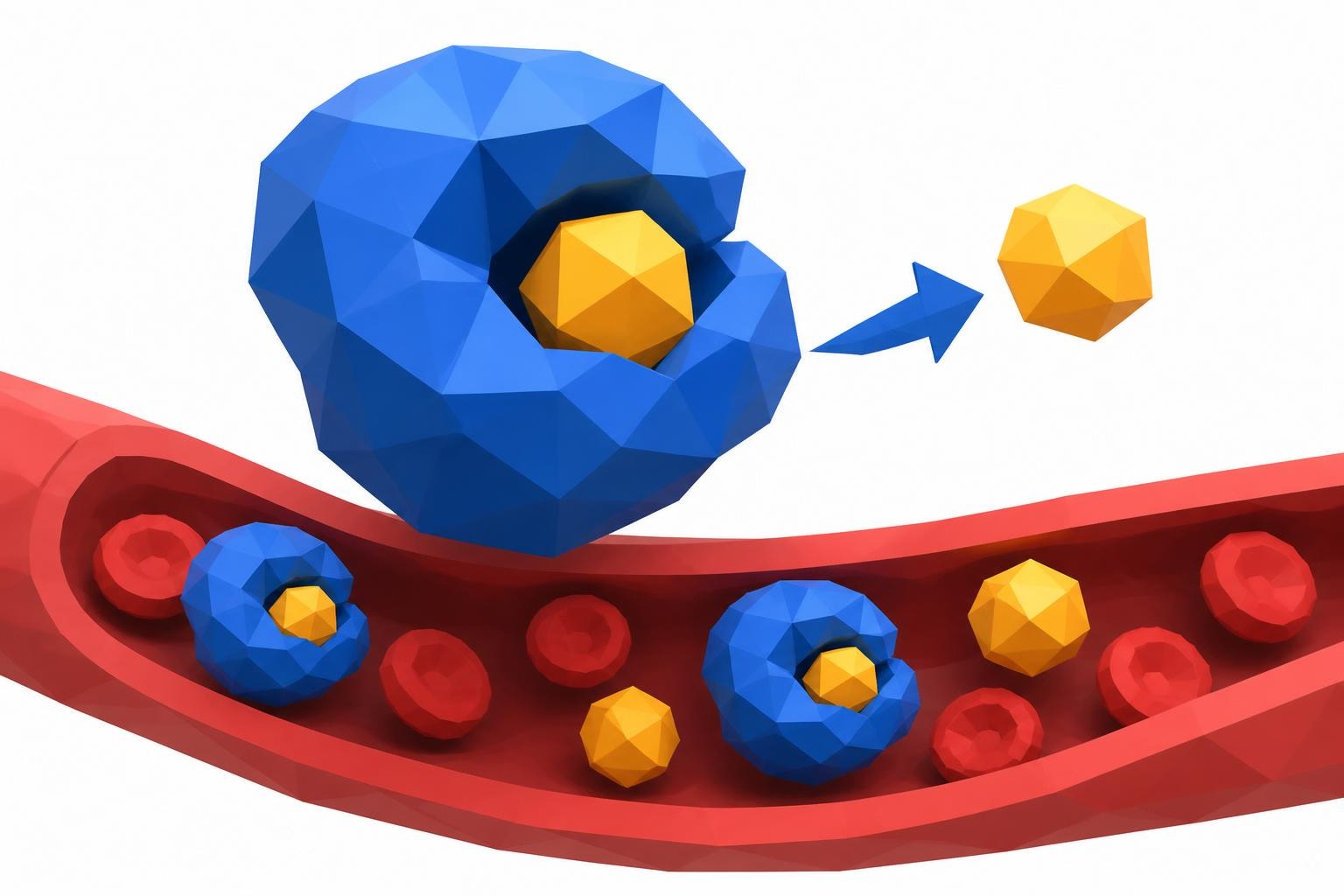
Understanding your hormone test results can feel like decoding a complex puzzle, especially when numbers don't align with how you actually feel. The missing piece often lies in sex hormone binding globulin (SHBG), a carrier protein that fundamentally changes how testosterone and estrogen function in your body. While most people focus exclusively on total hormone levels, SHBG reshapes testosterone estrogen numbers by controlling which hormones are actually available for your cells to use. This protein acts as a molecular taxi service, binding to sex hormones and determining whether they remain in circulation or become biologically active.
What SHBG Does in Your Body
SHBG is a glycoprotein produced primarily in the liver that binds tightly to sex hormones as they travel through your bloodstream. This binding action creates two distinct categories of hormones: bound and free. The SHBG blood test measures the concentration of this carrier protein, providing crucial context for interpreting testosterone and estrogen measurements.
When SHBG attaches to testosterone or estrogen, those hormones become temporarily inactive, unable to enter cells or trigger biological responses. Only the unbound or "free" portion of these hormones can interact with cellular receptors and produce physiological effects. This is why SHBG reshapes testosterone estrogen numbers in such a dramatic way-two people with identical total testosterone levels can experience vastly different symptoms depending on their SHBG concentrations.
The Binding Hierarchy
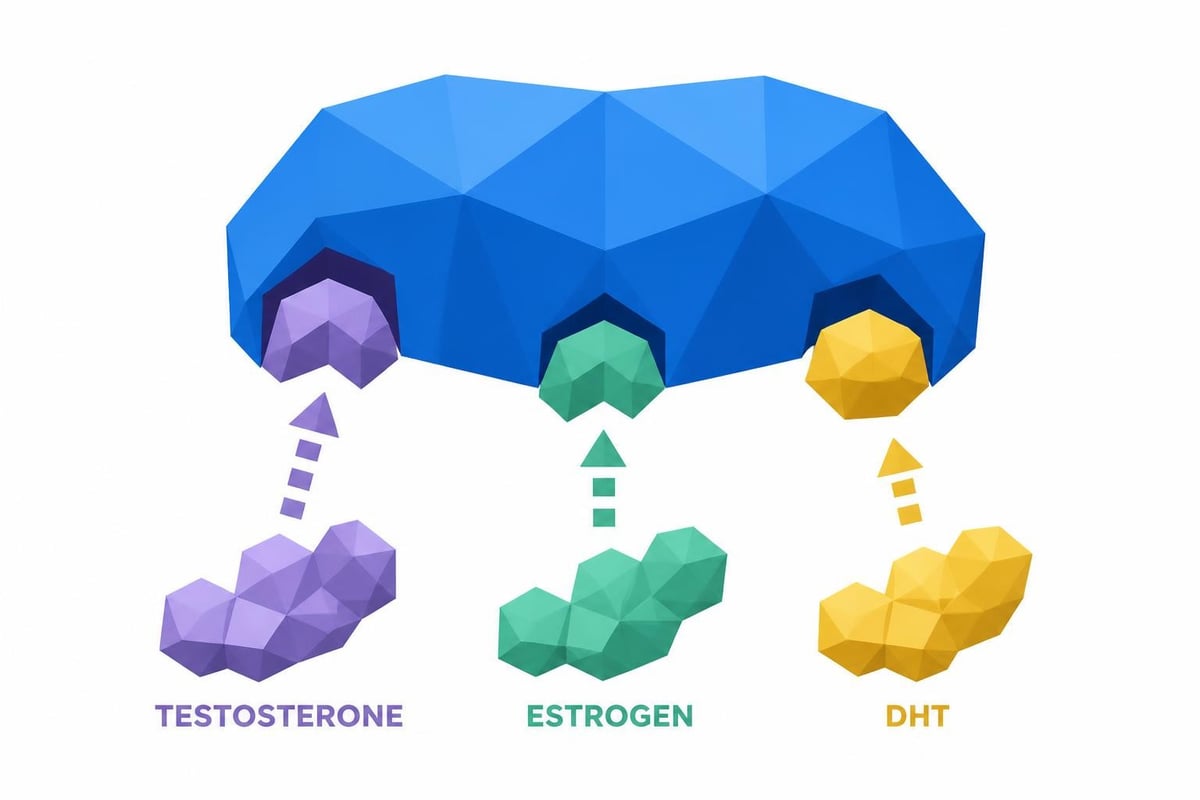
Not all hormones bind to SHBG with equal affinity. The protein shows preferential binding patterns that affect hormone availability:
- Testosterone: Binds strongly to SHBG (approximately 60-70% of total testosterone)
- Estrogen: Binds moderately to SHBG (around 80% of total estradiol)
- DHT (dihydrotestosterone): Binds most tightly to SHBG of all androgens
This hierarchy means that changes in SHBG levels don't affect all hormones equally. A spike in SHBG will sequester more testosterone than it would release estrogen, potentially shifting the functional hormone balance even when absolute levels remain stable.
How SHBG Levels Alter Your Test Results
The relationship between SHBG and sex hormones creates interpretation challenges that catch many people off guard. A total testosterone reading of 500 ng/dL might seem perfectly normal, but the clinical significance depends entirely on SHBG levels. With high SHBG, most of that testosterone remains bound and unavailable, potentially causing symptoms of low testosterone despite "normal" numbers on paper.
Consider these scenarios showing how SHBG reshapes testosterone estrogen numbers:
| SHBG Level | Total Testosterone | Free Testosterone | Clinical Picture |
|---|---|---|---|
| Low (15 nmol/L) | 500 ng/dL | 125 pg/mL | Higher symptoms potential |
| Normal (35 nmol/L) | 500 ng/dL | 85 pg/mL | Typical balance |
| High (65 nmol/L) | 500 ng/dL | 45 pg/mL | Possible deficiency symptoms |
Understanding these dynamics explains why ordering comprehensive hormone testing that includes SHBG provides much more actionable information than total hormone measurements alone.
The Free Hormone Hypothesis
The free hormone hypothesis states that only unbound hormones can cross cell membranes and activate receptors. While some research suggests weakly bound hormones (attached to albumin rather than SHBG) may also have biological activity, SHBG-bound hormones are considered functionally inactive. This makes SHBG the primary gatekeeper controlling hormone bioavailability.
When you test hormones without measuring SHBG, you're only seeing part of the picture. Understanding lab results requires context about how much of your total hormone pool is actually free to work in your tissues.
Factors That Change SHBG Levels
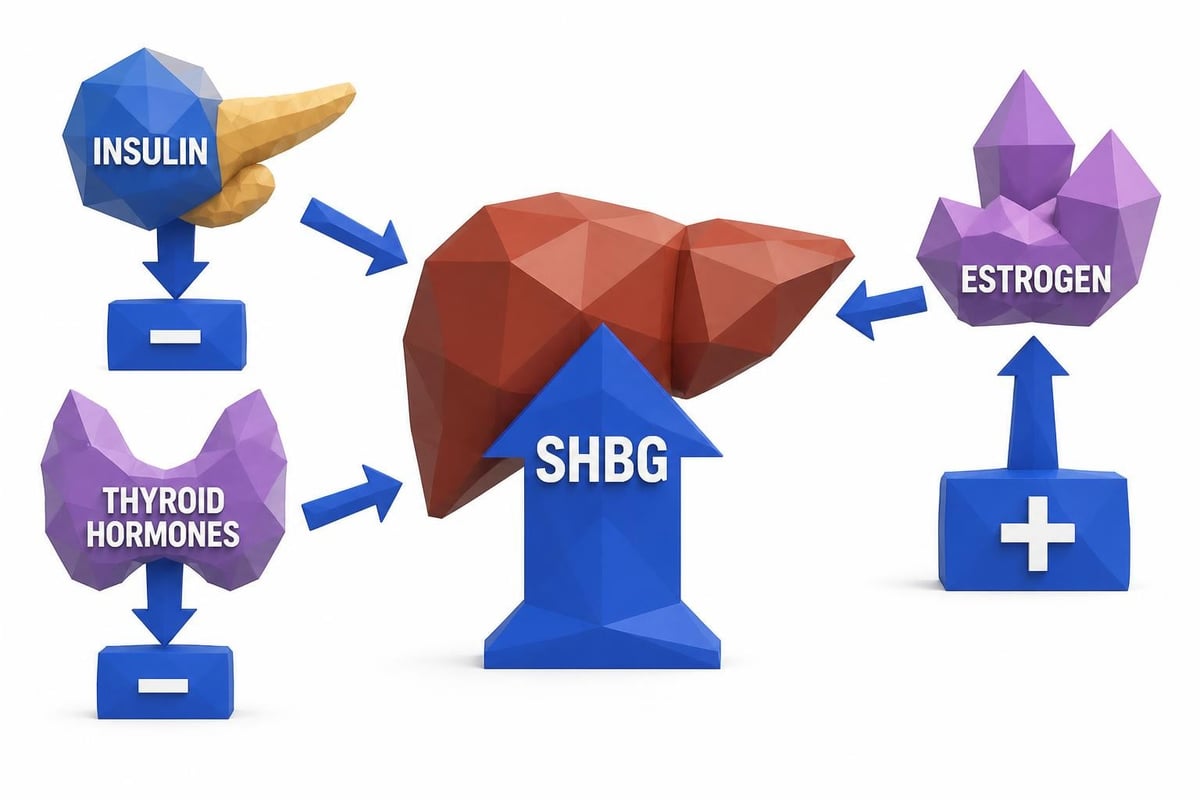
Numerous physiological conditions and lifestyle factors influence SHBG production, which in turn affects how SHBG reshapes testosterone estrogen numbers. The liver produces SHBG in response to various hormonal and metabolic signals, creating a dynamic system that adjusts based on your body's needs and environment.
Factors that increase SHBG:
- Estrogen and thyroid hormone stimulation
- Aging (particularly in men)
- Hyperthyroidism
- Liver disease (certain types)
- Low protein diets
- Some medications (oral contraceptives, hormone replacement therapy)
Factors that decrease SHBG:
- Insulin resistance and type 2 diabetes
- Obesity and excess body fat
- Hypothyroidism
- High androgen levels
- Growth hormone excess
- Corticosteroid use
The connection between low SHBG levels and metabolic syndrome is particularly noteworthy. Insulin resistance suppresses SHBG production, creating a situation where total testosterone might appear normal while free testosterone becomes excessively elevated. This can contribute to symptoms and health issues despite seemingly adequate test results.
SHBG Reference Ranges and Optimal Levels
Laboratory reference ranges for SHBG vary by sex and age, reflecting natural differences in hormone regulation. Standard ranges typically fall between:
- Men: 10-57 nmol/L
- Women (premenopausal): 18-114 nmol/L
- Women (postmenopausal): 20-128 nmol/L
However, optimal SHBG levels may differ from the broad reference ranges used by most laboratories. Many functional medicine practitioners consider tighter ranges more appropriate for optimal health and symptom management.
Interpreting SHBG with Hormone Levels
The true value of SHBG testing emerges when you analyze it alongside total hormone measurements. This combination allows calculation of free hormone levels using established formulas. While direct free testosterone assays exist, calculated free testosterone based on total testosterone and SHBG often provides more reliable results.
| Test Combination | Information Gained | Clinical Value |
|---|---|---|
| Total T only | Bound + free hormones combined | Limited without context |
| Total T + SHBG | Calculated free testosterone | High - reveals bioavailable hormones |
| Free T + Total T + SHBG | Complete hormone picture | Highest - validates all measurements |
Many people discover that SHBG testing explains symptoms that didn't match their initial hormone results. When ordering labs without a doctor, including SHBG ensures you're getting comprehensive hormone assessment from the start.
Clinical Significance for Men
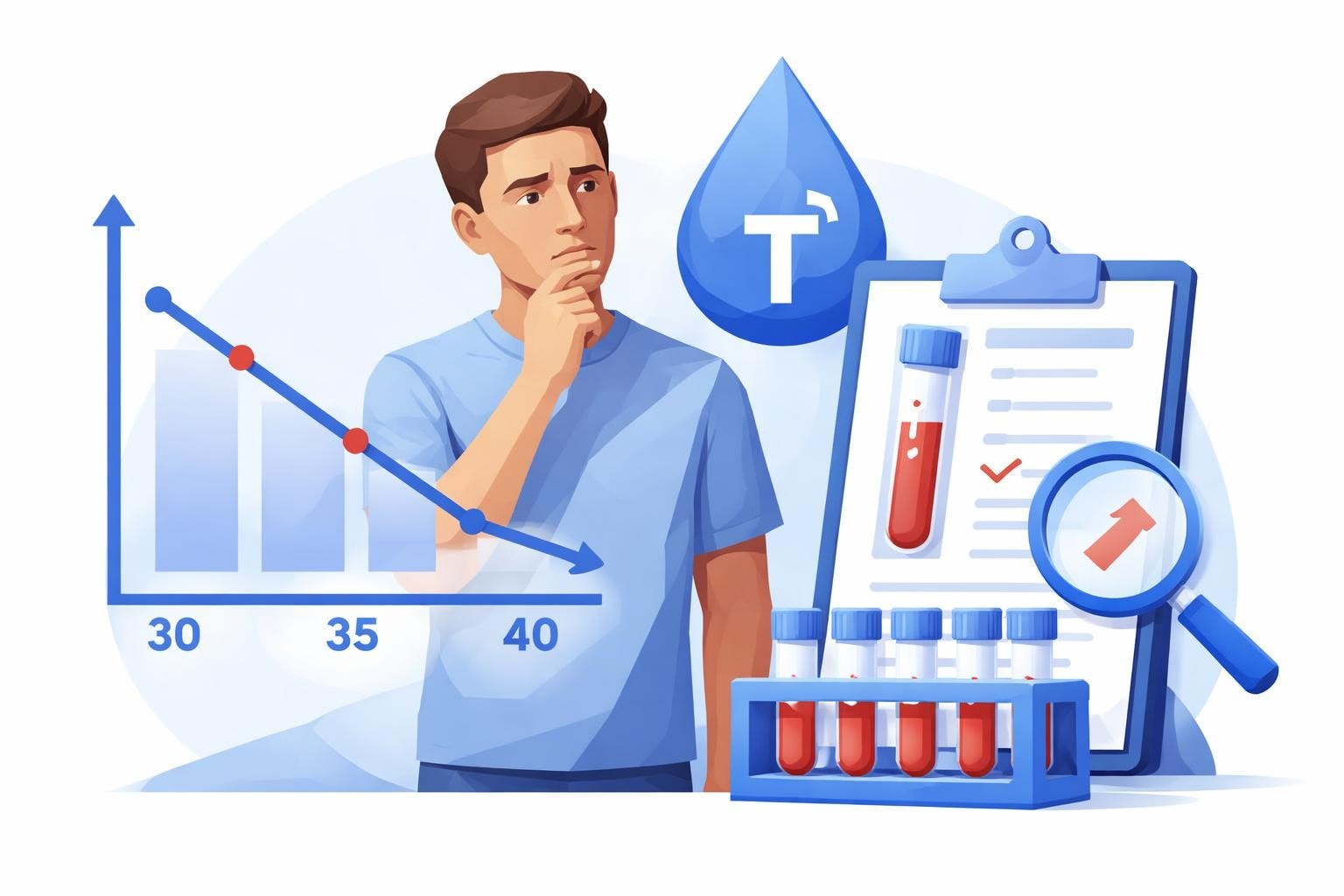
In men, SHBG reshapes testosterone estrogen numbers in ways that profoundly impact energy, libido, muscle mass, and metabolic health. As men age, SHBG levels typically increase while total testosterone gradually declines. This combination creates a double impact: less hormone production paired with greater binding, resulting in significantly reduced free testosterone.
Age-Related Changes
The typical male aging pattern shows:
- Total testosterone: Declines 1-2% annually after age 30
- SHBG: Increases approximately 1.3% annually
- Free testosterone: Drops more rapidly than total testosterone (2-3% annually)
This explains why some older men with "acceptable" total testosterone levels experience classic low testosterone symptoms. The detailed analysis of SHBG's function reveals how this protein mediates age-related hormone decline beyond simple production decreases.
Metabolic Syndrome Connection
Low SHBG in men often signals insulin resistance and metabolic dysfunction. When SHBG drops below 20 nmol/L, free testosterone rises disproportionately, which might seem beneficial but actually indicates metabolic problems. This pattern frequently accompanies:
- Abdominal obesity
- Elevated triglycerides
- High blood pressure
- Impaired glucose tolerance
Monitoring SHBG alongside metabolic markers helps identify men at risk for cardiovascular disease and diabetes, making it a valuable screening tool beyond hormone assessment.
Recommended Panel
Male Hormone Panel
Save $9This comprehensive panel measures testosterone (free and total), plus the supporting hormones that affect how testosterone works in your body: SHBG, estradiol sensitive, DHEA-S, and cortisol.
Includes 6 biomarkers
$101
Clinical Significance for Women
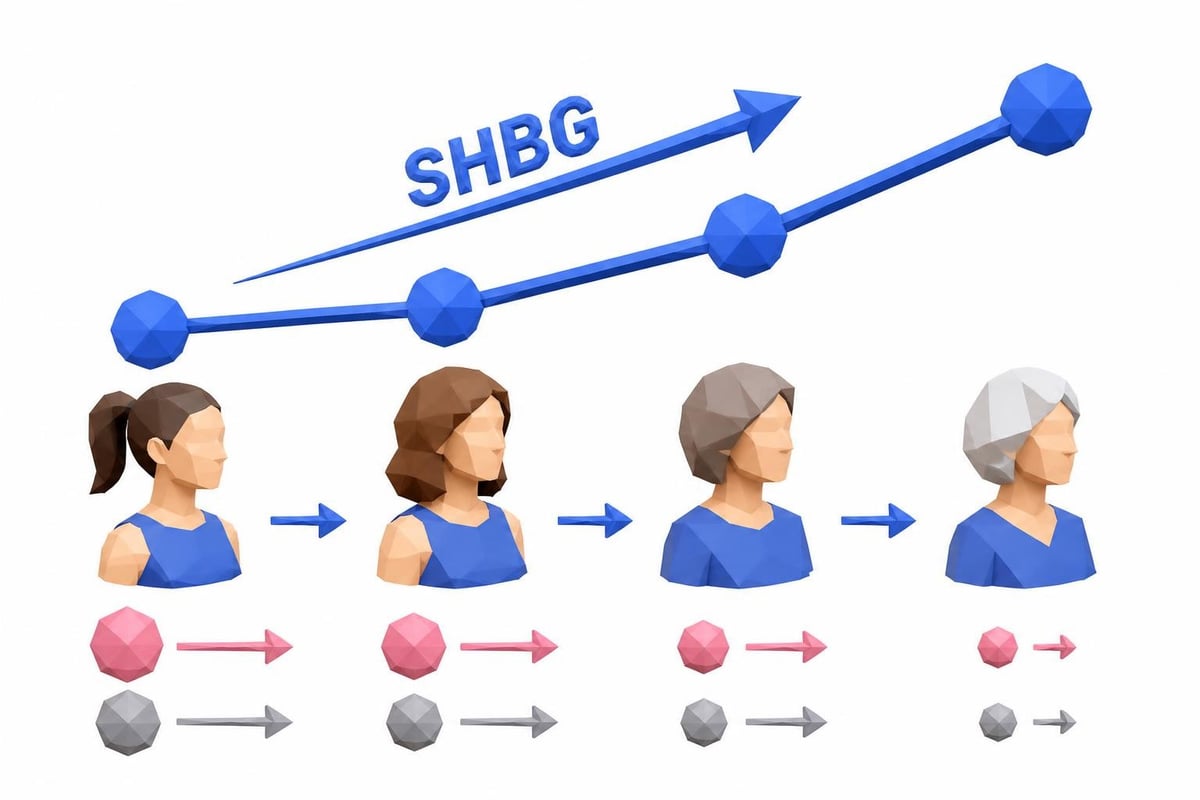
For women, SHBG's role in reshaping hormone numbers affects menstrual regularity, fertility, skin health, and metabolic function. The protein's concentration varies throughout the menstrual cycle and changes dramatically during pregnancy and menopause.
Polycystic Ovary Syndrome (PCOS)
Women with PCOS typically present with low SHBG levels, often below 30 nmol/L. This reduction, driven by insulin resistance and elevated androgens, creates a harmful feedback loop. Lower SHBG means more free testosterone, which worsens symptoms like:
- Irregular periods
- Acne and oily skin
- Excess facial and body hair
- Weight gain and difficulty losing weight
Tracking SHBG helps monitor PCOS treatment effectiveness. As insulin sensitivity improves through lifestyle changes or medications like metformin, SHBG levels typically rise, indicating improved hormone balance.
Oral Contraceptives and Hormone Therapy
Oral contraceptives containing synthetic estrogen dramatically increase SHBG production, sometimes doubling or tripling baseline levels. While this reduces free testosterone and can help with acne or hirsutism, it also creates challenges when trying to assess natural hormone status. Women on hormonal contraceptives need specialized interpretation of hormone testing results to account for medication effects.
Recommended Panel
Female Hormone Panel
Save $7This comprehensive panel measures all major female hormones: estrogen, progesterone, reproductive hormones (FSH/LH), and androgens (testosterone/DHEA-S) - essential for understanding hormonal balance.
Includes 7 biomarkers
$105
Testing Strategy and Timing
Strategic timing and test selection maximize the value of SHBG and hormone assessment. Understanding when and what to test ensures you receive actionable information rather than confusing data points.
Optimal testing approach:
- Morning collection (7-9 AM) for testosterone testing
- Fasting state preferred but not always required
- Include total testosterone, SHBG, and estradiol at minimum
- Consider adding luteinizing hormone (LH) and follicle-stimulating hormone (FSH)
- Repeat testing 4-6 weeks apart to confirm abnormal findings
The morning timing matters particularly for men, as testosterone levels peak shortly after waking and decline throughout the day. Testing in the afternoon might show artificially low results that don't represent peak production capacity.
Comprehensive Panels vs. Individual Tests
While you can order SHBG as a standalone test, combining it with related markers provides superior clinical insight. Many people find that comprehensive testing options offer better value and more complete information than piecemeal approaches.
Recommended Test
Sex Hormone Binding Globulin
SHBG is a protein that binds testosterone and estrogen in your blood. Understanding SHBG levels helps interpret how much sex hormone is actually available for your body to use.
Includes 1 biomarkers
$18
How SHBG Affects Treatment Decisions
When SHBG reshapes testosterone estrogen numbers, it directly influences treatment strategies for hormone imbalances. Providers consider SHBG levels when determining whether hormone replacement therapy is appropriate and which formulations to use.
Testosterone Replacement Considerations
Men with low total testosterone but also low SHBG may have adequate free testosterone despite concerning total levels. Conversely, men with normal total testosterone but very high SHBG might benefit from intervention despite numbers that appear acceptable. What SHBG measures helps clinicians make these nuanced decisions.
Treatment approaches vary based on SHBG status:
- High SHBG: May require higher testosterone doses to achieve therapeutic free levels
- Low SHBG: Often indicates metabolic issues requiring lifestyle intervention first
- Normal SHBG with low total testosterone: Straightforward replacement candidate
Monitoring Treatment Progress
Regular SHBG monitoring during hormone therapy helps optimize dosing and identify complications. Some testosterone formulations affect SHBG production, creating feedback loops that require dose adjustments. Checking SHBG every 3-6 months during the first year of treatment, then annually once stable, ensures therapy remains effective and safe.
SHBG and Overall Health Markers
Beyond its direct effects on hormone availability, SHBG serves as a biomarker for broader health conditions. The protein's sensitivity to metabolic and hepatic function makes it a valuable indicator of systemic health status.
Metabolic Health Indicator
Low SHBG correlates strongly with insulin resistance, metabolic syndrome, and type 2 diabetes risk. Studies show that men with SHBG below 20 nmol/L face significantly elevated diabetes risk compared to those with levels above 40 nmol/L. This relationship holds independent of obesity, making SHBG a useful early warning signal.
Tracking SHBG alongside metabolic markers creates a comprehensive health picture:
| Marker | What It Reveals | Relationship to SHBG |
|---|---|---|
| Fasting glucose | Blood sugar control | Inversely related |
| Hemoglobin A1c | Long-term glucose levels | Inversely related |
| Triglycerides | Fat metabolism | Inversely related |
| HDL cholesterol | Cardiovascular risk | Directly related |
Including metabolic markers when you order comprehensive testing provides context for SHBG results and identifies opportunities for preventive intervention.
Thyroid Function Connection
Thyroid hormones stimulate SHBG production, creating a direct link between thyroid status and sex hormone availability. Hyperthyroidism elevates SHBG, potentially reducing free testosterone and estrogen despite normal or high total levels. Hypothyroidism suppresses SHBG, increasing free hormone concentrations.
This connection means that unexplained SHBG abnormalities should prompt thyroid evaluation. Understanding how sex hormone binding globulin functions in concert with thyroid hormones helps identify the root causes of hormone imbalances.
Lifestyle Factors That Influence SHBG
While genetics establish your baseline SHBG production capacity, lifestyle factors significantly modify actual levels. These modifiable influences provide opportunities to optimize hormone balance through behavioral changes rather than medications.
Lifestyle interventions that raise SHBG:
- Weight loss and body fat reduction
- High-fiber diets
- Regular aerobic exercise
- Moderate alcohol consumption (compared to heavy use)
- Adequate sleep (7-9 hours nightly)
Lifestyle factors that lower SHBG:
- Weight gain and obesity
- High sugar and refined carbohydrate intake
- Sedentary behavior
- Chronic stress
- Sleep deprivation
The insulin resistance connection explains many of these relationships. Actions that improve insulin sensitivity tend to normalize SHBG, while those that worsen metabolic health suppress production. This creates opportunities for natural intervention before considering pharmaceutical approaches.
Diet and SHBG Production
Specific dietary patterns influence SHBG levels through multiple mechanisms. Low-carbohydrate diets that improve insulin sensitivity often raise SHBG in people with metabolic dysfunction. Conversely, very low-calorie diets can suppress SHBG production as part of the body's metabolic adaptation to energy restriction.
Fiber intake shows particularly strong associations with SHBG levels. Diets providing 25-35 grams of fiber daily support healthy SHBG production by:
- Slowing glucose absorption and reducing insulin spikes
- Promoting beneficial gut bacteria that influence hormone metabolism
- Binding to estrogens in the digestive tract, reducing enterohepatic recirculation
- Supporting liver health and optimal protein synthesis
SHBG reshapes testosterone estrogen numbers by controlling how much of these hormones actually reach your tissues and produce biological effects. Understanding your SHBG levels transforms confusing test results into actionable health information, revealing whether hormone imbalances stem from production issues or binding protein abnormalities. Justlabs makes comprehensive hormone testing accessible and affordable, allowing you to order the complete panel including SHBG, testosterone, and estrogen without insurance hassles or doctor referrals, with results delivered in 1-3 days so you can take control of your hormone health.