Many men assume hormonal decline is a problem reserved for their 50s or 60s, but the reality is quite different. Low testosterone in your 30s has become increasingly common, affecting men who should be in their physical prime. Unlike previous generations, today's thirty-something men face unique lifestyle and environmental factors that can suppress testosterone production earlier than expected. Understanding which lab tests to order and how to interpret your results is the first step toward addressing this condition with precision and confidence.
Why Low Testosterone in Your 30s Is More Common Than You Think
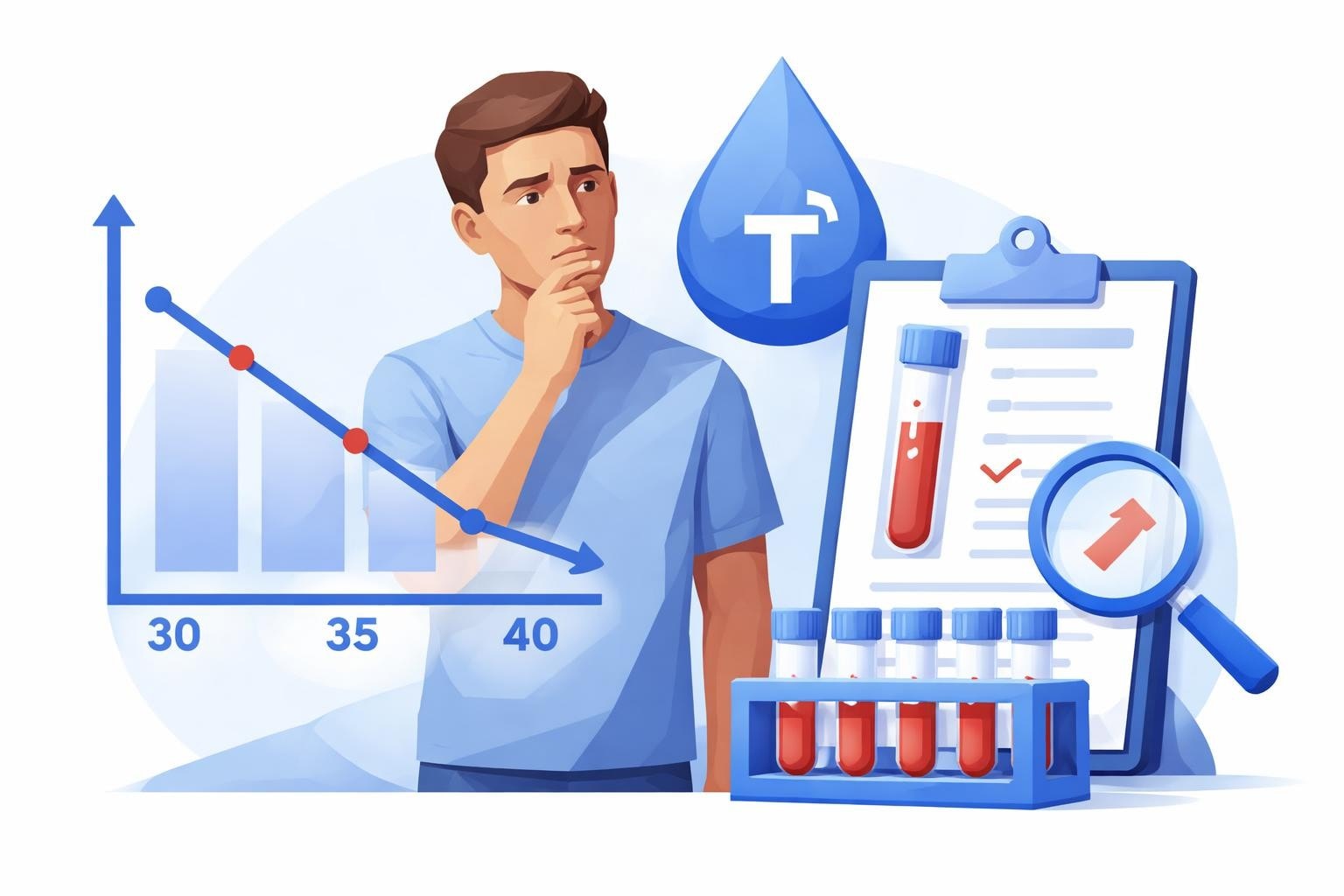
The prevalence of hormonal issues among younger men has risen dramatically over the past two decades. Research indicates that average testosterone levels have declined by approximately 1% per year since the 1980s, meaning men today have significantly lower levels than their fathers did at the same age.
Several interconnected factors explain this trend. Chronic stress elevates cortisol, which directly suppresses testosterone production. Poor sleep quality disrupts the body's natural hormone synthesis, which primarily occurs during deep sleep cycles. Obesity and metabolic syndrome create a vicious cycle where excess body fat increases aromatase enzyme activity, converting testosterone into estrogen.
Environmental exposures play an equally important role. Endocrine-disrupting chemicals found in plastics, personal care products, and processed foods interfere with hormone production. Common myths about testosterone levels often obscure these real, measurable causes.
The Financial Reality of Getting Tested
Traditional healthcare pathways create unnecessary barriers to diagnosis. Most insurance plans require you to demonstrate specific symptoms before authorizing hormone testing, and even then, coverage may be limited. Co-pays, deductibles, and the time cost of multiple doctor visits add up quickly.
This is where ordering labs without a doctor becomes a practical alternative. Direct-to-consumer lab testing eliminates the gatekeeping process while providing the same clinical-grade analysis you would receive through conventional channels.
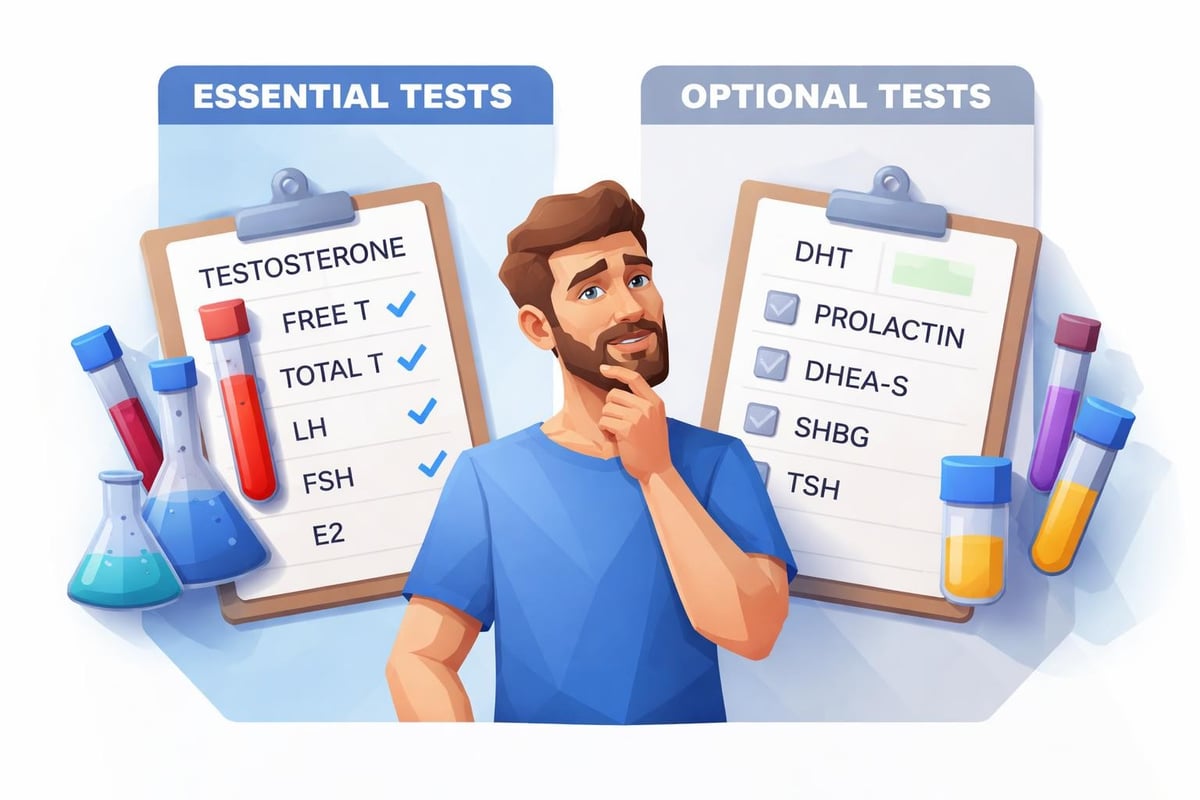
Essential Lab Tests for Low Testosterone in Your 30s
When investigating potential hormonal issues, ordering the right panel makes the difference between useful data and wasted money. A single testosterone reading provides limited information without context from related markers.
Total Testosterone
This is your baseline measurement, reflecting the combined amount of bound and unbound testosterone in your bloodstream. Normal ranges typically fall between 300-1,000 ng/dL, but optimal levels for men in their 30s should ideally sit above 500 ng/dL.
Total testosterone alone doesn't tell the complete story. A man with a total testosterone of 450 ng/dL might have normal free testosterone if his binding proteins are low, or he might have insufficient free testosterone if binding proteins are elevated.
Free Testosterone
This measures the biologically active portion of testosterone that isn't bound to proteins. Only 2-3% of your total testosterone circulates freely, but this fraction is what actually enters cells and produces physiological effects.
Free testosterone provides insight into what your body can actually use. Men experiencing symptoms of low testosterone in your 30s may have normal total testosterone but insufficient free testosterone due to elevated sex hormone-binding globulin (SHBG).
Recommended Panel
Male Hormone Panel
Save $9This comprehensive panel measures testosterone (free and total), plus the supporting hormones that affect how testosterone works in your body: SHBG, estradiol sensitive, DHEA-S, and cortisol.
Includes 6 biomarkers
$101
Sex Hormone-Binding Globulin (SHBG)
SHBG is a protein that binds to testosterone, making it unavailable for use by your tissues. Higher SHBG levels effectively reduce the amount of active testosterone your body can access, even when total testosterone appears normal.
Several factors influence SHBG levels:
- Thyroid function: Hyperthyroidism raises SHBG
- Liver health: Liver disease can alter SHBG production
- Insulin resistance: Higher insulin levels suppress SHBG
- Age: SHBG naturally increases with age, though this effect typically starts later than the 30s
Luteinizing Hormone (LH) and Follicle-Stimulating Hormone (FSH)
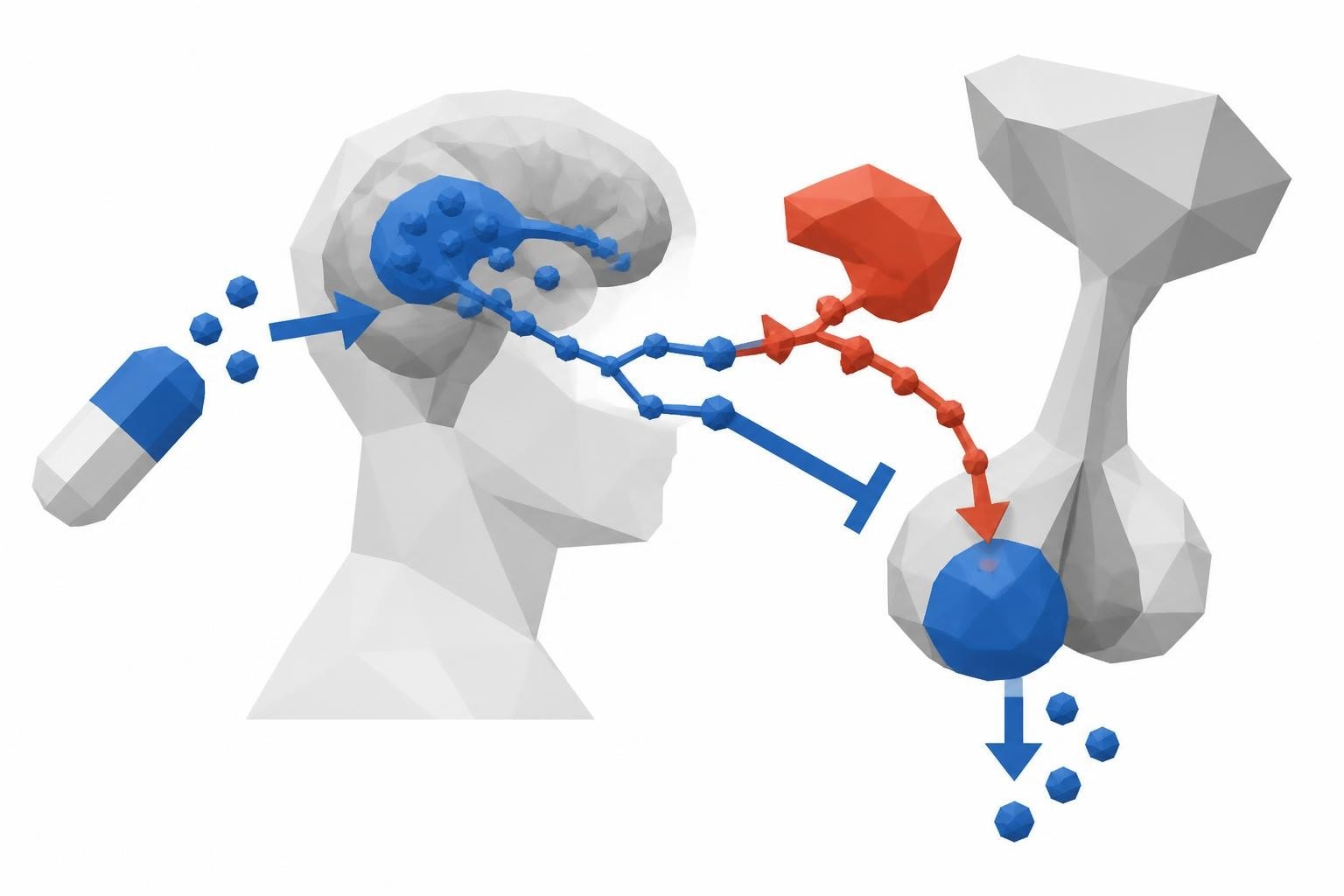
These pituitary hormones signal your testicles to produce testosterone. Measuring LH and FSH helps determine whether low testosterone originates from testicular dysfunction (primary hypogonadism) or pituitary/hypothalamus problems (secondary hypogonadism).
| Hormone Pattern | LH Level | FSH Level | Interpretation |
|---|---|---|---|
| Primary hypogonadism | High | High | Testicles aren't responding to signals |
| Secondary hypogonadism | Low or normal | Low or normal | Brain isn't sending adequate signals |
| Normal function | Normal | Normal | Hormone signaling is appropriate |
Estradiol (E2)
Estradiol is the primary estrogen in men, produced when testosterone converts via the aromatase enzyme. Balanced estradiol is essential for bone health, libido, and cognitive function, but excessive levels can cause feminizing effects and worsen testosterone production.
Men with higher body fat percentages often show elevated estradiol because adipose tissue contains high concentrations of aromatase. This creates a feedback loop where low testosterone symptoms worsen as more testosterone converts to estrogen.
Supporting Lab Tests That Complete the Picture
Understanding low testosterone in your 30s requires looking beyond sex hormones to identify underlying causes and contributing factors.
Thyroid Panel (TSH, Free T3, Free T4)
Thyroid hormones regulate metabolism and energy production, directly influencing testosterone synthesis. Both hypothyroidism and hyperthyroidism can suppress testosterone levels through different mechanisms. A comprehensive thyroid panel reveals whether thyroid dysfunction contributes to your symptoms.
Vitamin D (25-Hydroxyvitamin D)
Despite its name, vitamin D functions more like a hormone than a vitamin. Adequate vitamin D levels support testosterone production, with studies showing correlations between vitamin D deficiency and reduced testosterone. Optimal levels should exceed 40 ng/mL, though many men fall below 30 ng/mL.
Complete Blood Count (CBC)
A CBC provides valuable baseline data about your overall health. Red blood cell counts, hemoglobin, and hematocrit offer insight into how your body might respond to testosterone optimization. Some men have naturally elevated hematocrit, which can become problematic if testosterone therapy is initiated without this baseline knowledge.
Comprehensive Metabolic Panel (CMP)
This panel assesses liver and kidney function, electrolyte balance, and blood glucose levels. Since metabolic dysfunction often accompanies hormonal issues, a CMP identifies problems that might undermine testosterone production or complicate treatment.
Key markers to monitor:
- Fasting glucose and HbA1c for insulin resistance
- ALT and AST for liver health
- Creatinine for kidney function
- Total protein and albumin for nutritional status
Interpreting Your Results: Beyond the Reference Range
Laboratory reference ranges represent the middle 95% of tested populations, which includes men of all ages and health conditions. For men experiencing low testosterone in your 30s, falling within the reference range doesn't necessarily mean your levels are optimal.
A 32-year-old man with total testosterone of 350 ng/dL is technically "normal" by most lab standards, but this level is more appropriate for someone in their 70s. Context matters enormously when evaluating hormone levels.
What Your Numbers Actually Mean
Understanding the relationship between different markers helps you see the complete picture:
If your total testosterone is low but LH and FSH are also low, your pituitary isn't sending adequate signals to your testicles. This pattern suggests secondary hypogonadism, potentially caused by stress, poor sleep, or pituitary dysfunction.
If your total testosterone is low but LH and FSH are elevated, your testicles aren't responding properly to hormonal signals. This indicates primary hypogonadism, which might result from genetic factors, previous infections, or testicular damage.
The Free Testosterone Calculation
Many labs calculate free testosterone using total testosterone and SHBG levels rather than measuring it directly. While direct measurement is more accurate, the calculated value provides useful information when understanding lab test pricing becomes a consideration.
The free androgen index (FAI) offers another way to assess bioavailable testosterone:
FAI = (Total Testosterone / SHBG) × 100
Higher ratios indicate more testosterone is available for use, while lower ratios suggest that binding proteins are sequestering too much testosterone.
When to Retest and How to Track Changes
A single lab test provides a snapshot, but testosterone levels fluctuate based on time of day, stress levels, sleep quality, and recent physical activity. For accurate assessment, testing should occur under consistent conditions.
Optimal Testing Conditions
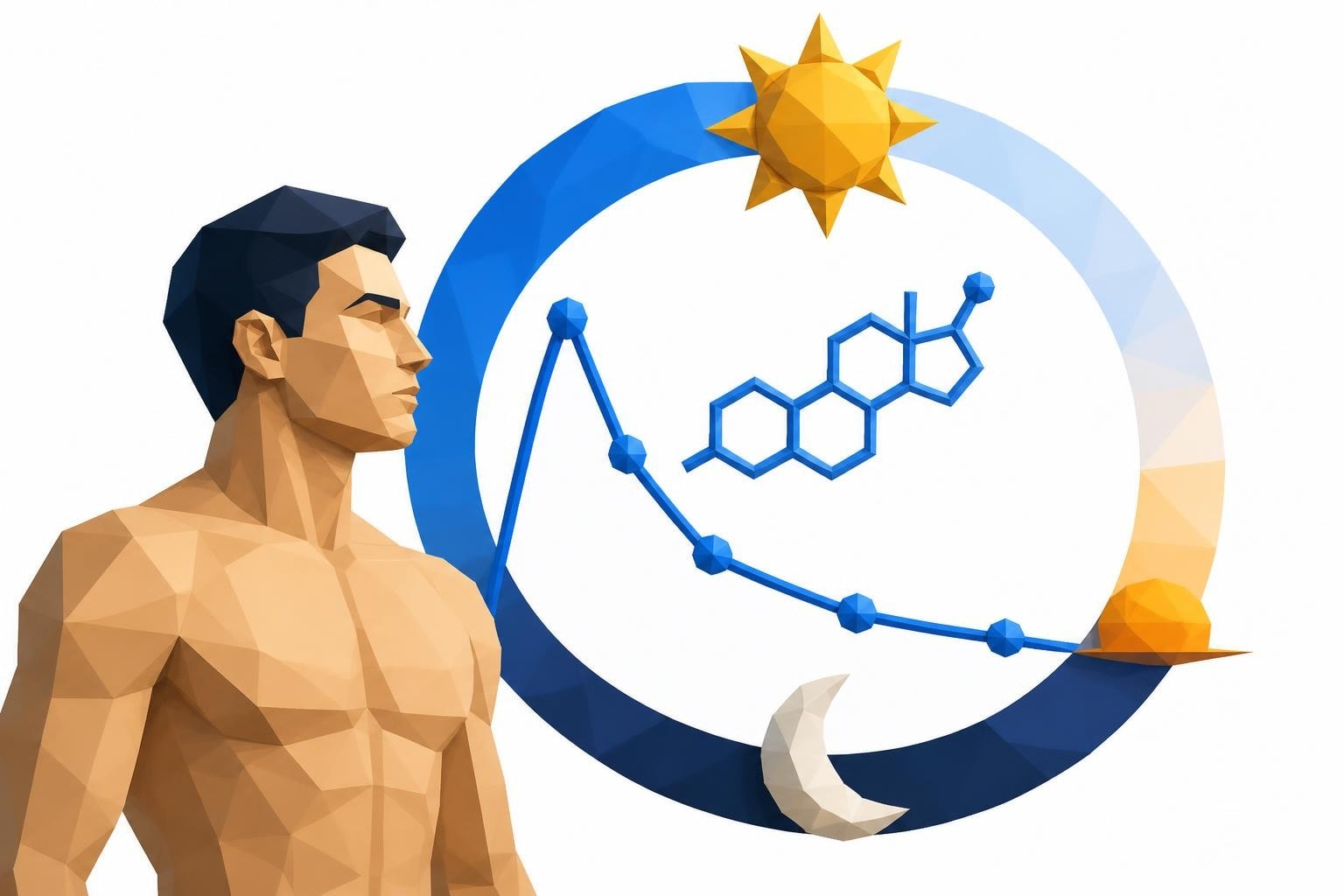
Testosterone levels peak in the morning and decline throughout the day. To establish an accurate baseline, schedule blood draws between 7:00 AM and 10:00 AM. Avoid intense exercise for 24 hours before testing, as heavy training can temporarily suppress testosterone.
Testing protocol for reliability:
- Schedule testing for early morning (7-10 AM)
- Ensure adequate sleep the night before (minimum 7 hours)
- Fast for 8-12 hours (water is permitted)
- Avoid alcohol for 48 hours prior
- Minimize stress on testing day
Retest Intervals
If your initial results show low testosterone in your 30s, confirm the finding with a second test performed 2-4 weeks later. Hormone levels can vary by 20-30% between tests, so a single low result shouldn't drive treatment decisions.
Once you establish a baseline, retest every 3-6 months to track trends. If you implement lifestyle changes or begin treatment, retest after 6-8 weeks to assess the impact.
Natural Interventions and What to Monitor
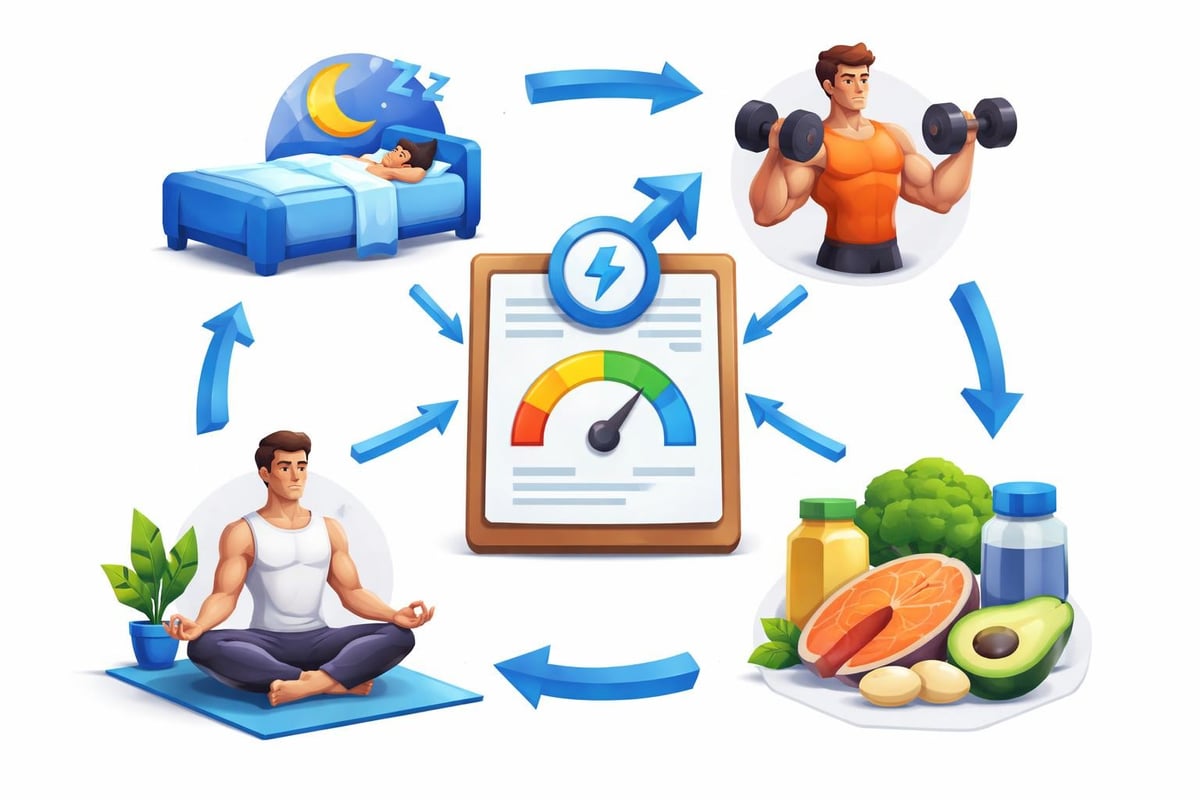
Before pursuing medical treatment, many men can improve testosterone levels through targeted lifestyle modifications. Research from Harvard Health emphasizes the importance of addressing root causes rather than immediately jumping to hormone replacement.
Sleep Optimization
Testosterone production occurs primarily during deep sleep stages. Men who consistently sleep fewer than 6 hours per night show testosterone levels 10-15% lower than those who sleep 7-8 hours. Sleep quality matters as much as duration.
Track your interventions by retesting after 8-12 weeks of improved sleep habits. Look for increases in total testosterone, free testosterone, and improvements in the LH/FSH ratio.
Strength Training and Body Composition
Resistance training stimulates testosterone production through multiple pathways. Compound movements like squats, deadlifts, and bench presses provide the greatest hormonal response. Simultaneously, reducing body fat percentage decreases aromatase activity and estrogen conversion.
Monitor these markers when implementing training programs:
- Total and free testosterone
- Estradiol levels
- Body composition changes
- SHBG (which often decreases with improved insulin sensitivity)
Stress Management and Cortisol
Chronic stress elevates cortisol, which directly antagonizes testosterone production. While a single cortisol test provides limited information due to high variability, tracking the ratio between cortisol and testosterone over time reveals whether stress is undermining your hormonal health.
Consider adding a cortisol test to your panel if you experience:
- High-stress occupation
- Poor stress recovery
- Sleep disturbances
- Anxiety or mood changes
The Justlabs Advantage for Testosterone Testing
Traditional healthcare systems create unnecessary friction when investigating hormonal health. Long wait times for appointments, insurance authorization requirements, and limited test selection often delay diagnosis by months.
Direct lab testing through services like Justlabs removes these barriers entirely. You select your tests, schedule a convenient draw time at thousands of locations nationwide, and receive results within 1-3 days. The transparent pricing model means you know exactly what you're paying before ordering.
For men investigating low testosterone in your 30s, this approach offers several distinct advantages:
Speed: Results in 1-3 days versus weeks through traditional channels
Privacy: No insurance claims or medical record entries
Cost transparency: Fixed pricing regardless of insurance status
Comprehensive options: Access to complete hormone panels, not just basic tests
Convenience: No doctor visit required to order tests
The ability to access lab testing without insurance has transformed how proactive men approach their health. Rather than waiting for symptoms to become severe enough to warrant medical attention, you can establish baselines and track trends before problems develop.
Creating Your Testing Strategy
Building an effective testing plan requires balancing comprehensive information with practical budget considerations. Not everyone needs every test immediately.
Starter Panel for Initial Assessment
If you suspect low testosterone in your 30s but want to start with essential information, this minimal panel provides actionable data:
- Total Testosterone
- Free Testosterone
- SHBG
- Estradiol
This combination reveals whether your testosterone is low, how much is bioavailable, and whether estrogen conversion is excessive. Total cost for this panel through direct-to-consumer services typically ranges from $150-250, compared to $500-800+ when billed through insurance with deductibles applied.
Comprehensive Panel for Complete Understanding
For men who want complete diagnostic clarity, add these tests to the starter panel:
- LH and FSH
- TSH, Free T3, Free T4
- Vitamin D
- Complete Blood Count
- Comprehensive Metabolic Panel
This expanded panel identifies underlying causes, assesses overall health status, and establishes baselines for all related systems. Understanding how lab testing works helps you see why comprehensive testing provides better value than piecemeal approaches.
Recommended Panel
Comprehensive Wellness Panel
Save $4.5Our most thorough health screening covers blood cells, organ function, cholesterol, thyroid, blood sugar, vitamin D, inflammation, and iron - everything you need for a complete health picture.
Includes 44 biomarkers
$94
Fasting required
Follow-Up Testing Protocol
Once you establish baselines and implement interventions, focused retesting tracks progress without unnecessary expense:
3-month follow-up: Total testosterone, free testosterone, estradiol
6-month follow-up: Complete panel to reassess all markers
Annual testing: Full comprehensive panel for ongoing monitoring
Red Flags That Require Medical Consultation
While direct lab testing provides valuable diagnostic information, certain findings warrant consultation with a healthcare provider who specializes in hormone optimization. Self-directed testing should complement, not replace, professional medical guidance when serious abnormalities appear.
Seek immediate medical consultation if your results show:
- Total testosterone below 200 ng/dL
- Extremely elevated LH/FSH (suggesting testicular failure)
- Signs of pituitary tumor (very low LH with low testosterone)
- Severe abnormalities in liver or kidney function
- Significant blood count abnormalities
Additionally, if lifestyle interventions fail to improve levels after 6 months of consistent effort, professional guidance can help determine whether medical treatment is appropriate.
Beyond the Numbers: Symptoms Matter
Laboratory values provide objective data, but symptoms ultimately determine whether low testosterone in your 30s requires intervention. Some men function perfectly well with testosterone levels that would cause significant problems for others.
Common symptoms to track alongside lab values:
- Persistent fatigue despite adequate sleep
- Decreased libido or erectile dysfunction
- Difficulty building or maintaining muscle mass
- Increased body fat, particularly around the midsection
- Mood changes, including depression or irritability
- Reduced mental clarity or focus
- Decreased motivation and drive
Keep a symptom journal when you begin testing. Note the severity of each symptom on a 1-10 scale, then reassess after implementing changes and retesting. This creates a complete picture combining objective lab data with subjective experience.
The prevalence of low testosterone in younger men continues to increase, making proactive testing increasingly important for men who want to optimize their health trajectory rather than waiting for problems to develop.
Understanding your hormonal status in your 30s allows you to address issues when interventions are most effective. Small optimizations made now compound over decades, potentially preventing the severe decline many men experience in their 40s and 50s.
Addressing low testosterone in your 30s starts with accurate data from the right lab tests, interpreted within the proper context for your age and health goals. Rather than navigating insurance bureaucracy and waiting weeks for appointments, Justlabs provides immediate access to comprehensive hormone testing with transparent pricing and results delivered in 1-3 days. Order your tests online today and take the first step toward understanding and optimizing your hormonal health with the same clinical-grade testing used by medical professionals.