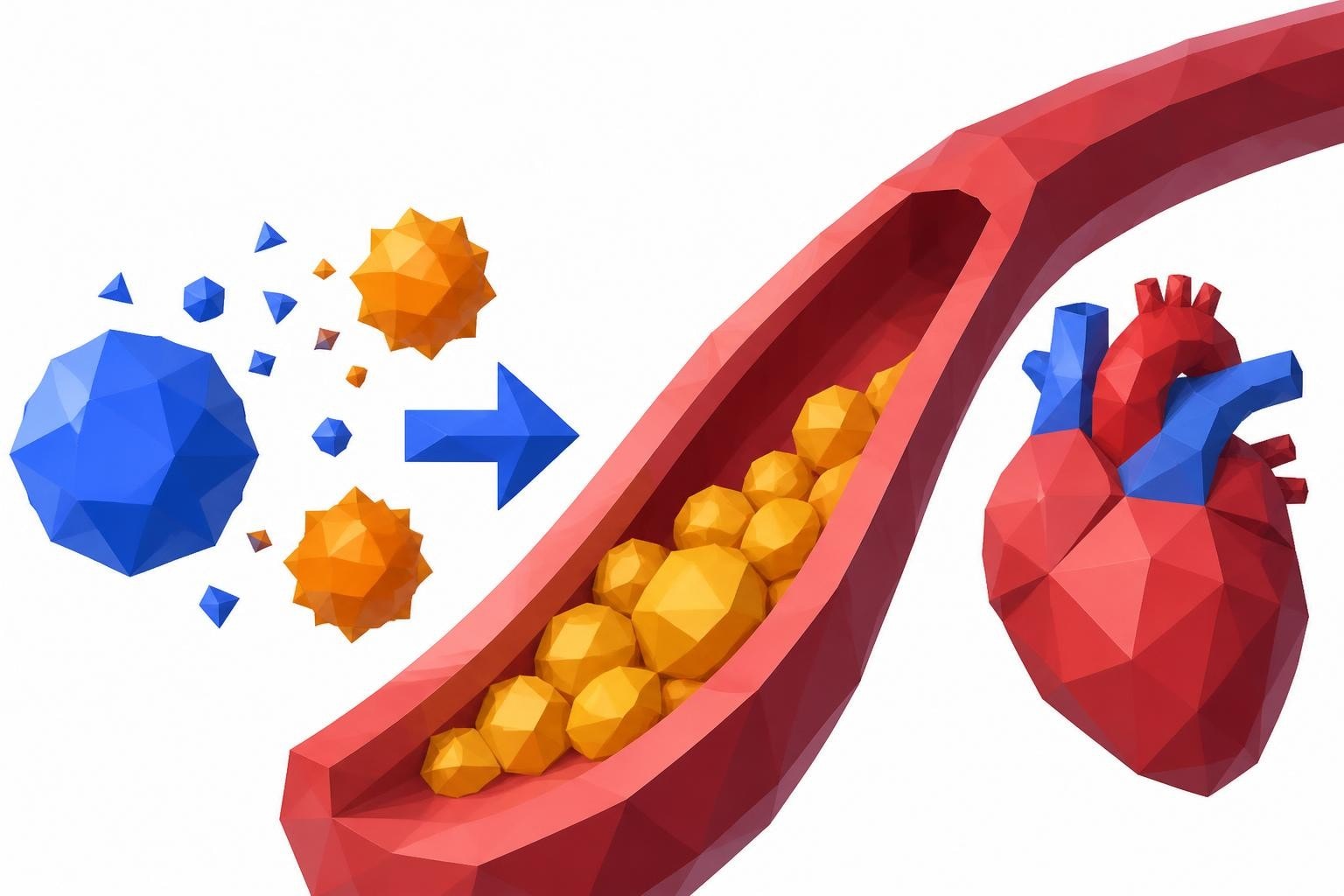
When it comes to cardiovascular health, most people are familiar with checking their cholesterol levels. But traditional lipid panels only tell part of the story. The oxidized LDL test offers a more nuanced view of heart disease risk by measuring a specific form of "bad" cholesterol that plays a direct role in damaging blood vessels and forming arterial plaques.
Big picture
- What it is: The oxidized LDL test measures LDL cholesterol particles that have undergone oxidative modification, making them more likely to contribute to atherosclerosis and cardiovascular disease
- Why it matters: Oxidized LDL is considered a more accurate predictor of heart attack and stroke risk than standard cholesterol tests because it directly participates in plaque formation
- Who needs it: Individuals with family history of heart disease, those with elevated standard cholesterol, people managing diabetes, and anyone seeking a comprehensive cardiovascular risk assessment
- Key insight: Normal LDL levels don't guarantee protection if oxidized LDL is elevated, which is why this specialized test can uncover hidden cardiovascular risks
- Action step: Consider adding an oxidized LDL test to your routine health screenings, especially if you have multiple risk factors or want to monitor the effectiveness of lifestyle interventions
Understanding Oxidized LDL and Its Role in Heart Disease
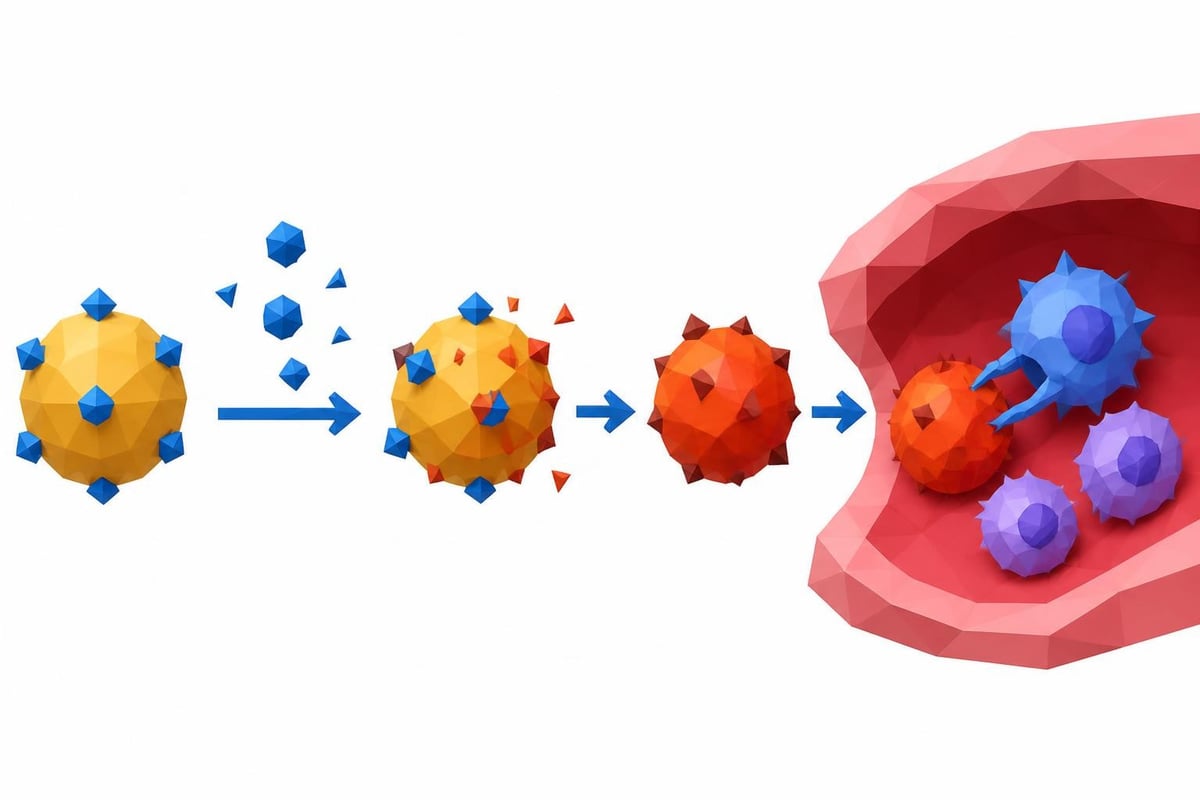
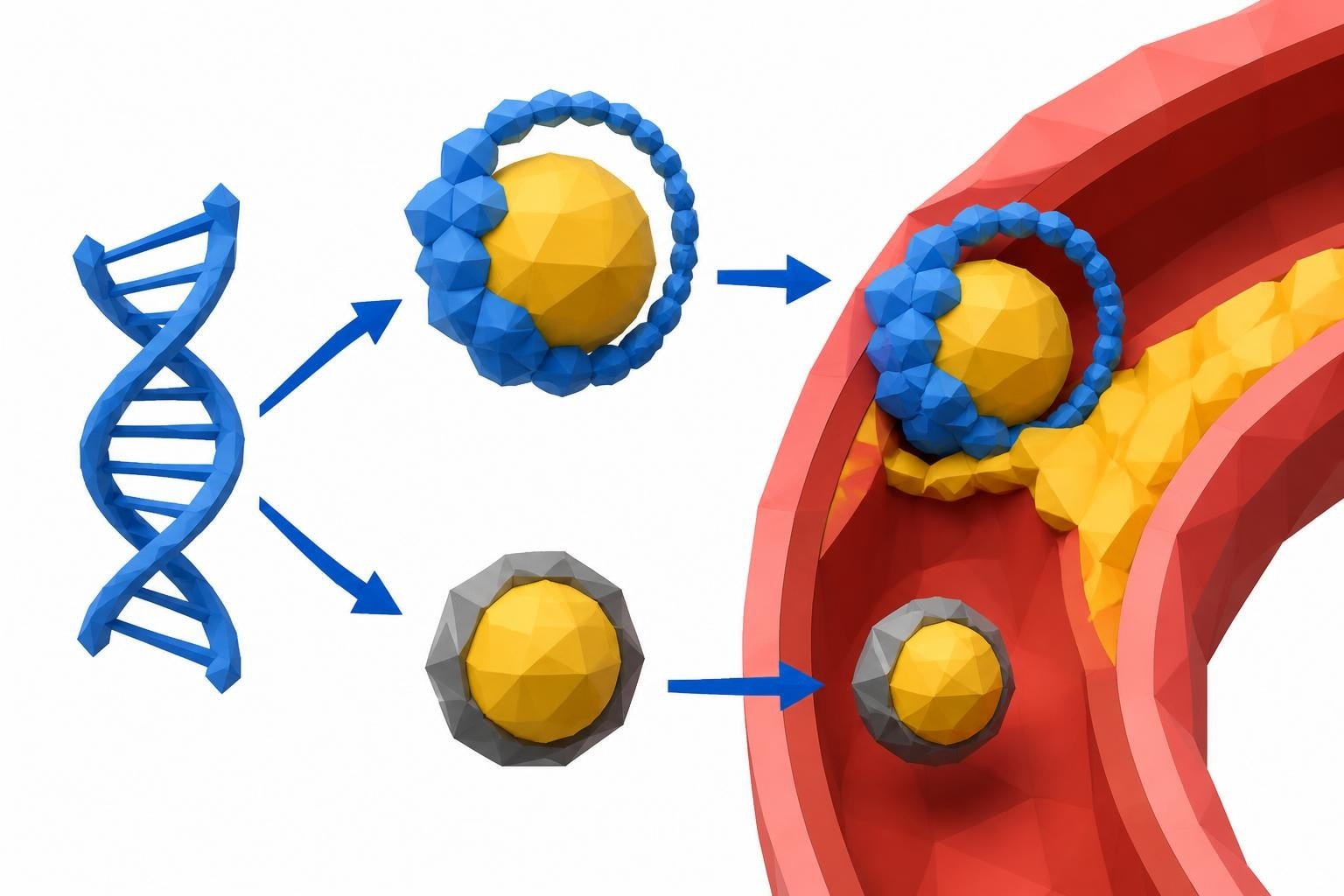
Low-density lipoprotein (LDL) cholesterol earns its "bad cholesterol" reputation, but not all LDL particles pose equal risk. When LDL cholesterol undergoes oxidation through exposure to free radicals and reactive oxygen species, it transforms into oxidized LDL (ox-LDL), a particularly harmful form that accelerates cardiovascular disease.
The oxidation process changes the chemical structure of LDL particles, making them unrecognizable to normal cellular receptors. Instead, immune cells in the arterial walls consume these modified particles, transforming into foam cells that accumulate and form the foundation of atherosclerotic plaques. This process represents one of the earliest stages of cardiovascular disease development.
The Biochemical Process Behind Oxidation
Oxidative stress occurs when free radicals overwhelm the body's antioxidant defenses. LDL particles circulating through the bloodstream become vulnerable to this damage, particularly when they become trapped in the arterial wall where oxidative conditions are more intense.
Several factors accelerate LDL oxidation:
- Smoking introduces massive amounts of oxidative compounds into the bloodstream
- High blood sugar creates glycated LDL particles more susceptible to oxidation
- Chronic inflammation generates reactive oxygen species that attack LDL
- Poor antioxidant intake reduces the body's protective mechanisms
- Environmental pollutants contribute additional oxidative burden
Research documented in the National Center for Biotechnology Information demonstrates that oxidized LDL exhibits unique biological properties that distinguish it from native LDL, making it a superior marker for atherosclerosis risk assessment.
What the Oxidized LDL Test Measures
The oxidized LDL test quantifies the concentration of oxidatively modified LDL particles in the bloodstream. Unlike standard lipid panels that measure total cholesterol, HDL, LDL, and triglycerides, this specialized test specifically identifies LDL that has undergone chemical modification through oxidation.
Laboratory methods for measuring oxidized LDL vary, but most employ enzyme-linked immunosorbent assay (ELISA) technology. These tests use antibodies that recognize specific epitopes on oxidized LDL molecules, providing quantitative results typically reported in units per liter (U/L) or nanograms per milliliter (ng/mL).
Reference Ranges and Interpretation
Understanding optimal oxidized LDL levels helps contextualize test results. Reference ranges can vary slightly between laboratories, but general guidelines establish risk categories:
| Oxidized LDL Level | Risk Category | Clinical Significance |
|---|---|---|
| <60 U/L | Optimal | Lowest cardiovascular risk |
| 60-80 U/L | Moderate | Increased attention to prevention |
| >80 U/L | High | Significant cardiovascular risk requiring intervention |
According to Warde Medical Laboratory specifications, the test requires a standard blood draw with serum or plasma specimens. Results typically become available within several business days, and many patients can now order lab tests without a doctor through direct-to-consumer testing services.
Recommended Test
Oxidized LDL
Measures oxidized LDL - the dangerous, modified form of LDL cholesterol that directly causes arterial plaque buildup. More predictive of heart disease than standard LDL alone.
Includes 1 biomarkers
$22
The interpretation extends beyond simple numbers. Clinicians consider oxidized LDL results alongside other cardiovascular markers including high-sensitivity C-reactive protein (hs-CRP), lipoprotein(a), homocysteine, and advanced lipid profiles to create a comprehensive risk assessment.
Who Should Consider an Oxidized LDL Test
While traditional cholesterol screening remains a cornerstone of preventive medicine, specific populations benefit particularly from oxidized LDL testing. This specialized assessment reveals risks that standard lipid panels might miss.
High-priority candidates include individuals with:
- Family history of premature cardiovascular disease (men before age 55, women before age 65)
- Diabetes or prediabetes, conditions that accelerate LDL oxidation
- Metabolic syndrome characterized by abdominal obesity, high blood pressure, and insulin resistance
- Chronic inflammatory conditions such as rheumatoid arthritis or lupus
- Elevated standard LDL cholesterol despite normal total cholesterol
- Previous cardiovascular events seeking to optimize prevention strategies
Beyond Traditional Risk Factors
The oxidized LDL test proves particularly valuable for people whose standard cholesterol numbers appear normal but who still experience cardiovascular events. This scenario, sometimes called the "cholesterol paradox," affects approximately 50% of heart attack patients who have normal or even low LDL cholesterol levels.
Oxidative stress and inflammation, rather than sheer cholesterol quantity, often drive disease progression in these cases. The oxidized LDL test captures this critical dimension of cardiovascular risk.

Athletes and fitness enthusiasts monitoring the impact of intense training also find value in oxidized LDL testing. Extreme exercise can temporarily increase oxidative stress, and tracking oxidized LDL helps ensure training programs support rather than compromise cardiovascular health.
How to Prepare for Your Oxidized LDL Test
Proper preparation ensures accurate results from your oxidized LDL test. Unlike some cardiovascular markers that require extensive fasting, the oxidized LDL test typically needs only standard precautions.
Most laboratories recommend an 8-12 hour fasting period before blood collection. This means no food or beverages except water during this window. The fasting requirement helps minimize interference from recent meals, particularly those high in fats that can temporarily affect lipid measurements.
Testing Logistics and Timing
Schedule your blood draw for the morning when possible. This timing makes fasting more convenient and ensures consistency with most reference range data, which laboratories establish using morning specimens.
Before your test:
- Continue regular medications unless your healthcare provider advises otherwise
- Avoid alcohol for 24 hours prior to testing
- Maintain your normal diet in the days leading up to the test
- Stay well-hydrated, which facilitates blood collection
- Inform the laboratory about supplements, particularly antioxidants that might affect results
When accessing lab testing services, you can typically schedule appointments at convenient locations near your home or workplace. Many testing facilities offer extended hours to accommodate busy schedules, and results usually arrive within 1-3 business days.
Understanding how lab testing works helps reduce anxiety about the process. The blood collection takes only a few minutes, and most people experience minimal discomfort from the standard venipuncture.
Interpreting Your Oxidized LDL Test Results
Receiving your oxidized LDL test results marks the beginning of understanding your cardiovascular risk profile. The numerical value provides important information, but context matters enormously for appropriate interpretation.
Results arrive with reference ranges established by the testing laboratory. These ranges reflect values observed in healthy populations and patients with known cardiovascular disease. Your result falls into one of several categories that indicate relative risk levels.
Understanding the Numbers in Context
A single elevated oxidized LDL reading doesn't necessarily predict imminent cardiovascular events. Instead, it signals increased risk that warrants attention and potentially intervention. Consider your results alongside:
| Factor | Impact on Interpretation |
|---|---|
| Age and gender | Risk naturally increases with age; men face earlier risk |
| Other lipid markers | LDL particle number, HDL, triglycerides provide context |
| Inflammatory markers | hs-CRP and other indicators of systemic inflammation |
| Blood pressure | Hypertension compounds oxidized LDL risks |
| Blood glucose control | HbA1c reveals glycemic stress contributing to oxidation |
The importance of proper result interpretation extends beyond the numbers themselves. Resources for understanding lab results help patients contextualize findings and identify appropriate next steps.
Trends matter more than isolated measurements. Serial testing over months or years reveals whether interventions are working. Decreasing oxidized LDL levels indicate successful risk reduction, while stable or rising levels suggest the need for modified approaches.
Reducing Elevated Oxidized LDL Levels
Discovering elevated oxidized LDL levels empowers you to take targeted action. Multiple evidence-based strategies can reduce oxidized LDL and lower cardiovascular risk, often without pharmaceutical intervention.
Dietary Modifications
Nutrition directly influences both the quantity of LDL cholesterol and its susceptibility to oxidation. An antioxidant-rich diet provides the foundation for reducing oxidized LDL:
- Increase colorful vegetables and fruits packed with polyphenols, flavonoids, and vitamins C and E
- Choose Mediterranean diet patterns emphasizing olive oil, nuts, fish, and whole grains
- Limit processed foods containing oxidized fats and pro-inflammatory compounds
- Reduce sugar intake to decrease glycation and oxidative stress
- Avoid trans fats that promote LDL oxidation and inflammation
Studies consistently demonstrate that diets rich in plant-based foods lower oxidized LDL more effectively than simply reducing fat intake. The quality of dietary fats matters tremendously, with omega-3 fatty acids from fish and nuts providing protective benefits.
Lifestyle Interventions
Beyond nutrition, several lifestyle factors significantly impact oxidized LDL levels:
- Regular aerobic exercise improves antioxidant defenses and reduces oxidative stress
- Stress management through meditation, yoga, or other relaxation techniques lowers inflammatory markers
- Adequate sleep of 7-9 hours nightly supports cellular repair and antioxidant systems
- Smoking cessation eliminates a major source of oxidative damage
- Weight management reduces inflammation and metabolic stress

Supplementation and Medical Interventions
Certain supplements show promise for reducing oxidized LDL, though they should complement rather than replace foundational lifestyle changes:
- Coenzyme Q10 supports mitochondrial function and acts as an antioxidant
- Vitamin E protects LDL particles from oxidation when taken appropriately
- Omega-3 fatty acids reduce inflammation and oxidative stress
- Polyphenol extracts from green tea, grape seed, or pine bark offer antioxidant protection
Statin medications, commonly prescribed for high cholesterol, also reduce oxidized LDL levels. These drugs work through multiple mechanisms beyond simply lowering LDL quantity, including anti-inflammatory and antioxidant effects.
The Relationship Between Oxidized LDL and Other Cardiovascular Markers
Cardiovascular risk assessment relies on multiple biomarkers working together to create a comprehensive picture. Oxidized LDL doesn't exist in isolation but interacts with other factors that influence heart disease development.
High-sensitivity C-reactive protein (hs-CRP) measures systemic inflammation, which both promotes LDL oxidation and responds to oxidized LDL presence. Elevated levels of both markers signal particularly high cardiovascular risk. Similarly, lipoprotein(a), another cholesterol particle, becomes more dangerous when oxidized.
Comprehensive Risk Panels
Modern cardiovascular risk assessment often employs advanced testing panels that measure multiple markers simultaneously. A comprehensive heart health panel might include:
- Standard lipid profile (total cholesterol, LDL, HDL, triglycerides)
- Oxidized LDL
- High-sensitivity C-reactive protein
- Lipoprotein(a)
- Apolipoprotein B
- LDL particle number and size
- Homocysteine
- Hemoglobin A1c
Recommended Panel
Advanced Heart Health Panel
Save $6Go beyond basic cholesterol testing. This advanced panel includes the markers cardiologists use to assess true cardiovascular risk: ApoB, Lp(a), homocysteine, and inflammation.
Includes 10 biomarkers
$86
Fasting required
This integrated approach provides superior risk prediction compared to any single marker. Patients can access comprehensive testing through affordable lab testing services without requiring insurance authorization or lengthy doctor appointments.
The synergy between markers offers actionable insights. For example, elevated oxidized LDL combined with high hs-CRP indicates active inflammatory processes damaging blood vessels, suggesting both antioxidant and anti-inflammatory interventions might prove beneficial.
Cost and Accessibility Considerations
The specialized nature of oxidized LDL testing historically limited its availability and made it expensive. However, the landscape has changed significantly in recent years as testing technology has advanced and direct-to-consumer laboratory services have emerged.
Traditional healthcare systems often don't include oxidized LDL testing in standard preventive care protocols. Insurance coverage varies widely, with many plans declining to reimburse for what they consider investigational or unnecessary testing. This creates barriers for patients interested in comprehensive cardiovascular assessment.
Direct-Access Testing Solutions
Direct-to-consumer laboratory services have democratized access to specialized tests. Platforms offering labs without insurance allow individuals to order oxidized LDL tests and other advanced cardiovascular markers without physician referrals or insurance complications.
Pricing transparency represents another advantage of direct-access testing. Rather than navigating complex insurance billing and surprise costs, patients see upfront pricing and can make informed decisions about which tests to order. Many services also accept Health Savings Account (HSA) and Flexible Spending Account (FSA) payments, making advanced testing more affordable for individuals with these benefits.
The convenience factor shouldn't be underestimated. Being able to order lab tests online and visit a nearby collection facility at a convenient time removes traditional obstacles to proactive health monitoring. Results typically arrive within days, often with educational resources to aid interpretation.
Key Takeaways
Essential points about oxidized LDL testing:
- Oxidized LDL represents a more accurate cardiovascular risk marker than standard cholesterol because it directly participates in atherosclerosis development
- The test measures LDL cholesterol particles that have undergone oxidative modification, with levels above 80 U/L indicating significantly elevated cardiovascular risk
- People with diabetes, family history of heart disease, metabolic syndrome, or normal cholesterol but cardiovascular concerns benefit most from testing
- Reducing oxidized LDL requires a comprehensive approach including antioxidant-rich nutrition, regular exercise, stress management, and sometimes targeted supplementation
- Direct-access laboratory services have made oxidized LDL testing more accessible and affordable than traditional healthcare pathways
Related reading
FAQ
What is the difference between oxidized LDL and regular LDL cholesterol?
Regular LDL cholesterol refers to the total amount of low-density lipoprotein particles in your blood, which transport cholesterol from the liver to cells throughout the body. Oxidized LDL specifically measures LDL particles that have undergone chemical modification through exposure to free radicals. This oxidation changes the structure of LDL, making it harmful to blood vessel walls and more likely to form arterial plaques. You can have normal LDL levels but still have high oxidized LDL if you experience significant oxidative stress from factors like smoking, poor diet, or chronic inflammation.
How often should I get an oxidized LDL test?
Testing frequency depends on your initial results and cardiovascular risk profile. If your first oxidized LDL test shows optimal levels (below 60 U/L) and you have no significant risk factors, retesting every 2-3 years alongside routine lipid panels may suffice. However, if your levels are elevated or you're implementing interventions to reduce cardiovascular risk, testing every 3-6 months helps monitor progress and adjust strategies. Individuals with diabetes, previous cardiovascular events, or multiple risk factors often benefit from more frequent monitoring to ensure treatments are working effectively.
Can diet and lifestyle changes really lower oxidized LDL levels?
Absolutely. Research consistently demonstrates that dietary and lifestyle interventions can significantly reduce oxidized LDL levels. An antioxidant-rich Mediterranean diet, regular aerobic exercise, stress reduction, adequate sleep, and smoking cessation all work synergistically to decrease oxidative stress and lower oxidized LDL. Many people see meaningful reductions within 3-6 months of implementing these changes. In some cases, these modifications prove as effective as pharmaceutical interventions, particularly when combined with targeted antioxidant supplementation. The key is consistency and a comprehensive approach rather than relying on any single intervention.
Is the oxidized LDL test covered by insurance?
Insurance coverage for oxidized LDL testing varies significantly by plan and provider. Many insurance companies consider it an investigational or specialty test and don't include it in standard preventive care coverage. Some plans cover the test if you have documented cardiovascular disease or specific risk factors, but often require prior authorization. Medicare coverage is similarly inconsistent. Many people find it more straightforward to pay out-of-pocket through direct-access laboratory services, which often offer transparent pricing that may be comparable to or lower than insurance copays and deductibles.
What medications can help reduce oxidized LDL?
Statins, the most commonly prescribed cholesterol medications, reduce oxidized LDL through multiple mechanisms beyond simply lowering total LDL levels. They possess anti-inflammatory and antioxidant properties that directly decrease LDL oxidation. Other medications that may help include ezetimibe, which reduces cholesterol absorption, and PCSK9 inhibitors, which dramatically lower LDL levels. Some blood pressure medications, particularly ACE inhibitors and angiotensin receptor blockers, also have antioxidant effects that may reduce oxidized LDL. However, medication decisions should always be made in consultation with healthcare providers who can evaluate your complete cardiovascular risk profile and consider potential side effects and drug interactions.
Does high oxidized LDL always mean I'll have a heart attack?
No, elevated oxidized LDL indicates increased cardiovascular risk but doesn't guarantee you'll experience a heart attack or stroke. Many factors influence cardiovascular disease development, including blood pressure, blood sugar control, other lipid markers, genetics, lifestyle factors, and overall inflammation levels. Oxidized LDL is one piece of a complex puzzle. The valuable aspect of knowing your oxidized LDL level is that it provides actionable information. Elevated levels signal the need for intervention, and implementing appropriate dietary, lifestyle, and possibly medical strategies can significantly reduce your risk and prevent cardiovascular events.
Understanding your oxidized LDL levels provides valuable insight into cardiovascular health that traditional cholesterol tests might miss, empowering you to take targeted action before problems develop. If you're ready to take control of your heart health through comprehensive testing, Justlabs offers convenient access to oxidized LDL testing and other advanced cardiovascular markers with transparent pricing, no insurance hassles, and results delivered in 1-3 days.
References
Khatana C, Saini NK, Chakrabarti S, Saini V, Sharma A, Saini RV, Saini AK. Mechanistic Insights into the Oxidized Low-Density Lipoprotein-Induced Atherosclerosis. Oxid Med Cell Longev. 2020;2020:5245308. doi: 10.1155/2020/5245308. PMID: 33014272. https://pubmed.ncbi.nlm.nih.gov/33014272/
Chistiakov DA, Melnichenko AA, Myasoedova VA, Grechko AV, Orekhov AN. Mechanisms of foam cell formation in atherosclerosis. J Mol Med (Berl). 2017 Nov;95(11):1153-1165. doi: 10.1007/s00109-017-1575-8. PMID: 28785870. https://pubmed.ncbi.nlm.nih.gov/28785870/
Simantiris S, Papastamos C, Antonopoulos AS, Theofilis P, Sagris M, Bounta M, Konisti G, Galiatsatos N, Xanthaki A, Tsioufis K, Tousoulis D. Oxidative Stress Biomarkers in Coronary Artery Disease. Curr Top Med Chem. 2023;23(22):2158-2171. doi: 10.2174/1568026623666230502140614. PMID: 37138428. https://pubmed.ncbi.nlm.nih.gov/37138428/
Ahmadi A, Jamialahmadi T, Sahebkar A. Polyphenols and atherosclerosis: A critical review of clinical effects on LDL oxidation. Pharmacol Res. 2022 Oct;184:106414. doi: 10.1016/j.phrs.2022.106414. PMID: 36028188. https://pubmed.ncbi.nlm.nih.gov/36028188/